

How to Maximize Natural Light Inside Your Home Through Architectural Design
Natural light is not simply a technical feature of domestic architecture, but a cultural and spatial force that shapes atmosphere, comfort, and everyday experience. This article explores how orientation, openings, layout, materiality, and shading strategies work together to maximize daylight inside the home. By treating light as an architectural medium, designers can create interiors that are healthier, more generous, and deeply connected to their environment.
 Sinan Ozen16 January 20264 Mins read217
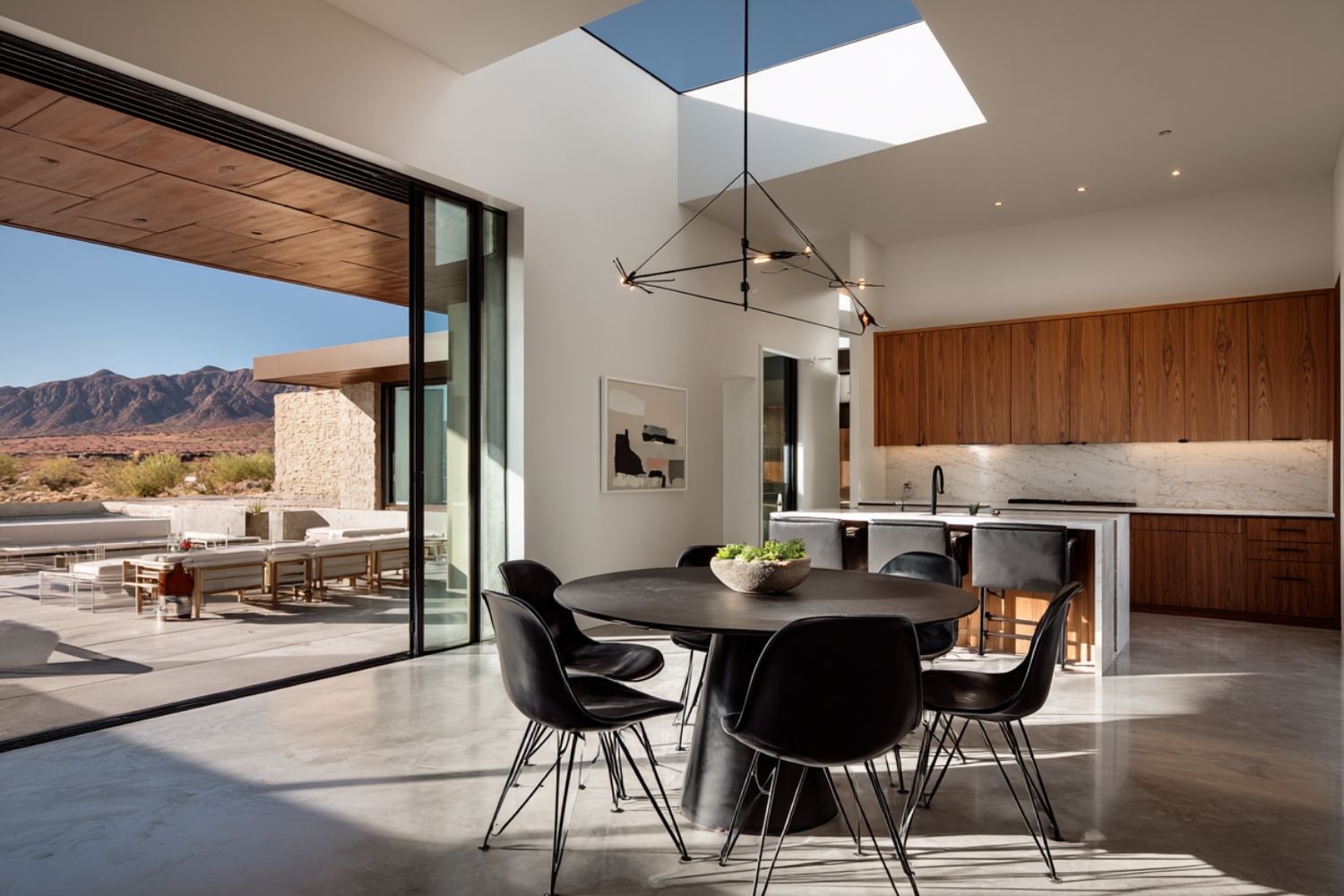
Table of Contents Show
Natural light has always occupied a privileged position in architectural thinking, not merely as a functional requirement, but as a cultural and spatial force that shapes how we inhabit space. From ancient courtyards and clerestory windows to modernist glass façades and contemporary daylight simulations, architects have long understood light as a material in its own right: intangible yet powerful, invisible yet deeply perceptible. Inside the home, daylight does more than illuminate surfaces. It defines atmospheres, establishes daily rhythms, and mediates the relationship between interior life and the outside world. In an era marked by increasing time spent indoors, rising energy consciousness, and renewed attention to well-being, maximizing natural light is no longer a matter of aesthetics alone, it is a design responsibility. To think seriously about daylight is to think about how architecture supports physical comfort, mental clarity, and a sense of spatial generosity in everyday life.
Orientation and the Architectural Logic of the Sun
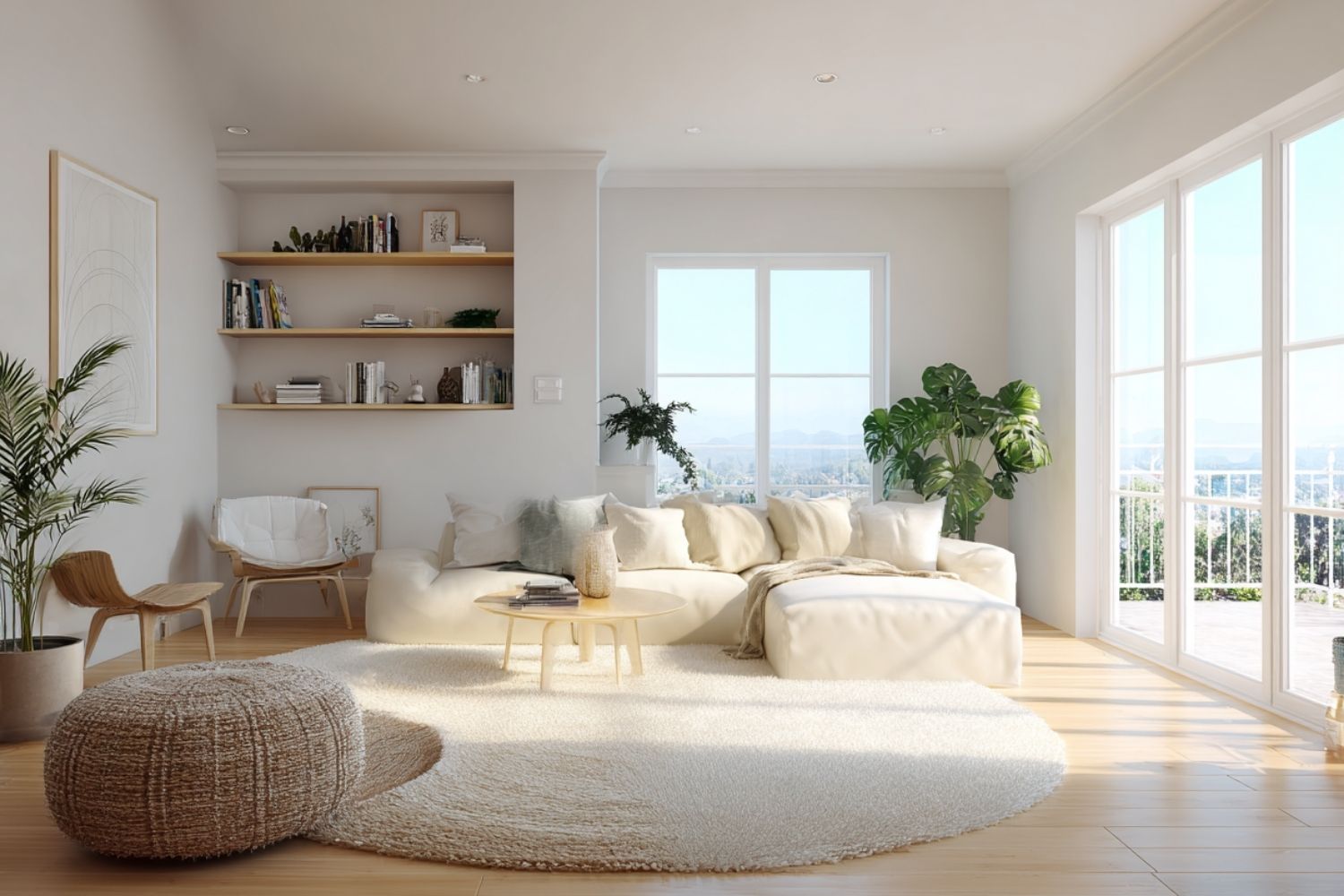
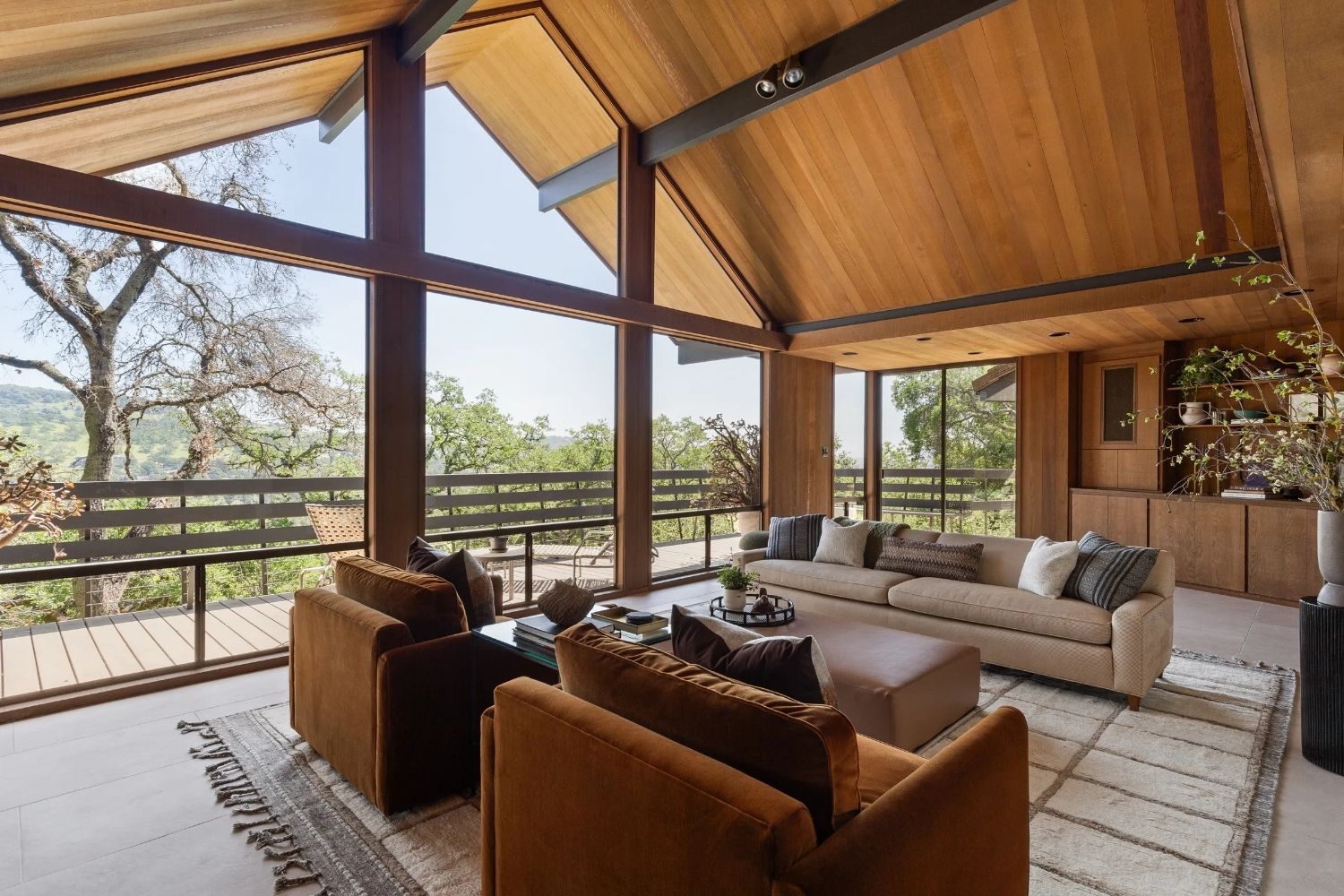
The most fundamental yet often overlooked aspect of maximizing natural light lies in how a home is oriented in relation to the sun. Orientation determines not only the quantity of daylight entering a space, but also its quality: whether light arrives softly and evenly or sharply and fleetingly. South-facing spaces in many climates receive the most consistent daylight throughout the day, while east-facing rooms capture the freshness of morning light and west-facing rooms absorb warmer, more dramatic afternoon tones. Thoughtful orientation allows architects and homeowners to choreograph light as a temporal experience, aligning daily activities with natural cycles. Living areas benefit from prolonged exposure to daylight, while bedrooms and private spaces may require more controlled, indirect light. This strategic alignment between function and solar movement underscores why orientation is not a technical afterthought, but a foundational architectural decision that shapes domestic life over time.
Openings as Spatial Instruments, Not Just Windows
Windows, skylights, and openings are often discussed in terms of size or style, yet their true architectural significance lies in placement, proportion, and intention. A well-positioned window can draw light deep into a plan, while an oversized but poorly located opening may produce glare without spatial benefit. Vertical openings can emphasize height and draw the eye upward, while horizontal windows extend visual connections to the landscape. Skylights, when carefully designed, introduce daylight into the heart of a home, transforming corridors, bathrooms, or stairwells into luminous spatial moments. Importantly, openings are also thresholds, zones where interior and exterior conditions meet. Their design influences not only light levels, but also views, ventilation, and privacy. Treating openings as spatial instruments rather than decorative elements allows natural light to become an active participant in shaping the home’s architectural narrative.
Interior Layout and the Flow of Daylight
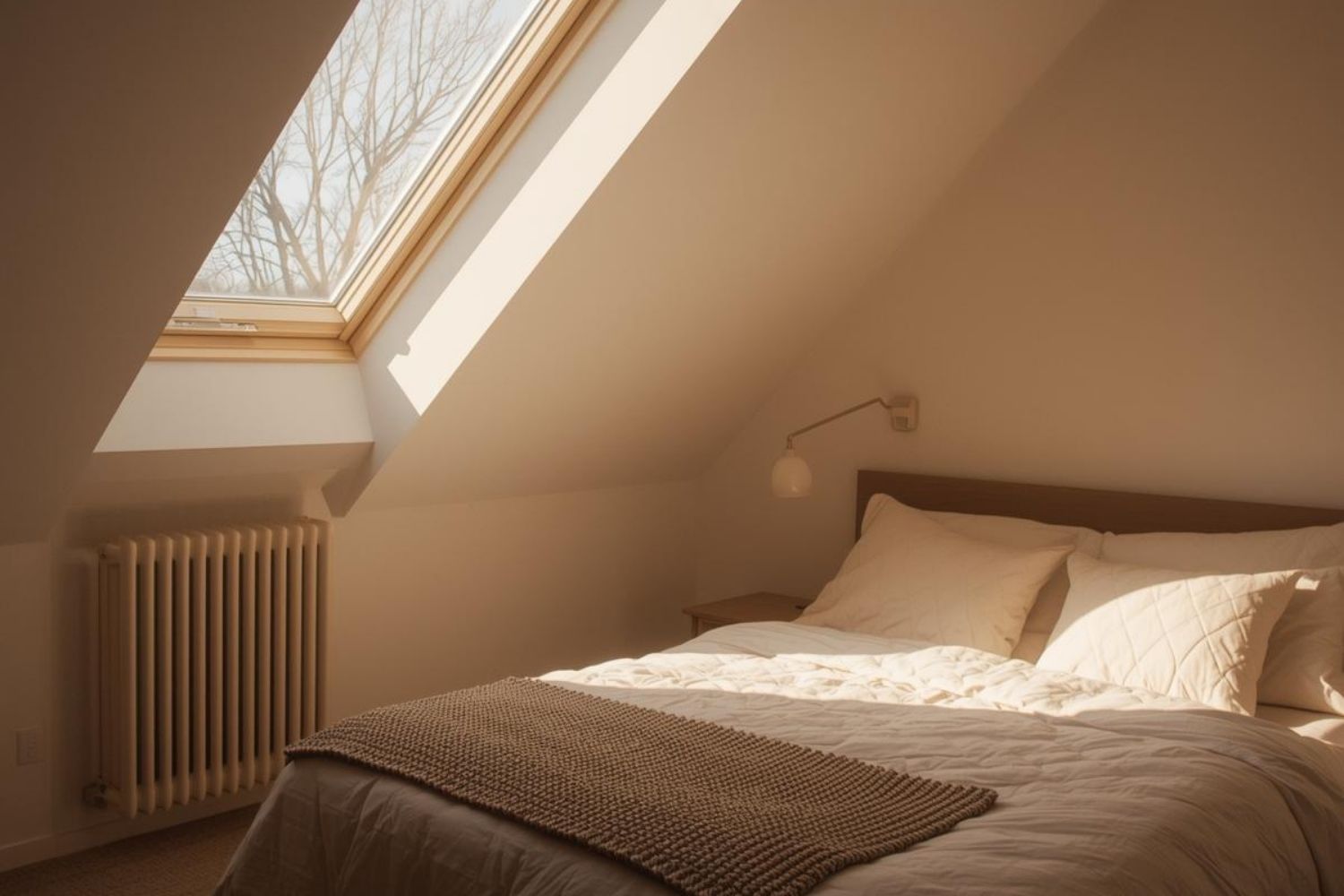
Natural light does not stop at the window; its impact depends on how freely it can travel through interior spaces. Compartmentalized layouts with heavy partitions often trap light at the perimeter, leaving interior zones dim and disconnected. In contrast, thoughtful spatial planning, through open layouts, visual connections, and aligned openings, allows daylight to flow more deeply and evenly throughout the home. Partial walls, sliding panels, and internal glazing can define spaces without blocking light, balancing openness with privacy. Even ceiling heights and floor level changes influence how light disperses and reflects. This internal choreography of space reveals why maximizing daylight is inseparable from architectural planning: it requires seeing the home as a continuous spatial field rather than a collection of isolated rooms.
Materiality, Color, and the Reflective Role of Surfaces
While light enters a space from outside, its presence is amplified, or diminished, by the materials it encounters inside. Light-colored surfaces, matte finishes, and subtly reflective materials help diffuse daylight, softening contrasts and reducing the need for artificial lighting. Floors, walls, and ceilings act as secondary light sources, bouncing illumination deeper into the interior. Conversely, dark or overly absorbent materials can flatten spatial perception, making even well-lit rooms feel heavy. This does not imply a rejection of depth or contrast, but rather a conscious calibration of material palettes. The strategic use of texture, color, and reflectivity allows designers to shape atmosphere while maintaining luminosity. In this way, material choices become tools for daylight management, linking sensory experience with environmental performance.
Shading, Control, and the Ethics of Comfort
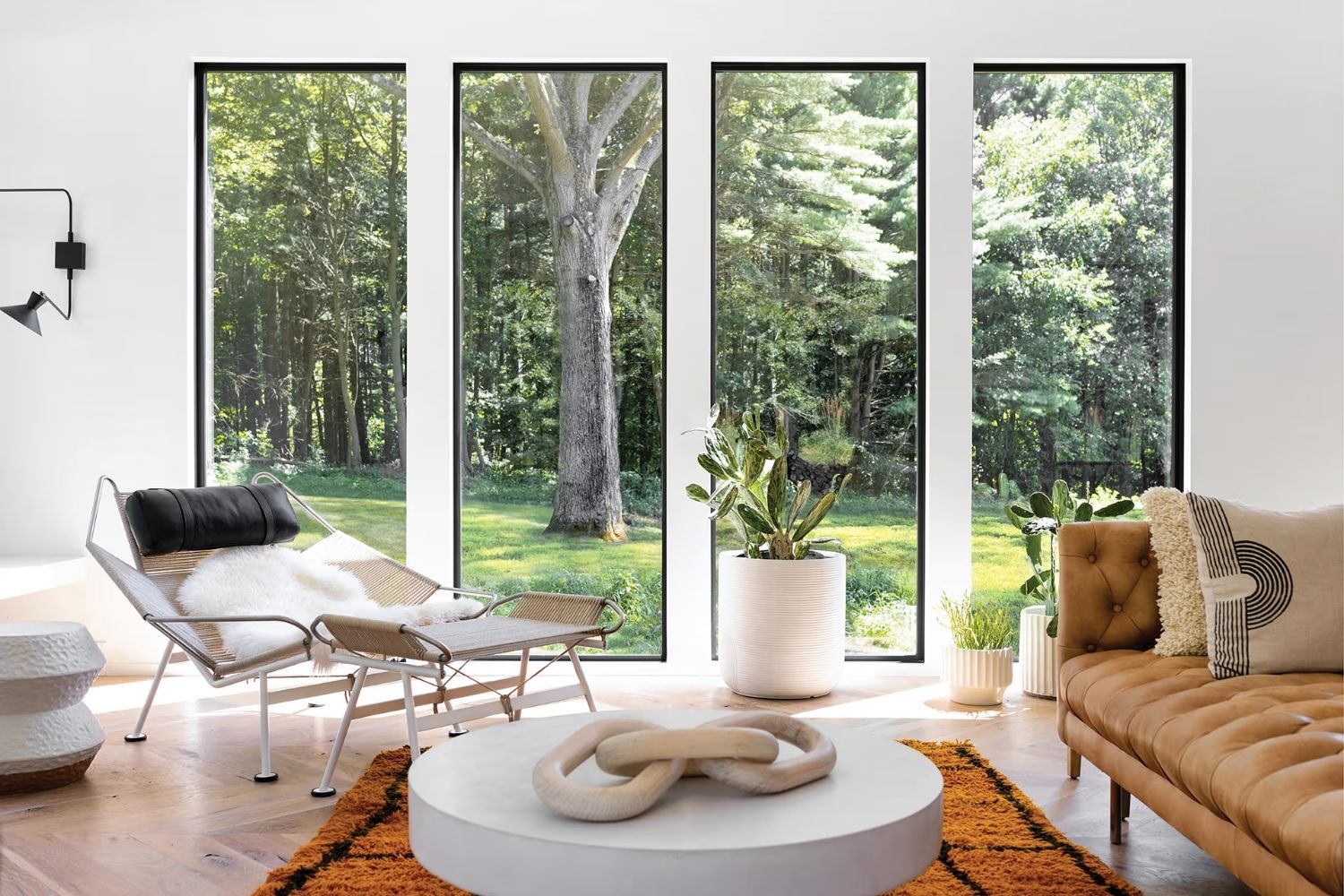
Maximizing natural light does not mean surrendering to excess. Uncontrolled daylight can cause overheating, glare, and visual discomfort, undermining the very well-being it seeks to support. Architectural shading devices, such as overhangs, louvers, screens, and curtains, play a crucial role in moderating light while preserving its presence. These elements allow occupants to adapt spaces to seasonal changes and personal needs, introducing flexibility into the domestic environment. Importantly, shading strategies reflect an ethical dimension of design: they acknowledge that comfort is dynamic and contextual. By balancing openness with control, architects create homes that respond intelligently to climate, orientation, and human use, rather than imposing a static ideal of brightness.
Conclusion: Daylight as a Cultural and Design Responsibility
To maximize natural light inside the home is ultimately to engage with architecture at its most humane scale. Daylight shapes how spaces are perceived, how time is felt, and how daily life unfolds within walls and thresholds. Beyond energy efficiency or visual appeal, it influences emotional well-being, cognitive clarity, and the subtle sense of connection to the outside world that makes a house feel alive. For architects, designers, and students, thinking critically about daylight fosters a deeper understanding of spatial quality and environmental responsibility. As design culture increasingly confronts questions of sustainability, health, and adaptability, natural light stands as a reminder that architecture’s most powerful tools are often the simplest, and the most enduring. By treating daylight not as a bonus, but as a central design driver, the home becomes more than a shelter; it becomes a responsive, luminous framework for contemporary living.
- architectural design for natural light
- architectural design sunlight
- designing homes for natural light
- eco-friendly lighting design
- enhance natural light indoors
- home design for natural lighting
- home lighting architecture
- maximize natural light in home
- sunlight optimizing home design
- sustainable light home design







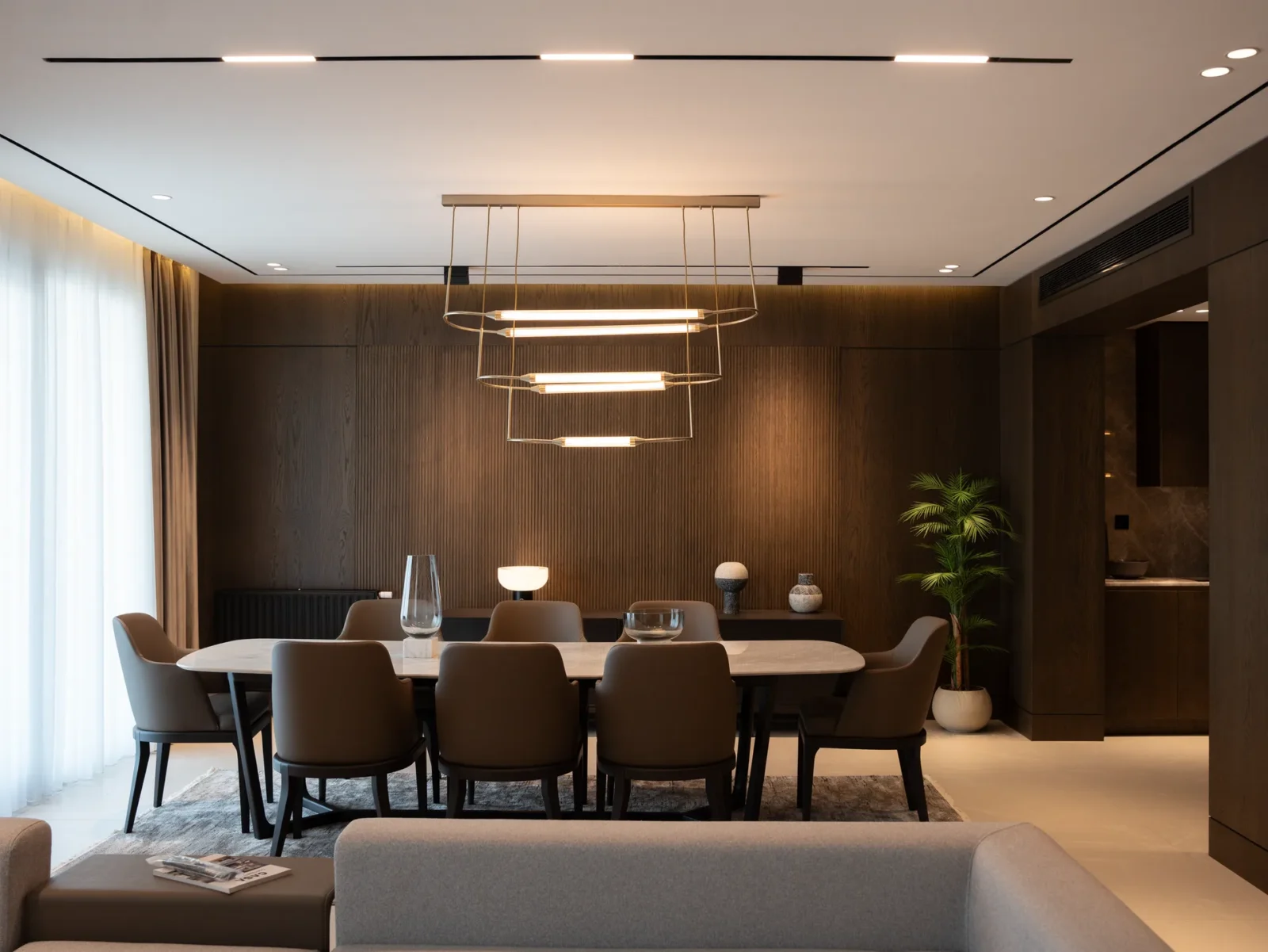
Mixing Metal Finishes When You Add a Modern Chandelier to an Older Home
Older homes already have brass, bronze or nickel in place. How to...
 illustrarch Editoral Team4 Mins read
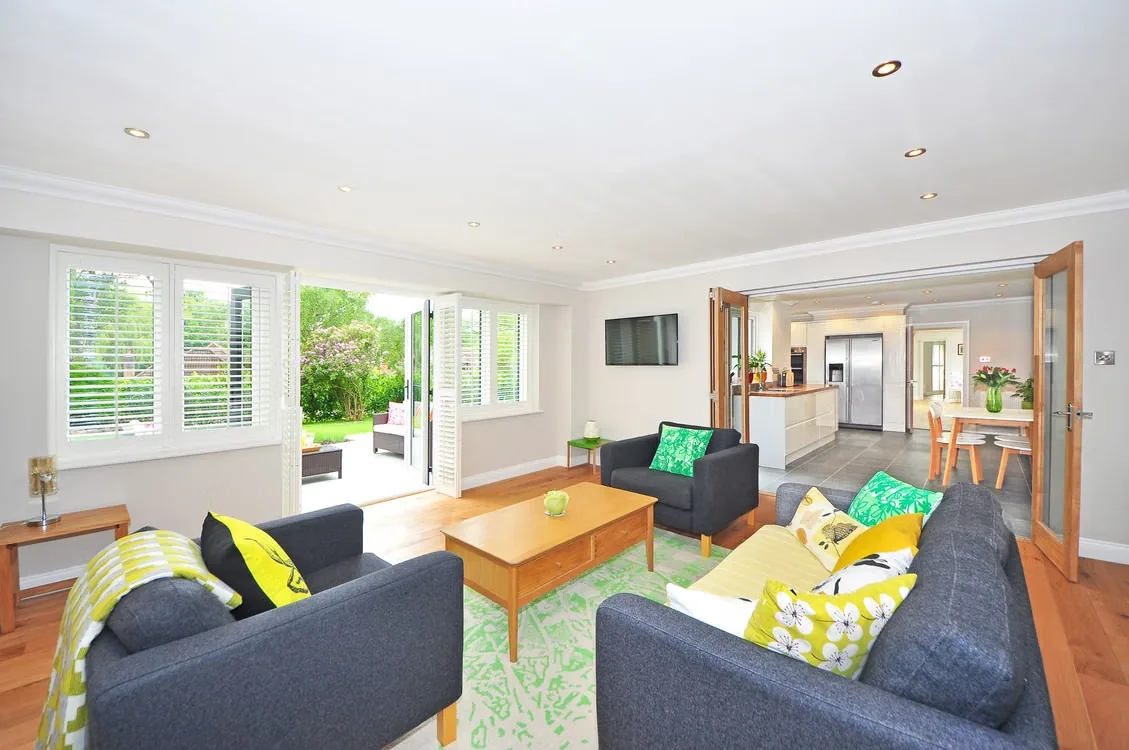
How Integrated Furniture Can Shape the Architecture of Urban Interiors
Most people treat furniture as the last decision in interior architecture, yet...
illustrarch Editoral Team2 Mins read
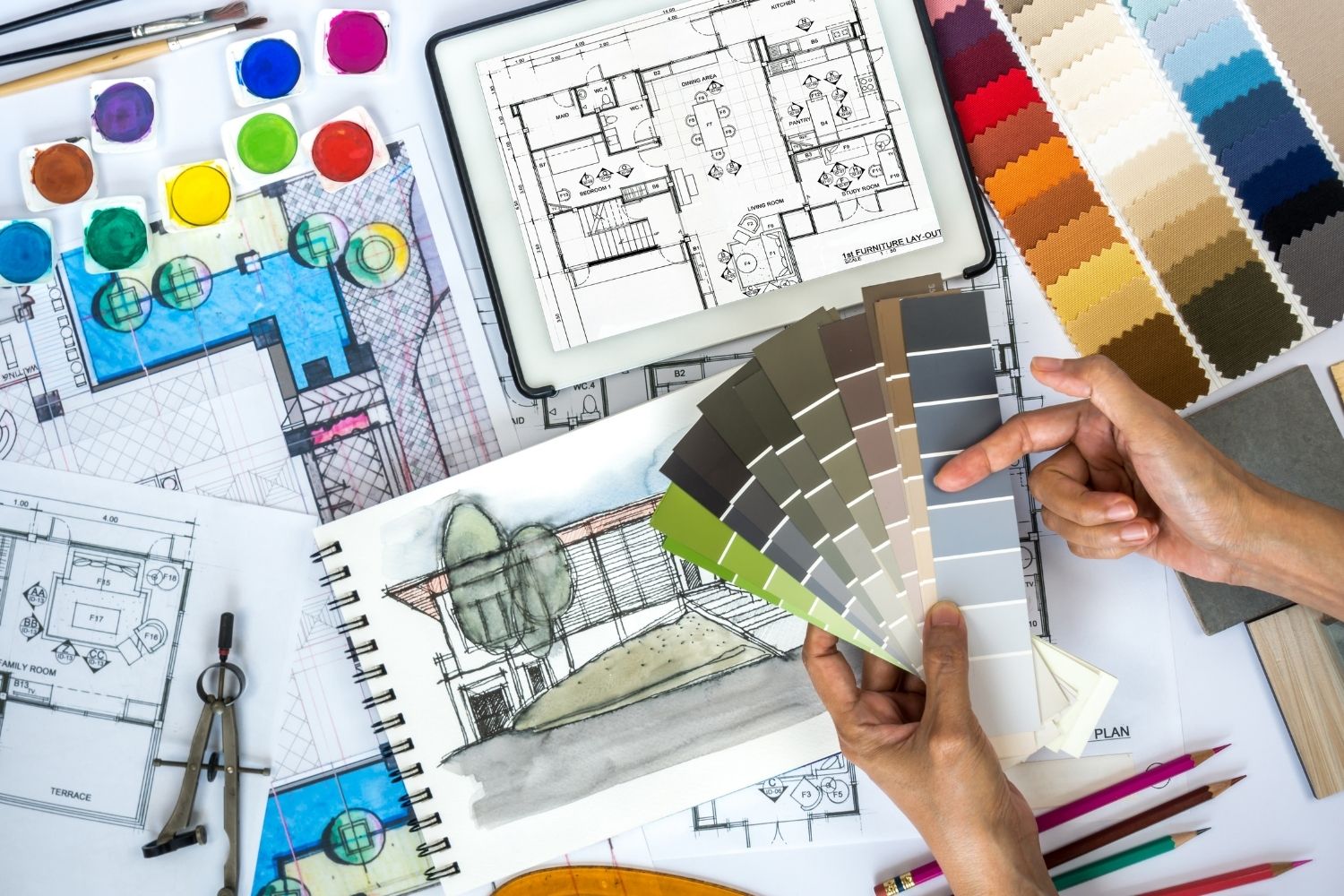
Architecture and Interior Design: Can Architects Specialize in Both?
Architects hold most of the skills interior design needs, from space planning...
 Furkan Sen5 Mins read
How to Make an Architecture Mood Board: A Step-by-Step Guide
A practical walkthrough for building an architecture mood board, covering how to...
Furkan Sen6 Mins read


Leave a comment