

American Architecture Styles That Shaped a Nation
Explore American architecture styles from Colonial to modern, key features, icons, and timelines in a clear, expert guide to how design shaped the nation.
 Sinan Ozen30 December 20254 Mins read214
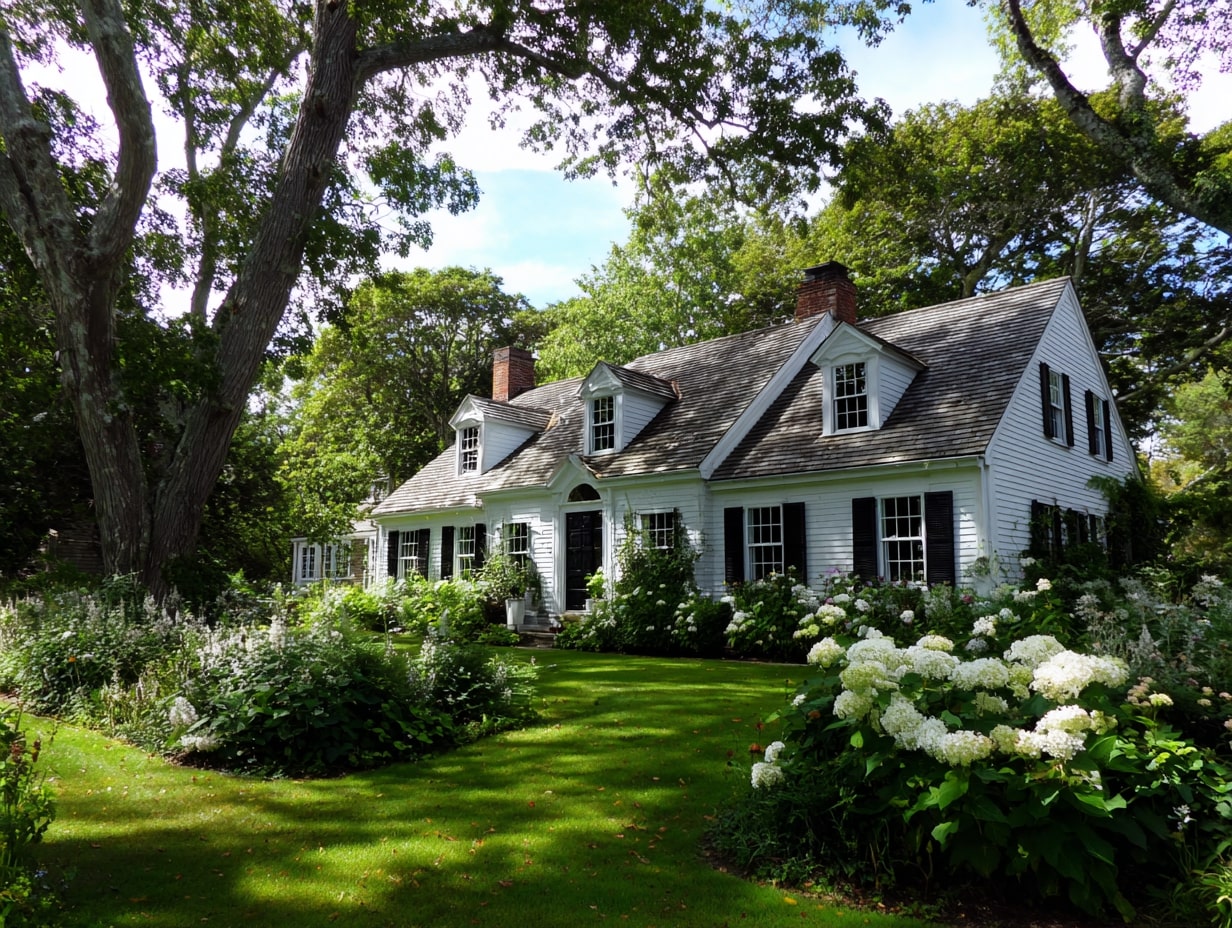
Table of Contents Show
Every street we walk and skyline we admire tells a chapter of the American story. In tracing American architecture styles that shaped a nation, we see how ideas traveled, technologies evolved, and communities expressed identity in wood, brick, steel, and glass. Let’s move era by era, east to west, town to tower, and explore how these forms still guide how we live and build today.
Colonial Foundations (1600s-1700s)
Spanish, French, And British Colonial Typologies
From the adobe missions of the Southwest to the timber-framed houses of New England, early America learned to build with what was at hand. Spanish colonial missions like San Antonio’s were thick-walled and sun-smart, while French colonial forms in Louisiana lifted living spaces above damp ground with broad galleries and hipped roofs. In the Northeast, British colonial saltboxes and Cape Cods prioritized compact plans and central hearths, simple, sturdy, and suited to harsh winters.
Georgian Symmetry And Early Urban Form
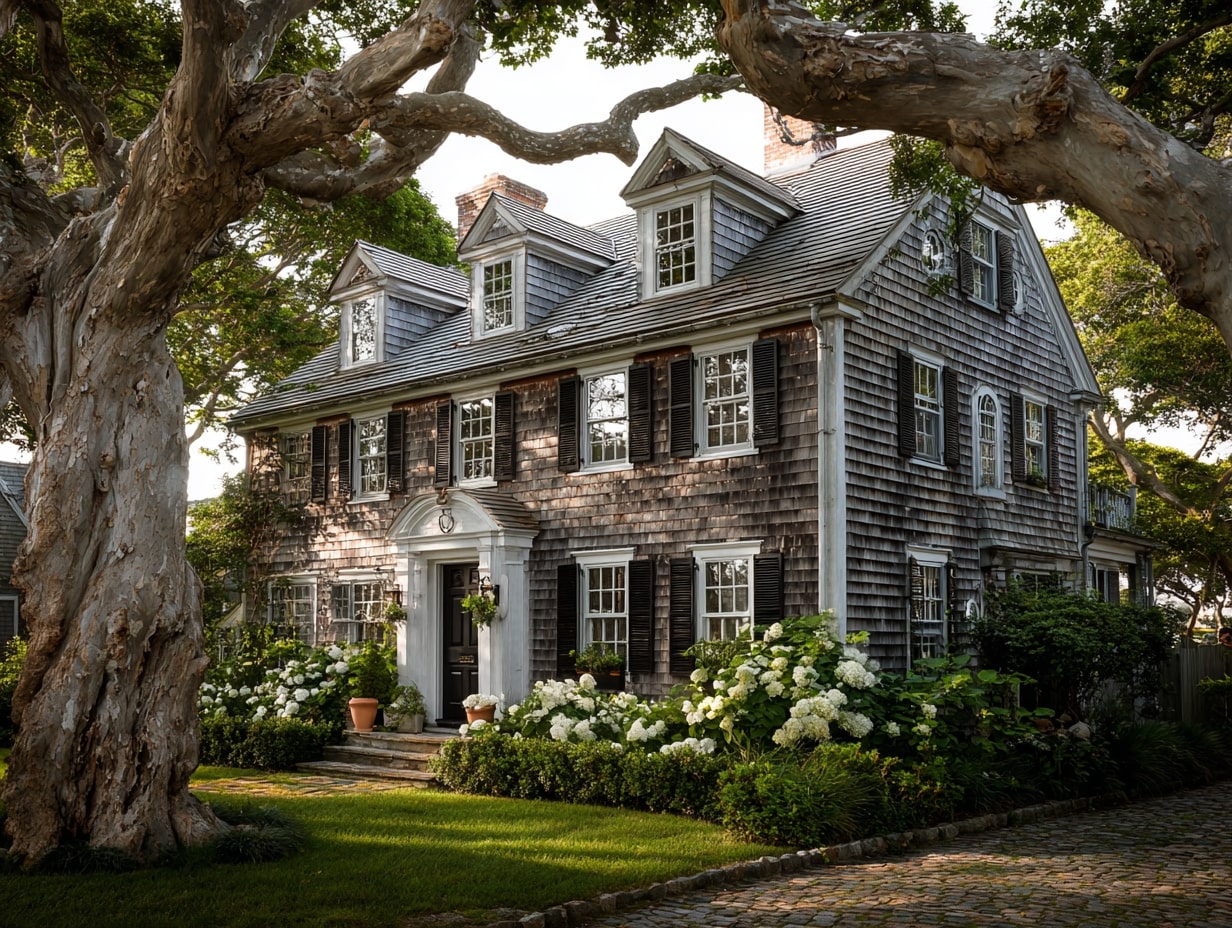
By the 18th century, Georgian architecture brought balance and proportion to growing towns, think brick facades, sash windows, and classical door surrounds. We can still read this order in places like Boston and Charleston, where rhythmic streetscapes framed markets, churches, and early civic halls. These homes and public buildings didn’t shout: they set a steady cadence that would echo through later American architecture styles.
A Republic Finds Its Voice: Federal And Greek Revival (1780s-1850s)
Federal And Neoclassical Ideals In Civic And Domestic Architecture
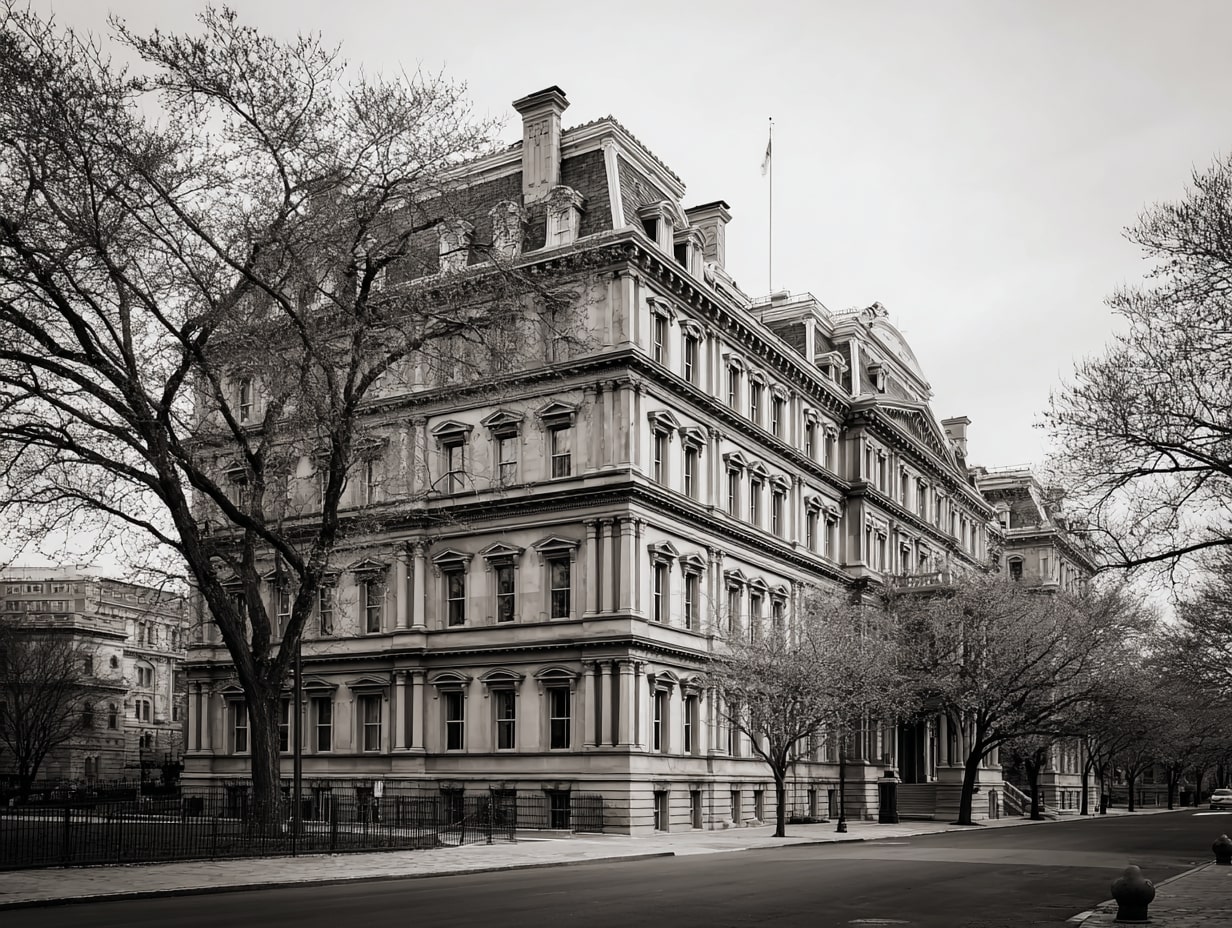
After independence, we reached for architecture that matched republican ideals. The Federal style, slimmer, lighter, and more refined than Georgian, embraced elliptical fanlights, delicate moldings, and balanced plans. Architects like Charles Bulfinch and Benjamin Latrobe helped translate neoclassical language into post-revolutionary civic buildings and townhouses, aligning new architecture in the United States with Enlightenment aspirations.
Greek Revival As A National Language For Democracy
By the 1820s-1840s, Greek Revival swept the country: white-columned courthouses on courthouse squares, temple-front banks and schools, and farmhouses with bold cornices. As we expanded west, pattern books spread the look, turning porticoes and pediments into a shared visual shorthand for democracy. It was ambitious and accessible, an early example of a style bridging elite design and everyday building.
Romanticism And The Picturesque: Victorian Eclecticism (1830s-1890s)
Gothic Revival And The Spiritual Landscape
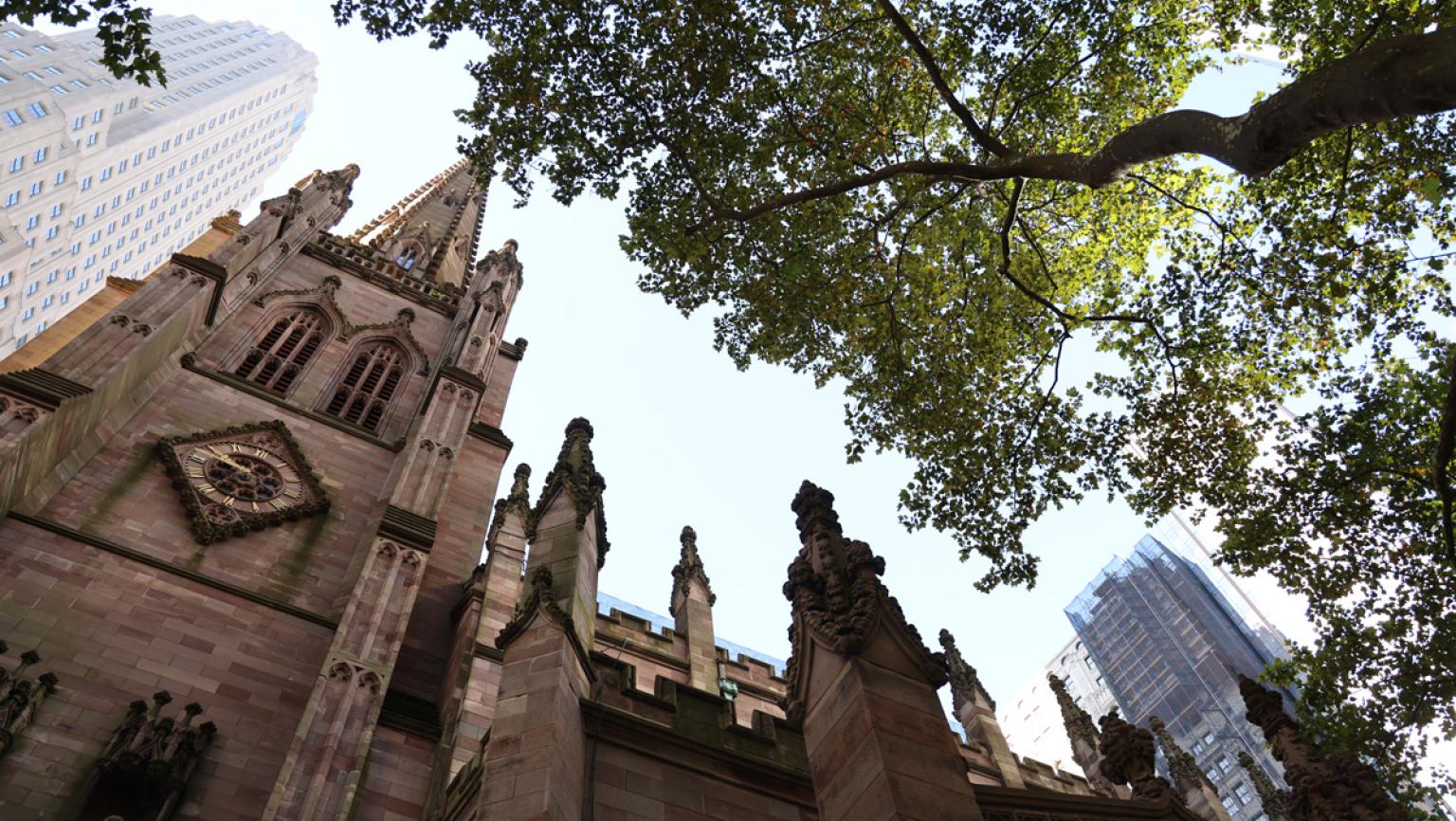
Industrialization brought anxiety and optimism in equal measure, and Gothic Revival offered a moral counterpoint. Pointed arches, buttresses, and tracery, popularized by architects like Richard Upjohn, appeared on churches, campuses, and even rural cottages. The message was clear: beauty and belief belonged in daily life, not just in cathedrals abroad.
Italianate, Second Empire, And Queen Anne In A Growing Nation
As rail networks expanded, catalogs delivered brackets, cornices, and turned spindles to towns everywhere. The Italianate style lent tall windows and bracketed eaves to main streets and farmhouses alike. Second Empire, with its crisp mansard roofs, telegraphed cosmopolitan ambition. And Queen Anne exuberantly mixed shingles, turrets, and wraparound porches, signaling prosperity in color and craft. Eclecticism became the face of a confident, fast-growing nation.
Monumental Urbanism And The Rise Of The Skyscraper (1890s-1930s)
Beaux-Arts And The City Beautiful Movement
In the late 19th century, we pursued grandeur. Beaux-Arts civic centers, train stations, and museums, think McKim, Mead & White, paired classical order with modern infrastructure. The 1893 World’s Columbian Exposition in Chicago rallied the City Beautiful movement, arguing that dignified public spaces could uplift daily life.
Chicago School, Steel Frames, And The Skyscraper
At the same time, engineers and architects in Chicago and New York turned steel frames and elevators into a new urban species: the skyscraper. Louis Sullivan’s dictum, form follows function, shaped expressive facades with clear bases, shafts, and cornices. Curtain walls liberated interiors, and city blocks rose vertically, redefining commerce, commute, and skyline.
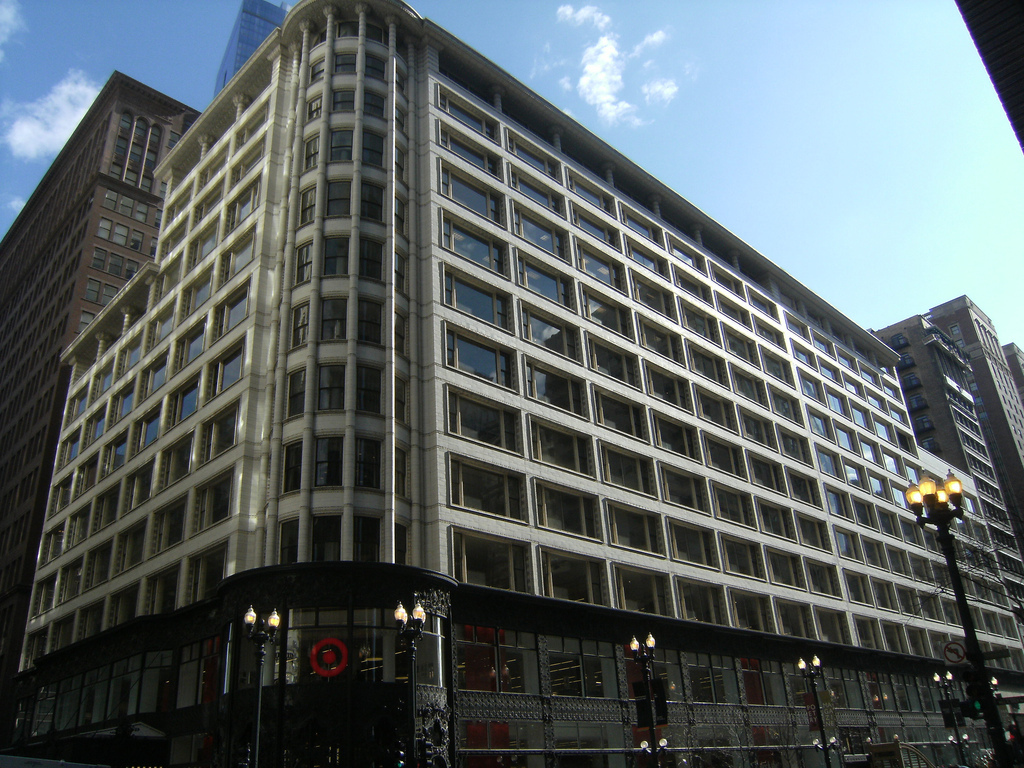
Art Deco And Streamlined Modernity
By the 1920s-30s, Art Deco fused ornament with speed. The Chrysler Building’s stainless-steel crown, Rockefeller Center’s limestone reliefs, and Miami Beach’s Streamline hotels sold optimism in setbacks and sunbursts. We were learning to celebrate technology without abandoning craft, another inflection point in American architecture styles that shaped a nation.
From Craft To Machine: Prairie, International, And Midcentury Modern (1900s-1960s)
Arts And Crafts Bungalows And Honest Materials
A countercurrent to industrial glare, the Arts and Crafts movement prized tactile, local materials. Modest bungalows, sunlit, low-slung, and porched, spread from California to the Midwest, with builders and firms like Greene & Greene elevating joinery and built-ins to art.
Prairie School And The Open Plan
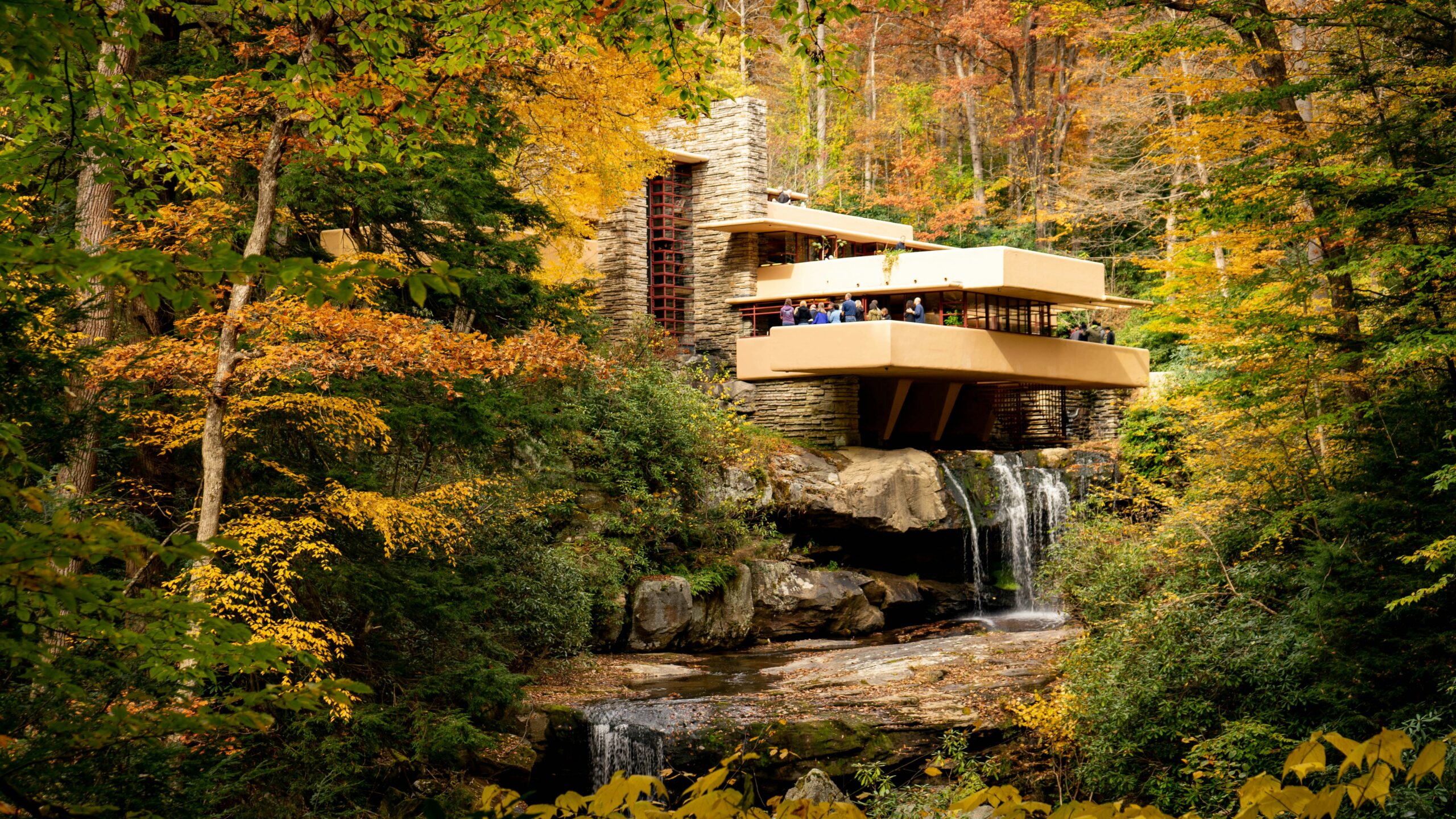
Frank Lloyd Wright and the Prairie School flattened roofs and extended eaves to meet the landscape. Open plans dissolved walls between living and dining, while hearths anchored family life. The idea that floor plans should support how we actually live, flow, light, connection, still guides residential design.
International Style And Midcentury Modern Living
After the 1932 MoMA exhibition, the International Style pared things back: volume over mass, glass over weight, pilotis, and flat roofs. By midcentury, modern homes, from Case Study Houses to Eichler neighborhoods, delivered indoor-outdoor living, built-ins, and efficient kitchens. Corporate towers by Miesian disciples refined the glass-and-steel box, disciplined, repeatable, and undeniably modern.
Pluralism And Purpose: Postmodern To Sustainable Futures (1970s: Today)
Postmodern Wit, Context, And Symbolism
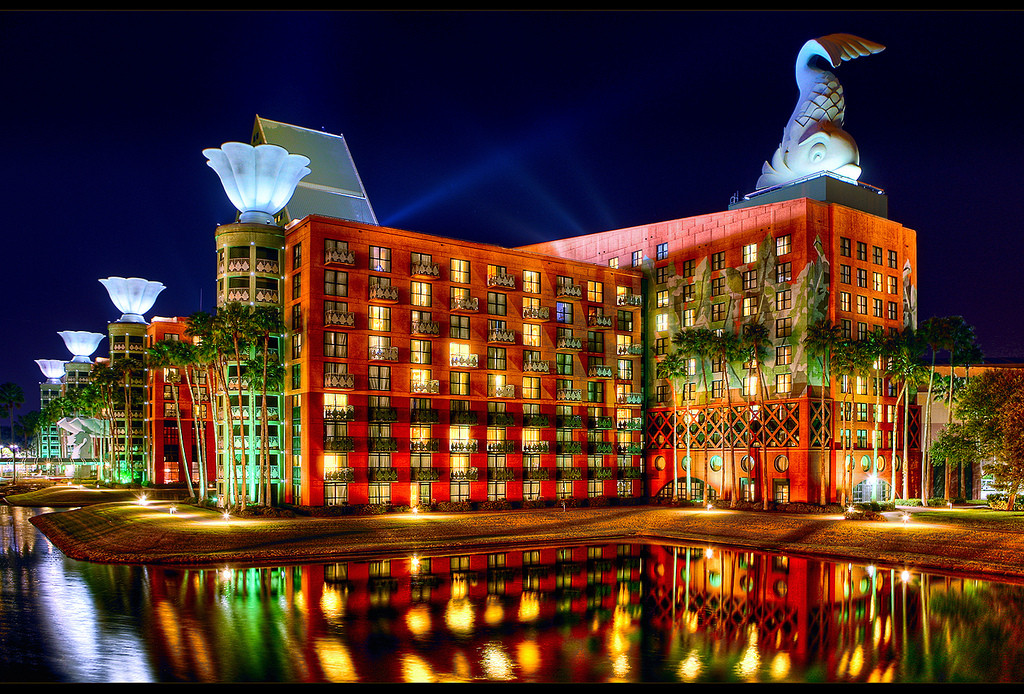
By the 1970s-80s, we’d had our fill of anonymous boxes. Postmodernism brought color, historical quotes, and a wink, think Michael Graves and Robert Venturi, asking buildings to talk to their streets and histories again. Not everything aged gracefully, but it reopened the conversation between form and meaning.
Regionalism, Adaptive Reuse, And Community Identity
In parallel, regionalism re-centered climate and culture: adobe revival in the Southwest, shingle and cedar in the Northwest, brick mills turned into lofts across New England and the Rust Belt. Adaptive reuse stitched new life into warehouses, schools, and stations, lowering carbon impacts while preserving memory.
High-Tech, Green Building, And Resilience
Today, our best work pairs performance with delight: high-performance envelopes, mass timber, Passive House multifamily, and net-zero schools. Projects like Seattle’s Bullitt Center showcase deep-green strategies: waterfront codes now fold in flood resilience and passive survivability. We’re engineering for carbon, comfort, and continuity, and doing it with civic pride.
Conclusion
When we zoom out, a clear thread appears: American architecture styles that shaped a nation have always balanced ideals, materials, and place. We borrow, adapt, and invent, sometimes in the same block. If we carry forward the best lessons, human-scaled streets, honest structure, climate-wise envelopes, and generous public spaces, we won’t just preserve a legacy: we’ll extend it. The next great American style will be the one that helps more of us thrive.







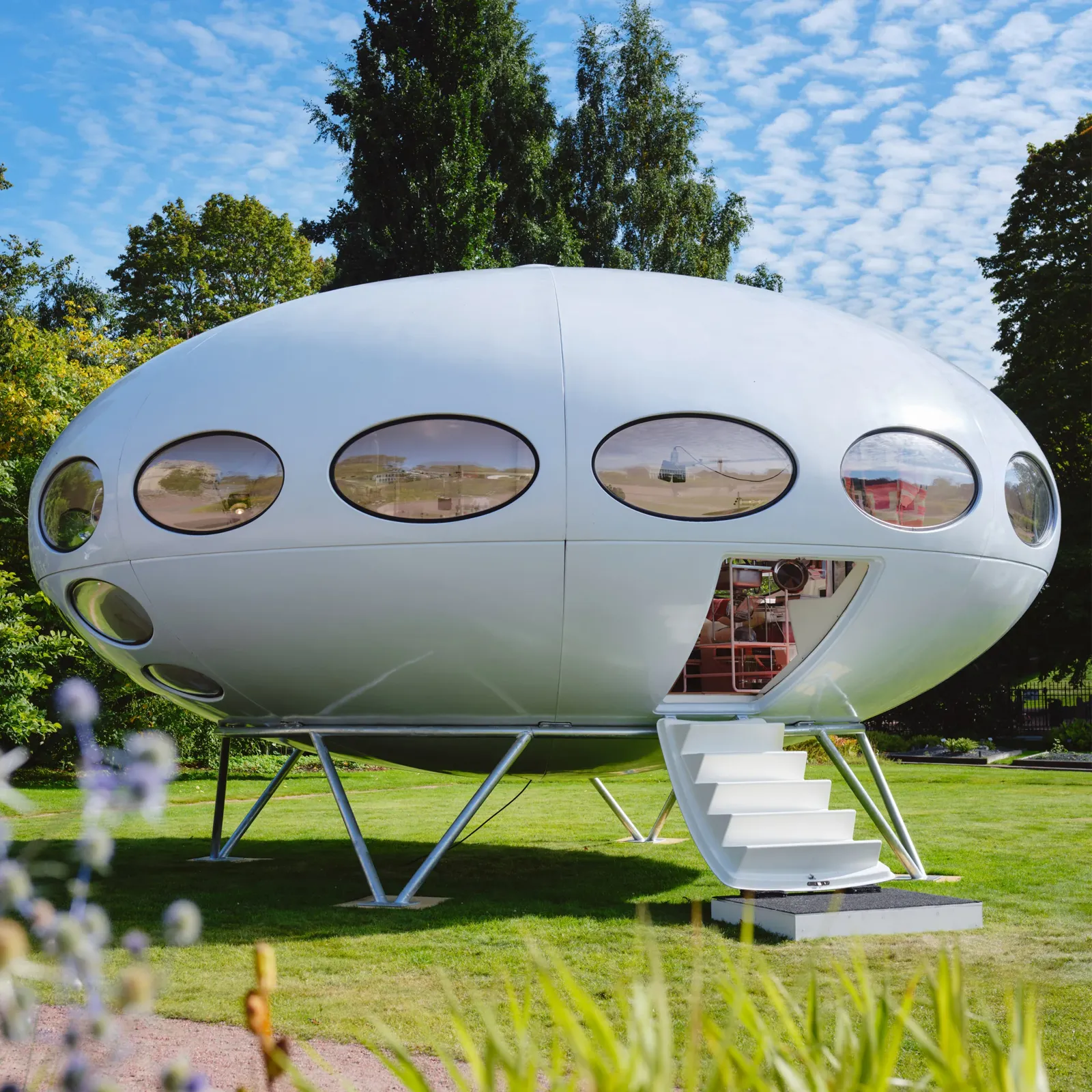
Futuro House Production Revived in Finland After Decades-Long Hiatus
A Facebook listing for abandoned moulds led to the first new Futuro...
 illustrarch Editoral Team3 Mins read
Building Your Dream Home in NSW: What You Should Know About Montgomery Homes
Montgomery Homes has been building across Sydney, Newcastle, the Hunter, Wollongong and...
illustrarch Editoral Team4 Mins read
Designing a Home Theater: Where Drapery Fits Into the Plan
In a media room the curtains are a performance layer, not decoration....
illustrarch Editoral Team3 Mins read
Oscar Niemeyer’s Cathedral of Brasília: The Hyperboloid Concrete Hymn
The Cathedral of Brasília reads as a single gesture, yet it stood...
 Furkan Sen7 Mins read


Leave a comment