

New Year, New Space: How DIY Interiors Reflect Contemporary Architectural Culture
The new year invites a renewed relationship with domestic space, where small, intentional interventions can reshape everyday life. Budget-friendly DIY interiors reveal how architectural thinking, through light, material reuse, and spatial awareness, can transform homes without excess. These practices position interior design as an ongoing cultural and spatial process rather than a finished product.
 Sinan Ozen22 January 20264 Mins read217

Table of Contents Show
The beginning of a new year has long been associated with renewal, of habits, priorities, and ambitions. In the realm of architecture and interior space, this moment of transition often triggers a quieter but equally meaningful impulse: the desire to recalibrate how we live within our environments. Unlike grand architectural transformations or high-budget renovations, contemporary spatial culture increasingly values modest, deliberate interventions that reshape daily experience without excess. This shift reflects broader cultural currents, economic uncertainty, environmental awareness, and a renewed attention to domestic life, that have repositioned interiors as active participants in our routines rather than passive backdrops.
Budget-friendly DIY interior practices sit at the intersection of architecture, craft, and lived experience. They challenge the assumption that meaningful spatial change requires professional-scale resources, instead highlighting how agency, observation, and material sensitivity can produce architectural value at any scale. These practices are not about imitation or trend replication; they are about reinterpretation, translating architectural thinking into everyday actions. As the boundaries between designer and inhabitant continue to blur, DIY interiors offer a lens through which architecture can be understood as an ongoing process rather than a finished object.

Reframing Space Through Reuse and Material Memory
One of the most powerful budget-conscious strategies in interior transformation is reuse, not as a compromise, but as a design philosophy. Materials carry memory, and when reused thoughtfully, they introduce layers of narrative that new finishes often lack. Old wooden doors repurposed as tables, leftover tiles reorganized into patchwork surfaces, or discarded shelves reassembled into new configurations all demonstrate how architecture can evolve through adaptation rather than replacement. This approach aligns closely with contemporary architectural discourse around circular design and material ethics.
What makes reuse significant beyond cost is its capacity to reframe how we perceive value. DIY reuse practices encourage inhabitants to look at materials not for what they were, but for what they could become. This mindset mirrors architectural practices that prioritize adaptive reuse at an urban scale, translating those principles into the domestic interior. In doing so, DIY interiors become micro-architectural exercises, testing ideas of continuity, sustainability, and spatial storytelling within the most immediate environments we inhabit.

Light as a Design Tool, Not a Luxury
Lighting is often perceived as one of the most expensive elements of interior design, yet some of the most effective spatial transformations rely less on fixtures and more on strategic thinking. DIY lighting interventions, repositioning lamps, introducing reflective surfaces, or altering window treatments, demonstrate how light functions as an architectural material in its own right. By understanding light as something that shapes volume, texture, and mood, inhabitants can dramatically alter spatial perception without structural change.
From an architectural standpoint, this emphasis on light recalls fundamental lessons taught in design education: that space is defined as much by illumination as by walls. Budget-friendly lighting adjustments bring this principle into everyday practice, reminding us that architecture operates through intangible forces as well as physical boundaries. In this sense, DIY lighting is not decorative, it is spatial. It trains the eye to read interiors as dynamic environments responsive to time, season, and use.
Surface Interventions and the Politics of Finish
Surfaces are the most immediate interface between body and space, and they often carry disproportionate symbolic weight. Paint, textiles, and simple wall treatments are among the most accessible DIY tools, yet their impact extends far beyond aesthetics. A change in color temperature, texture, or pattern can alter how a room is perceived in scale, intimacy, and function. These surface-level decisions echo architectural debates about ornament, material honesty, and the role of finish in spatial experience.
DIY surface interventions matter because they democratize architectural expression. They allow non-professionals to engage with questions architects routinely face: how does material choice influence behavior? How do surfaces guide movement or attention? When approached thoughtfully, even low-cost materials can articulate spatial hierarchy or redefine zones within open plans. In this way, the act of painting a wall or sewing a curtain becomes a form of spatial authorship.

Furniture as Spatial Infrastructure
In many contemporary interiors, furniture has assumed roles traditionally held by architecture itself. Especially in smaller or flexible living environments, furniture defines circulation, privacy, and function. DIY furniture projects, whether modifying existing pieces or constructing simple elements from basic materials, highlight this shift by treating furniture as spatial infrastructure rather than mere objects. A custom shelf can become a partition; a bench can define a threshold; a table can anchor social interaction.
This perspective aligns with architectural thinking that prioritizes adaptability and user participation. Budget-friendly DIY furniture encourages an understanding of interiors as systems rather than static compositions. It also reflects broader changes in how people inhabit space, particularly in urban contexts where interiors must accommodate multiple activities. Through DIY furniture, users engage directly with questions of ergonomics, proportion, and spatial logic, core architectural concerns translated into everyday practice.
Personalization as a Contemporary Design Value
Perhaps the most culturally significant aspect of DIY interiors is their emphasis on personalization. In an era saturated with standardized imagery and algorithm-driven design trends, DIY practices resist homogenization. They foreground individual narratives, imperfect solutions, and evolving needs. This emphasis on the personal does not diminish architectural rigor; rather, it reframes it. Architecture becomes less about universal ideals and more about situated responses.
From a design culture perspective, personalization reflects a growing recognition that spaces are never neutral. DIY interiors allow inhabitants to inscribe identity into their environments, creating spaces that respond to emotional as well as functional needs. This approach resonates with contemporary architectural theory that views buildings as frameworks for life rather than isolated formal exercises. Budget-friendly DIY, in this context, is not about saving money, it is about reclaiming authorship.

Conclusion
As architecture continues to grapple with questions of sustainability, accessibility, and relevance, budget-friendly DIY interiors offer valuable insights into how spatial thinking can operate beyond professional boundaries. They demonstrate that architectural quality does not depend solely on scale or budget, but on intention, observation, and engagement. In these modest interventions, we see architecture distilled to its essence: the shaping of experience through space, material, and light.
Looking forward, the growing acceptance of DIY practices suggests a future in which architectural literacy extends further into everyday life. For students, professionals, and design enthusiasts alike, these practices serve as reminders that architecture is not confined to drawings or construction sites, it unfolds continuously within lived environments. As the new year invites reconsideration of how we inhabit space, DIY interiors stand as quiet but powerful acts of spatial agency, bridging the gap between architectural theory and daily life.





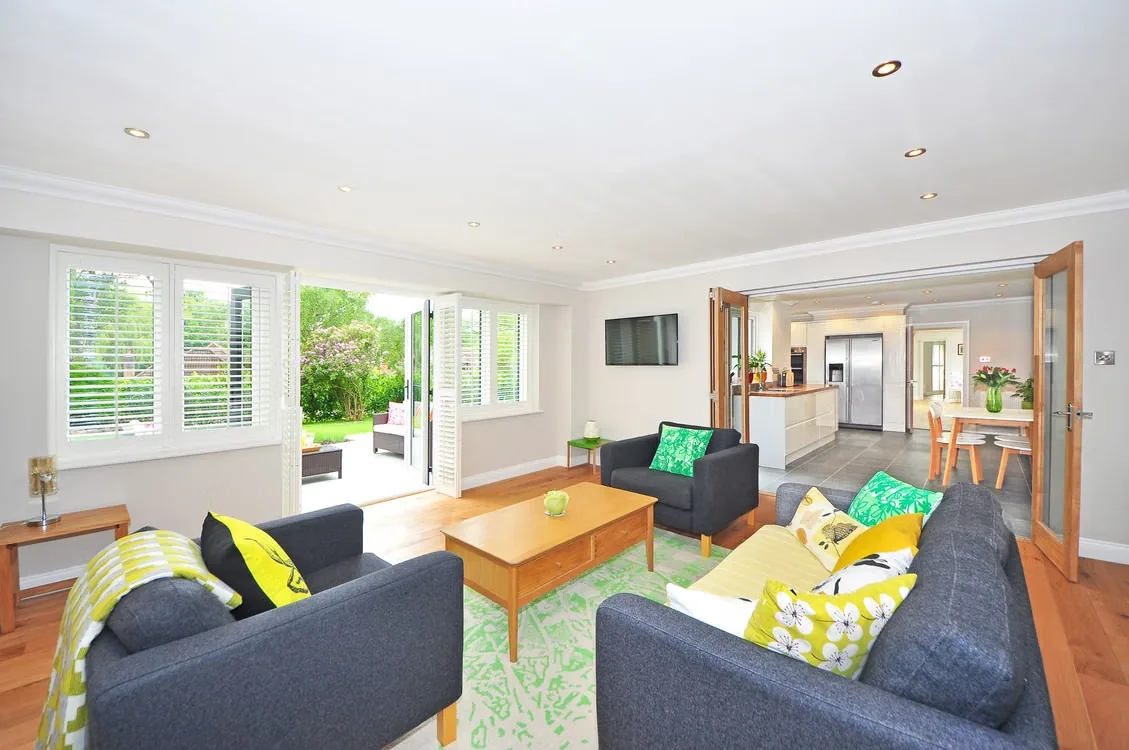
How Integrated Furniture Can Shape the Architecture of Urban Interiors
Most people treat furniture as the last decision in interior architecture, yet...
 illustrarch Editoral Team2 Mins read
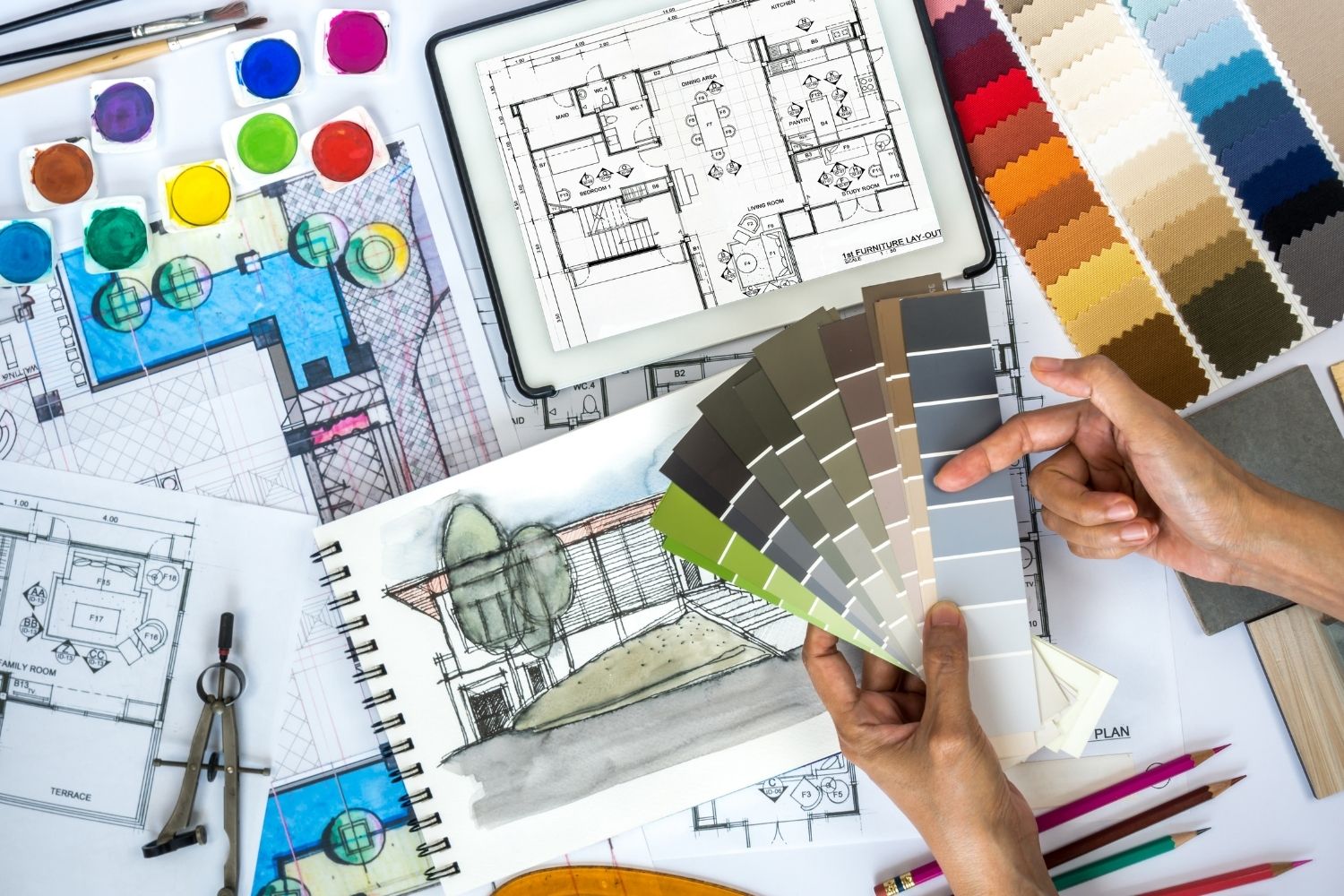
Architecture and Interior Design: Can Architects Specialize in Both?
Architects hold most of the skills interior design needs, from space planning...
 Furkan Sen5 Mins read
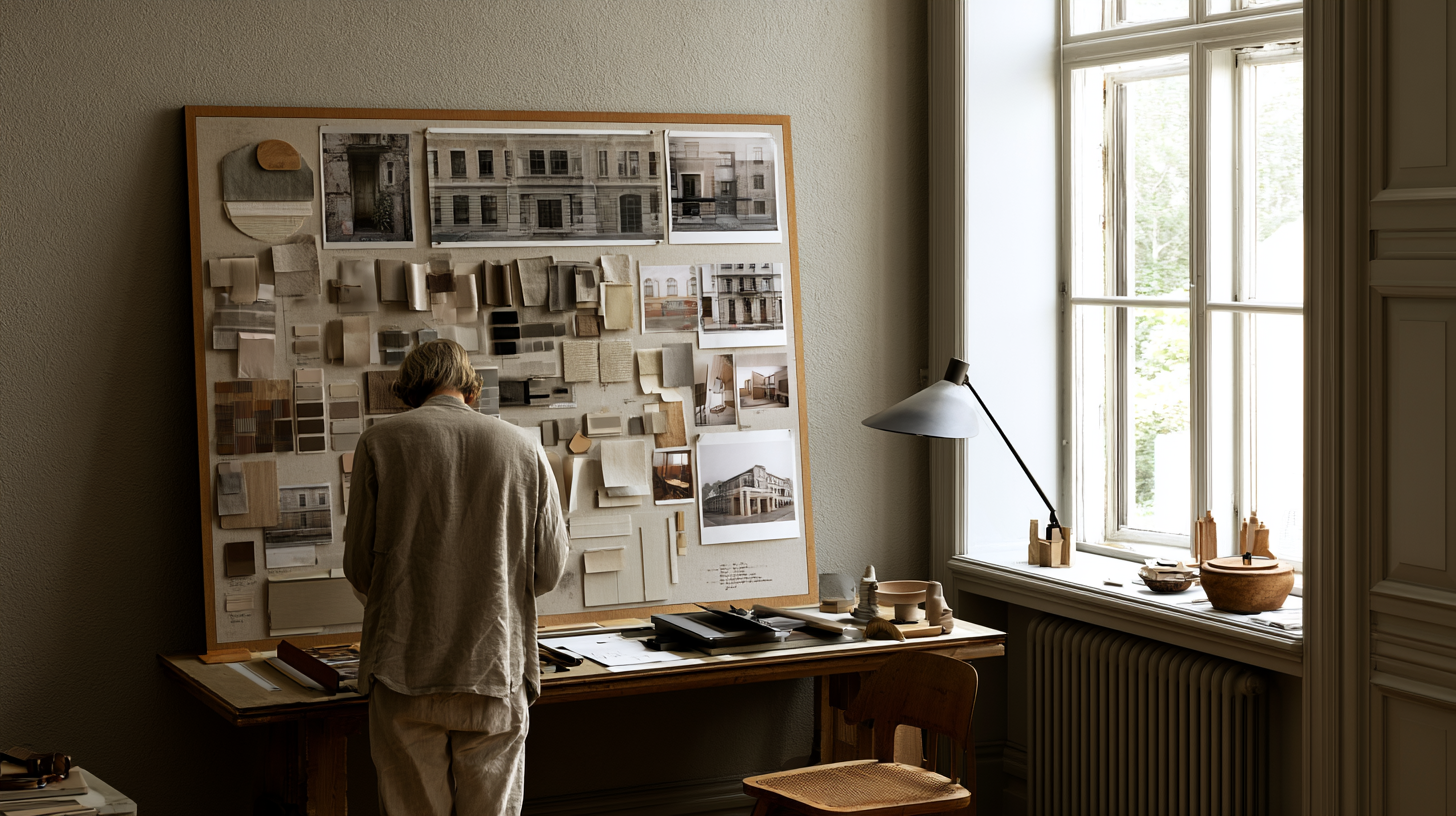
How to Make an Architecture Mood Board: A Step-by-Step Guide
A practical walkthrough for building an architecture mood board, covering how to...
Furkan Sen6 Mins read
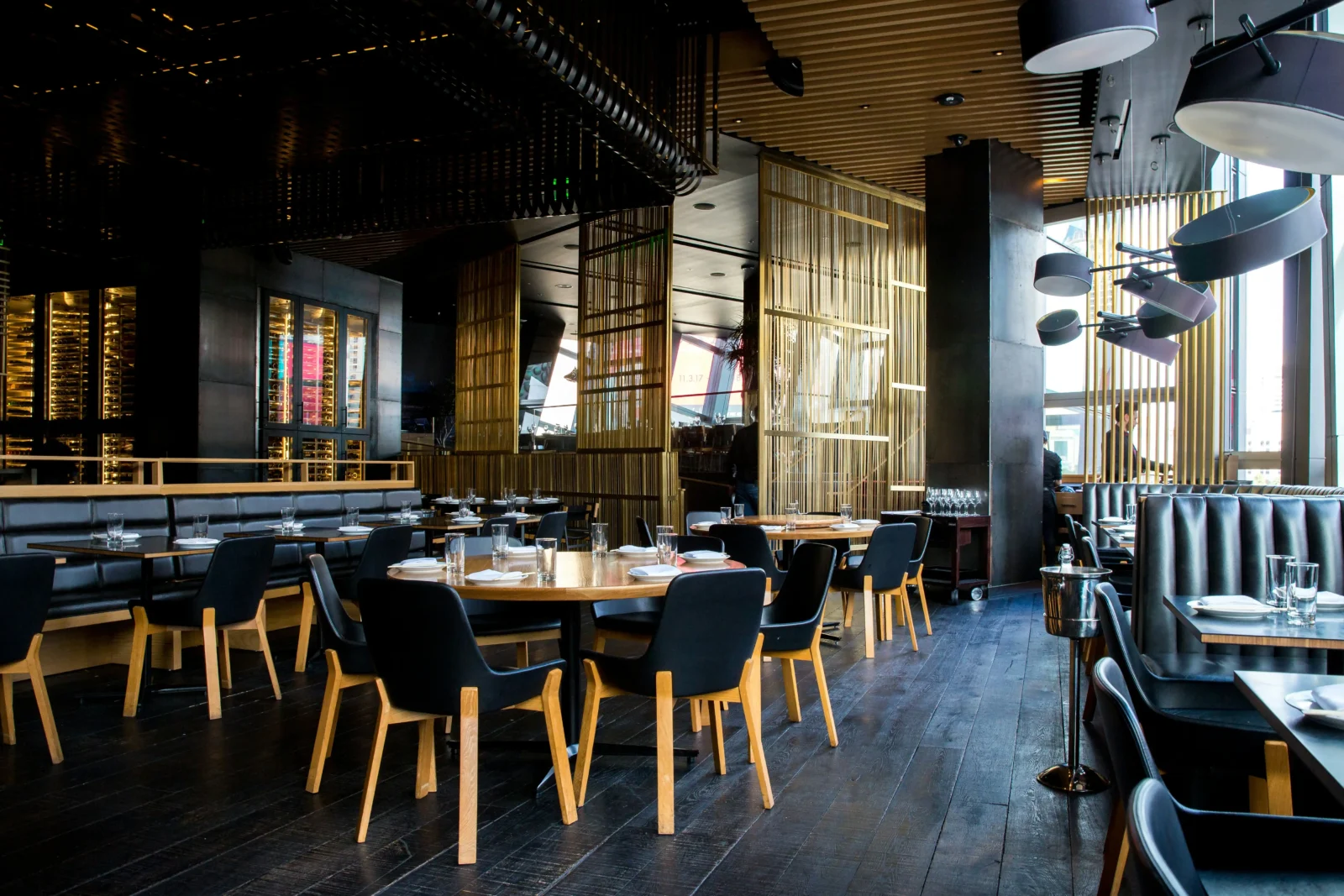
The Power of Ambience: Role of Restaurant Design on Customer Experience
A restaurant's ambience, its lighting, layout, and decor, quietly shapes how guests...
illustrarch Editoral Team3 Mins read


Leave a comment