

How Furniture Design Shapes Interior Atmosphere
Discover how furniture design shapes interior atmosphere with practical cues on style, scale, materials, color, and layout—plus 60-30-10 and spacing tips.
 Sinan Ozen2 December 20253 Mins read250
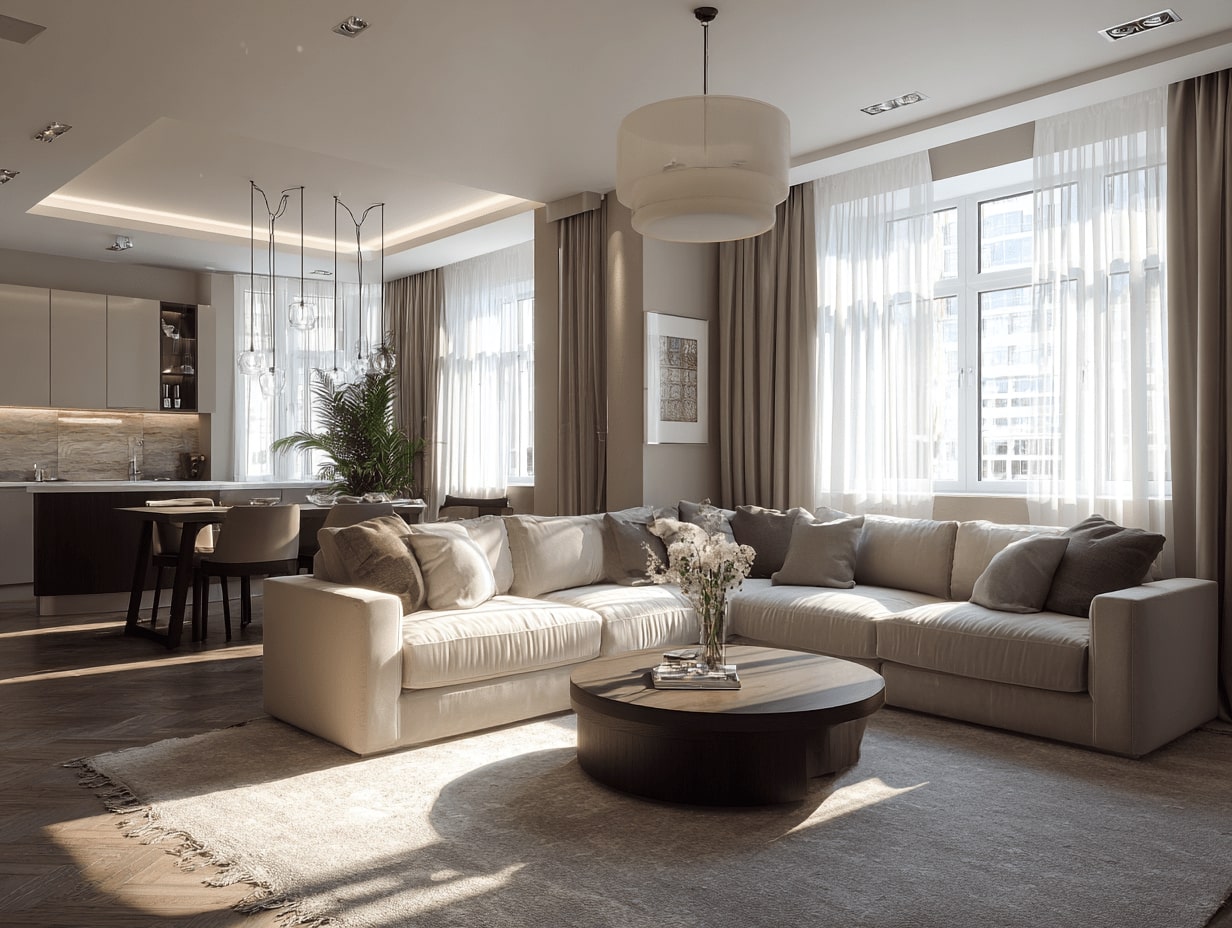
Table of Contents Show
We feel a space long before we analyze it, and furniture is the first cue our senses read. If you’ve wondered how furniture design shapes interior atmosphere, the answer lives in a web of choices, style, scale, materials, color, and layout, that quietly steer how we move, talk, and relax. In this guide, we unpack the decisions that let us tune mood with intention, so every room supports the life we want inside it.
Why Furniture Sets the Mood of a Room
Style Signals and Cultural Cues
Style telegraphs values. A Danish modern chair suggests clarity and calm: an overstuffed chesterfield hints at tradition and storytelling. When we align furniture typologies with the story we want the room to tell, the atmosphere follows, serene, ceremonial, playful, or bold.

Visual Weight and Perceived Warmth
Form bulk, color depth, and texture density add “visual weight.” Heavy, dark pieces feel grounded and insulating: slim frames and light woods feel airy and open. We can warm a stark room by introducing woven textures and rounded volumes, or cool a busy one with leggy silhouettes and brighter hues.
Cohesion Versus Eclectic Mixes
Cohesive sets create a calm, hotel-like vibe: eclectic mixes add character and energy. The trick is repeating a few constants, wood tone, metal finish, or line language, so variety feels curated, not chaotic.
Form, Scale, and Proportion
Silhouette, Lines, and Edge Softness
Soft edges and curves slow the eye and relax posture: crisp lines and tight angles read more formal and alert. When we layer silhouettes, one curvy, one linear, we add dimensionality without noise.

Right-Sizing for Room Volume and Human Scale
Furniture should talk to the room’s volume and our bodies at once. Low, long sofas calm tall ceilings: taller backs bring intimacy to large footprints. Seat heights of 16–19 inches and tables 28–30 inches keep proportions comfortable for most of us.
Balancing Negative Space and Density
Air around pieces (negative space) is mood-setting. If we pack a room, it feels urgent: if we leave breathing room, it feels gracious. We aim for clear margins at walls and between pieces so the plan reads intentional.
Materials, Textures, and Finishes
Soft Versus Hard Surfaces and Tactile Comfort
Tactility shapes behavior. Bouclé, velvet, and wool invite lingering: glass, stone, and metal feel precise and cool. Combining soft and hard surfaces keeps a space both comfortable and crisp.

Natural Versus Synthetic Materials
Natural materials, oak, linen, leather, patinate and add depth over time, which softens atmosphere. Synthetics offer durability and colorfastness. We often blend them: a performance fabric on family seating, a natural wood table for warmth.
Sheen, Patina, and Light Reflection
Finish sheen affects light play. Matte absorbs, satin diffuses, gloss reflects. In darker rooms, a touch of sheen lifts energy: in bright rooms, matte finishes tame glare. Patina (think brass or oiled wood) adds lived-in authenticity.
Color, Upholstery, and Pattern
Palette Harmony with Walls and Floors
We pull upholstery colors from fixed elements, flooring undertones, wall hue, trim. A 60-30-10 distribution (dominant, secondary, accent) keeps harmony without monotony. It’s a simple way to control how furniture design shapes interior atmosphere at a glance.

Pattern Energy and Rhythm
Pattern introduces tempo. Large-scale motifs read bold and modern: small repeats feel classic and calm. We mix scale, not just prints, and echo a pattern color elsewhere so the room pulses rather than shouts.
Layout, Circulation, and Functional Flow
Focal Points and Conversational Clusters
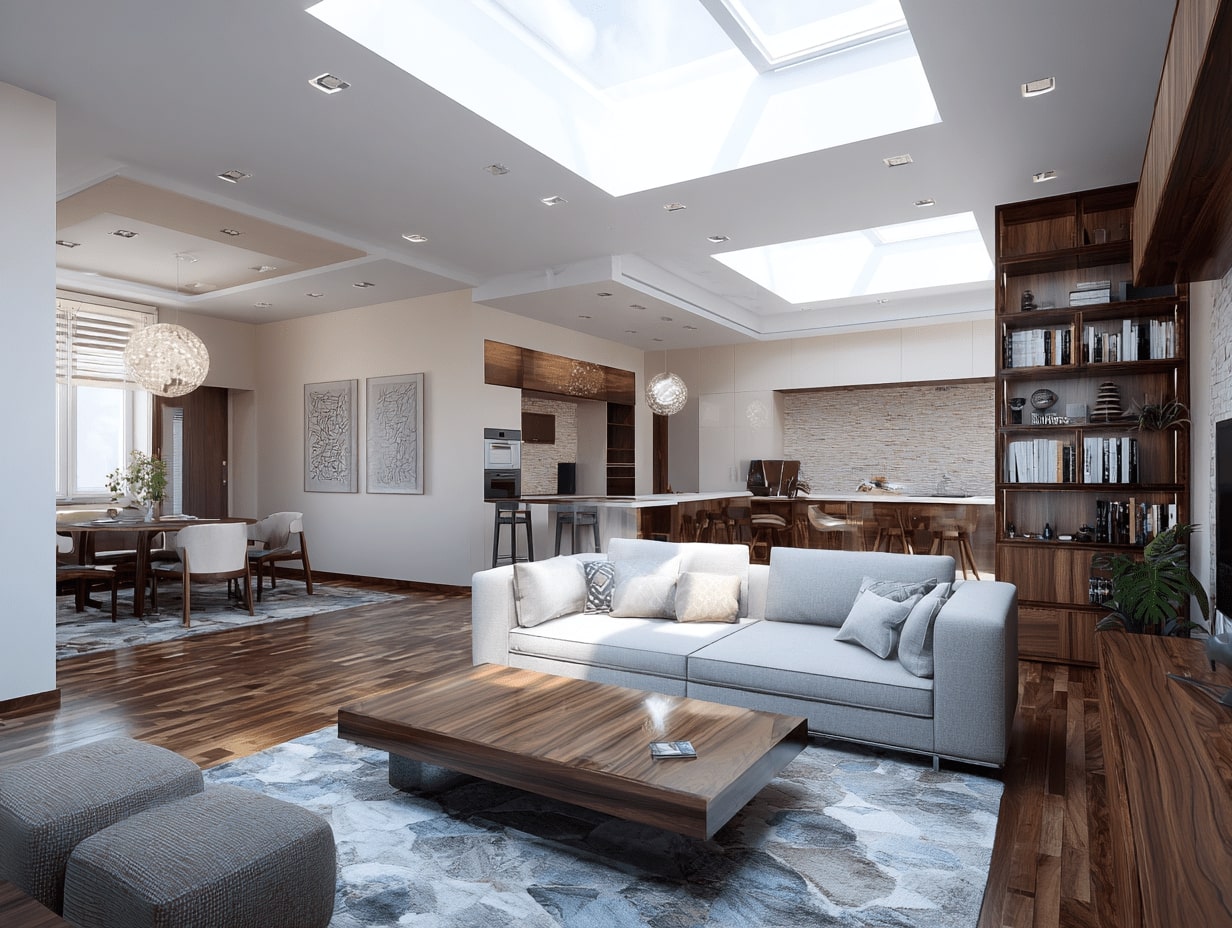
We anchor seating to a focal point, fireplace, view, or media, and create conversation zones with 8–10 feet across and 18 inches between seating and tables. A rug that fits all front legs unifies the cluster.
Sightlines, Pathways, and Proxemics
Clear sightlines calm the nervous system. We maintain 30–36-inch pathways and avoid tall backs that block views in compact rooms. Proxemics matters: place seats close enough to talk softly without leaning.
Zoning Small Spaces with Multifunctional Pieces
In tight plans, multifunctional furniture does the zoning: nesting tables as nightstands, storage ottomans for coffee tables, fold-down desks as work nooks. Each piece earns its footprint and clarifies purpose.
Comfort, Ergonomics, and Sensory Atmospherics
Seating Support, Depth, and Posture
Seat depth around 21–24 inches suits lounging: 18–20 inches works for upright sitting. We pair firmer base support with softer back cushions so posture feels natural, not fussy.

Acoustic Absorption and Noise Control
Upholstery, area rugs, and textured panels absorb bounce-back sound, dialing down fatigue in open plans. Soft surfaces alongside bookcases and curtains create a pleasant hush that subtly shifts mood from hectic to hospitable.
Conclusion
When we choose furniture, we’re not just filling space, we’re scripting behavior and feeling. Style sets the narrative, proportion sets comfort, materials and color tune emotion, and layout governs how we connect. If we stay intentional about these levers, the question of how furniture design shapes interior atmosphere becomes a design tool we can wield with confidence, room by room, day by day.





How to Choose Contemporary Italian Furniture for a Home That Feels Timeless
Choosing contemporary Italian furniture enhances a home's timelessness by combining refined design...
 Muhammad Abdullatef - Tifa Studio8 Mins read

Frank Gehry’s Wiggle Chair: How a $7 Cardboard Design Became a Modern Icon
Frank Gehry's Wiggle Chair started as an experiment with scrap cardboard and...
Sinan Ozen7 Mins read

Budget-Friendly Home Office Furniture Options: 7 Best Tips
From mid century modern bedroom picks to modern industrial desks, this guide...
 Furkan Sen8 Mins read

Japandi Style Guide: Japanese Minimalism Meets Modern Furniture
Learn what japandi style really means and how it brings together Japanese...
Furkan Sen13 Mins read


Leave a comment