

Lishui Airport by MAD Architects: Zhejiang’s Mountain Terminal After 17 Years
After 17 years of planning, MAD Architects' Lishui Airport opens in Zhejiang Province. Discover the bird-shaped terminal's design philosophy, aluminum roof structure, wood-toned interiors, and long-term expansion to 5 million passengers by 2050.
 Elif Ayse Sen18 February 20268 Mins read277


Table of Contents Show
Lishui Airport MAD Architects designed has officially opened to passengers in Zhejiang Province, marking the region’s very first connection to China’s national aviation network. Conceived in 2008 and completed after 17 years of planning and construction, this project transforms a remote mountain valley in southwestern Zhejiang into a functioning aviation gateway. The MAD Architects team, led by founder Ma Yansong, approached the terminal not as a standard piece of infrastructure but as a civic space rooted in its natural surroundings. Sitting 15 kilometers southwest of Lishui city center, the airport occupies a low mountain and foothill valley where cut-and-fill depths reached nearly 100 meters during construction.

What makes this project stand out among recent airport designs is the ambition behind it. Rather than imposing an industrial structure on a forested landscape, the architects shaped the building to follow the terrain itself. The result is one of the most topographically challenging airport projects in East China, and one that redefines what a regional terminal can look and feel like.
Design Philosophy Behind Lishui China Airport
Ma Yansong has described the guiding idea behind the Lishui China airport in simple terms: if Lishui is a garden city, its airport should also be in a garden. This principle runs through every aspect of the project. Instead of competing with the surrounding mountain landscape, the terminal integrates into it. Soft, continuous volumes and fluid geometries give the building the silhouette of a white bird resting quietly among the peaks and forests.
The architectural concept draws directly from the area’s identity. Lishui, located in southwest Zhejiang Province, is known as a “forest city” for its lush greenery and dramatic valleys. MAD responded by designing a form that absorbs the site’s elevation changes rather than fighting them. The terminal follows the natural contours of the valley, rising and dipping alongside the terrain. From a distance, it reads as an organic element within the landscape, not an interruption of it.
This philosophy sets the MAD Architects projects apart from many contemporary airport designs globally. While mega-terminals in cities like Dubai or Istanbul prioritize scale and efficiency above all else, the Lishui city airport prioritizes human comfort, environmental dialogue, and regional identity. The architects chose not to pursue size or extravagance, focusing instead on convenience and a meaningful relationship between architecture and nature.
Structural Features of the Terminal Building
The Lishui city China airport spans approximately 2,267 hectares of land. At the heart of this vast site sits a 12,000-square-meter terminal building equipped with eight aircraft parking bays, three boarding bridges, and five remote stands. The initial passenger capacity is one million travelers per year, with a cargo capacity of 4,000 tons.

A defining element of the structure is its double-layered roof. Clad entirely in silver-white aluminum panels, the roof creates a lightweight, feather-like canopy that shifts in appearance with changing sunlight and weather conditions. Fourteen umbrella-shaped columns support this roof, giving the interior a sense of openness and sculptural rhythm. The roofline evokes imagery of mist-covered hills and birds in flight, two motifs drawn from the Zhejiang landscape.
One of the most dramatic structural moves is the 30-meter cantilever that frames the terminal entrance. This overhang creates a spacious, naturally illuminated concourse that welcomes arriving passengers with a sense of openness before they even step inside. The MAD Architects buildings consistently explore this kind of threshold moment, where exterior and interior blur together.
Roof Design and Material Choices
The silver-white aluminum cladding was selected for both aesthetic and practical reasons. Visually, it allows the terminal to register as a pale, almost cloud-like form against the green hillsides. Functionally, the lightweight material reduces the structural load on the umbrella columns and allows for the expressive, curved geometry that defines the roofline. The double-layered construction also contributes to thermal performance, helping regulate temperatures inside the terminal.
Engineering Challenges in Mountain Terrain
Building an airport in mountainous terrain required extraordinary earthwork. Land reclamation efforts produced cut-and-fill differences of nearly 100 meters in certain areas, making this one of the most topographically challenging airport construction projects in East China. MAD’s terraced design strategy organized the terminal, parking areas, and office spaces into descending platforms that respect the land’s original contours. This approach turned a potential obstacle into an architectural advantage, with the stepped layout creating natural separation between different functional zones.
Interior Design and Passenger Experience
Inside the terminal, MAD Architects China studio created spaces that feel intimate rather than overwhelming. The lobby height transitions from 4.5 meters at its lowest points to 13 meters at its highest, producing a varied spatial experience that avoids the cavernous feeling of many large transport halls. Transparent curtain walls wrap the building, dissolving the boundary between inside and outside and maintaining visual connections to the surrounding mountains throughout the passenger journey.
Warm wood-toned finishes line the interior surfaces, replacing the cold, sterile materials common in most airport terminals. A shuttle-shaped central skylight runs along the spine of the building, flooding the concourse with natural daylight while contributing to the airport’s energy efficiency. Ma Yansong has described the material strategy as an effort to create a bright and airy interior using warm tones and natural textures.
The terminal uses a one-and-a-half-story layout that combines arrival and departure areas in a compact, efficient arrangement. Departures are handled on the ground floor, with waiting areas located on the upper level. This vertical organization streamlines passenger circulation while keeping the building’s footprint relatively modest. Below the terminal, a sunken parking structure follows the natural dip of the terrain. A landscaped central promenade connects the parking area to the departure hall, guiding travelers intuitively through the site and maintaining the airport’s dialogue with nature even in its most functional spaces.
MAD Architects China: Context Within the Studio’s Portfolio
Lishui Airport arrives at a prolific moment for MAD. Founded by Ma Yansong in Beijing in 2004, the studio has built a reputation for organic, landscape-inspired forms that challenge conventional architectural typologies. The Lishui project joins a growing portfolio of MAD Architects projects that treat infrastructure as an opportunity for civic and environmental engagement.
Recent completions include the Fenix Museum in Rotterdam, where MAD created a pair of monumental staircases designed as a public gathering space. The studio is also working on the feather-shaped Terminal 3 at Changchun Longjia International Airport and the snowflake-inspired Harbin Airport Terminal Three, both in China. The Lucas Museum of Narrative Art in Los Angeles, designed by Ma Yansong, is scheduled to open in September 2026.
What connects these projects is a consistent interest in blurring boundaries: between building and landscape, between infrastructure and public space, between function and experience. The Lishui airport exemplifies this approach at the scale of a transportation hub, proving that even utilitarian building types can serve as cultural landmarks.
Key Project Data for Lishui Airport
The following table summarizes the essential facts and figures for the completed project.
| Category | Details |
|---|---|
| Location | 15 km southwest of Lishui, Zhejiang Province, China |
| Architect | MAD Architects (Ma Yansong, Dang Qun, Yosuke Hayano) |
| Site Area | 2,267 hectares |
| Terminal Area | 12,000 sqm |
| Building Height | 23.95 m |
| Parking Bays | 8 aircraft bays (3 bridges, 5 remote stands) |
| Initial Capacity | 1 million passengers/year, 4,000 tons cargo |
| Design Period | 2008 (inception), 2018-2025 (construction) |
| Roof Structure | Double-layered silver-white aluminum, 14 umbrella columns |
Future Expansion and Long-Term Vision
MAD designed Lishui Airport with growth built into its DNA. The current terminal serves domestic routes, connecting the city to major economic centers and tourist destinations across China. By the end of 2025, the airport began operating multiple domestic routes, establishing Lishui’s position on the national aviation map.
Under the long-term master plan, passenger capacity is projected to reach 1.8 million by 2030 and up to 5 million by 2050. Provisions for an international terminal have already been incorporated into the site plan, ensuring that the airport can evolve alongside the region’s economic development without requiring a complete redesign. This forward-thinking approach reflects a growing trend in global architecture practice, where infrastructure projects are planned with decades of adaptability in mind.
The expansion strategy also positions the airport as more than a transit point. By connecting a relatively isolated mountainous region to China’s broader urban network, it functions as a civic threshold, a place where the experience of arriving in Lishui begins with an encounter with the landscape rather than a sterile departure lounge.
What Lishui Airport Means for Regional Airport Design
Most conversations about airport architecture center on international mega-hubs. Projects like the Techo International Airport in Phnom Penh or Beijing Daxing International Airport dominate headlines because of their sheer scale. The Lishui airport offers a different model entirely.
Here, the emphasis is on what MAD calls a “feeder airport” attitude: not greedy for size, but pursuing convenience, humanity, and a dialogue with the natural environment. This philosophy challenges the assumption that airports must be monumental to be architecturally significant. By treating a relatively small regional terminal with the same design ambition typically reserved for capital city gateways, MAD has produced a building that functions as both infrastructure and ecological landmark.
The project also demonstrates that topographic complexity, often seen as a construction liability, can become a design asset. The terraced layout, the sunken parking, and the landscaped promenade all emerged from working with the site’s extreme elevation changes rather than erasing them. For architects and planners working on similar projects in mountainous regions, the Lishui airport offers a compelling case study in terrain-responsive design.
Design Team and Collaborators
The Lishui Airport project involved a wide network of collaborators working under MAD’s design leadership. Principal partners Ma Yansong, Dang Qun, and Yosuke Hayano oversaw the project, with associate partners Liu Huiying and Kin Li managing day-to-day design development. The executive architect was CAAC New Era Airport Design Institute Company Limited, a specialist firm in Chinese aviation infrastructure.
Facade engineering was handled by RFR Shanghai, known for their work on complex curved envelopes. Interior design and lighting were developed jointly by MAD and Shanghai Xian Dai Architectural Decoration and Landscape Design Research Institute. Landscape design came from Z’scape Landscape Planning and Design, with additional landscape engineering by Huadong Engineering Corporation. Beijing Construction Engineering Group served as the general contractor.
This multi-disciplinary collaboration ensured that the airport’s ambitious architectural vision could be realized within the practical constraints of aviation safety standards, structural engineering limits, and the challenging mountain site. Photography of the completed project was captured by CreatAR Images, Blackstation, Arch Exist, and Ding Junhao.
Visiting Lishui: A Gateway to Zhejiang’s Mountain Landscape
For architectural travelers, the Lishui airport itself is worth the trip. The terminal offers a rare chance to experience how a contemporary building can integrate with dramatic mountain scenery at a scale that feels personal rather than corporate. Unlike major international hubs where you might spend hours navigating vast concourses, the compact one-and-a-half-story layout here means you can appreciate the architecture at a walking pace.
Lishui city sits in one of Zhejiang’s most scenic areas, surrounded by valleys, waterways, and forests that have earned it a reputation as one of China’s greenest cities. The airport now provides direct domestic connections to major cities, making this previously hard-to-reach region accessible for the first time by air. Whether you are visiting for the architecture or using the terminal as a starting point for exploring southwestern Zhejiang, the building sets a tone of calm and connection to the natural world that carries through the entire experience.
As MAD Architects buildings continue to appear across China and beyond, the Lishui Airport stands as a quiet but powerful statement: that even the most functional buildings can aspire to be something more. You can learn more about this and other innovative projects at Learn Architecture and explore more architecture resources online.


1 Comment

A 2,500-Year-Old Solar Observatory in Puebla Is the First Group E Complex Found Outside the Maya Area
Archaeologists working for Mexico's INAH have confirmed that two platforms at Teteles...
 illustrarch Editoral Team2 Mins read
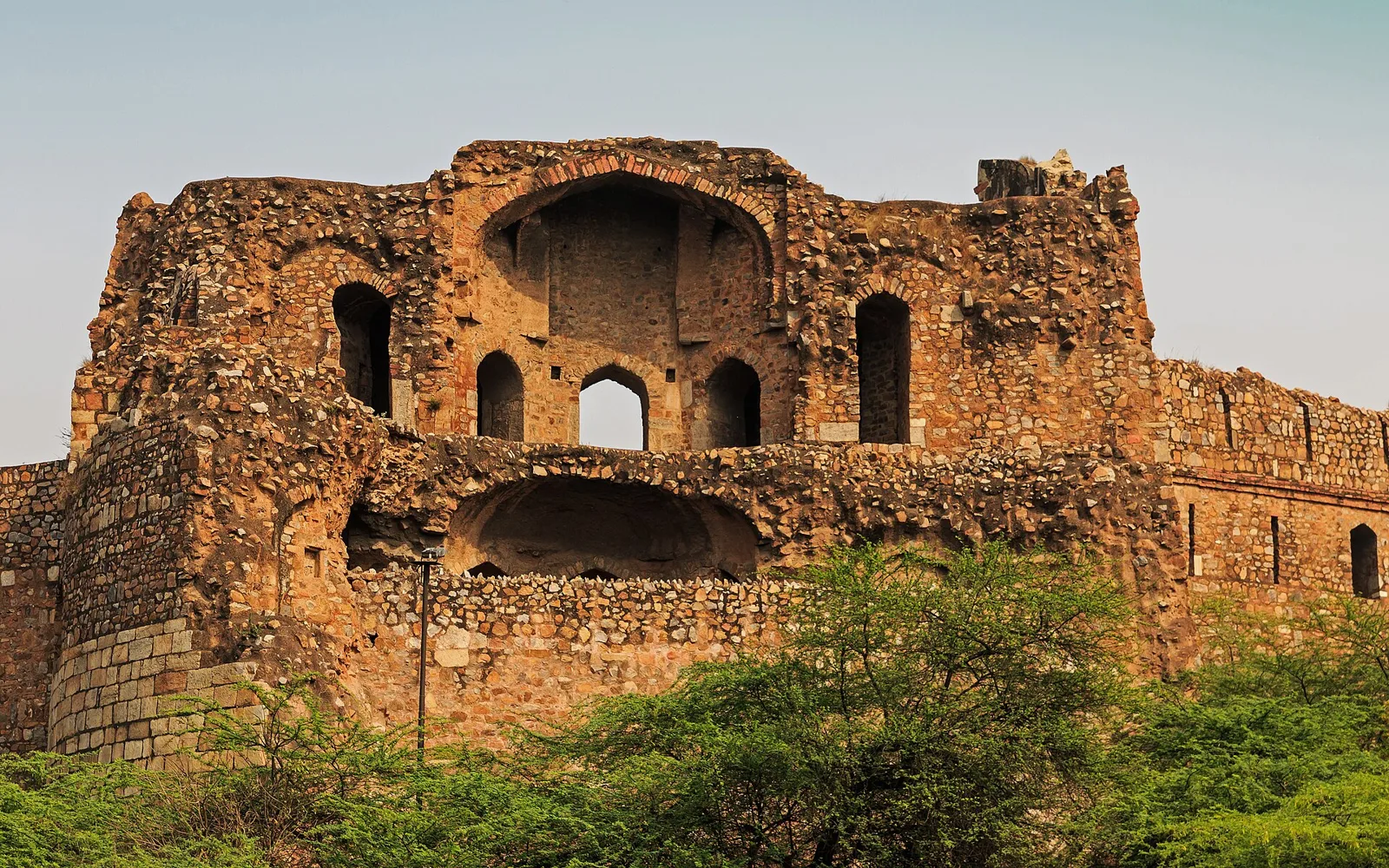
India Art, Architecture & Design Biennale 2026: Ministry of Culture Opens Delhi Monuments
Delhi's monuments, including Purana Quila and the Red Fort, will host the...
illustrarch Editoral Team2 Mins read
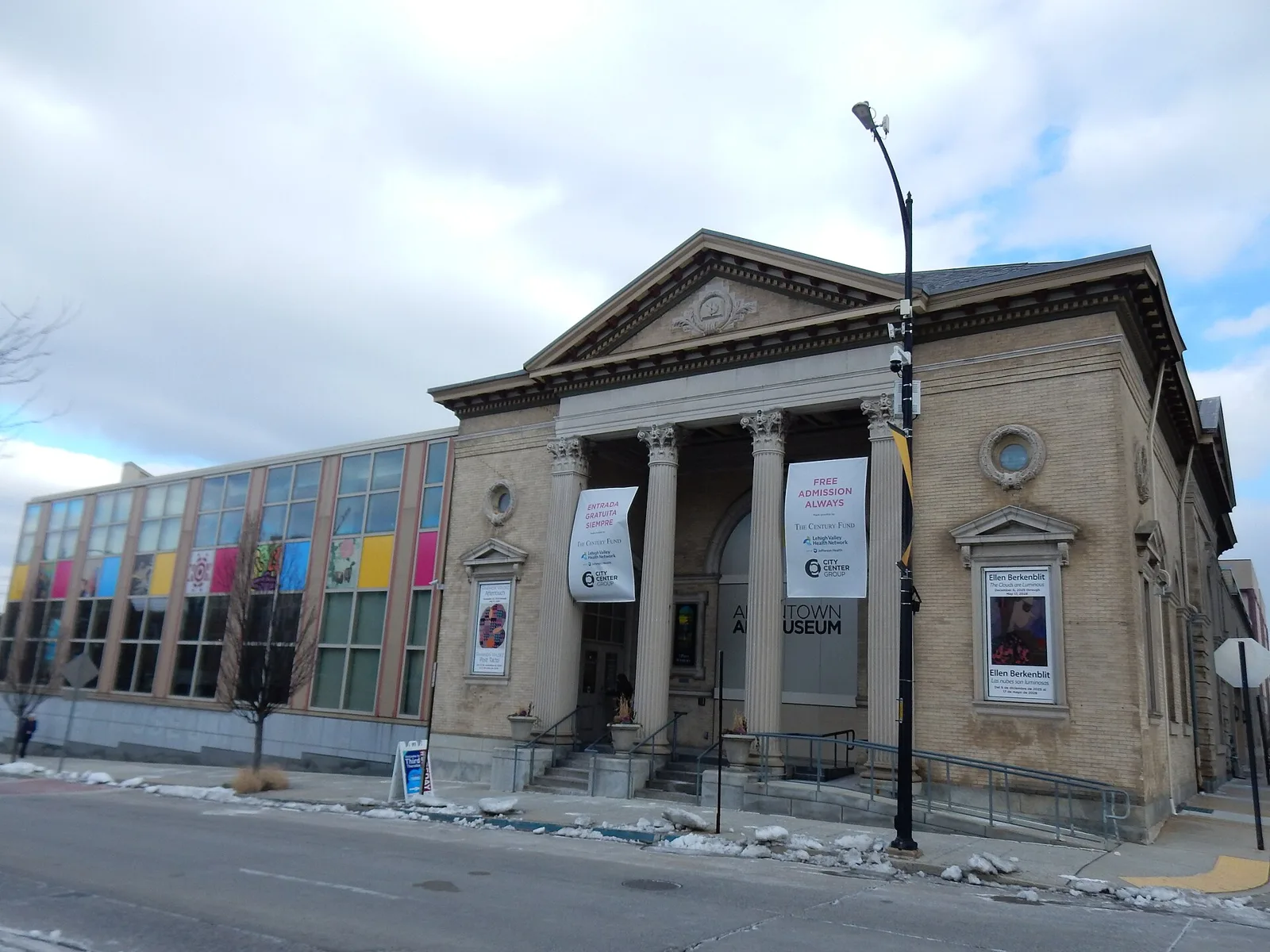
Allentown Art Museum Leaves Its Venturi, Scott Brown Addition for a New Studios Architecture Building
The Allentown Art Museum is moving to a new Studios Architecture building...
illustrarch Editoral Team2 Mins read
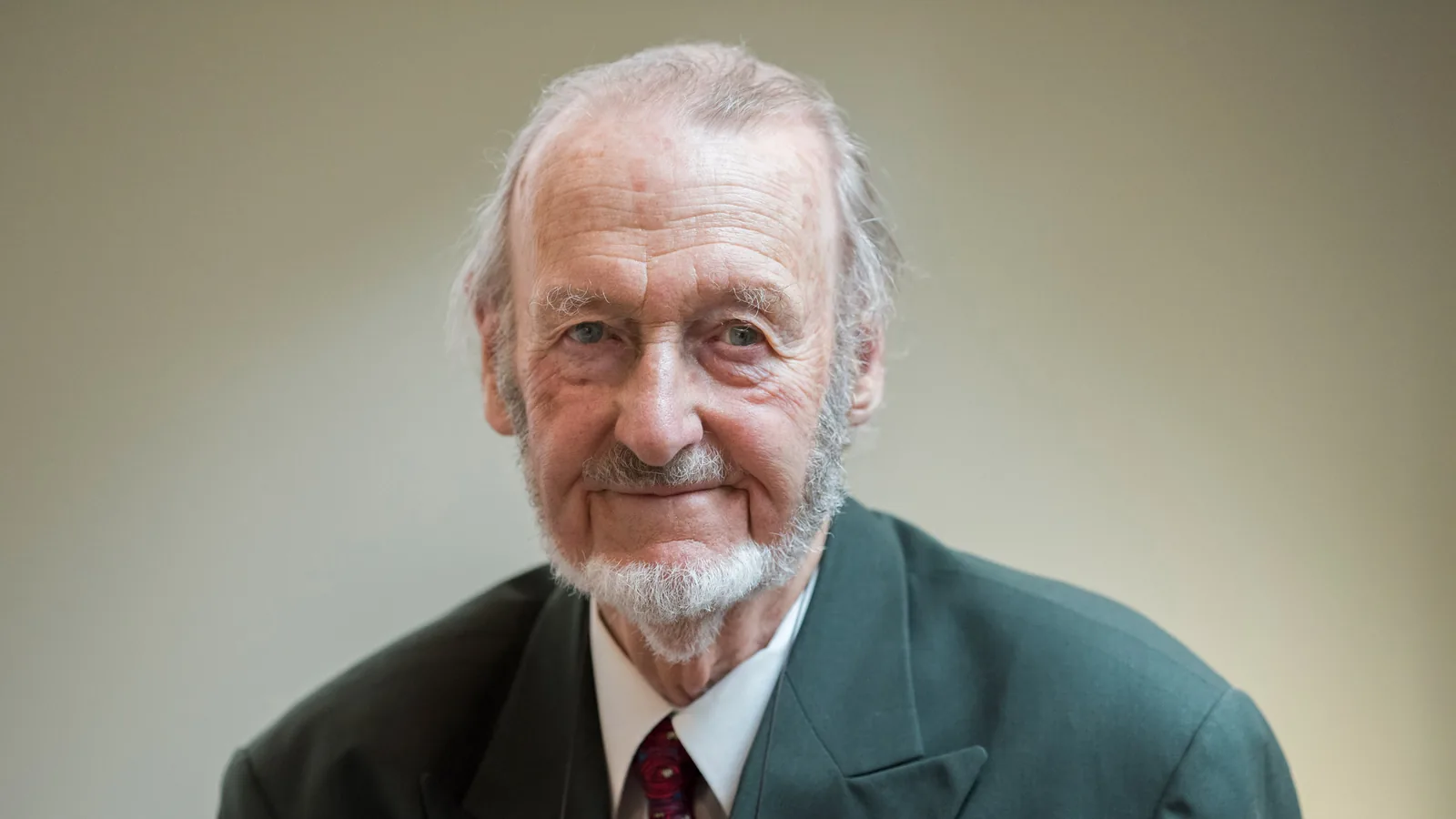
Donald Insall, the Conservation Architect Who Led Windsor Castle’s Restoration, Dies at 100
Donald Insall, the British architect who turned conservation into a planning discipline...
illustrarch Editoral Team2 Mins read


I’m really skeptical about the idea that Lishui Airport can redefine regional terminals just because it looks good. Sure, the design integrates with nature, but does that actually improve functionality? I mean, how convenient is it really for passengers? The focus on aesthetics over size seems nice in theory, but what if it ends up being too small and overcrowded as demand grows? The planning for future expansion sounds great, but will they actually follow through? I just don’t see how a beautiful building makes the travel experience any better if it can’t handle its own capacity.