

The Impact of Landscape Design on the Backyard: Beauty, Function, and Value
Explore the impact of landscape design on the backyard: how smart layout, lighting, and native plants boost comfort and home value with practical steps.
 Sinan Ozen1 December 20254 Mins read326
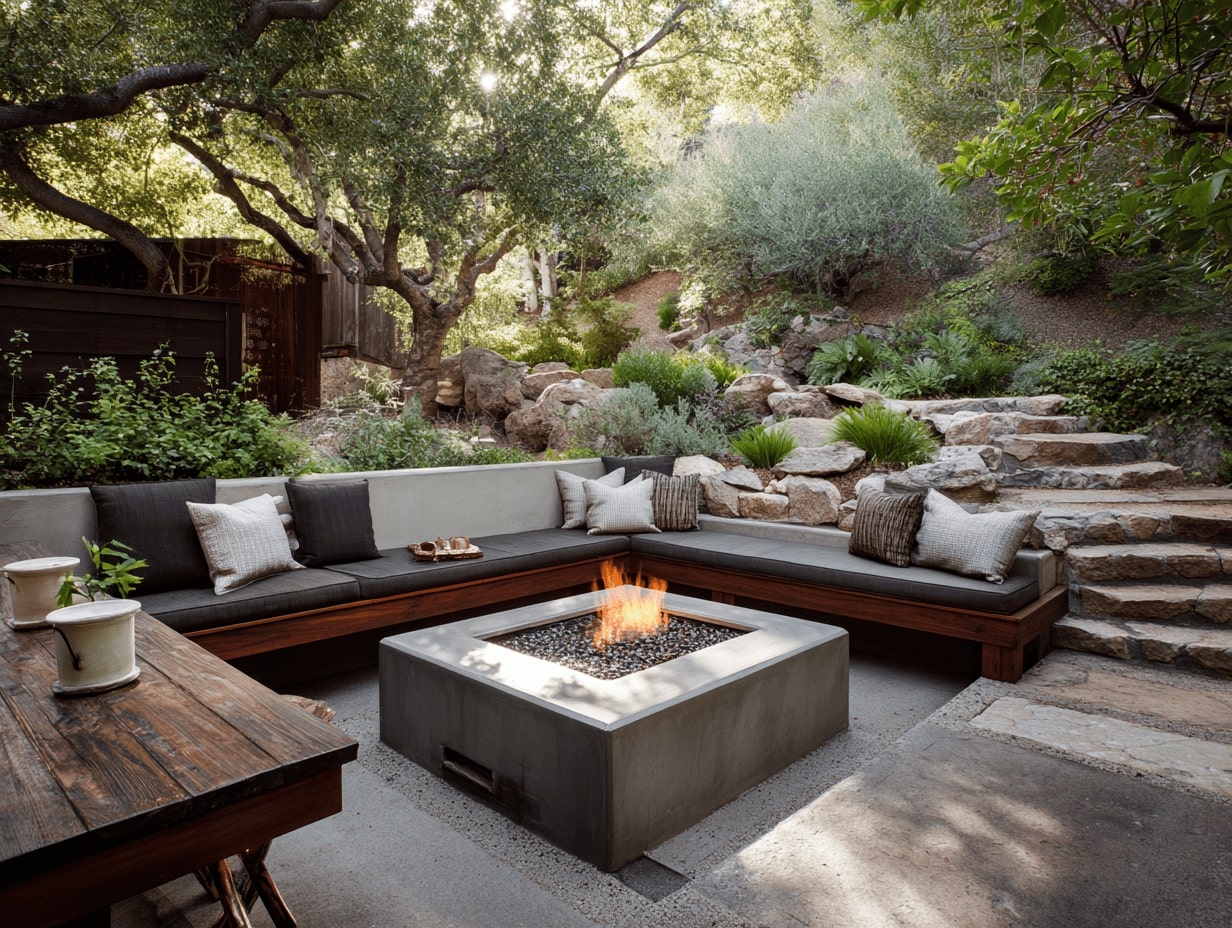
Table of Contents Show
Backyards aren’t blank canvases: they’re extensions of how we live. When we talk about the impact of landscape design on the backyard, we’re really talking about shaping daily rhythms, long-term costs, and how a place makes us feel. With smart choices, plants, materials, lighting, and layout, we can transform a patch of lawn into a space that looks cohesive, works hard, and pays us back in comfort and value.
How Design Shapes Aesthetics And Sense Of Place
Visual Coherence, Scale, And Proportion
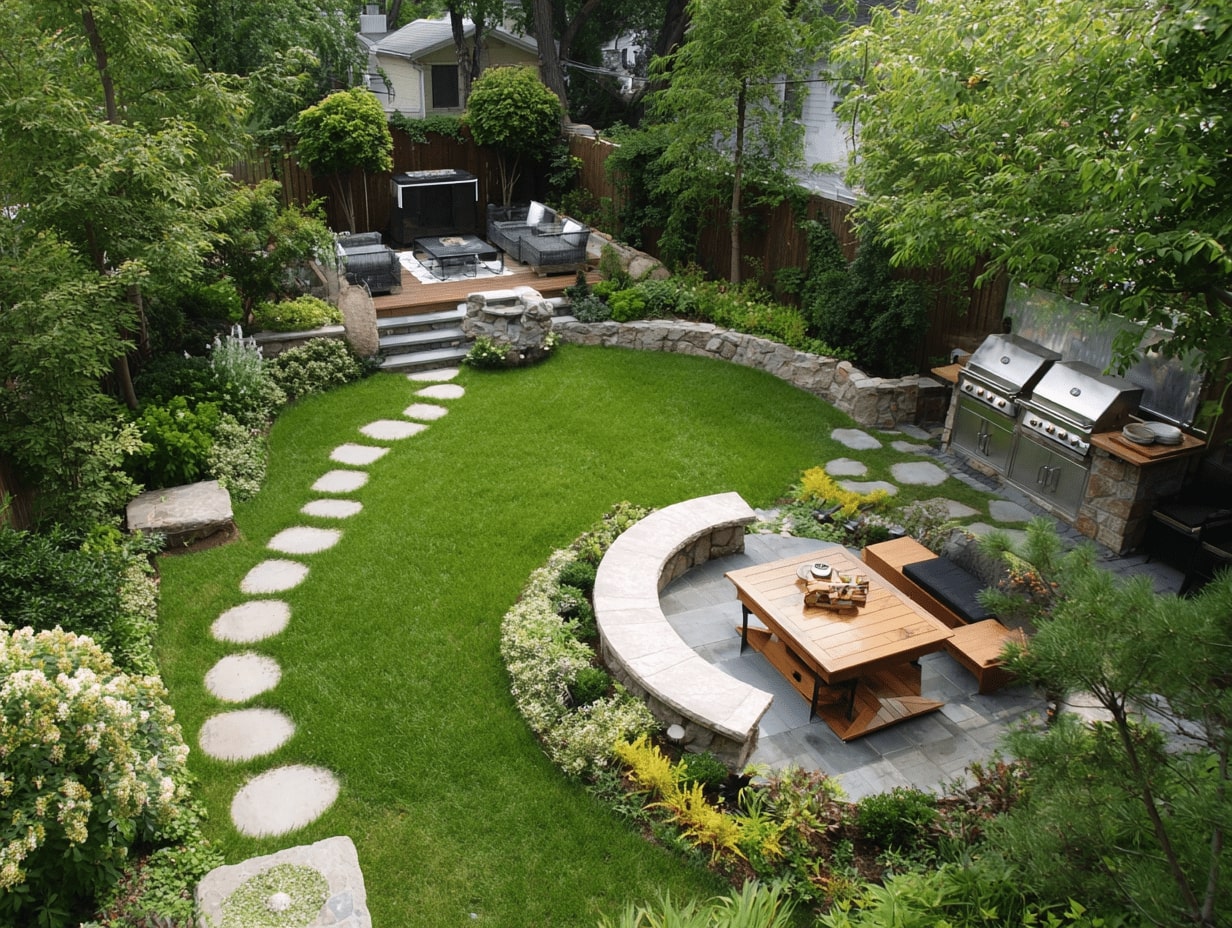
We start by tying the house and garden together. Proportion guides everything: patio size relative to the facade, bed depths that balance window heights, and tree canopies that frame, not dwarf, the architecture. Repeating forms (a curve echoed in a path and a seating wall) creates visual coherence, while varied heights, groundcovers, shrubs, small trees, add rhythm without clutter.
Materials, Color, And Plant Palettes
Fewer, better materials beat a patchwork. If the home has warm brick, we might choose clay pavers or buff limestone, then echo those tones in mulch and pottery. A tight plant palette, say, three structural shrubs, two perennials, one accent grass, reads intentional. Color isn’t just flowers: foliage texture and seasonal bark deliver year-round interest without screaming for attention.
Lighting As A Design Multiplier
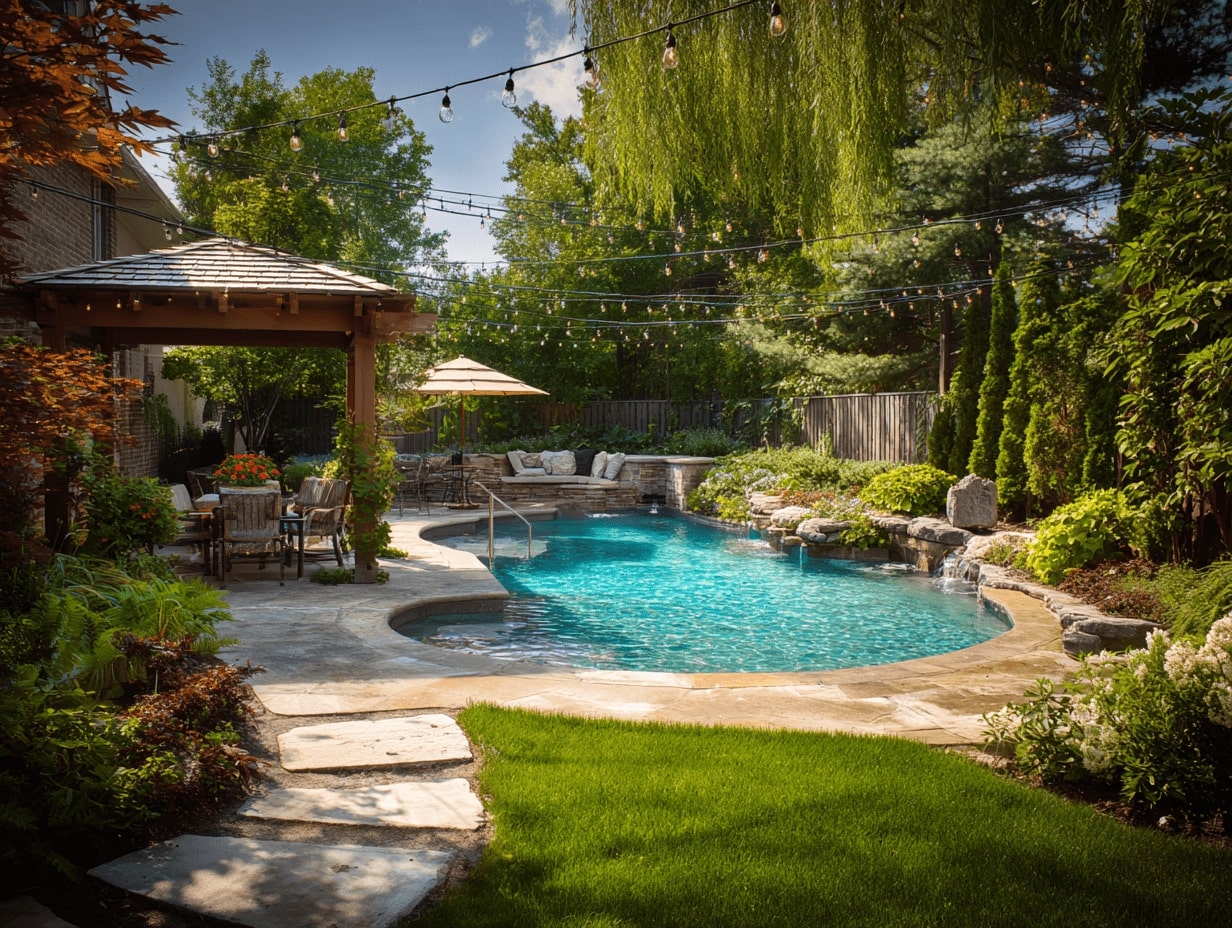
Thoughtful lighting doubles the backyard’s usable hours and drama. We use warm, low-voltage fixtures to graze a stone wall, moonlight from trees for soft shadows, and tiny step lights for safety. Less is more: highlight focal points, not every leaf. With controls and LEDs, we boost ambiance while keeping energy use low.
Functionality: Flow, Zones, And Everyday Use
Circulation And Activity Zoning
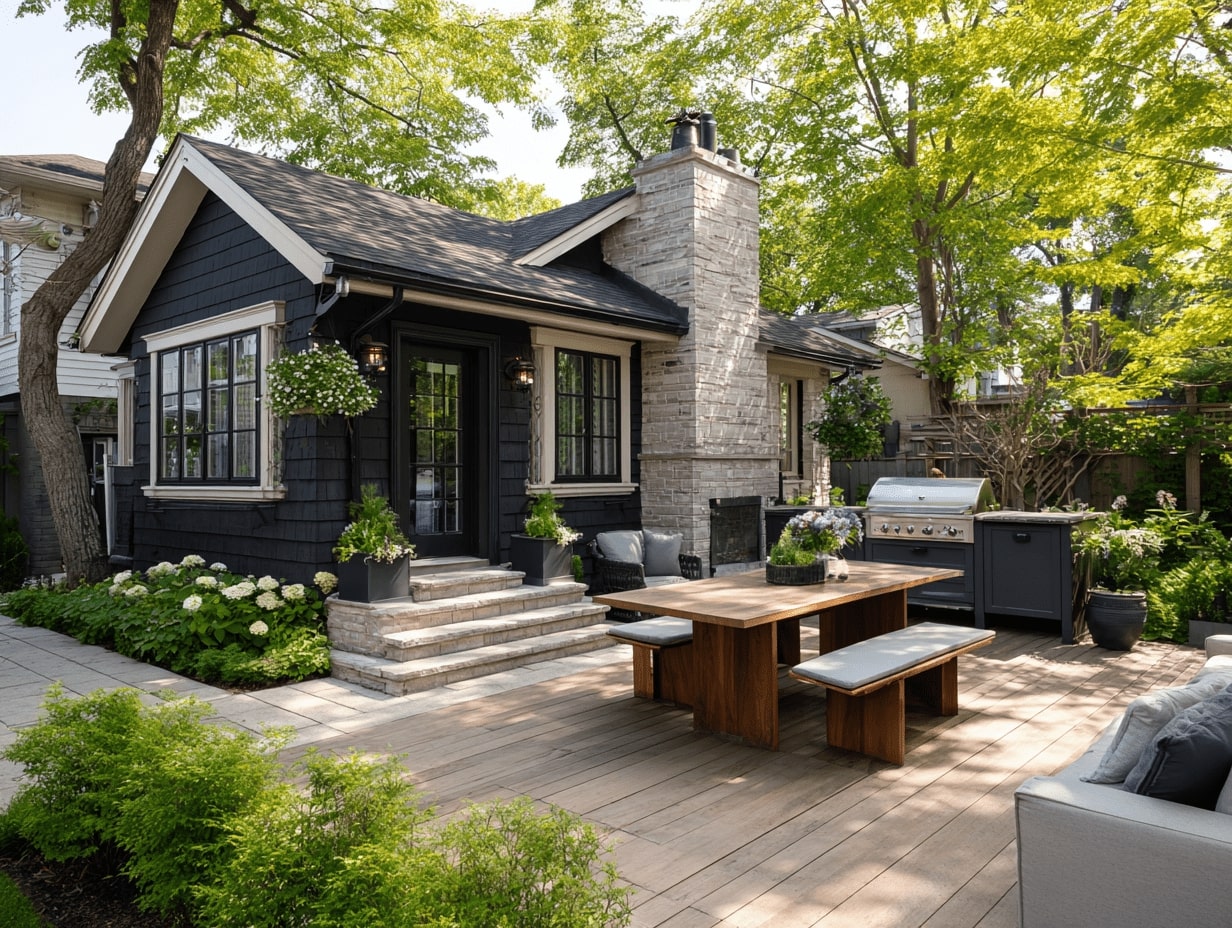
Good circulation prevents bottlenecks. We align primary paths (house to grill, door to gate) along the most direct, comfortable lines, then carve zones: cooking, dining, lounging, and quiet corners. Edges, planters, hedges, or changes in material, signal transitions without building a maze.
Entertaining, Play, Pets, And Storage
Real life needs space. A dining terrace sized for your largest table, a durable turf or play surface for kids, shaded napping spots for pets, and discreet storage for bins and tools keep chaos in check. We plan power outlets where heaters or speakers might go and leave a landing zone near the gate for deliveries or muddy boots.
Accessibility, Safety, And Code Considerations
We design with inclusive access: gentle slopes (ideally under 5%), grippy surfaces, and steps with consistent risers. Guard rails, pool barriers, and grill clearances follow local code. Lighting for stairs, handrails where needed, and clear sightlines boost safety without feeling institutional.
Environmental Benefits And Climate Resilience
Native Planting And Biodiversity
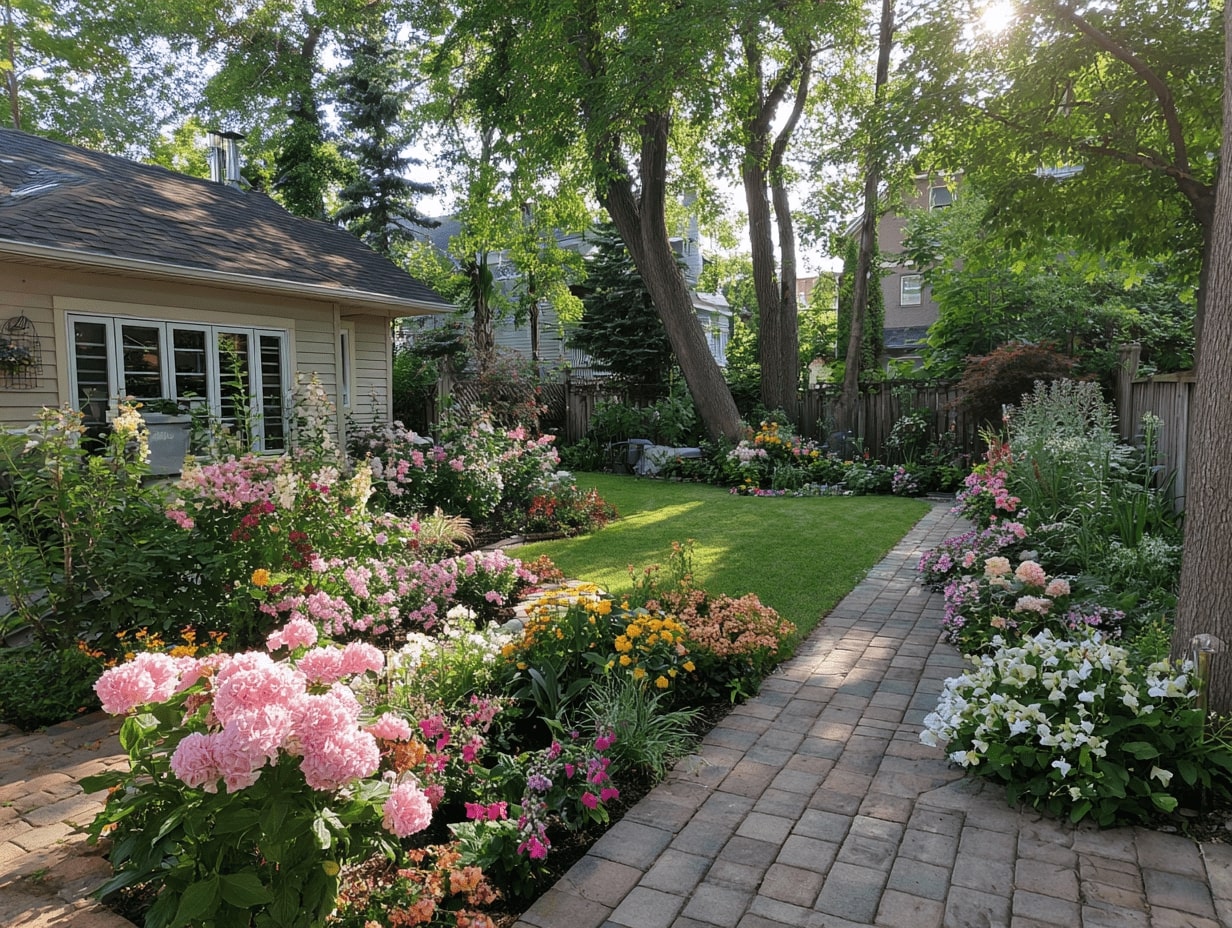
Native and climate-adapted plants support pollinators and reduce inputs. We mix bloom times to feed bees from spring through fall, layer canopy to understory, and avoid chemical crutches by picking the right plant for the right place. Even a modest native bed can become a wildlife corridor.
Water Management, Drainage, And Irrigation
Backyards fail when water has nowhere to go. We slope hardscapes away from the house, use permeable materials, and direct runoff into rain gardens or dry wells. Smart irrigation, with zones by plant need, drip at root zones, and weather-based controllers, cuts water use by 30-50% compared to old spray systems.
Soil Health, Mulch, And Microclimates
Healthy soil is the engine. We test it, amend with compost, and protect with mulch to regulate temperature and retain moisture. Windbreaks, trellises, and strategic shade create microclimates so plants, and people, thrive. The result: tougher landscapes that shrug off heat waves and downpours.
Health And Well-Being Effects
Stress Reduction, Privacy, And Refuge
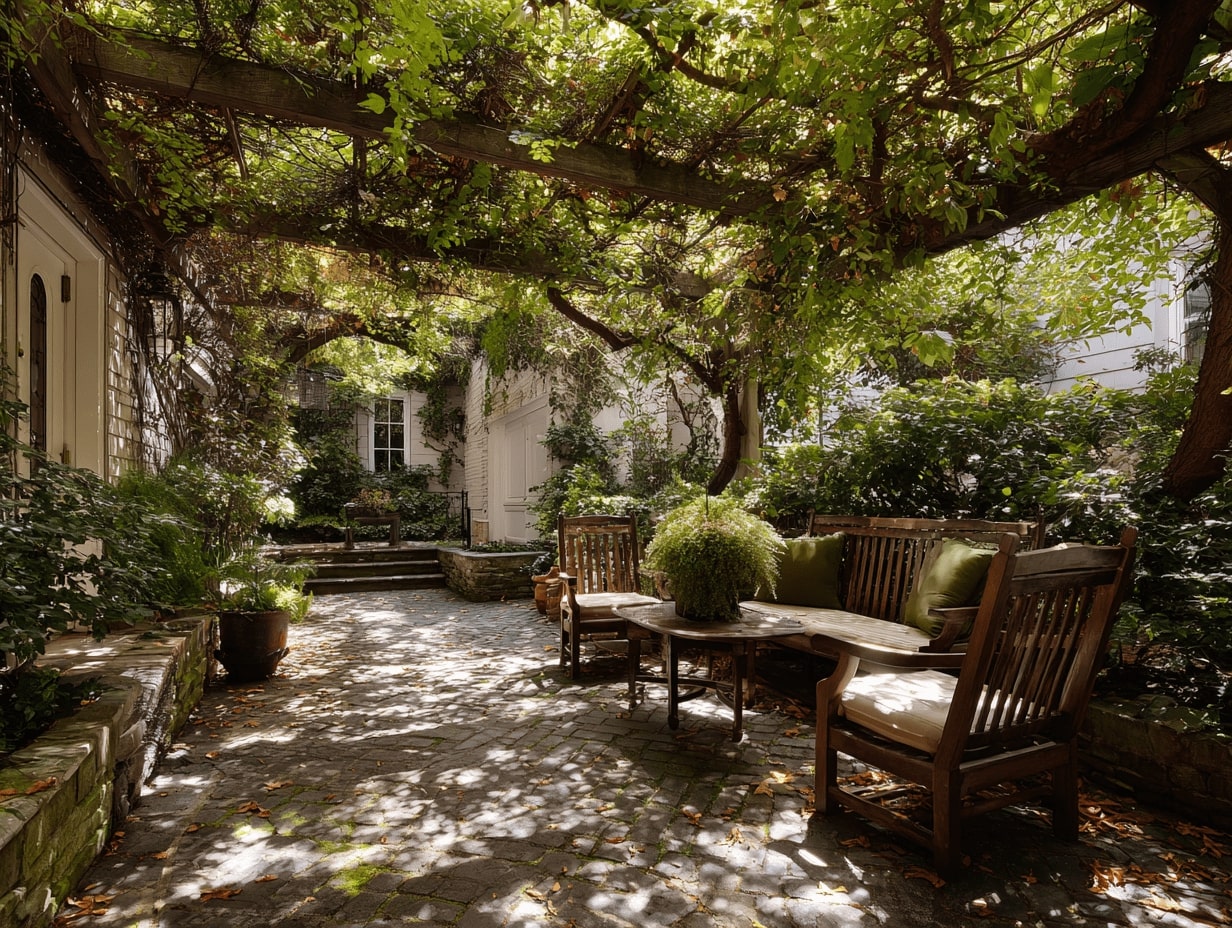
A well-designed backyard is a pressure valve. Screens of evergreen, a simple water feature, or a vine-covered pergola create privacy and calm. We position seating where morning light is gentle and afternoon glare is blocked, turning five spare minutes into a reset.
Sensory Design: Shade, Sound, And Scent
Comfort comes from the senses. Dappled shade under small trees lowers felt temperature dramatically. Subtle sound, wind in grasses, a quiet bubbler, masks street noise. We layer scent with seasonal hits: thyme along a path, tea olive near a door, and late-summer lilies by the lounge.
Year-Round Use And Seasonal Interest
We plan for winter bones and summer lushness. Evergreens and sculptural branches carry the cold months: bulbs, perennials, and ornamental grasses take over in growing season. Add heaters, a fire bowl, or a covered nook and the backyard stops hibernating when temperatures drop.
Property Value And Long-Term Costs
Curb Appeal, Marketability, And ROI
Thoughtful landscape design can lift perceived home value by 10-15% because buyers see move-in-ready outdoor living. A balanced front approach, clear entry axis, and a polished backyard read as “well cared for,” which shortens time on market and strengthens offers.
Maintenance Intensity And Lifespan Costs
We weigh lifetime costs, not just install price. Durable materials, right-sized lawns, mulch over bare soil, and plants matched to site conditions mean fewer replacements and less labor. Drip irrigation, automated controllers, and slow-release fertilizers curb water and maintenance spend.
Phasing Projects And Budget Prioritization
Not everything needs to happen at once. We phase smart: fix grading and drainage first, then hardscape, then planting and lighting. Running sleeves for future utilities avoids rework. This staged approach protects the budget and keeps the backyard usable between phases.
Planning Principles And Common Pitfalls
Site Analysis: Sun, Slope, Soil, And Utilities
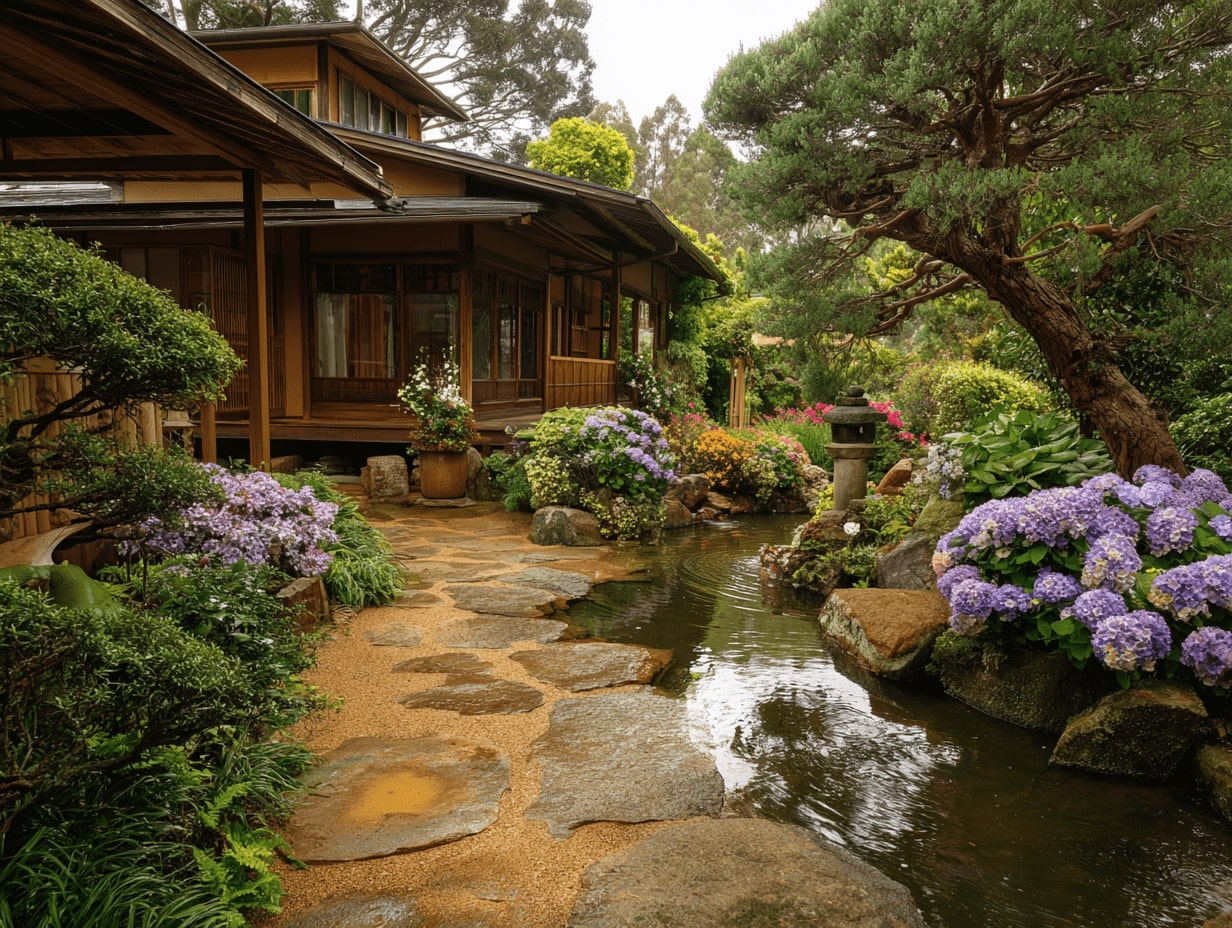
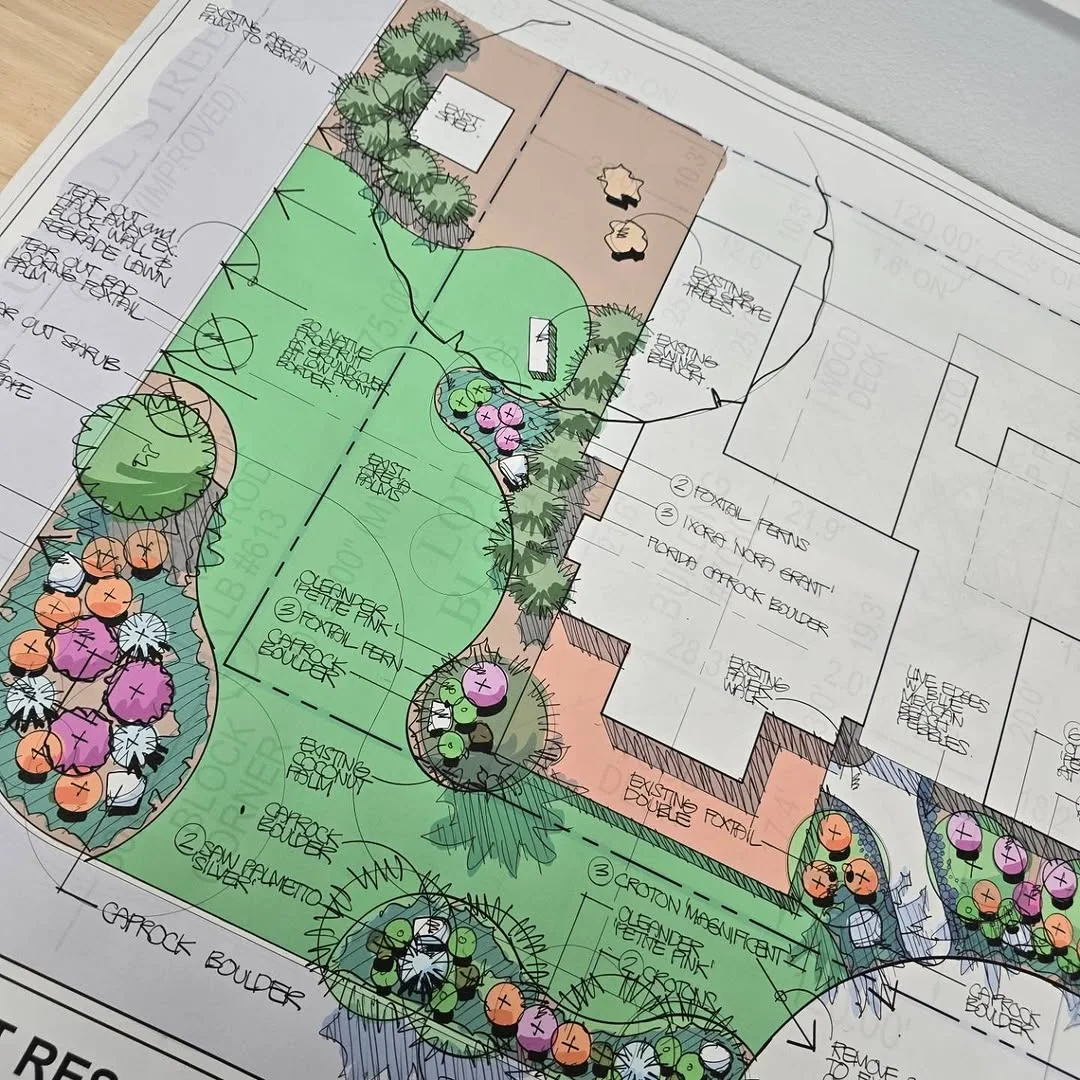
Before sketching, we study the site. Where does the sun hit in July versus January? How does water move after a storm? What’s the soil texture and pH? Where are gas, electric, and irrigation lines? This prework prevents surprises and shapes plant choices and layout.
Common Mistakes To Avoid
We see the same traps: patios too small for real furniture, plants crammed against foundations, overwatering, and random plant collecting that kills cohesion. Another big one: ignoring scale, tiny beds next to tall facades look skimpy. And don’t forget storage: clutter ruins even great design.
When To DIY Vs. Hire A Professional
DIY shines for beds, simple paths, or small timber planters. We bring in pros for grading, drainage, retaining walls, gas lines, complex lighting, and permits. If the project touches safety or structure, or you want a cohesive plan that saves money long term, professional design pays for itself.
Conclusion
The impact of landscape design on the backyard shows up in how we feel, how we move, and what we spend over time. When we knit aesthetics to function, respect the site, and plan for climate and care, the yard becomes a daily asset, not a weekend chore. If we start with drainage and structure, pare materials, pick climate-smart plants, and light with intention, we’ll get beauty we can live in, and value that lasts.







Why Removing Old Stumps Can Boost Your Property’s Value
Removing old stumps from your property can enhance its visual appeal, eliminate...
 illustrarch Editoral Team7 Mins read
Why Is Lawn Care Important for Your Landscape? A Complete Guide
A well-kept lawn does far more than look good. It filters stormwater,...
 Furkan Sen9 Mins read

Smart Lawn Care Practices for a Healthier Yard
Smart lawn care practices include proper mowing, watering, fertilization, weed management, and...
illustrarch Editoral Team3 Mins read

Modern Home Maintenance: A Seasonal Lawn Care Guide
Keeping the lawn around a modern home in top shape requires more...
Furkan Sen12 Mins read


Leave a comment