

Modern Japanese Architecture: Tradition Rewired for the Present
Modern Japanese architecture explained: how tradition meets innovation in light, nature, materials, and urban living—with icons from Tange, Ando, and SANAA.
 Sinan Ozen1 December 20254 Mins read384
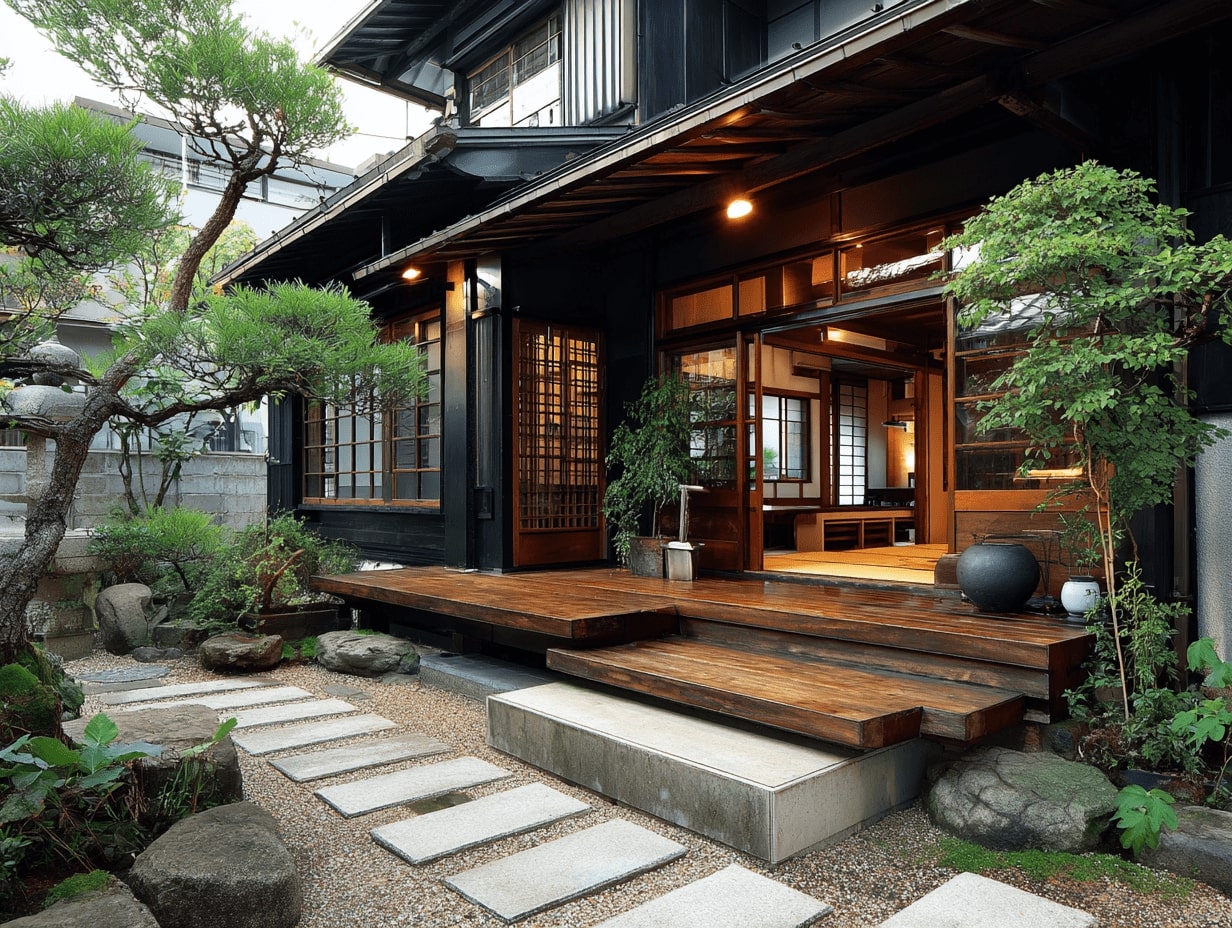
Table of Contents Show
Modern Japanese architecture isn’t a single visual style, it’s a mindset that fuses centuries-old craft with restless experimentation. We see it in how a house opens to a pocket garden, how a museum turns sunlight into a building material, and how a city block accommodates both micro-homes and public life. In this guide, we unpack what drives that synthesis, and why it keeps influencing design worldwide.
What Defines Modern Japanese Architecture
Continuity Of Tradition And Innovation
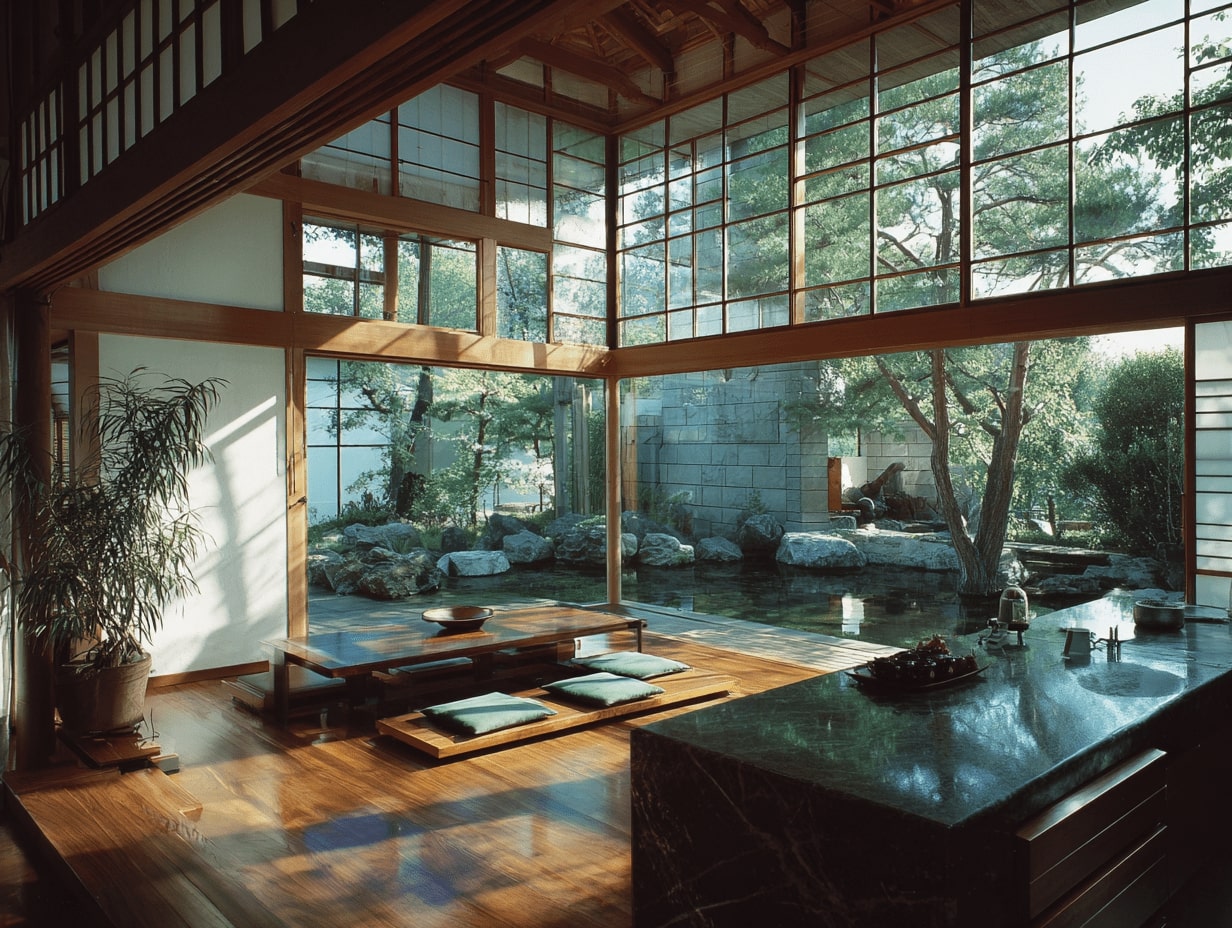
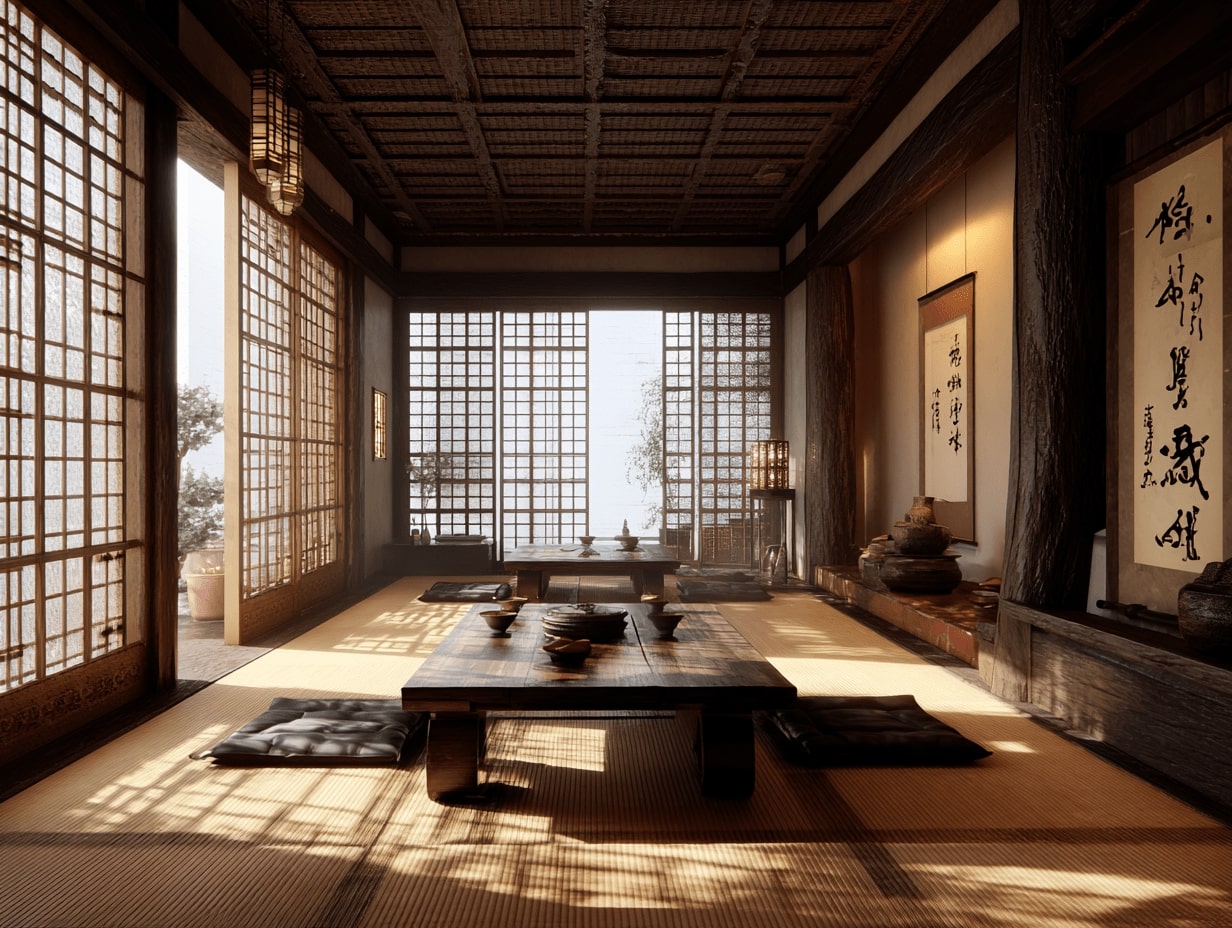
We tend to think in pairings: shoji and glass curtain wall, tatami grids and modular steel, engawa verandas and urban balconies. Modern Japanese architecture keeps traditional logics, modularity, frugality of means, reverence for craft, while adopting contemporary structure and performance. The result isn’t nostalgia: it’s continuity. We carry forward ma (intentional emptiness), borrowed scenery, and the choreography of thresholds, then remake them with today’s tools.
Space, Light, And Nature
Space is treated as fluid and relational. We rely on layered partitions, translucent materials, and carefully framed views to calibrate privacy without shutting out daylight. Light is shaped, bounced off concrete, diffused through polycarbonate, and filtered by deep eaves. Nature isn’t decoration: it’s a co-author. Pocket courtyards, planted roofs, and garden voids pull air, scent, and seasonal change into daily life, whether we’re on a forested site or a tight Tokyo lane.
From Postwar Rebuilding To The Present
Metabolism And Megastructures
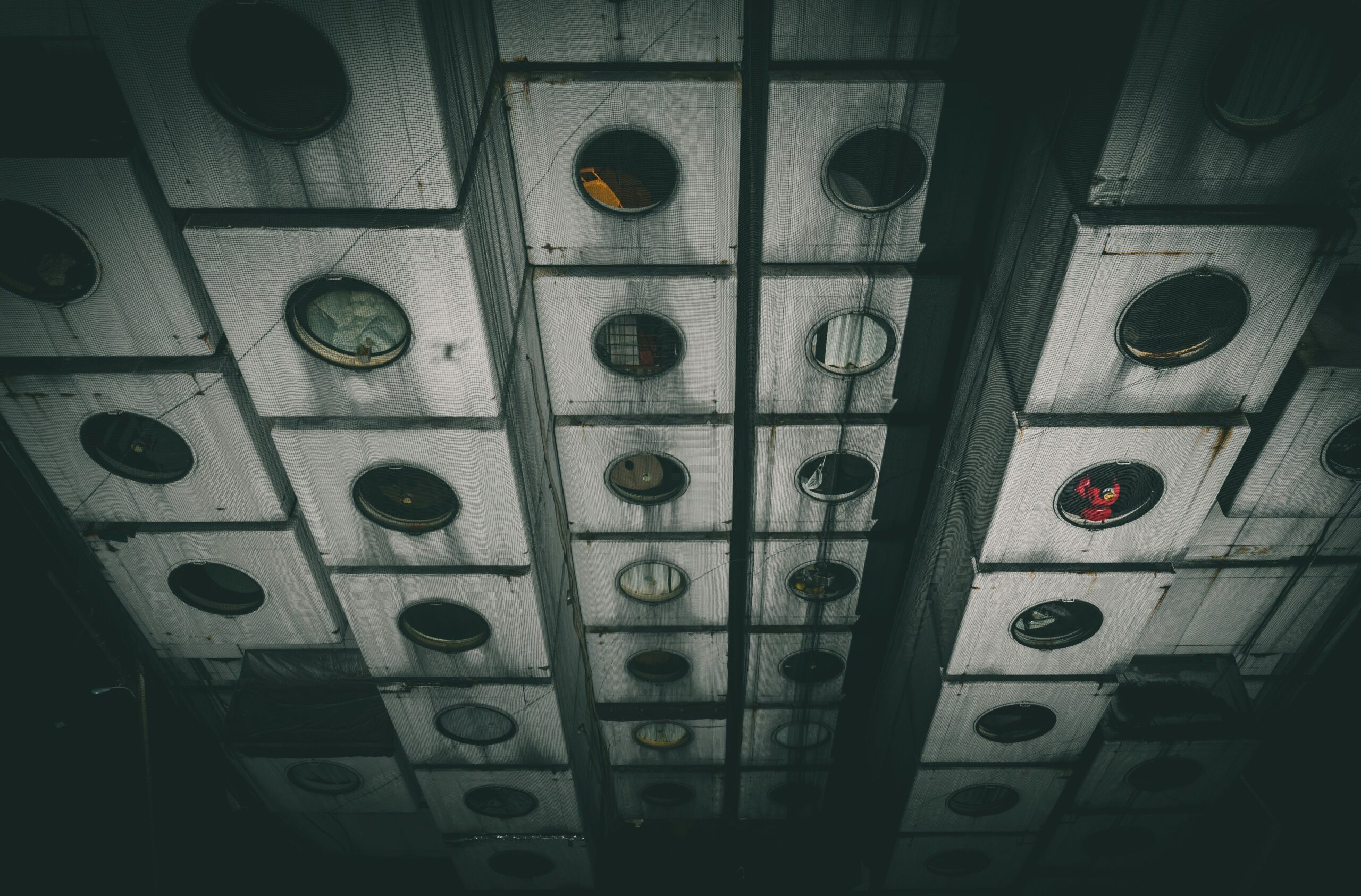
After WWII, the Metabolists proposed cities that could grow like organisms. We can still feel their influence in plug-in modules, infrastructure-as-architecture, and adaptable urban systems. Kenzo Tange’s Tokyo Bay Plan and the Nakagin Capsule Tower embodied this metabolism: large frameworks hosting replaceable parts. Even as Nakagin has been dismantled, the idea of architecture as a change-ready chassis persists.
From Concrete Minimalism To Contemporary Experimentation
By the late 20th century, spare concrete volumes became a kind of national shorthand, precise, calm, and materially honest. Since then, we’ve expanded the palette: perforated metal skins, mass timber, high-performance glass, and 3D-milled joinery. Contemporary practice toggles between quiet restraint and radical form, but the throughline remains: clarity of structure, respectful siting, and a human-scaled experience.
Signature Architects And Landmark Works
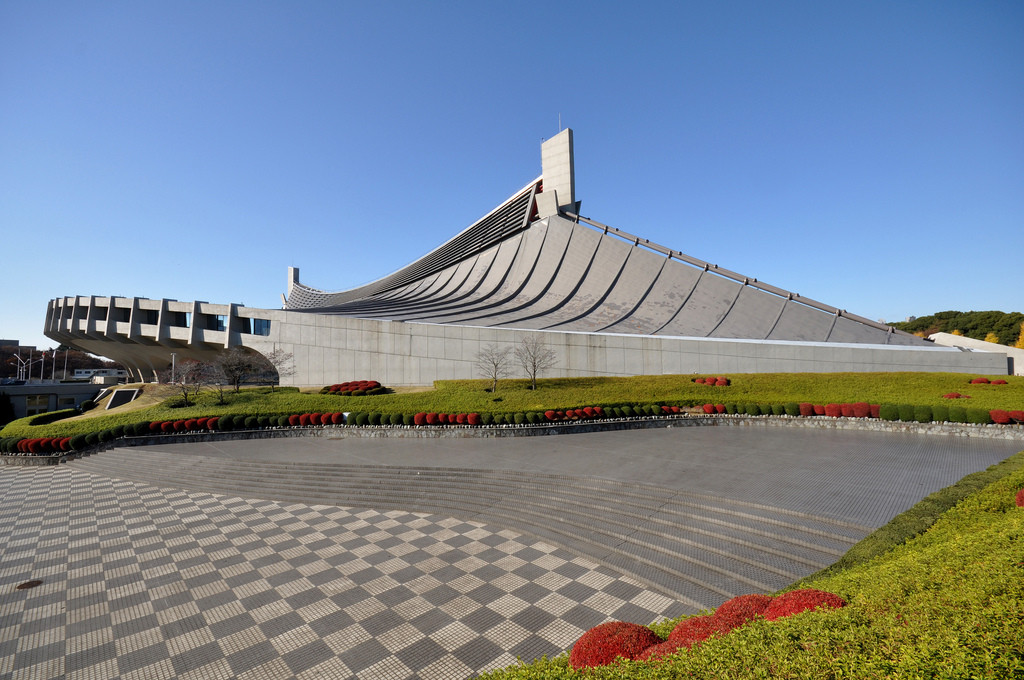
Kenzo Tange And The Yoyogi National Gymnasium
Tange’s Yoyogi National Gymnasium (1964) translates temple rooflines into sweeping cable-suspended shells. We admire it for more than drama, it’s a precise synthesis of engineering and cultural memory, a civic room that still feels fresh six decades on.
Tadao Ando’s Concrete And Light, Church Of The Light
In Ibaraki, Ando cuts a luminous cruciform into an austere concrete wall. We read the building as a lesson in subtraction: remove, reveal, and let light perform. The tactile formwork, tight detailing, and controlled contrast turn a simple shell into an unforgettable spatial ritual.
SANAA’s Transparency, 21st Century Museum Of Contemporary Art, Kanazawa
Kazuyo Sejima and Ryue Nishizawa’s circular museum dissolves the threshold between city and gallery. With low, glassy pavilions and wandering routes, we’re invited to move as if through a park. Transparency here is social as much as visual, people watch art, and people watch people.
Materials, Craft, And Structural Innovation
Concrete Craft And Expressive Formwork
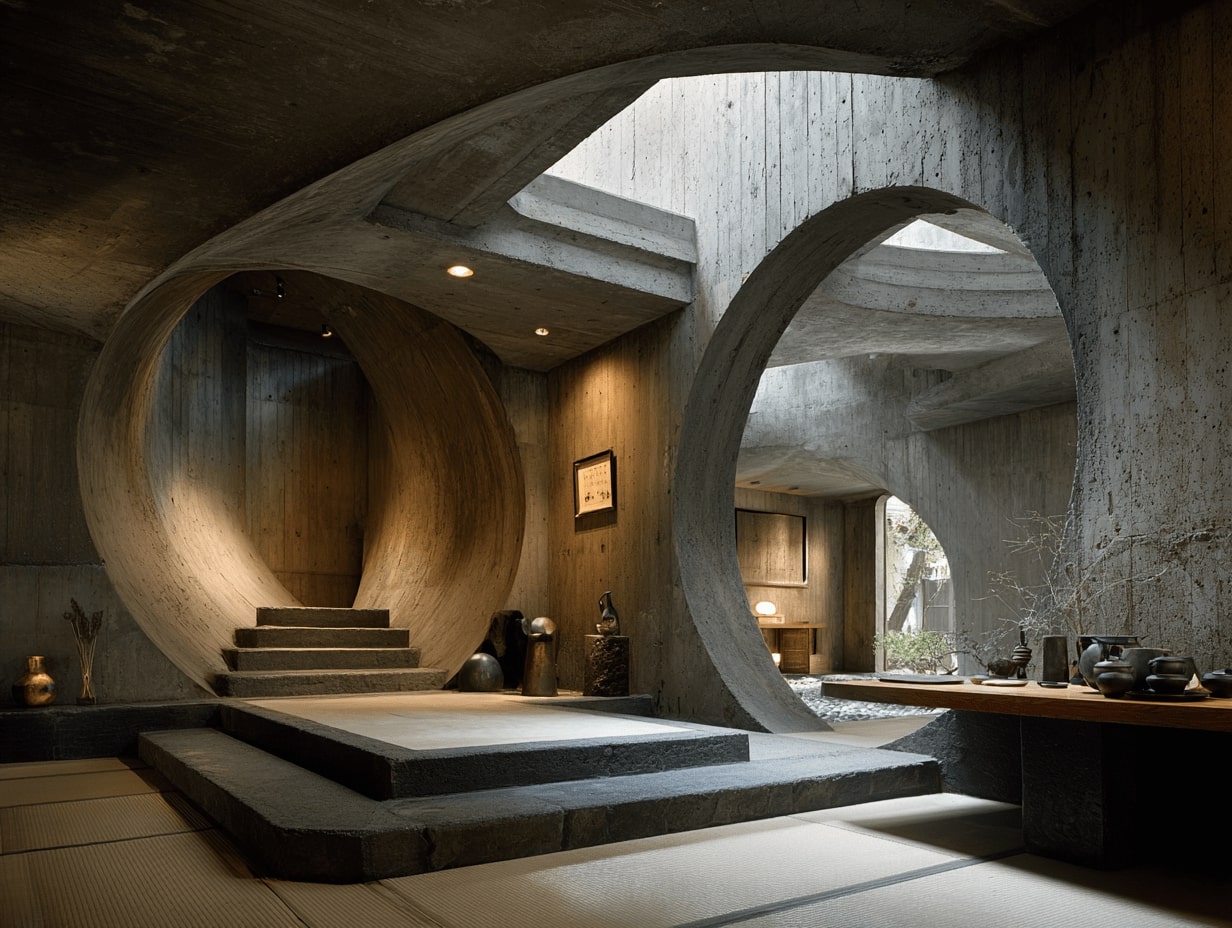
Concrete in Japan often reads like fine carpentry. We obsess over form-tie spacing, chamfers, and aggregate tone because the surface is the architecture. Expressive formwork allows curves, razor edges, and controlled joints that guide light, shadow, and sound.
Timber, CLT, And Contemporary Joinery
Timber is resurging, from delicate cedar lattice to CLT mid-rise. We pair digital fabrication with centuries-old joints to achieve long spans with minimal metal hardware. The result is warm, carbon-storing structure that ages gracefully and performs in seismic contexts when detailed with energy-dissipating connectors.
Urban Living And Typologies
Micro-Homes And Narrow-Lot Infill
On slivers of land, architects turn constraints into invention: split levels, stair galleries, and mirrored light wells make 400–700 sq ft feel generous. We’ve seen brilliant examples like Atelier Bow-Wow’s small houses that “borrow” light from the street and Sou Fujimoto’s House NA, which stacks micro-platforms into a porous vertical landscape.
Collective Housing And Flexible Interiors
Collective housing in Japan often prioritizes flexibility: sliding partitions, movable storage walls, and shared terraces that double as social infrastructure. For example, we admire the Gifu Kitagata Apartments (Ito + Sejima) for its varied unit types: and Kurokawa’s capsule logic still echoes in co-living where private pods pair with generous communal rooms. In housing projects, small interventions, accordion doors, raised tatami platforms, or modular kitchens, let residents reconfigure life as families grow or shrink.
Sustainability, Resilience, And The Future
Low-Carbon Design And Biophilic Strategies
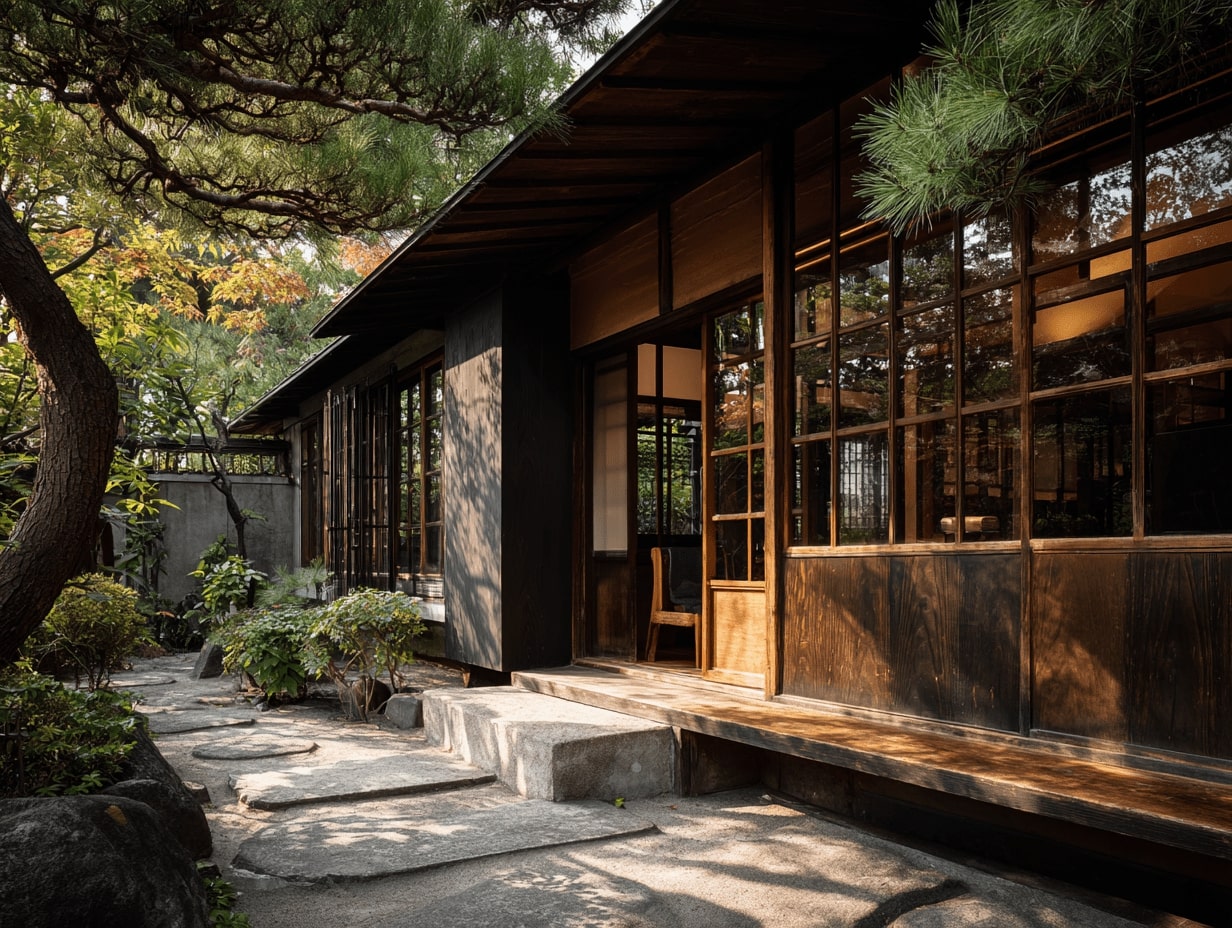
We’re favoring low-carbon materials, passive shading, and mixed-mode ventilation. Timber and earth plasters reduce embodied carbon: deep eaves, engawa-like buffers, and courtyard stacks cut cooling loads. Biophilic moves aren’t just greenwashing, planted voids, water features, and seasonal views support wellbeing and reduce mechanical dependence.
Seismic Performance, Adaptation, And Community-Centered Design
High seismic standards drive innovation: base isolation, tuned mass dampers, and ductile frames. But resilience also means social continuity. After disasters, we’ve seen fast-deploy community cores, market sheds, schools, bathhouses, built with modular timber systems. The lesson is clear: design for the next hundred years includes lifelines for the next hour after a quake.
Conclusion
Modern Japanese architecture thrives on a productive tension, between old and new, density and calm, rigor and play. If we carry anything forward, it’s the discipline to do more with less: frame light, invite nature in, and engineer for change. Whether we’re tackling a cultural icon, a compact infill, or everyday housing, say, a narrow-lot duplex with a shared roof garden and a CLT mid-rise with adaptable units, the aim is the same: spaces that feel unmistakably of their place and unfailingly humane.



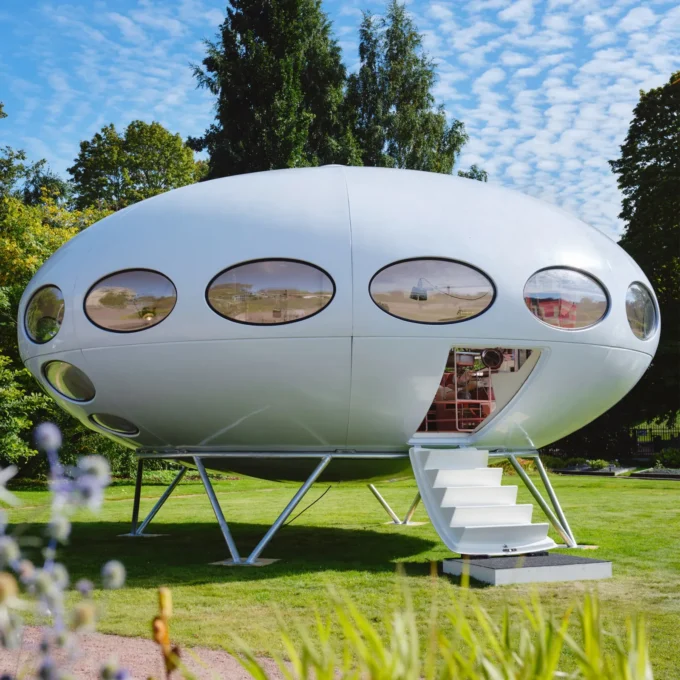

Futuro House Production Revived in Finland After Decades-Long Hiatus
A Facebook listing for abandoned moulds led to the first new Futuro...
 illustrarch Editoral Team3 Mins read
Building Your Dream Home in NSW: What You Should Know About Montgomery Homes
Montgomery Homes has been building across Sydney, Newcastle, the Hunter, Wollongong and...
illustrarch Editoral Team4 Mins read
Designing a Home Theater: Where Drapery Fits Into the Plan
In a media room the curtains are a performance layer, not decoration....
illustrarch Editoral Team3 Mins read

Oscar Niemeyer’s Cathedral of Brasília: The Hyperboloid Concrete Hymn
The Cathedral of Brasília reads as a single gesture, yet it stood...
 Furkan Sen7 Mins read


Leave a comment