

10 Notable Architects Who Excel in Parametric Design
Discover 10 leading architects who excel in parametric design, showcasing how computation, algorithms, and digital modeling are reshaping contemporary architecture.
 Begum Gumusel7 December 20257 Mins read346

Table of Contents Show
Parametric design has transformed contemporary architecture by allowing designers to manipulate form through data-driven relationships rather than static drawings. This approach uses algorithms, performance inputs, and geometric logic to generate complex, adaptive structures that respond to environmental, structural, and aesthetic parameters. What once seemed futuristic is now an essential tool for creating expressive façades, efficient systems, and innovative spatial solutions. From globally recognized icons to emerging pioneers, many architects have embraced parametric methods to redefine what buildings can achieve. The following list highlights ten notable architects who have distinguished themselves through their mastery of parametric design and its transformative potential.

1. Zaha Hadid
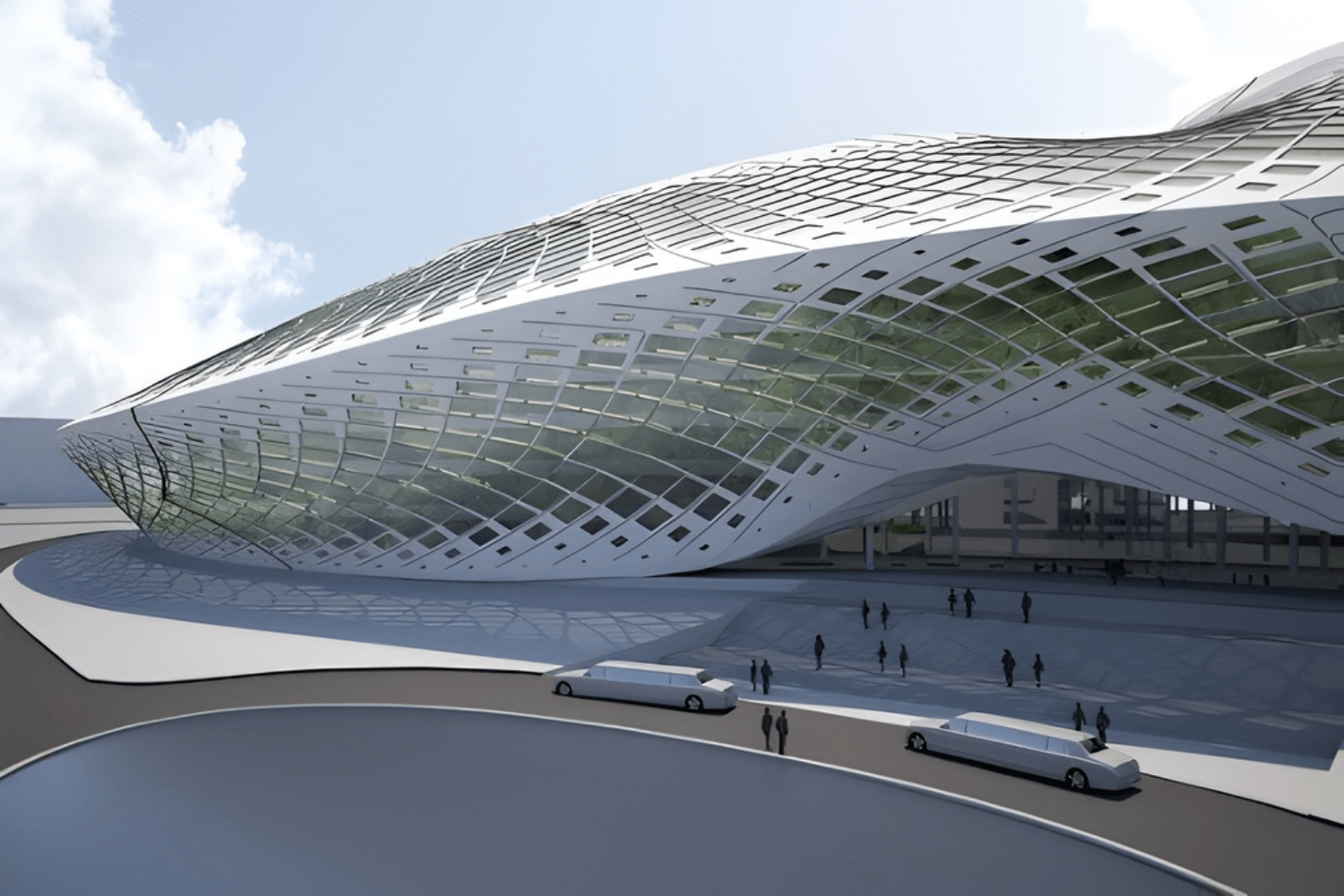
Often regarded as the most influential figure in parametric architecture, Zaha Hadid revolutionized design with fluid geometries that defy traditional constraints. Although her early works were hand-drawn, the evolution of computational tools allowed her concepts to come alive with unprecedented precision. Projects like the Heydar Aliyev Center and Guangzhou Opera House showcase sweeping curves and dynamic surfaces generated through algorithmic modeling. Hadid’s legacy continues to shape the global conversation around parametric expression, proving that digital tools can evoke sculptural elegance without sacrificing structural logic.

2. Patrik Schumacher
As Zaha Hadid’s longtime collaborator and the theorist behind “Parametricism,” Patrik Schumacher stands as one of the field’s leading intellectual forces. His writings formalize parametric design as a distinct architectural style characterized by continuous surfaces, adaptive systems, and interconnected geometries. Schumacher actively applies these principles at ZHA, guiding projects toward digitally driven coherence. His influence extends beyond built work, shaping academic discourse about how algorithmic design can become an architectural language of the 21st century.

3. Santiago Calatrava
Known for his expressive, sculptural forms inspired by anatomy and motion, Santiago Calatrava integrates parametric techniques into engineered precision. While his works often appear organic, they rely heavily on geometric calculation and algorithmic modeling. Structures like the Milwaukee Art Museum and the City of Arts and Sciences use parametric relationships to ensure structural performance while maintaining poetic elegance. Calatrava’s fusion of engineering, mathematics, and architecture demonstrates how parametric methods can transform aesthetics into functional systems.

4. Michael Hansmeyer
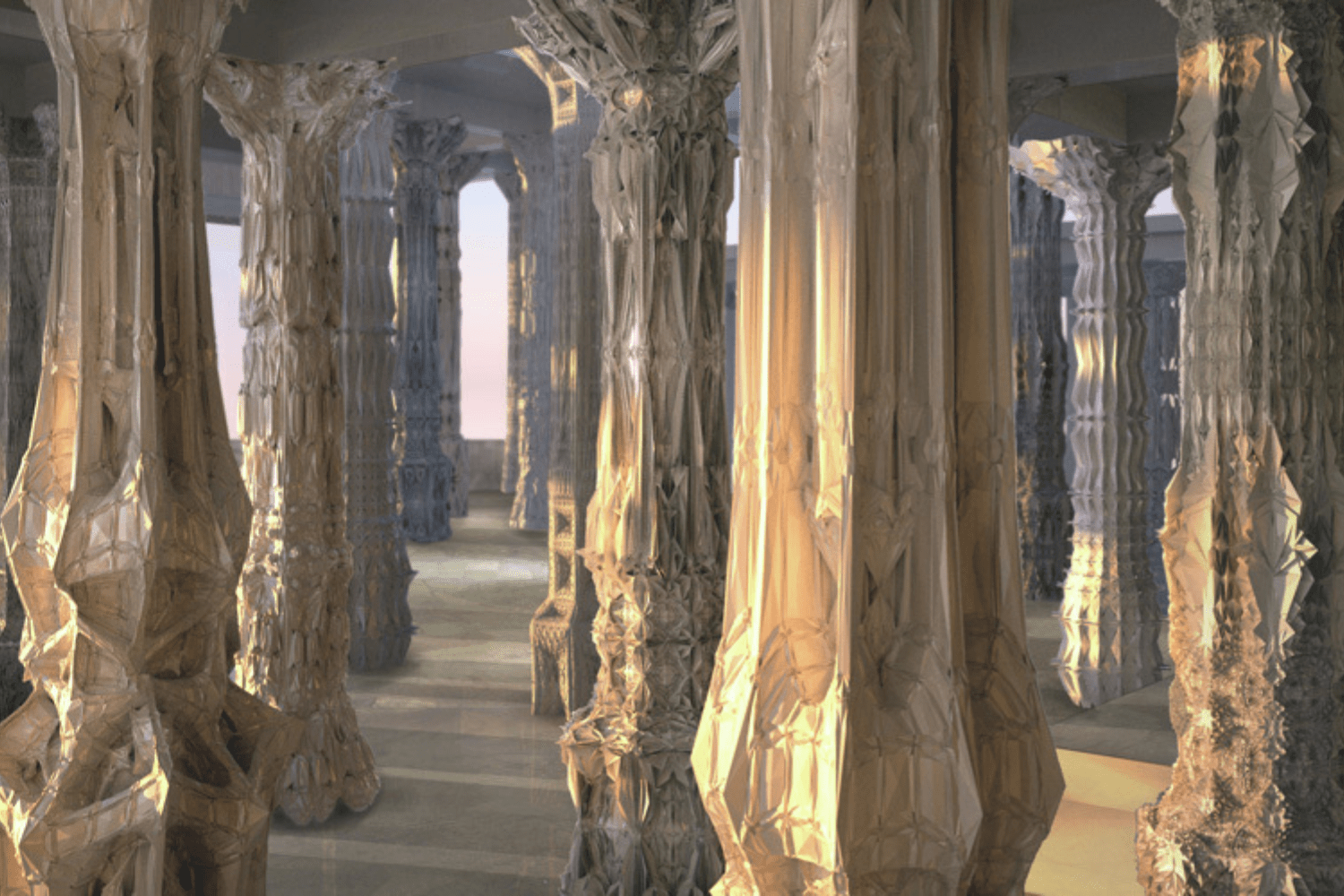
Michael Hansmeyer is renowned for exploring the extreme potentials of computational design. His “Subdivided Columns” project, generated through recursive algorithms, reveals intricate forms that transcend traditional craftsmanship. Hansmeyer’s work pushes parametric design into the realm of digital fabrication, showing how algorithmic complexity can result in profoundly detailed architectural components. His research-driven approach positions him as a pioneer expanding the boundaries of computation in built form.
5. Bjarke Ingels
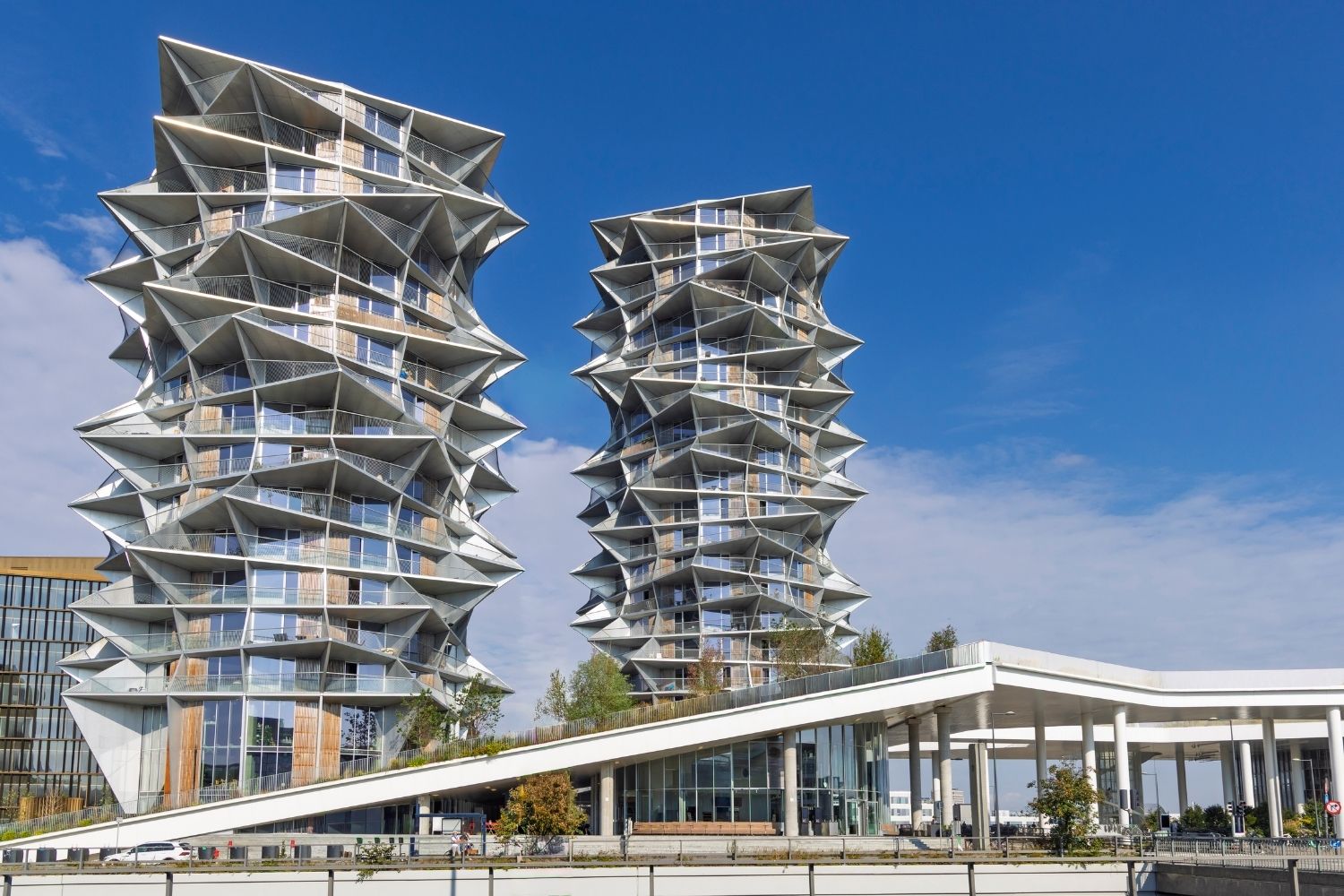
Bjarke Ingels and BIG use parametric design as a pragmatic tool rather than purely expressive language. For Ingels, computation helps resolve programmatic complexity, environmental performance, and playful form-making. Projects such as VIA 57 West and the Amager Resource Center rely on data-driven scripts to optimize massing and façade organization. By merging practicality with innovation, BIG demonstrates how parametric thinking can support both conceptual ambition and real-world problem solving.

6. Marc Fornes
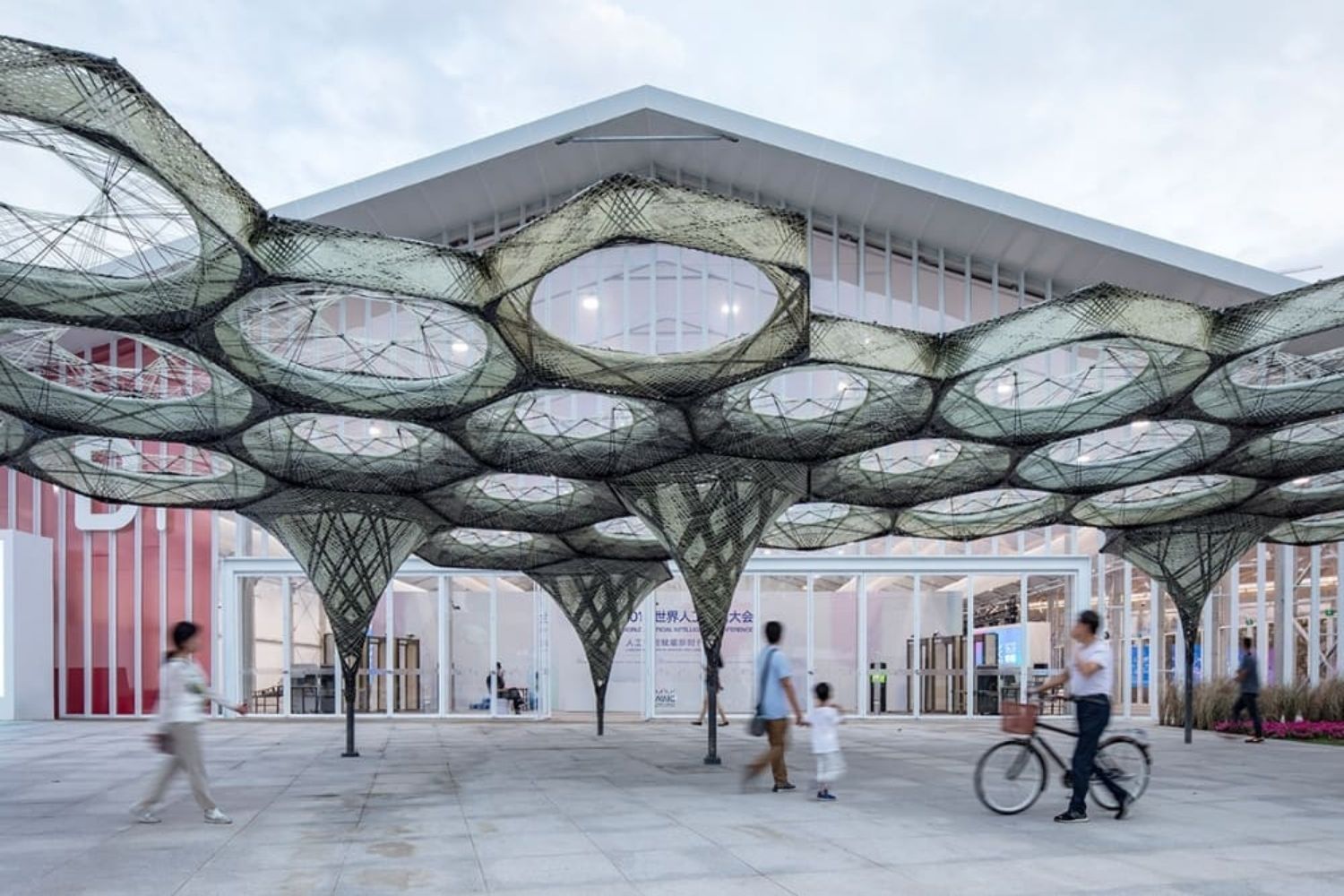
Marc Fornes, founder of The Very Many, is a leading figure in lightweight parametric structures. His installations and pavilions employ computational techniques to generate ultra-thin, self-supporting surfaces composed of intricate component networks. The resulting forms are visually striking, structurally efficient, and highly experimental. Fornes’ work exemplifies how parametric design can yield new material behaviors and architectural typologies through advanced scripting and fabrication methods.

7. Achim Menges
Achim Menges bridges computation, material science, and biology at the University of Stuttgart and ICD/ITKE Research Pavilion series. His parametric designs incorporate material performance and environmental behavior as dynamic inputs, creating structures that are both data-driven and biologically inspired. Menges’ work reveals the future potential of architecture where form emerges from interdisciplinary intelligence rather than stylistic intent.

8. Neri Oxman
As founder of the Mediated Matter Group at MIT, Neri Oxman is celebrated for merging parametric design with synthetic biology and digital fabrication. Her work explores how material structuring can follow natural growth patterns through algorithmic control. Projects such as the Silk Pavilion demonstrate parametric design as a medium for producing hybrid material systems. Oxman’s innovative methods challenge conventional boundaries and point toward a future of bio-computational architecture.

9. Tom Wiscombe
Tom Wiscombe is known for bold, volumetric geometries shaped through parametric modeling and advanced digital workflows. His work often explores the interplay between surface, mass, and deep section, resulting in dynamic forms that push beyond surface-only expressions. Wiscombe uses computational tools to manipulate layers and spatial depth, creating architecture that is sculptural, immersive, and technologically sophisticated.
10. Farshid Moussavi
Farshid Moussavi integrates parametric logic into her approach to façade systems, spatial organization, and structural performance. Her emphasis on “functionalism” expands through computation, allowing projects to adapt to programmatic and environmental needs. The Museum of Contemporary Art Cleveland exemplifies how parametric modeling can refine reflective surfaces and geometric precision. Moussavi’s work bridges theory, practice, and digital technique with clarity and elegance.

Parametric Architects at a Glance
The table below provides a quick reference for each architect’s background, primary firm, and the parametric focus area that defines their work.
| # | Architect | Nationality | Firm / Affiliation | Parametric Focus | Notable Parametric Project |
|---|---|---|---|---|---|
| 1 | Zaha Hadid | Iraqi-British | Zaha Hadid Architects (ZHA) | Fluid geometries & sculptural expression | Heydar Aliyev Center, Baku |
| 2 | Patrik Schumacher | German | Zaha Hadid Architects (ZHA) | Parametricism theory & continuous surfaces | Opus Tower, Dubai |
| 3 | Santiago Calatrava | Spanish-Swiss | Santiago Calatrava LLC | Structural engineering & biomorphic forms | City of Arts and Sciences, Valencia |
| 4 | Michael Hansmeyer | German | Independent / ETH Zurich | Algorithmic complexity & digital fabrication | Subdivided Columns |
| 5 | Bjarke Ingels | Danish | BIG: Bjarke Ingels Group | Pragmatic computation & sustainable form | VIA 57 West, New York |
| 6 | Marc Fornes | French | THEVERYMANY | Lightweight structures & structural stripes | Under Magnitude, Orlando |
| 7 | Achim Menges | German | ICD University of Stuttgart | Material computation & bio-inspired design | ICD/ITKE Research Pavilions |
| 8 | Neri Oxman | American-Israeli | Mediated Matter Group (MIT) | Bio-computational design & material ecology | Silk Pavilion |
| 9 | Tom Wiscombe | American | Tom Wiscombe Architecture | Volumetric geometry & deep section design | Beijing National Hotel |
| 10 | Farshid Moussavi | Iranian-British | Farshid Moussavi Architecture (FMA) | Façade systems & functional parametrics | Museum of Contemporary Art, Cleveland |
Parametric Design Approaches Compared
Each architect applies parametric design in fundamentally different ways. The following table compares their design methodology, primary tools, scale of work, and the domain where their parametric expertise is most evident.
| Architect | Design Methodology | Primary Tools & Software | Typical Scale | Key Domain |
|---|---|---|---|---|
| Zaha Hadid | Fluid form generation through iterative digital modeling | Autodesk Maya, 3ds Max, Rhino, Grasshopper | Large-scale buildings & urban masterplans | Cultural & civic architecture |
| Patrik Schumacher | Parametricism as a unified architectural language | Rhino, Grasshopper, MEL scripting | Urban to building scale | Theory & large-scale design |
| Santiago Calatrava | Engineering-driven parametric calculation | Custom structural analysis, parametric BIM | Bridges, stations & civic structures | Structural engineering + architecture |
| Michael Hansmeyer | Recursive subdivision algorithms | Python, Rhino, Maya, 3D printing / CNC | Installations & architectural components | Digital fabrication & research |
| Bjarke Ingels | Data-driven massing & performance optimization | Rhino, Grasshopper, Revit, environmental plugins | Buildings & infrastructure | Sustainable & mixed-use architecture |
| Marc Fornes | Structural stripes & self-supporting surface computation | Custom Python scripts, Rhino, CNC fabrication | Pavilions & public installations | Experimental structures |
| Achim Menges | Material-informed computational morphogenesis | Grasshopper, robotic fabrication, custom scripts | Research pavilions & prototypes | Academic research & biomimicry |
| Neri Oxman | Bio-computational design using natural growth algorithms | Custom software, multi-material 3D printing, robotics | Installations & material systems | Synthetic biology + design |
| Tom Wiscombe | Volumetric & deep-section parametric modeling | Rhino, Grasshopper, advanced rendering | Conceptual buildings & speculative design | Sculptural architecture |
| Farshid Moussavi | Functional parametrics for façades & spatial organization | Rhino, Grasshopper, BIM tools | Buildings & urban facades | Façade design & cultural buildings |
Key Parametric Projects by Each Architect
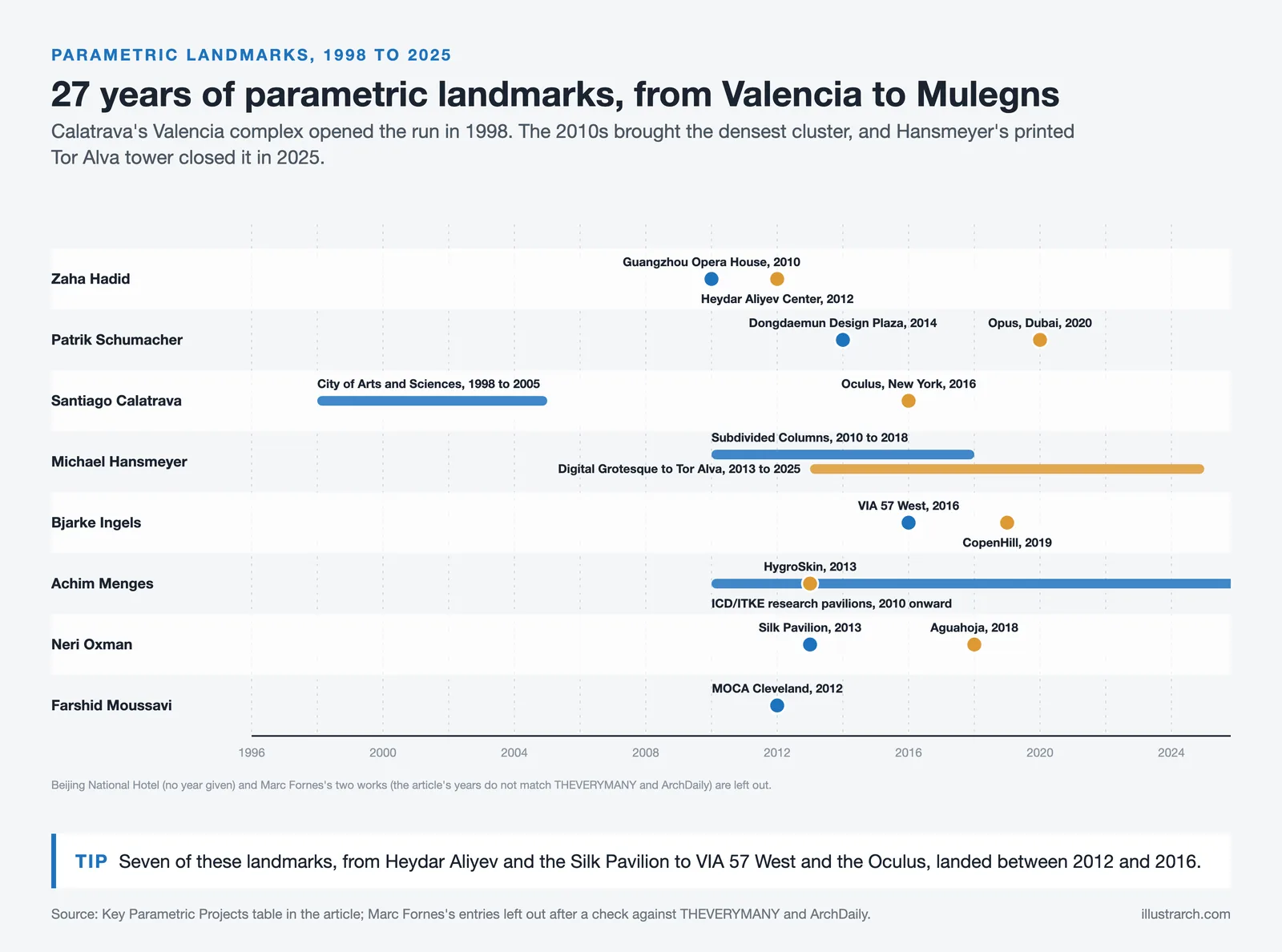
The following table lists signature projects that exemplify each architect’s parametric mastery, along with the location, year of completion, and the specific parametric technique used.
| Architect | Project | Location | Year | Parametric Technique |
|---|---|---|---|---|
| Zaha Hadid | Heydar Aliyev Center | Baku, Azerbaijan | 2012 | Continuous surface modeling with variable curvature panels |
| Guangzhou Opera House | Guangzhou, China | 2010 | Algorithmic form generation mimicking eroded pebbles | |
| Patrik Schumacher | Opus Tower (with ZHA) | Dubai, UAE | 2020 | Parametric void carving within cubic volume |
| Dongdaemun Design Plaza (with ZHA) | Seoul, South Korea | 2014 | 45,000 algorithmically generated unique façade panels | |
| Santiago Calatrava | City of Arts and Sciences | Valencia, Spain | 1998-2005 | Parametric structural ribbing inspired by skeletal anatomy |
| WTC Transportation Hub (Oculus) | New York, USA | 2016 | Parametric steel rib geometry with operable skylight | |
| Michael Hansmeyer | Subdivided Columns | Gwangju / Grand Palais, Paris | 2010-2018 | Recursive subdivision algorithm on primitive shapes |
| Digital Grotesque / Tor Alva | FRAC / Mulegns, Switzerland | 2013-2025 | Full-scale 3D-printed sandstone via algorithmic generation | |
| Bjarke Ingels | VIA 57 West | New York, USA | 2016 | Parametric massing optimization for sunlight & views |
| CopenHill (Amager Bakke) | Copenhagen, Denmark | 2019 | Data-driven slope and façade panel configuration | |
| Marc Fornes | Under Magnitude | Orlando, USA | 2016 | Structural stripes: ultra-thin self-supporting surface |
| Pillars of Dreams | Charlotte, North Carolina, USA | 2019 | Computationally unfolded aluminum component networks | |
| Achim Menges | ICD/ITKE Research Pavilion | Stuttgart, Germany | 2010: present | Material-behavior-driven computational form-finding |
| HygroSkin Pavilion | Stuttgart, Germany | 2013 | Meteorosensitive apertures responding to humidity | |
| Neri Oxman | Silk Pavilion | MIT, Cambridge, USA | 2013 | Robot-guided silkworm fabrication with algorithmic scaffold |
| Aguahoja | MIT, Cambridge, USA | 2018 | Biodegradable composite via parametric material ecology | |
| Tom Wiscombe | Beijing National Hotel | Beijing, China | : | Deep-section parametric volume manipulation |
| Farshid Moussavi | Museum of Contemporary Art Cleveland | Cleveland, USA | 2012 | Parametric reflective façade with tessellated mirror panels |
Common Software Tools in Parametric Architecture
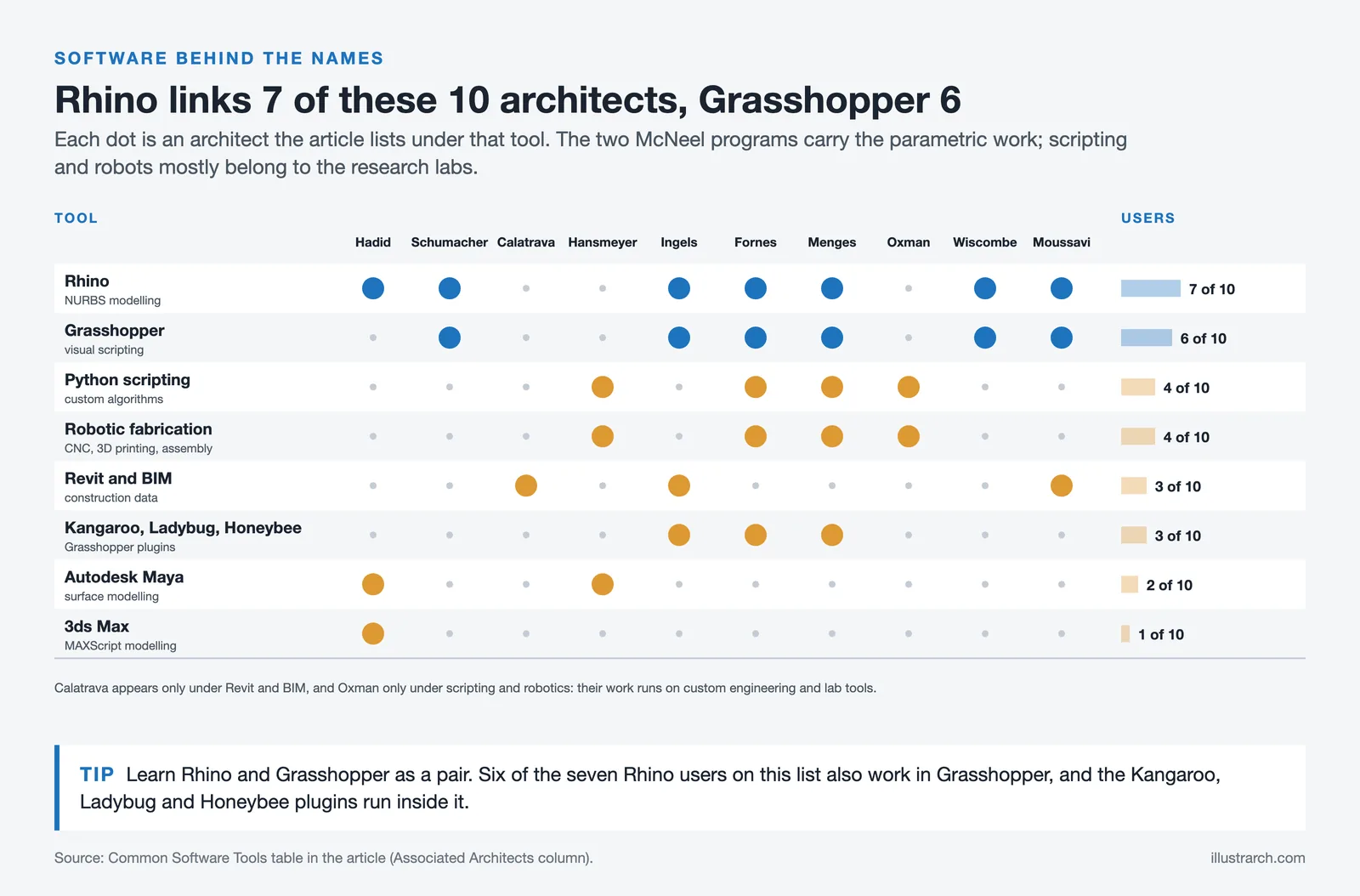
Parametric architects rely on a range of specialized software to realize their computational visions. The table below outlines the most widely used tools in the field, their functions, and which architects from this list are known to use them.
| Software / Tool | Developer | Primary Function | Associated Architects |
|---|---|---|---|
| Rhinoceros 3D (Rhino) | Robert McNeel & Associates | NURBS-based 3D modeling for complex geometries | Hadid, Schumacher, Ingels, Fornes, Menges, Wiscombe, Moussavi |
| Grasshopper 3D | David Rutten / McNeel | Visual programming for parametric & generative design | Schumacher, Ingels, Fornes, Menges, Wiscombe, Moussavi |
| Autodesk Maya | Autodesk | Advanced surface modeling & MEL scripting | Hadid, Hansmeyer |
| 3ds Max | Autodesk | Parametric modeling with MAXScript | Hadid |
| Python Scripting | Open Source | Custom algorithmic generation & data processing | Hansmeyer, Fornes, Menges, Oxman |
| Robotic Fabrication Systems | Various (KUKA, ABB, etc.) | CNC milling, 3D printing & automated assembly | Hansmeyer, Menges, Oxman, Fornes |
| Revit / BIM Tools | Autodesk | Building information modeling for construction integration | Ingels, Calatrava, Moussavi |
| Kangaroo / LadyBug / HoneyBee | Grasshopper plugins | Physics simulation & environmental analysis | Menges, Ingels, Fornes |
Parametric design has transformed architecture into an adaptive, data-rich discipline where form is shaped through relationships rather than rigid rules. These ten architects exemplify the diverse ways computational strategies can inform structure, material efficiency, visual expression, and conceptual depth. As digital tools evolve, parametric design will continue to open new paths for experimentation, redefining what buildings can look like and how they perform.





Computational Design Architecture: Should Architects Learn to Code, and Which Language?
A practical look at whether architects need to write code, and which...
 Furkan Sen6 Mins read
Computational Design Architecture: Should Architects Learn to Code?
Not every architect needs to become a programmer, but computational design has...
Furkan Sen6 Mins read

Top 10 Parametric Architecture Firms You Should Know in 2026
A focused look at 10 parametric architecture firms pushing the limits of...
 Sinan Ozen8 Mins read
Biomimicry Architecture vs Parametric Design
Biomimicry architecture looks to living systems for design solutions, while parametric design...
Furkan Sen7 Mins read


Leave a comment