

A Modern Research and Development Centre
A modern research and development centre designed by Borys Muratov and Delvina Jasiqui emphasizes modularity, flexibility, and sustainability for Pierburg's evolving needs.
 illustrarch Editoral Team26 August 20191 Mins read343
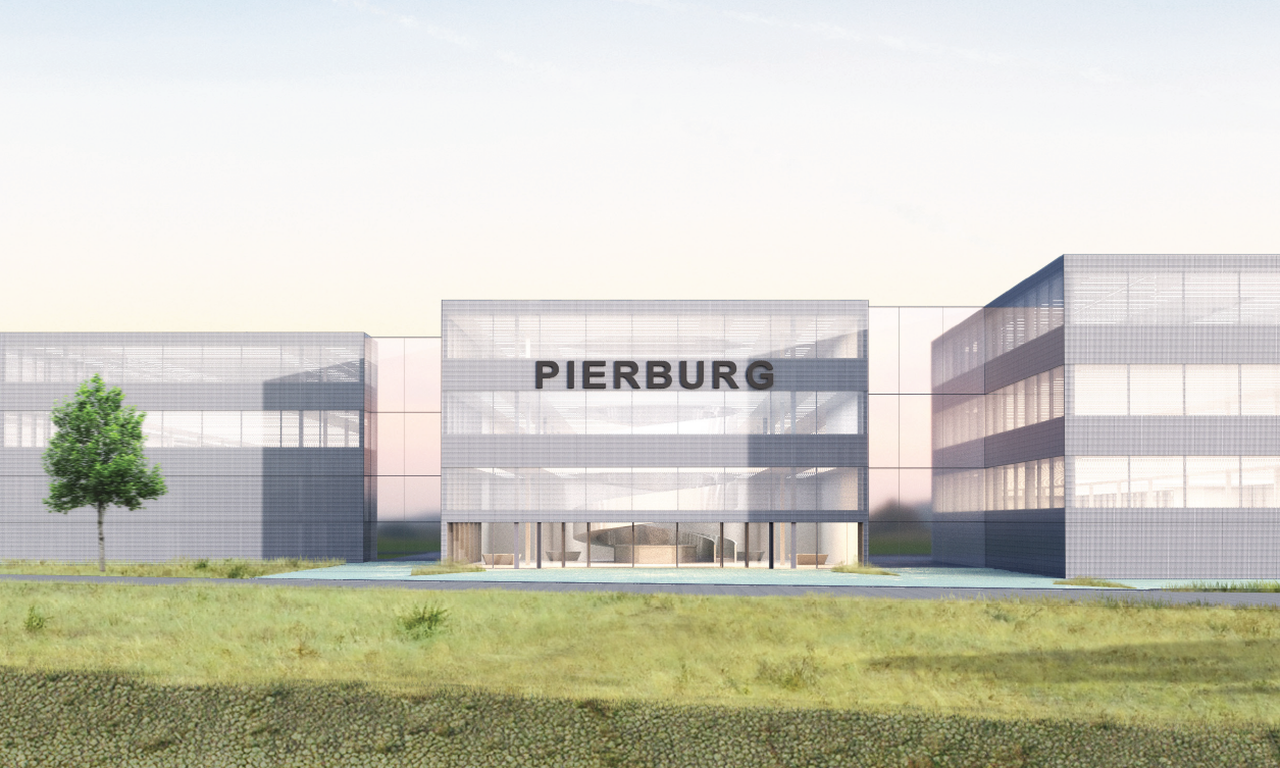


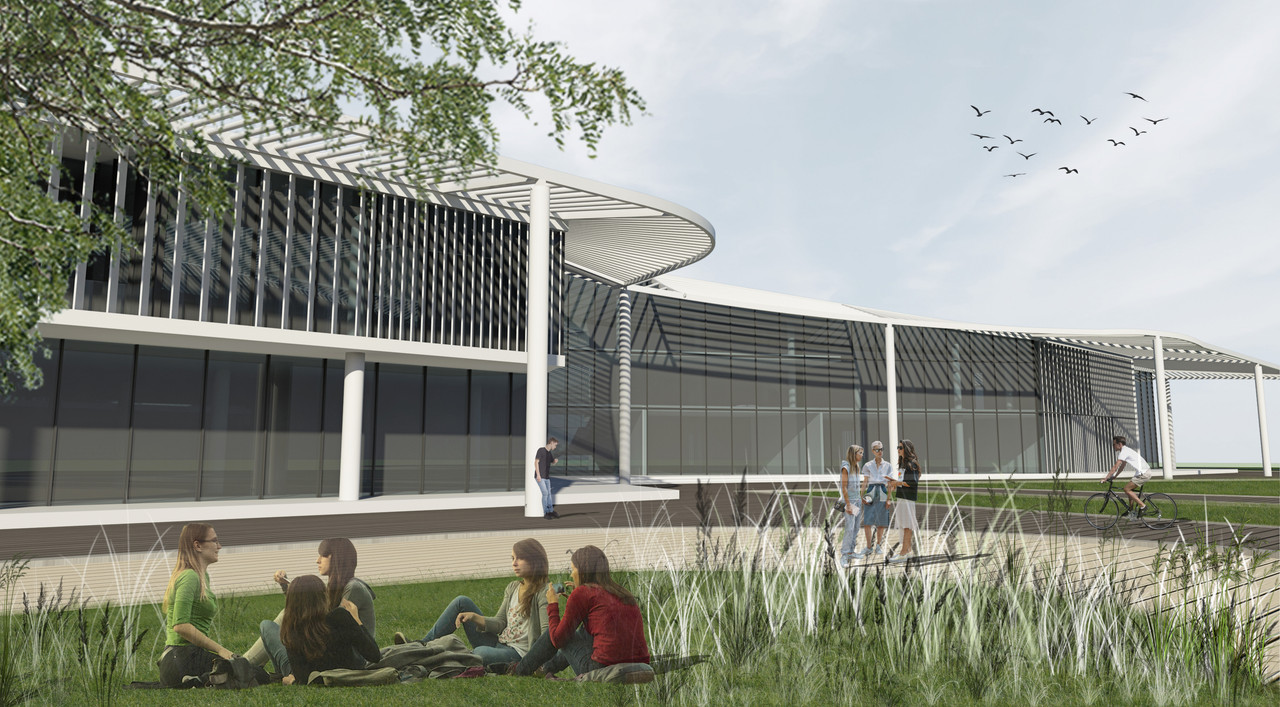
A Modern Research and Development Centre proposes a modular, future-ready home for Pierburg, the Rheinmetall Automotive Group specialist in pollutant reduction, air supply and throttle valves. Designed by Borys Muratov and Delvina Jasiqui, the scheme answers a competition brief in the Dusseldorf region, with the open space next to the Niederrhein plant chosen as an exemplary site and the port of Neuss noted as a comparable location where the concept could equally work. Pierburg has accompanied the development of the automobile since its earliest days, and the project asks how a building can keep its high-tech products in optimal condition while leaving room for continual development.
The central design challenge is the interplay of product development, prototyping and component testing. A research and development centre is rarely a single fixed room; it is a working ecosystem where laboratories, workshops and testing bays each carry different demands for services, vibration control, ventilation and access. The brief calls for these areas to be both clearly considered and ideally connected, so that a prototype can move from drawing to bench to test rig without friction. Buildings of this type succeed when circulation and shared infrastructure are planned as carefully as the specialist spaces themselves.
Modular and flexible by principle
Muratov and Jasiqui follow a modular construction principle intended to be deployed across different Rheinmetall Automotive locations rather than tied to one plot. Flexible use within the individual units is a stated priority, allowing departments to grow, shrink or change function over time. This kind of adaptable planning has become a defining concern in contemporary industrial and laboratory architecture, where the pace of technological change can outrun a rigid floor plan.
Sustainability shapes the structural thinking. The proposal seeks to avoid classic demolition when uses change, instead reinterpreting structural elements skilfully so that existing fabric can be reassigned while the new areas keep full, unrestricted functionality. That approach echoes wider interest in sustainable design and reuse across the field. Set against the industrial character of Dusseldorf and the lower Rhine, the centre reads as a flexible framework for research rather than a finished object, ready to be configured and reconfigured as Pierburg’s work demands.




Tidsmaskinen After-School Center by BBP Arkitekter
BBP Arkitekter add a heptagonal tower and a greenhouse to a 1918...
illustrarch Editoral Team2 Mins read

KAFD Metro Station by Zaha Hadid Architects
Zaha Hadid Architects' KAFD Metro Station ties three Riyadh Metro lines together...
illustrarch Editoral Team3 Mins read

Four Design and Architecture Contests Open for Entries This Fall
Four separate design contests, in California, Vancouver, Canada's new RIBA chapter and...
illustrarch Editoral Team2 Mins read
Architecture Competitions 2026: Open Calls, Deadlines and a Practical Guide
Architecture competitions open in 2026 with live deadlines, fees and prizes, and...
 Sinan Ozen8 Mins read


Leave a comment