

Enter Stage
Enter Stage is a redevelopment project in Sydney that transforms a historic power station into a theatre hub designed to enhance human interaction and community gathering.
 illustrarch Editoral Team20 September 20201 Mins read446
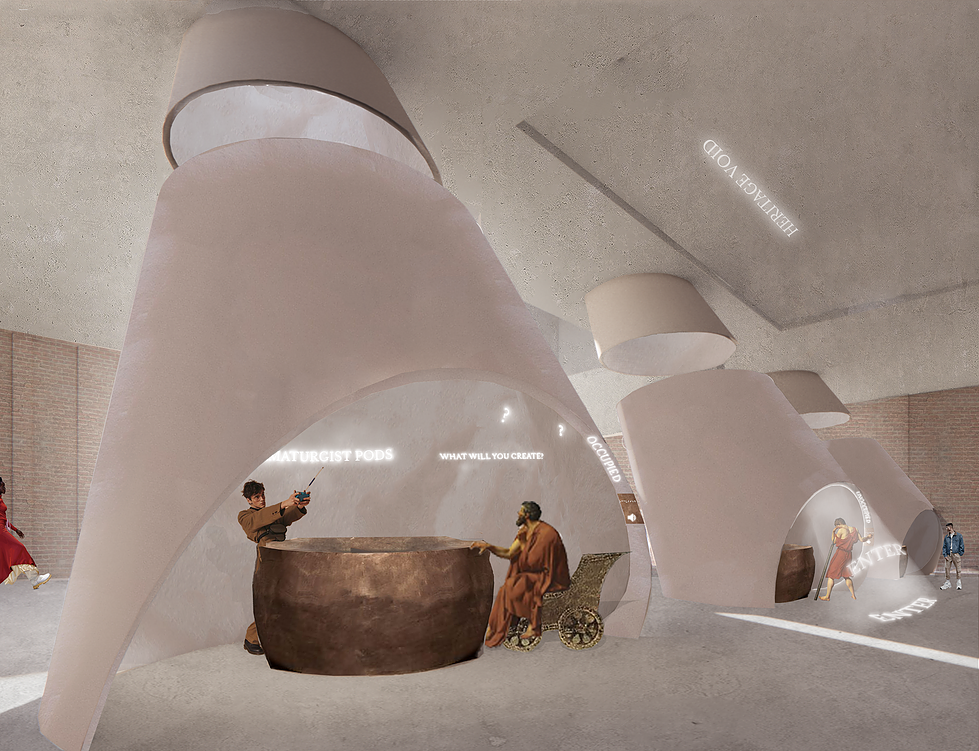

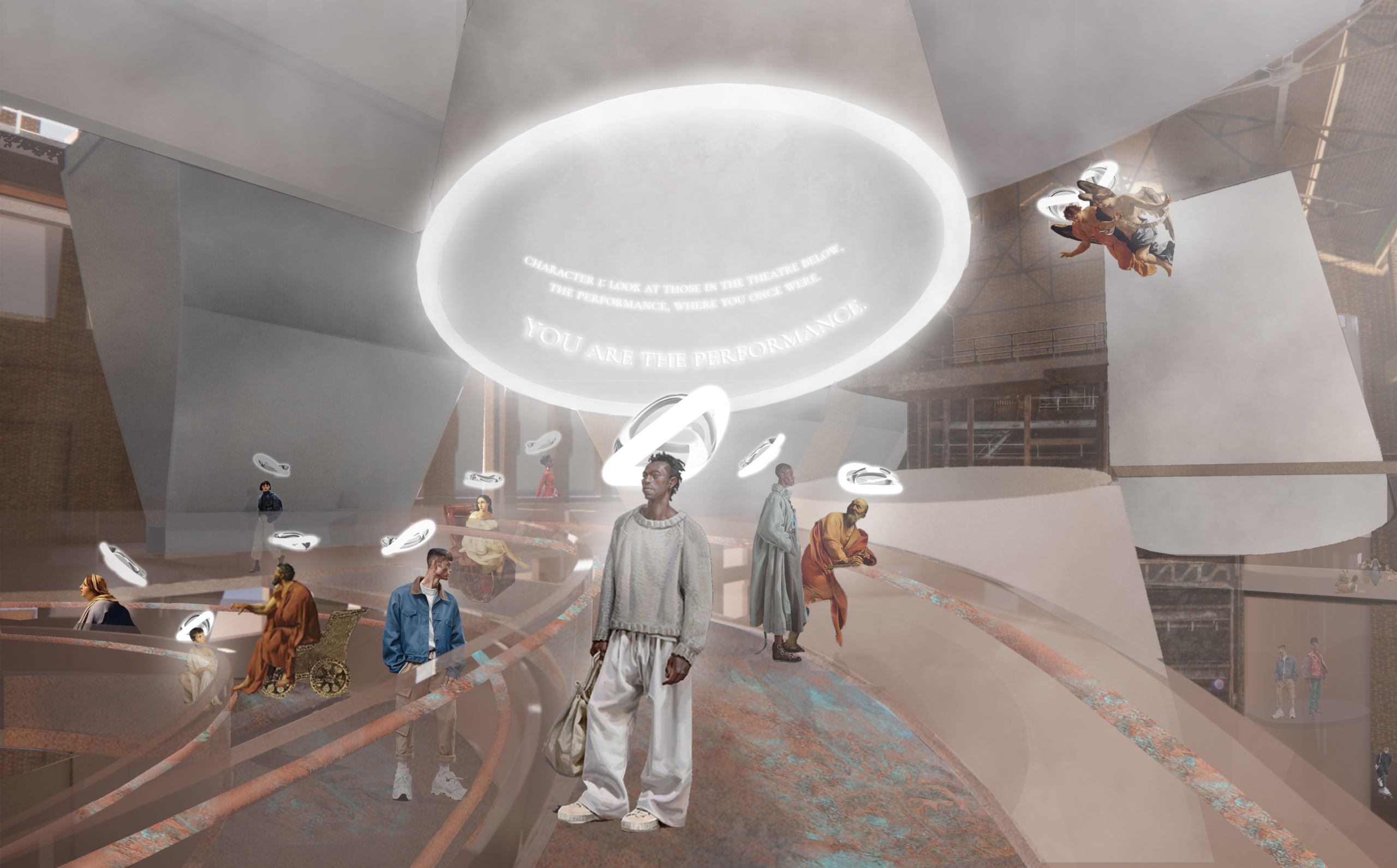


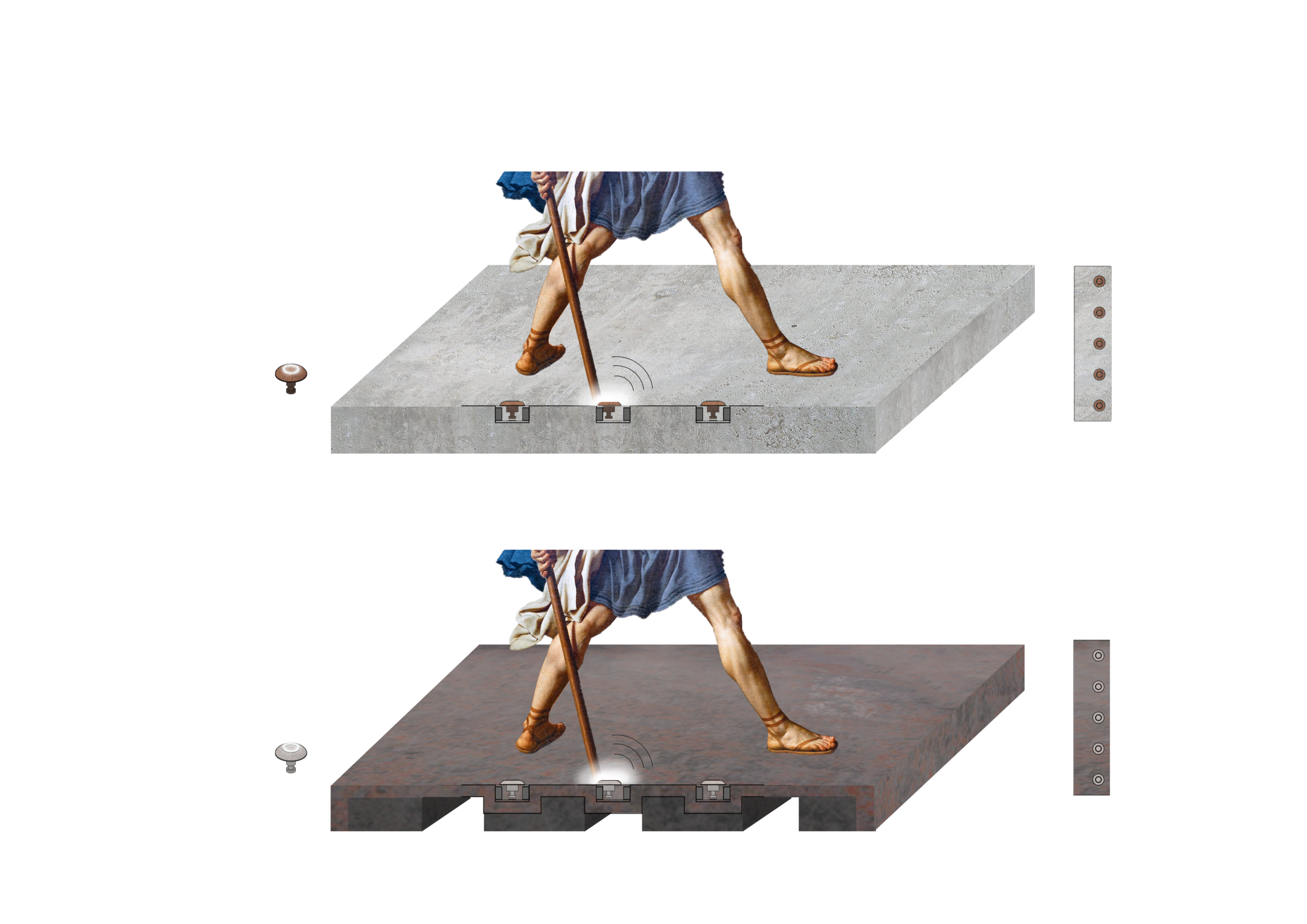

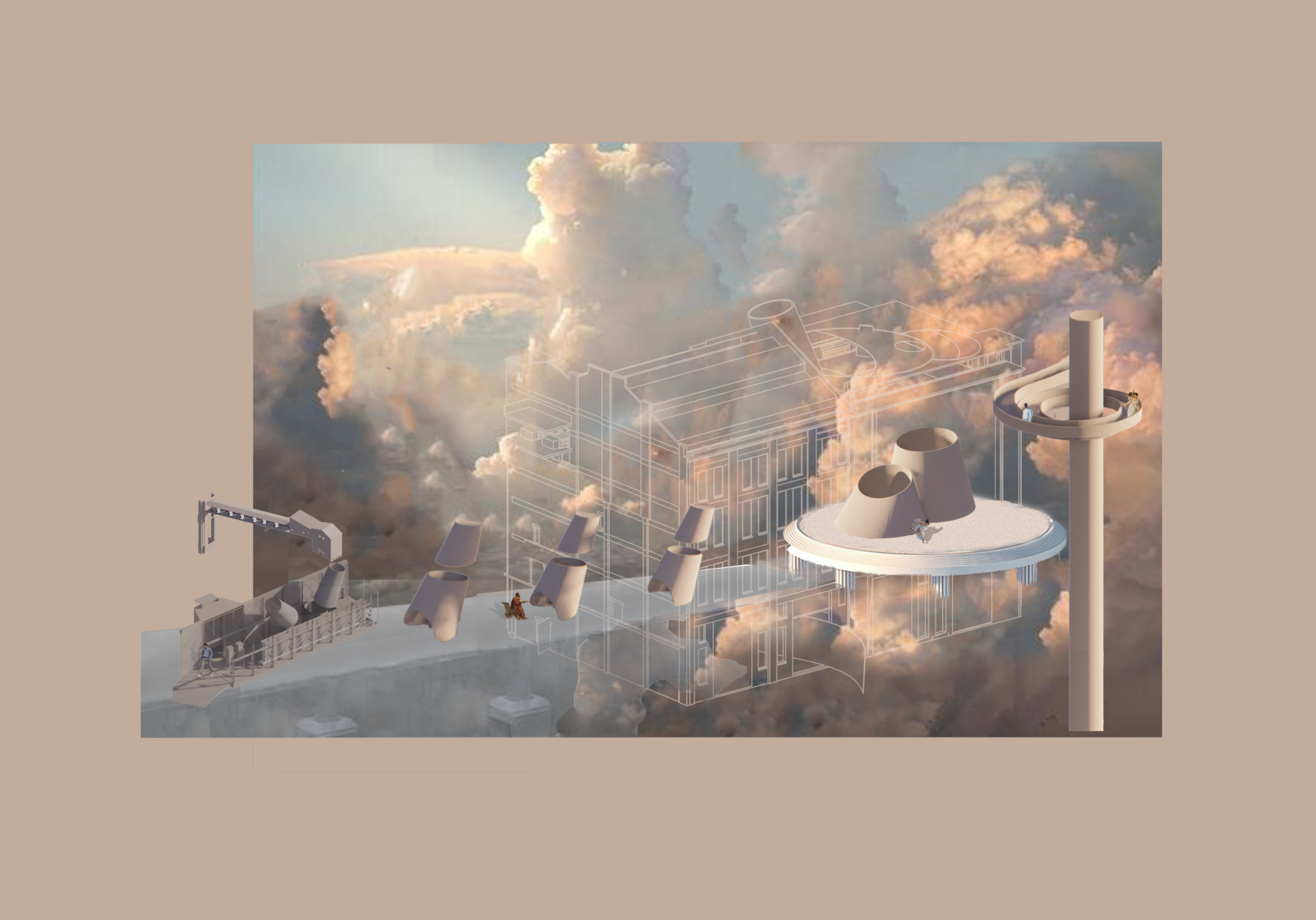

Enter Stage is set in the post-pandemic world where tactility and human interaction are more yearned for than ever. Conceived by Nidhi Kontham in Sydney, Australia, this theatre and historic hub redevelopment creates a socially charged space, which utilises experiences of theatre to amplify actions and interactions within the space. Theatre, and its experience which has been fabricated within White Bay Power Station, is merely an intensified projection of today’s societal state, where human interaction is the performance.
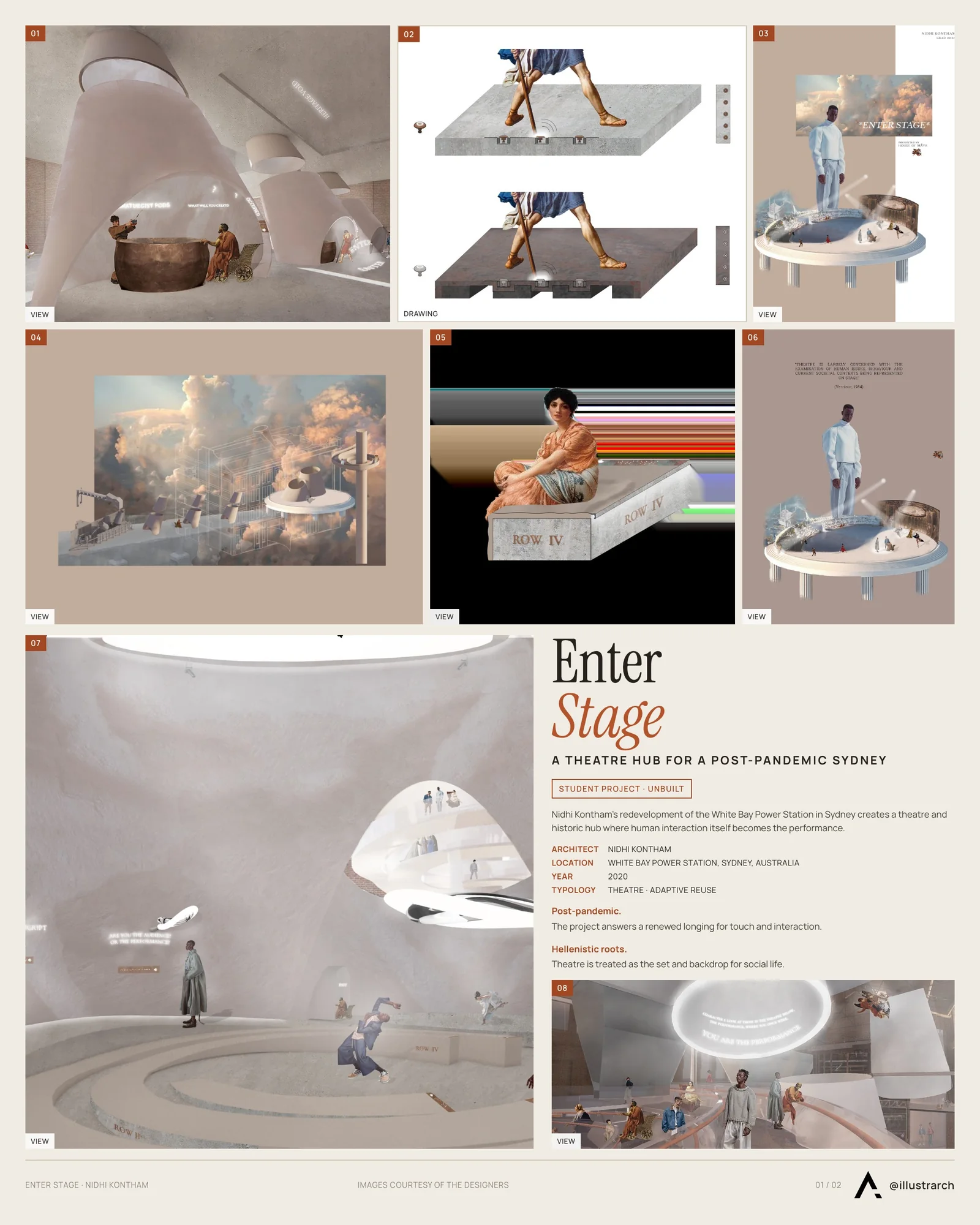
Anchored by Hellenistic architecture and responding to a heritage site, the project aims to be the set design and back-drop to human interaction. Each space, on a macro to micro-level, ages along with inhabitants. The idea borrows from the long lineage of the theatre as a civic gathering form, where seeing and being seen turns an ordinary room into a stage and an audience at once.
Designing for performance and heritage
Working inside an existing industrial structure asks the designer to hold two timelines together at once. The bones of an old power station carry their own scale, rhythm and weathering, and a sensitive redevelopment treats those traces as material rather than obstacle. Adaptive reuse of this kind keeps the embodied history of a place legible while inviting new public life, a practice central to adaptive reuse across contemporary architecture.
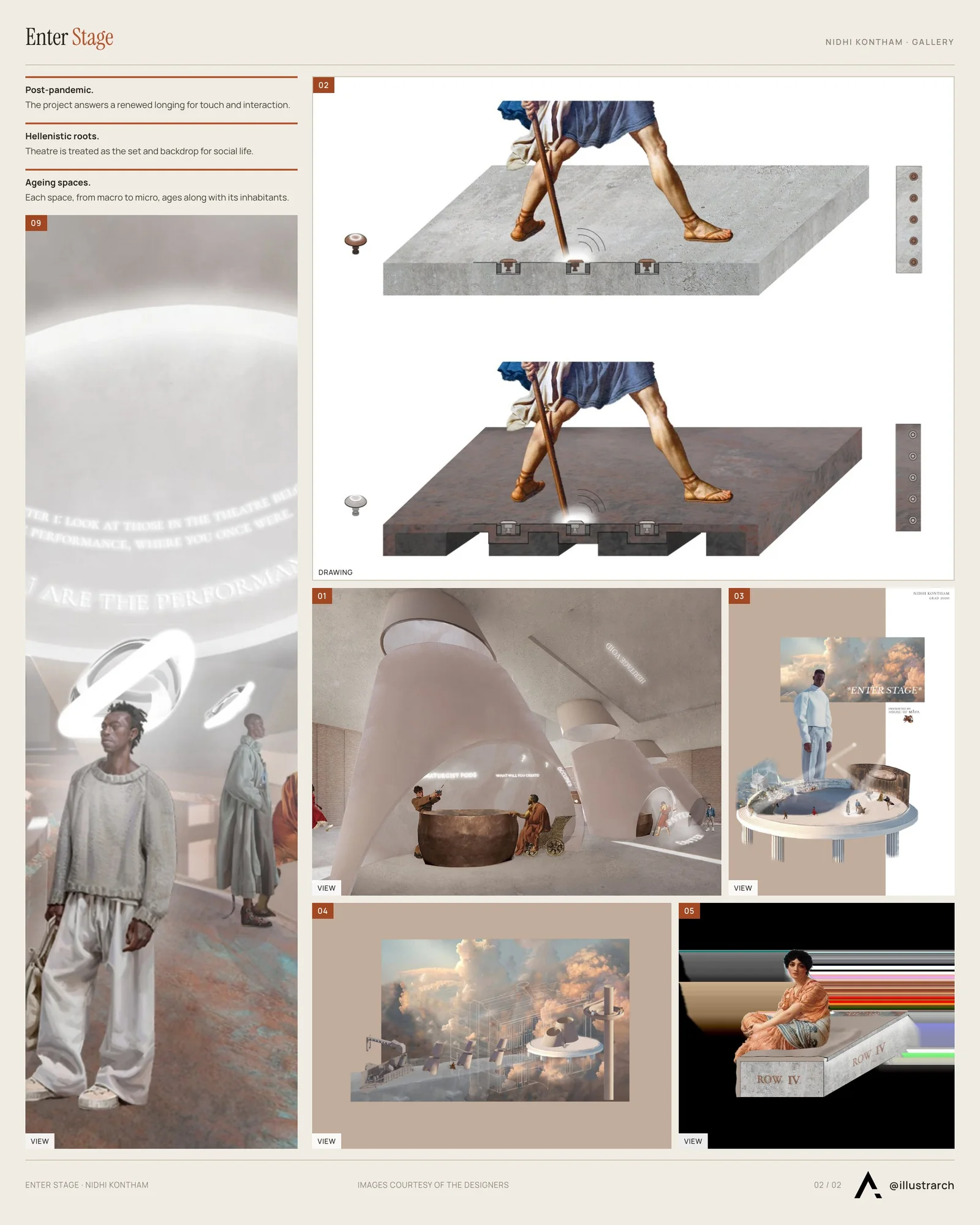
A theatre building also carries technical demands that shape its form. Sightlines, acoustics, circulation and the threshold between front-of-house and backstage all influence how bodies move and where attention collects. By drawing on the proportions and ordering of Hellenistic architecture, the scheme gives these everyday movements a sense of ceremony, framing the simple act of meeting another person as something worth watching.
The choice of Sydney as a setting grounds the proposal in a city long shaped by its waterfront and its industrial harbour edge. Reading the project this way, Enter Stage reads less as a single fixed building and more as an instrument for gathering, one that quietly rehearses how communities might come back together when shared space matters most.



Savan House by Nobico Studio
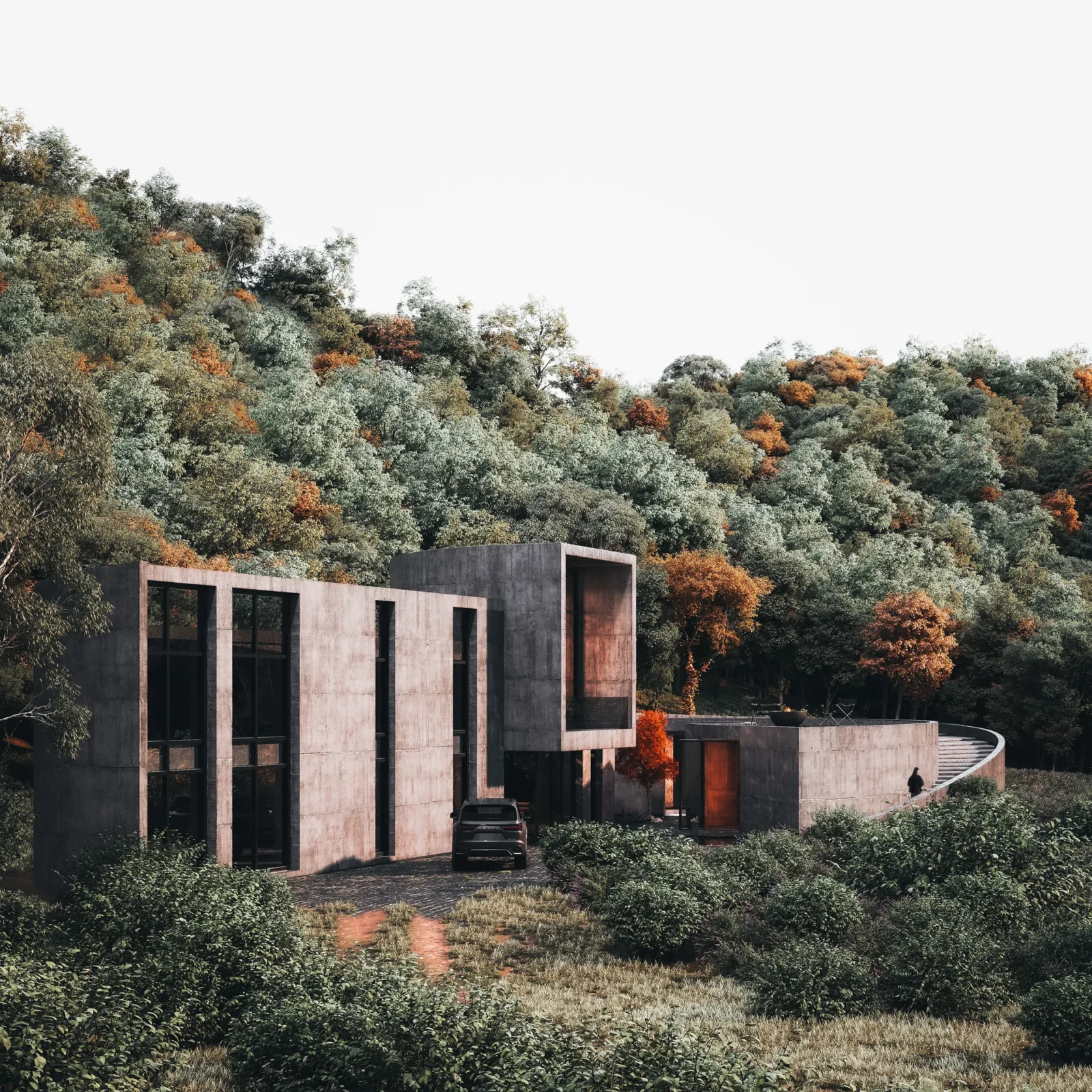
Savan House is Nobico Studio's unbuilt concept for a forested hillside in...
illustrarch Editoral Team3 Mins read

Renaatus Irumathi
Renaatus Irumathi Residence features 69 spacious apartments designed with contemporary aesthetics, maximizing...
illustrarch Editoral Team2 Mins read

White Khamovniki
White Khamovniki is a residential tower project in Moscow that combines urban...
illustrarch Editoral Team1 Mins read

Millennium Horizon
Millennium Horizon is an innovative architectural project in the UAE that uses...
illustrarch Editoral Team2 Mins read


Leave a comment