

Woodwork Process Gallery
Woodwork Process Gallery in Helsinki showcases the craft and history of woodworking through a design that emphasizes the process of creation over finished products.
 illustrarch Editoral Team15 September 20201 Mins read451


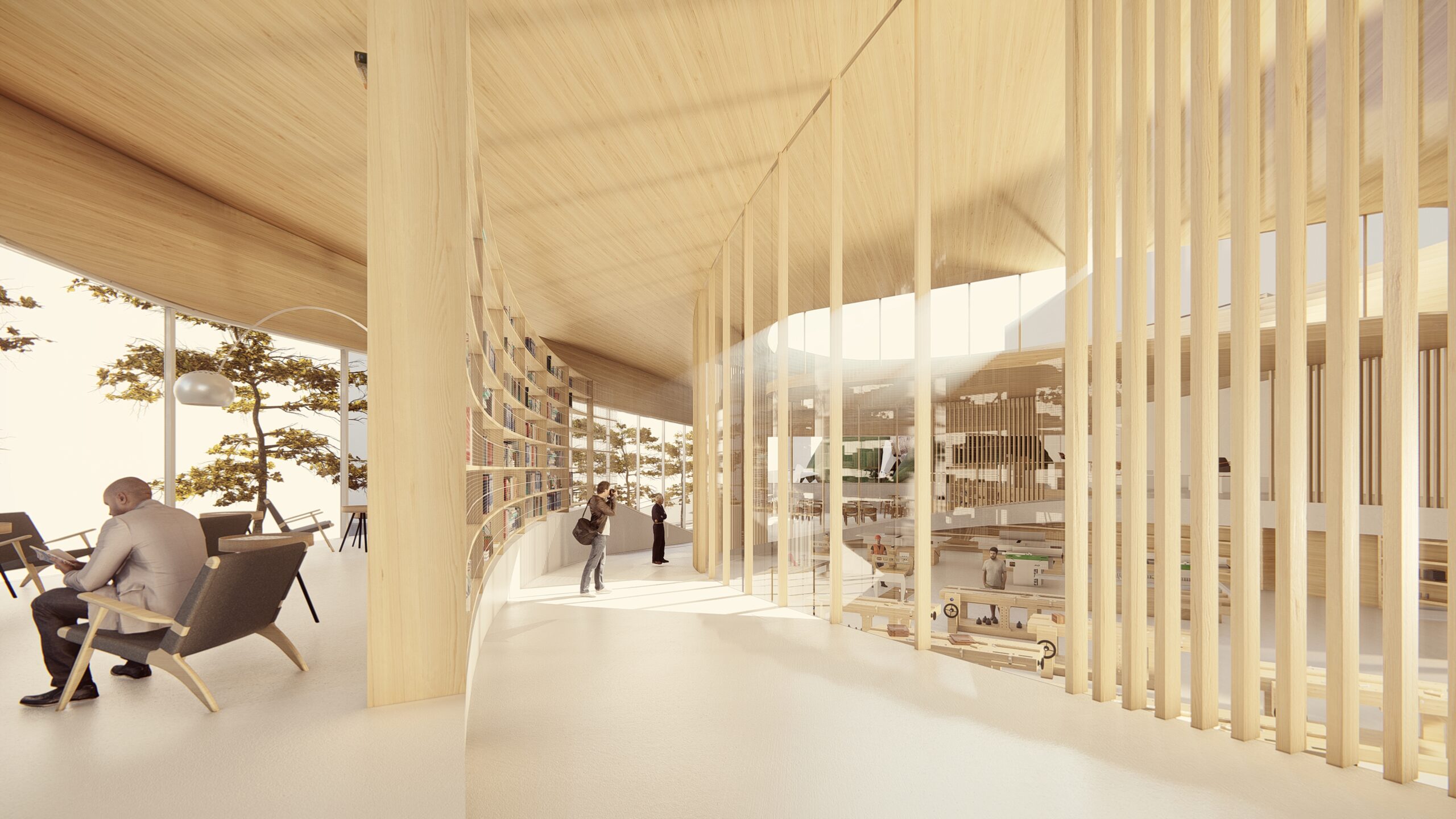


Woodwork Process Gallery is a museum of process rather than product, designed by BARES Studio to reveal the craft and history hidden behind every wooden object. Set in Helsinki, Finland, the project intends to show the design process from the beginning to its final result. The workshop is identified as the place of origin of woodwork, which tells a large part of the history of the city, and the building treats that workshop as the heart around which everything else is organised.
The premise is to show the evolution of wood design from various points of view, generating a path around it and encouraging a constant interaction between the spectator and the craftsman. The rest of the public activities are distributed across different platforms, all connected by a ramp and linked back to the workshop. In this way the restaurant, the library and the exhibition areas remain visually tied to the design process, so a visitor pausing for a meal or a book is never far from the sound and sight of work in progress.
Designing a museum of process
A museum built around active making rather than finished artefacts asks different questions of its architecture. Sightlines, acoustics and circulation all have to support an unfolding narrative, letting people move from raw material to refined object while keeping the maker in view. The continuous ramp answers this need, turning the route itself into the exhibit and dissolving the usual separation between gallery and workshop. This approach values the manual work in a context of mass design, and it draws on the long tradition of Finnish craft in woodworking and timber construction.
The roof descends to street level, creating an urban expansion that is not only a gathering point but also a space for dialogue, connecting the building with the wider culture and heritage of Helsinki. By folding public space into the section in this way, the gallery offers the city a threshold as much as a destination. The design house reveals the valuable process hidden behind each work, sparking the interest of the visitor and giving renewed weight to skills that mass production tends to hide. What emerges is a place where craft is not displayed under glass but kept alive, watched, and shared.

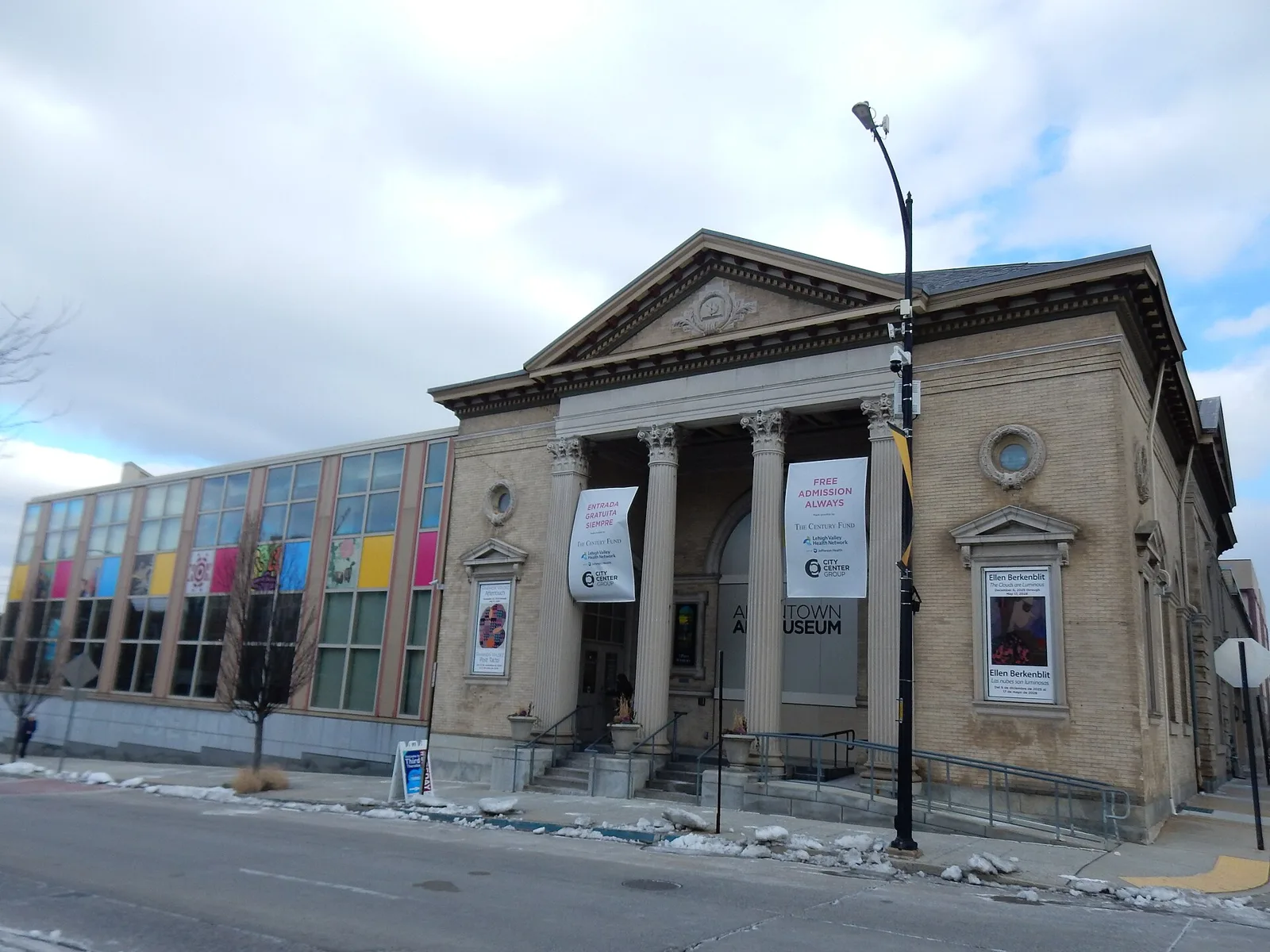
Allentown Art Museum Leaves Its Venturi, Scott Brown Addition for a New Studios Architecture Building
The Allentown Art Museum is moving to a new Studios Architecture building...
illustrarch Editoral Team2 Mins read

Wisdome Stockholm by Elding Oscarson
Elding Oscarson extends the Swedish Museum of Technology in Stockholm with Wisdome,...
illustrarch Editoral Team2 Mins read
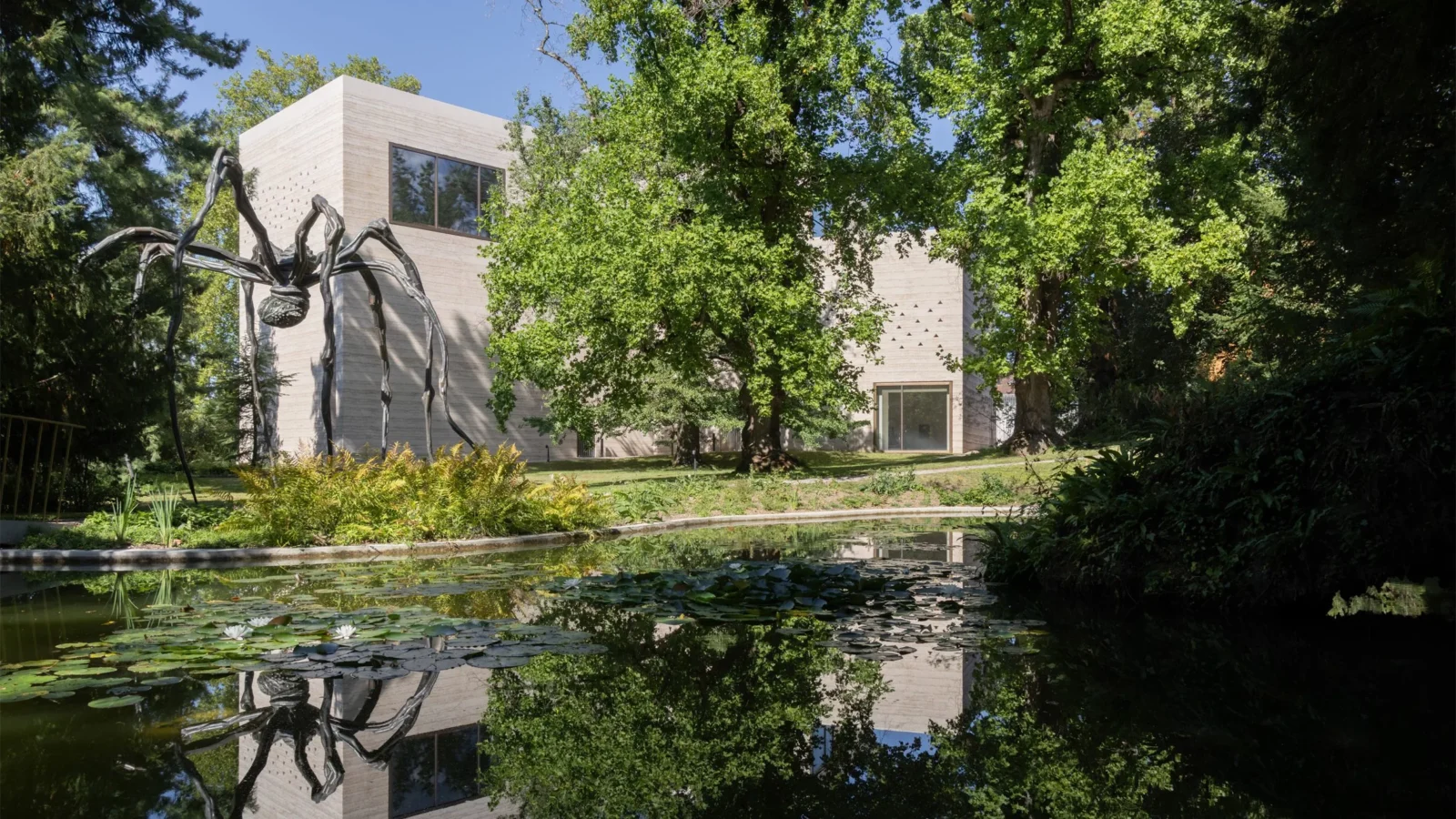
Zumthor’s Three New Buildings Open at Fondation Beyeler in Riehen
Peter Zumthor's Wyss Museum, Ammann Pavilion and Erlen Torhaus open at Fondation...
illustrarch Editoral Team4 Mins read
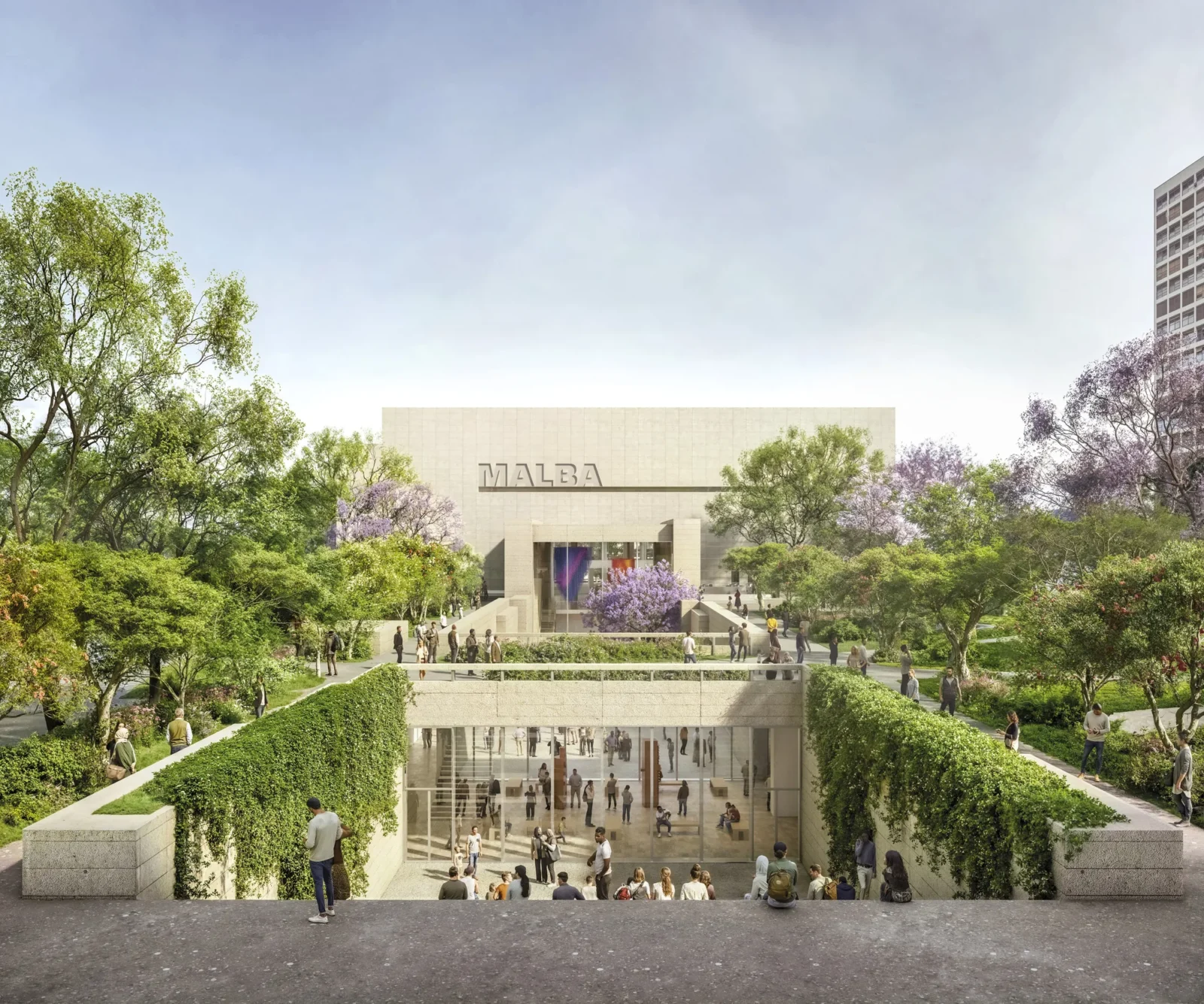
Frida Escobedo Studio to Design MALBA Underground Wing in Buenos Aires
MALBA has tapped Frida Escobedo Studio to build a subterranean expansion beneath...
illustrarch Editoral Team2 Mins read


Leave a comment