

Educational Civic Forum
The Educational Civic Forum in Rosario integrates a ravine into its design, creating a dynamic space that fosters civic engagement and educational interaction.
 Elif Ayse Sen3 May 20221 Mins read553


The Educational Civic Forum in Rosario, Argentina, designed by Garófalo Lautaro and Sclafani Guillermo, turns a difficult change in ground level into the organizing idea of the whole building. The site is shaped by a ravine, and rather than flattening this condition, the project uses it. The implantation connects the difference of level given by the ravine to generate activation in the public space, positioning the building as an intermediary that forms part of this connection. The project and the public space are read as a single continuous gesture, each one completing the other.
Inside, the building is organized through a large triple-height area that connects and orders the different programs. An ellipse-shaped ramp threads through this volume, giving movement and continuity to the section while creating a generous space for celebration and exhibition. The ramp is more than circulation; it becomes the spatial event around which the whole interior is composed, allowing visitors to read the activity of the building as they move upward.
Civic learning as shared ground
Educational architecture has always carried a civic dimension, and this forum makes that role explicit. Buildings for learning work best when they extend beyond classrooms into spaces that invite gathering, debate, and exhibition, blurring the line between the institution and the city around it. By opening with galleries toward a public space designed for social interaction, the project treats education as something shared rather than enclosed. The handling of level, threshold, and openness reflects long-standing concerns in educational architecture, where movement and visibility shape how people use a place.
The architects pursue a simple and austere expression that still distinguishes itself within its surroundings. The building constructs the corner through its facades, asserting a clear presence at the meeting of two streets while keeping its material language restrained. This approach to the urban edge is rooted in the traditions of contemporary Argentine architecture, and in the active street life of Rosario, a city long shaped by its riverfront and its public squares. The result is a forum that earns its name by making the act of learning inseparable from the life of the public realm.


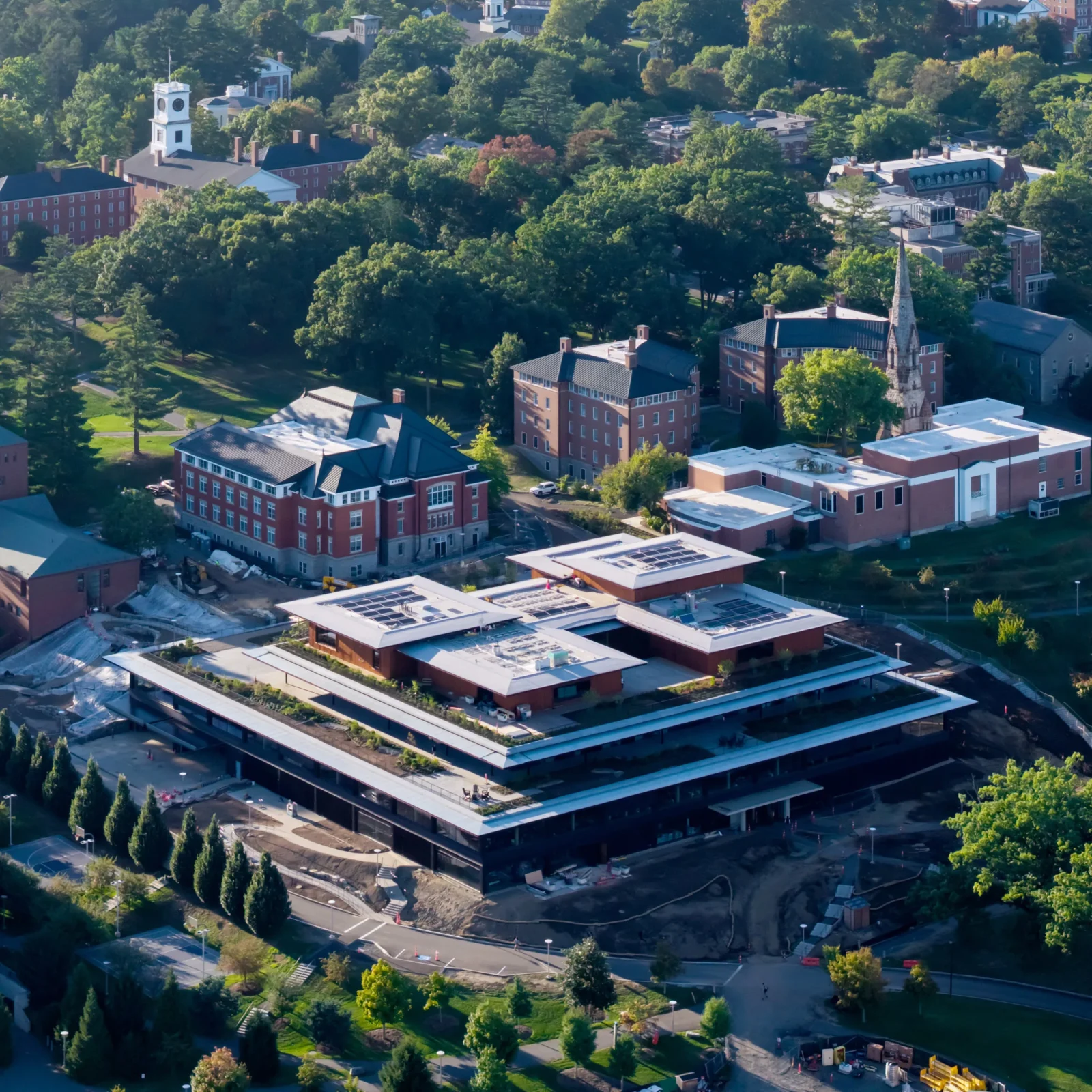
Herzog & de Meuron Builds Amherst College Student Center Atop Old Foundations
Herzog & de Meuron built a mass-timber student center at Amherst College...
 illustrarch Editoral Team2 Mins read
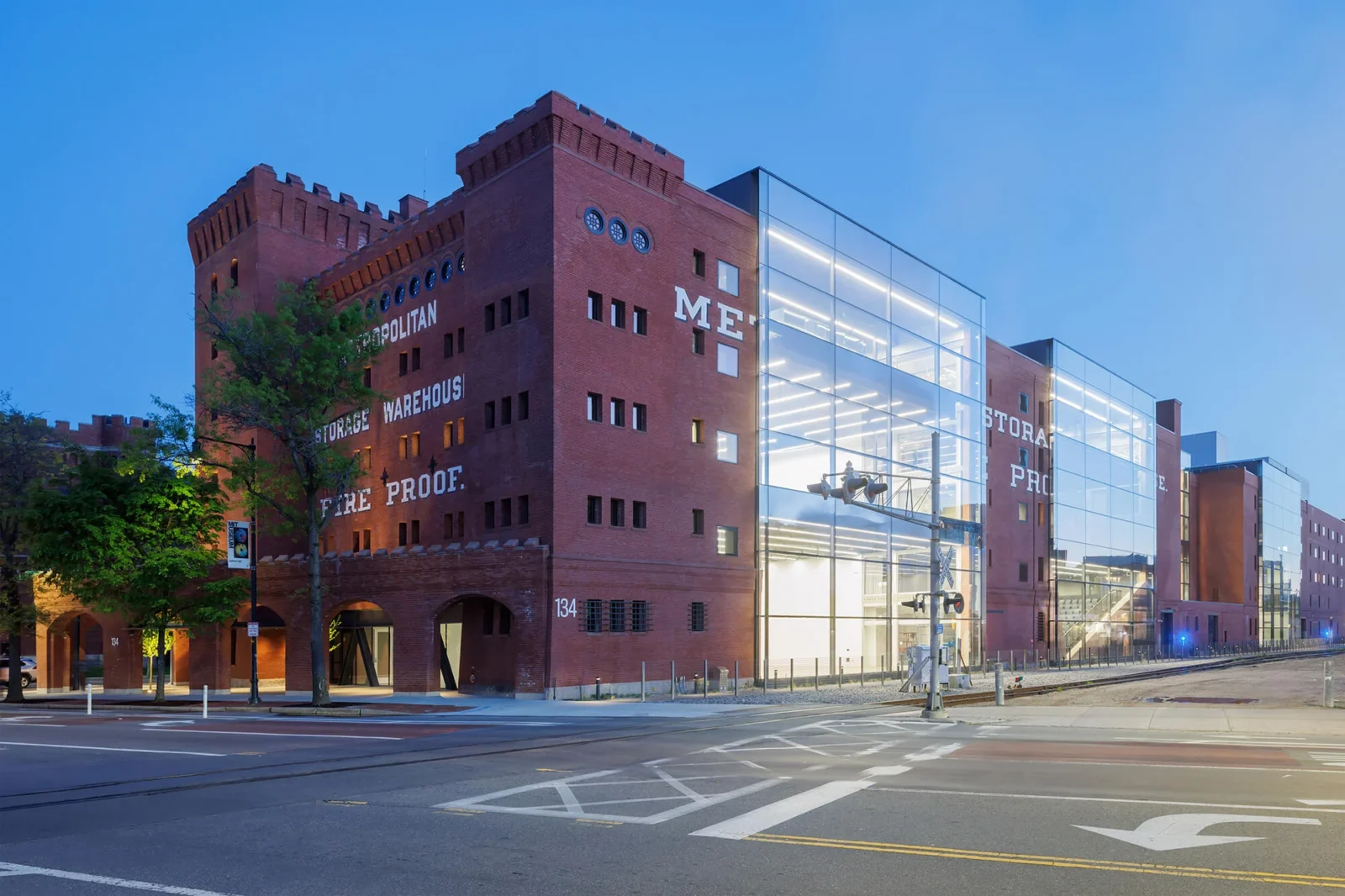
MIT Architecture School Moves Into DS+R-Converted Metropolitan Storage Warehouse
MIT's architecture school has moved into a DS+R-converted 1894 warehouse in Cambridge,...
illustrarch Editoral Team3 Mins read

SENA Tunja Training Center by TAP Arquitectura
TAP Arquitectura's unbuilt competition proposal for SENA in Tunja wraps a 4,400...
illustrarch Editoral Team2 Mins read

Tidsmaskinen After-School Center by BBP Arkitekter
BBP Arkitekter add a heptagonal tower and a greenhouse to a 1918...
illustrarch Editoral Team2 Mins read


Leave a comment