

Tower and Line – Housing
Tower and Line is a housing project in Milan that aims to revitalize Piazza Maciachini by integrating residential units with public green spaces and improved urban design.
 Sinan Ozen28 April 20222 Mins read478
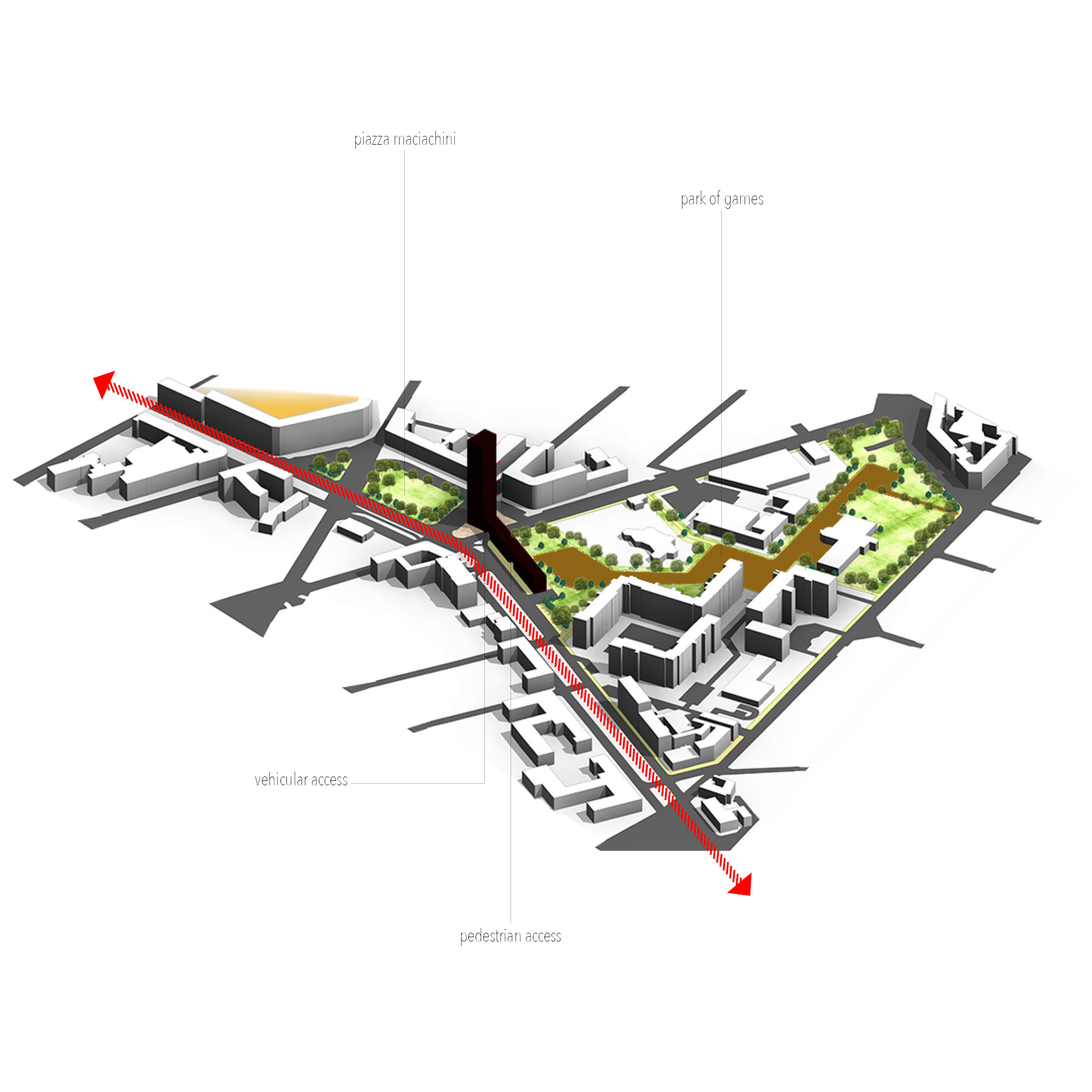


Tower and Line is a housing proposal by Nana Ayensua Amonoo and Jaonna Begleri that aims to give Piazza Maciachini a proper architectural boundary in Milan, Italy. Comparatively, the perimeter of the piazza appears dormant, inactive and abject within Milan’s organised landscape of facades, building blocks and piazzas. Maciachini is a multi-cultural area, shaped by a large migrant population and small businesses, and it carries one of the higher crime rates in the city. Much of this stems from portions of the neighbourhood that look neglected and improperly planned. The project responds directly to that condition.
The scheme is spread across two adjacent sites: one small triangular green area and a larger one occupied by surface parking that leaves the place unattractive and unfriendly for users. The architects sought a design that regenerates the vicinity without gentrifying the entire area. The result is a bridge building that links both sites. The tower sits on the smaller plot, while the line, an elongated portion, stretches across the large void opposite and reaches the larger site. This move gives the piazza a sense of direction and creates a clear point of attraction. The larger site is then organised into a park of games bounded by cycle paths, and a new concentration of greenery replaces the surface parking lots. Cars are restricted to the existing underground parking, which already has multiple entries from different parts of the larger site.
Housing as urban repair
Residential projects on contested urban edges carry a double duty. They must deliver private dwellings while also mending the public realm at street level, a balance central to thinking about mixed-use development and active ground floors. The pairing of a vertical tower with a horizontal line is a familiar device for holding a difficult corner: the tower marks a place in the skyline, and the low bar defines the edge of the square. By shifting parking below ground and returning the surface to greenery and play, the proposal follows long-standing principles of urban renewal that prioritise pedestrians over cars.
Milan offers a strong precedent for housing that doubles as city-making, from its courtyard blocks to recent vertical experiments. Read against that backdrop, Tower and Line treats public space as the real client, using the homes above to give the square below a reason to come alive. It is a reminder that good housing rarely stops at the front door.




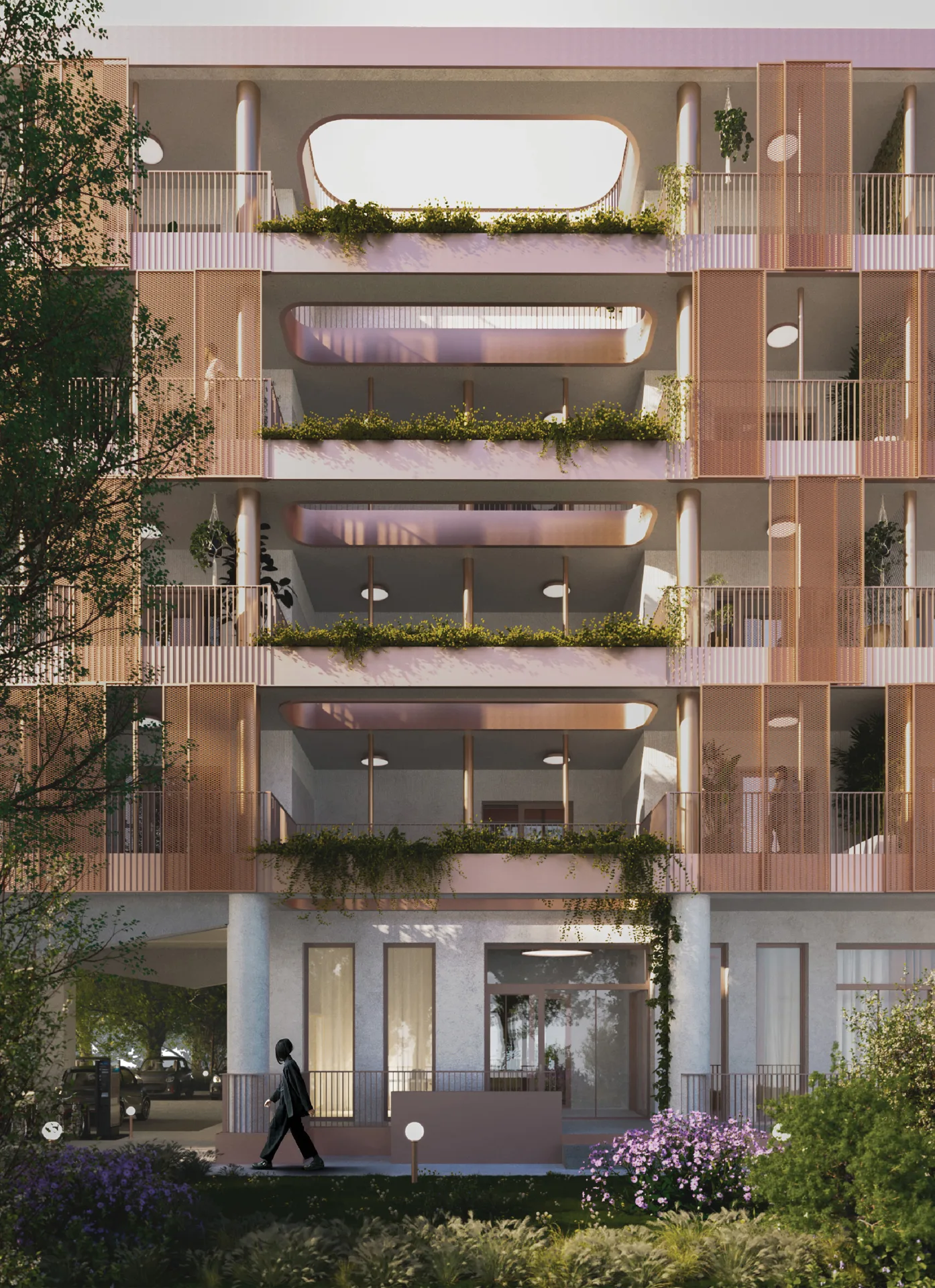
Living Typologies by Stela Boldur
Living Typologies by Stela Boldur is a student masterplan for the former...
 illustrarch Editoral Team2 Mins read
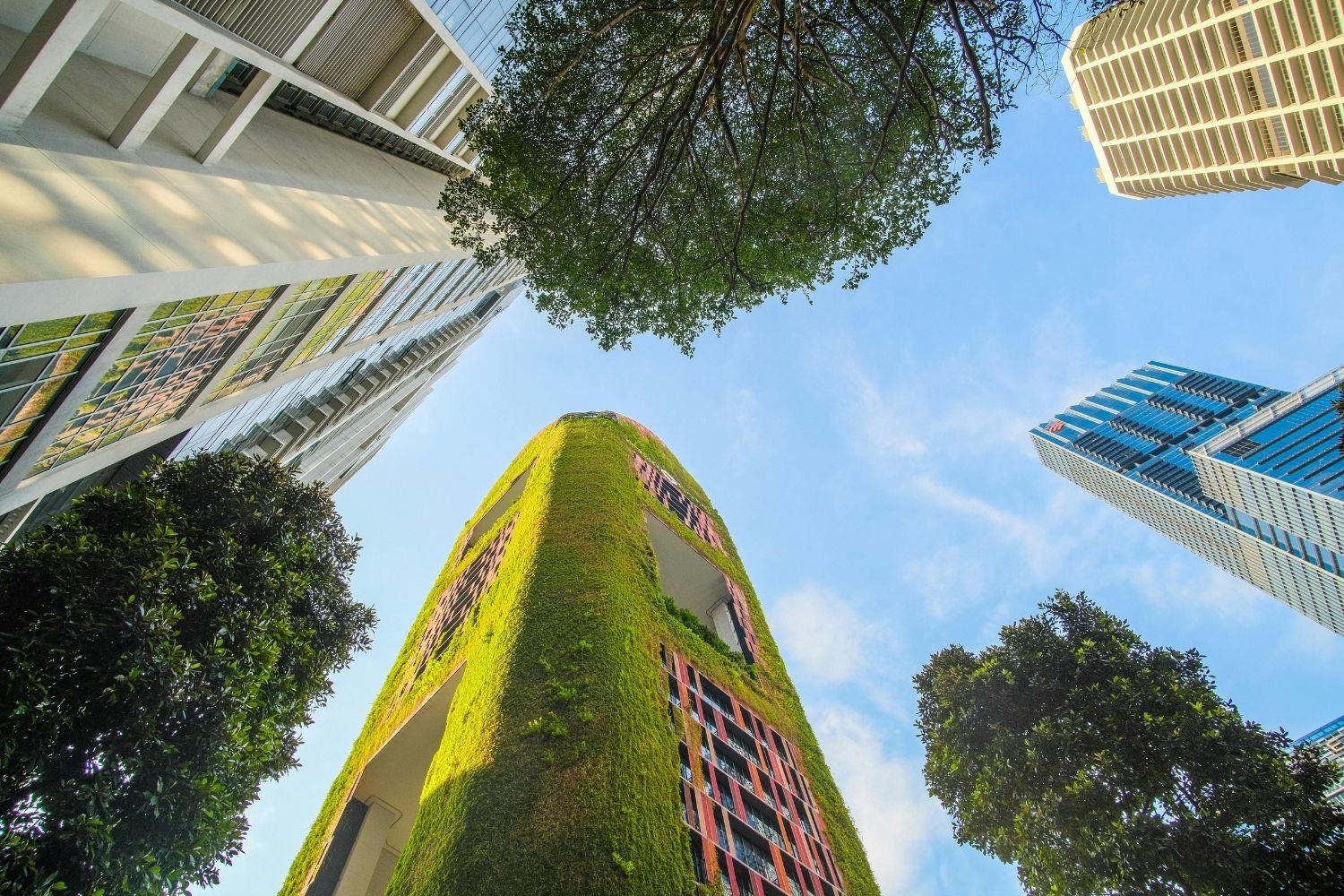
Residential Architecture Face-Off: Co-Living vs Traditional Apartment for Urban Housing
Co-living and traditional apartments represent two distinct approaches to residential architecture in...
 Furkan Sen8 Mins read
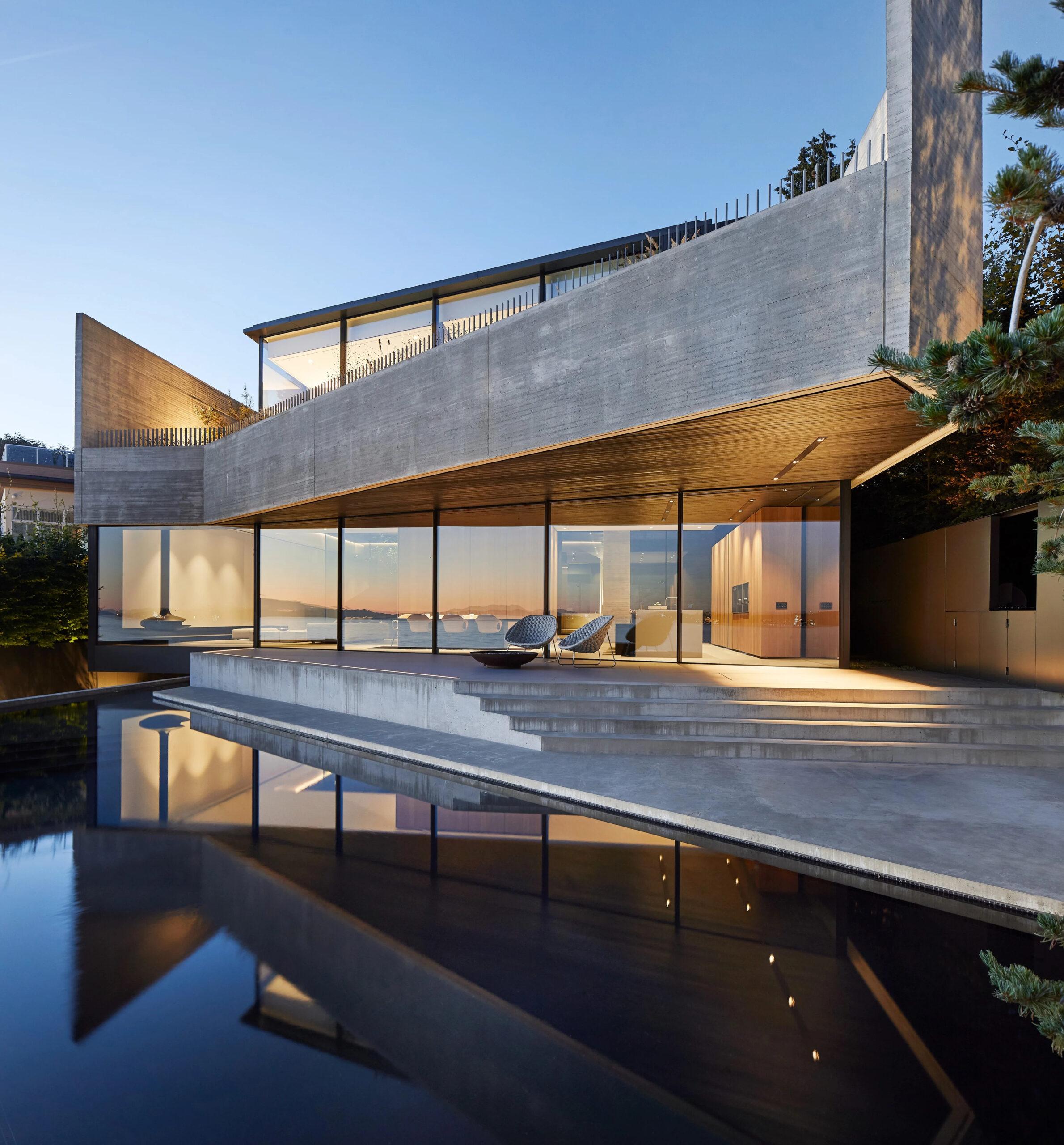
Designing a Liminal Space Where Urban Meets Coastal
The Liminal House by Mcleod Bovell Modern Houses in West Vancouver is...
 Elif Ayse Sen5 Mins read
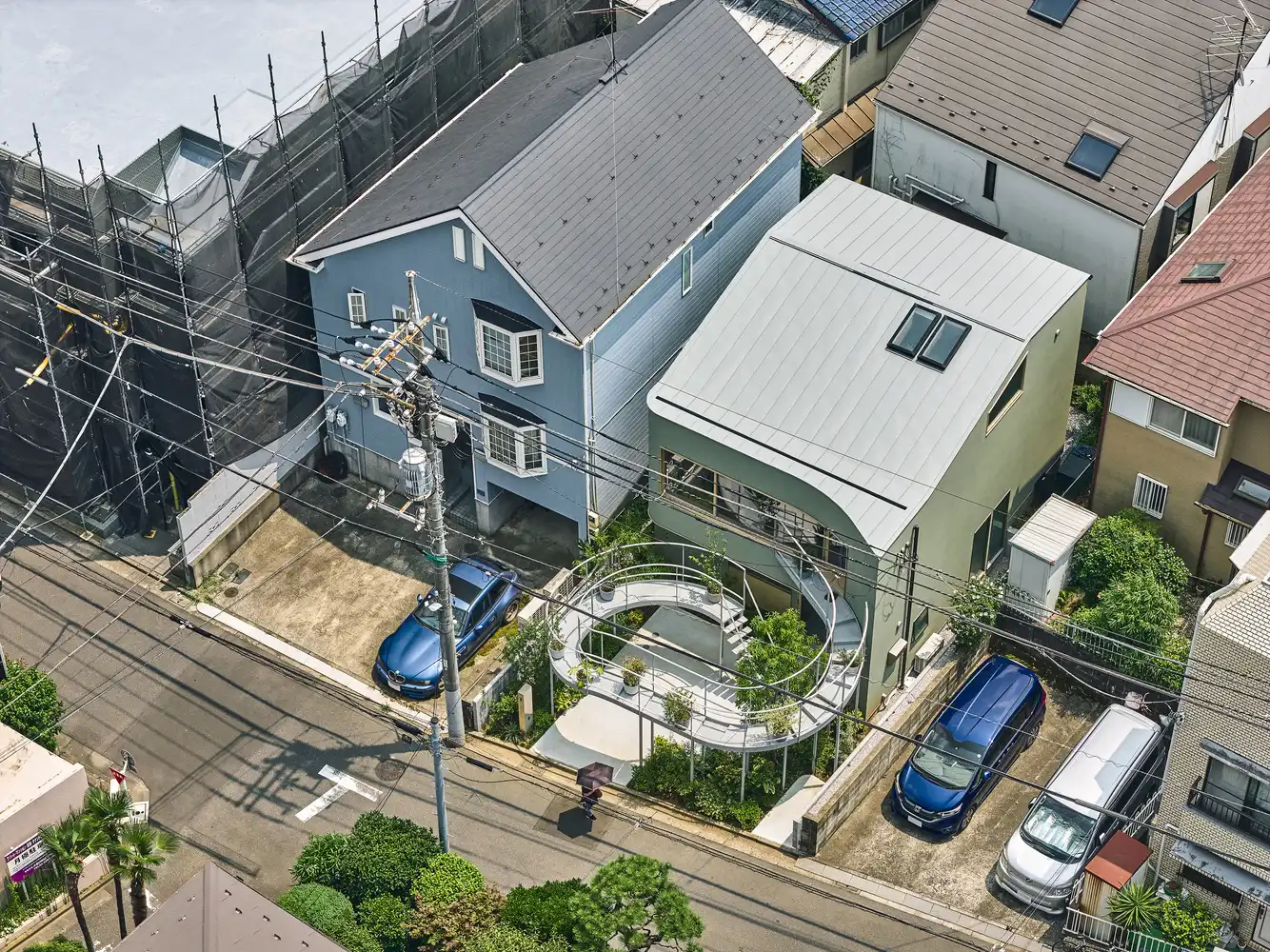
House in Nakano: A 96 m² Tokyo Architecture Marvel by HOAA
House in Nakano, designed by HOAA, creatively addresses urban density challenges by...
 Bahattin Duran6 Mins read


Leave a comment