

Tour de France of Ecological Homes: Yurt
The upgraded yurt combines traditional Mongolian techniques with modern materials to create an energy-efficient, code-compliant home in France.
 illustrarch Editoral Team6 March 20191 Mins read434


What makes this yurt notable is how it carries a nomadic building tradition into a permanent, code-compliant home. Local Douglas wood, sheep wool insulation, and an acrylic outer skin let it meet France’s RT 2012 energy rules while keeping the round, open plan that defines the type. It shows that vernacular forms, updated with the right materials, can answer modern comfort and efficiency needs at a fraction of a conventional build’s cost and footprint.



Residential Architecture Face-Off: Co-Living vs Traditional Apartment for Urban Housing
Co-living and traditional apartments represent two distinct approaches to residential architecture in...
 Furkan Sen8 Mins read
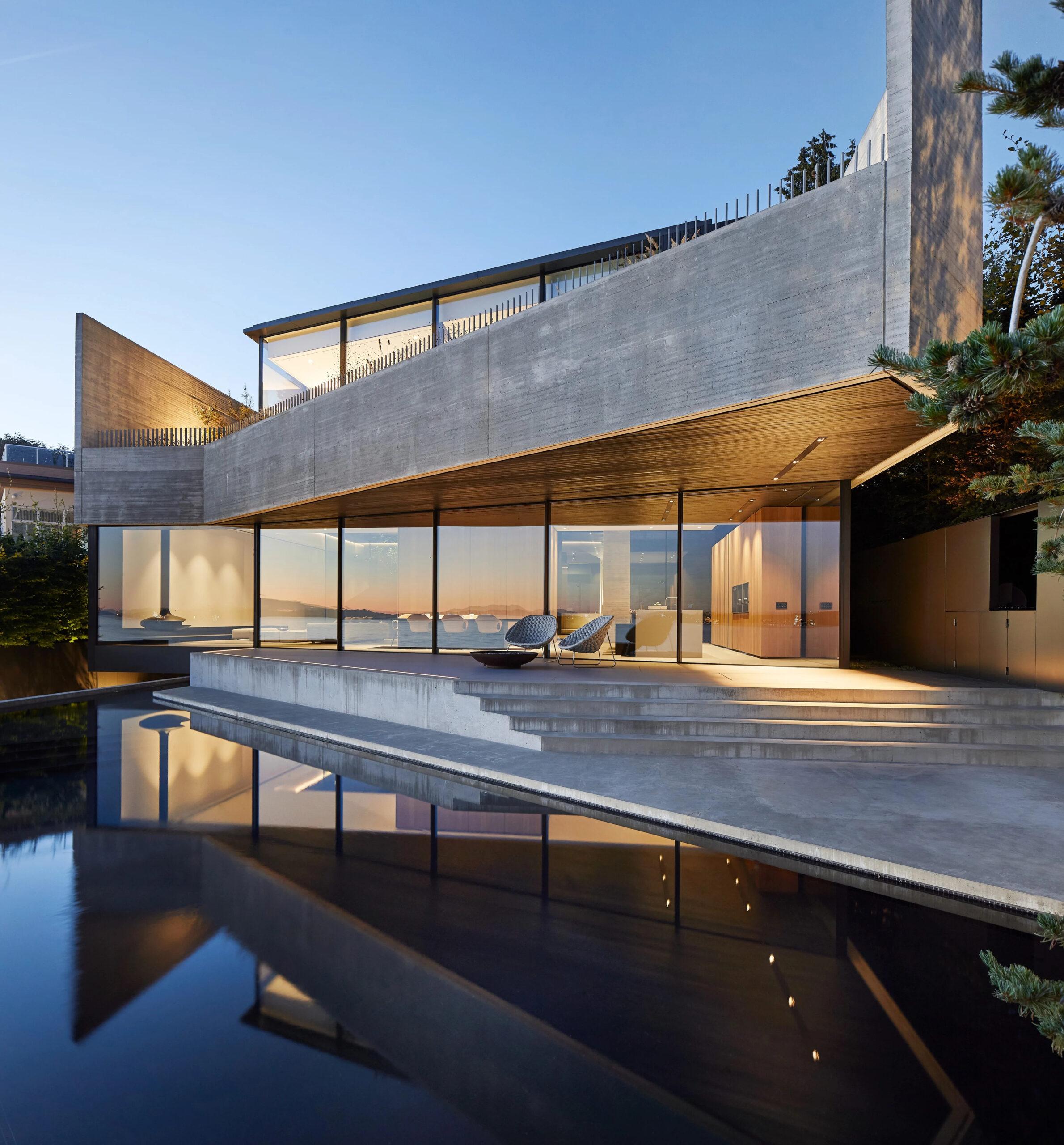
Designing a Liminal Space Where Urban Meets Coastal
The Liminal House by Mcleod Bovell Modern Houses in West Vancouver is...
 Elif Ayse Sen5 Mins read

House in Nakano: A 96 m² Tokyo Architecture Marvel by HOAA
House in Nakano, designed by HOAA, creatively addresses urban density challenges by...
 Bahattin Duran6 Mins read

Bridleway House by Guttfield Architecture
Bridleway House by Guttfield Architecture is a barn-inspired timber extension that reframes...
 Begum Gumusel3 Mins read


Leave a comment