

Townhouse
Townhouse is a cohousing project in Dugopolje, Croatia, designed to integrate private and communal spaces for workers and students while reusing existing urban infrastructure.
 illustrarch Editoral Team5 April 20191 Mins read416


Townhouse is a cohousing proposal by Santiago Ardila and Ramon Puñet that reuses residual urban space in Dugopolje, Croatia, a city near Split shaped by industrial, business and sports infrastructure alongside open natural fields. Developed in the “Fabricating Happiness” workshop of the Master in Collective Housing led by Hrvoje Njiric, the project treats housing as something deeply embedded in both its immediate setting and its wider urban context, asking how collective residential typologies should answer the urbanistic questions around them.
The site sits among industrial warehouses, and the design responds directly to that condition. Instead of clearing the surroundings, Townhouse takes advantage of existing and future buildings. The canopy of the neighbouring warehouse, where trucks load and unload material, is reimagined as a terrace for the cohousing community, while an auditorium opens the project toward the mountain landscape that frames the city. The intended residents are Feromontaza company workers, future warehouse workers, and students from Split, a mix that gives the cohousing idea a real social purpose.
Designing for Shared Life
Collective housing of this kind has to balance privacy against community, and that tension is the central design problem for the typology. Every household needs a place to retreat, yet the value of cohousing comes from spaces that are deliberately shared. Townhouse answers this with a clear logic: private bedrooms remain protected, while living rooms, washrooms, terraces, balconies, kitchens, playrooms, viewpoints and studios are held in common. Students and workers can appropriate and personalise these shared rooms, turning the building into a setting for daily encounter rather than isolation.
The architecture begins from a module of four by four metres. From that unit the housing starts to disintegrate, producing a graded sequence of privacy and communal space across the building. Ardila and Puñet frame each building as a parasite that consumes space, resources and energy, but argue it can instead become a symbiont, a process rather than a fixed object. That reading aligns the project with wider conversations in sustainable architecture and with the way many recent schemes treat collective housing as a living system. The result is an empathic environment where people grow through interaction, and where the act of sharing becomes the building’s true material.


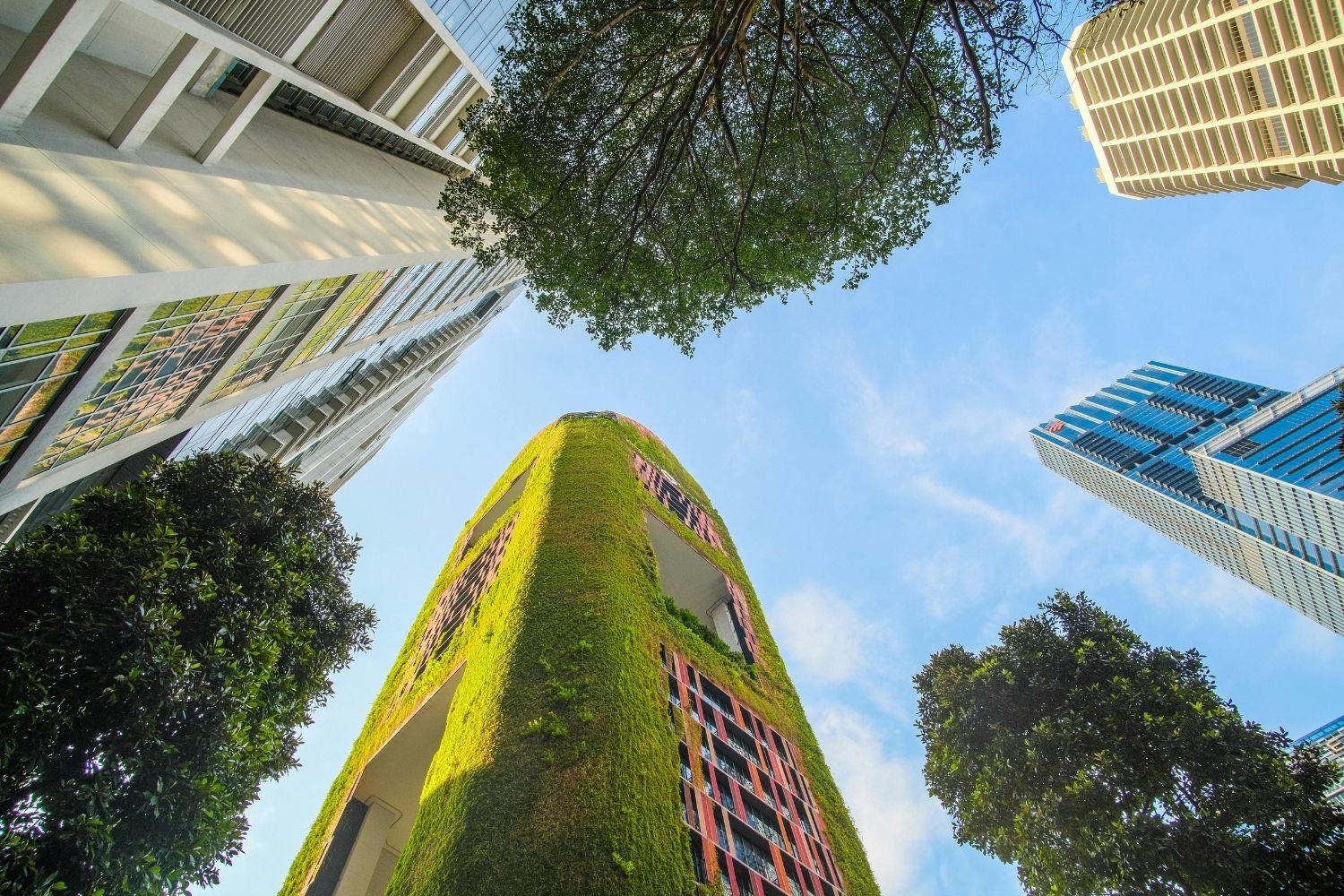
Residential Architecture Face-Off: Co-Living vs Traditional Apartment for Urban Housing
Co-living and traditional apartments represent two distinct approaches to residential architecture in...
 Furkan Sen8 Mins read
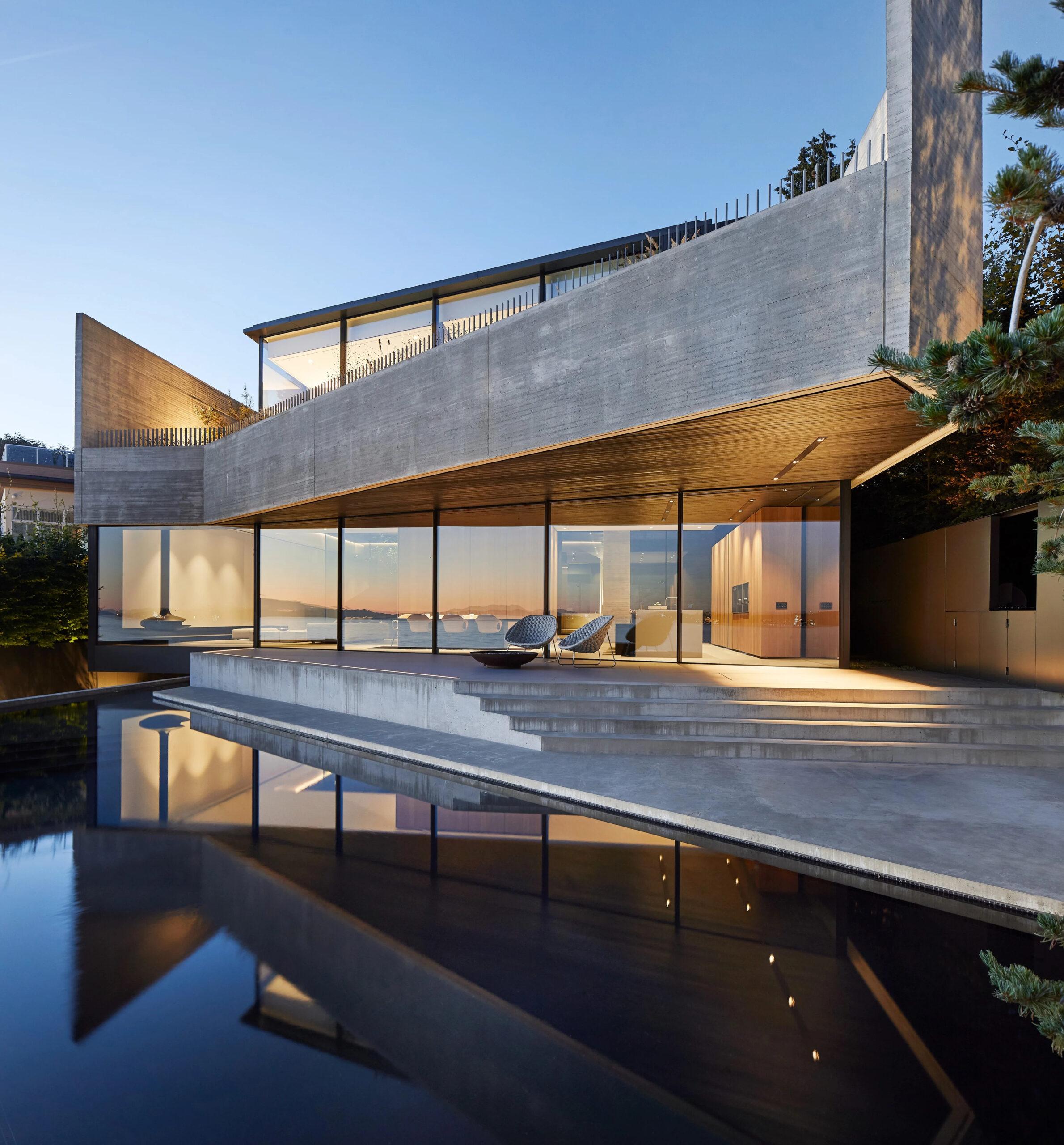
Designing a Liminal Space Where Urban Meets Coastal
The Liminal House by Mcleod Bovell Modern Houses in West Vancouver is...
 Elif Ayse Sen5 Mins read
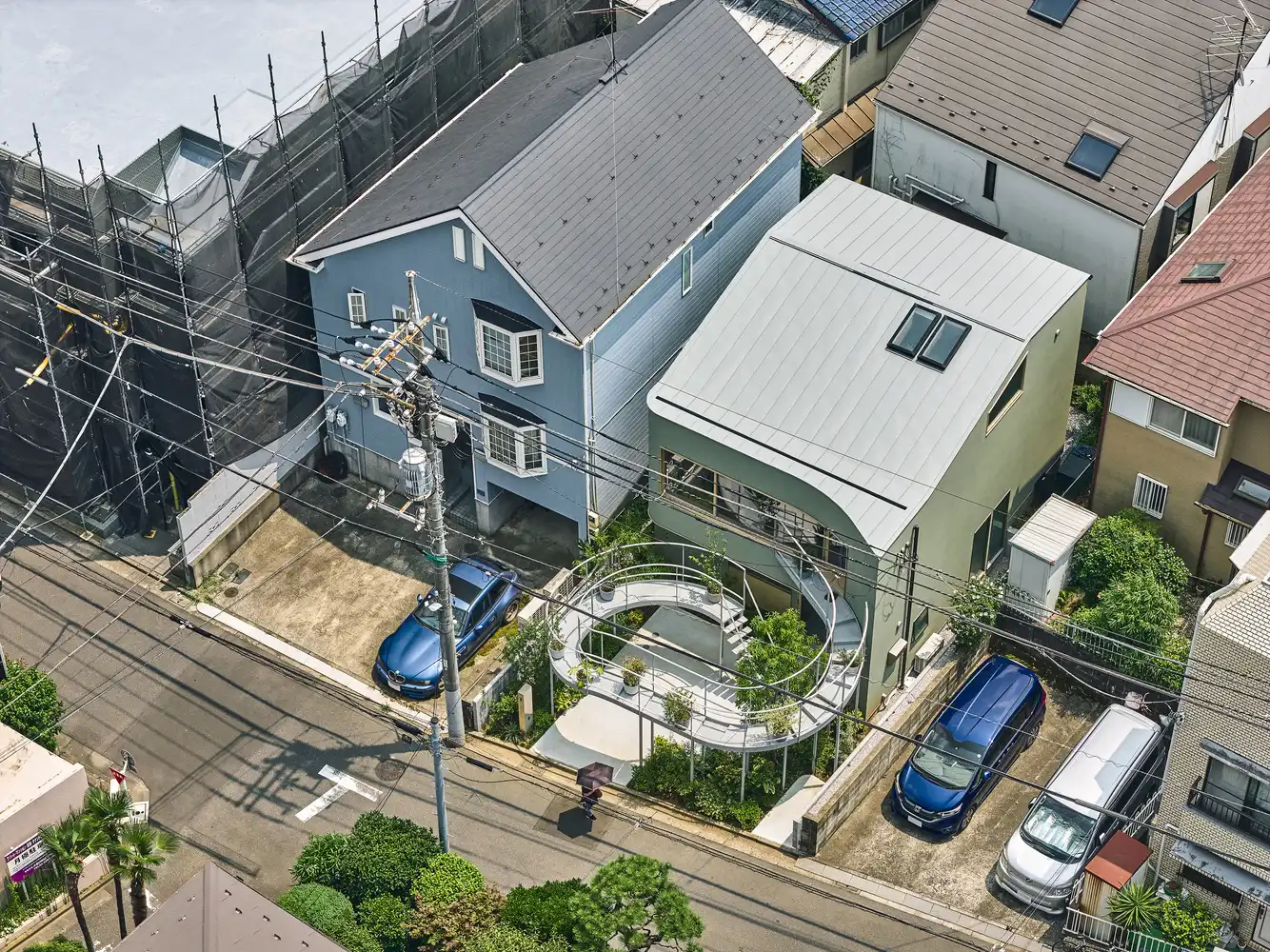
House in Nakano: A 96 m² Tokyo Architecture Marvel by HOAA
House in Nakano, designed by HOAA, creatively addresses urban density challenges by...
 Bahattin Duran6 Mins read

Bridleway House by Guttfield Architecture
Bridleway House by Guttfield Architecture is a barn-inspired timber extension that reframes...
 Begum Gumusel3 Mins read


Leave a comment