

Botanist House
Botanist House is a cabin retreat in Gujarat, designed to integrate with its natural surroundings while promoting a sustainable and adaptable lifestyle for its residents.
 illustrarch Editoral Team1 June 20211 Mins read517


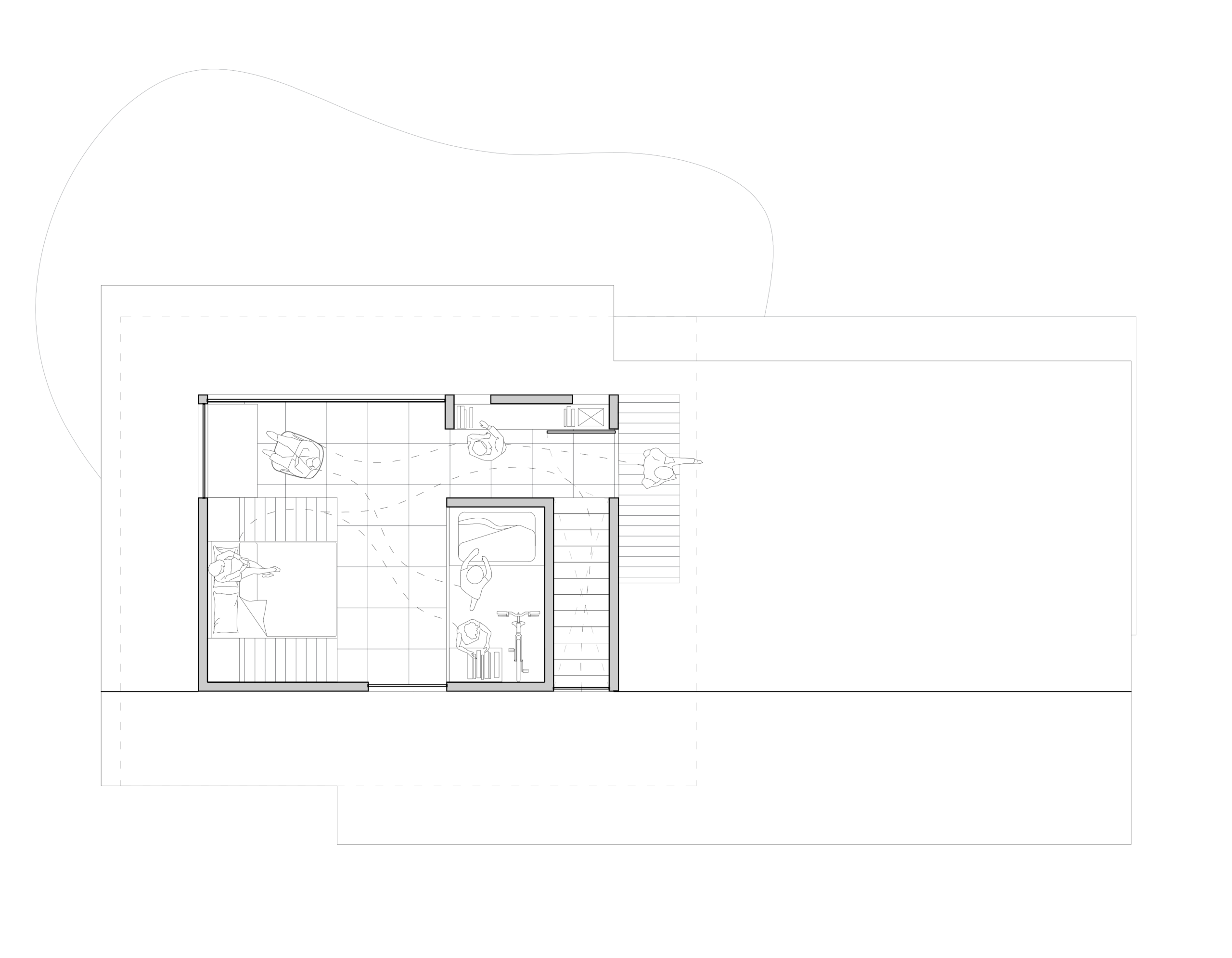
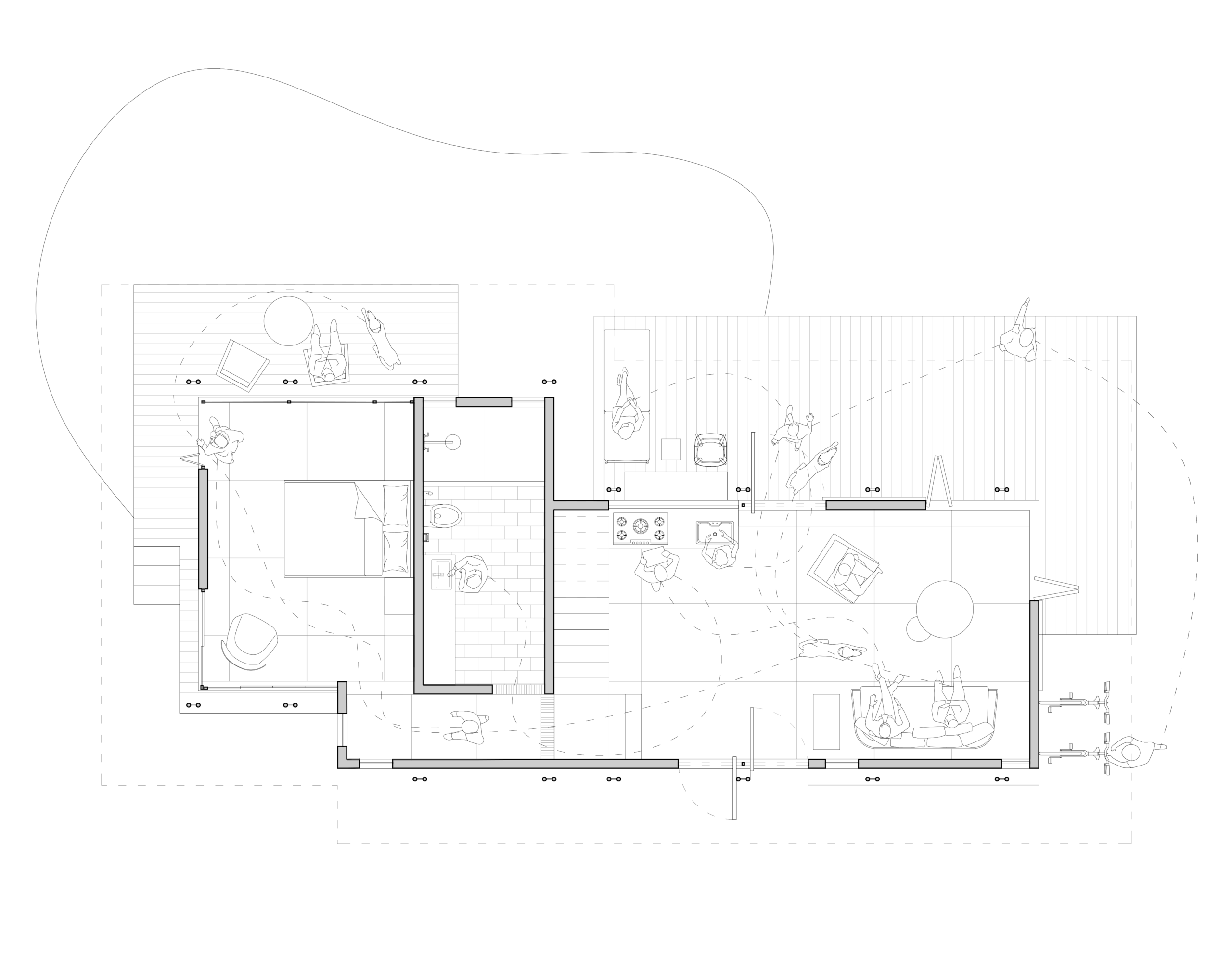
Botanist House is a cabin retreat in Palsana, Gujarat, India, designed by VTV Architecture to insert itself into the flora and fauna of a formulated microhabitat and act as a burrow within a fast paced city. Built in 2021 for retired clients who are nature enthusiasts, it sets out to bring back a laid back lifestyle away from the metropolitan hubbub. The footprint consumes only 8% of the plot area, a restraint that preserves the existing trees, allows the residents to grow a personal nursery, and makes room for a 40 square metre self-sustaining eco water body.
The design challenge of a single house set within nature is to give shelter without erasing the very setting that gives the place its value. Botanist House answers this with a simplified structural and programmatic scheme that generates fluid spaces and offers freedom of spatial usage. This hyper customized unit leaves room for adaptable spaces, so daily life is not locked into fixed rooms but can shift with the seasons and the moods of its owners.
Blurring the line between inside and jungle
Rather than only framing views of the surrounding greenery, the house invites the landscape inside through a series of openable facades. The large openings give it a transformable character, letting it convert from a completely closed unit into what reads as an invisible pavilion. This kind of threshold play is a long-standing concern in residential architecture, where the relationship between a dwelling and its garden shapes both comfort and atmosphere. The approach also sits within the broader traditions of sustainable architecture, where passive ventilation, daylight, and on-site water management reduce a building’s load on its surroundings.
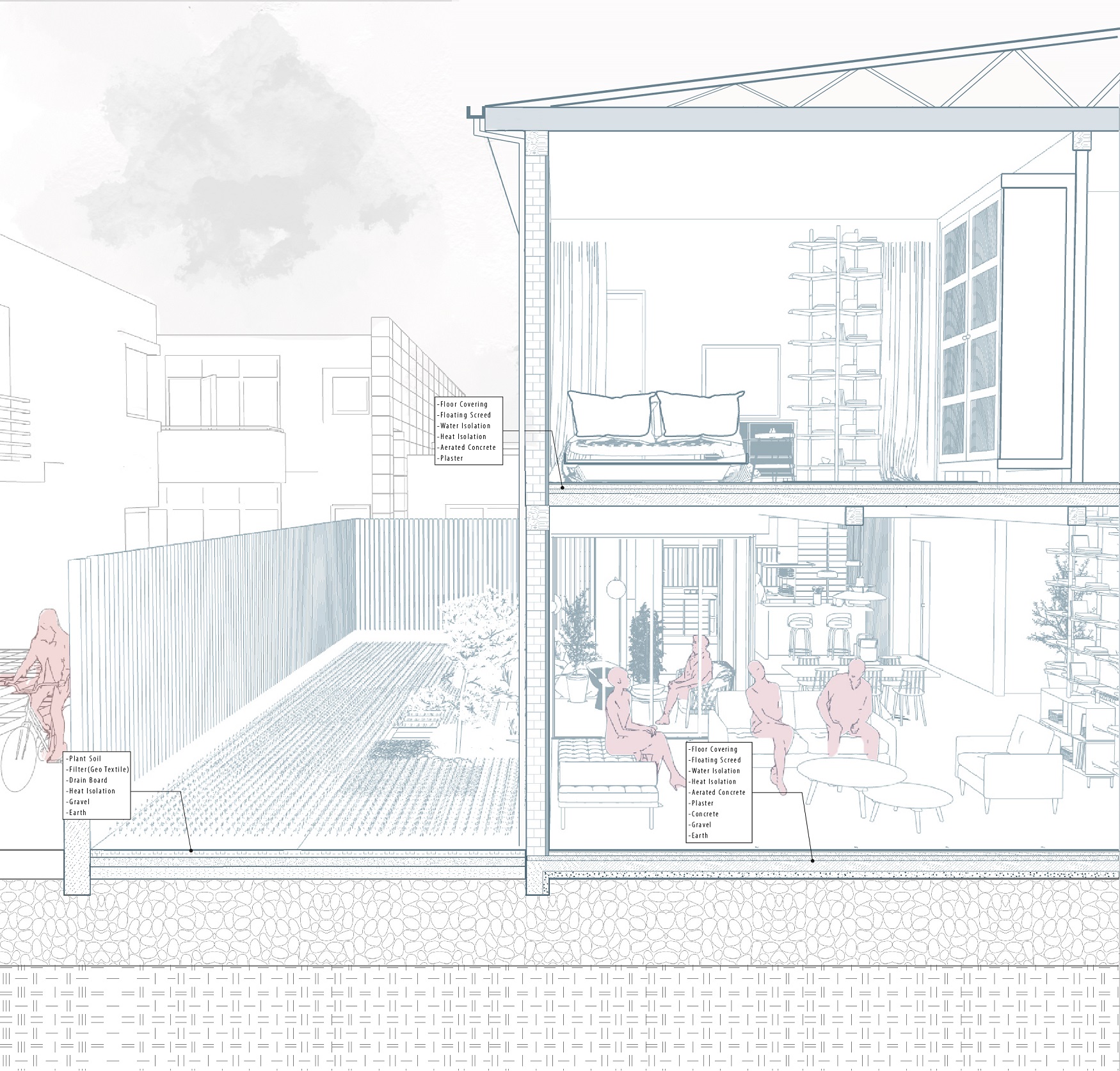
Material choices reinforce that intent. Steel and salvaged timber serve as the primary structural building materials, a pairing that keeps the construction light while leaving scope for future expansion. The exposed treatment of these materials resonates with the idea of a living abode that ages with the residents, gathering patina rather than hiding it. Reuse of timber also connects the project to a wider interest in Gujarat and its growing body of climate-conscious contemporary homes. Botanist House reads less as an object placed on a site and more as a quiet companion to the trees it was built to protect.



Living Typologies by Stela Boldur
Living Typologies by Stela Boldur is a student masterplan for the former...
illustrarch Editoral Team2 Mins read
Residential Architecture Face-Off: Co-Living vs Traditional Apartment for Urban Housing
Co-living and traditional apartments represent two distinct approaches to residential architecture in...
 Furkan Sen8 Mins read

Designing a Liminal Space Where Urban Meets Coastal
The Liminal House by Mcleod Bovell Modern Houses in West Vancouver is...
 Elif Ayse Sen5 Mins read
House in Nakano: A 96 m² Tokyo Architecture Marvel by HOAA
House in Nakano, designed by HOAA, creatively addresses urban density challenges by...
 Bahattin Duran6 Mins read


Leave a comment