

VEEDU
Veedu examines the Thiruvarangam house in Madurai, showcasing its architectural evolution and cultural significance from 1906 to the present.
 illustrarch Editoral Team16 June 20211 Mins read417


Veedu documents the spatial evolution and cultural life of the Thiruvarangam house in Madurai, Tamilnadu, India, a dwelling whose story stretches from 1906 to the present. The project, by Renga Bashyam, records how a single residence absorbed renovation and addition across more than a century while certain portions stayed untouched for 115 years. The house has been reshaped repeatedly to give a growing family the private spaces it needed, yet its oldest fabric still anchors the design.
The house began as the mansion of the Sivagangai Zamindhar, a landholder from Sivagangai, a village near Madurai, who used it to receive his guests in the city. Its original plan centered on a common hall with cooking space and private rooms for visitors. Built as a load bearing, wall to wall house with a Madras terrace roof, it offers almost no possibility of opening the rear walls. Light enters the central hall through light shelves, while the inner rooms remain darker for want of windows. Separate spaces for women sit near the central courtyard, and the sacred space at the front has stayed untouched for 115 years.
A House Woven Into the Festival City
Where the building sits in the urban fabric shapes how its residents take part in religious and cultural activity. Stretching across an urban block, the house connects and gives access to two lanes, and it becomes a hotspot during major festivals such as Chithirai Thiruvizha and Astami Chaparam. Crowd concentration and movement shift with each festival protocol, and Madurai’s busy calendar of celebrations is mapped in the documentation to show which ones most affect the locality. Traditional courtyard houses across Tamil Nadu were often designed to mediate exactly this relationship between household ritual and street life.
At the building level, multifunctional spaces and varied volumes support present day activity, with large halls at the front and back hosting family functions that draw relatives from many cities. Documenting a living house this way treats vernacular architecture as a record of how people adapt inherited space, and it offers a model for studying urban houses as cultural instruments rather than fixed objects. Veedu reads the home of Thiru Thiruvarangam as a layered archive of family memory and city tradition.




Living Typologies by Stela Boldur
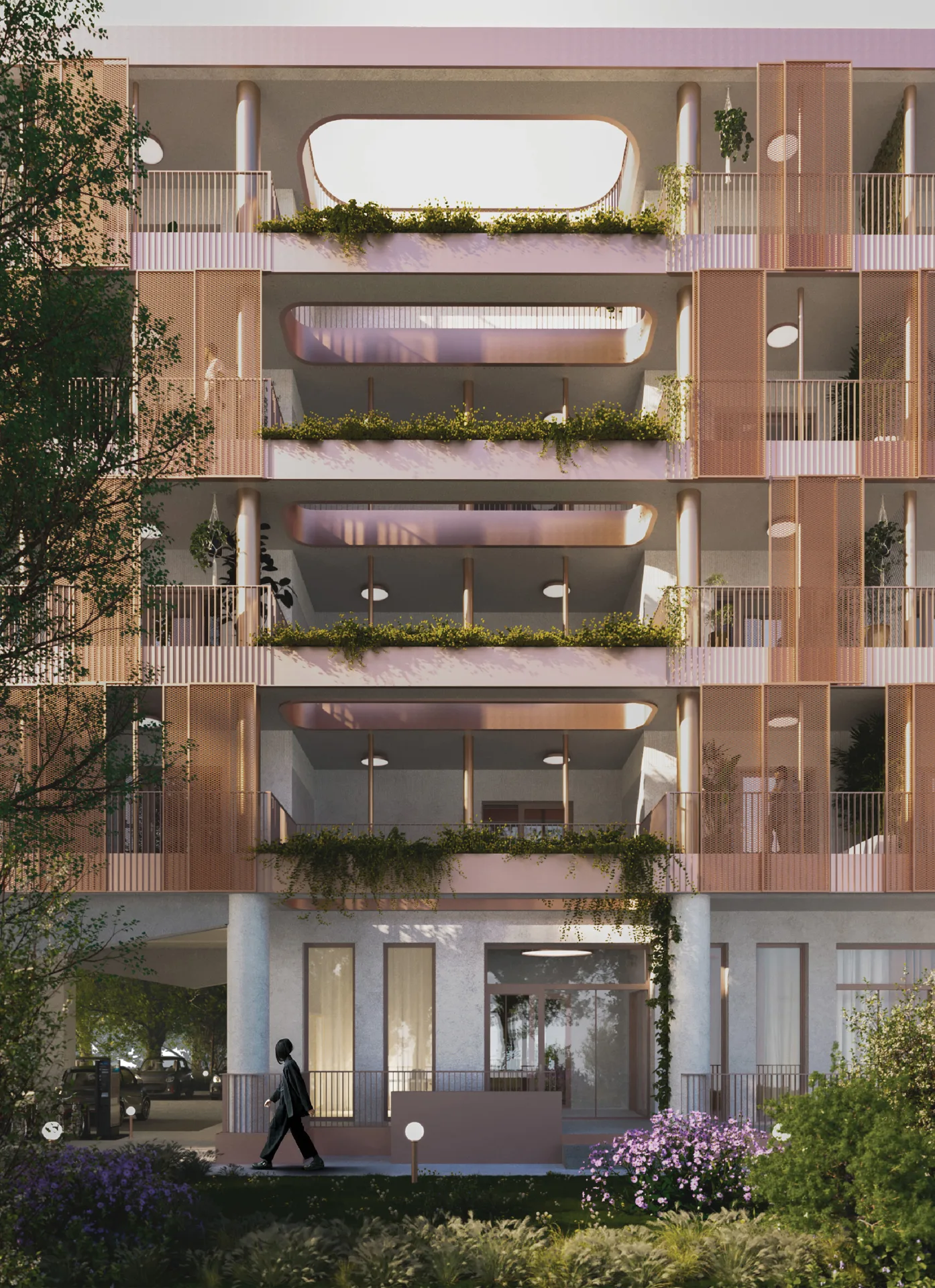
Living Typologies by Stela Boldur is a student masterplan for the former...
illustrarch Editoral Team2 Mins read
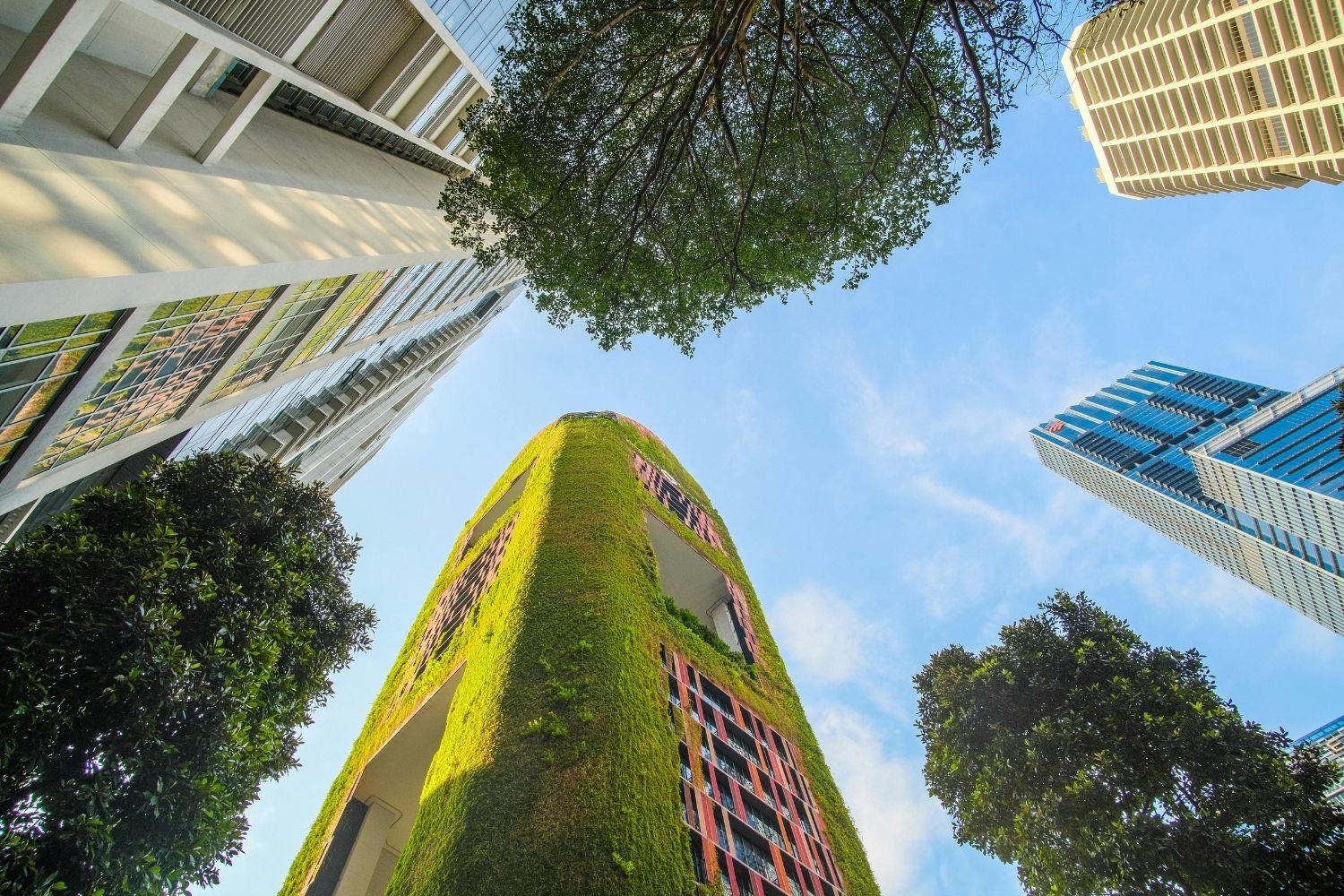
Residential Architecture Face-Off: Co-Living vs Traditional Apartment for Urban Housing
Co-living and traditional apartments represent two distinct approaches to residential architecture in...
 Furkan Sen8 Mins read
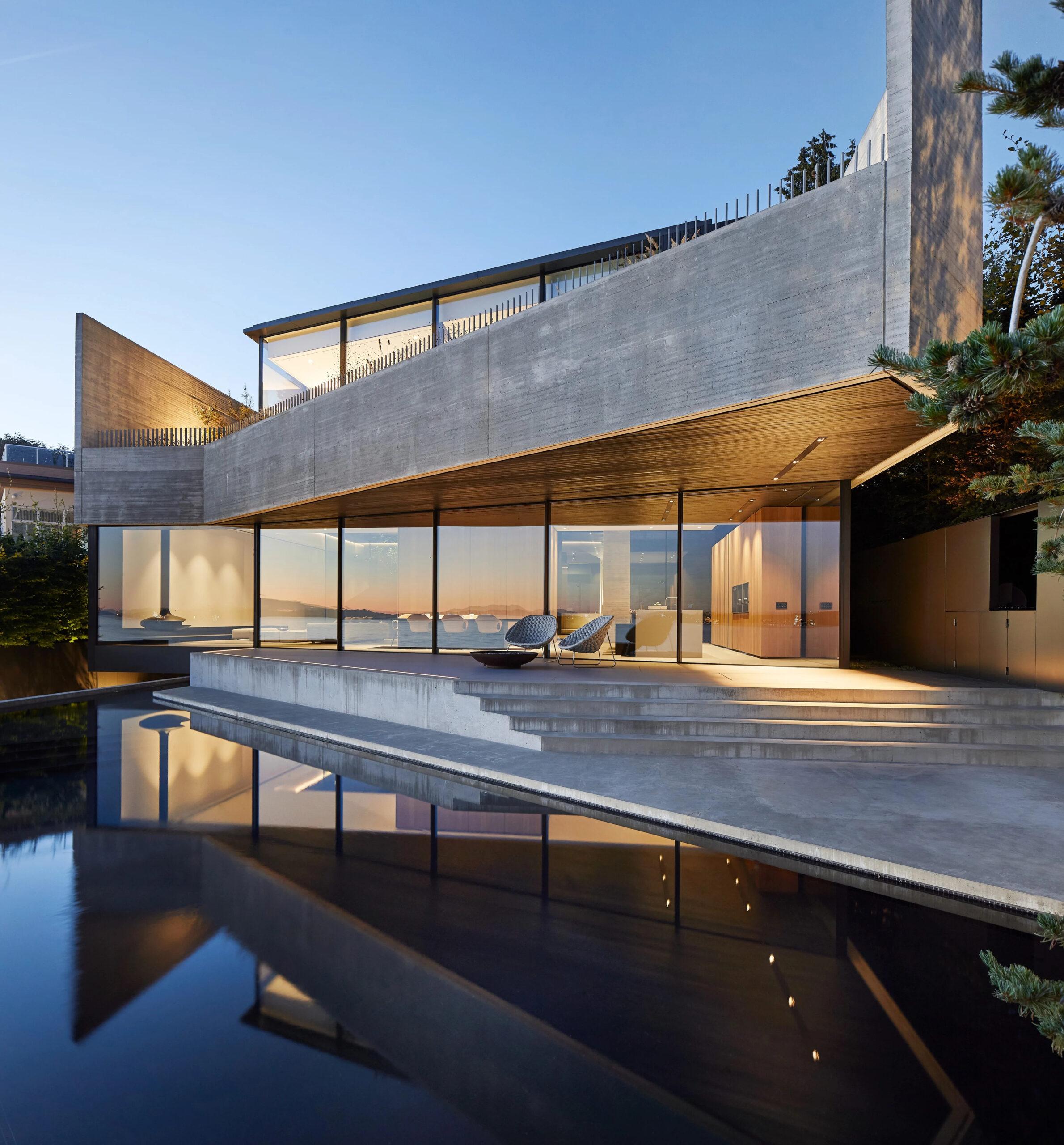
Designing a Liminal Space Where Urban Meets Coastal
The Liminal House by Mcleod Bovell Modern Houses in West Vancouver is...
 Elif Ayse Sen5 Mins read
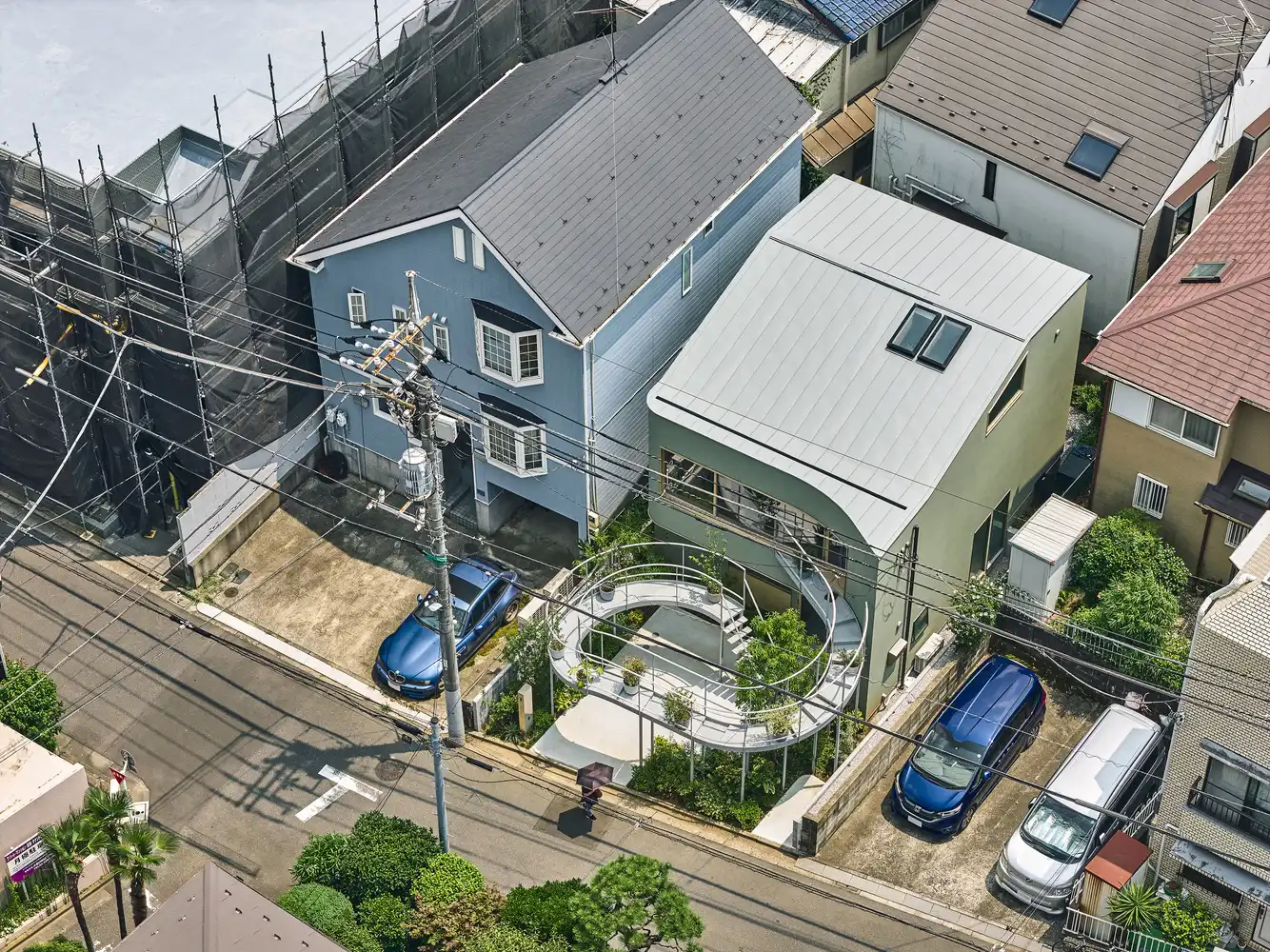
House in Nakano: A 96 m² Tokyo Architecture Marvel by HOAA
House in Nakano, designed by HOAA, creatively addresses urban density challenges by...
 Bahattin Duran6 Mins read


Leave a comment