

Museum – Symbiosis of Nature & Architecture
Naushaba Khan's museum proposal in Lahore emphasizes a nature-centered architectural approach that fosters a deeper connection between people and the environment.
 illustrarch Editoral Team1 January 20232 Mins read516
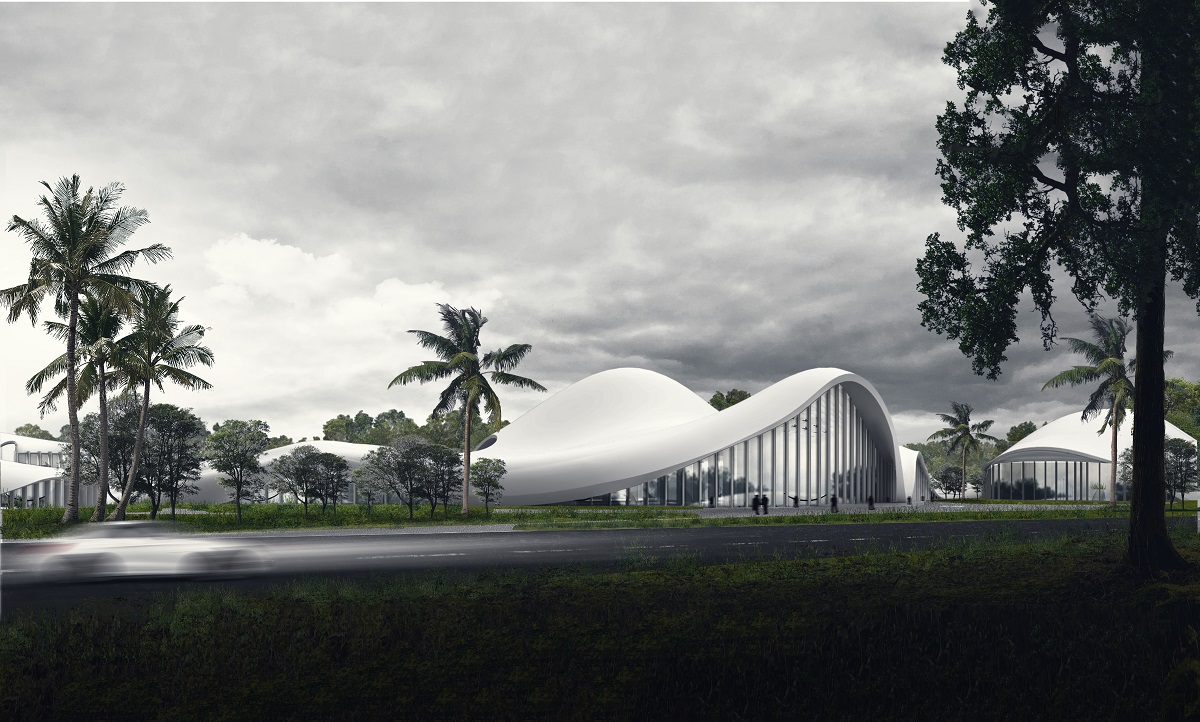


Designed by Naushaba Khan in Lahore, Pakistan, this museum proposal reframes the building as a living bridge between people and the natural world. The project begins from a simple observation: humans have always relied on nature to meet their requirements, yet as industry’s effect on daily life increased in contemporary times, people gradually lost their connection to nature. The design treats that separation as dangerous and uses the museum to help reestablish the bond between humankind and the environment around it.
Living in a large city, this connection is often the least important thing for people, but Khan argues it can be reshaped by reshaping the space itself. The architecture most of us inhabit is human centered; this proposal asks instead for a nature centered approach. Human and natural world interaction is presented as good not only for humans but for the natural world too. Staying close to nature, a person learns to take care of it, and so is in turn cared for as part of nature. This thinking sits within the broader practice of biophilic design, which seeks to weave daylight, planting, water and natural materials into everyday surroundings.
A museum that teaches through experience
A museum is well suited to this ambition because its purpose is already public, slow and reflective. Unlike most building types, it asks visitors to pause, look closely and form an emotional response, which makes it a natural setting for raising awareness about the importance of the connection with the natural world. The symbiosis of nature and architecture describes the relationship between the natural world and the built environment, suggesting the two should be seen as interconnected and interdependent rather than as separate entities. Nature can provide inspiration, materials and functions for the built environment, while the built environment can offer a home and habitat for the natural world in return.
For the designer, the challenge of any museum is sequence and atmosphere: how light, route and pause guide a visitor’s attention. Here that craft is turned outward, so the path itself becomes the exhibit and the landscape an active participant. The result is a design that increases emotional involvement and creates empathy toward nature, set within the rich architectural culture of Lahore and the wider tradition of the museum as a place of public learning. By making contact with nature the central experience, Khan’s proposal turns a cultural building into an argument for living differently.

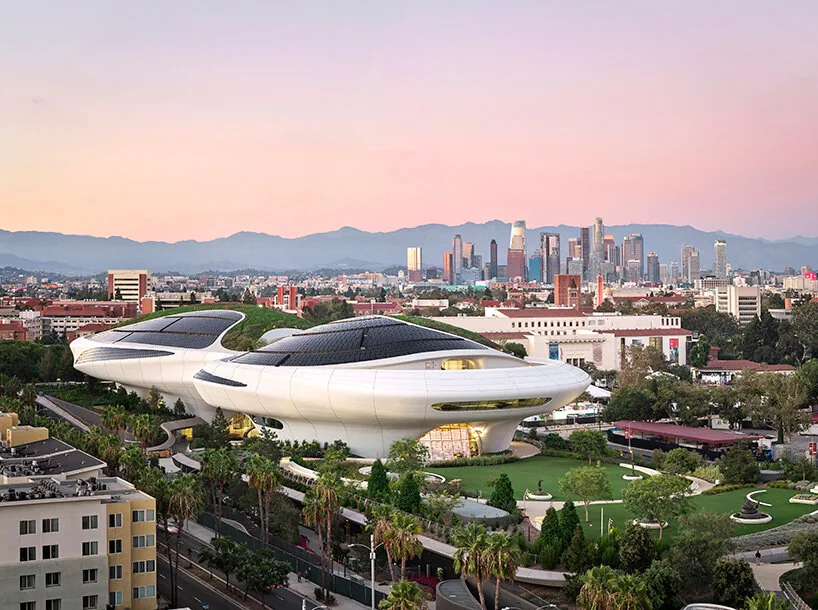
George Lucas’s Narrative Art Museum Set to Open in LA in 2026
George Lucas's museum of narrative art, designed by Ma Yansong, opens in...
illustrarch Editoral Team3 Mins read
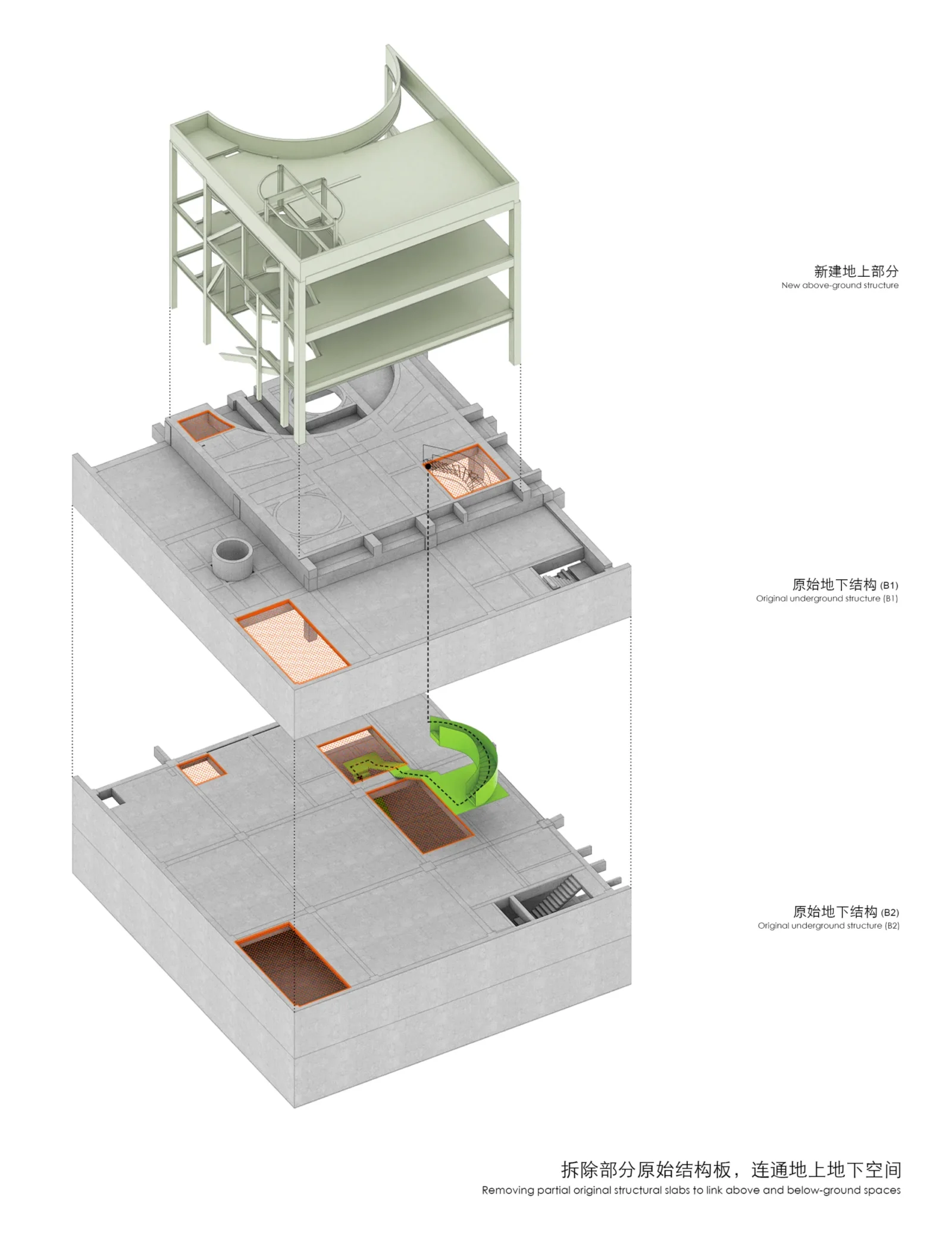
Hangzhou Empathy Museum by TAOA
Hangzhou Empathy Museum: a museum peeling back its skin to reveal a...
illustrarch Editoral Team3 Mins read
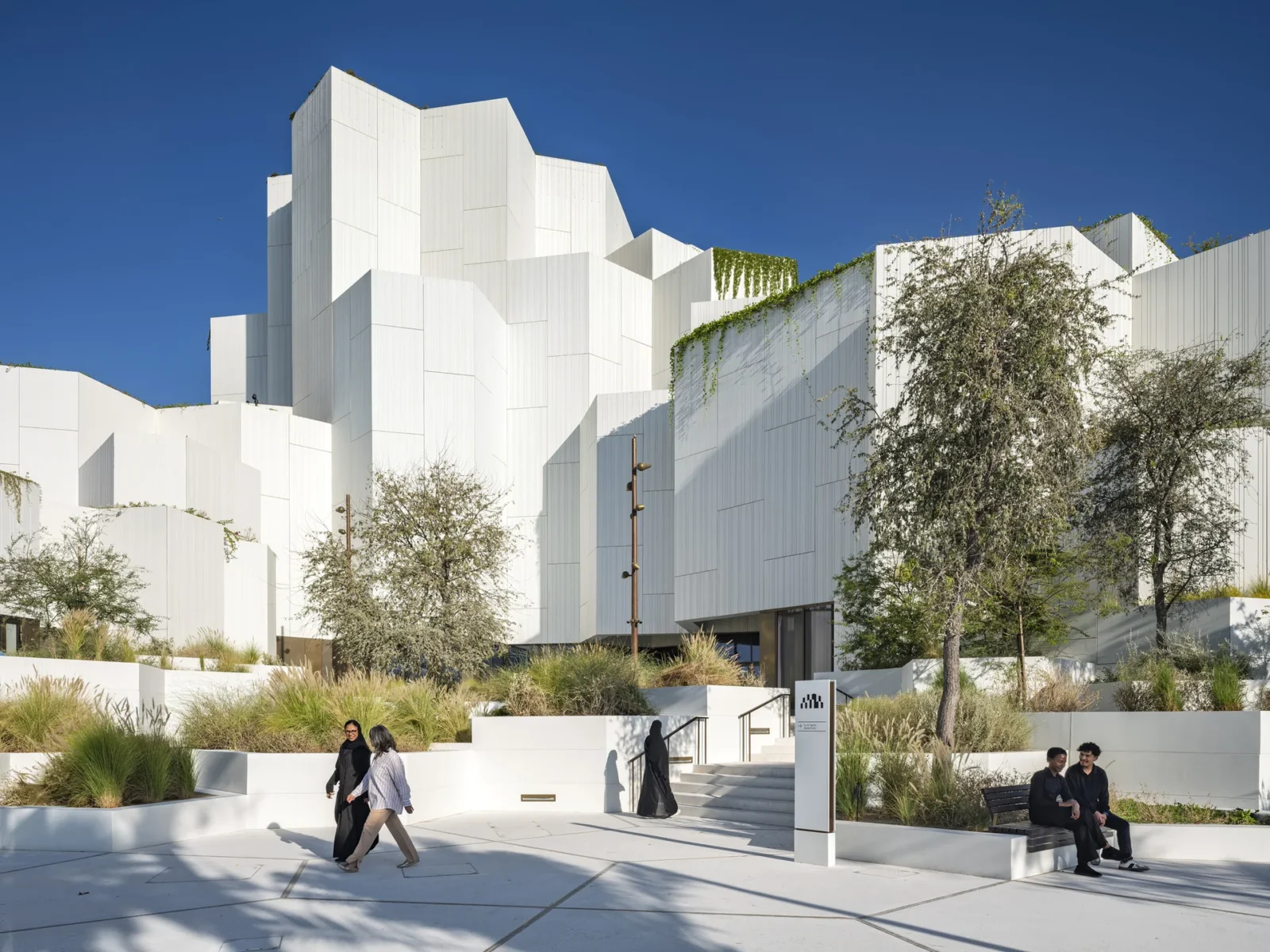
Natural History Museum Abu Dhabi by Mecanoo
Mecanoo builds the largest natural history museum in the Middle East as...
illustrarch Editoral Team2 Mins read
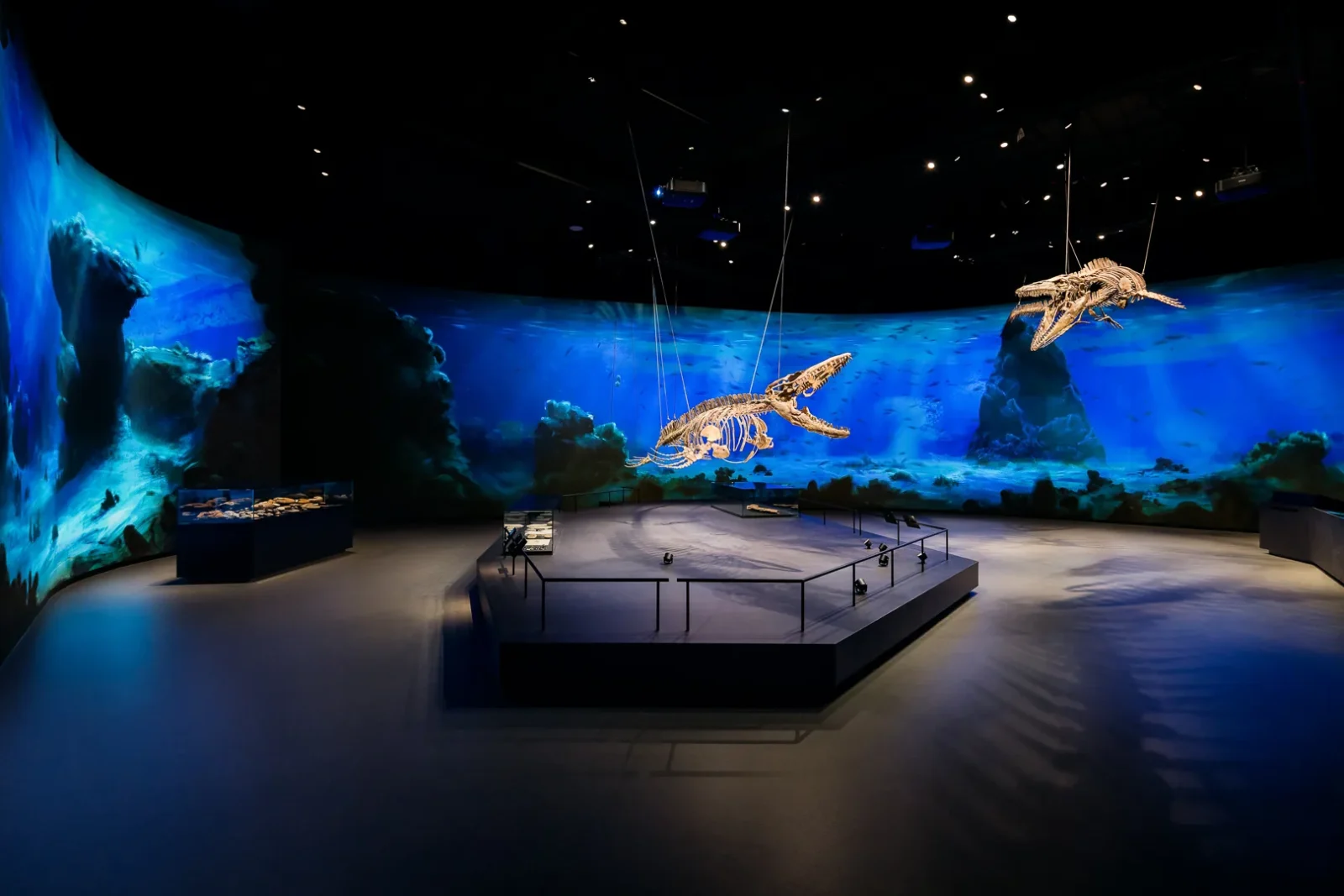
Dinosauria Museum Prague by archicraft
archicraft designed Dinosauria Museum Prague as a sequence of atmospheric rooms built...
illustrarch Editoral Team2 Mins read


Leave a comment