

Natural Museum of the Cliffs of Beberibe
Natural Museum of the Cliffs of Beberibe integrates architecture into the landscape, using a scattered arrangement of blocks that harmonizes with the natural terrain.
 illustrarch Editoral Team3 June 20202 Mins read336


The Natural Museum of the Cliffs of Beberibe places architecture inside the landscape rather than on top of it, settling its buildings into the empty spaces found between the cracks in the soil. Designed by DaRua Architecture and Ferri Architecture in the coastal town of Beberibe, Brazil, the project treats the cliffs themselves as the primary exhibit and the built form as a quiet supporting structure. The aim is to arouse the curiosity of visitors toward the landscape itself, making architecture a part of it.
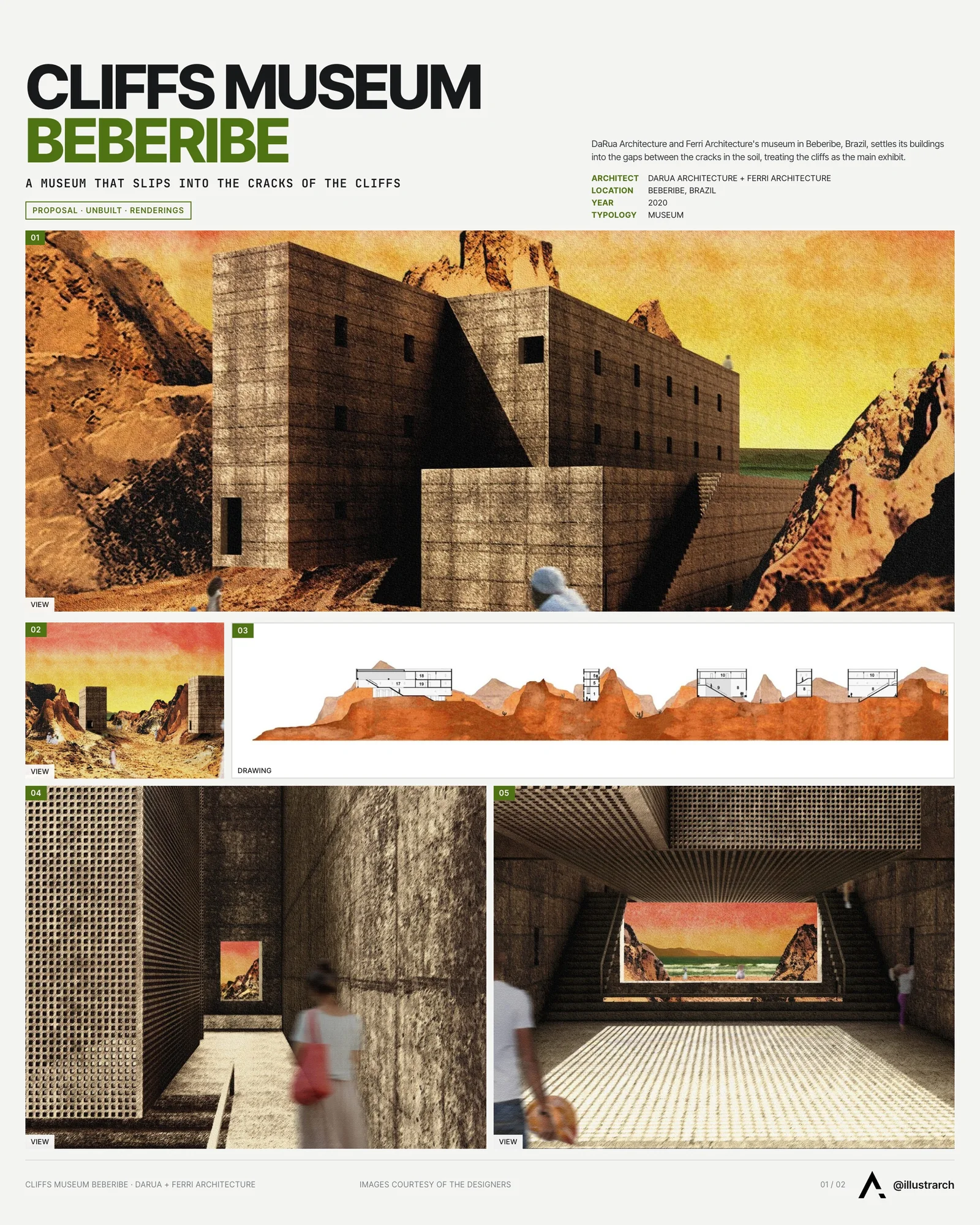
This is the central problem of any museum built for a natural site. The architecture must hold visitors, control circulation, and frame views without competing with what people came to see. At Beberibe the response is a scattered arrangement of blocks that fit together in different ways according to the change in the angle of view. As a visitor moves, the volumes recompose, creating new landscapes alongside their surroundings and respecting the contours that already exist.
Reading the Cliffs
The eroded forms of the Beberibe cliffs, layered in bands of color, give the design its logic. Similar to the organic elevations present in the place, the architectural blocks echo that stratification and slip between the fissures of the terrain. The layout follows rules that avoid touching the sandy rocks, a constraint that protects a fragile and slowly formed geology. Building lightly on shifting cliff ground is a real structural and conservation challenge, and the dispersed footprint keeps loads small and reversible where possible.

Specific openings reinforce this idea, aimed at the main points of demand for visitors. Each one frames a view, isolating a fragment of the coast and highlighting the peculiarity of the landscape so it reads almost as a work of art. The approach belongs to a wider tradition of organic architecture, where form, terrain, and program are shaped together rather than imposed.
Because the buildings sit within nature instead of against it, the whole complex shifts in appearance from one vantage point to the next. That mutation in the shape of the work is the point: a museum that asks to be walked through slowly, and that hands the last word back to the cliffs it was built to honor.



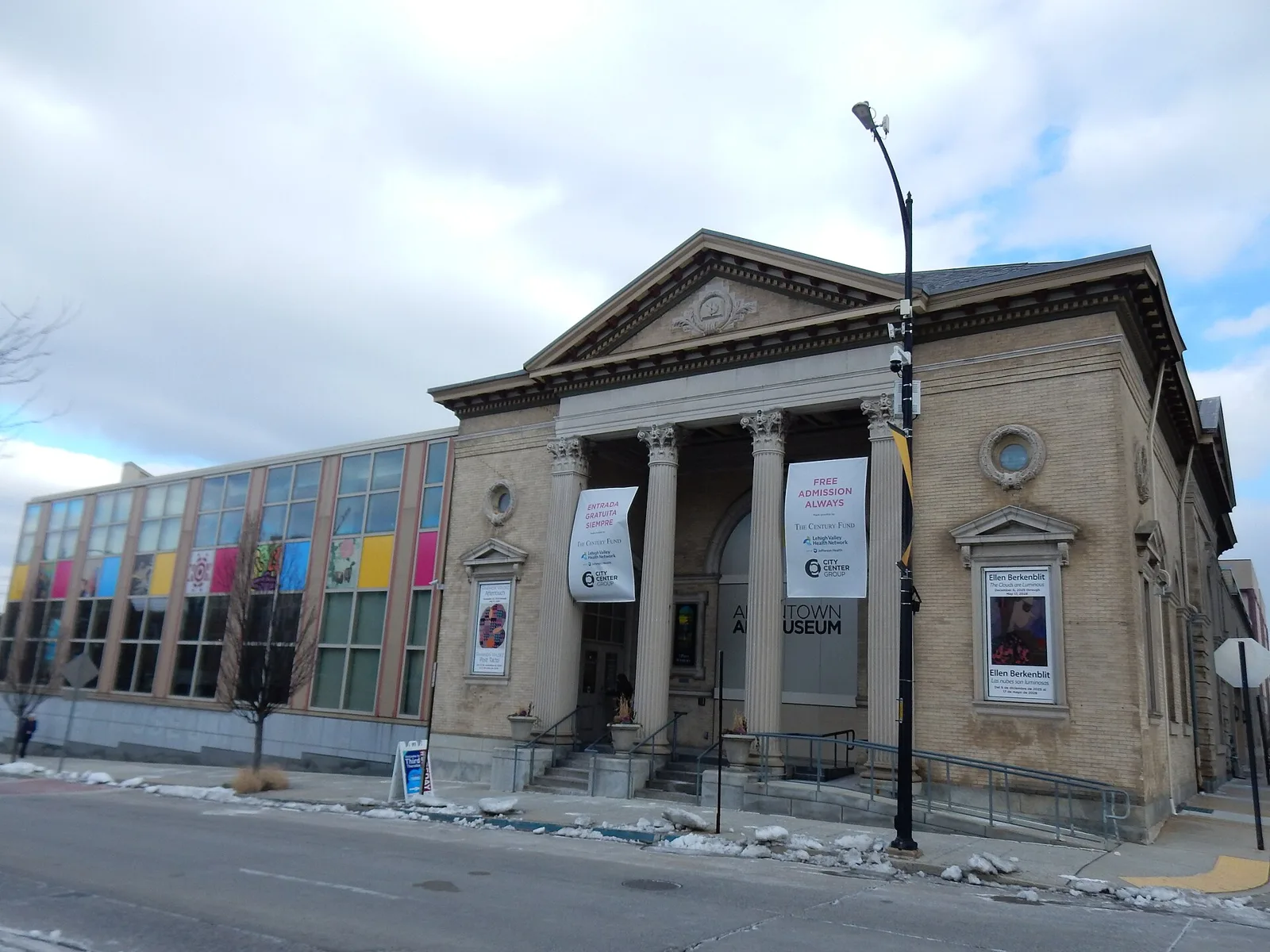
Allentown Art Museum Leaves Its Venturi, Scott Brown Addition for a New Studios Architecture Building
The Allentown Art Museum is moving to a new Studios Architecture building...
illustrarch Editoral Team2 Mins read

Wisdome Stockholm by Elding Oscarson
Elding Oscarson extends the Swedish Museum of Technology in Stockholm with Wisdome,...
illustrarch Editoral Team2 Mins read
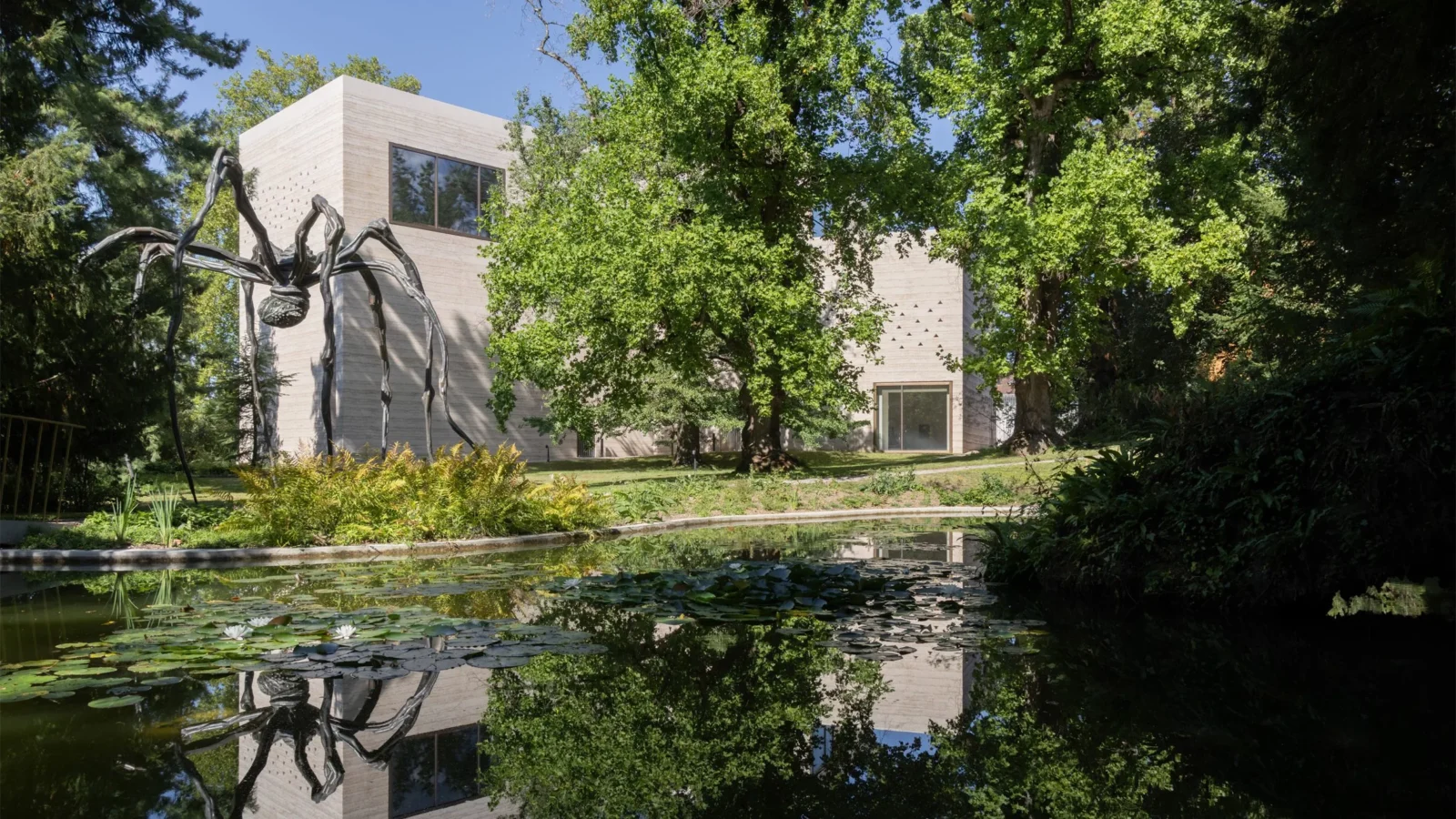
Zumthor’s Three New Buildings Open at Fondation Beyeler in Riehen
Peter Zumthor's Wyss Museum, Ammann Pavilion and Erlen Torhaus open at Fondation...
illustrarch Editoral Team4 Mins read
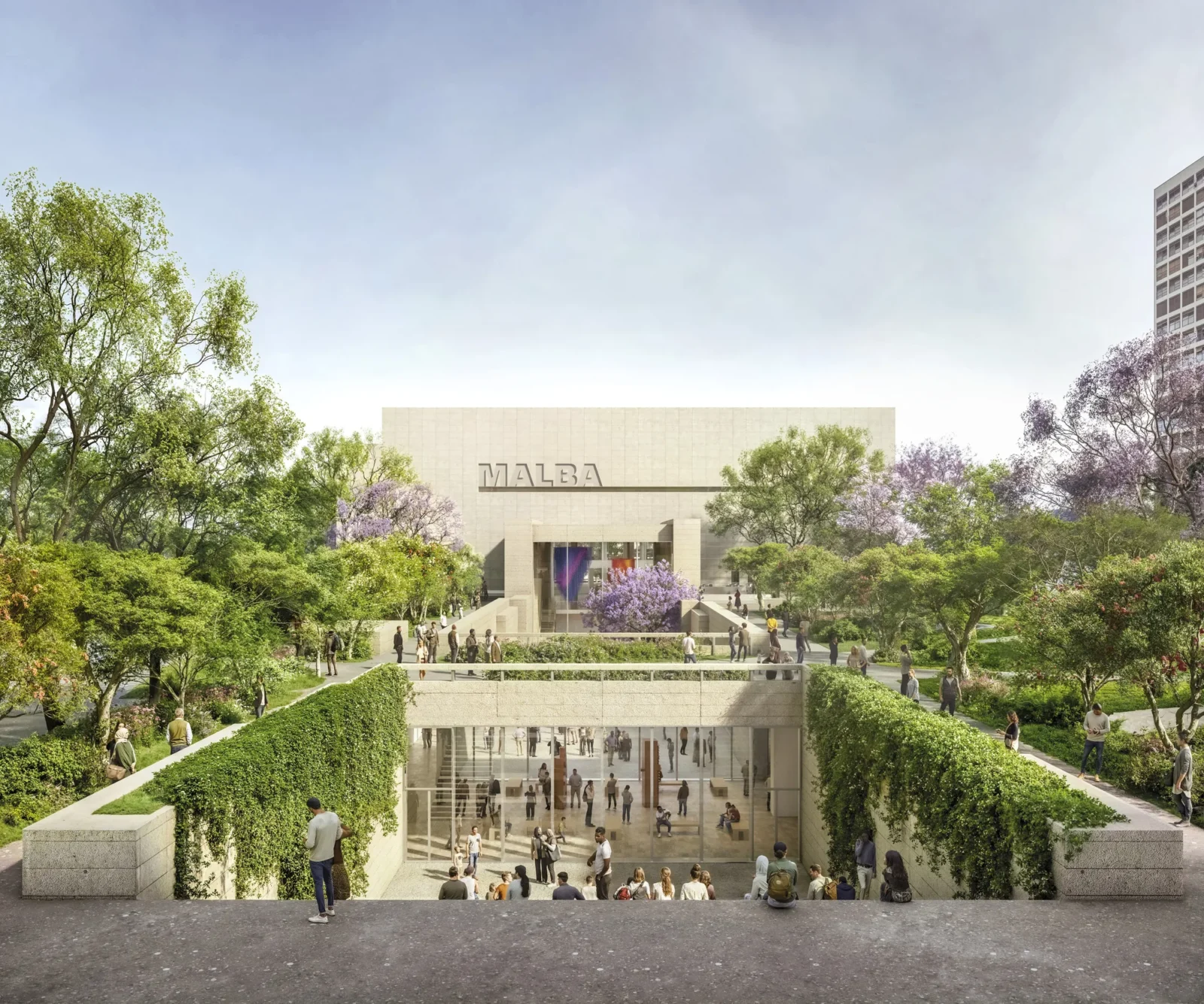
Frida Escobedo Studio to Design MALBA Underground Wing in Buenos Aires
MALBA has tapped Frida Escobedo Studio to build a subterranean expansion beneath...
illustrarch Editoral Team2 Mins read


Leave a comment