

Maximize Space in Your Tiny House: Creative Storage and Design Tips
Discover how to make your tiny house feel spacious and stylish! Learn creative storage solutions, smart design choices, and minimalist lifestyle tips to maximize every inch of space. Explore vertical storage, hidden compartments, and multi-functional furniture, plus efficient layout strategies to transform your tiny home into a clutter-free, functional haven.
 Muhammad Abdullatef - Tifa Studio8 October 202414 Mins read830
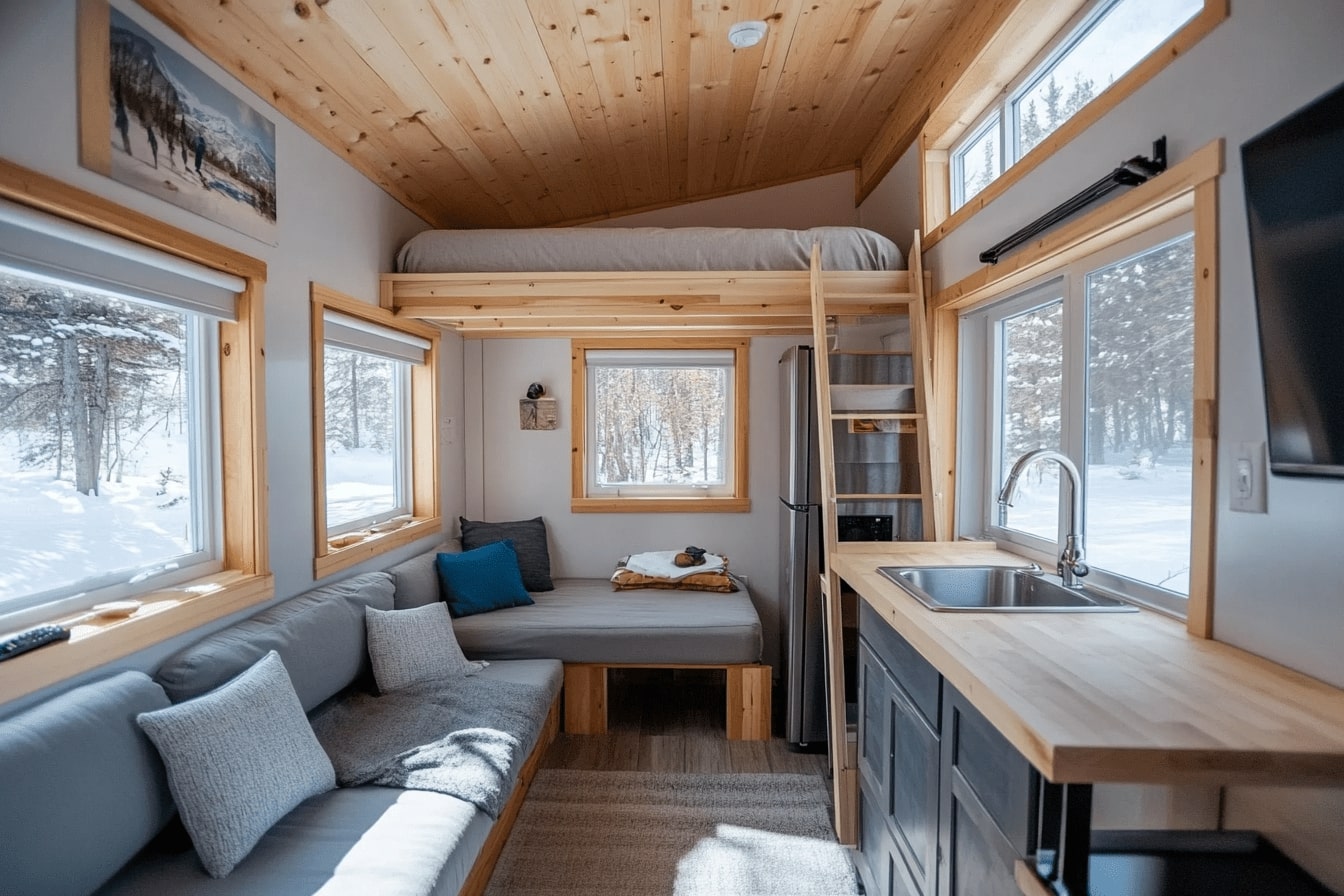
Table of Contents Show
Living in a tiny house doesn’t mean sacrificing comfort or style. With thoughtful planning and a few clever tricks, we can make the most of every square inch. Whether we’re downsizing by choice or necessity, maximizing space allows us to enjoy a clutter-free, efficient, and cozy home.
We’ll explore practical solutions like multi-functional furniture, smart storage ideas, and design hacks that open up our living areas. By the end of this article, we’ll be equipped with strategies that transform our tiny house into a spacious, inviting retreat. Let’s dive into the world of small-space living and discover how to make our tiny house feel like a palace.
Tiny House Living: Key Facts & Statistics
Before diving into space-maximizing strategies, understanding the tiny house landscape helps frame our design decisions. The tiny house movement continues to grow rapidly, with the global market valued at $21.9 billion in 2024 and projected to reach $29.9 billion by 2033. Here’s a quick snapshot of the numbers that matter for space planning:
| Metric | Details |
|---|---|
| Average tiny home size | 225 sq ft (vs. 2,146 sq ft for a typical U.S. home) |
| Most popular size range | 130–500 sq ft (preferred by 72.4% of owners) |
| Top desired amenity | Heating & AC (60%), followed by kitchen space (58%) |
| Owners without mortgage | 68% of tiny home owners |
| Average cost | $30,000 – $80,000 (87% cheaper than average U.S. home) |
| Top reason for buying | Affordability (65%), efficiency (57%), eco-friendliness (48%) |
| Energy savings | Up to 80% less energy use than a standard home |
These statistics highlight why every design decision in a tiny house carries significant weight — with an average of just 225 square feet, intelligent space planning isn’t a luxury, it’s a necessity.
Understanding Space Constraints
Physical size is the first limitation in tiny homes. With less than 500 square feet, every inch counts. We need to evaluate every area, from floor to ceiling. Vertical space often goes unused, yet it’s valuable for storage and organization.
Mobility constraints can affect layout decisions. Tiny houses on wheels require stable and efficient designs to prevent shifting during travel. We should prioritize lightweight materials and secure installation methods.
Individual needs will also impact space allocation. For example, a family of four needs different configurations than a single occupant. Specific lifestyle factors, like remote work, require dedicated areas that fit within the limited space.
Local regulations may also impose design constraints. Building codes and zoning laws vary by location. We should research and comply with these regulations to optimize and legally utilize space. Understanding these constraints forms the foundation for effective space management.
By considering physical size, mobility, individual needs, and local regulations, we comprehensively address space constraints in our tiny house, ensuring functionality without sacrificing comfort.
🏗️ Pro Tip: Before designing your tiny house layout, create a 1:1 scale floor plan using painter’s tape on the ground. Walk through your daily routine — cooking, sleeping, working — within the taped outline. This “life-size test” reveals spatial conflicts that floor plans on paper simply can’t show.
Smart Furniture Choices
Using the right furniture decisions can significantly enhance space efficiency in tiny homes. Tiny homes that incorporate multifunctional furniture systems can noticeably increase their usable space. Let’s explore some smart furniture options.
Multi-Functional Pieces
Multi-functional furniture is essential for small spaces. Utilize items like sofa beds for seating and sleeping, fold-out tables for dining and working, and storage ottomans for additional seating and keeping items. Transform spaces easily by ensuring each piece serves multiple purposes, adjusting as needs change.
Built-In Options
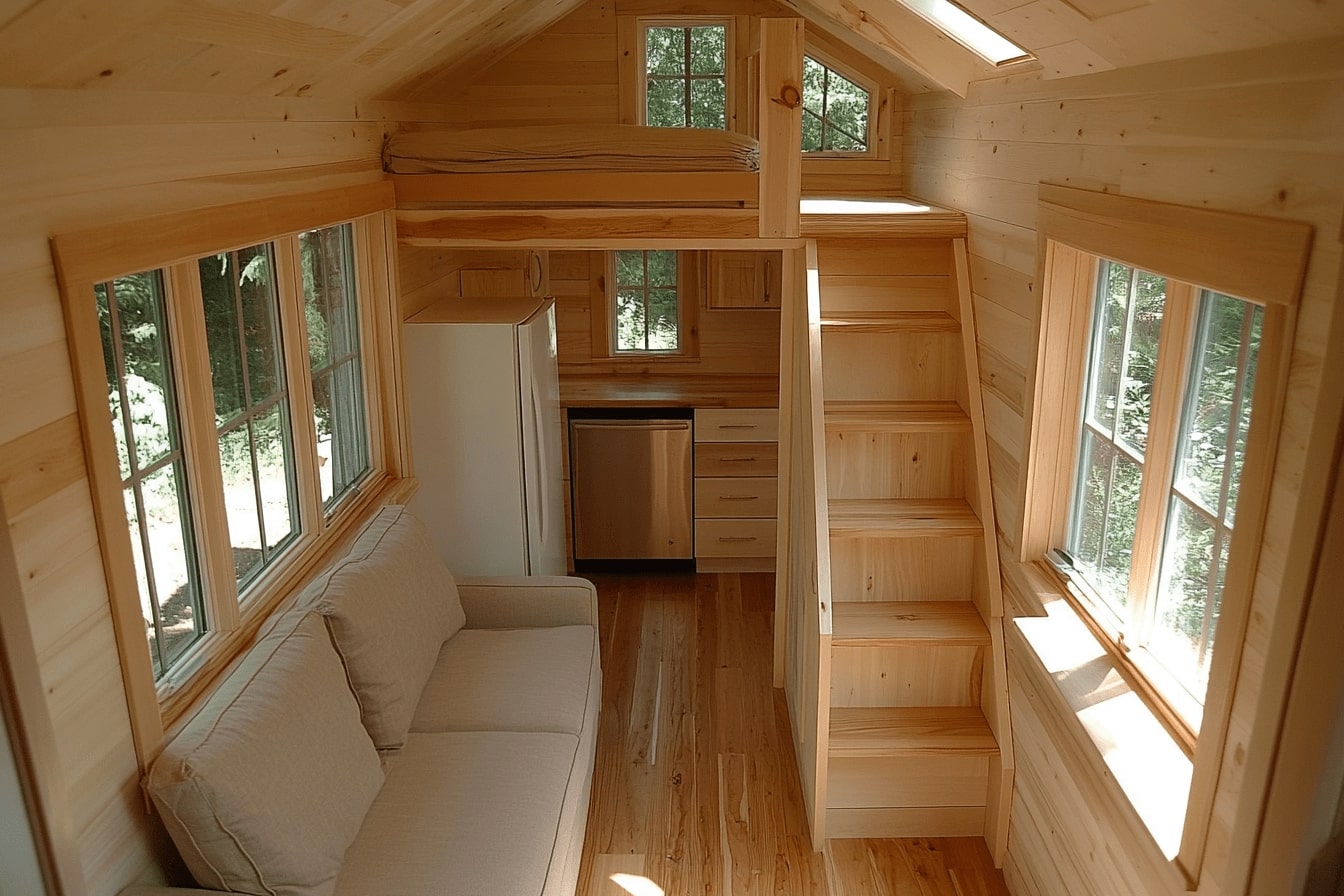
Built-in furniture maximizes space by integrating functionality into existing structures. Consider built-in benches with storage beneath and wall-mounted desks that fold away when not in use. Customizable shelves can fit any nook, offering storage without encroaching on living space. Use built-ins to create a seamless flow, making a tiny home feel more spacious and organized.
Space-Saving Furniture Comparison
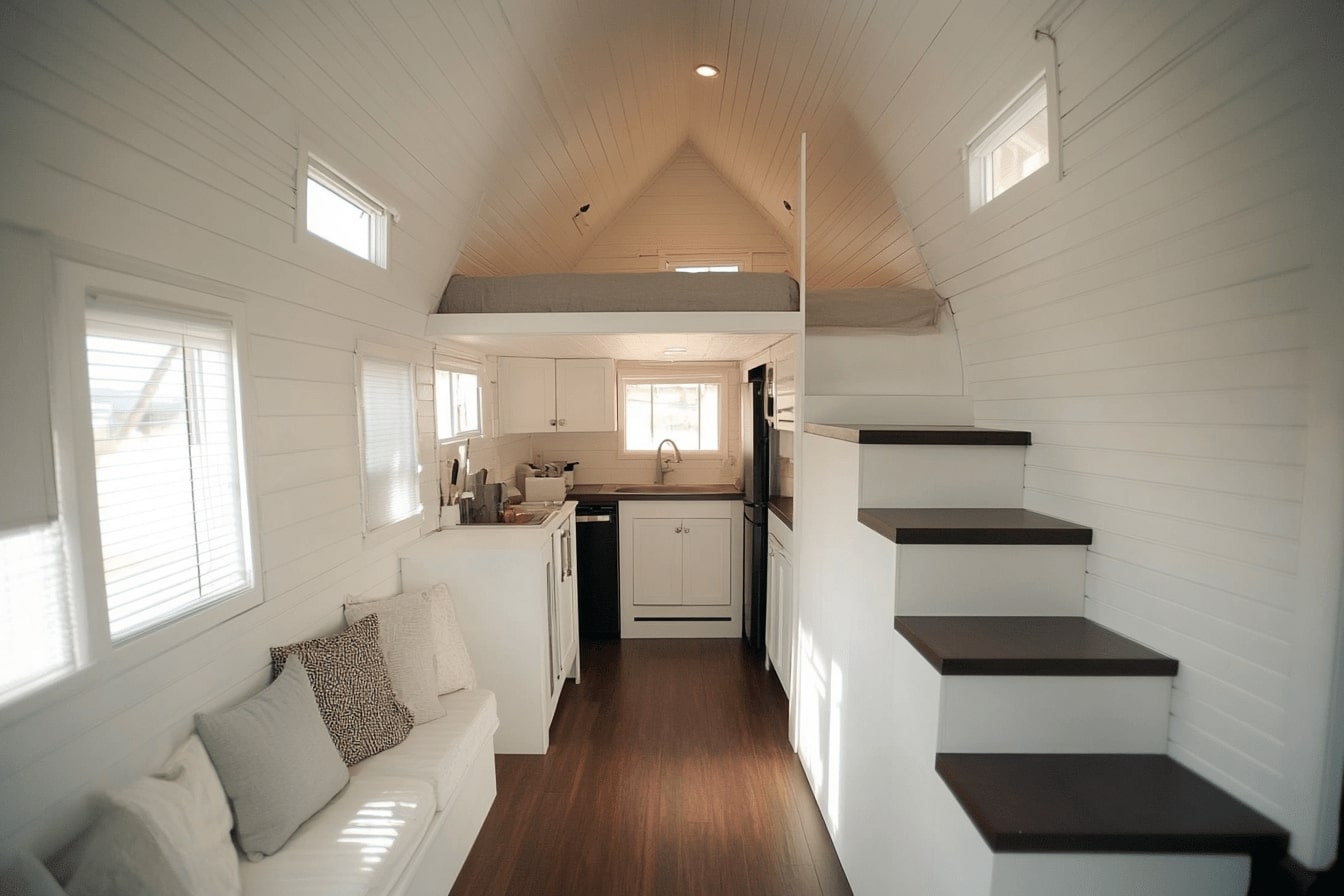
Choosing the right furniture can make or break a tiny house layout. Here’s a comparison of popular space-saving furniture types to help you decide which options best suit your needs:
| Furniture Type | Space Saved | Dual Function | Avg. Cost | Best For |
|---|---|---|---|---|
| Murphy bed (wall bed) | Up to 50 sq ft | Bed + open floor space | $1,000 – $5,000 | Studio layouts, loft areas |
| Convertible sofa bed | 20–30 sq ft | Seating + sleeping | $500 – $2,500 | Living rooms, guest areas |
| Fold-down wall desk | 8–12 sq ft | Work surface + wall space | $150 – $800 | Home offices, kitchens |
| Storage ottoman | 4–6 sq ft | Seating + hidden storage | $80 – $400 | Living rooms, bedrooms |
| Elevator / loft bed | 40–60 sq ft | Bed + full room beneath | $2,000 – $8,000 | Tiny homes under 200 sq ft |
| Drop-leaf dining table | 10–15 sq ft | Dining + wall console | $200 – $1,000 | Kitchen / dining combos |
| Modular cube system | Varies | Seating + storage + divider | $300 – $1,500 | Flexible layouts |
🪑 Pro Tip: When selecting multi-functional furniture, prioritize “transformation speed.” A Murphy bed that takes 30 seconds to deploy is far more practical than a complex convertible system requiring 5 minutes and two people. In daily tiny house living, convenience determines whether you’ll actually use the furniture’s dual function.
Creative Storage Solutions
Creating efficient storage systems is crucial in maximizing space in a tiny house. By implementing innovative ideas, we can make every inch count.
Vertical Storage
Utilizing vertical space allows us to store more without cluttering the floor. Vertical storage strategies free up floor area, making it one of the most effective tiny home design approaches. Shelving units extend from floor to ceiling, providing ample room for books, kitchenware, or decorative items. In the kitchen, magnetic strips on walls hold knives and metal utensils. Over-the-door organizers add extra storage in bedrooms and bathrooms. Hanging baskets from the ceiling or walls store plants, fruits, or other lightweight items. By thinking vertically, we gain additional storage without compromising floor area.
Hidden Storage
Hidden storage offers discreet space for items, keeping the tiny house tidy. Beds with built-in drawers provide room for clothes and linens. Coffee tables with uplift tops hide remotes and magazines. Under-stair storage compartments utilize otherwise wasted space. Toe-kick drawers in the kitchen use the space below cabinets for items like trays and cutting boards. Incorporating hidden storage solutions helps maintain a clutter-free living environment, preserving the aesthetic and functionality of our tiny home.
Room-by-Room Storage Solutions
Different areas of a tiny home present unique storage challenges. Here’s a targeted breakdown of the most effective solutions for each zone:
| Room / Zone | Top Storage Solutions | Items to Store | Space Gained |
|---|---|---|---|
| Kitchen | Magnetic knife strips, ceiling pot racks, toe-kick drawers, pull-out pantry shelves, pegboard walls | Utensils, cookware, spices, cutting boards, dry goods | 15–25% |
| Bedroom | Under-bed drawers, headboard shelving, loft bed with closet beneath, over-door hooks | Clothing, linens, shoes, accessories | 20–35% |
| Bathroom | Over-toilet shelving, corner floating shelves, recessed medicine cabinets, shower caddies | Toiletries, towels, cleaning supplies | 10–20% |
| Living Area | Storage ottomans, built-in bench seating, wall-mounted media units, floating shelves | Books, electronics, blankets, games | 15–25% |
| Entryway | Wall hooks, slim shoe cabinets, overhead shelf, key organizer | Shoes, coats, bags, keys | 5–10% |
| Staircase | Under-stair pull-out drawers, built-in bookshelves, pet nook, integrated closet | Seasonal items, books, pet supplies | 20–40% |
📦 Pro Tip: Apply the “zone system” used by professional organizers — group items by activity, not by type. For example, keep your coffee mug, filters, and beans together near the kettle instead of scattering them across different cabinets. In a tiny house, reducing movement between zones shaves off both time and frustration.
Layout Optimization
Efficient layout optimization in tiny houses involves strategic design choices that ensure every square foot is utilized effectively. Focused planning and careful division of space can make a tiny house feel larger and more functional.
Open Concept Design
An open concept design removes barriers and walls to create a sense of spaciousness. Removing interior walls between the living, dining, and kitchen areas fosters an airy, open feel. By integrating multi-functional furniture like foldable dining tables and convertible sofas, we can keep the space versatile yet uncluttered. Large windows and ample natural light further enhance the openness, making small areas feel expansive.
Strategic Room Division
Strategic room division divides space without compromising the open feel. For example, using sliding doors or curtains can create privacy in sleeping areas when needed, yet can be opened to maintain openness during the day. We can employ shelving units and room dividers with built-in storage to separate spaces while providing additional storage solutions. By carefully selecting these elements, we can delineate functional zones without sacrificing the flow or aesthetic of the home.
📐 Pro Tip: Use pocket doors instead of traditional swinging doors wherever possible. A standard hinged door needs about 10 square feet of swing clearance — in a 225 sq ft tiny home, that’s nearly 5% of your total floor area wasted per door. Pocket doors slide into the wall cavity and reclaim every inch.
Design Tricks That Make a Tiny House Feel Bigger
Beyond furniture and storage, specific architectural and interior design strategies can visually expand your tiny home. These proven techniques leverage color psychology, lighting, and spatial illusion to create a perceived space that’s far larger than the actual square footage.
| Design Technique | How It Works | Impact Level |
|---|---|---|
| Light color palette (whites, light grays) | Reflects natural light, making walls appear to recede | ⭐⭐⭐⭐⭐ |
| Full-height windows | Draws the eye upward, creating vertical spaciousness | ⭐⭐⭐⭐⭐ |
| Mirrors on walls | Creates depth illusion by reflecting the room back | ⭐⭐⭐⭐ |
| Continuous flooring (no transitions) | Eliminates visual breaks that make rooms feel separate and smaller | ⭐⭐⭐⭐ |
| Recessed / track lighting | Avoids bulky fixtures that lower perceived ceiling height | ⭐⭐⭐ |
| Transparent / glass furniture | Takes up physical space without visual weight | ⭐⭐⭐ |
| Vertical stripes or shiplap | Draws the eye upward, making ceilings feel taller | ⭐⭐⭐ |
| Furniture with exposed legs | Visible floor beneath creates a feeling of openness | ⭐⭐⭐ |
🎨 Pro Tip: Apply the 60-30-10 color rule in your tiny home: 60% dominant light color (walls, large surfaces), 30% secondary color (furniture, textiles), and 10% accent color (decor, art). This creates visual harmony that prevents small spaces from feeling chaotic or cramped — a principle widely used by interior architects in compact living design.
Minimalist Living
Adopting a minimalist lifestyle can transform how we maximize space in our tiny house. By focusing on what we truly need, we can maintain a clutter-free and efficient living area.
Decluttering Tips
Start by evaluating possessions and deciding what adds value to our lives. Donate, sell, or recycle items that no longer serve a purpose. Limit impulse buys and invest in only high-quality, functional items.
- Organize systematically: Use containers and baskets (e.g., fabric bins, wire baskets) to categorize and store items. Label everything for easy access.
- Adopt a “one in, one out” policy: For every new item we bring in, remove an existing one to prevent accumulation.
- Regularly assess and purge: Schedule regular intervals (e.g., quarterly) to reassess belongings and remove excess.
Minimalist Design Principles
Incorporate minimalist design principles to enhance spatial efficiency. Use clean lines and neutral colors to create a serene environment.
- Opt for multi-functional furniture: Choose pieces like sofa beds or tables with storage options to maximize utility without occupying extra space.
- Prioritize simplicity: Focus on simple, unadorned decor. Avoid excessive ornamentation that can make spaces feel crowded.
- Implement streamlined organization: Use built-in shelves and hidden compartments (e.g., under-bed storage, wall-mounted cabinets) to reduce visible clutter.
Minimalist living encourages us to focus on essentials and design choices that enhance both form and function in our tiny house.
🧹 Pro Tip: Before moving into a tiny house, do a “trial downsizing” — pack only what you’d need for 30 days and live from those boxes. At the end of the month, anything you didn’t unpack is a strong candidate for donation or sale. This method, recommended by professional organizers, takes the emotion out of decluttering decisions.
Tiny House Space Planning Checklist
Use this comprehensive checklist when designing or reorganizing your tiny home. It consolidates the key strategies from each section into an actionable reference:
| Category | Action Items | Priority |
|---|---|---|
| Planning | Measure entire space including ceiling height; check local zoning codes; define must-have zones (sleep, cook, work, relax) | 🔴 High |
| Furniture | Choose multi-functional pieces for every room; select furniture with built-in storage; avoid oversized items | 🔴 High |
| Vertical Space | Install floor-to-ceiling shelving; add wall hooks and magnetic strips; use ceiling-mounted racks | 🔴 High |
| Hidden Storage | Add under-bed drawers; install toe-kick drawers; use under-stair compartments; choose lift-top tables | 🟡 Medium |
| Layout | Implement open concept where possible; use pocket/sliding doors; create zones with room dividers | 🟡 Medium |
| Visual Expansion | Apply light color palette; add mirrors; use continuous flooring; maximize natural light | 🟡 Medium |
| Decluttering | Perform 30-day trial; enforce “one in, one out” rule; schedule quarterly purge sessions | 🟢 Ongoing |
Conclusion
Maximizing space in your tiny house requires thoughtful design, efficient organization, and strategic planning. Adopting a minimalist lifestyle focuses on the essentials, promoting a clutter-free environment that enhances the available space. Using vertical storage solutions, hidden compartments, and multi-functional furniture contributes to a more functional and spacious feel in your tiny home.
Efficient layout optimization involves creating open concept designs that enable smoother traffic flow and make the area appear larger. Clean lines, light colors, and strategic lighting enhance spatial efficiency and brighten the space. By focusing on these principles, we can make our tiny homes comfortable, stylish, and functional.
Frequently Asked Questions
What is the best furniture for a tiny house?
The best furniture for a tiny house is multi-functional and space-efficient. Murphy beds, convertible sofa beds, fold-down desks, and storage ottomans are among the most popular choices. The key principle is that every piece should serve at least two purposes — for example, a dining bench that doubles as storage or a coffee table with a lift-top for hidden compartments. Incorporating multi-functional furniture can noticeably increase usable space.
How do you maximize storage in a 200 sq ft tiny home?
In a 200 sq ft tiny home, focus on three key strategies: go vertical with floor-to-ceiling shelving and wall-mounted organizers, utilize hidden storage in every available gap (under stairs, beneath beds, inside furniture), and adopt a strict decluttering routine. Vertical storage alone frees up a significant share of floor area. Also consider custom-built solutions that fit the exact dimensions of your home’s unique nooks and crannies.
What colors make a tiny house look bigger?
Light, neutral colors like white, cream, soft gray, and pale blue are the most effective at making a tiny house feel spacious. These colors reflect natural light and make walls appear to recede. For maximum effect, use the same color family throughout the entire home with continuous flooring — this eliminates visual breaks that make separate rooms feel smaller. Avoid dark accent walls in very small spaces, as they can visually compress the room.
How much does it cost to build a tiny house?
The average tiny home costs between $30,000 and $80,000, which is approximately 87% cheaper than the average U.S. home price of around $512,800. DIY builds can start as low as $8,000 for basic structures, while luxury custom tiny homes with premium finishes and smart home technology can reach $150,000 or more. Prefabricated tiny homes typically cost around $75,000 and above, depending on features and customization level.
Are pocket doors better than regular doors in a tiny house?
Yes, pocket doors are significantly better than traditional hinged doors in a tiny house. A standard swinging door requires approximately 10 square feet of clearance for its arc — in a 225 sq ft home, that’s nearly 5% of your total floor area per door. Pocket doors slide into the wall cavity, reclaiming all of that space. The only consideration is that you’ll need to ensure no plumbing, wiring, or structural elements run through the wall where the door pocket will be installed.
What is the most wasted space in a tiny house?
The most commonly wasted spaces in a tiny home are: under the stairs (which can be converted into pull-out drawers, closets, or pet nooks), above head height (where overhead cabinets or ceiling-mounted racks can be installed), behind doors (ideal for over-the-door organizers), and the toe-kick area beneath kitchen cabinets (perfect for slim pull-out drawers). The space under a loft bed is another frequently underutilized area that can serve as a full closet, workspace, or living area.
Can you live in a tiny house with a family?
Yes, families can comfortably live in tiny homes with the right design approach. Key strategies include using bunk beds or loft sleeping areas for children, creating flexible common spaces that transform throughout the day, and installing ample built-in storage to keep shared areas clutter-free. Families typically need a tiny home in the 300–500 sq ft range to accommodate multiple occupants. Strategic room division with curtains or sliding panels can provide necessary privacy while maintaining the open feel during the day.
How do you create a home office in a tiny house?
The most effective home office solutions for tiny houses include fold-down wall desks that disappear when not in use, built-in desk nooks integrated into staircases or alcoves, and convertible dining tables that double as workspaces. Add floating shelves above your work area for supplies and a wall-mounted pegboard for organization. If your tiny home has a loft area, consider dedicating part of it to a compact office setup. The key is ensuring your workspace can fully “close” or transform when the workday ends, maintaining clear boundaries between work and living areas.
Last updated:


3 Comments




Tiny House Water Systems: Your Complete Guide to Plumbing, Rainwater Harvesting and Off-Grid Solutions
A practical guide to designing a tiny house water system, covering PEX...
 Bahattin Duran14 Mins read
Off-Grid Tiny House Living: Complete Setup Guide for Beginners
This guide walks you through every stage of setting up an off-grid...
Bahattin Duran15 Mins read
Tiny House with Loft: Design Ideas, Plans and Building Tips for Vertical Living
A complete guide to designing and building a tiny house with loft,...
Bahattin Duran15 Mins read
8+ Best Tiny Home Communities in Michigan: Great Lakes Tiny Living Guide
Explore tiny home communities in Michigan. Great Lakes lifestyle, affordable land, and...
Bahattin Duran18 Mins read


The ideas in this article seem helpful for small spaces.
I found the tips about multi-functional furniture interesting.
This article has some useful suggestions for organizing a tiny house.