

The Return of Textured Interiors: How Material Depth Is Reshaping Residential Design
Residential design is increasingly incorporating textured materials like ribbed timber and limewash, enhancing both aesthetic depth and functional interaction within spaces.
 Muhammad Abdullatef - Tifa Studio26 February 20263 Mins read159

Table of Contents Show
For years, contemporary interiors were defined by smoothness.
Flat plaster walls. Seamless cabinetry. Matte surfaces. White space.
Minimalism reduced distraction. It removed ornament. It stripped homes back to clean planes and quiet volumes.
But in 2026, residential architecture is shifting again.
Texture is returning — not as decoration, but as structure.
Limewash walls hold shadow. Ribbed timber cabinetry catches light. Micro-cement reveals variation. Stone shows its mineral history.
Homes are becoming materially expressive again.
And that shift is doing more than changing how spaces look. It’s changing how they behave — including how they are moved.
From Flat Surfaces to Layered Envelopes
Minimalist interiors relied on smoothness. Walls were passive backdrops. Joinery blended into itself. Visual calm came from absence.
The current shift is different.
Designers are embedding complexity directly into the architectural envelope:

- Hand-trowelled plaster finishes
- Vertical timber battens
- Fluted joinery panels
- Raw or honed natural stone
- Woven acoustic wall systems
Instead of adding more furniture or decor, architects are adding depth to surfaces.
Material becomes the feature.
This aligns with broader architectural conversations around material honesty and sustainability — themes explored widely in contemporary design discourse as I see discussions on material expression and sustainable finishes at ArchDaily.
Texture is no longer cosmetic. It’s intentional.
Light, Shadow, and the Sensory Shift
Flat walls reflect evenly. Textured surfaces scatter light.
As daylight moves through a room, ribbing and plaster ridges create subtle shadow gradients. The space evolves throughout the day without any physical rearrangement.
This layered interaction between material and light connects to biophilic design principles — the idea that humans respond positively to natural irregularity and depth.
Texture mimics the unpredictability of nature.
It softens visual fatigue.
It reduces the clinical feel that hyper-minimalism sometimes produced.
But this sensory richness introduces new practical implications.
When Material Depth Meets Physical Movement
Flat painted plaster is forgiving.
Hand-finished limewash is not.
A ribbed timber wall can dent. Micro-cement can scratch under abrasion. Natural stone edges can chip under lateral pressure.
As residential interiors become more tactile and material-driven, home relocation becomes more delicate.
Removal is no longer just about lifting furniture — it’s about protecting surfaces that are part of the architecture itself.
Australia’s national moving platform Find a Mover increasingly observe that architect-designed homes require more detailed pre-move planning, particularly around access declarations and surface protection. The sophistication of interiors directly affects the complexity of relocation.
Design sensitivity raises logistical stakes.
Architecture Is Now Furniture
Another shift influencing relocation is the merging of architecture and furniture.
In many contemporary homes:
- Kitchen islands are monolithic stone slabs
- Joinery is ribbed or curved
- Floating vanities are anchored to structural walls
- Built-in seating is integrated into spatial flow
These elements are not easily moved — and sometimes not meant to be.
But even loose furniture within textured interiors is larger, heavier, and more sculptural than in past cycles.
Oversized boucle sofas. Solid timber dining tables. Travertine coffee tables.
When combined with narrow hallways, fluted wall panels, and feature surfaces, moving through a space becomes spatial choreography.
Clearances tighten. Turning radiuses shrink. Touchpoints multiply.
Relocation becomes a spatial coordination exercise rather than a simple labour task.

Acoustic Performance and Soft Architecture
Textural design is also being driven by acoustic needs.
Open-plan living with hard floors created echo and reverberation issues in minimalist interiors. Designers are now integrating:
- Timber battens
- Fabric acoustic panels
- Woven ceiling systems
Architectural Digest has highlighted how acoustic treatments are increasingly integrated into aesthetic schemes rather than concealed as technical add-ons.
These materials improve sound quality — but they are also more vulnerable during relocation.
Soft surfaces compress. Timber battens dent. Fabric panels stain.
Again, architectural refinement intersects with physical handling.
Vehicle Movement in Architecturally Dense Environments
The implications extend beyond interiors.
Urban residential architecture increasingly includes:
- Narrow basement ramps
- Mechanical car stackers
- Tight laneway access
- Shared loading bays
As buildings grow more design-driven and space-efficient, vehicle access becomes constrained.
In relocation scenarios, particularly in dense urban centres, self-driving may not always be practical if settlement windows are compressed or access conditions are restricted.
VehicleMove says interstate vehicle transport operators note that architectural density is influencing vehicle relocation planning — especially when basement access timing conflicts with moving trucks.
Design complexity affects both what moves inside the home and how vehicles move outside it.
The Lifecycle of Design
Architecture is often discussed in terms of aesthetics, sustainability, and spatial function.
Less frequently discussed is transition.

Homes are not static.
People relocate cars and move houses with Movingle in New Zealand all the time. Properties change ownership. Interiors evolve.
As residential design becomes more materially expressive, lifecycle planning must account for movement — not just occupation.
A limewashed wall requires different protection than flat paint. A ribbed oak panel requires different clearance considerations than smooth MDF.
Design decisions now carry logistical consequences.
Calibrated Complexity
The return of texture represents a maturation of minimalism — not a rejection of it.
Colour palettes remain restrained. Furniture remains intentional. Clutter is still avoided.
But surfaces now carry weight.
The most compelling interiors in 2026 are layered, not loud. Materials matter and they invite touch. They hold shadow. They respond to light and sound.
And increasingly, they require thoughtful handling when life inevitably shifts.
Architecture is no longer only about how space is lived in.
It’s also about how space transitions.
Texture enriches experience.
But it also demands care.
And in the evolving relationship between design and movement, that connection is becoming central to how we think about residential architecture as a whole.



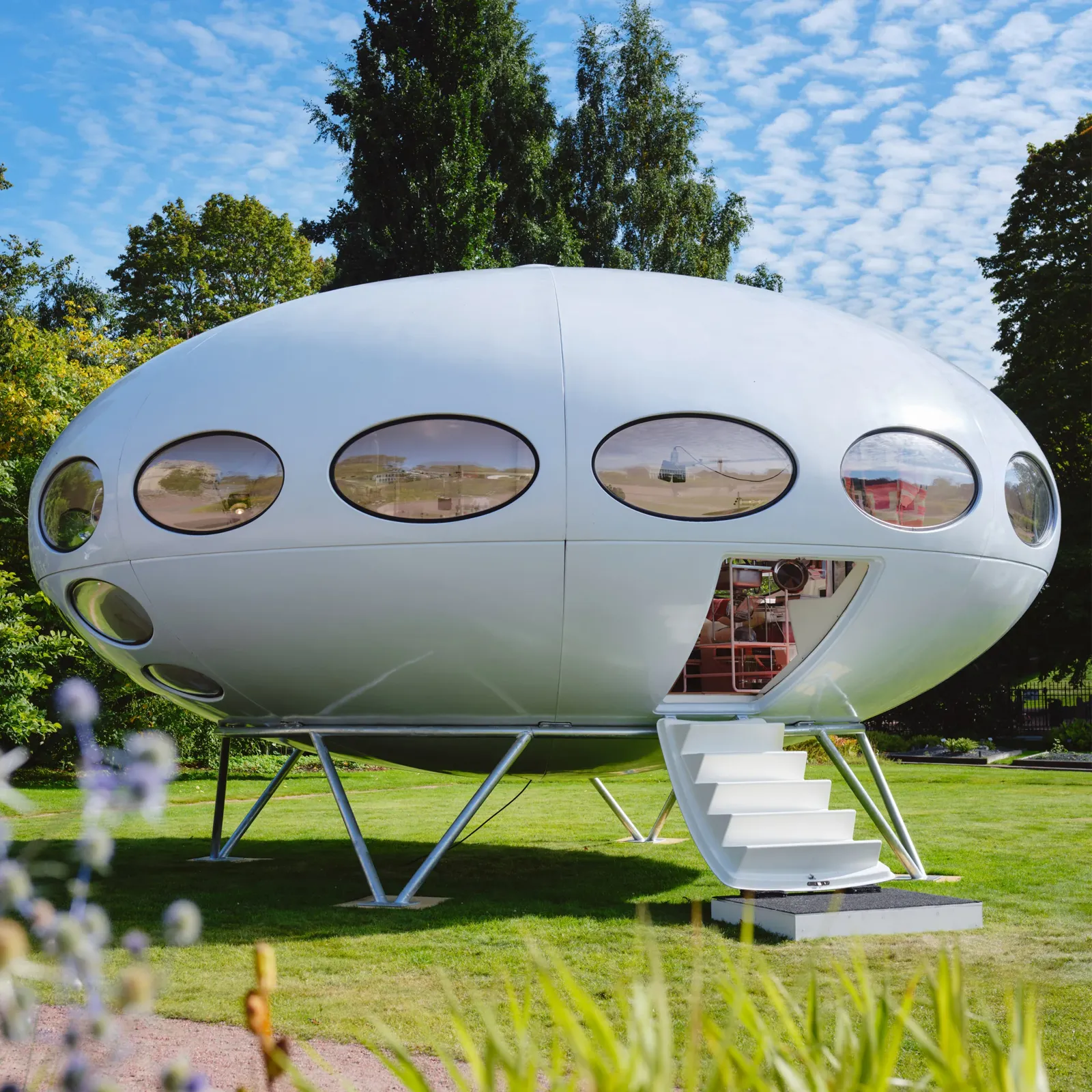
Futuro House Production Revived in Finland After Decades-Long Hiatus
A Facebook listing for abandoned moulds led to the first new Futuro...
 illustrarch Editoral Team3 Mins read
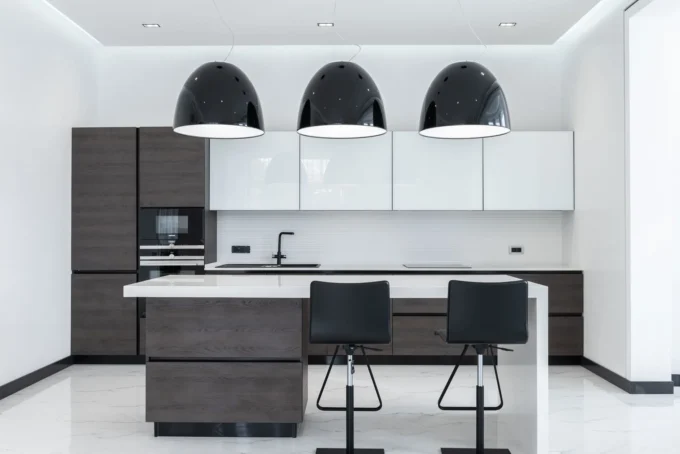
Building Your Dream Home in NSW: What You Should Know About Montgomery Homes
Montgomery Homes has been building across Sydney, Newcastle, the Hunter, Wollongong and...
illustrarch Editoral Team4 Mins read
Designing a Home Theater: Where Drapery Fits Into the Plan
In a media room the curtains are a performance layer, not decoration....
illustrarch Editoral Team3 Mins read

Oscar Niemeyer’s Cathedral of Brasília: The Hyperboloid Concrete Hymn
The Cathedral of Brasília reads as a single gesture, yet it stood...
 Furkan Sen7 Mins read


Leave a comment