

8+ Best Tiny Home Communities in South Carolina
Find tiny home communities in South Carolina. Affordable living, coastal charm, and growing community options. Compare costs and locations in SC.
 Bahattin Duran18 May 202620 Mins read207
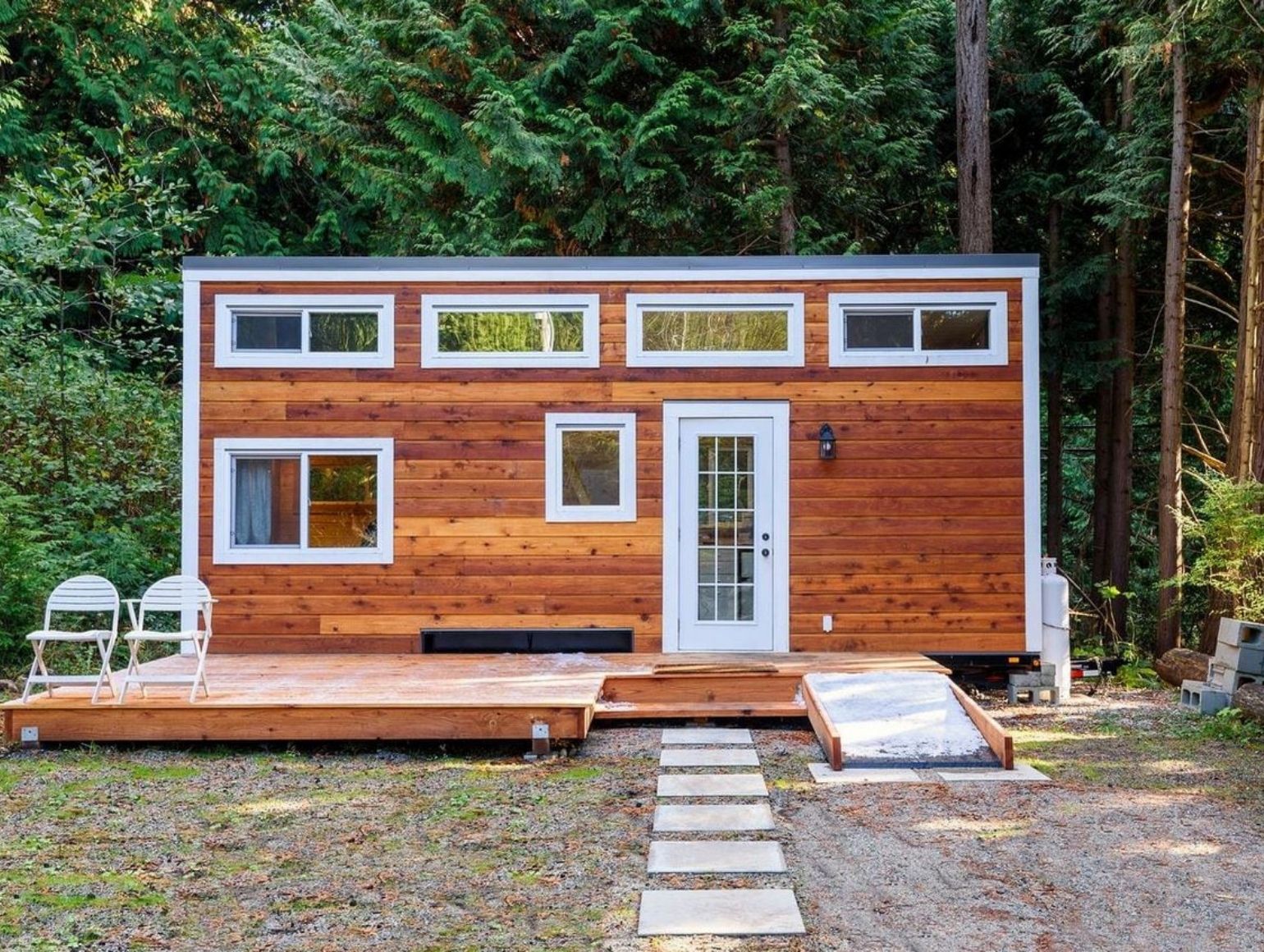
Table of Contents Show
South Carolina offers an appealing combination of affordability, Southern charm, and a mild climate that makes it an increasingly popular choice for tiny home enthusiasts. The state’s relatively low cost of living, absence of extreme weather in many inland areas, and a growing willingness among local governments to accommodate tiny homes have created fertile ground for new communities. From the historic coastal beauty near Charleston and Myrtle Beach to the foothills of the Blue Ridge in the Upstate region, tiny home communities in South Carolina provide diverse environments for tiny living. The state has also seen a notable increase in tiny home builders and community developers investing in purpose-built villages that cater to retirees, young professionals, and families alike.
Whether you are looking for lakeside retreats in the Upstate, walkable neighborhoods near Greenville, or coastal escapes along the Lowcountry, South Carolina has options that fit a range of budgets and lifestyles. This guide covers zoning requirements, the top communities currently accepting residents, cost breakdowns, hurricane preparedness, and a step-by-step relocation checklist to help you make an informed decision. For a broader look at tiny living across the country, see our guide to the top tiny house communities in the USA.
What Are the Best Tiny Home Communities in South Carolina?
The best tiny home communities in South Carolina as of 2025 include Creek Walk Village in Travelers Rest (homes from $130K, $480-$500/mo fees), Farmers Cove in Taylors (73 lakefront sites, ~$140K), The Timbers of Laurens ($135K-$150K, gated 45+ community), and Pond Walk Community near Lake Murray (Midlands region). Most SC communities are concentrated in the Upstate (Greenville area), with emerging options in the Midlands (Columbia) and Lowcountry (Charleston). Monthly living costs range from $400 to $1,400 depending on location, with the Upstate averaging $550-$1,000/month all-inclusive.
Watch: Tiny Home Communities in South Carolina
What Are the Zoning & Legal Requirements for Tiny Homes in South Carolina?
South Carolina allows tiny homes in most counties, governed by Appendix Q of the International Residential Code (IRC) for dwellings under 400 square feet. Each county sets its own zoning rules for minimum lot size, foundation type, and whether tiny homes on wheels are permitted. Foundation-based homes must meet the SC State Residential Code; homes on wheels need RVIA certification. Three counties (Pickens, York, Bamberg) currently prohibit tiny homes entirely.
South Carolina has adopted the International Code Council (ICC) building codes, including Appendix Q from the 2018 International Residential Code (IRC), which sets specific standards for dwellings under 400 square feet. You can review the full text of IRC Appendix Q on the ICC Digital Codes website. This adoption at the state level provides a general framework, but the real regulatory authority lies with individual counties and municipalities. Each jurisdiction can set its own rules regarding minimum square footage, foundation requirements, lot size, setbacks, and whether tiny homes on wheels (THOWs) are permitted.
Foundation-based tiny homes must comply with the South Carolina State Residential Code, including proper load-bearing capacity (IRC R301.1 and R403.1.6). The SC Building Codes Council oversees the adoption and modification of these codes statewide. The state requires a minimum ceiling height of 6 feet 8 inches, adequate egress windows, and standard plumbing and electrical systems. Tiny homes on wheels, on the other hand, are generally classified as Recreational Vehicles (RVs) and must carry RVIA (Recreational Vehicle Industry Association) certification to be used as permanent residences in most jurisdictions.
Before purchasing land or joining a community, always contact your local county zoning office. Regulations shift frequently, and what was restricted last year may now be permitted (or vice versa). For a deeper understanding of the legal landscape of tiny houses across the USA, our dedicated legal guide covers state-by-state nuances.
Zoning by County: Quick Reference
| County / Municipality | Tiny Homes Allowed? | Key Restrictions | Notes |
|---|---|---|---|
| Greenville County | Yes | Max 400 sq ft (IRC), min ceiling 6’8″ | Must obtain building permits; inspections required |
| Horry County | Yes | Max 750 sq ft, max height 25 ft | Allowed in multi-residential districts |
| Charleston County | Yes (with conditions) | Must meet local building codes | ADU-friendly in some zones; check municipal rules |
| Richland County | Yes | Permitted in RM-2 districts | Foundation-based required in most areas |
| Lexington County | Yes | Min lot 6,000 sq ft in parks, 50 ft avg width | Ordinance 23-13 specifically addresses tiny home parks |
| Spartanburg County | Yes | Must meet county tiny home requirements | Dedicated tiny home requirements page on county website |
| Beaufort County | Yes | Must comply with local codes | Coastal building codes apply |
| Aiken County | Yes | Standard IRC compliance | Affordable land options available |
| Pickens County | No | Tiny homes currently prohibited | Subject to change; monitor local ordinances |
| York County | No | Tiny homes currently prohibited | ADU regulations may apply separately |
| Bamberg County | No | Tiny homes currently prohibited | Limited information available |
Source: County zoning offices, Zook Cabins SC Regulations Guide, and Tiny Home Industry Association. For the full list of adopted building codes, see the SC Building Codes Council adoption page. Always verify current regulations with your local zoning office before making decisions.
Best Tiny Home Communities in South Carolina (2025)
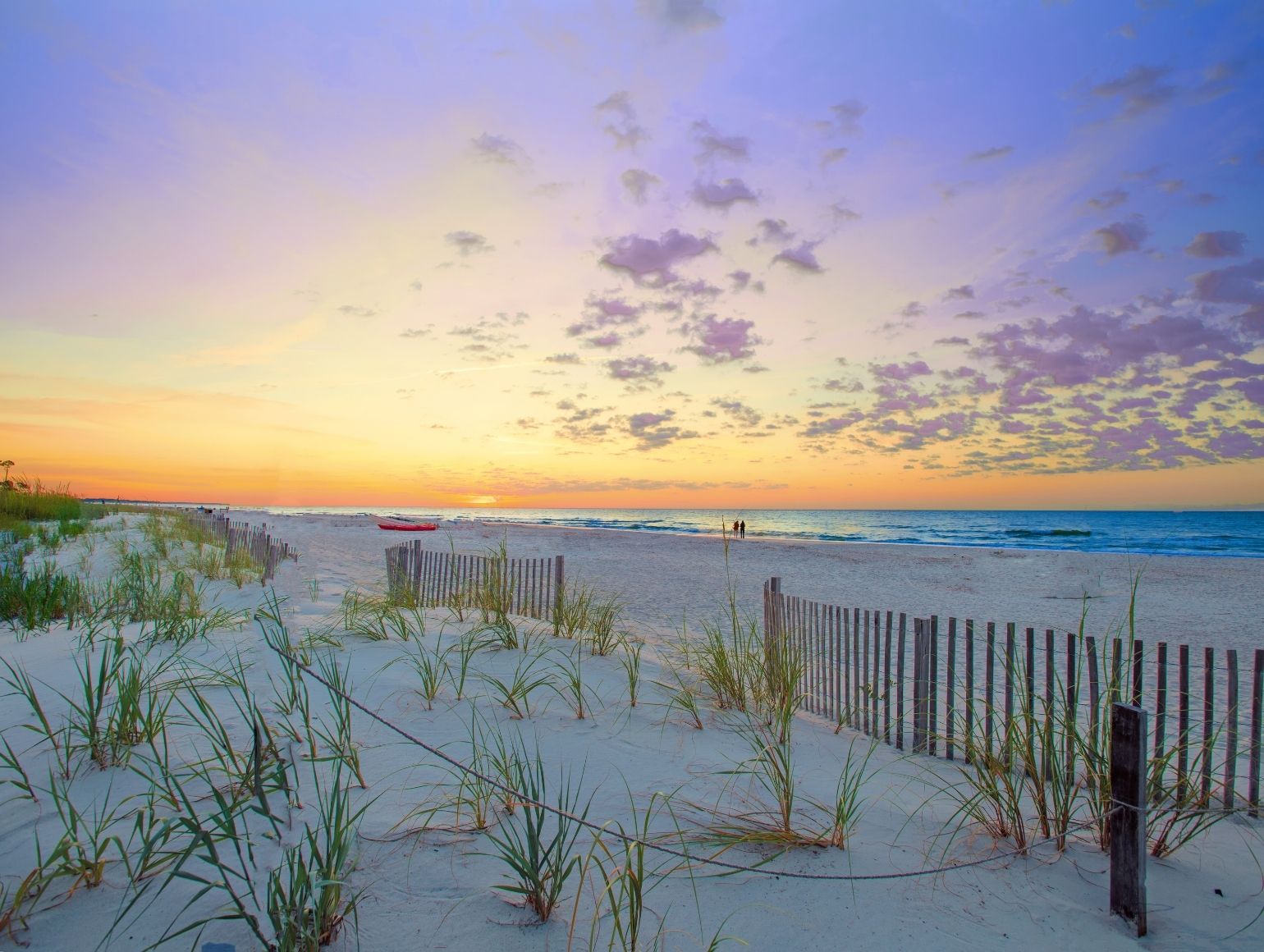
The top-rated tiny home communities in South Carolina are Creek Walk Village (Travelers Rest), Farmers Cove (Taylors), The Timbers of Laurens, Pond Walk Community (Lexington), Cottages of Anderson, Hartwell Cove Resort (Lake Hartwell), Lake Walk Community (Greer), and Little Creek Resort (Fair Play). Home prices range from $130,000 to $150,000 for purchase communities, with monthly fees between $480 and $800. Most are located in the Upstate region near Greenville.
The following communities represent the most established and actively developing tiny house communities in SC. Each has been selected based on current availability, amenities, location appeal, and resident feedback. Pricing and availability change frequently, so contacting communities directly is always recommended.
| Community | Location | Region | Home Price | Monthly Fees | Sq Ft | Key Features |
|---|---|---|---|---|---|---|
| Creek Walk Village | Travelers Rest | Upstate | From $130,000+ | $480 – $500 | Under 400 | Swamp Rabbit Trail access, community center, all utilities included in fees |
| Farmers Cove | Taylors | Upstate | From ~$140,000 | Contact for rates | 399 | Lake Robinson views, 73 home sites, mountain views, nature trails |
| Pond Walk Community | Lexington (near Lake Murray) | Midlands | Contact for pricing | Contact for rates | Varies | 5.1 acres, 2-acre pond, dog park, community garden, lake access |
| Cottages of Anderson | Anderson | Upstate | Rental only | Contact for rates | Varies | Park-like setting, full kitchen/bath, pet-friendly, rental community |
| Hartwell Cove Resort | Anderson (Lake Hartwell) | Upstate | Contact for pricing | Contact for rates | Varies | Lakefront, restaurant on-site, boat docks, RV + tiny home sites |
| The Timbers of Laurens | Laurens | Upstate | $135,000 – $150,000 | $700 – $800 (all-in) | Under 399 | 15 acres, gated, 40 homes max, 45+ community, walking trails |
| Lake Walk Community | Greer | Upstate | Contact for pricing | Contact for rates | Varies | Lake setting, sustainable living focus, community events |
| Little Creek Resort | Fair Play (Lake Hartwell) | Upstate | Lot lease | Monthly lot rates | Varies | Lakeside setting, long-term lots, RV and tiny home friendly |
Prices reflect available data as of early 2025. Contact each community directly for the most current pricing, lot availability, and move-in requirements. For a nationwide perspective, browse our roundup of popular tiny house communities across the US.
How Do SC Regions Compare for Tiny Home Living?
| Factor | Upstate (Greenville) | Midlands (Columbia) | Lowcountry (Charleston) |
|---|---|---|---|
| Affordability | Moderate | Most affordable | Most expensive |
| Community options | Most established (5+ communities) | Emerging (1-2 communities) | Limited (mostly ADUs/RV parks) |
| Scenery | Mountains, lakes, foothills | Lakes, rolling hills | Ocean, marshes, historic towns |
| Weather risk | Low (inland) | Low to moderate | High (hurricanes, flooding) |
| Zoning friendliness | Very friendly | Friendly (Lexington standout) | Moderate (complex codes) |
| Job market | Strong (BMW, healthcare, tech) | Government, education, military | Tourism, healthcare, port |
| Monthly cost range | $550 – $1,000 | $400 – $800 | $700 – $1,400+ |
What Are the Tiny Home Options in Charleston & the SC Lowcountry?
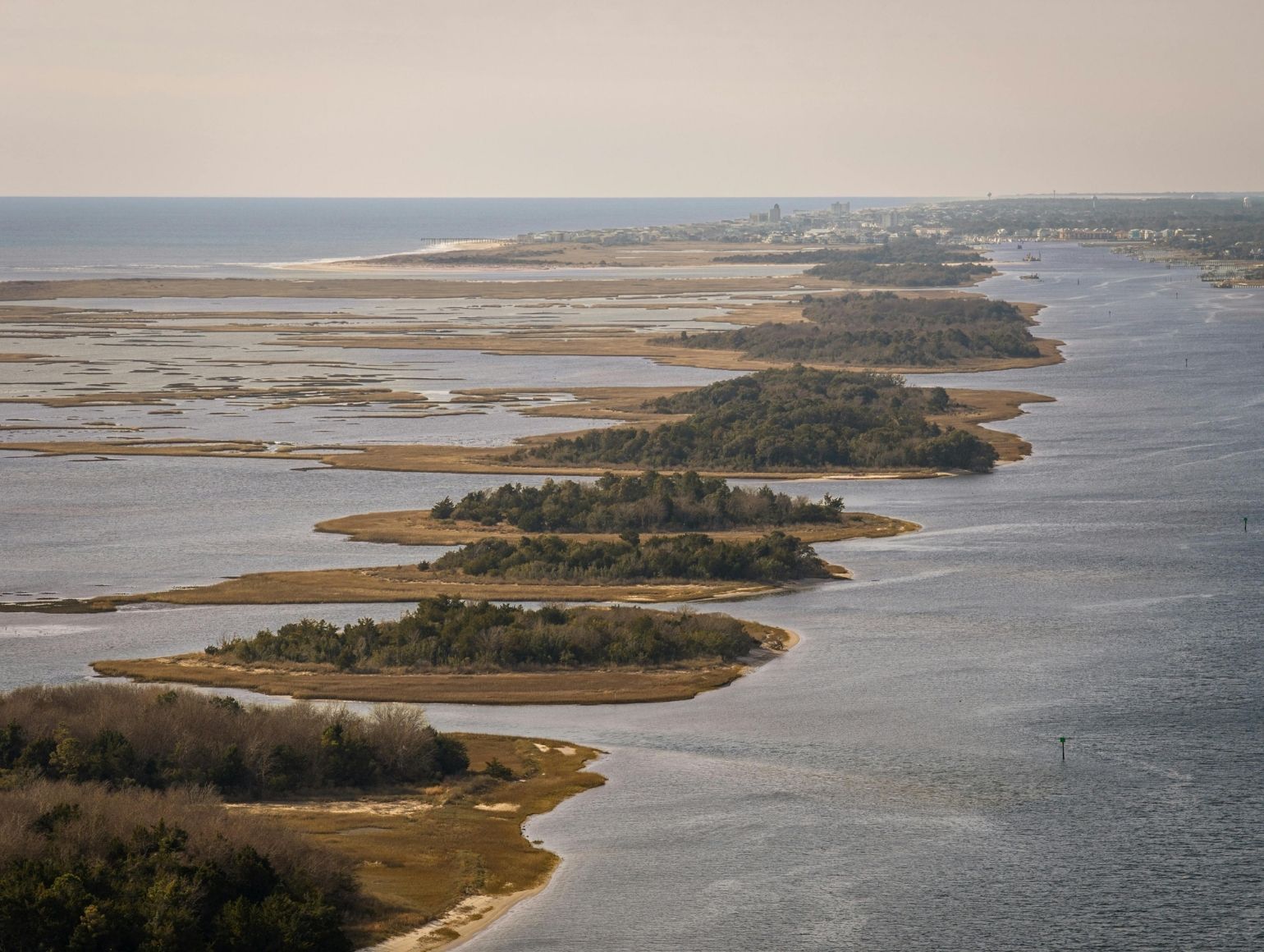
Charleston County permits tiny homes under certain conditions, but options are limited compared to the Upstate. Most Lowcountry tiny home placements are ADUs on existing residential lots or small developments outside metro areas. Expect buildable lots starting at $50,000+, mandatory flood insurance in many zones, and stricter hurricane-rated building codes. Horry County (Myrtle Beach) is the most accommodating coastal county, allowing tiny homes up to 750 square feet.
The Lowcountry region, stretching from Charleston down through Beaufort and out to the barrier islands, is one of South Carolina’s most sought-after areas for any type of housing. For tiny home communities in Charleston SC and surrounding coastal areas, the appeal lies in historic architecture, mild winters, ocean breezes, and a thriving food and arts scene.
Charleston County does allow tiny homes under certain conditions, though the regulatory landscape is more complex than in the Upstate. The city’s historic preservation standards and flood zone requirements add layers of compliance that inland communities do not face. Most tiny home options in the Lowcountry tend to be ADU (Accessory Dwelling Unit) placements on existing residential lots or small-scale developments on the outskirts of the metro area.
Beaufort County, including areas near Hilton Head and Port Royal, is another Lowcountry tiny home destination. Land prices are higher than in the Midlands or Upstate, but the coastal lifestyle and year-round tourism economy provide unique opportunities for tiny homeowners who also want to generate rental income through platforms like Airbnb or VRBO.
What Does Coastal Tiny Living Cost in the Lowcountry?
Coastal charm comes with trade-offs. Expect higher land costs (often $50,000+ for a buildable lot near Charleston), mandatory flood insurance in many zones, and stricter building codes designed to withstand hurricanes. Use the FEMA Flood Map Service Center to check whether a specific property falls within a designated flood zone. The reward is proximity to some of the most beautiful coastline on the East Coast, a vibrant cultural scene, and strong property value appreciation over time.
The tiny homes Myrtle Beach SC market is growing as well. The Grand Strand area, anchored by Myrtle Beach and extending through Horry County, has become increasingly friendly to tiny homes. Horry County allows tiny homes up to 750 square feet in multi-residential districts, making it one of the more accommodating coastal counties in the state. Several RV and tiny home parks along the Grand Strand cater to both permanent residents and seasonal visitors.
What Are the Best Tiny Home Communities Near Greenville, SC?
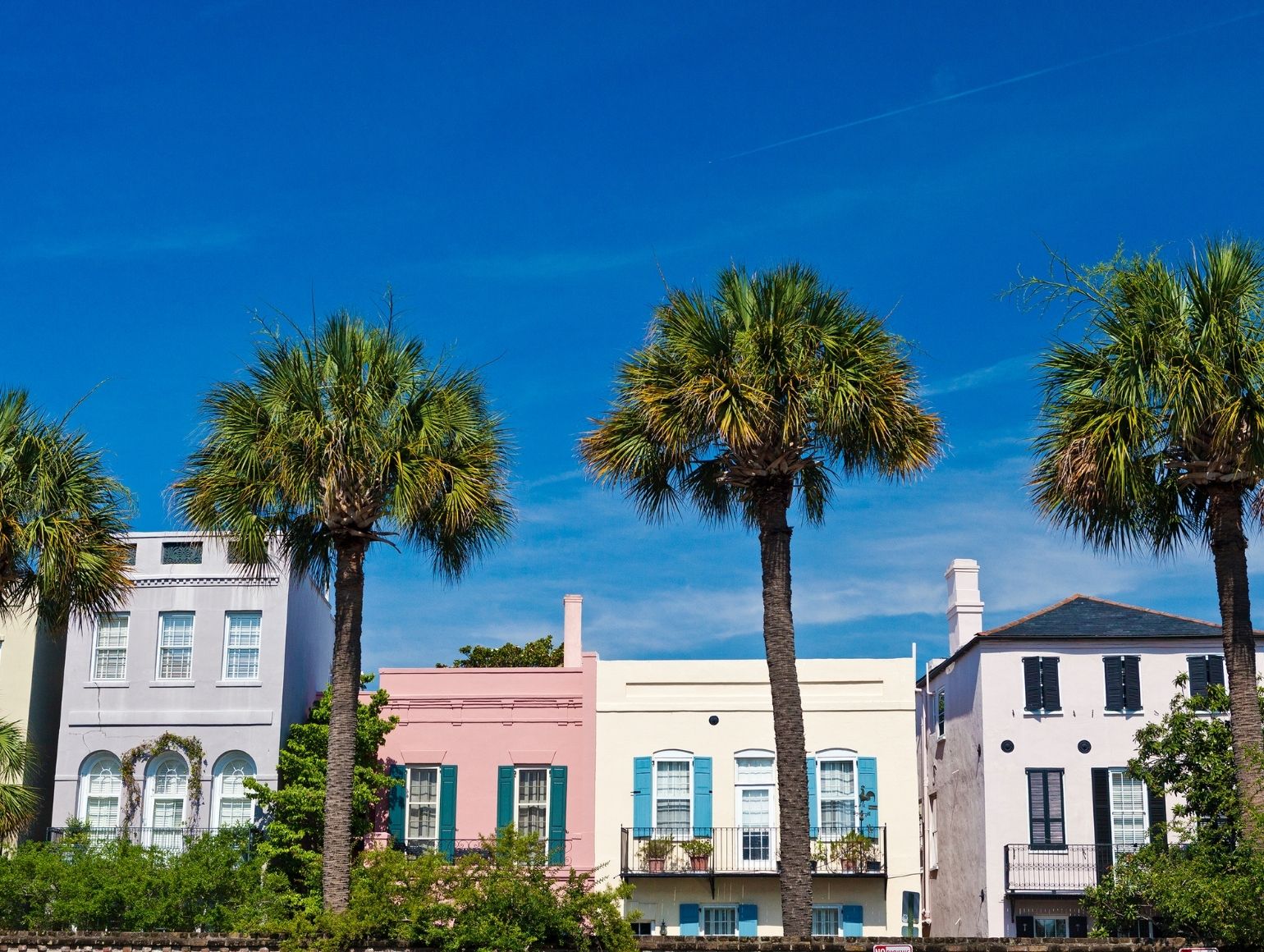
The Greenville-Upstate area has the highest concentration of tiny home communities in South Carolina. Creek Walk Village (homes from $130K, Swamp Rabbit Trail access), Farmers Cove (73 lakefront sites on Lake Robinson, ~$140K), and The Timbers of Laurens (gated 45+ community, $135K-$150K) are the top established communities. Monthly all-inclusive fees in the Upstate range from $480 to $800, covering utilities, maintenance, and land taxes.
The Upstate region is the undisputed hub of tiny home communities in Greenville SC and the surrounding foothills. This area benefits from lower land costs than the coast, a booming economy centered around Greenville and Spartanburg, and proximity to the Blue Ridge Mountains for outdoor recreation.
Creek Walk Village in Travelers Rest is arguably the most well-known tiny home community in the state. Located on the Swamp Rabbit Trail, just one mile from downtown Travelers Rest and a 20-minute drive to downtown Greenville, Creek Walk offers homes starting in the low $130,000s with monthly village fees of $480 to $500 that cover power, water, sewer, trash, property maintenance, WiFi, land taxes, and community amenities. The community is currently in its final phase of development.
Farmers Cove, located on Lake Robinson in Taylors, is another standout. This community plans for 73 tiny homes with lake and mountain views, nature trails, and a focus on community connection. Homes are 399 square feet with 1 bedroom, 1.5 bathrooms, and a standing loft. Recent sales have closed around $140,000.
For those seeking more space between homes, The Timbers of Laurens offers 40 homes on 15 acres (compared to some communities that pack 160 homes on 20 acres). This gated, 45-and-older community features five customizable models priced between $135,000 and $150,000, with monthly all-inclusive costs of $700 to $800.
Why Is the Upstate the Most Popular Region for Tiny Homes in SC?
The tiny home communities in the Upstate SC region benefit from a combination of factors that are hard to match elsewhere in the state. Greenville has been recognized as one of the top small cities in the U.S. for quality of life, dining, and outdoor recreation. The Swamp Rabbit Trail, a 22-mile paved greenway, connects several communities and has been a significant driver of development in the area. Employment opportunities in manufacturing, healthcare, technology, and the BMW manufacturing campus in Spartanburg provide economic stability.
What Are the Most Affordable Tiny Home Areas in South Carolina?
The Midlands region (Columbia, Lexington, West Columbia) offers the lowest entry cost for tiny home living in South Carolina. Buildable lots start at $15,000-$30,000, and monthly living costs range from $400 to $800. Lexington County’s Ordinance 23-13 specifically addresses tiny home parks with clear zoning rules. Pond Walk Community near Lake Murray is the leading development in the region.
The Midlands region, centered around the state capital of Columbia, offers the most affordable entry point for tiny home living in South Carolina. Land prices are significantly lower than in both the Lowcountry and the Upstate, and the central location provides reasonable access to both the mountains and the coast.
Pond Walk Community near Lake Murray in Lexington County is the most notable development in the region.
This 5.1-acre property, which includes a 2-acre pond, is being developed with amenities like fire pits, a community garden, a dog park, a half-mile walking path, lake access, a fishing dock, and water toys including paddle boards and kayaks. The community sources its homes through Stone Canyon Cabins of Columbia.
Lexington County deserves special mention for its progressive approach to tiny home regulation. Ordinance 23-13 specifically addresses tiny home parks, establishing clear rules for lot sizes (minimum 6,000 square feet per space), driveway standards, and spacing requirements. This kind of regulatory clarity makes the Midlands an attractive option for both community developers and individual tiny homeowners.
Richland County, which includes most of Columbia, permits tiny homes in RM-2 zoning districts. The city of West Columbia has also been identified as tiny-home friendly, offering relatively affordable land within commuting distance of the state capital.
How to Find Affordable Tiny Home Land in the Midlands
Affordable tiny homes in South Carolina are most accessible in the Midlands. Buildable lots can be found for $15,000 to $30,000 in some areas, and the lower cost of living compared to Charleston or Greenville means that monthly expenses for utilities, insurance, and groceries are reduced as well. The trade-off is less dramatic scenery and fewer established community options compared to the Upstate.
How Much Does It Cost to Live in a Tiny Home Community in SC?
Living in a South Carolina tiny home community costs between $400 and $1,400+ per month depending on location. The Upstate (Greenville area) averages $550-$1,000/month, the Midlands (Columbia area) is the cheapest at $400-$800/month, and the Lowcountry (Charleston area) runs $700-$1,400+ due to higher land values and insurance. Tiny home purchase prices range from $60,000 in the Midlands to $180,000+ along the coast.
Understanding the full financial picture is essential before committing to tiny home living. The tiny home community cost in SC varies significantly based on region, community type, and whether you are purchasing or renting. Below is a detailed breakdown of typical costs.
| Cost Category | Upstate (Greenville Area) | Midlands (Columbia Area) | Lowcountry (Charleston Area) |
|---|---|---|---|
| Tiny Home Purchase | $80,000 – $150,000 | $60,000 – $120,000 | $100,000 – $180,000+ |
| Land / Lot (if buying separately) | $25,000 – $60,000 | $15,000 – $35,000 | $50,000 – $150,000+ |
| Monthly Community / Lot Fees | $450 – $800 | $300 – $600 | $500 – $900 |
| Utilities (if not included) | $75 – $150/mo | $60 – $130/mo | $80 – $160/mo |
| Insurance (annual) | $500 – $1,200 | $400 – $1,000 | $1,000 – $3,000+ |
| Property Tax (annual est.) | $300 – $800 | $200 – $600 | $500 – $1,500 |
| Flood Insurance (coastal, annual) | N/A (most areas) | N/A (most areas) | $500 – $3,000+ |
| Estimated Monthly Total | $550 – $1,000 | $400 – $800 | $700 – $1,400+ |
Disclaimer: These figures are estimates based on available data from community listings, real estate platforms, and regional averages as of early 2025. Actual costs will vary based on specific community fees, home size, customization, and individual circumstances. Always request a detailed cost sheet from your chosen community before making financial commitments.
What Is Typically Included in SC Tiny Home Community Fees?
Most South Carolina communities bundle several expenses into a single monthly fee. Here is what the major communities include:
| Community | Monthly Fee | Included in Fee | Not Included |
|---|---|---|---|
| Creek Walk Village | $480 – $500 | Power, water, sewer, trash, WiFi, maintenance, land taxes, amenities | Home purchase, personal insurance |
| The Timbers of Laurens | $700 – $800 | Power, water, sewer, amenities, gated access, trail maintenance | Home purchase, personal insurance |
| Typical RV/THOW Lot | $300 – $500 | Lot lease, water/sewer hookup, trash | Electricity, internet, insurance, taxes |
Many SC communities include utilities in their monthly fees. Creek Walk Village, for example, bundles power, water, sewer, trash, WiFi, maintenance, and land taxes into its $480-$500 monthly fee, making budgeting straightforward. The Timbers of Laurens similarly includes power, water, sewer, and amenities in its $700-$800 monthly cost.
Tiny homes on wheels that are classified as RVs may be exempt from traditional property taxes in some jurisdictions, though they may be subject to vehicle registration fees instead. Foundation-based tiny homes are taxed as real property, but the assessed value is typically much lower than a conventional home, resulting in modest annual tax bills.
What Are the Hurricane & Coastal Building Requirements for SC Tiny Homes?

Tiny homes in South Carolina’s coastal counties must meet enhanced wind-load requirements (up to 150+ mph), comply with FEMA flood zone elevation standards, and carry flood insurance if located in Zone A or Zone V. The SC Building Codes Council mandates hurricane straps, impact-resistant windows, and reinforced roof-to-wall connections for coastal structures. Foundation-based tiny homes perform significantly better in severe weather than homes on wheels.
South Carolina’s coastline stretches approximately 187 miles, and the state is no stranger to hurricanes. Anyone considering tiny homes in South Carolina along the coast must factor in wind resistance, flood zone placement, and evacuation planning.
What Building Codes Apply to Coastal Tiny Homes in SC?
Tiny homes in coastal counties must comply with enhanced wind-load requirements. The South Carolina Building Codes Council mandates that structures in designated wind zones be engineered to withstand specific wind speeds, which can reach 150+ mph in some coastal areas. This means reinforced framing, hurricane straps, impact-resistant windows, and proper roof-to-wall connections are not optional additions but code requirements.
FEMA flood zone designations play a major role in where and how you can build. Properties in Zone A or Zone V (coastal high hazard) require elevation above the Base Flood Elevation (BFE), which can significantly increase construction costs. Check your property’s flood risk using the FEMA Flood Map Service Center. Flood insurance is mandatory for properties in these zones if you have a federally backed mortgage, and even without a mortgage, it is strongly recommended.
How to Prepare a Tiny Home for Hurricane Season in SC
Tiny homes on permanent foundations generally fare better in severe weather than those on wheels. If you live in a THOW in a coastal or hurricane-prone area, having a documented evacuation plan and the ability to relocate your home is critical. Most RV parks and tiny home communities in coastal areas have established evacuation protocols.
For off-grid tiny homes in South Carolina located in rural coastal areas, additional considerations include backup power (generators or battery storage), water purification systems, and emergency supply storage. The SC Emergency Management Division provides county-specific evacuation routes and preparedness resources.
Disclaimer: Coastal building in South Carolina carries inherent risks from hurricanes, flooding, and storm surge. The information provided here is general guidance and does not replace professional engineering assessments, local building code compliance, or consultation with insurance professionals. Always work with licensed contractors familiar with SC coastal building requirements.
How to Move to a Tiny Home Community in South Carolina
Moving to an SC tiny home community requires 8 key steps: research county zoning, visit communities in person, secure financing (personal/RV/chattel loans), arrange transport for THOWs, set up utilities, transfer SC residency within 90 days, get appropriate insurance, and engage with the community. Most established communities handle zoning compliance and utility hookups, simplifying the process significantly.
Relocating to a tiny home community in South Carolina involves more steps than simply buying a home and moving in. Here is a practical checklist to guide your transition.
Step 1: Research Zoning and Regulations
Contact the zoning office in your target county. Confirm that tiny homes are permitted, whether you need a foundation or can use a THOW, and what permits are required. Use the county zoning table above as a starting point, and review the IRC Appendix Q requirements to understand the baseline building standards your home must meet.
Step 2: Visit Communities in Person
Online research only goes so far. Visit at least two or three communities before making a decision. Many, like Creek Walk, offer short-term vacation rentals so you can experience the lifestyle before committing. Pay attention to the community culture, noise levels, maintenance quality, and proximity to services you need.
Step 3: Secure Financing
Traditional mortgages rarely apply to tiny homes. Explore options including personal loans, RV loans (for RVIA-certified homes), chattel loans, and builder financing. Some communities offer in-house financing or can connect you with lenders who specialize in tiny home purchases.
Step 4: Arrange Transport (if applicable)
If you are bringing a THOW, hire a licensed transporter experienced with oversized loads. Verify route permits, escort requirements, and delivery logistics with the community. Tiny home builders in South Carolina like Southern Comfort Tiny Homes in Greenville can build on-site or deliver anywhere in the continental U.S. For more builder options, check out our list of the best tiny house building companies in the USA.
Step 5: Set Up Utilities and Services
In most communities, utility connections are handled as part of the lot lease. For off-grid setups or private land, you will need to arrange well water or municipal water hookup, septic or sewer connection, electrical service, and internet. South Carolina’s rural electric cooperatives serve many areas where tiny homes are popular.
Step 6: Transfer Residency
Update your driver’s license, vehicle registration, and voter registration to your new SC address. South Carolina requires new residents to obtain an SC driver’s license within 90 days. The state has no state income tax on Social Security benefits, which is an advantage for retirees.
Step 7: Get Insurance in Place
Secure homeowner’s or renter’s insurance appropriate for your home type. THOW owners may need a specialized RV or tiny home policy. Coastal residents should add flood insurance and windstorm coverage. Get quotes from at least three insurers for comparison.
Step 8: Connect with the Community
Introduce yourself to neighbors, attend community events, and learn the rules and expectations of your community. The tiny home lifestyle thrives on connection and shared values, and being an active community member will enrich your experience. To understand more about the benefits of joining a tiny house community, our dedicated article explores social, financial, and lifestyle advantages in detail.
Frequently Asked Questions
Can you legally live in a tiny home full-time in South Carolina?
Yes, you can legally live in a tiny home full-time in South Carolina, provided it complies with local building codes and zoning regulations. Foundation-based tiny homes must meet the SC State Residential Code. Tiny homes on wheels need RVIA certification and must be located in a jurisdiction that permits them as permanent residences.
What counties in South Carolina do not allow tiny homes?
As of 2025, Pickens County, York County, and Bamberg County do not allow tiny homes. Lee County, Allendale County, and Calhoun County have unclear or limited information regarding tiny home regulations. Always verify with local zoning offices, as these policies can change.
How much does it cost to live in a tiny home community in SC?
Monthly costs vary by region. In the Upstate (Greenville area), expect $550 to $1,000 per month for community fees, utilities, and insurance combined. Midlands communities are slightly cheaper at $400 to $800 per month. Coastal communities run $700 to $1,400+ per month due to higher land costs and insurance requirements.
Are there tiny home communities near the beach in South Carolina?
Horry County (Myrtle Beach area) is the most accommodating coastal county for tiny homes, allowing structures up to 750 square feet. The Grand Strand area has several RV parks and tiny home sites that welcome permanent residents. Charleston and Beaufort counties also permit tiny homes under certain conditions, though options are more limited and costs are higher.
What is the minimum size for a tiny home in South Carolina?
There is no specific statewide minimum size for tiny homes in South Carolina. Under Appendix Q of the IRC, tiny homes are defined as dwellings under 400 square feet. Individual counties may set their own size parameters. For example, Horry County defines tiny homes as detached single-family homes under 750 square feet.
Can I build a tiny home on my own land in South Carolina?
Yes, you can build a tiny home on your own land in most SC counties, provided the land is zoned for residential use and the home complies with local building codes. You will need to obtain building permits, pass inspections, and in many cases, connect to utilities or install an approved septic system. Check with your county planning department for specific requirements.
Do tiny homes in SC pay property taxes?
Foundation-based tiny homes are taxed as real property, but because of their low assessed value, annual property tax bills are typically modest (often $200 to $800 depending on location and value). Tiny homes on wheels classified as RVs may be exempt from traditional property taxes but could be subject to vehicle registration and personal property taxes.
What are the best tiny home builders in South Carolina?
Tiny home builders in South Carolina include Southern Comfort Tiny Homes (Greenville), Stone Canyon Cabins (Columbia), and Eclipse Cottages, which supplies homes to Creek Walk Village. Several national builders like Zook Cabins and Great Lakes Tiny Homes also deliver to South Carolina. Always verify RVIA certification status if you plan to have your home classified as an RV.
Is South Carolina a good state for off-grid tiny living?
Off-grid tiny homes in South Carolina are possible in many rural counties, particularly in the Upstate and Midlands. The state does not have a blanket prohibition on off-grid living, but individual counties regulate water, septic, and electrical requirements differently. Solar power is viable across the state, with an average of 213 sunny days per year. Rainwater harvesting is legal in South Carolina for non-potable uses.
How do I find available lots in SC tiny home communities?
Start by contacting communities directly through their websites. Creek Walk Village, Farmers Cove, and Pond Walk all accept inquiries through their websites. The Tiny Home Industry Association (THIA) maintains a directory of SC communities as well.
Final Thoughts
South Carolina’s combination of affordable land, a mild climate, progressive zoning in many counties, and a growing network of established communities makes it one of the stronger states for tiny home living in the Southeast. The Upstate currently leads in community development, with Greenville-area options like Creek Walk and Farmers Cove setting the standard for what purpose-built tiny home villages can offer. The Midlands provides the best value for budget-conscious buyers, while the Lowcountry delivers the lifestyle appeal of coastal living at a premium.
Whatever your priorities, thorough research into local zoning, honest budgeting, and in-person visits are the foundation of a successful transition to tiny living. South Carolina is ready for tiny homeowners. The question is whether tiny living is ready for you.
- affordable tiny home communities south carolina
- best tiny home communities in south carolina
- best tiny home communities south carolina
- south carolina tiny home communities
- tiny home communities south carolina
- tiny home community south carolina
- tiny homes south carolina
- tiny house communities in south carol…tiny home communities in south carolina
- tiny house communities in south carolina






Tiny House Water Systems: Your Complete Guide to Plumbing, Rainwater Harvesting and Off-Grid Solutions
A practical guide to designing a tiny house water system, covering PEX...
Bahattin Duran14 Mins read
Off-Grid Tiny House Living: Complete Setup Guide for Beginners
This guide walks you through every stage of setting up an off-grid...
Bahattin Duran15 Mins read
Tiny House with Loft: Design Ideas, Plans and Building Tips for Vertical Living
A complete guide to designing and building a tiny house with loft,...
Bahattin Duran15 Mins read
8+ Best Tiny Home Communities in Michigan: Great Lakes Tiny Living Guide
Explore tiny home communities in Michigan. Great Lakes lifestyle, affordable land, and...
Bahattin Duran18 Mins read


Leave a comment