

10+ Best Tiny Home Communities in Arizona: Complete Desert Tiny Living Guide
Find tiny home communities in Arizona. Desert living, affordable land, and off-grid options. Compare costs, communities, and zoning laws across AZ.
 Bahattin Duran29 April 202622 Mins read251
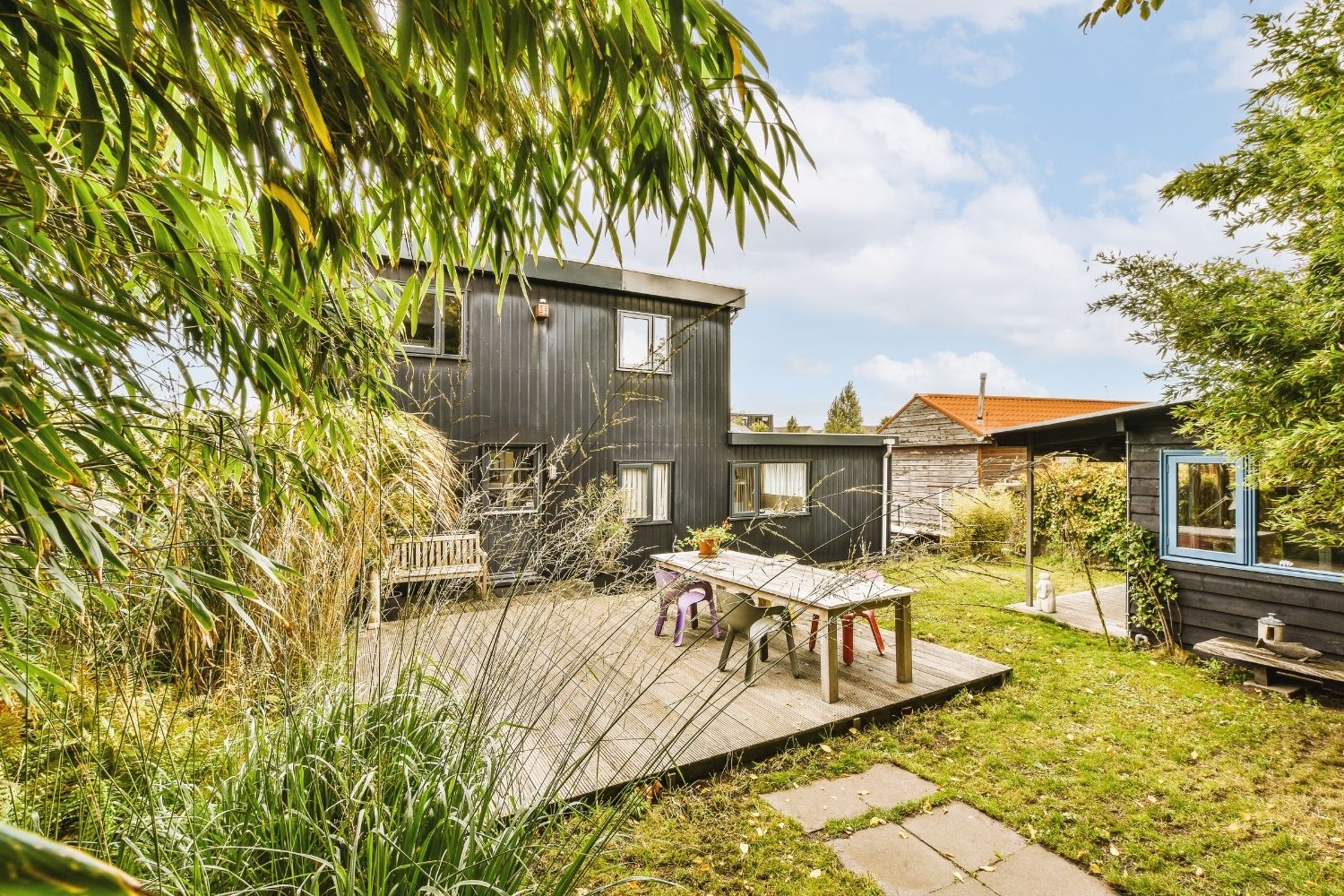
Table of Contents Show
Arizona’s top tiny home communities are located in Phoenix (lot rent $600-$900/mo), Tucson ($400-$650/mo), Sedona ($700-$900/mo), and rural areas like Mohave County (land purchase $25K-$50K for off-grid setups). The state adopted IRC Appendix Q in 2019, defining tiny homes as 400 sq ft or less, though adoption varies by county. Monthly living costs in Arizona tiny home communities range from $605 to $1,450, with off-grid options as low as $100-$240/mo. Arizona’s 299 sunny days per year make it one of the best states for solar-powered tiny living.
Arizona has become a rising star in the tiny home movement, offering a unique combination of abundant sunshine, incredibly affordable land outside the major metro areas, and a frontier spirit that embraces alternative lifestyles. The state’s desert climate presents both advantages and challenges for tiny home living: on one hand, the dry weather reduces many of the moisture and mold concerns that plague tiny homes in humid regions; on the other hand, extreme summer heat demands careful attention to insulation, cooling systems, and energy efficiency. From the growing tiny home communities in Arizona around Phoenix and Tucson to the off-grid desert homesteads near Sedona and the White Mountains, Arizona provides a wide spectrum of tiny living options. This guide covers the best communities, desert-specific building considerations, solar energy opportunities, and the true costs of tiny home living under the Arizona sun. For a broader look at tiny living across the country, see our guide to the top tiny house communities to consider in the USA.
Arizona Tiny Home Communities at a Glance
| Best Budget Area | Tucson / Pima County ($400-$650/mo) |
| Best for Off-Grid | Mohave County (land from $2K-$10K/acre) |
| Best Urban Option | Phoenix Metro ($600-$900/mo) |
| Best Scenery | Sedona / Verde Valley ($700-$900/mo) |
| Tiny Home Cost Range | $20K (DIY) to $150K (professional build) |
| Solar Potential | 299 sunny days/year, 5 to 7.5 peak sun hours |
| Legal Framework | IRC Appendix Q (400 sq ft max), county-level adoption |
Video: Tiny home communities in Arizona offer diverse living options from urban Phoenix communities to remote desert off-grid homesteads.
What Are the Zoning & Legal Requirements for Tiny Homes in Arizona?
Tiny homes are legal in Arizona, but regulations vary by county. The state adopted IRC Appendix Q in 2019 (defining tiny homes as 400 sq ft or less), though local adoption is voluntary. Tiny homes on foundations follow residential building codes, while tiny homes on wheels (THOWs) are classified as RVs. The most permissive counties include Pima (no minimum sq ft in unincorporated areas), Mohave, and Cochise.
Understanding tiny home zoning Arizona regulations is the first step before committing to any community or piece of land. Arizona does not have a single statewide policy on tiny homes. Instead, zoning and permitting decisions fall to individual counties and municipalities, which means rules can vary dramatically from one jurisdiction to the next.
In 2019, Arizona adopted Appendix Q of the International Residential Code (IRC), which defines a tiny house as a dwelling unit of 400 square feet or less (excluding lofts). However, adoption of Appendix Q by local jurisdictions remains voluntary. Some counties have embraced tiny homes with open arms, while others still require minimum square footage that effectively bans most tiny house designs.
There is also a critical distinction between tiny homes on wheels (THOWs) and tiny homes on foundations. THOWs are generally classified as recreational vehicles (RVs) in Arizona, meaning they are subject to RV parking regulations rather than residential building codes. Tiny homes on permanent foundations are treated as standard residential structures and must meet local building codes, including minimum square footage requirements where applicable.
What Is the Difference Between THOWs and Foundation Tiny Homes in Arizona?
| Feature | Tiny Home on Wheels (THOW) | Tiny Home on Foundation |
|---|---|---|
| Classification | Recreational Vehicle (RV) | Residential Structure |
| Building Code | ANSI/RVIA standard | IRC Appendix Q / local codes |
| Building Permit | Generally not required | Required in most jurisdictions |
| Parking Rules | RV park regulations apply | Residential zoning rules apply |
| Full-Time Living | Restricted in some urban areas | Allowed in residential zones |
| Financing | Personal/RV loan | Eligible for mortgage |
| Mobility | Relocatable | Permanent |
Zoning by County: Quick Reference
| County | Min. Sq Ft | THOWs Allowed? | ADU Friendly? | Notes |
|---|---|---|---|---|
| Maricopa | Varies by city | Limited (RV rules) | Yes (Phoenix) | Phoenix updated ADU ordinance in 2023 |
| Pima | None in unincorporated | Yes (some zones) | Yes | Tucson area, relatively permissive |
| Yavapai | None in rural zones | Yes (rural) | Varies | Prescott/Sedona area, check local overlay |
| Coconino | Varies | Limited | Varies | Flagstaff has stricter regulations |
| Mohave | None in many zones | Yes | Yes | Very permissive, popular for off-grid |
| Pinal | Varies | Yes (some areas) | Yes | Between Phoenix and Tucson corridor |
| Cochise | None in unincorporated | Yes | Yes | Very affordable land, minimal restrictions |
| Apache | None in rural | Yes | Limited | White Mountains, cooler climate option |
Best Tiny Home Communities in Arizona: Top 10 Comparison
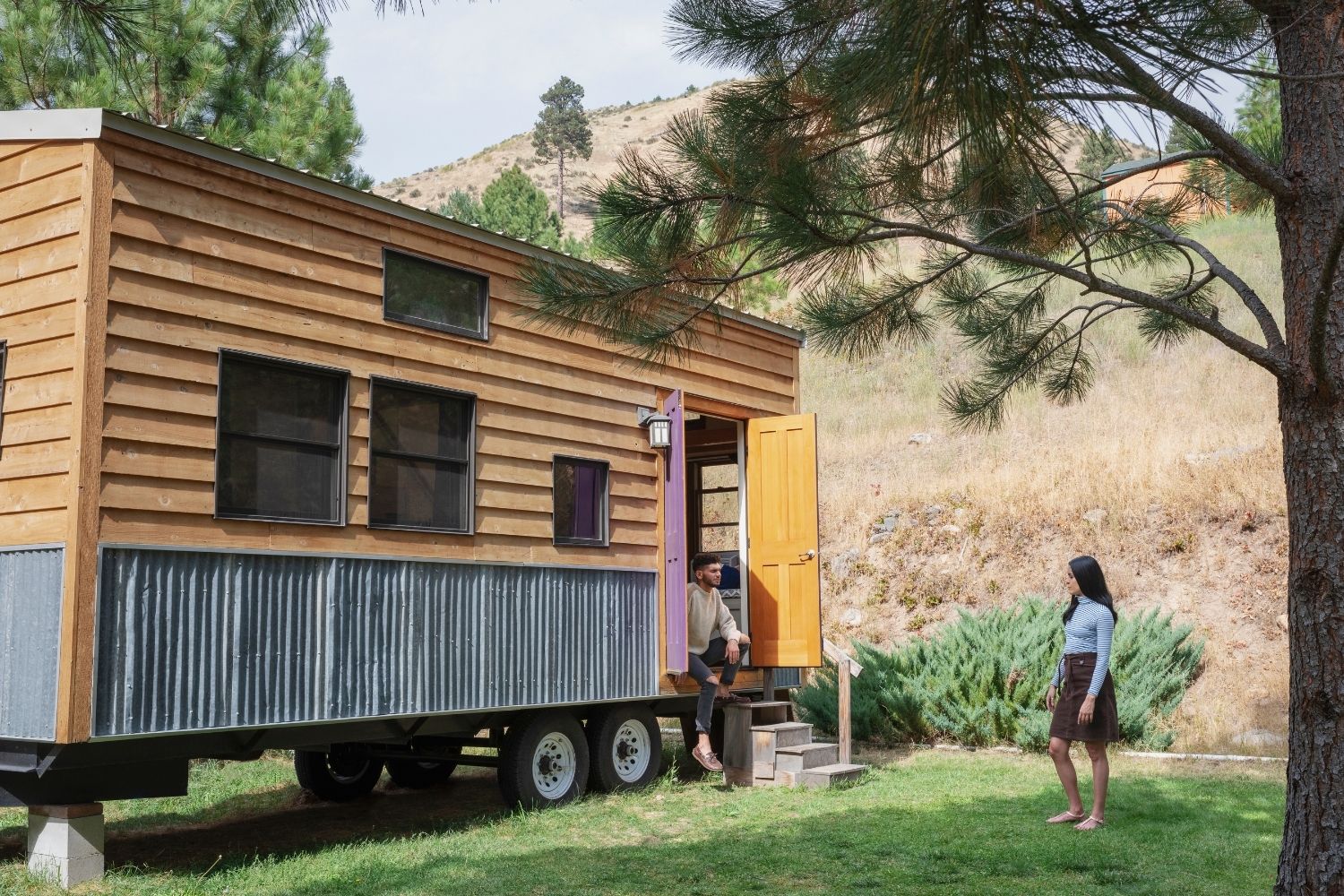
The best tiny home communities in Arizona include Verde Valley Tiny Homes (Camp Verde, $500-$700/mo), Desert Dwellers Tiny Community (South Tucson, $450-$650/mo), Cactus Tiny Village (Mesa, $600-$800/mo), and Red Rock Tiny Living (Sedona, $700-$900/mo). For off-grid living, Mohave Off-Grid Homesteads near Kingman offers land-plus-setup packages starting at $25,000. Options range from fully managed urban communities with pools and co-working spaces to remote desert homesteads with solar and well water.
Finding the best tiny home communities in Arizona requires balancing factors like location, community amenities, lot rental costs, and the level of independence each community offers. Below is a curated comparison of the top communities currently active or in development across the state. If you are also exploring options beyond Arizona, our national tiny house communities guide covers the best options across the country.
| Community | Location | Type | Lot Rent / Cost | Amenities | Off-Grid? |
|---|---|---|---|---|---|
| Escalante Village | Durango, Colorado (outside Arizona) | Foundation | $60K-$120K (purchase) | Community garden, trails, gathering spaces | No |
| Verde Valley Tiny Homes | Camp Verde | Foundation & THOW | $500-$700/mo lot rent | Utilities, laundry, community center | No |
| Desert Dwellers Tiny Community | South Tucson | THOW & Foundation | $450-$650/mo | Shared kitchen, workshop, solar hookups | Partial |
| Cactus Tiny Village | Mesa | Foundation | $600-$800/mo | Pool, fitness area, community events | No |
| Sonoran Micro Homes | Phoenix (South) | Foundation | $75K-$130K (purchase) | Full utilities, shared green spaces | No |
| Red Rock Tiny Living | Sedona Area | THOW | $700-$900/mo | Scenic lots, hiking access, co-working | Partial |
| Prescott Tiny Home Park | Prescott | THOW & Park Model | $550-$750/mo | Full hookups, pet friendly, clubhouse | No |
| Mohave Off-Grid Homesteads | Kingman Area | Foundation & THOW | $25K-$50K (land + setup) | Solar included, well water, minimal | Yes |
| Bisbee Artisan Tiny Village | Bisbee | Foundation | $400-$600/mo | Artist studios, gallery, community dinners | No |
| White Mountain Eco-Village | Show Low | Foundation | $55K-$95K (purchase) | Forest setting, communal workshop, gardens | Partial |
Disclaimer: Community availability, pricing, and amenities are subject to change. Contact each community directly for current information and availability.
How to Find Tiny Home Communities in the Phoenix Metro Area
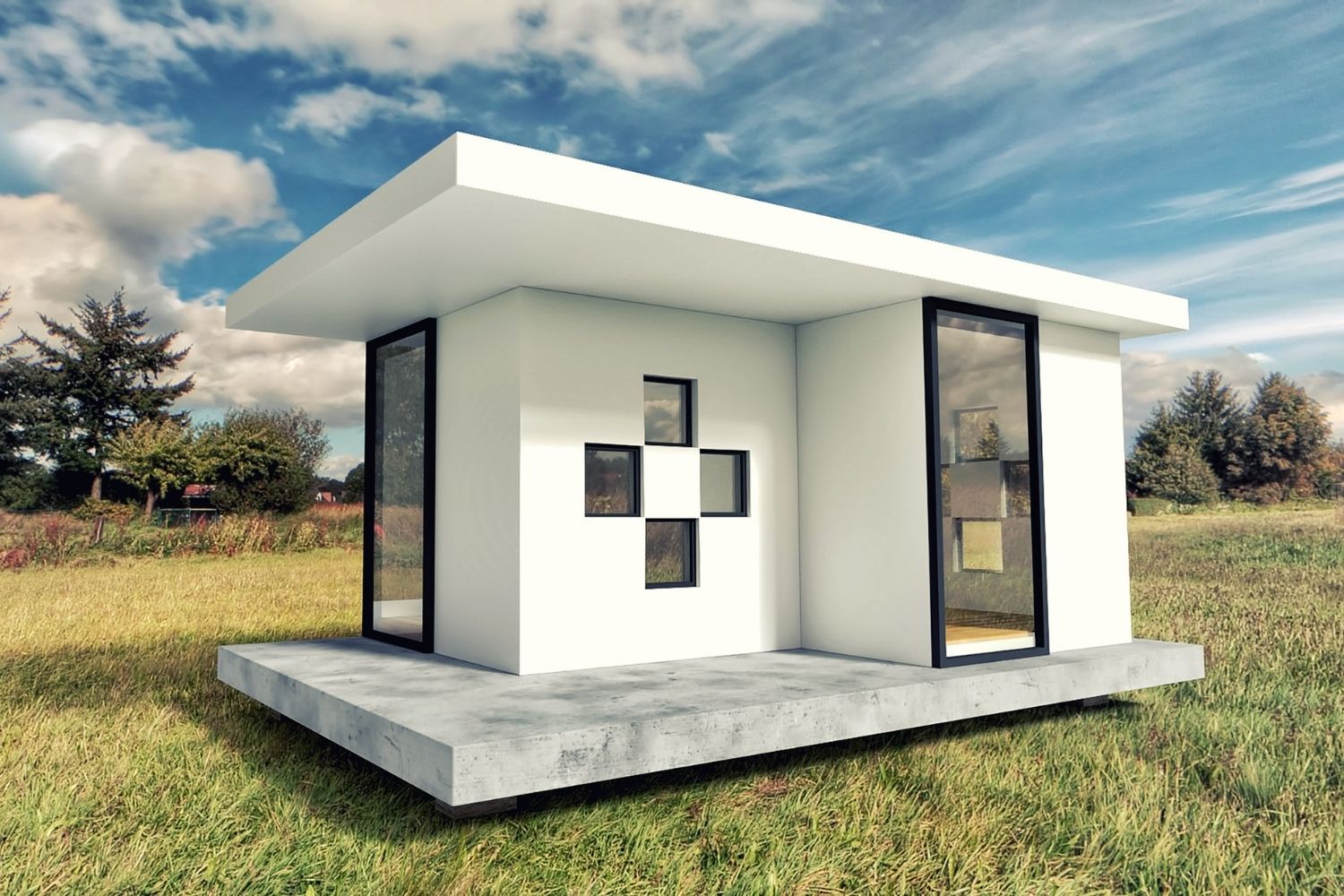
Phoenix offers Arizona’s largest selection of urban tiny home communities, with lot rents from $600 to $900 per month. The city’s 2023 ADU ordinance allows accessory dwelling units up to 1,000 sq ft on single-family lots. Key challenges include extreme summer heat (110°F+), requiring R-19+ wall insulation, reflective roofing, and ductless mini-split cooling. Suburban fringe lots with utilities start at $80,000-$150,000.
The Phoenix metro area is the largest population center in Arizona and a growing hub for tiny home communities Phoenix Arizona residents are exploring. The city of Phoenix passed an updated Accessory Dwelling Unit (ADU) ordinance in 2023 that made it significantly easier to place smaller dwelling units on existing residential lots. This change opened the door for homeowners to add tiny homes as guest houses, rental units, or primary residences on their properties.
Mesa, Tempe, and Scottsdale each have their own regulations, but the overall trend across the metro area is toward greater acceptance of smaller housing formats. The demand is driven by a combination of rising conventional home prices, a growing population of remote workers, and retirees looking to downsize without leaving the urban amenities behind. For zoning questions in unincorporated areas, the Maricopa County Planning and Development Department is the primary resource.
Living tiny in Phoenix means adapting to summer temperatures that regularly exceed 110°F (43°C). This makes insulation, reflective roofing, and efficient cooling systems non-negotiable features of any tiny home in the area. Many Phoenix-area communities include covered parking structures and shade sails as standard amenities to help residents manage the heat.
The cost of land within the Phoenix metro area is higher than rural Arizona, but still considerably more affordable than comparable cities in California or the Pacific Northwest. Expect to pay $600 to $900 per month for lot rental in a managed tiny home community, or $80,000 to $150,000 for a small lot with utilities in the suburban fringe areas.
Best Tiny Home Communities in Tucson & Southern Arizona
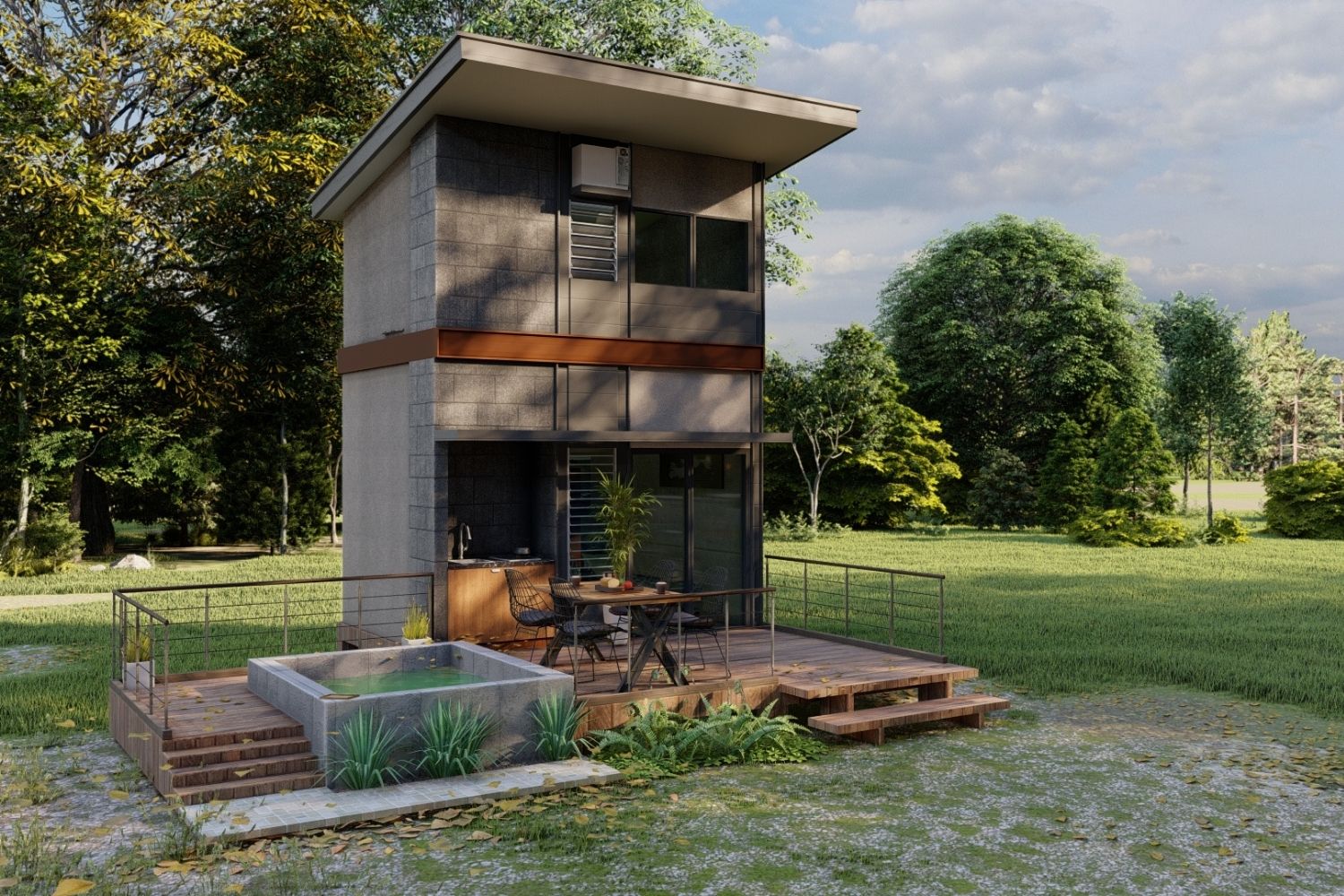
Tucson and Pima County are among Arizona’s most tiny-home-friendly areas. Unincorporated Pima County has no minimum square footage requirement in many zones, and lot rents range from $400 to $650 per month. Cochise County (Bisbee, Sierra Vista) offers the cheapest land in the state with minimal zoning restrictions, having adopted IRC Appendix Q with a 296 sq ft minimum. Southern Arizona’s 2,400-foot elevation provides slightly cooler temperatures than Phoenix.
Tucson and the surrounding Pima County have developed a reputation as one of the most tiny-home-friendly regions in the state. The tiny home communities Tucson Arizona scene benefits from a combination of relatively relaxed zoning in unincorporated areas, a culturally progressive population centered around the University of Arizona, and land prices that are noticeably lower than Phoenix.
Unincorporated Pima County does not enforce a minimum square footage for residential structures in many zoning designations, which makes it one of the easier places in Arizona to legally place a tiny home. The county’s official tiny house permitting regulations confirm that tiny houses on permanent foundations are allowed in zones where single-family dwellings are permitted, built and inspected in accordance with the 2018 IRC Appendix Q. The city of Tucson itself has also been receptive to alternative housing solutions, particularly as the city grapples with affordable housing shortages.
Southern Arizona offers a distinct lifestyle compared to the Phoenix metro. The elevation is slightly higher (around 2,400 feet), which means temperatures are a few degrees cooler. The Sonoran Desert landscape provides a dramatic backdrop, and the proximity to Saguaro National Park, Mount Lemmon, and the Mexico border gives residents access to diverse cultural and recreational experiences.
For those interested in Cochise County further south, towns like Bisbee and Sierra Vista offer even more affordable land and minimal zoning restrictions. Cochise County has officially adopted Appendix Q of the 2018 IRC for tiny homes, with a local amendment requiring a minimum of 296 square feet. Bisbee in particular has attracted a creative community of artists and makers who have embraced tiny and alternative housing as part of the town’s eclectic character.
What Is Tiny Home Living Like in Sedona & Northern Arizona?
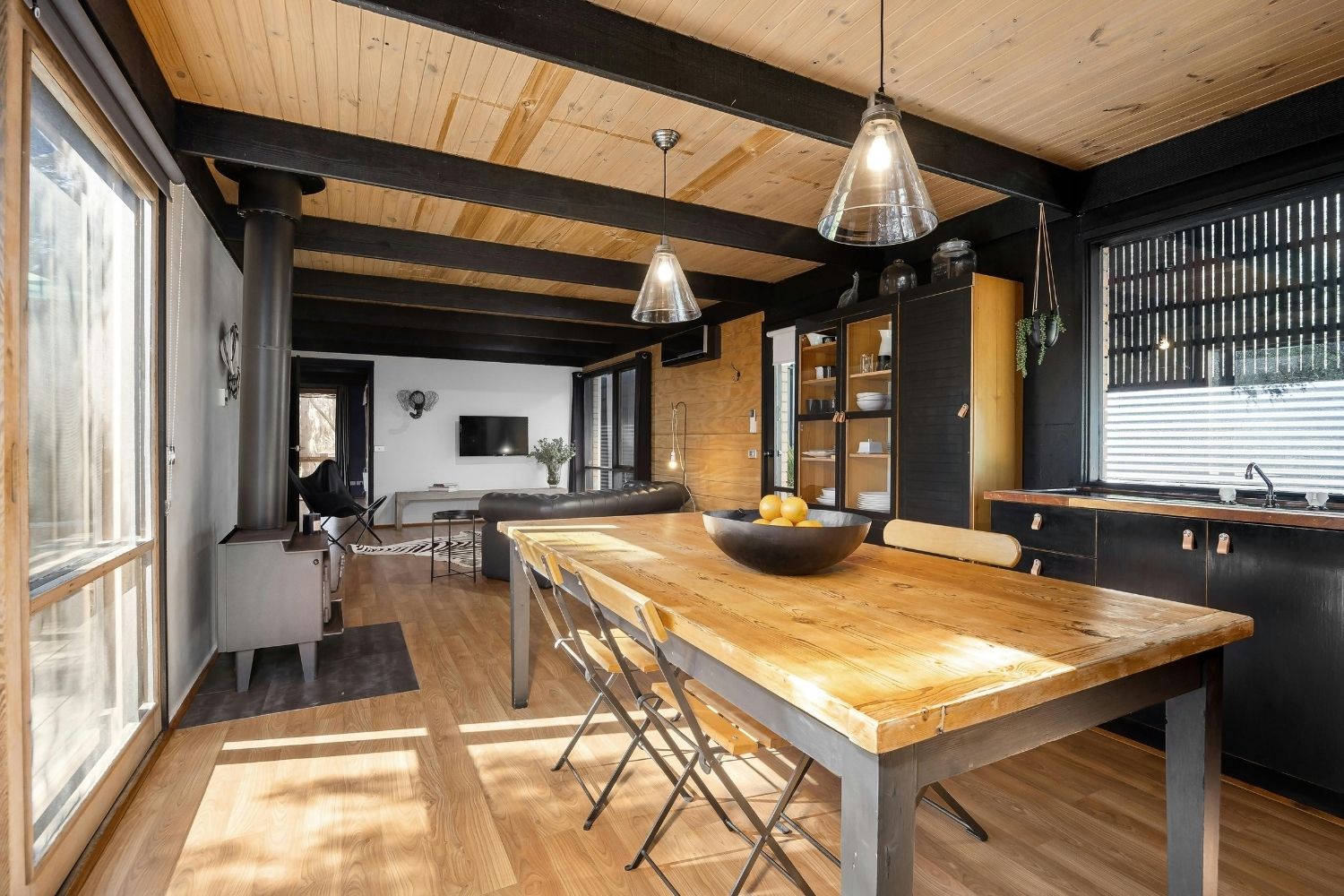
Sedona offers stunning red rock scenery at 4,350 feet elevation with summer highs in the low 90s, but lot rents are Arizona’s highest at $700-$900/mo. More affordable alternatives include Camp Verde and Cottonwood in the Verde Valley (20 minutes south), and Prescott and the White Mountains (Show Low, Pinetop-Lakeside) for four-season living at 5,000-7,000 feet. Northern Arizona tiny homes require heating systems and snow load considerations alongside cooling.
For those who want the Arizona lifestyle without the extreme desert heat, tiny homes Sedona Arizona and the broader northern region offer a compelling alternative. Sedona sits at around 4,350 feet elevation, with red rock formations, pine forests, and average summer highs in the low 90s rather than the 110+ degrees common in Phoenix.
The trade-off is cost. Sedona is one of the most expensive real estate markets in Arizona, driven by tourism and retirees seeking the area’s natural beauty. Lot rentals for tiny homes in the Sedona area range from $700 to $900 per month, and available spots are limited due to strict development regulations in the city and surrounding Yavapai County.
Camp Verde and Cottonwood, located in the Verde Valley about 20 minutes south of Sedona, offer more affordable alternatives while still providing access to the northern Arizona landscape. These communities have been more welcoming to tiny home developments, with several communities either operational or in planning stages.
Further north, Prescott and the White Mountains area (Show Low, Pinetop-Lakeside) provide four-season living with access to national forests, lakes, and ski areas. The higher elevations (5,000 to 7,000 feet) mean cooler summers but colder winters, so tiny home designs in these areas need to account for heating, snow loads, and freeze protection for plumbing systems.
How Much Does It Cost to Live in an Arizona Tiny Home Community?
Monthly living costs in Arizona tiny home communities range from $605-$1,090 in Tucson to $870-$1,450 in Phoenix and $940-$1,400 in Sedona. Off-grid living on your own land can reduce monthly costs to $100-$240. The tiny home itself costs $45,000-$150,000 for a professional build or $20,000-$60,000 for a DIY project. Major monthly expenses include lot rent ($400-$900), electricity ($50-$150), water ($30-$70), internet ($50-$120), and insurance ($30-$100).
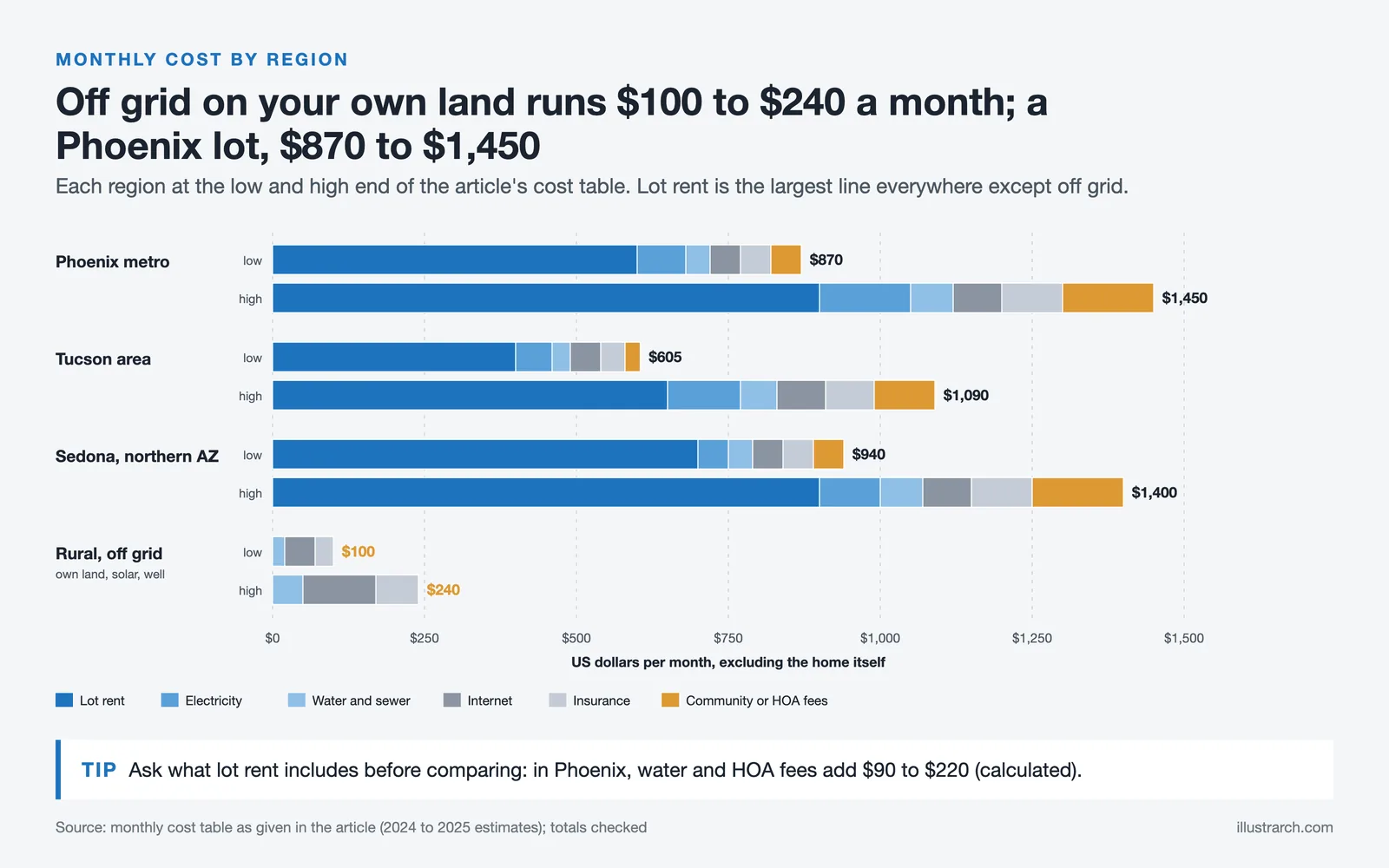
Understanding the true tiny home community cost Arizona residents should budget for requires looking beyond just the price of the home itself. Monthly expenses in a tiny home community include lot rental, utilities, insurance, and community fees, all of which vary significantly by region and community type.
| Expense Category | Phoenix Metro | Tucson Area | Sedona / N. AZ | Rural / Off-Grid |
|---|---|---|---|---|
| Lot Rent (monthly) | $600-$900 | $400-$650 | $700-$900 | $0 (own land) |
| Electricity | $80-$150 | $60-$120 | $50-$100 | $0 (solar) |
| Water / Sewer | $40-$70 | $30-$60 | $40-$70 | $20-$50 (well/hauled) |
| Internet | $50-$80 | $50-$80 | $50-$80 | $50-$120 (satellite) |
| Insurance | $50-$100 | $40-$80 | $50-$100 | $30-$70 |
| Community / HOA Fees | $50-$150 | $25-$100 | $50-$150 | $0 |
| Estimated Monthly Total | $870-$1,450 | $605-$1,090 | $940-$1,400 | $100-$240 |
These figures do not include the cost of the tiny home itself. A professionally built tiny home in Arizona typically ranges from $45,000 to $150,000 depending on size, materials, and customization. DIY builds can reduce costs to $20,000 to $60,000. Several tiny home builders Arizona based companies specialize in desert-adapted designs, including insulated roof systems, ductless mini-split HVAC, and solar-ready electrical panels.
Disclaimer: All cost estimates are approximate and based on 2024-2025 data. Actual costs vary by specific community, home size, personal usage patterns, and market conditions. Obtain quotes directly from communities and service providers for accurate budgeting.
How to Build a Tiny Home for Arizona’s Desert Climate
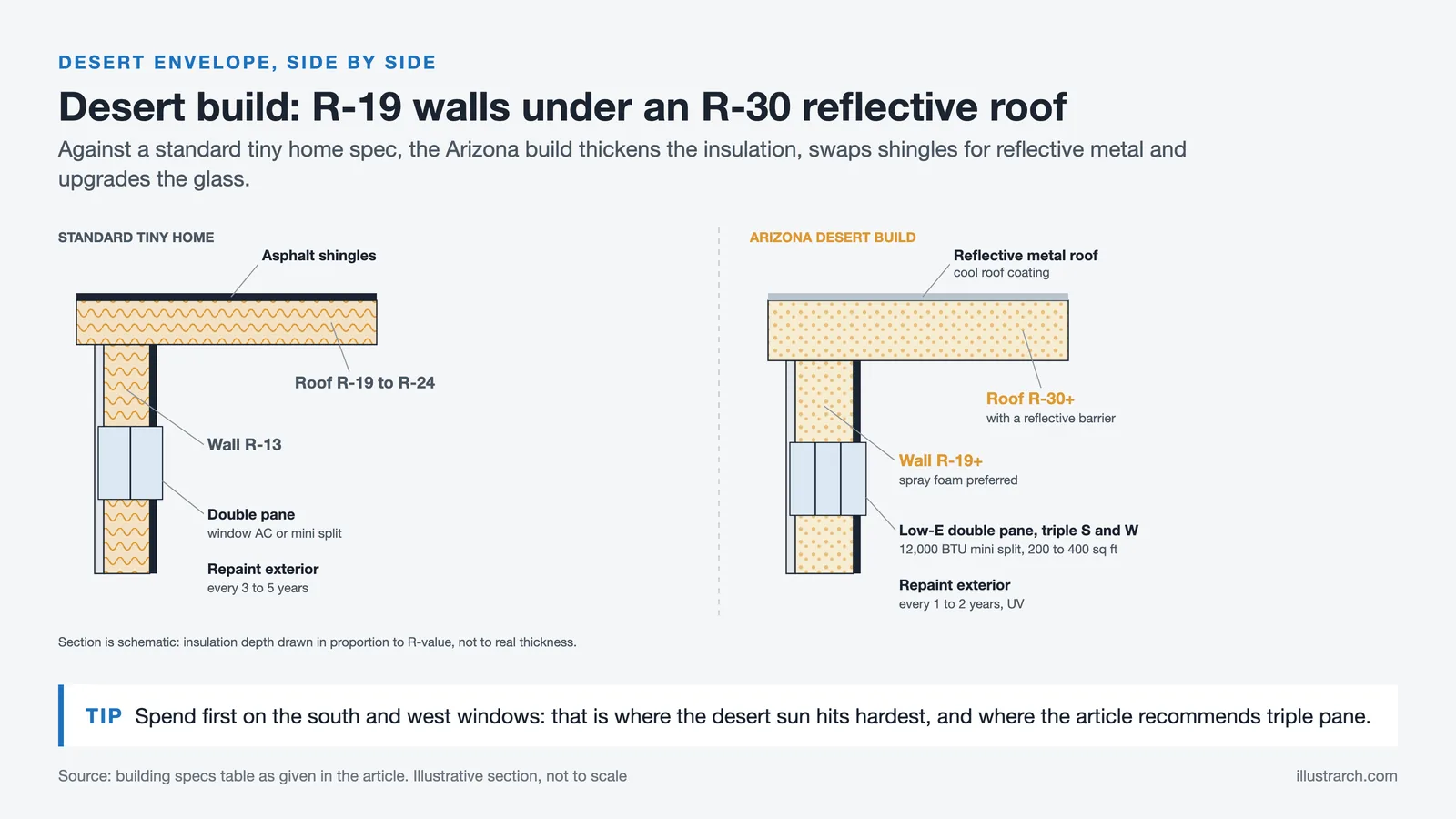
Desert tiny homes in Arizona require R-19+ wall insulation, R-30+ roof insulation, reflective metal roofing, and ductless mini-split air conditioning (12,000 BTU for 200-400 sq ft). Key challenges include extreme heat (110°F+ summers), 30-40 degree day-night temperature swings, and intense UV radiation that degrades standard materials faster. Recommended exterior materials include fiber cement siding, metal panels, and stucco. Windows should be double-pane with low-E coatings at minimum.
What Are the Key Building Specs for Desert Tiny Homes?
| Building Component | Standard Tiny Home | Arizona Desert Recommendation |
|---|---|---|
| Wall Insulation | R-13 | R-19 or higher (spray foam preferred) |
| Roof Insulation | R-19 to R-24 | R-30 or higher with reflective barrier |
| Roofing Material | Asphalt shingles | Reflective metal with cool-roof coating |
| Cooling System | Window AC or mini-split | Ductless mini-split (12,000 BTU) + optional evap cooler |
| Windows | Double-pane | Double-pane low-E minimum, triple-pane S/W facing |
| Exterior Cladding | Wood siding, vinyl | Fiber cement, metal panels, stucco (UV-resistant) |
| Exterior Paint Cycle | Every 3-5 years | Every 1-2 years (UV degradation) |
Building or choosing a tiny home for Arizona’s desert climate requires specific attention to thermal management, material selection, and structural design. The challenges are significant: summer temperatures routinely exceed 110°F, nighttime desert temperatures can drop by 30-40 degrees, and UV radiation degrades many standard building materials faster than in milder climates.
What Insulation Works Best for Desert Tiny Homes?
The insulation strategy for a desert tiny home differs from colder climates. While standard tiny homes might use R-13 wall insulation, Arizona desert homes benefit from R-19 or higher in walls and R-30 or higher in the roof. Spray foam insulation is popular because it creates both an air barrier and thermal barrier in a single application, which is particularly valuable in the tight spaces of a tiny home.
Reflective roof coatings or cool roof materials can reduce interior temperatures by 10-15°F compared to standard roofing. Metal roofing with a reflective finish is a common choice for desert tiny homes Arizona builders recommend, as it handles the intense UV exposure better than asphalt shingles and reflects a significant portion of solar radiation.
What Is the Best Cooling System for a Tiny Home in Arizona?
Ductless mini-split air conditioning systems are the standard for tiny homes in Arizona. A single 12,000 BTU unit is typically sufficient for a 200-400 square foot tiny home, and the inverter-driven compressors are far more energy efficient than window units. For off-grid setups, mini-splits pair well with solar panels due to their variable speed operation.
Evaporative (swamp) coolers are an alternative in the drier parts of Arizona, using significantly less electricity than refrigerated air conditioning. However, they become less effective during the monsoon season (July through September) when humidity rises. Some tiny home owners use a dual system: evaporative cooling for the dry months and a mini-split for monsoon season.
Consider incorporating thermal mass elements into your tiny home design. A small interior feature wall using rammed earth or concrete blocks can absorb heat during the day and release it at night, helping to moderate temperature swings. This passive strategy reduces your reliance on mechanical cooling and works exceptionally well in Arizona’s dry climate where day-night temperature differentials are substantial.
Best Materials for UV Resistance in the Arizona Desert
Arizona’s intense UV radiation breaks down many common building materials faster than expected. Exterior wood needs UV-resistant stain or paint reapplied more frequently (every 1-2 years instead of 3-5). Vinyl components can become brittle within a few years. Fiber cement siding, metal panels, and stucco are more durable choices for the exterior envelope of a desert tiny home.
Windows should be double-paned with low-E coatings at minimum. Many desert builders upgrade to triple-pane on south and west-facing windows. External shade structures, including awnings and ramadas, provide additional protection and reduce cooling loads by preventing direct solar gain through the glass.
How to Set Up Solar & Off-Grid Power for Arizona Tiny Homes
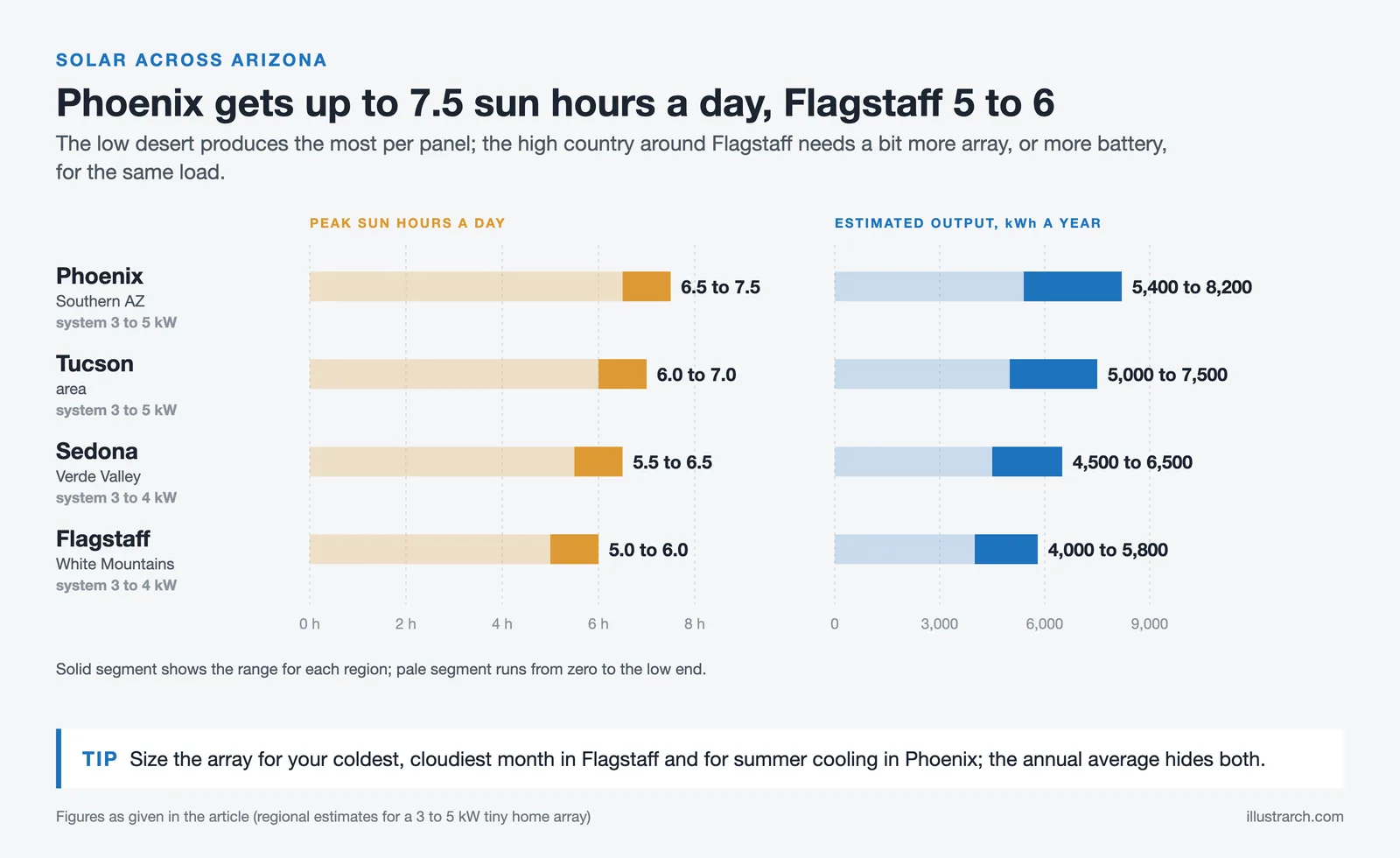
Arizona averages 299 sunny days per year with 5 to 7.5 peak sun hours daily, making it one of the best states for solar-powered tiny homes. A grid-tied system requires 3 to 5 kW ($6,000-$12,000 installed), while off-grid setups need 4-6 kW with 10-15 kWh battery storage. The federal 30% residential solar credit (Section 25D) ended for homeowner systems installed after December 31, 2025 (IRS), and Arizona does not charge property tax on the added value of residential solar systems.
Arizona ranks among the top states in the country for solar energy potential, making it an ideal location for solar tiny homes Arizona owners are increasingly adopting. The state averages 299 sunny days per year, and solar irradiance in southern Arizona is among the highest in North America. For tiny home residents, this translates to significant opportunities for energy independence.
What Size Solar System Does a Tiny Home in Arizona Need?
A typical grid-tied tiny home in Arizona can offset most or all of its electricity consumption with a 3 to 5 kW solar array. For off grid tiny homes Arizona residents choose, a larger 4-6 kW system paired with battery storage is recommended to handle peak cooling loads during summer months.
| Region | Avg Sun Hours/Day | Recommended System | Est. Annual Output | Approx. Cost (installed) |
|---|---|---|---|---|
| Phoenix / Southern AZ | 6.5-7.5 | 3-5 kW | 5,400-8,200 kWh | $6,000-$12,000 |
| Tucson Area | 6.0-7.0 | 3-5 kW | 5,000-7,500 kWh | $6,000-$12,000 |
| Sedona / Verde Valley | 5.5-6.5 | 3-4 kW | 4,500-6,500 kWh | $5,500-$10,000 |
| Flagstaff / White Mountains | 5.0-6.0 | 3-4 kW | 4,000-5,800 kWh | $5,500-$10,000 |
What Solar Incentives Are Available in Arizona?
Arizona’s net metering policies have evolved in recent years. While the state no longer offers the generous retail-rate net metering of the past, most utility companies still offer some form of solar export compensation. The 30% federal residential clean energy credit that once shortened payback periods no longer applies to homeowner solar installed after December 31, 2025, under Public Law 119-21 (IRS).
Arizona also does not charge property tax on the added value of residential solar installations, which is a meaningful benefit for tiny home owners who invest in solar systems. Check with your specific utility provider (APS, SRP, Tucson Electric Power, or a co-op) for current rates and interconnection requirements.
When sizing a battery system for an off-grid tiny home in Arizona, calculate your cooling load separately from your base load. A mini-split running during peak afternoon hours (2 PM – 8 PM) can draw 800-1,200 watts. Size your battery bank to cover at least 6 hours of cooling plus your evening base load without solar input. A 10-15 kWh battery system (such as two Tesla Powerwalls or equivalent LFP batteries) is a good starting point for year-round off-grid comfort in southern Arizona.
Video: This off-grid tiny house homestead on a Navajo Reservation in Arizona showcases desert living with solar power and rainwater harvesting.
How to Conserve Water in an Arizona Tiny Home
Arizona tiny homes can reduce water use through rainwater harvesting (about 1,600 gallons/year from a 200 sq ft roof), greywater recycling (20-30 gallons/day, no permit needed under 400 gallons/day), composting toilets (saving 6,000-8,000 gallons/year), and xeriscaping with native desert plants. Arizona offers a 25% tax credit (up to $1,000) for water conservation systems, and the City of Tucson provides rainwater harvesting rebates up to $2,000.
What Are the Best Water-Saving Strategies for Desert Tiny Homes?
| Strategy | Annual Water Saved | Permit Required? | Incentives Available |
|---|---|---|---|
| Rainwater Harvesting | ~1,600 gal (200 sq ft roof) | No | AZ tax credit 25% (up to $1,000); Tucson rebate up to $2,000 |
| Greywater Recycling | 7,300-10,950 gal (20-30 gal/day) | No (under 400 gal/day) | Tucson greywater rebate up to $1,000 |
| Composting Toilet | 6,000-8,000 gal | Check county (accepted in most rural AZ) | None |
| Low-Flow Fixtures | 3,000-5,000 gal | No | Utility rebates vary |
| Xeriscaping (native plants) | Eliminates outdoor irrigation | No | Some water utility rebates |
Water conservation tiny homes Arizona residents must prioritize is not just an environmental choice but a practical necessity. Arizona is a water-stressed state, and many tiny home communities, especially those in rural or off-grid settings, rely on limited water sources such as wells, hauled water, or rainwater harvesting.
How Does Rainwater Harvesting Work in Arizona?
Arizona law allows rainwater harvesting without a permit, and the state offers a tax credit for installing water conservation systems, including rainwater collection (25% of costs up to $1,000). The city of Tucson also provides a rainwater harvesting rebate of up to $2,000 for qualifying systems. A 200-square-foot tiny home roof can capture approximately 1,600 gallons of water per year based on about 13 inches of annual rainfall (closer to 7 inches in the Phoenix area, higher in northern Arizona). While this is not sufficient for all household needs, it can significantly supplement other water sources, particularly for landscaping and non-potable uses.
What Are Arizona’s Greywater Regulations?
Arizona has some of the most progressive greywater regulations in the country. According to the Arizona Department of Environmental Quality (ADEQ), residential greywater systems that direct sink, shower, and laundry water to landscape irrigation are allowed without a permit if the system produces less than 400 gallons per day and meets basic installation guidelines. For a tiny home, a simple greywater system can redirect 20-30 gallons per day to drought-tolerant landscaping. The University of Arizona Water Resources Research Center offers detailed information on greywater reuse prospects and challenges in the state.
Best Water-Efficient Fixtures for Desert Tiny Homes
Low-flow fixtures are a baseline requirement for desert tiny homes. Composting toilets eliminate the need for flush water entirely and are increasingly accepted in rural Arizona communities. A composting toilet can save 6,000-8,000 gallons of water per year compared to a standard low-flow toilet, which is a substantial reduction for a tiny home on a limited water supply.
Desert landscaping (xeriscaping) around a tiny home dramatically reduces outdoor water use. Native plants like palo verde, desert willow, and various agave species thrive on natural rainfall alone once established, eliminating the need for supplemental irrigation.
How to Move to an Arizona Tiny Home Community: Step-by-Step Checklist
Moving to an Arizona tiny home community takes 2-3 months of preparation. Start by verifying zoning with the county planning department, then visit communities during summer to test the heat. Secure your spot early (most have waiting lists), prepare your home’s HVAC and insulation for desert climate, plan THOW transport routes, and establish Arizona residency within 30 days. Arizona’s flat income tax rate and no state tax on Social Security benefits make it financially attractive for tiny home residents.
Relocating to one of the tiny home communities in Arizona requires planning that goes beyond just finding a community and showing up. Here is a practical checklist for making the transition.
Step 1: Research Zoning (2-3 months before move)
Contact the county planning department for your target area. Confirm that tiny homes (your specific type, whether THOW or foundation) are permitted. Request written confirmation of zoning approval, as verbal assurances are not legally binding.
Step 2: Visit Communities (1-2 months before move)
Visit during the summer if possible. Arizona summers are intense, and experiencing the heat firsthand will help you evaluate whether a community’s shade structures, cooling infrastructure, and overall design work for you. Talk to current residents about their actual monthly costs and any challenges they have encountered.
Step 3: Secure Your Spot
Most communities have waiting lists. Apply early and be prepared to put down a deposit. Review the community rules and lease agreement carefully, paying special attention to restrictions on home modifications, pet policies, and guest parking.
Step 4: Prepare Your Home for Desert Climate
If you are bringing an existing tiny home, have the HVAC system inspected and upgraded if necessary. Add reflective window film to south and west-facing windows. Check all weather sealing and ensure your roof can handle monsoon rain (intense but brief downpours).
Step 5: Logistics and Utilities
If transporting a THOW, plan your route carefully. Arizona has specific oversized load regulations for vehicles towing wide or tall structures. Set up utility accounts (APS, SRP, or local provider) in advance. If going off-grid, have your solar and water systems installed and tested before moving in.
Step 6: Establish Residency
Update your driver’s license and vehicle registration within 30 days of establishing residency in Arizona. Arizona does not tax Social Security benefits and has a relatively low flat income tax rate, which is a financial benefit for many tiny home residents.
Frequently Asked Questions
Are tiny homes legal in Arizona?
Yes, but legality depends on the specific county and municipality. Arizona adopted Appendix Q of the IRC in 2019, which defines tiny houses as 400 square feet or less. However, individual jurisdictions must adopt this appendix locally. Always check with your local planning department before purchasing or placing a tiny home.
What is the average cost of living in an Arizona tiny home community?
Monthly costs range from approximately $600 to $1,450 in managed communities (including lot rent and utilities), depending on location. Off-grid setups on your own land can reduce recurring costs to $100-$250 per month after the initial investment in solar and water systems.
Can I live in a tiny home on wheels (THOW) full-time in Arizona?
In many parts of Arizona, yes. THOWs are generally classified as RVs, and some communities and rural areas allow full-time RV living. However, urban areas like Phoenix and Scottsdale may restrict permanent RV occupancy to designated parks or communities. Check local RV parking ordinances for your specific area.
How do tiny homes handle Arizona’s extreme heat?
Desert tiny homes rely on a combination of high-performance insulation (R-19+ walls, R-30+ roof), reflective roofing materials, ductless mini-split air conditioning, and strategic window placement to manage heat. Many owners also install external shade structures and use thermal mass elements to moderate temperature swings.
Is off-grid living feasible in Arizona?
Arizona is one of the best states for off-grid living due to its abundant solar resources. A 4-6 kW solar system with 10-15 kWh of battery storage can support a tiny home year-round, including air conditioning. Water is the primary challenge; off-grid residents typically rely on wells, hauled water, and rainwater harvesting. Pima County even offers an off-grid living guide through its Development Services department.
What are the best areas in Arizona for tiny home communities?
The most active areas include the Phoenix metro (urban convenience), Tucson and Pima County (affordable and permissive zoning), Verde Valley/Camp Verde (northern Arizona access at lower cost), and Mohave County (extremely affordable, off-grid friendly). Sedona offers the best scenery but at the highest cost. Explore our national guide to tiny house communities for options outside Arizona.
Do I need a permit to build a tiny home in Arizona?
Tiny homes on foundations generally require a building permit and must meet local building codes. THOWs built to ANSI/RVIA standards may not require a building permit but must comply with RV parking regulations. Permit requirements vary by jurisdiction, so contact your local building department for specific requirements.
How much does land cost for a tiny home in Arizona?
Rural land in counties like Mohave, Cochise, and Apache can cost as little as $2,000-$10,000 per acre. Land in the Phoenix metro starts around $50,000-$100,000 for a small lot. Tucson-area parcels fall somewhere in between at $15,000-$50,000 depending on location, access to utilities, and zoning.
What is the monsoon season and how does it affect tiny homes?
Arizona’s monsoon season runs from mid-June through September, bringing intense but brief thunderstorms with heavy rain, strong winds, and occasionally hail. Tiny homes need proper drainage around the foundation, sealed roofing, and secure tie-downs (especially for THOWs). The monsoon also increases humidity, which can reduce evaporative cooler effectiveness.
Can I rent out my tiny home as a short-term rental in Arizona?
Arizona law (SB1350, passed in 2016) generally prevents cities from banning short-term rentals, making the state relatively friendly for platforms like Airbnb. However, communities may have their own rules restricting short-term rentals. Check both local ordinances and your community’s lease agreement before listing.
Disclaimer: This guide is for informational purposes only. Building codes, zoning regulations, costs, and community availability are subject to change. Consult with local authorities, licensed builders, and financial advisors before making decisions about tiny home living in Arizona. Desert construction requires professional expertise to ensure safety and compliance with local building standards.







Tiny House Water Systems: Your Complete Guide to Plumbing, Rainwater Harvesting and Off-Grid Solutions
A practical guide to designing a tiny house water system, covering PEX...
Bahattin Duran14 Mins read
Off-Grid Tiny House Living: Complete Setup Guide for Beginners
This guide walks you through every stage of setting up an off-grid...
Bahattin Duran15 Mins read
Tiny House with Loft: Design Ideas, Plans and Building Tips for Vertical Living
A complete guide to designing and building a tiny house with loft,...
Bahattin Duran15 Mins read
8+ Best Tiny Home Communities in Michigan: Great Lakes Tiny Living Guide
Explore tiny home communities in Michigan. Great Lakes lifestyle, affordable land, and...
Bahattin Duran18 Mins read


Leave a comment