

12+ Tiny Home Communities in California: The CompleteGuide to Costs, ADU Laws & Best Locations
Explore tiny home communities in California. Navigate ADU laws, find affordable options, and compare communities from NorCal to SoCal.
 Bahattin Duran20 April 202624 Mins read263
Table of Contents Show
Tiny home communities in California are legal residential developments where residents live in compact homes typically between 100 and 500 square feet. California’s ADU laws (AB 68, SB 13, AB 2221) make it one of the most tiny-home-friendly states in the U.S. Monthly living costs range from $510 in desert areas to $2,400 in the Bay Area. Top communities are spread across Northern, Central, and Southern California, with options for on-grid community living and off-grid desert homesteading.
California might seem like an unlikely destination for tiny home living given its famously high cost of living, but the state has actually become a leader in creating legal pathways for tiny home communities in California. Driven by a severe housing affordability crisis, California has passed some of the most progressive ADU legislation in the country, making it easier than ever to place a tiny home on an existing residential lot. The state’s diverse geography, from the redwood forests of the north to the sun-drenched deserts of the south, offers an extraordinary range of settings for tiny living. While land costs remain higher than in many other states, the financial equation can work well when you factor in California’s strong job market, particularly for remote workers, and the significant savings that come with reducing your housing footprint. This guide navigates the complex but increasingly favorable landscape for tiny home living in California.
Whether you are a tech professional looking to downsize near the Bay Area, a retiree seeking affordable living in the Central Coast, or an adventurer dreaming of off-grid desert life near Joshua Tree, this guide covers every angle. We break down zoning laws county by county, compare the top communities side by side, and give you a realistic cost breakdown so you can plan your move with confidence. For a broader look at options across the country, see our guide to the top tiny house communities to consider in the USA.
Zoning & ADU Laws in California for Tiny Homes
California allows tiny homes primarily through its ADU (Accessory Dwelling Unit) framework. Key laws include AB 68, SB 13, AB 881, AB 2221, and SB 897. These bills require 60-day permit approvals, waive most fees for units under 750 sq ft, and confirm that prefabricated tiny homes qualify as ADUs on permanent foundations. Local regulations vary by county, so always verify with your planning department.
What Are California’s Key Tiny Home Laws?
Understanding tiny home zoning California regulations is the single most important step before committing to any community or property. California has undergone a dramatic shift in recent years, moving from one of the more restrictive states for alternative housing to one of the most accommodating. This transformation has been driven by a series of landmark bills aimed at addressing the state’s housing shortage.
Several state bills have reshaped the tiny home landscape in California. AB 68 (2020) reduced local barriers to ADU construction by eliminating owner-occupancy requirements and limiting impact fees. SB 13 (2020) further streamlined the process by capping ADU fees and reducing the timeline for permit approvals to 60 days. AB 881 reinforced these protections by prohibiting local agencies from imposing certain restrictions that had previously blocked ADU projects.
More recently, AB 2221 (2023) clarified that prefabricated and factory-built tiny homes qualify as ADUs when placed on a permanent foundation, and SB 897 increased the maximum ADU size to 850 square feet for studios and one-bedrooms and 1,000 square feet for units with two or more bedrooms. Together, these laws have created a framework where tiny homes California residents want to build or place are far more legally viable than they were just five years ago. For the full text of current ADU regulations, the California HCD ADU page is the authoritative source, and the 2025 ADU Handbook (PDF) provides detailed guidance for homeowners and builders.
It is worth noting that while state law sets the floor, individual counties and cities may have additional requirements. Always verify local ordinances before purchasing a tiny home or signing a lease in any community.
California ADU Legislation at a Glance
| Bill | Year | Key Provision | Impact on Tiny Homes |
|---|---|---|---|
| AB 68 | 2020 | Removed owner-occupancy requirement; limited impact fees | Investors and landlords can now add tiny homes as ADUs |
| SB 13 | 2020 | Capped ADU fees; 60-day permit approval mandate | Faster, cheaper permitting for tiny home placement |
| AB 881 | 2020 | Prohibited local agencies from blocking ADU projects | Reduced local pushback against tiny home development |
| AB 2221 | 2023 | Prefabricated/factory-built homes qualify as ADUs | Tiny homes from builders can be placed with ADU status |
| SB 897 | 2023 | Increased max ADU to 850 sq ft (studio) / 1,000 sq ft (2+ bed) | Larger tiny homes now permitted as ADUs statewide |
How Do ADU/Zoning Rules Vary by County?
| County | Max ADU Size | Permit Timeline | THOW Allowed? | Key Notes |
|---|---|---|---|---|
| Los Angeles County | 1,200 sq ft | 60 days | Limited (as temp housing) | Pre-approved ADU plans available; reduced fees for affordable units |
| San Diego County | 1,200 sq ft | 60 days | No (foundation required) | Strong ADU incentive programs; streamlined online portal |
| San Francisco County | 1,000 sq ft | 60-90 days | No | ADU program supports in-law units; lot size exceptions |
| Alameda County | 1,000 sq ft | 60 days | No | Oakland has dedicated ADU resource center |
| Sacramento County | 1,200 sq ft | 60 days | Limited | Lower land costs make ADU investment attractive |
| Santa Clara County | 1,000 sq ft | 60 days | No | High demand area; expedited review for prefab ADUs |
| San Bernardino County | 1,200 sq ft | 60 days | Yes (rural zones) | Desert areas offer flexible zoning for alternative housing |
| Sonoma County | 1,200 sq ft | 60 days | Limited | Post-wildfire rebuilding has expanded ADU acceptance |
| Riverside County | 1,200 sq ft | 60 days | Yes (unincorporated areas) | Joshua Tree area popular for off-grid tiny homes |
| Humboldt County | 1,200 sq ft | 60 days | Yes (some zones) | Rural-friendly regulations; growing tiny home interest |
Note: Regulations change frequently. Always confirm current requirements directly with your county’s planning department before making decisions. Data reflects regulations as of early 2025.
Best Tiny Home Communities in California (2025 Comparison)
The best tiny home communities in California include Escape Village in Sonoma County ($1,200-$1,800/mo), Tiny House Block in San Diego ($1,000-$1,500/mo), Lake Don Pedro in Tuolumne County ($600-$900/mo), and Joshua Tree Tiny Home Community ($700-$1,100/mo). The most affordable options are in the Central Valley and desert regions, while Bay Area and LA communities cost the most but offer urban amenities and job market access.
Finding the right community is about more than price. You need to consider location, amenities, community culture, and whether pets are welcome. The table below compares the best tiny home communities California has to offer, spanning from the foggy coastline of the north to the arid deserts of the south. The American Tiny House Association is also a useful resource for finding verified communities and staying updated on new developments.
| Community Name | Location | Monthly Cost | Home Size Range | Key Amenities | Pet-Friendly |
|---|---|---|---|---|---|
| Escape Village (planned) | Sonoma County | $1,200-$1,800 | 200-400 sq ft | Community garden, co-working, hiking trails | Yes |
| Tiny House Block | San Diego | $1,000-$1,500 | 150-350 sq ft | Shared kitchen, laundry, community events | Limited |
| Lake Don Pedro Tiny Homes | Tuolumne County | $600-$900 | 200-500 sq ft | Lake access, nature trails, off-grid options | Yes |
| Fresno Tiny Home Village | Fresno | $500-$800 | 100-300 sq ft | Supportive services, community center | No |
| Joshua Tree Tiny Home Community | San Bernardino County | $700-$1,100 | 200-450 sq ft | Solar power, desert views, artist studios | Yes |
| WeeCasa California (seasonal) | Various locations | $100-$200/night | 150-300 sq ft | Try-before-you-buy experience, rotating locations | Varies |
Note: Prices are approximate and may vary based on unit size, lease terms, and availability. Some communities listed are planned or in development. Always contact the community directly for current pricing and waitlist information.
Best Tiny Home Options in Northern California
Northern California tiny home options include Bay Area ADU communities ($1,100-$1,600/mo), Sacramento eco-villages ($800-$1,200/mo), and Humboldt/Mendocino redwood region properties with some of the most relaxed zoning in the state. Sacramento offers the best value for remote workers, while the Bay Area provides access to tech jobs and the redwood region delivers maximum natural beauty at the lowest NorCal prices.
Northern California is a particularly attractive region for tiny home living if you work in the tech sector or value being surrounded by natural beauty. The tiny homes Bay Area California market has grown rapidly, fueled by remote workers who no longer need to pay premium rents for a San Francisco apartment but still want to stay in the region.
What Is Bay Area Tiny Living Like?
Living in a tiny home near the Bay Area allows you to maintain access to one of the world’s most dynamic job markets while dramatically cutting your housing costs. Communities in Alameda and Contra Costa counties offer transit access to San Francisco and San Jose while keeping monthly costs between $1,100 and $1,600. Oakland in particular has been proactive about ADU development, establishing a dedicated resource center to help homeowners add tiny units to their properties.
The trade-off is that even tiny living in the Bay Area is not cheap by national standards. Lot rental fees, utility hookups, and the general cost of living in the region keep expenses elevated. However, compared to the median rent for a one-bedroom apartment in San Francisco, which hovers above $3,000, the savings are substantial.
Why Is Sacramento the Most Affordable NorCal Option?
Sacramento has emerged as one of the most practical locations for tiny home communities in the state. Land costs are significantly lower than in the Bay Area, the permitting process is relatively straightforward, and the city’s commitment to addressing housing affordability has made it receptive to alternative housing models. The Sacramento Eco Village concept is gaining momentum, with plans for community farming, shared workshops, and a co-operative ownership structure.
For remote workers, Sacramento offers a compelling value proposition. You get a California address with access to state capital amenities, a growing food and arts scene, and proximity to Lake Tahoe and the Sierra Nevada for weekend adventures.
What About the Redwood Region: Humboldt & Mendocino Counties?
For those who prioritize nature over urban amenities, the redwood region of Northern California is hard to beat. Humboldt and Mendocino counties have some of the most relaxed zoning rules in the state for alternative housing, and land prices are a fraction of what you would pay in the Bay Area. The region attracts artists, writers, and remote workers who value solitude and natural surroundings.
The challenges here are real: limited broadband in some areas, distance from major airports, and heavy seasonal rainfall. But for the right person, a tiny home tucked among ancient redwoods is a dream that California can deliver at a relatively reasonable cost.
Most Affordable Tiny Home Living in Central California
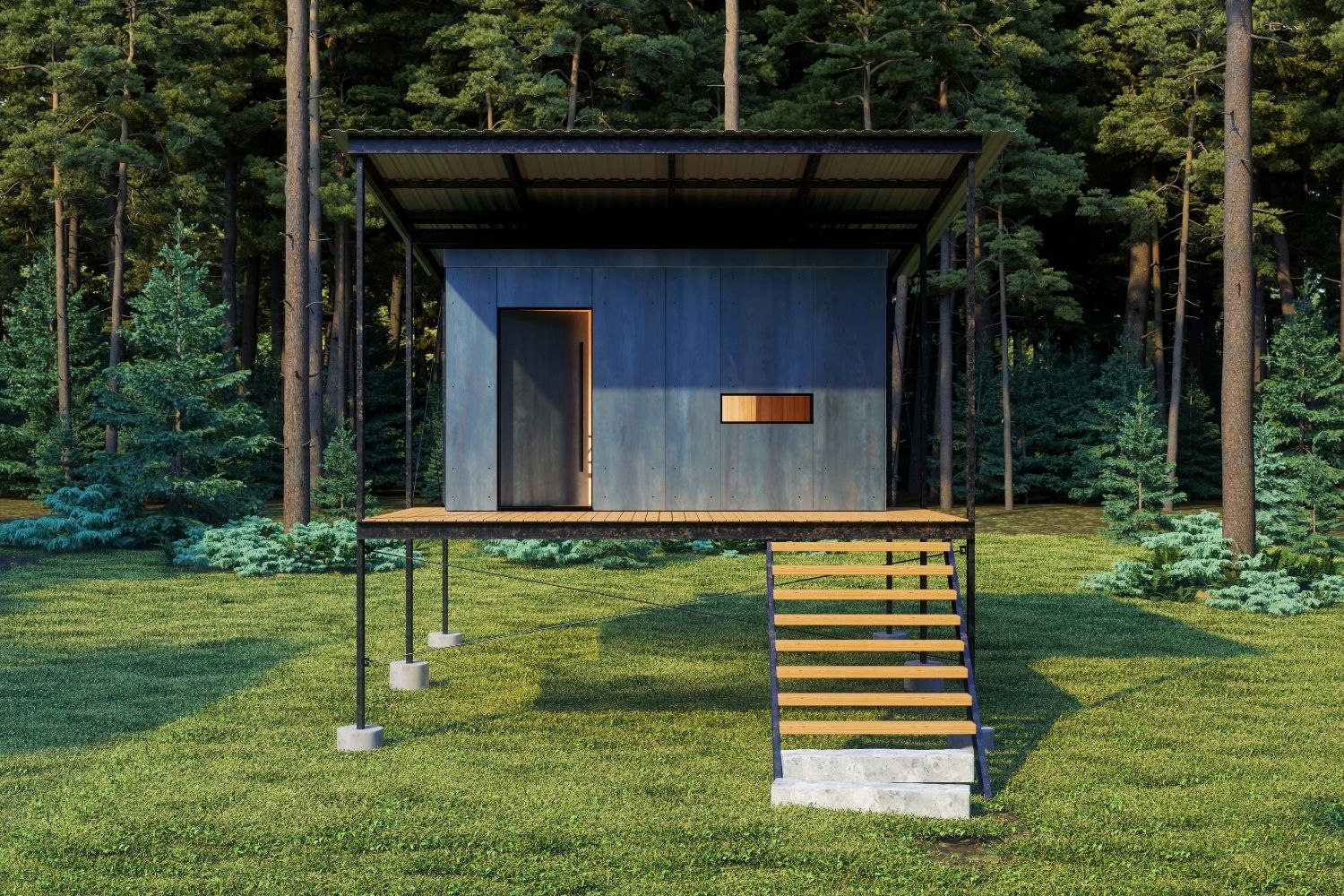
Central California has the most affordable tiny home living in the state. Monthly costs range from $500-$800 in Fresno to $700-$1,100 on the Central Coast near San Luis Obispo. Fresno was one of the first California cities to update zoning codes for tiny homes on foundations. The Central Coast offers a mild climate and wine country lifestyle, while the Valley delivers the lowest costs but has extreme summer heat.
Central California offers some of the most affordable options for tiny home living in the state. While it lacks the glamour of the coast or the tech buzz of the Bay Area, this region delivers excellent value and a slower pace of life that many tiny home enthusiasts find appealing.
What Makes San Luis Obispo & the Central Coast Attractive?
The Central Coast, particularly the area around San Luis Obispo, has become a quiet hub for tiny home interest. The region combines a mild year-round climate with a strong local food culture and walkable small towns. SLO County has been relatively open to ADU development, and the area’s vineyard-studded landscape provides a scenic backdrop for tiny living.
Monthly costs in the Central Coast’s tiny home communities typically range from $700 to $1,100, a significant discount compared to Bay Area or Southern California options. The region also benefits from Cal Poly’s presence, which brings a steady flow of energy, innovation, and a younger demographic interested in sustainable living.
How Affordable Is the Central Valley: Fresno, Bakersfield & Beyond?
The Central Valley is where the math of tiny home living in California starts to look most favorable. Fresno has been a pioneer in the tiny home movement within California, with the city updating its zoning codes to explicitly allow tiny homes on foundations. Land costs in the valley are among the lowest in the state, and the agricultural economy provides a grounding sense of community.
The Central Valley’s primary drawback is its climate. Summers are intensely hot, with temperatures regularly exceeding 100°F, which places a premium on good insulation and efficient cooling systems in your tiny home. Winter fog and air quality issues are also factors to consider.
Tiny Home Communities in Southern California: LA, San Diego & Desert
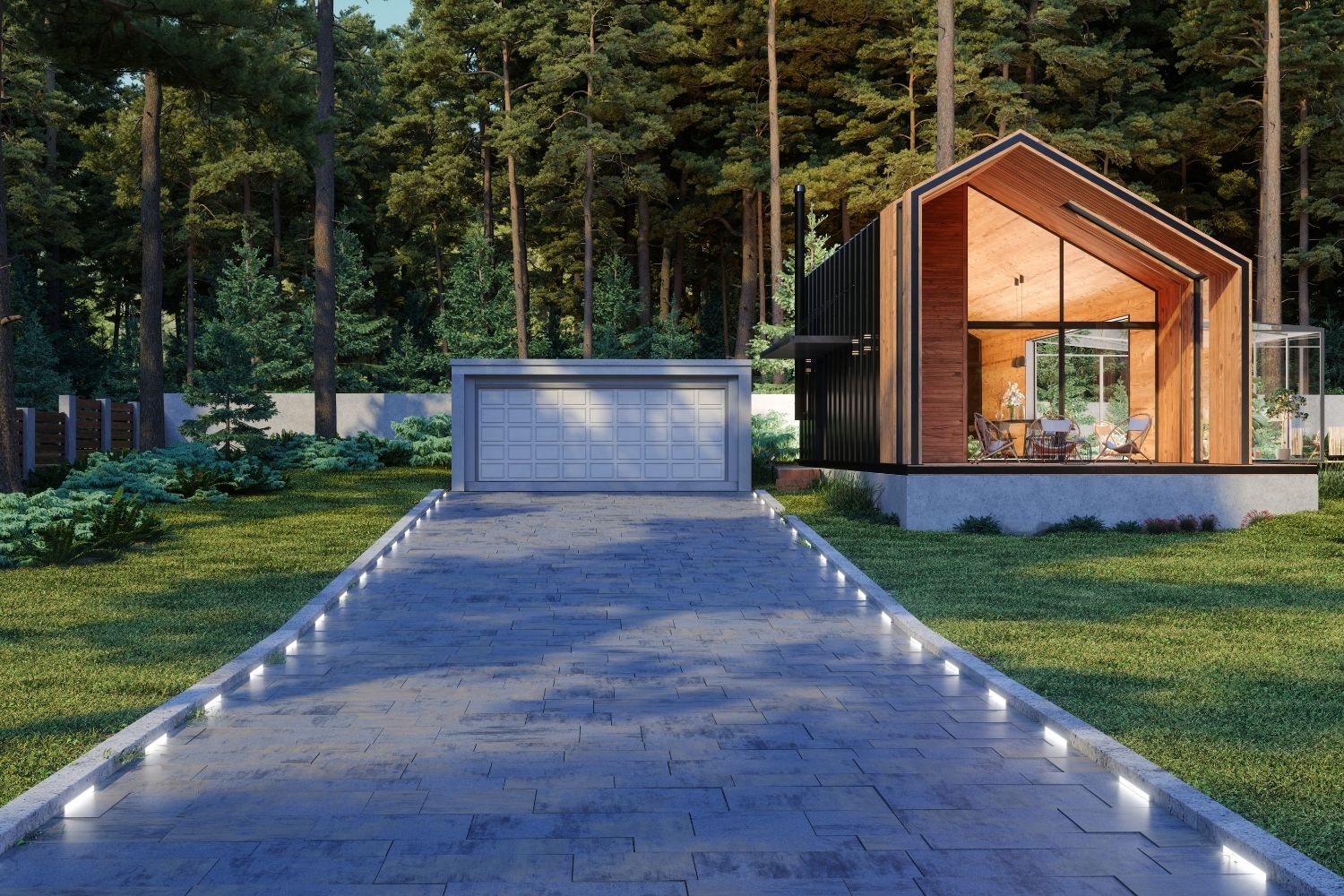
Southern California tiny home communities range from $1,000-$2,200/month in urban LA and San Diego to $400-$1,100/month in desert areas. Los Angeles offers pre-approved ADU plans for faster permitting. San Diego has one of the state’s most streamlined ADU portals. The high desert around Joshua Tree attracts off-grid enthusiasts with land parcels starting at $10,000.
Southern California presents both the greatest challenges and some of the most exciting opportunities for tiny home living. The tiny home communities Los Angeles market is shaped by extreme housing costs that make tiny living a genuinely practical alternative, while tiny home communities San Diego benefit from the city’s progressive housing policies and year-round perfect weather.
What Are the Options in the Los Angeles Area?
Los Angeles has embraced ADUs as a critical tool in its fight against the housing crisis. The city offers pre-approved ADU standard plans that significantly reduce the permitting timeline and cost. For tiny home enthusiasts, this means that placing a compliant tiny home on an existing residential lot in LA is more straightforward than in many other major cities.
The LA tiny home scene is urban-focused. Communities tend to emphasize walkability, bike infrastructure, and access to public transit rather than acreage and solitude. Monthly costs are the highest in the state, often reaching $1,500 to $2,200, but the lifestyle offset is that you are living in one of the world’s most vibrant cultural centers.
What Makes San Diego ADU-Friendly?
San Diego has positioned itself as one of the most ADU-friendly cities in California. The county’s streamlined ADU portal and reduced fee structure have made it a model for other jurisdictions. Tiny home communities in San Diego tend to cluster in the eastern parts of the county where land is more affordable while still offering reasonable commute times to downtown and the coast.
The San Diego climate is ideal for tiny home living, with mild temperatures year-round that reduce heating and cooling costs. The city’s strong military presence also creates a steady demand for small, affordable housing options, which has helped sustain the tiny home market.
Why Are Desert Communities a Growing Trend?
Southern California’s desert regions have become a magnet for a specific subset of tiny home enthusiasts: those seeking off grid tiny homes California style. The high desert areas of San Bernardino and Riverside counties, particularly around Joshua Tree and Twentynine Palms, offer large lots at low prices with relatively permissive zoning. We cover this in greater detail in the desert section below.
How Much Does It Cost to Live in a California Tiny Home Community?
Living in a California tiny home community costs between $510 and $2,400 per month, depending on location. Desert and rural communities average $510-$1,180/month, Central California runs $750-$1,380/month, Southern California (LA/San Diego) costs $1,160-$2,130/month, and Bay Area communities range from $1,340-$2,400/month. These totals include lot rent, utilities, insurance, internet, and maintenance, but not the home purchase price ($30,000-$150,000+).
Understanding the true tiny home community cost California residents face requires looking beyond the sticker price of the home itself. California’s higher baseline costs for utilities, insurance, and services mean your total monthly expenses will likely exceed what you would pay in states like Texas or North Carolina. The table below provides a realistic breakdown.
| Expense Category | NorCal (Bay Area) | Central CA | SoCal (LA/SD) | Desert/Rural |
|---|---|---|---|---|
| Lot Rent / HOA | $800-$1,400 | $400-$700 | $700-$1,200 | $200-$500 |
| Utilities (electric, water, sewer) | $150-$250 | $100-$200 | $120-$220 | $50-$150 (solar offset) |
| Insurance | $80-$150 | $60-$120 | $80-$160 | $70-$140 |
| Internet | $60-$100 | $50-$80 | $60-$100 | $80-$120 (satellite/cellular) |
| Maintenance & Repairs | $50-$100 | $40-$80 | $50-$100 | $60-$120 |
| Property Tax (if owned) | $200-$400 | $100-$200 | $150-$350 | $50-$150 |
| Estimated Monthly Total | $1,340-$2,400 | $750-$1,380 | $1,160-$2,130 | $510-$1,180 |
Disclaimer: These figures are estimates based on 2025 data and will vary based on specific community rules, personal usage, and market fluctuations. They do not include the purchase price or financing of the tiny home itself, which can range from $30,000 to $150,000+ depending on size, builder, and customization.
When comparing these costs to traditional California housing, the savings become clear.
The median rent for a one-bedroom apartment statewide exceeds $2,000, and in coastal cities it often surpasses $3,000. Even at the higher end of the tiny home cost spectrum, residents are saving hundreds to thousands of dollars per month while gaining a sense of community and a smaller environmental footprint.
How Do California ADU Laws Benefit Tiny Home Owners?
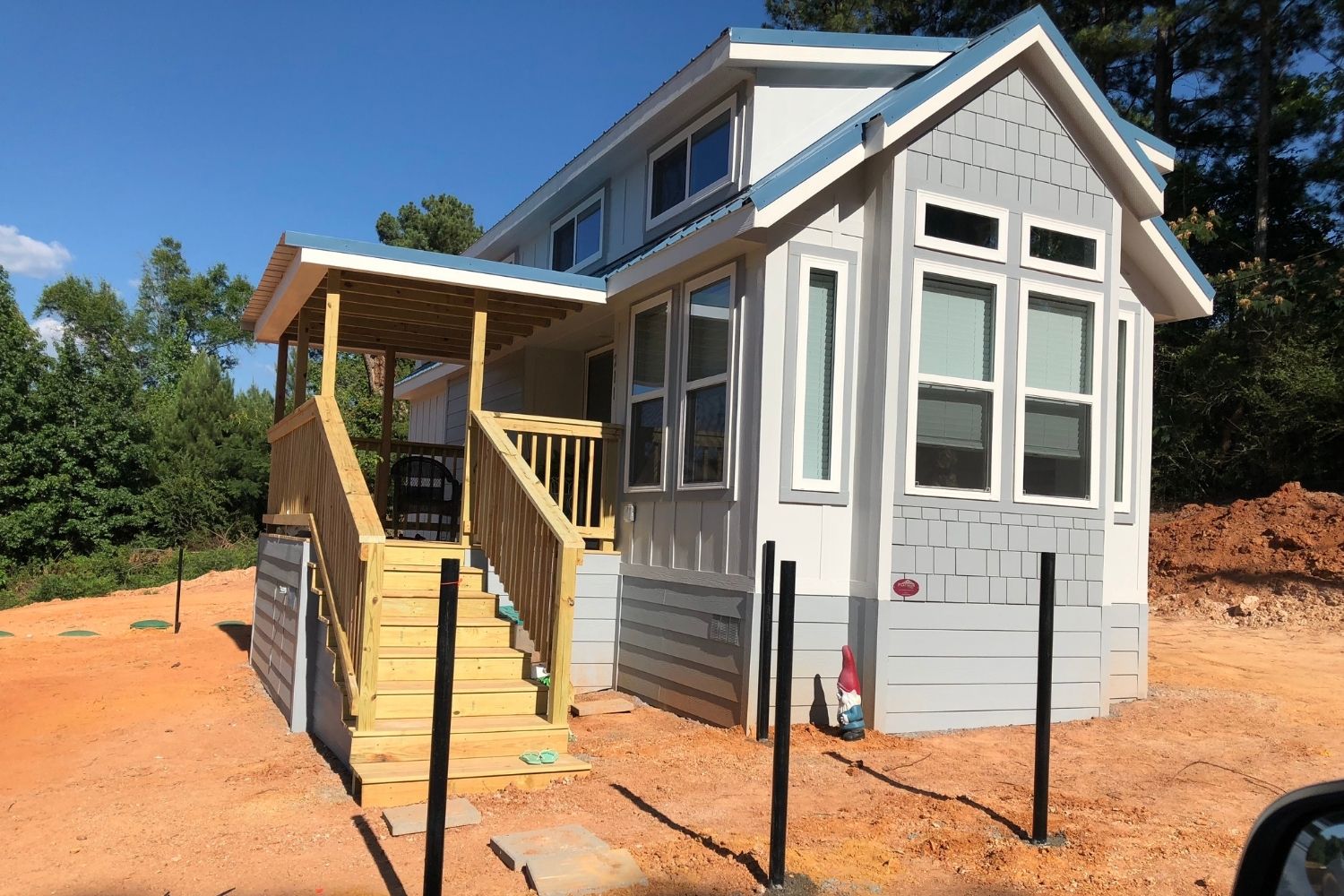
California ADU laws benefit tiny home owners in four key ways: 60-day mandatory permit approval timelines, waived impact fees for units under 750 sq ft (saving $10,000-$30,000), no owner-occupancy requirement, and legal recognition of prefabricated tiny homes as ADUs. These provisions, established through AB 68, SB 13, and AB 2221, make California one of the easiest states to legally place a tiny home on residential property.
California’s ADU legislation is the legal backbone that makes much of the state’s tiny home movement possible. Understanding California ADU tiny homes regulations can save you thousands of dollars and months of frustration. Here is a detailed look at how these laws work in your favor. For a comprehensive overview, the HCD ADU Building Blocks page provides official guidance on all current state regulations.
How Does Streamlined Permitting Work?
Under current California law, local jurisdictions must approve or deny ADU permit applications within 60 days. If they fail to respond within that window, the application is deemed approved. This is a dramatic improvement over the previous process, which could stretch into months or even years in some jurisdictions. For tiny home owners, this means you can move from application to placement in a matter of weeks rather than waiting indefinitely.
What Fees Are Reduced or Eliminated?
SB 13 and subsequent legislation capped the fees that local agencies can charge for ADU permits. For units under 750 square feet, most impact fees are waived entirely. This can represent savings of $10,000 to $30,000 compared to building a traditional addition or guest house. Some counties, including Los Angeles, have gone further by offering pre-approved ADU plans that eliminate architectural and engineering costs.
Is There an Owner-Occupancy Requirement?
California law prohibits local agencies from requiring that the property owner live on-site to build an ADU. This is significant for tiny home investors who want to place units on rental properties or for homeowners who want to add a tiny home to their lot and rent out either the main house or the ADU.
Do Prefabricated Tiny Homes Qualify as ADUs?
AB 2221 explicitly confirmed that factory-built, modular, and prefabricated tiny homes qualify as ADUs when placed on a permanent foundation. This means you can purchase a completed tiny home from any of the state’s growing number of tiny home builders California has to offer, transport it to your lot, and install it with the same legal standing as a traditionally constructed unit.
What Are the Fire Zone Building Requirements for Tiny Homes in California?
Tiny homes in California’s Wildland-Urban Interface (WUI) zones must comply with Chapter 7A of the California Building Code. Requirements include Class A fire-rated roofing, non-combustible exterior walls, tempered glass windows, ember-resistant vents, and 100 feet of defensible space. These upgrades add $5,200-$15,600 to building costs. Use the CAL FIRE FHSZ Viewer to check any property’s fire zone status before purchasing.
No discussion of fire zone tiny homes California would be complete without addressing the state’s wildfire reality. California’s increasing wildfire risk has significant implications for where and how you can build or place a tiny home, particularly in the Wildland-Urban Interface (WUI) zones that cover a large portion of the state.
What Is a WUI Zone?
The Wildland-Urban Interface is where developed areas meet undeveloped wildland. CAL FIRE designates these zones and imposes specific building requirements designed to reduce fire risk. If your chosen community or lot falls within a WUI zone, you will need to comply with Chapter 7A of the California Building Code, which mandates fire-resistant construction materials and defensible space. You can check whether a specific property falls within a fire hazard zone using the CAL FIRE Fire Hazard Severity Zone Viewer.
What Are the Specific WUI Building Code Requirements?
| Building Element | Standard Requirement | WUI Zone Requirement | Estimated Added Cost |
|---|---|---|---|
| Roofing | Class C or better | Class A fire-rated (metal, tile, or composite) | $1,000-$3,000 |
| Exterior Walls | Standard siding | Non-combustible or ignition-resistant materials | $2,000-$5,000 |
| Windows | Standard glazing | Tempered glass or multi-pane with tempered outer | $500-$2,000 |
| Vents | Standard mesh | Ember-resistant vents (1/8″ mesh or intumescent) | $200-$600 |
| Decking | Wood permitted | Non-combustible or ignition-resistant decking | $1,000-$3,000 |
| Defensible Space | Recommended | Mandatory: 100 ft clearance in two zones | $500-$2,000 (initial clearing) |
Disclaimer: Fire zone requirements are subject to change, especially following major wildfire events. The California Building Standards Commission and CAL FIRE update regulations periodically. Always consult the most current version of Chapter 7A and your local fire authority before building.
How Do Wildfires Affect Insurance and Living Costs?
Living in a fire-prone area does not mean you cannot enjoy tiny home living, but it does require additional planning and investment. Insurance costs in high-fire-risk areas have increased dramatically in recent years, with some insurers withdrawing from California entirely. The California FAIR Plan provides coverage of last resort, but premiums can be substantially higher than standard policies.
When evaluating a community in a fire zone, ask about their fire mitigation plan, emergency evacuation routes, and whether the community maintains defensible space as a group effort or leaves it to individual homeowners. Communities that take a collective approach to fire safety tend to achieve better results and may qualify for insurance discounts.
How to Live Off-Grid in a Tiny Home in California’s Deserts
Off-grid tiny home living in California is most practical in the desert regions of San Bernardino, Riverside, and Kern counties. Land near Joshua Tree starts at $10,000-$40,000 for 2.5-5 acre parcels. Essential setup includes a 6kW+ solar system, water delivery ($200-$400/month), composting toilet, and satellite internet. The Mojave Desert offers even cheaper land ($5,000-$20,000 for 5-20 acres) with maximum solitude but harsher conditions.
California’s desert regions, particularly the Mojave and Colorado deserts, have become one of the most exciting frontiers for desert tiny homes California enthusiasts. The combination of cheap land, abundant sunshine for solar power, and relatively relaxed zoning in unincorporated areas creates conditions that are hard to find elsewhere in the state.
What Is Tiny Home Living Like in Joshua Tree & Twentynine Palms?
The Joshua Tree area in San Bernardino County has developed an almost mythical status among tiny home and off-grid communities. Undeveloped parcels of 2.5 to 5 acres can still be found for $10,000 to $40,000, a price point that is almost unheard of in the rest of California. The area’s thriving arts community, proximity to Joshua Tree National Park, and growing infrastructure of small businesses make it more livable than most remote desert locations.
Off-grid tiny homes in the Joshua Tree area typically rely on solar panels (the region averages over 300 sunny days per year), rainwater harvesting supplemented by water delivery, and composting or incinerating toilets. Starlink and other satellite internet services have solved the connectivity problem that previously made the area impractical for remote workers.
What About the Mojave & Kern County?
Further north, the Mojave Desert and parts of Kern County offer even lower land prices with similarly permissive zoning. This area appeals to those who want true solitude and maximum acreage. It is common to find 5 to 20-acre parcels in the $5,000 to $20,000 range. The trade-off is greater isolation, harsher summer heat (often exceeding 110°F), and less developed local amenities.
What Do You Need for Desert Tiny Home Living?
Before committing to desert tiny home living, consider these practical requirements: a robust solar power system (6kW minimum recommended for comfortable year-round living), a reliable water solution (budget $200-$400/month for water delivery if not on a well), proper insulation to handle both extreme heat and surprisingly cold winter nights, and a dependable vehicle for the distances involved in desert living.
How to Move to a California Tiny Home Community: Step-by-Step
Moving to a California tiny home community takes 3-6 months of planning. Key steps: (1) research zoning and ADU laws for your target county, (2) budget using regional cost data, (3) visit communities in person and join waitlists, (4) secure financing and submit permit applications, (5) arrange insurance and coordinate delivery. Most communities have 6-18 month waitlists, and tiny home builders have 3-8 month lead times, so start early.
Making the transition to tiny home living in California involves more moving parts than in many other states, largely because of the regulatory complexity and higher cost baseline. This checklist will help you navigate the process systematically.
Phase 1: Research & Planning (3-6 Months Before Move)
Start by identifying your preferred region and researching the specific zoning and ADU laws that apply there. Use the county comparison table above as your starting point, then verify current regulations directly with the county planning department. Join online forums and social media groups focused on California tiny home living to get real-world perspectives from current residents. The American Tiny House Association’s California page is a good starting point for connecting with the local community.
Determine your budget by working through the cost breakdown table, adding the purchase price of your tiny home and any customization costs. If you plan to build or buy a home from one of California’s tiny home builders, start that process now, as lead times of 3 to 8 months are common.
Phase 2: Site Selection & Application (2-4 Months Before Move)
Visit your top community choices in person. No amount of online research can substitute for walking the grounds, talking to current residents, and getting a feel for the community culture. Apply to your preferred communities, keeping in mind that waitlists are common. Secure financing if needed. Some credit unions and specialty lenders offer tiny home loans, though terms vary widely.
Phase 3: Legal & Logistical Preparation (1-2 Months Before Move)
If placing a tiny home on your own land or as an ADU, submit your permit application and engage a contractor for foundation and utility hookup work. Arrange insurance for your tiny home. Set up mail forwarding and update your address with relevant agencies. If moving from out of state, research California’s vehicle registration and driver’s license requirements.
Phase 4: The Move (Move-In Week)
Coordinate the delivery and placement of your tiny home with the community or your contractor. Complete utility hookups and verify everything is functioning. Introduce yourself to neighbors and attend any community orientation sessions. Begin the deeply satisfying process of settling into a life with less stuff and more intention.
Key Takeaways: Tiny Home Communities in California
- Legal framework: California’s ADU laws (AB 68, SB 13, AB 2221, SB 897) make it one of the most tiny-home-friendly states in the U.S.
- Monthly costs: Range from $510/month (desert) to $2,400/month (Bay Area), still far below traditional CA rents
- Best affordable options: Central Valley (Fresno from $500/mo) and desert communities (Mojave from $400/mo)
- Permitting: 60-day mandatory approval; fees waived for units under 750 sq ft
- Fire zones: WUI compliance adds $5,200-$15,600 to building costs; check FHSZ maps before buying
- Off-grid living: Joshua Tree and Mojave Desert offer land from $5,000 with flexible zoning
- Timeline: Plan 3-6 months ahead; community waitlists average 6-18 months
Frequently Asked Questions About Tiny Home Communities in California
Are tiny homes legal in California?
Yes. California has passed several laws (AB 68, SB 13, AB 881, AB 2221, SB 897) that create legal pathways for tiny homes, primarily through the ADU framework. Tiny homes on permanent foundations are generally legal statewide when they meet building codes. Tiny homes on wheels (THOWs) have more limited legal standing and are typically classified as recreational vehicles, though some counties allow them in specific zones. The California HCD maintains the most current guidance on ADU regulations.
How much does it cost to live in a tiny home community in California?
Monthly costs range widely depending on location. In desert and rural areas, you can expect total monthly expenses of $510 to $1,180. Central California communities run $750 to $1,380. Southern California costs $1,160 to $2,130, and Bay Area communities range from $1,340 to $2,400 per month. These figures include lot rent, utilities, insurance, and maintenance but not the purchase price of the home itself.
Can I put a tiny home on wheels in a California community?
It depends on the county and community. Most California jurisdictions classify tiny homes on wheels as recreational vehicles, which limits where they can be parked as a primary residence. Some rural counties in San Bernardino, Riverside, and Humboldt allow THOWs in certain zones. Your best option is to check with the specific community and local planning department. Many communities require a permanent foundation.
What is the minimum size for a tiny home in California?
California does not set a statewide minimum size for ADUs or tiny homes. However, the home must meet California Building Code requirements for habitable space, which include minimums for ceiling height (7 feet for habitable rooms), room dimensions, and window size for egress and ventilation. Practically, most tiny homes in California communities range from 100 to 500 square feet.
Do I need a permit to place a tiny home on my property in California?
Yes. If you are placing a tiny home as an ADU on an existing residential lot, you will need a building permit from your local jurisdiction. The good news is that California law requires permit decisions within 60 days, and fees for units under 750 square feet are significantly reduced or eliminated. Some cities, like Los Angeles, offer pre-approved plans that further simplify the process.
Can I live off-grid in a tiny home in California?
Yes, off-grid tiny home living is possible in California, particularly in the desert regions of San Bernardino, Riverside, and Kern counties. These areas offer affordable land with permissive zoning for alternative housing. You will need to plan for solar power, water delivery or well access, and alternative waste management. Keep in mind that even off-grid properties must meet county health and safety codes.
How do California wildfires affect tiny home communities?
Wildfire risk is a significant consideration for California tiny home living, especially in Wildland-Urban Interface (WUI) zones. Homes in these areas must comply with Chapter 7A of the California Building Code, which requires fire-resistant materials and defensible space. Insurance can be difficult and expensive to obtain in high-risk areas. Always check the fire hazard severity zone maps before choosing a location.
What are the best tiny home builders in California?
California has a growing number of reputable tiny home builders, including Tumbleweed Tiny House Company (based in Sonoma County), California Tiny House (Fresno area), Tiny Heirloom (custom builds), and Boxabl (modular units). When choosing a builder, verify they are licensed in California, their homes meet state building codes, and they have experience with the specific ADU requirements of your target county.
Can I finance a tiny home in California?
Financing options for tiny homes in California include personal loans, RV loans (for homes on wheels), chattel loans, and in some cases traditional mortgages (for homes on permanent foundations on owned land). Some credit unions, such as those participating in California’s housing programs, offer specialized tiny home loans. Interest rates and terms vary significantly, so compare multiple lenders before committing.
California’s tiny home movement is no longer a fringe concept. It is a legitimate housing strategy supported by state legislation, driven by economic reality, and embraced by communities across the state. Whether you choose a community nestled in the redwoods, a desert homestead under endless skies, or an urban ADU in the heart of Los Angeles, the path to tiny living in the Golden State is more accessible than ever. The key is doing your research, understanding the legal landscape, and choosing a community that aligns with both your budget and your lifestyle goals.If you are exploring tiny home communities in other states, check out our comprehensive guide to the top tiny house communities to consider in the USA.For official California housing resources, visit the California Department of Housing and Community Development (HCD), review the latest ADU regulations, and check CAL FIRE’s Fire Hazard Severity Zone page for current fire zone maps and building requirements.




Tiny House Water Systems: Your Complete Guide to Plumbing, Rainwater Harvesting and Off-Grid Solutions
A practical guide to designing a tiny house water system, covering PEX...
Bahattin Duran14 Mins read
Off-Grid Tiny House Living: Complete Setup Guide for Beginners
This guide walks you through every stage of setting up an off-grid...
Bahattin Duran15 Mins read
Tiny House with Loft: Design Ideas, Plans and Building Tips for Vertical Living
A complete guide to designing and building a tiny house with loft,...
Bahattin Duran15 Mins read
8+ Best Tiny Home Communities in Michigan: Great Lakes Tiny Living Guide
Explore tiny home communities in Michigan. Great Lakes lifestyle, affordable land, and...
Bahattin Duran18 Mins read


Leave a comment