

Tiny House with Loft: Design Ideas, Plans and Building Tips for Vertical Living
A complete guide to designing and building a tiny house with loft, covering sleeping loft dimensions, access options like storage stairs and ladders, ventilation strategies, IRC Appendix Q code requirements, and creative loft configurations for singles, couples, and families.
 Bahattin Duran4 June 202615 Mins read156
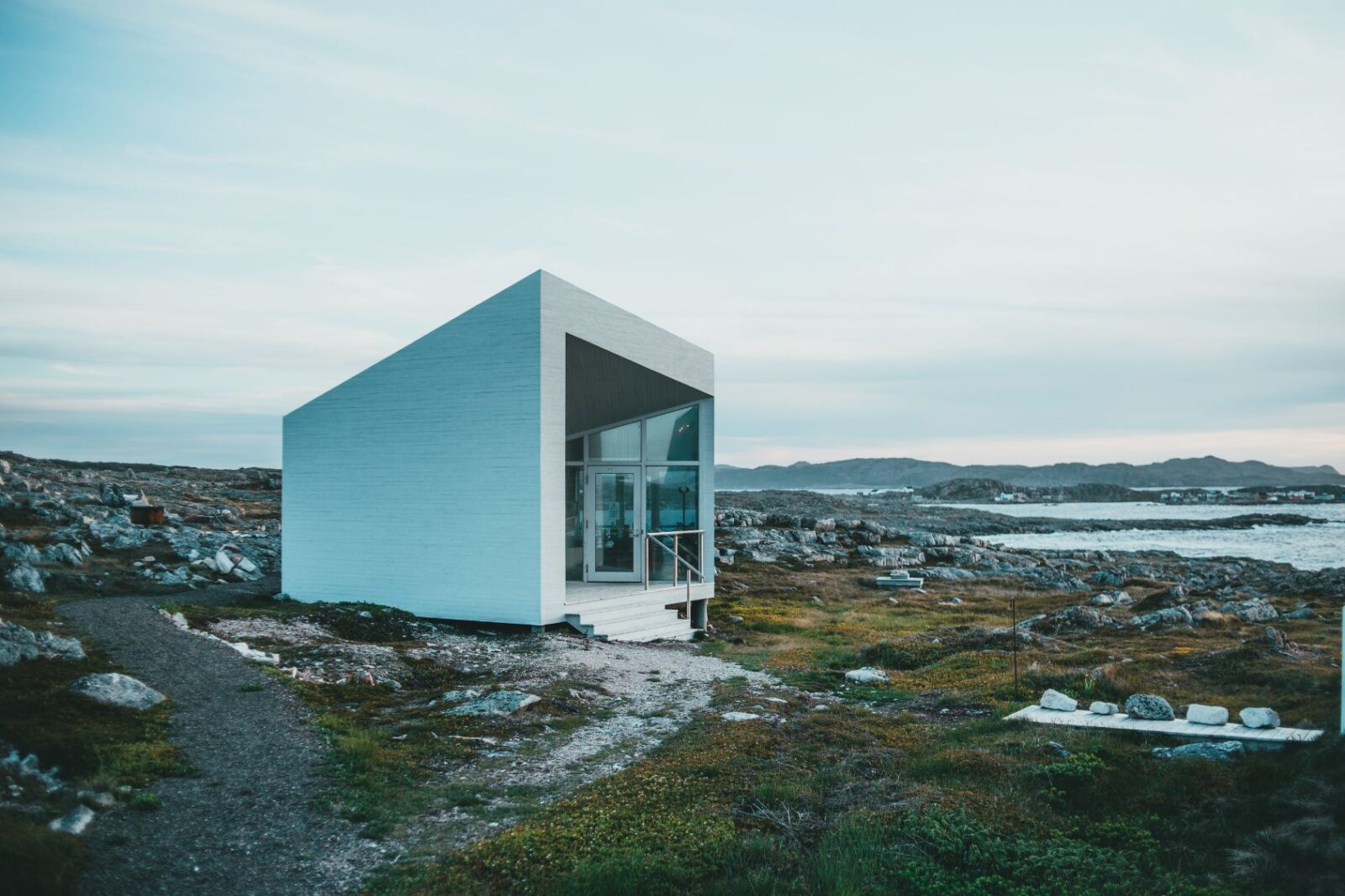
Table of Contents Show
A tiny house with loft turns limited square footage into a surprisingly functional home by building upward instead of outward. Lofts free up the main floor for cooking, working, and relaxing while providing a private sleeping area overhead. Whether you are planning a mobile build on a trailer or a foundation-based micro dwelling, understanding how loft design affects layout, comfort, and code compliance will help you avoid costly mistakes and create a space that feels much larger than its footprint suggests.
According to the 2018 International Residential Code (IRC) Appendix Q, a tiny house is defined as a dwelling of 400 square feet or less, excluding lofts. That exclusion is significant: a well-designed loft can add 35 to 80 usable square feet without counting against the official floor area. This article covers sleeping loft design, structural requirements, access options, ventilation strategies, and practical building tips so you can plan a tiny house with loft that works for your lifestyle.
Why Add a Loft to Your Tiny House?
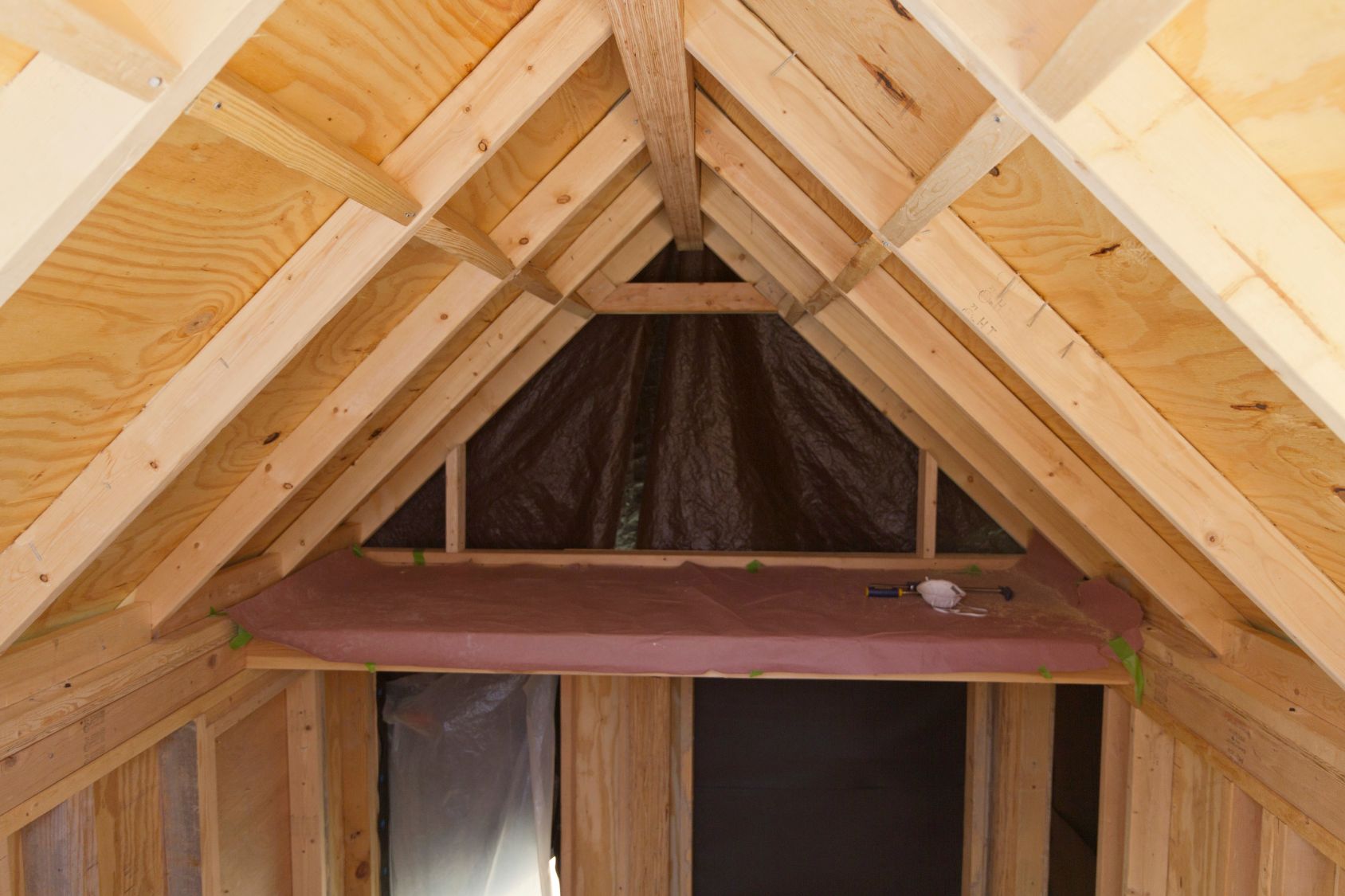
Lofts solve the biggest challenge in tiny living: finding enough room to sleep without sacrificing your kitchen, living area, or workspace. By moving the bed above the main floor, you keep the ground level open and uncluttered. This vertical separation also creates a sense of privacy that open-plan tiny houses often lack.
The benefits go beyond sleeping. A loft bed tiny house typically offers 20 to 30 percent more usable living space compared to single-level designs of the same footprint, according to data published by the Tiny Home Builders Network. That extra space can accommodate a queen-size mattress, built-in shelving, reading lights, and even a small workspace. Some owners add a second loft on the opposite end of the home for dedicated storage or a guest sleeping area.
From a financial perspective, tiny homes with lofts typically cost between $25,000 and $100,000, depending on materials, size, and custom features. Building upward is far cheaper per square foot than extending the footprint, since you avoid additional foundation work, roofing material, and trailer length on mobile builds.
Loft Bed Tiny House: Sleeping Loft Design Fundamentals
A loft bed tiny house needs careful dimensional planning. The ceiling height above the mattress determines whether the space feels cozy or claustrophobic. Most sleeping lofts offer between 36 and 48 inches of headroom, enough to sit up comfortably but not stand. For many tiny house designers, 42 inches above the mattress surface is the practical sweet spot.
The loft itself should measure at least 70 to 80 square feet for a comfortable sleeping area that accommodates a queen mattress (60 by 80 inches) with room for movement on the sides. Under IRC Appendix Q, the minimum loft area for a habitable loft is 35 square feet, with no horizontal dimension less than 5 feet. Portions of the loft where the sloped ceiling drops below 3 feet do not count toward that minimum area.
Mattress Selection for Loft Sleeping
Choosing the right mattress is critical. Standard mattresses range from 8 to 14 inches thick, but in a loft where every inch of headroom counts, a low-profile mattress of 6 to 8 inches works best. Memory foam and latex options perform well on the flat plywood or slatted platforms common in loft construction because they do not require a box spring. Custom-sized mattresses from companies specializing in tiny house builds can be cut to fit unusual loft dimensions and odd angles created by roof slopes.
Loft Placement and Orientation
Where you position the loft relative to the rest of the house matters. Placing the sleeping loft above the bathroom or kitchen keeps plumbing runs short and tucks noisy areas away from the main living zone. However, placing it above the living room gives you higher ceilings in the space where you spend the most daytime hours. Consider how you will route electrical wiring for loft outlets and lighting before framing begins, since running cables through finished walls is difficult in tight spaces.
Tiny House Loft Ideas: Creative Configurations
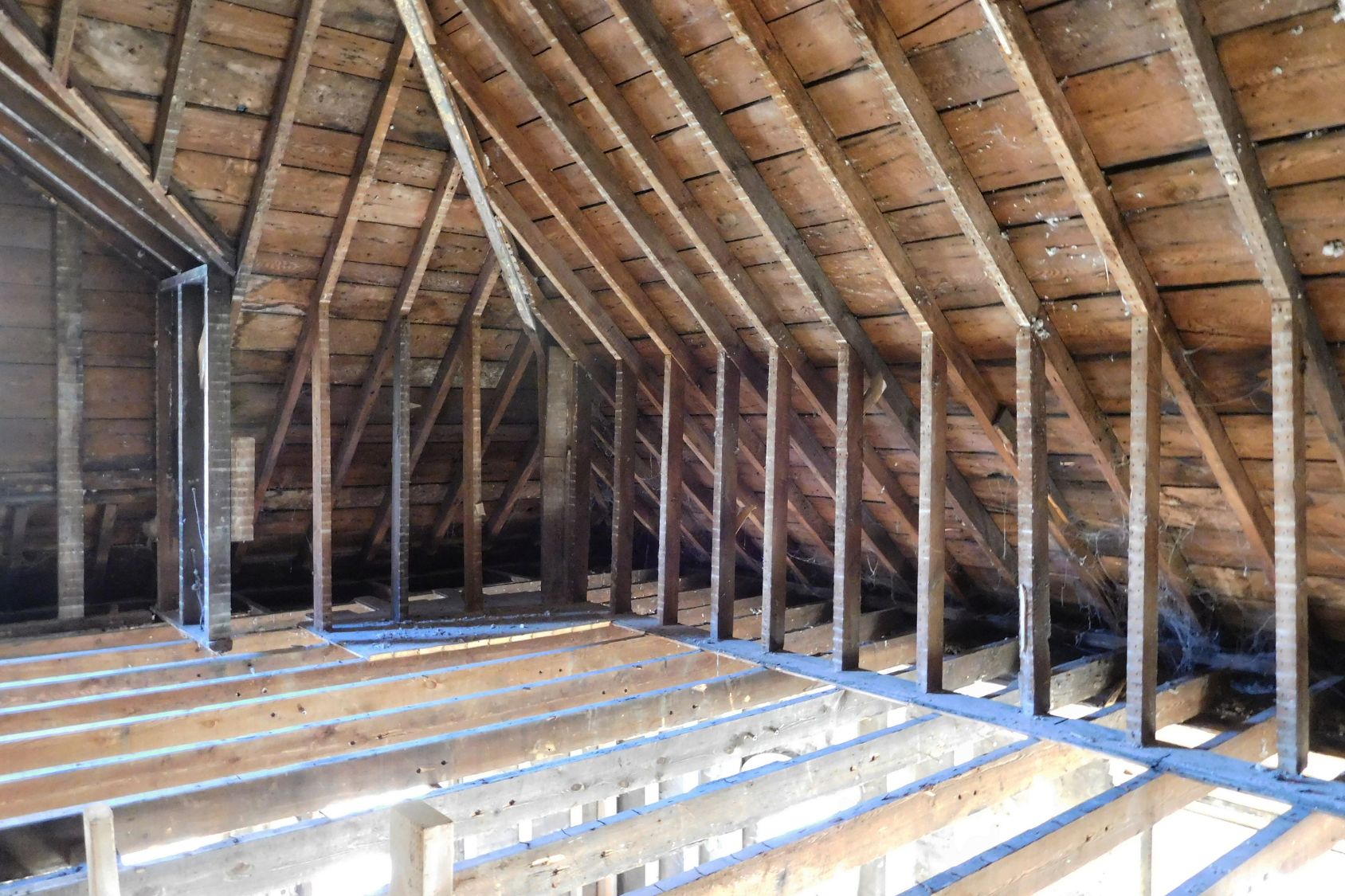
Not every loft serves the same purpose. The best tiny house loft ideas match the homeowner’s daily routine and priorities. Here are configurations that work well in real-world builds.
Single Sleeping Loft
The classic layout places one sleeping loft at one end of the house, usually above the bathroom or kitchen. A ladder or staircase provides access, and the opposite end of the home features full-height ceilings for the living area. This setup works best for individuals or couples who want maximum openness on the main floor.
Dual Loft Design
A dual loft places sleeping areas at both ends of the tiny house. The main loft holds the primary bedroom, while the secondary loft serves as a guest bed, home office, or dedicated storage zone. This configuration is popular with small families, since children can have their own elevated sleeping area separated from the parents. The trade-off is reduced ceiling height in the central living zone between the two lofts.
Split-Level Loft
A split-level approach staggers the loft into two tiers at slightly different heights. The upper tier serves as the sleeping platform, while the lower section creates a reading nook, workspace, or lounge area. This design adds architectural interest and allows each zone to have slightly more headroom than a single flat loft that spans the full width.
Storage Loft with Ground-Floor Bedroom
For owners who prefer not to climb a ladder every night, the loft can be dedicated entirely to storage while the bed stays on the main floor. Murphy beds, daybed sofas, or convertible furniture keep the ground level flexible during the day. The overhead storage loft holds seasonal clothing, camping gear, or household items that are not needed daily.
Comparison of Loft Configurations
The following table summarizes key differences between common loft types to help you choose the right layout for your needs.
| Loft Type | Best For | Main Floor Openness | Accessibility |
|---|---|---|---|
| Single Sleeping Loft | Individuals, couples | High | Ladder or stairs |
| Dual Loft | Families, hosts | Moderate | Two access points needed |
| Split-Level Loft | Multi-use zones | Moderate | Staircase preferred |
| Storage Loft (bed below) | Mobility-limited, aging in place | Lower (bed takes floor space) | Ladder for occasional access |
| Loft Office/Studio | Remote workers, creatives | High | Stairs with storage |
Sleeping Loft Design: Access Options
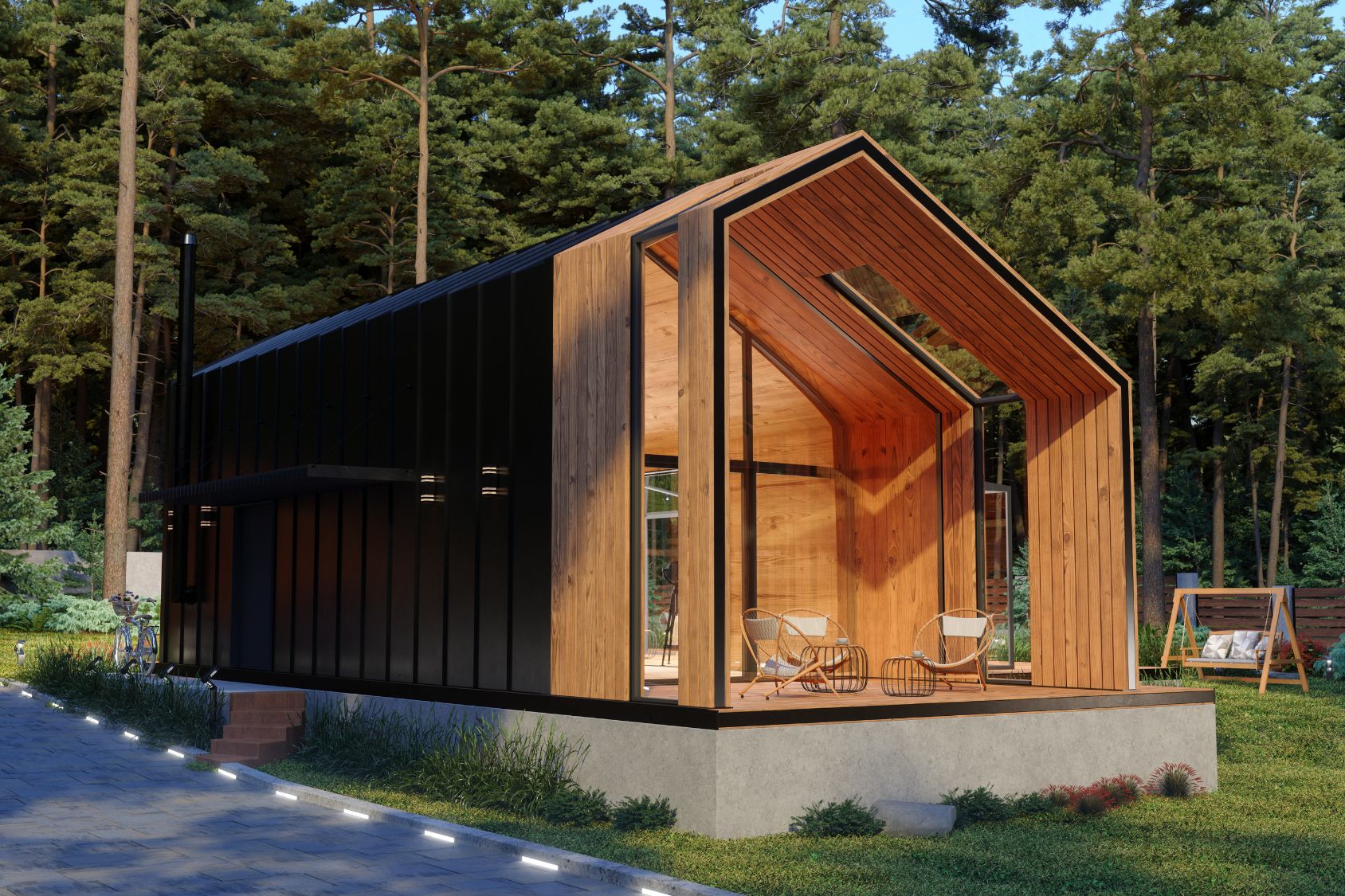
How you reach your loft affects daily comfort more than almost any other design decision. The three main access types each involve trade-offs between floor space, safety, and convenience.
Ladders
Fixed or removable ladders take up the least floor space and cost the least to build. Under IRC Appendix Q, ladders accessing lofts must have rungs at least 12 inches wide with 10 to 14 inches of spacing between rungs, and each rung must support at least 200 pounds. Removable ladders offer even more flexibility, since you can tuck them away during the day. The downside is that ladders can be difficult to climb in the dark, with hands full, or as you age. They are also challenging for children and pets.
Storage Staircases
Staircases with built-in drawers or cabinets in each step are the most popular access solution in modern tiny house with loft builds. These “tansu stairs” (inspired by Japanese stepped storage chests) serve double duty: each riser becomes a pull-out drawer for shoes, linens, tools, or kitchen supplies. Stairs with storage are heavier and take more floor area than ladders, typically requiring 3 to 5 feet of linear space along one wall. IRC Appendix Q permits compact stairs as narrow as 17 inches at or above the handrail for tiny house lofts.
Alternating Tread Stairs and Ship Ladders
Alternating tread stairs (also called ship ladders) sit between ladders and conventional stairs in terms of space, safety, and comfort. They feature offset treads that allow a steeper angle while still providing a foot-sized platform on each step. These work well in builds where a full staircase is too large but a simple ladder feels unsafe for everyday use.
Ventilation and Climate Control for Loft Spaces
Heat rises, and in a tiny house, the sleeping loft is the warmest spot in the building. Without proper ventilation, lofts become uncomfortably hot in summer and can develop condensation problems that lead to mold growth. Addressing airflow during the design phase prevents these issues.
Skylights and Operable Roof Windows
Installing operable skylights directly above or near the loft is the single most effective ventilation strategy. When opened, they create a stack effect: warm air escapes through the roof while cooler air is drawn in through lower windows and doors. Skylights also flood the loft with natural daylight, which makes the low-ceilinged space feel larger and more pleasant. Choose units with ENERGY STAR ratings and low-emissivity (low-e) coatings to control solar heat gain in warm climates.
Cross-Ventilation and Mechanical Options
Two small operable windows on opposite walls of the loft outperform a single large opening for cross-ventilation. If roof windows are not possible, a compact ceiling fan or exhaust vent can move stale air out of the loft and into the main living area. In climates with extreme heat or cold, a mini-split HVAC system with a dedicated head unit near the loft provides precise temperature control without ductwork.
Structural Considerations for Loft Construction
A loft is only as good as the framing that supports it. Underbuilt lofts feel bouncy underfoot, creak with movement, and can pose genuine safety risks over time.
Load-Bearing Requirements
Sleeping lofts must support dynamic loads (people moving, sitting up, turning over) plus the static weight of the mattress, bedding, and any built-in storage. A minimum live load rating of 30 pounds per square foot (psf) is standard for sleeping lofts, though 40 psf provides a better safety margin. Joists of 2×6 or 2×8 lumber, spaced 16 inches on center, with a 3/4-inch plywood deck typically meet this requirement for spans up to 8 feet. For wider spans, engineered lumber or steel beams may be necessary.
Connection Details
Loft joists connect to the walls of the tiny house through ledger boards, joist hangers, or pocket connections. In mobile tiny houses, vibration from road travel stresses these connections over time. Use structural screws or bolts rather than nails for all loft framing connections in a tiny house on wheels. Simpson Strong-Tie joist hangers rated for the lumber size you are using are a reliable and code-accepted option.
Guard Rails and Safety
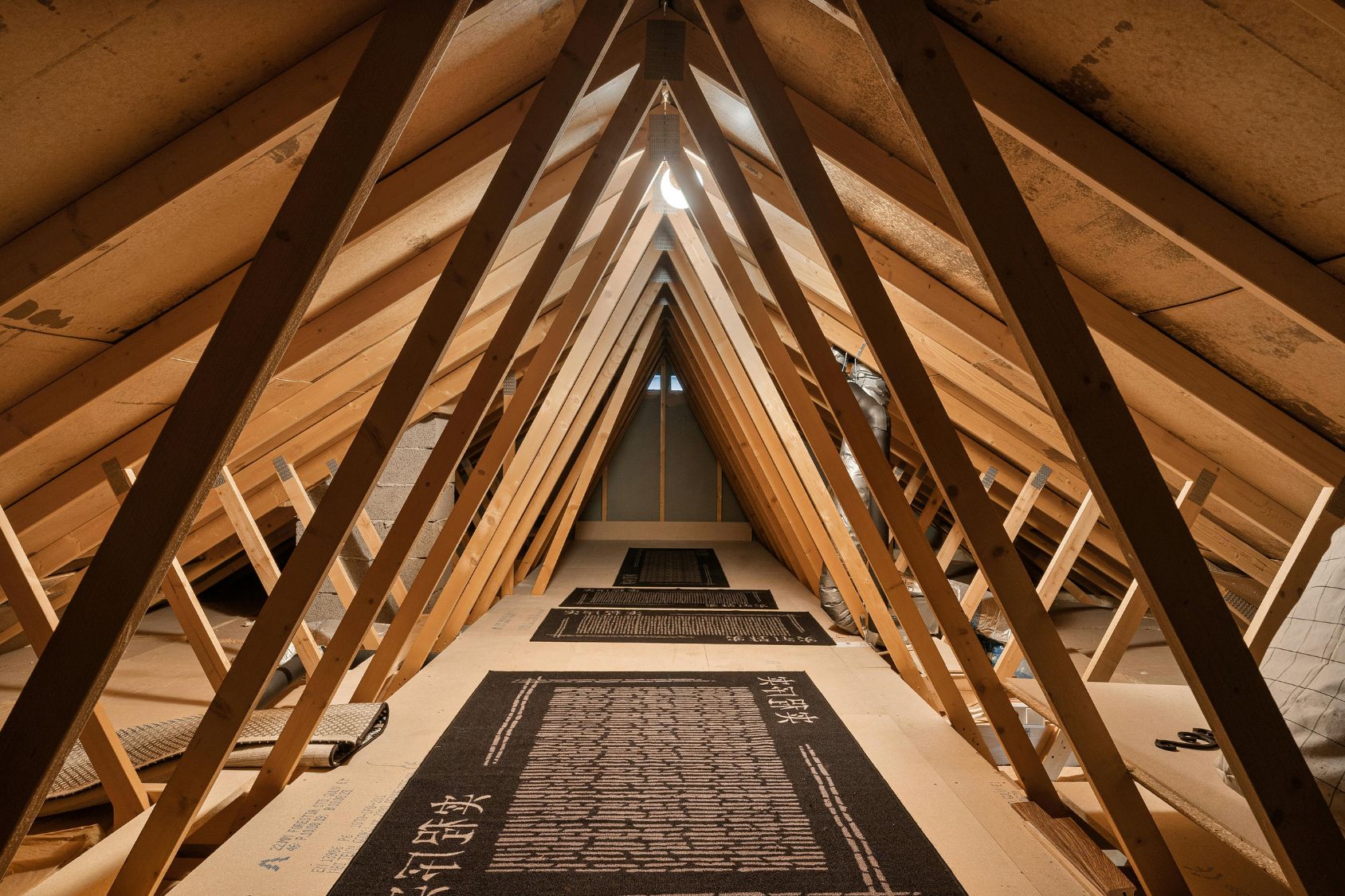
Open-sided lofts require guard rails to prevent falls. The IRC generally requires guards at least 36 inches high at elevated surfaces, though some tiny house code adoptions allow reduced heights. Cable railings, slender steel balusters, and glass panels maintain sightlines between the loft and the main floor, which helps both light distribution and the feeling of openness. Solid half-walls can double as headboards or bookshelf backs.
Building Code Requirements for Tiny House Lofts
Building code compliance is not optional, even for DIY builds. IRC Appendix Q, first adopted in 2018 and updated in the 2021 edition, provides the primary framework for tiny house construction in the United States. As of 2025, the Tiny Home Industry Association (THIA) reports that a growing number of states and municipalities have adopted or referenced Appendix Q, though adoption varies by jurisdiction.
Key Loft Code Requirements Under IRC Appendix Q
The code specifies the following minimums for habitable lofts in tiny houses:
- Minimum loft floor area: 35 square feet
- Minimum horizontal dimension in any direction: 5 feet
- Areas where the sloped ceiling is less than 3 feet above the floor do not count toward the minimum area
- Main floor habitable spaces require a ceiling height of at least 6 feet 8 inches; lofts are exempt from this requirement
- Loft access can be via stairway, ladder, or alternating tread device that meets the specified dimensions
- Sleeping lofts must have an emergency egress opening (window or skylight) with the sill no more than 44 inches above the loft floor
Always verify which edition of the IRC your local jurisdiction has adopted and whether Appendix Q has been included. Some areas require additional fire safety measures, such as smoke and carbon monoxide detectors mounted at the highest point of the loft. Contact your local building department before finalizing plans.
Building codes and regulations vary by jurisdiction. Always consult local authorities and a licensed professional before beginning construction.
Maximizing Storage in a Loft Tiny House
Storage in a tiny home requires creative thinking. The loft area itself offers several hidden storage opportunities that many builders overlook.
Under-Bed Storage
A platform bed with a hinged top or pull-out drawers built into the loft floor creates deep storage compartments for bedding, seasonal clothing, or luggage. Lift-up platforms using gas struts (similar to a car trunk mechanism) are easy to operate in the tight confines of a loft.
Stair-Integrated Storage
If you choose a staircase over a ladder, every step becomes a potential drawer, shelf, or cabinet. Some builders use the larger bottom steps for kitchen items and transition to clothing storage as the stairs approach the loft level. This approach eliminates the need for separate closets or dressers on the main floor.
Wall-Mounted Shelving and Overhead Cabinets
The vertical surfaces around the loft perimeter are prime real estate for narrow shelving, hooks, and small cabinets. Wall-mounted organizers keep phones, books, glasses, and other bedside items within reach without taking up mattress space. Overhead cabinets along the peak of the roof (in gable designs) use otherwise wasted space created by the roof slope.
Lighting Strategies for Loft Comfort
Lighting transforms a loft from a dark, cramped platform into an inviting retreat. Combine natural and artificial light sources for the best results.
Skylights and dormer windows bring daylight into the loft during daytime hours. At night, dimmable LED strip lights mounted along the loft edge or under shelving provide warm ambient light without the heat output of incandescent bulbs. Recessed puck lights in the ceiling (where headroom allows) offer task lighting for reading. Wall-mounted adjustable sconces keep the floor and mattress area clear. Plan all lighting circuits and switch locations before framing, and consider including a switch at both the loft entry and beside the bed so you can turn lights off without climbing back down.
Common Mistakes to Avoid When Building a Tiny House Loft
Learning from the mistakes of others saves time, money, and frustration. Here are the most frequent issues that arise in tiny house construction projects involving lofts.
Ignoring headroom below the loft is a common problem. If the ceiling beneath the loft drops below 6 feet, the main floor area feels compressed. Plan sitting activities (desk, couch, dining) under the loft and standing activities (kitchen prep, entry) in the full-height zone.
Skipping ventilation planning leads to summer overheating. Retrofit solutions like portable fans are less effective than properly placed operable windows designed into the original build.
Over-building the loft with heavy finishes adds unnecessary weight, which is especially problematic in tiny houses on wheels. Every pound in the loft sits at the highest point of the structure, raising the center of gravity and affecting towing stability. Use lightweight materials like thinner plywood decking, aluminum railing components, and minimal trim.
Choosing the wrong access method causes daily frustration. Test a ladder versus stairs in a mockup or at a tiny house builder’s model home before committing to your floor plan. What feels adventurous on day one can become tiresome by month six.
Forgetting about emergency egress puts occupants at risk. Every sleeping loft needs an operable window or skylight large enough to escape through in a fire. This is not just a code requirement; it is a life-safety essential.
Tiny House with Loft Floor Plan Tips
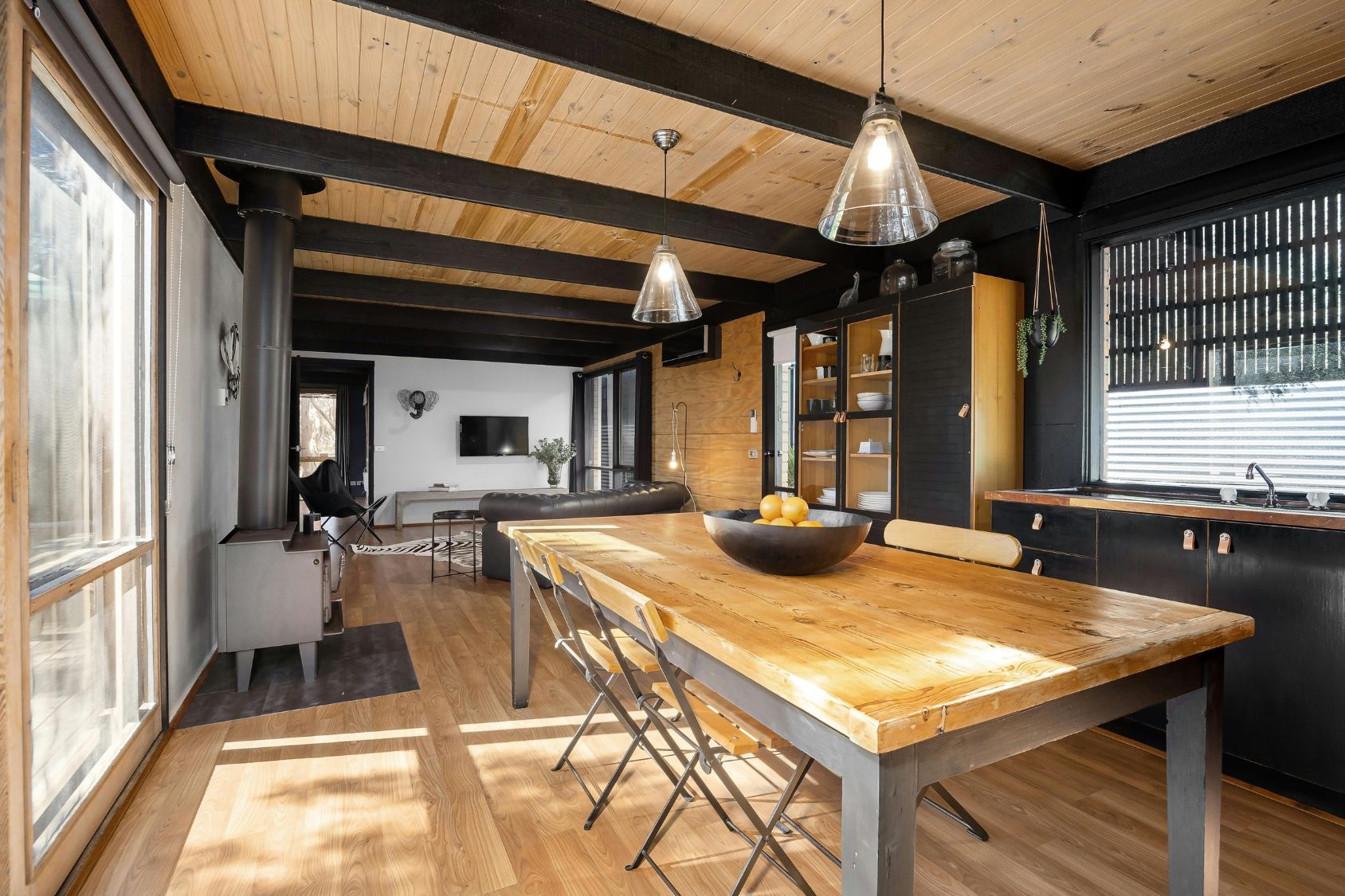
A good floor plan accounts for how you actually move through the space each day. Consider these layout principles when designing your tiny house with loft.
Place the tallest activities (cooking at the counter, entering and exiting) in the section with full ceiling height. Cluster low-activity zones (couch seating, desk work, reading) beneath the loft where reduced headroom is less noticeable. Route plumbing vertically by stacking the bathroom directly below a loft corner to simplify drain and supply line runs.
For mobile builds, remember that the maximum road-legal dimensions for a tiny house on a trailer in the United States are 8.5 feet wide, 40 feet long, and 13.5 feet tall (including the trailer). That 13.5-foot height cap directly limits your loft headroom. A trailer deck height of 18 to 24 inches, plus a main floor ceiling of 6 feet 8 inches, leaves roughly 4 to 5 feet for the loft space and roof structure combined. Foundation-based builds have more flexibility, since local height limits (often 15 to 25 feet depending on zoning) allow taller interior volumes and more generous lofts.
If you are looking for tiny house community living, check whether the community has specific design guidelines or shared aesthetic standards that could affect your loft design.
Roof Shapes and Their Impact on Sleeping Loft Design
The roof profile has a direct effect on usable loft space. Gable roofs are the most popular choice for tiny houses with lofts because they maximize headroom at the center ridge while allowing the roof to shed water and snow efficiently. A standard gable with a 6:12 pitch provides roughly 10 to 18 inches more usable headroom at the peak compared to a shed or flat roof on the same footprint.
Shed roofs (single-slope) create a loft with one tall side and one short side. This can work well if you orient the bed so your head is at the tall end, but it limits the overall area where you can sit up comfortably. Gambrel (barn-style) roofs offer the most interior volume of any roof type by using a steeper lower pitch and a shallower upper pitch, creating nearly vertical walls in the loft for the first few feet. The trade-off is a more complex framing job and a distinctive exterior profile that some jurisdictions regulate through aesthetic guidelines.
Adding dormers to a gable or shed roof pushes the walls outward at specific points, creating pockets of extra headroom for sitting, dressing, or placing a window. Even a single shed dormer on one side of the loft can transform the space from a crawl-in sleeping platform into a room where you can sit upright at the edge of the bed.
Insulation and Acoustics in the Loft
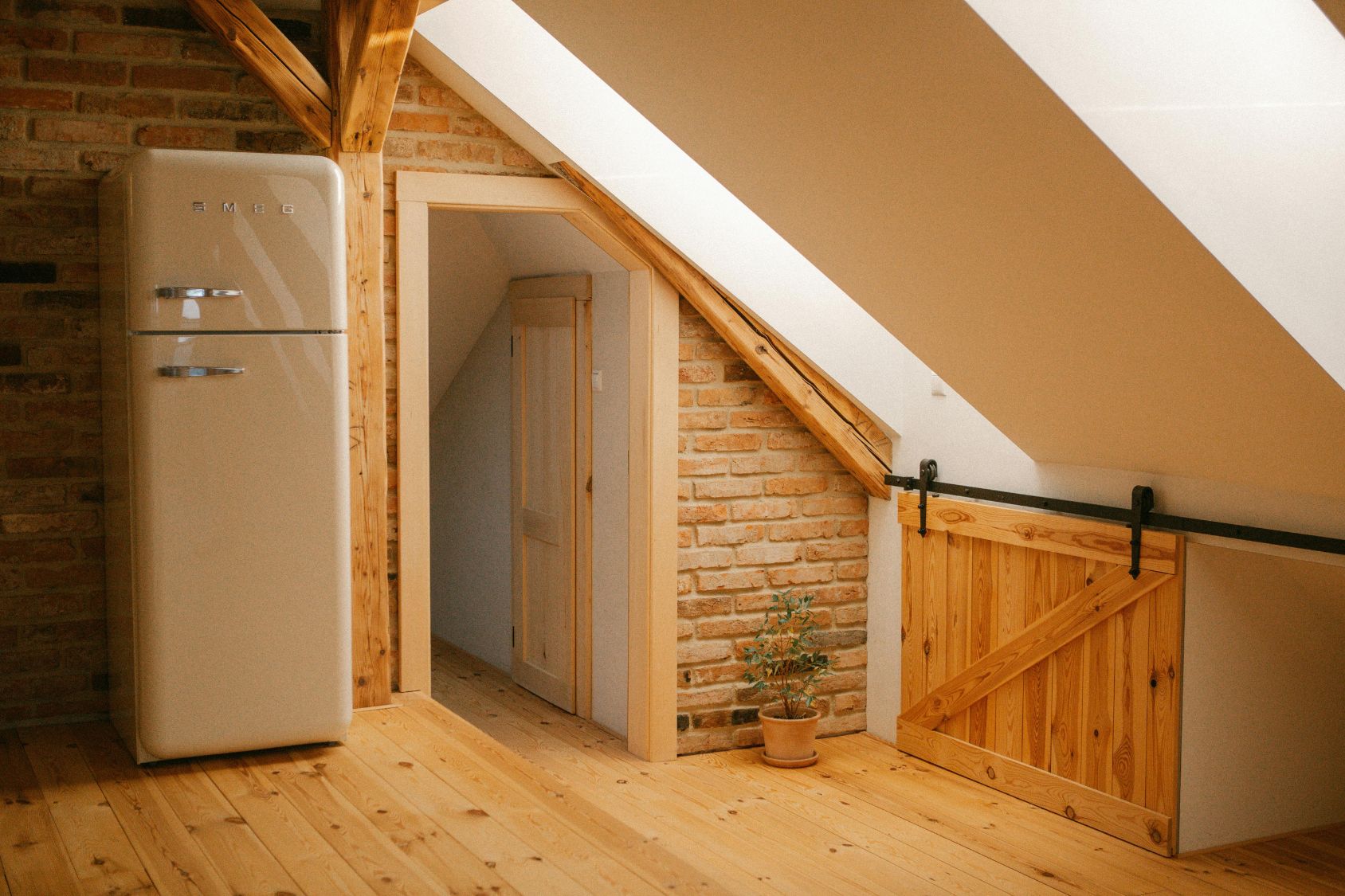
The loft sits directly beneath the roof, making it the most exposed area of the house to outdoor temperatures and noise. Proper insulation keeps the loft comfortable year-round, while acoustic treatments reduce noise transfer between the loft and the living area below.
Closed-cell spray foam insulation offers the highest R-value per inch (approximately R-6.5) and doubles as an air barrier and vapor retarder. For builders who prefer non-spray options, combining rigid polyiso foam board on the exterior of the rafters with mineral wool batts between them achieves excellent thermal performance with good sound-dampening qualities. The loft floor itself benefits from a layer of acoustic underlayment beneath the plywood deck to reduce footstep noise transmitted to the living area below.
For deeper guidance on sustainable building practices in small-scale construction, the U.S. Green Building Council (USGBC) and the American Institute of Architects (AIA) both publish resources relevant to tiny house projects.
FAQ
How much does it cost to build a tiny house with loft?
Costs vary widely based on location, materials, and level of finish. A basic DIY tiny house with loft typically costs between $25,000 and $50,000 for materials alone. Professional builds range from $50,000 to $100,000 or more. The loft itself adds relatively little to the overall cost since you are primarily adding floor joists, decking, and a railing within an existing structure.
Can you stand up in a tiny house loft?
In most tiny houses on wheels, standing fully upright in the loft is not possible due to the 13.5-foot road height limit. Typical loft headroom ranges from 3 to 4 feet. Foundation-based tiny houses can accommodate taller lofts, and adding dormers or choosing a gambrel roof can increase the area where standing is possible.
Is a tiny house loft safe for children?
With proper guard rails (at least 18 inches high, though taller is better for young children), secure stair access, and non-slip surfaces, lofts can be safe for children. Avoid ladder-only access for lofts used by small children. Many families choose stairs with handrails and add a gate at the top of the staircase for extra safety.
What is the minimum size for a sleeping loft in a tiny house?
IRC Appendix Q requires a minimum of 35 square feet for a habitable loft, with no dimension less than 5 feet. However, designers recommend 70 to 80 square feet for a comfortable sleeping loft that can accommodate a queen mattress and some storage.
Do I need a building permit for a tiny house loft?
In most jurisdictions, yes. Any structural modification or new construction requires a permit. Even if your area has adopted tiny house-friendly regulations through IRC Appendix Q, you will typically need to submit plans, obtain a building permit, and pass inspections. Contact your local building department for specific requirements.






Tiny House Water Systems: Your Complete Guide to Plumbing, Rainwater Harvesting and Off-Grid Solutions
A practical guide to designing a tiny house water system, covering PEX...
Bahattin Duran14 Mins read
Off-Grid Tiny House Living: Complete Setup Guide for Beginners
This guide walks you through every stage of setting up an off-grid...
Bahattin Duran15 Mins read
8+ Best Tiny Home Communities in Michigan: Great Lakes Tiny Living Guide
Explore tiny home communities in Michigan. Great Lakes lifestyle, affordable land, and...
Bahattin Duran18 Mins read
8+ Best Tiny Home Communities in South Carolina
Find tiny home communities in South Carolina. Affordable living, coastal charm, and...
Bahattin Duran20 Mins read


Leave a comment