



What Is Brutalist Architecture? Origins and Philosophy
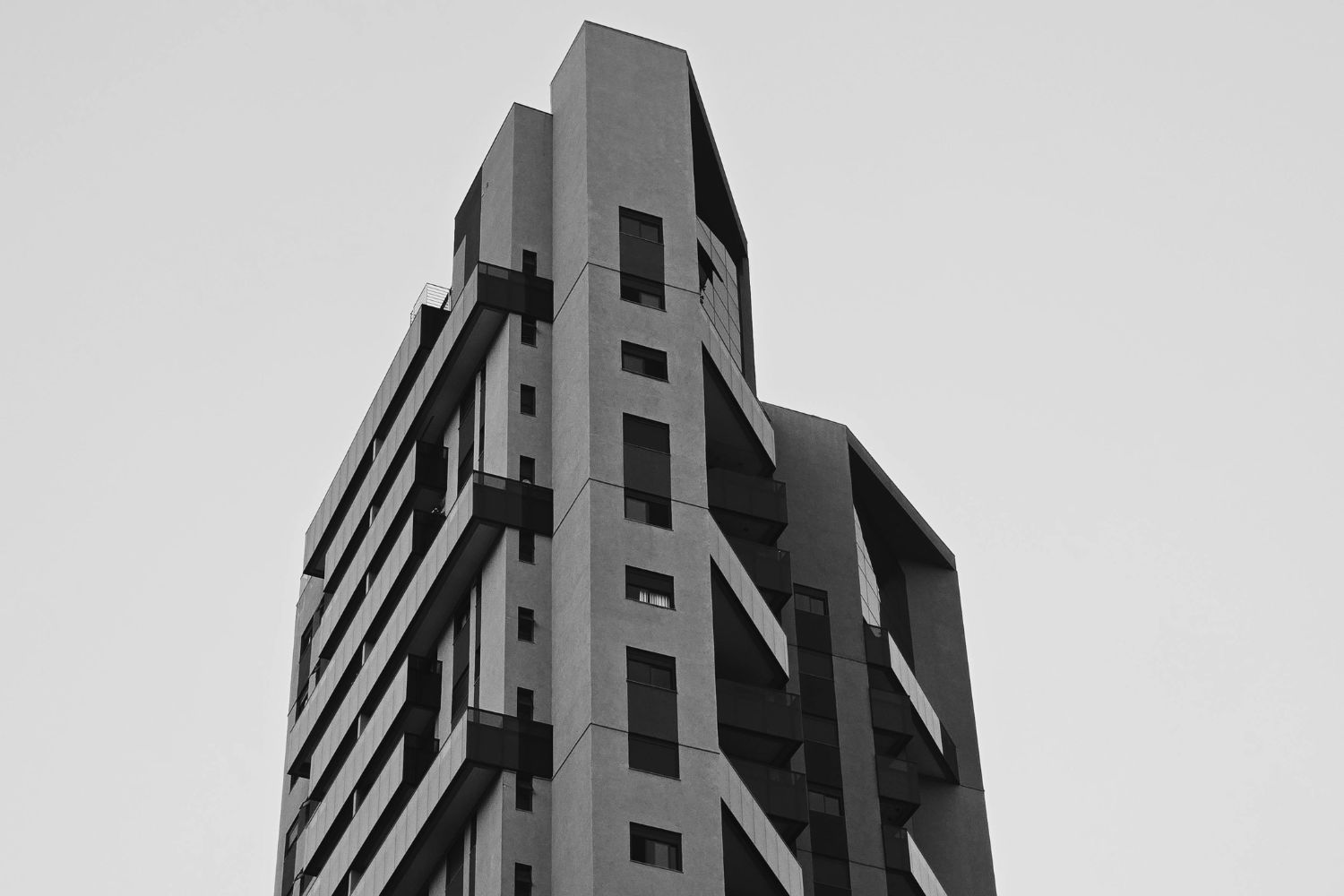
Brutalist architecture is an architectural style that emerged in the 1950s and flourished through the mid-1970s, characterized by its use of raw, unfinished concrete, massive geometric forms, and a philosophy that prioritizes function and honest expression of materials over decorative aesthetics. The term “brutalism” derives from the French phrase “béton brut,” meaning “raw concrete,” which was frequently used by the pioneering modernist architect Le Corbusier to describe his signature use of board-marked, unfinished concrete surfaces.
The brutalist style architecture movement was born from the idealism of post-war reconstruction. In the aftermath of World War II, European nations faced unprecedented housing shortages and the urgent need to rebuild devastated cities. Architects and urban planners saw an opportunity to create a new social order through architecture, one that would provide dignified, affordable housing for the masses while breaking from the bourgeois architectural traditions of the past. This period is extensively documented by The Architectural Review, which has chronicled architectural movements since 1896.
British architects Alison and Peter Smithson are often credited with coining the term “New Brutalism” in the early 1950s. Their vision extended beyond mere aesthetics; they advocated for an architecture that was honest, direct, and responsive to the social needs of its users. This ethical dimension distinguished brutalism from mere stylistic choice, it was conceived as architecture with a social conscience. The Royal Institute of British Architects (RIBA) maintains extensive archives on the Smithsons’ influential work.
Le Corbusier’s Unité d’Habitation in Marseille (1952) is widely regarded as the foundational work of brutalist architecture. This revolutionary residential complex demonstrated how raw concrete could be sculpted into a “vertical village” that integrated housing, commerce, and community spaces. The building’s rough concrete surfaces, bold geometric forms, and social ambition established the template that would influence brutalist architecture worldwide. Today, it is recognized as a UNESCO World Heritage Site.
Key Features of Brutalist Architecture Style

Understanding what are the main features of brutalist architecture requires examining both its physical characteristics and underlying design philosophy. Several defining elements distinguish brutalist buildings from other architectural styles, as documented by institutions like the Museum of Modern Art (MoMA) and Getty Conservation Institute.
Raw Concrete (Béton Brut)
The most immediately recognizable feature of brutalist architecture is its extensive use of exposed concrete, left unfinished to reveal the texture of the wooden formwork used in its casting. This “honest” treatment of materials was revolutionary, rather than concealing structural elements behind decorative facades, brutalist architects celebrated the raw beauty of construction materials. The resulting surfaces display a distinctive pattern of wood grain impressions, tie holes, and subtle color variations that give each building a unique character. The American Concrete Institute provides technical resources on the construction methods used in brutalist buildings.
Monolithic and Geometric Forms
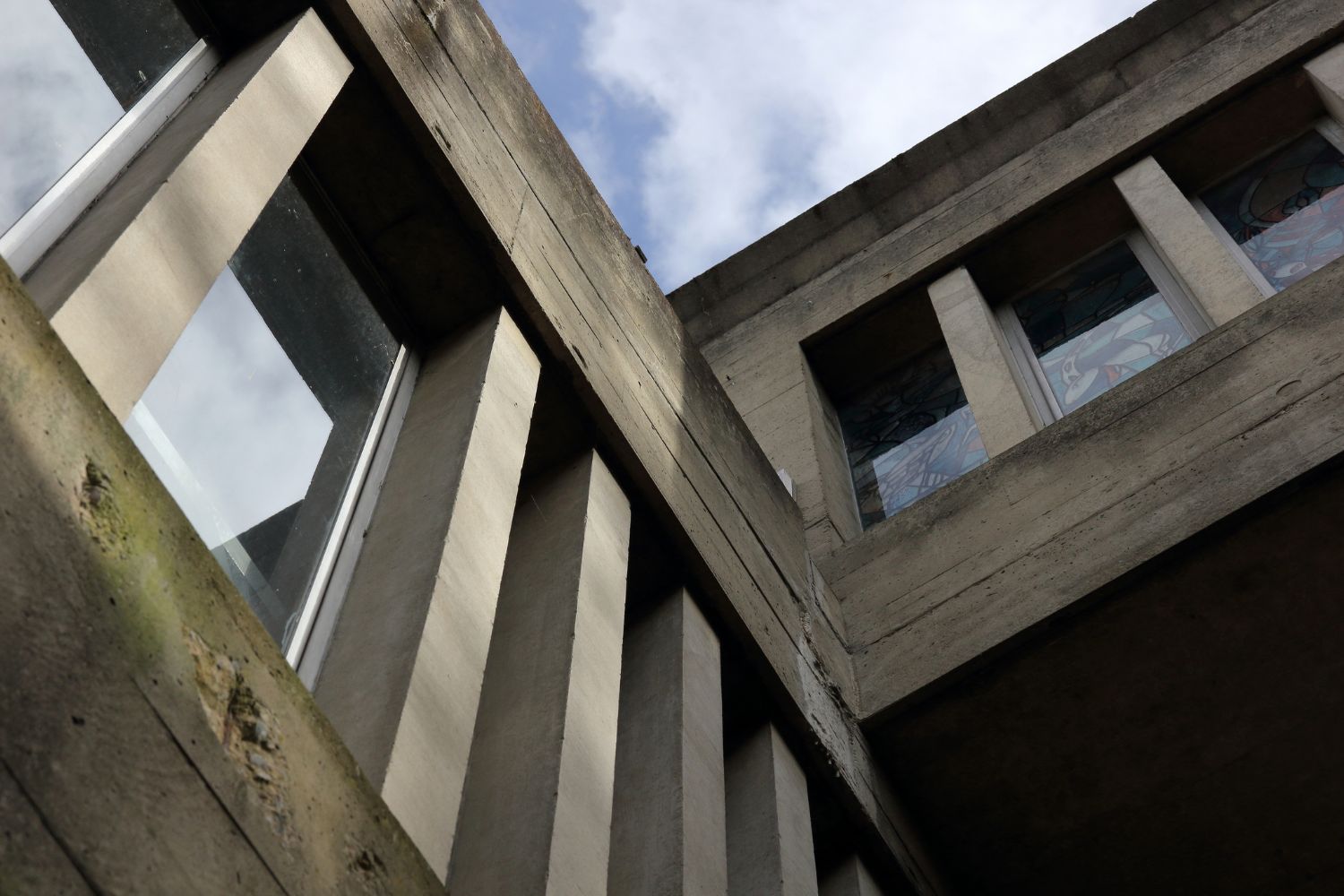
Brutalist buildings typically feature bold, sculptural massing with strong geometric shapes. Massive block-like structures, cantilevered volumes, and dramatic angular compositions create a sense of weight and permanence. These monolithic forms often appear to defy gravity, with heavy upper stories supported by slender columns or seeming to float above recessed ground floors.
Functionality Over Ornamentation
Following the modernist principle that “form follows function,” brutalist architecture rejects applied decoration in favor of expressing a building’s purpose through its form. Structural elements become aesthetic features; mechanical systems may be exposed rather than hidden; and the organization of interior spaces is often legible from the exterior. This radical honesty extended to showing how buildings were constructed and how they worked.
Repetitive Modular Elements
Many brutalist buildings employ repetitive modular units, identical windows, balconies, or structural bays arranged in rhythmic patterns across vast facades. This modularity reflected both the industrial production methods used in construction and the egalitarian social ideals of the movement. In social housing projects, each identical unit represented equal accommodation for all residents.
Fortress-Like Presence
The massive scale, heavy materials, and minimal fenestration of many brutalist buildings create an imposing, fortress-like presence. Small, deeply recessed windows punctuate thick concrete walls, lending an air of permanence and protection. This quality made brutalism particularly attractive for institutional buildings, universities, government offices, and cultural centers, where a sense of authority and endurance was desired.
Soviet and Russian Brutalist Architecture

Russian brutalist architecture represents one of the most extensive and distinctive expressions of the brutalist movement anywhere in the world. The Soviet Union embraced brutalism with particular enthusiasm, producing thousands of remarkable structures that combined the movement’s raw aesthetic with Communist ideology and the unique demands of the Soviet system. The Calvert Journal has extensively documented Soviet and post-Soviet architecture and culture.
The Rise of Brutalism in the Soviet Era
Soviet brutalist architecture emerged in the late 1950s following Nikita Khrushchev’s denunciation of Stalinist architectural excess. The ornate wedding-cake towers of the Stalin era were deemed wasteful and ideologically suspect; in their place, Soviet architects turned to the honest, economical aesthetic of brutalism. The style’s emphasis on function, its celebration of industrial materials, and its rejection of bourgeois decoration aligned perfectly with Communist principles.
USSR brutalist architecture served both practical and ideological purposes. The Soviet state needed to house millions of citizens rapidly and economically; brutalism’s modular, prefabricated construction methods made this possible. Simultaneously, the style’s monumental quality communicated the power and permanence of the Soviet system. Government buildings, cultural palaces, and transportation hubs were designed to inspire awe and embody collective achievement. ArchDaily features extensive coverage of Soviet-era architectural achievements.
Notable Examples of Brutalist Architecture in Russia
The brutalist architecture Soviet Union produced includes some of the movement’s most extraordinary examples. The Druzhba Sanatorium in Yalta (1985), designed by Igor Vasilevsky, resembles a massive concrete cylinder balanced on edge, a seemingly impossible feat of engineering that exemplifies Soviet ambition. Its circular form contains stacked rings of guest rooms surrounding a central atrium, creating a building unlike anything else in the world.
Moscow’s House of Soviets demonstrates how brutalist architecture Russia developed merged Western brutalist principles with distinctly Soviet monumentality. This massive government complex features interconnected towers with deeply textured concrete facades, creating an imposing presence that communicates state authority.
The Russian State Library (formerly Lenin Library) expansion exemplifies brutalist Russian architecture at its most refined. The building’s stepped massing, rhythmic window patterns, and carefully detailed concrete surfaces show how Soviet architects developed their own sophisticated brutalist vocabulary.
Beyond Russia proper, brutalist architecture in Russia’s former Soviet territories produced remarkable buildings throughout Eastern Europe and Central Asia. Georgia’s Ministry of Highways building in Tbilisi, Ukraine’s Institute of Scientific and Technical Information in Kiev, and numerous structures across the Baltic states demonstrate the geographic reach of Soviet brutalism.
Preservation and Cultural Significance Today
Today, Soviet brutalist architecture faces an uncertain future. Many buildings have fallen into disrepair, victims of economic hardship and changing tastes. However, a growing preservation movement recognizes these structures as important cultural heritage. Organizations like DOCOMOMO International (Documentation and Conservation of buildings, sites and neighborhoods of the Modern Movement) are working to document and protect these buildings before they disappear, while some have been restored and adapted for contemporary use.
Famous Brutalist Architects and Their Iconic Works
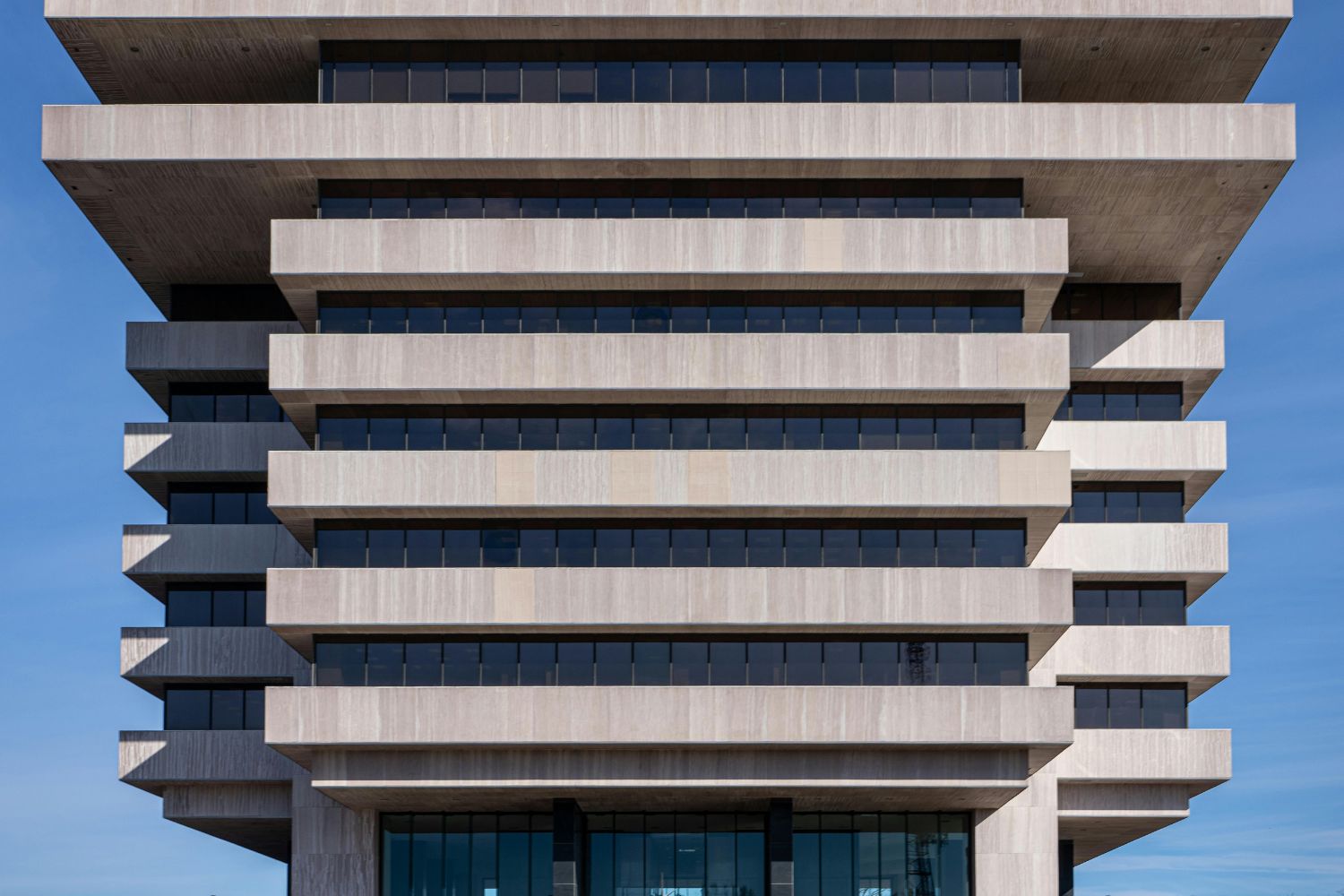
The brutalist movement was shaped by visionary architects who pushed the boundaries of concrete construction and architectural expression. Their buildings continue to define urban landscapes and inspire contemporary designers.
Le Corbusier (1887-1965)
Although Le Corbusier’s career predated and extended beyond brutalism, his work established many of the movement’s foundational principles. The Unité d’Habitation in Marseille (1952) demonstrated how béton brut could create monumental yet humane living environments. His later works, including the Monastery of Sainte Marie de La Tourette and the governmental complex at Chandigarh, India, pushed brutalist expression to new heights of sculptural power. The Fondation Le Corbusier in Paris maintains his archives and legacy.
Alison and Peter Smithson (1928-1993 / 1923-2003)
This British husband-and-wife team coined the term “New Brutalism” and produced some of its defining theoretical texts. Their Hunstanton School (1954) in Norfolk, with its exposed steel frame and services, established brutalism’s ethical commitment to honesty in construction. The Robin Hood Gardens housing estate in London (1972) represented their vision of streets in the sky, elevated walkways intended to foster community in high-density housing. The Victoria and Albert Museum acquired sections of Robin Hood Gardens for preservation after its partial demolition.
Paul Rudolph (1918-1997)
American architect Paul Rudolph developed a distinctively textured approach to brutalism. His Yale Art and Architecture Building (1963), with its complex interlocking volumes and deeply striated concrete surfaces, remains one of brutalism’s most celebrated works. Rudolph often used corduroy-textured concrete, created by casting against ribbed formwork then bush-hammering the surface to expose aggregate. The Library of Congress holds extensive archives of his drawings and papers.
Ernő Goldfinger (1902-1987)
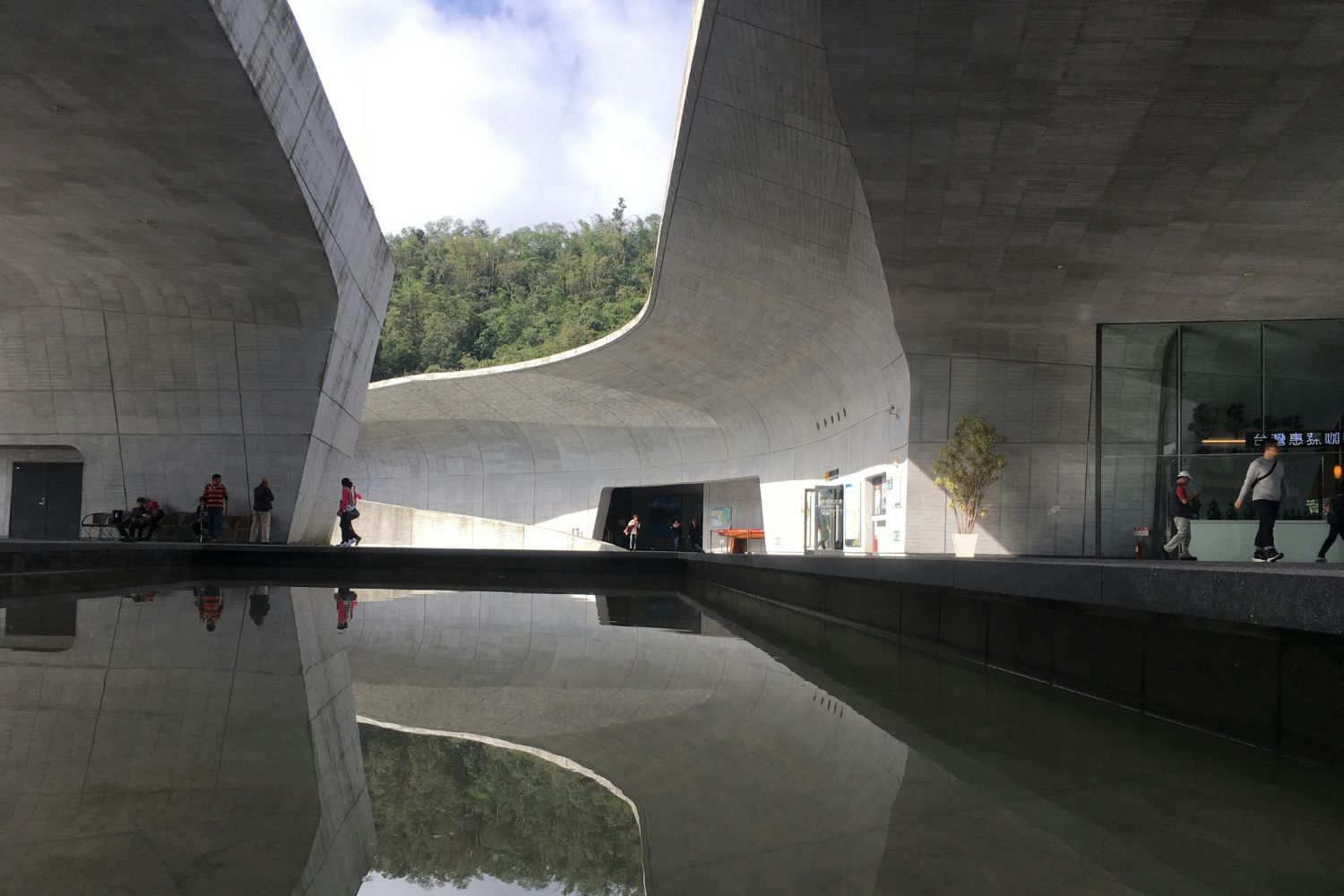
Hungarian-born British architect Ernő Goldfinger created some of London’s most iconic brutalist towers. Trellick Tower (1972) and Balfron Tower (1967) in London exemplify his approach: massive residential slabs with separate service towers connected by elevated walkways. Once maligned, these buildings are now listed heritage structures and highly sought-after residences. Historic England has designated both towers as Grade II* listed buildings.
Marcel Breuer (1902-1981)
Marcel Breuer, a Bauhaus veteran, brought a sculptural sensibility to American brutalism. His Whitney Museum of American Art in New York (1966), now the Met Breuer, features an inverted ziggurat form clad in granite, creating one of Manhattan’s most distinctive museum buildings. The UNESCO Headquarters in Paris and numerous university buildings demonstrate his range within the brutalist idiom. The Smithsonian Archives of American Art maintains his papers and correspondence.
Tadao Ando (1941-)
Japanese architect Tadao Ando represents brutalism’s evolution into a more refined, meditative practice. His Church of the Light (1989) and numerous museum projects use smooth, precisely cast concrete to create spaces of contemplative beauty. Ando’s work demonstrates how brutalism’s material honesty can achieve spiritual as well as monumental effects. He received the Pritzker Architecture Prize in 1995.
Iconic Brutalist Architecture Examples Around the World
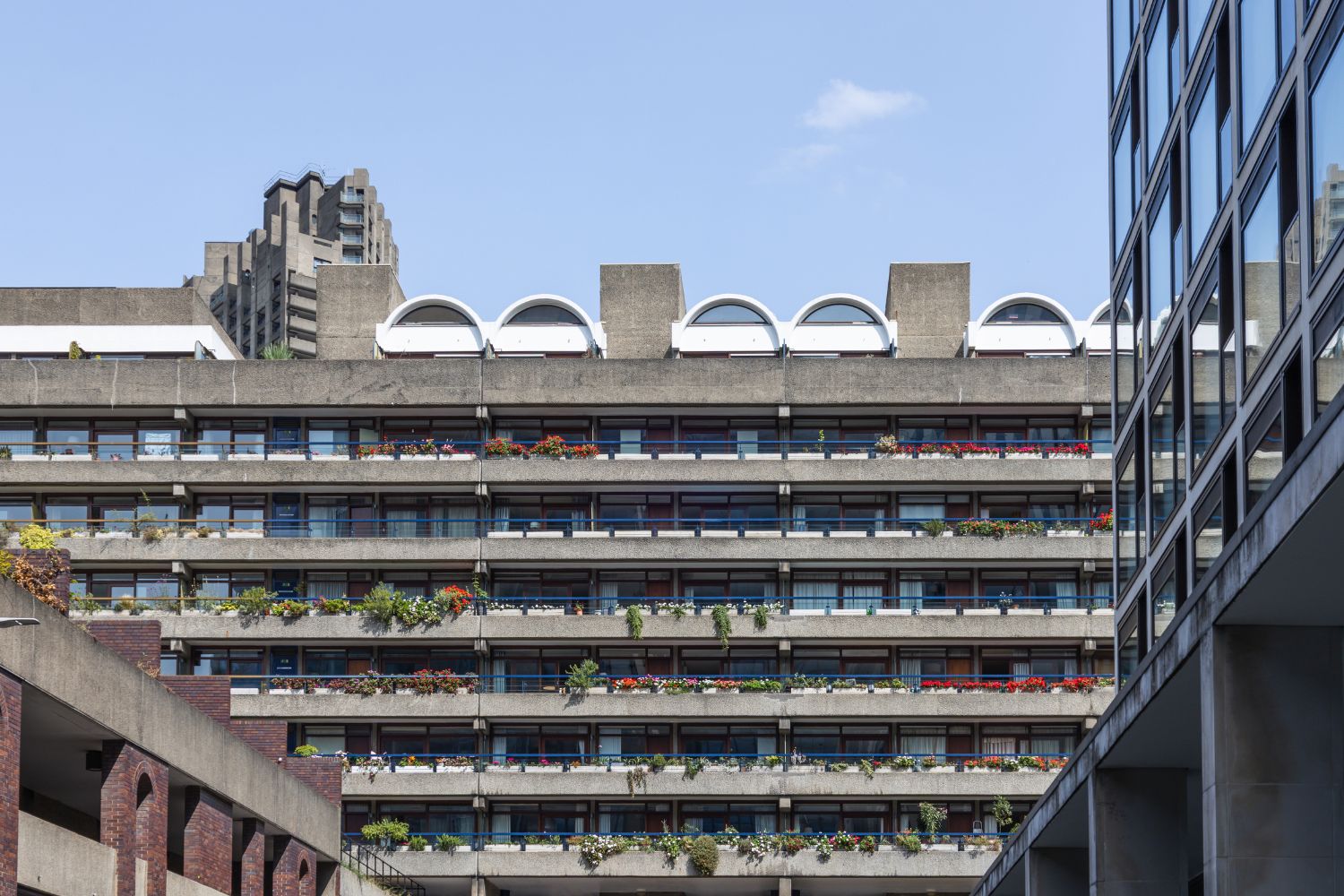
Examples of brutalist architecture can be found on every continent, from government complexes to universities, cultural centers to residential developments. These iconic buildings demonstrate the global reach and diverse expressions of the brutalist movement.
Barbican Centre, London (1982)
The Barbican Estate represents the most ambitious brutalist urban renewal project in Britain. Designed by Chamberlin, Powell and Bon, this massive complex combines residential towers, arts venues, a school, and public spaces in an interconnected concrete cityscape. The Barbican Centre arts complex, with its textured concrete surfaces, elevated walkways, and carefully integrated water features and planting, demonstrates how brutalism could create rich, humane environments. It is a Grade II listed building.
Habitat 67, Montreal (1967)
Habitat 67, designed by Moshe Safdie, remains one of the most visually striking brutalist architecture examples ever built. Created for the 1967 World Exposition, this experimental housing complex stacks 354 prefabricated concrete modules into a seemingly random arrangement that provides each unit with a private terrace and multiple exposures. The building demonstrated how mass housing could achieve the variety and individuality of suburban homes. Safdie’s work is documented at the Canadian Centre for Architecture.
Boston City Hall (1968)

Designed by Kallmann, McKinnell & Knowles, Boston City Hall is often cited as the finest example of American brutalism. The building’s inverted pyramid form expresses its democratic function, public spaces occupy the monumental upper floors, while administrative offices are tucked beneath. Despite periodic calls for demolition, the building has survived as a testament to brutalism’s ambition to create meaningful civic architecture. The American Institute of Architects has recognized its architectural significance.
National Theatre, London (1976)
Denys Lasdun’s National Theatre on London’s South Bank exemplifies brutalism at its most refined. The building’s horizontal stratification, with its cantilevered terraces overlooking the Thames, creates a series of public spaces that extend the theatrical experience beyond the auditoriums. The precisely board-marked concrete surfaces have aged beautifully, demonstrating that brutalist buildings can improve with time. Prince Charles famously criticized it, but it has since been Grade II* listed by Historic England.
Geisel Library, San Diego (1970)
William Pereira’s Geisel Library at UC San Diego resembles a spacecraft landed on the California coast. The building’s distinctive profile, a tower of cantilevered floors supported on massive concrete buttresses, has become an iconic symbol of the university. The structure houses the library’s main collection while providing dramatic reading spaces with panoramic views.
Trellick Tower, London (1972)
Ernő Goldfinger’s Trellick Tower has transformed from notorious council housing to desirable listed building. The 31-story residential tower, with its separate service tower connected by glazed walkways, originally suffered from poor management and social problems. Today, it stands as one of London’s most recognizable landmarks and a symbol of brutalism’s rehabilitation. The Twentieth Century Society campaigned for its protection.
Brutalist Architecture Homes: Residential Brutalism

Brutalist architecture homes range from massive social housing developments to bespoke private residences. The movement’s residential work demonstrates how raw concrete and bold forms could create intimate domestic environments.
Social Housing and Mass Residential Projects
Brutalism’s social idealism found its fullest expression in public housing. Across Britain, France, and the Soviet bloc, brutalist architects designed vast residential complexes intended to provide modern, dignified housing for working-class families. Estates like Park Hill in Sheffield, the Alton Estate in Roehampton, and countless projects across Europe embodied the belief that good design could transform society.
These projects introduced innovations like “streets in the sky”, elevated walkways intended to recreate the community life of traditional streets, and integrated amenities including shops, schools, and community centers. While many estates later suffered from underinvestment and social problems, others have been successfully rehabilitated and remain popular homes. Urban Splash has led renovation efforts at Park Hill.
Private Brutalist Residences
Brutalist architecture homes also include remarkable private houses designed for individual clients. These homes typically feature exposed concrete construction, dramatic spatial sequences, and strong connections between interior and exterior spaces. Architects like John Lautner and Harry Seidler designed private residences that achieved the monumentality of institutional brutalism at a domestic scale.
Today, contemporary architects continue to design brutalist-inspired homes that use concrete’s thermal mass for energy efficiency while achieving the bold aesthetic that defines the style. These modern brutalist homes often incorporate large expanses of glass, blurring the boundary between inside and outside while maintaining the material honesty central to brutalist philosophy. Publications like Dezeen and Wallpaper* regularly feature contemporary brutalist residential projects.
Brutalist Architecture Interior Design
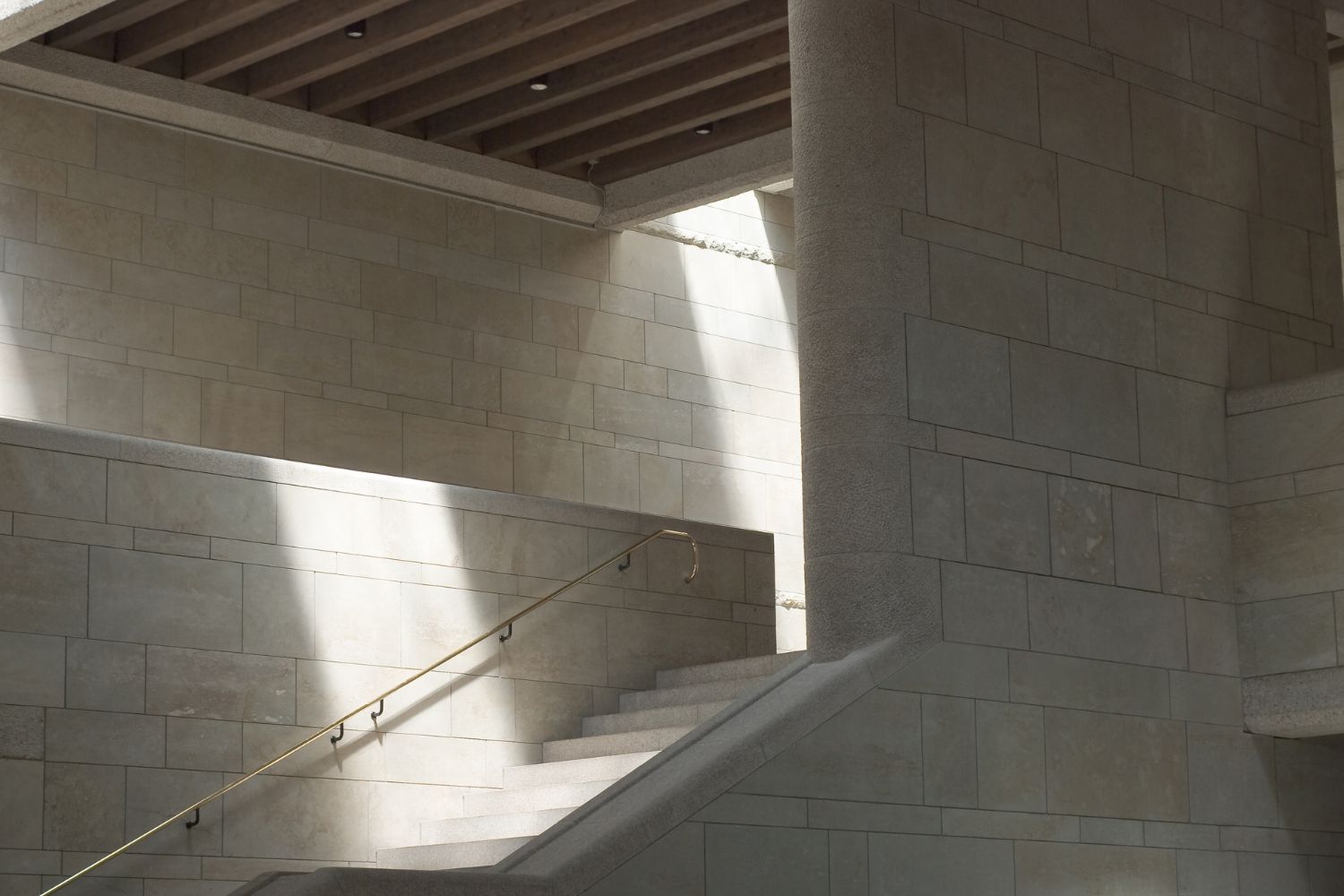
Brutalist architecture interior spaces extend the movement’s philosophy of material honesty and bold form-making into domestic and public environments. These interiors create powerful spatial experiences through the expressive use of raw materials and dramatic lighting.
Interior Characteristics and Spatial Qualities
The brutalist architecture interior aesthetic emphasizes exposed structure and honest construction. Concrete walls, ceilings, and floors remain unfinished, displaying the texture of formwork and the natural variations of cast concrete. Mechanical systems, ductwork, pipes, electrical conduits, may be left visible as expressions of the building’s functional systems.
Spatial drama characterizes brutalist interiors. Double-height spaces, dramatic level changes, and carefully controlled natural lighting create sequences of compression and release as occupants move through buildings. Light becomes a material element, with carefully placed openings creating shafts of sunlight that animate concrete surfaces throughout the day.
Furniture and Material Palettes
Brutalist interiors typically employ a restrained material palette that complements raw concrete. Natural materials like wood, leather, and wool provide warmth and tactile contrast. Steel and glass appear as secondary materials, often in furniture and fixtures. The color palette tends toward earth tones and natural grays, though bold color accents may punctuate key moments.
Furniture in brutalist interiors often features equally bold, sculptural forms. Mid-century modern pieces, the furniture of designers like Eames, Saarinen, and Bertoia, complement brutalist architecture with their own combination of industrial materials and expressive forms. Knoll and Vitra continue to produce furniture that embodies these principles.
Contemporary Brutalist Interior Trends
Interest in brutalist interior design has surged in recent years. Designers and homeowners increasingly embrace exposed concrete, industrial materials, and the bold aesthetic of brutalism. This trend appears in restaurants, hotels, retail spaces, and residential interiors worldwide. Polished concrete floors, board-formed concrete accent walls, and industrial lighting fixtures bring brutalist influence to contemporary spaces. Architectural Digest and Dwell regularly feature brutalist-inspired interiors.
Brutalism vs. Modernism: Understanding the Differences
While brutalist architecture emerged from the modernist tradition and shares many of its principles, important distinctions separate the two movements. Understanding these differences clarifies brutalism’s unique contribution to architectural history.
Shared Origins and Philosophical Roots
Both modernism and brutalism rejected historical ornamentation in favor of honest expression of structure and materials. Both embraced industrial production methods and new construction technologies. Both pursued social ideals, believing that architecture could improve human life. Le Corbusier, the single most influential figure in brutalism’s development, was equally central to the modernist movement. The Bauhaus school laid groundwork for both movements.
Key Differences in Approach
Despite these shared roots, brutalism departed from modernism in significant ways. Where modernism often emphasized lightness, transparency, and refined finishes, brutalism celebrated weight, mass, and raw surfaces. The white stucco walls and ribbon windows of International Style modernism gave way to textured concrete and deeply recessed openings. Modernism’s machine aesthetic, smooth, precise, factory-finished, was replaced by brutalism’s handmade quality, showing the marks of wooden formwork and human construction.
Emotionally, the movements differ as well. Modernism often projected optimism and rationality; brutalism embraced a more complex emotional range, including monumentality, permanence, and what some critics call “heroic pessimism.” Brutalist buildings can feel challenging, demanding engagement rather than easy appreciation.
Public Perception Then and Now
Both movements experienced backlash. Modernism was criticized for sterility and social engineering; brutalism drew even harsher criticism for its perceived coldness, inhumanity, and association with failed social housing projects. However, both have undergone significant rehabilitation in recent decades. Historic modernist buildings now command premium prices and heritage protection; brutalism is experiencing a similar revaluation as a new generation discovers its bold aesthetic power. The Guardian’s architecture section has covered this shift extensively.
Brutalist Architecture in Movies and Pop Culture

Brutalist architecture movies have introduced the movement’s dramatic aesthetic to audiences worldwide. Filmmakers consistently choose brutalist buildings as settings for stories exploring dystopia, power, and the human condition.
Brutalism in Dystopian Cinema
Stanley Kubrick’s A Clockwork Orange (1971) established brutalist architecture as the default setting for cinematic dystopias. The film used real brutalist locations, including the Thamesmead housing estate and the Brunel University lecture centre, to create its vision of a violent, dehumanized future. The association proved enduring: brutalist buildings have since appeared in countless science fiction films representing oppressive regimes and failed utopias.
Ridley Scott’s Blade Runner (1982) combined brutalist architecture with other influences to create its iconic vision of future Los Angeles. High-Rise (2015), based on J.G. Ballard’s novel, used the Bangor Castle car park and other brutalist locations to tell its story of social breakdown in a luxury tower block. The aesthetic continues in contemporary productions, from The Hunger Games series to various Netflix productions. The British Film Institute has curated collections exploring architecture in cinema.
Why Filmmakers Choose Brutalist Buildings
Several factors make brutalist buildings attractive to filmmakers. Their bold geometric forms photograph dramatically, creating strong visual compositions. Their concrete surfaces provide neutral backdrops that can represent any era from near-future to deep past. Their association with institutional power makes them natural settings for stories about authority and resistance. And their ambiguous emotional quality, simultaneously impressive and unsettling, creates productive tension in narrative contexts.
Beyond Film: Music and Fashion
Brutalist architecture has influenced visual culture beyond cinema. Music videos regularly feature brutalist locations, from rock bands seeking industrial edge to hip-hop artists appreciating concrete monumentality. Fashion photographers use brutalist buildings as dramatic backdrops, publications like Vogue and i-D frequently feature shoots in brutalist settings. The aesthetic has influenced graphic design, typography, and product design, with brutalist-inspired minimalism appearing across creative fields.
Modern Brutalist Architecture: The Revival Today

Modern brutalist architecture is experiencing a remarkable renaissance. After decades of neglect and demolition, brutalist buildings are increasingly valued as cultural heritage, while contemporary architects draw inspiration from brutalism’s bold aesthetic and ethical principles.
The Neo-Brutalism Movement
A new generation of architects is creating work that engages directly with brutalist precedents. Firms like Studio Anne Holtrop, Valerio Olgiati, and SANAA produce buildings that share brutalism’s material honesty and geometric power while incorporating contemporary concerns. These neo-brutalist works use advanced concrete technologies to achieve effects impossible for earlier architects.
Sustainability and Concrete Construction
Environmental concerns have complicated brutalism’s revival. Concrete production generates significant carbon emissions, challenging architects to reconcile brutalist aesthetics with sustainability goals. Solutions include using recycled aggregates, developing lower-carbon concrete mixes, and maximizing thermal mass to reduce operational energy use. Organizations like the Architecture 2030 initiative are working to reduce architecture’s carbon footprint. Some architects achieve brutalist effects using alternative materials like rammed earth or cross-laminated timber.
Brutalism in the Instagram Age
Social media has driven brutalism’s revaluation. Instagram accounts dedicated to brutalist photography have accumulated millions of followers, introducing the aesthetic to audiences who never experienced brutalism’s original heyday. Accounts like @brutgroup and @brutalistism generate endless streams of dramatic images, while specialized publications and websites document threatened buildings and celebrate preservation successes.
This digital attention has real-world effects. Buildings once slated for demolition have been saved after online campaigns raised awareness of their significance. Tourism to brutalist landmarks has increased, and some buildings have been restored and adapted for contemporary uses. The style’s photogenic qualities, strong shadows, bold forms, graphic patterns, make brutalist buildings irresistible subjects for visual culture. SOS Brutalism maintains a comprehensive database of buildings worldwide.
Essential Brutalist Architecture Books and Resources
For those seeking to deepen their understanding of brutalism, numerous publications offer comprehensive documentation and critical analysis. These brutalist architecture book resources range from photographic surveys to scholarly histories.
Essential Publications
“SOS Brutalism: A Global Survey” edited by Oliver Elser provides the most comprehensive documentation of brutalist buildings worldwide. This massive volume catalogs hundreds of structures across continents, many never before published in English. The book emerged from an international campaign to document and protect threatened brutalist heritage.
“Brutal London” by Simon Phipps offers an intimate photographic portrait of the city’s brutalist buildings. Phipps’s images capture both the monumental presence and subtle details of London’s concrete landmarks. His work has been influential in shifting public perception of these once-maligned structures.
Christopher Herwig’s “Soviet Bus Stops” series documents the extraordinary variety of brutalist and modernist bus shelters built across the Soviet Union. These humble structures demonstrate how even utilitarian buildings received remarkable architectural attention under the Soviet system.
“Brutalist Italy” by Roberto Conte and Stefano Perego surveys Italian contributions to the movement, from post-war reconstruction to 1980s excess. The book reveals how Italian architects developed their own distinctive brutalist vocabulary.
Online Archives and Resources
Digital resources have made brutalist architecture more accessible than ever. Websites like SOS Brutalism maintain databases of buildings worldwide. ArchDaily’s brutalism tag collects contemporary and historical coverage. YouTube channels offer video tours of significant buildings, and podcasts like 99% Invisible discuss brutalism’s history and contemporary relevance.
Frequently Asked Questions About Brutalist Architecture

What is brutalist architecture?
Brutalist architecture is an architectural style that emerged in the 1950s characterized by its use of raw, exposed concrete (béton brut), bold geometric forms, and a philosophy emphasizing function and honest expression of materials over decorative aesthetics.
Why is it called brutalist?
The term derives from the French “béton brut,” meaning “raw concrete,” which Le Corbusier used to describe his signature unfinished concrete surfaces. British critics Alison and Peter Smithson coined “New Brutalism” in the 1950s to describe architecture that embraced this raw material aesthetic.
What are the main features of brutalist architecture?
Key features include: exposed raw concrete with visible formwork marks, monolithic and geometric forms, functionality prioritized over ornamentation, repetitive modular elements, fortress-like presence with small deeply recessed windows, and honest expression of structure and materials.
Is brutalist architecture making a comeback?
Yes, brutalism is experiencing a significant revival. Historic brutalist buildings are increasingly protected as cultural heritage, contemporary architects draw inspiration from brutalist principles, and social media has introduced the style to new audiences. Buildings once facing demolition are now celebrated landmarks.
What is the most famous brutalist building?
Several buildings compete for this distinction. Le Corbusier’s Unité d’Habitation in Marseille is foundational to the movement. The Barbican Centre in London represents brutalism’s most ambitious urban vision. Habitat 67 in Montreal is perhaps the most visually distinctive. Boston City Hall is often cited as the finest American example.
Conclusion
Brutalist architecture remains one of the twentieth century’s most significant and controversial architectural movements. From its post-war origins through its global spread and subsequent backlash to its current revival, brutalism has demonstrated remarkable staying power. The movement’s commitment to material honesty, functional expression, and bold form-making continues to influence contemporary architecture and design.
Whether in the monumental government buildings of the Soviet Union, the social housing estates of Britain, the cultural institutions of the Americas, or the meditative spaces of contemporary Japan, brutalist architecture speaks to enduring human desires for permanence, authenticity, and meaning in the built environment. As preservation efforts save threatened buildings and new generations discover brutalism’s powerful aesthetic, this once-maligned movement is finally receiving the appreciation it deserves.
The brutalist buildings that surround us, whether beloved landmarks or controversial relics, represent an ambitious attempt to use architecture to shape society. Understanding brutalist architecture means engaging with questions that remain relevant today: What do we owe to future generations? How should buildings express their purpose and construction? Can architecture create community and meaning? The answers brutalism offered may be debatable, but the questions themselves are timeless.







Leave a comment