

Best Brutalist Houses Around the World You Need to See
From Tadao Ando's radical courtyard home in Osaka to Marcel Breuer's cantilevered concrete volumes in Connecticut, brutalist houses represent some of the most visually striking residential buildings ever designed. This article covers iconic and modern examples of brutalist house design, explains what makes their interiors unique, and examines why raw concrete homes are attracting renewed interest from architects, buyers, and preservation advocates worldwide.
 Sinan Ozen20 May 20266 Mins read175
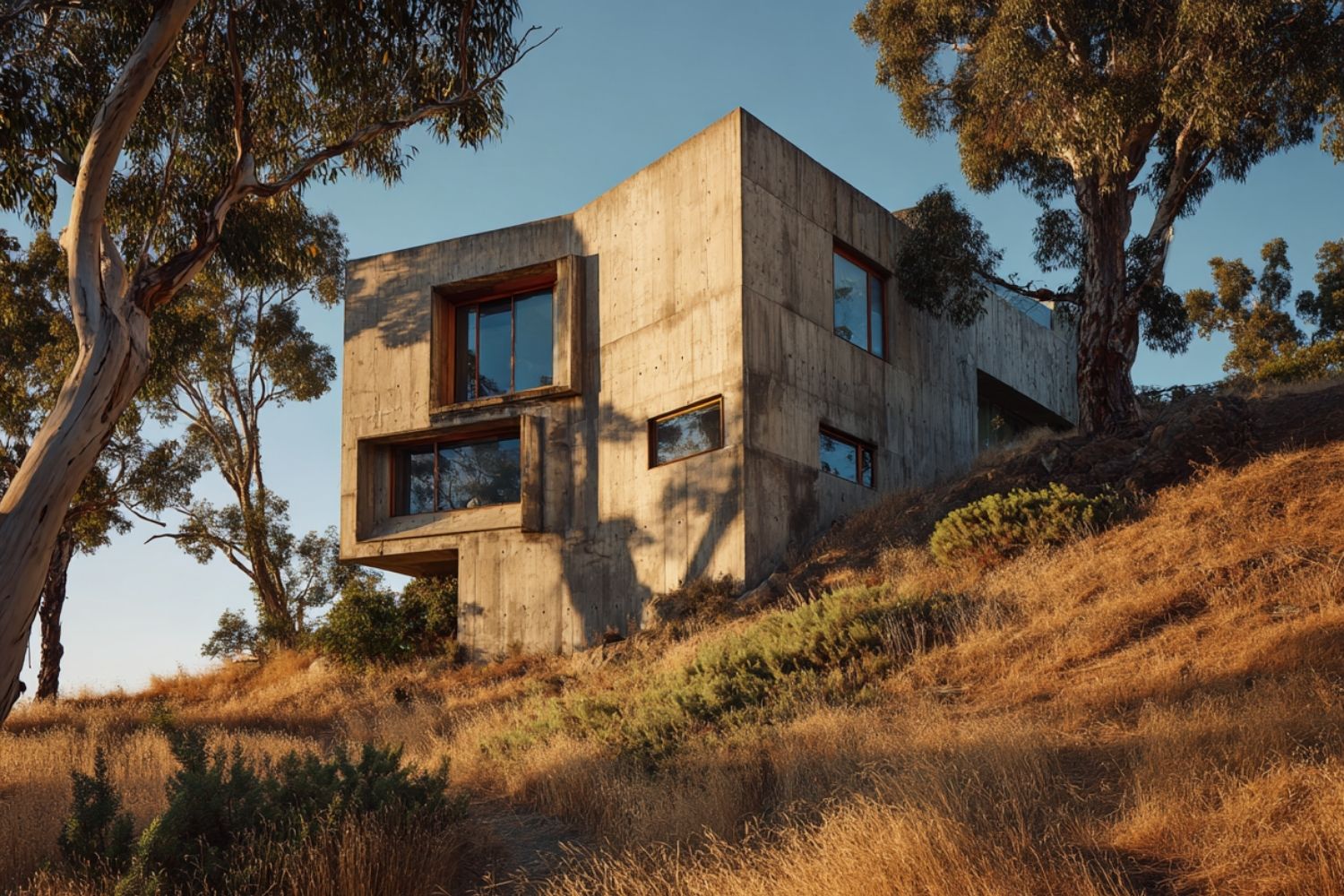
Table of Contents Show
Brutalist houses stand among the most visually powerful residential buildings ever designed. Defined by exposed concrete, angular geometry, and raw material honesty, these homes reject decoration in favor of structural expression and bold spatial drama.

What Makes a Brutalist House Different?
A brutalist house is a residential building that draws from the brutalist architecture movement of the mid-20th century. Unlike typical homes clad in brick, timber, or render, a brutalist style house leaves its primary structural material visible. Concrete walls carry the imprint of wooden formwork. Steel beams remain exposed. Windows sit deep within thick walls, casting strong shadow lines across facades.
The philosophy behind brutalist house design goes beyond aesthetics. Architects who work in this style believe that buildings should be honest about how they are made. Every joint, pour line, and aggregate texture becomes part of the visual language. This directness can feel confrontational at first, but it produces homes with a sculptural presence that softer styles rarely achieve.
💡 Pro Tip
When visiting or photographing brutalist houses, pay attention to how natural light interacts with the concrete surfaces throughout the day. Morning and late afternoon produce the deepest shadow play across board-marked textures, which is exactly the effect architects designed for.
Iconic Brutalist Houses That Shaped Residential Design
Several brutalist architecture houses from the 1960s and 1970s set the standard for what raw concrete could achieve in a domestic setting. These projects proved that brutalist housing was not limited to massive public estates. Private clients commissioned some of the movement’s finest work.
Marcel Breuer’s Stillman House, Connecticut (1966)
Marcel Breuer, originally trained at the Bauhaus school, brought a sculptor’s eye to residential concrete. His Stillman House in Litchfield, Connecticut, features cantilevered volumes that appear to float above the landscape. The exterior is raw concrete with fieldstone accents, while interiors open onto floor-to-ceiling glass that frames views of the surrounding woodland. Breuer treated each room as a separate spatial event connected by compressed corridors, a technique that builds anticipation as you move through the house.
John Lautner’s Sheats-Goldstein Residence, Los Angeles (1963)
Perched above Beverly Hills, the Sheats-Goldstein Residence is a brutalist house that merges concrete with the California hillside. Lautner used coffered concrete ceilings and triangulated glass panels to dissolve the boundary between the home’s interior and the city below. The house was later donated to the Los Angeles County Museum of Art (LACMA), recognizing its architectural significance.

Tadao Ando’s Azuma House, Osaka (1976)
Ando’s Row House in Sumiyoshi (commonly called the Azuma House) occupies a narrow lot in a dense Osaka neighborhood. The entire facade is a blank concrete wall with a single slot entrance. Inside, an open courtyard splits the house in two, forcing residents to cross an outdoor passage to reach the bedroom. Rain falls directly into the living space. It is a radical commitment to the idea that architecture should engage with nature rather than seal it out, and it earned Ando early recognition from the Pritzker Architecture Prize jury.
🎓 Expert Insight
“In all my works, light is an important controlling factor. I create enclosed spaces mainly by means of thick concrete walls. The primary reason is to create a place for the individual, a zone for oneself within society.”
Tadao Ando, Pritzker Prize Laureate
Ando’s statement captures why brutalist houses feel so different from conventional homes. The heavy walls do not just provide structure; they carve out a psychological boundary between public life and private space.
Modern Brutalist House Designs Around the World
Contemporary architects have taken the principles of brutalist architecture and adapted them with improved insulation, sustainable systems, and refined construction techniques. The result is a new generation of modern brutalist house projects that honor raw concrete while meeting current living standards.
Casa Brutale, Beirut Concept by OPA (2015)
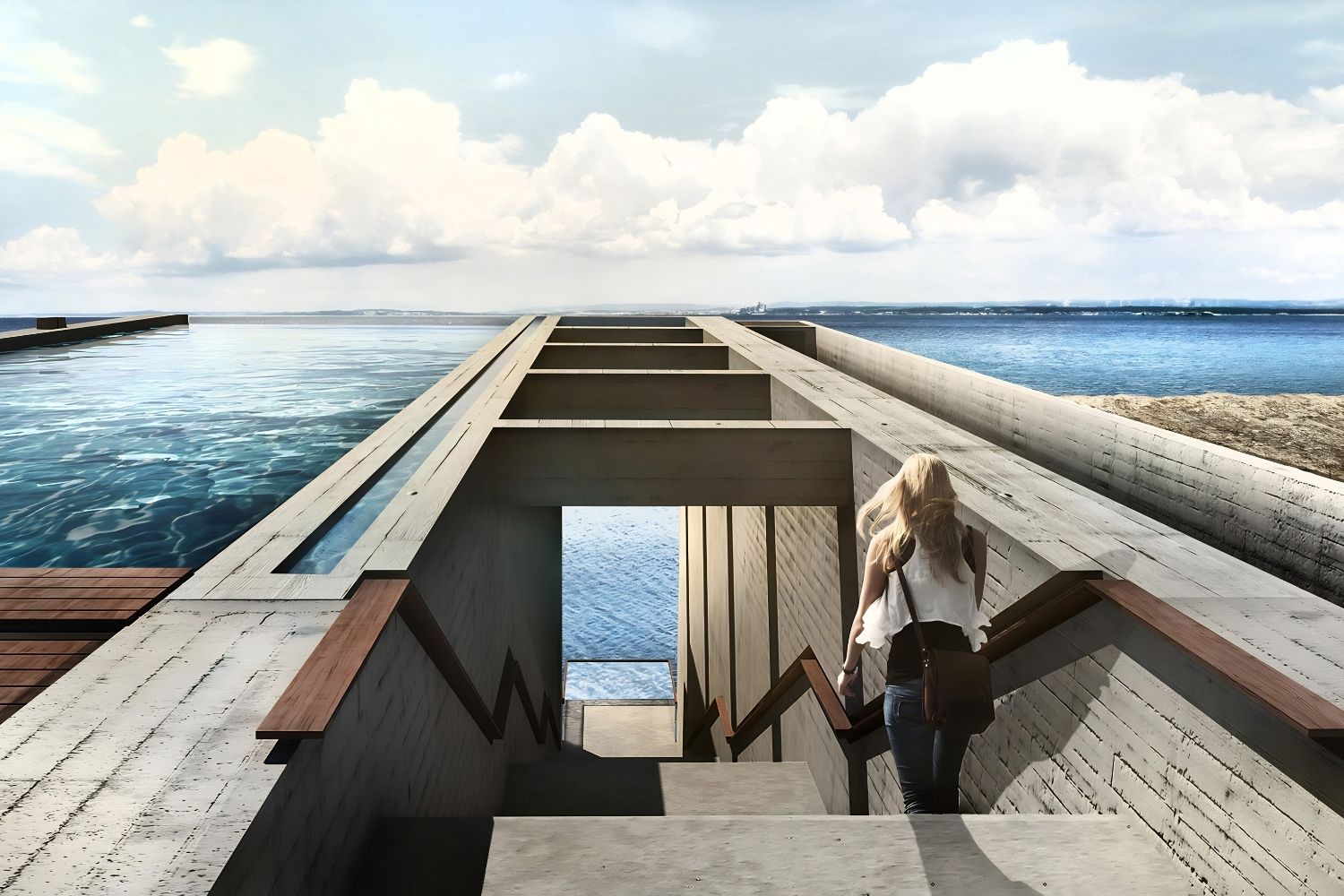
Greek firm Open Platform for Architecture designed Casa Brutale as a cliffside residence embedded directly into rock. The house descends into the earth rather than rising above it, with a glass-bottomed swimming pool serving as the roof. While it remains unbuilt, the concept went viral and reignited global interest in brutalist house design as a serious residential approach.
House 1413 by HARQUITECTES, Catalonia (2017)
Built from rammed earth and concrete in rural Spain, House 1413 strips domestic architecture to its structural minimum. Walls are load-bearing earth, left exposed inside and out. There is no applied finish, no plaster, no paint. The house uses passive ventilation and thermal mass to regulate temperature without mechanical systems, proving that brutalist housing can also be energy-efficient.
Peter Zumthor’s Own House, Haldenstein, Switzerland
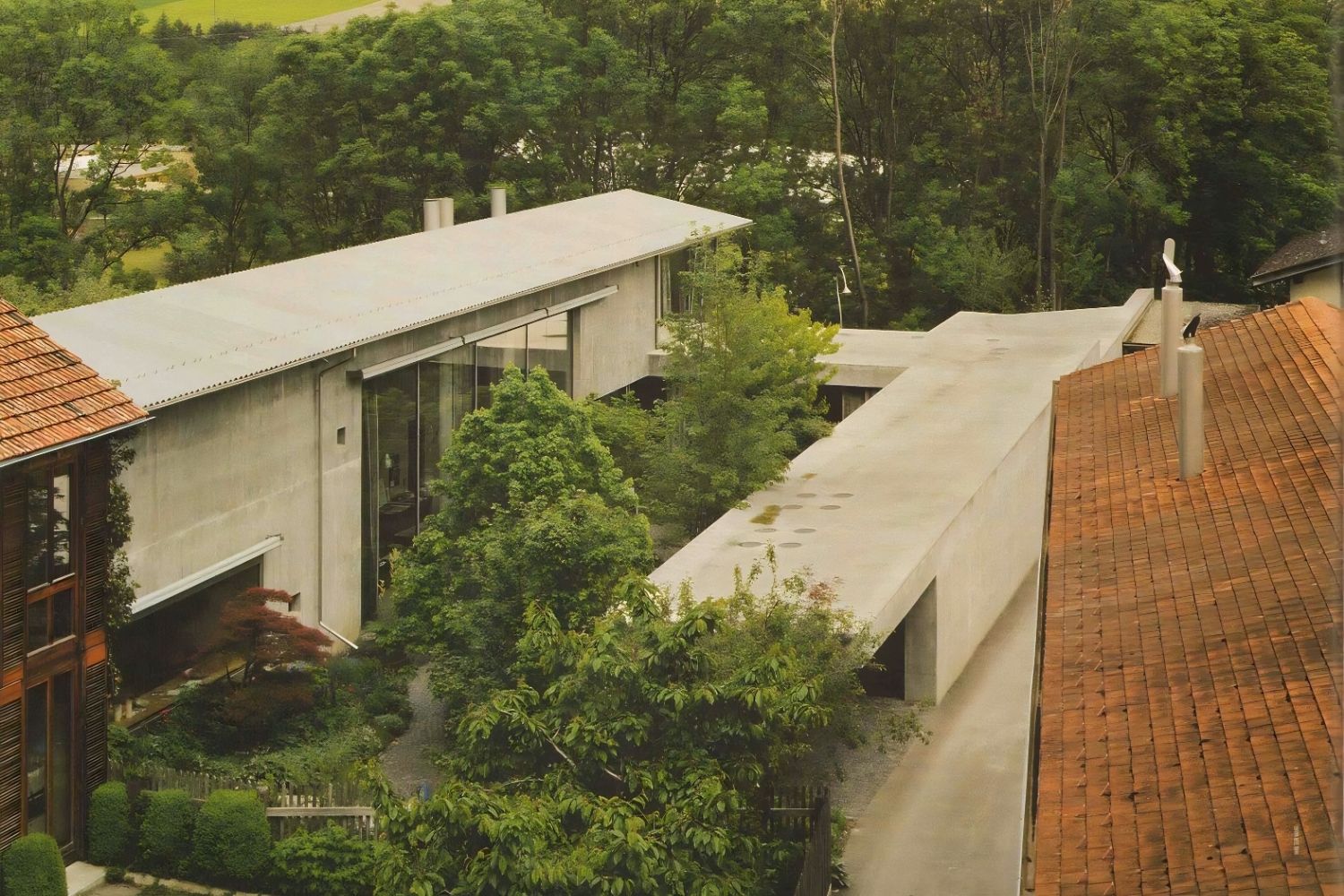
Zumthor, winner of the 2009 Pritzker Prize, lives in a home he designed himself in a small Swiss village. The house is a simple timber and concrete volume that sits quietly among older structures. Zumthor’s approach is less about visual drama and more about the sensory quality of materials: how light falls on a concrete floor, how a wooden door handle feels underhand. His residential work shows that brutalist houses do not always need to shout.
⚠️ Common Mistake to Avoid
Many people assume that brutalist houses are always cold and uncomfortable. In reality, concrete has excellent thermal mass, absorbing heat during the day and releasing it slowly at night. When combined with proper insulation and strategic glazing, a well-designed brutalist house can perform better thermally than lightweight timber-frame construction.
How Does a Brutalist House Interior Feel?
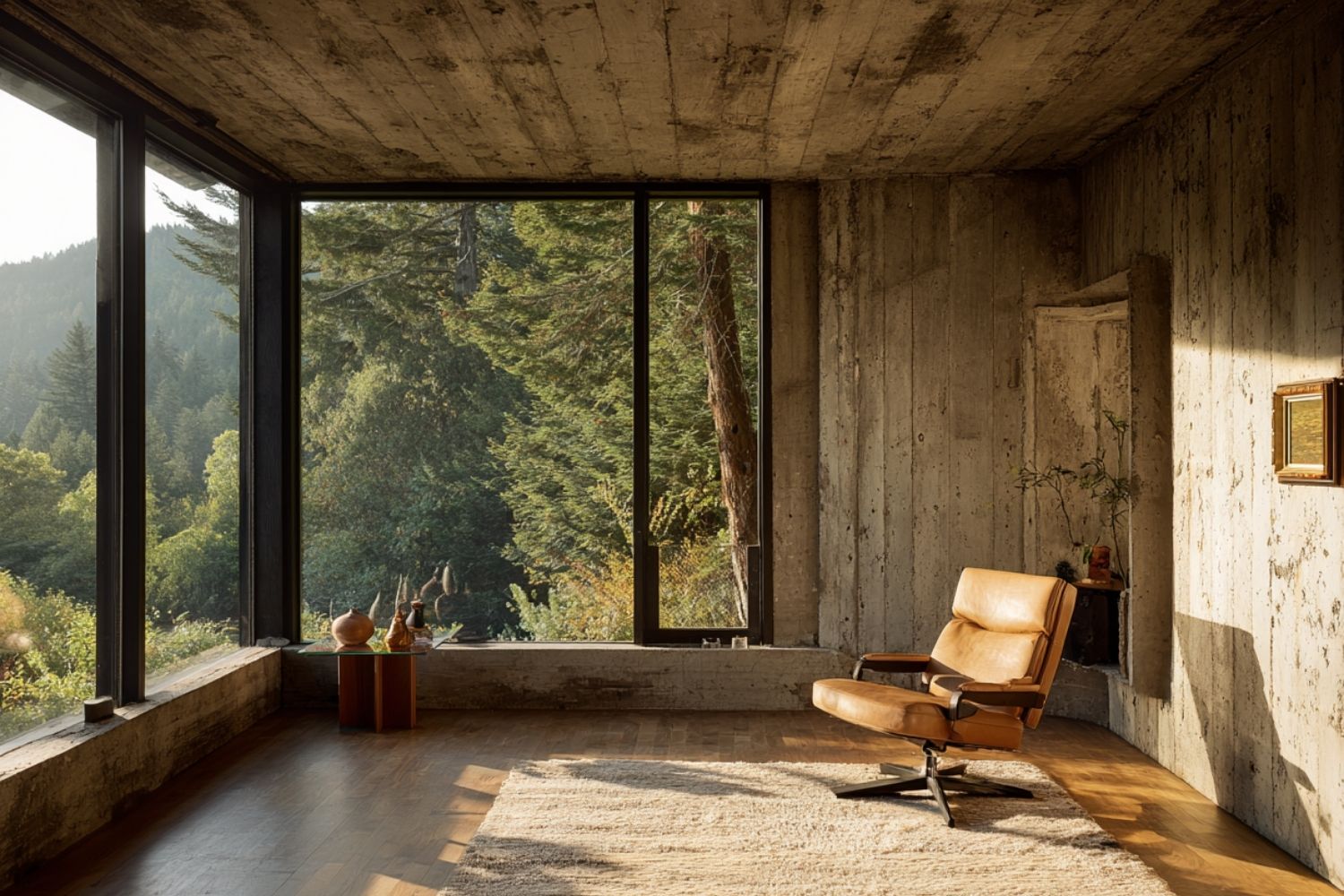
The interior of a brutalist house is defined by the same honesty that governs the exterior. Concrete walls, floors, and ceilings remain exposed, but architects balance the rawness with warmer elements. Timber furniture, wool textiles, and leather upholstery are common counterpoints. Natural light plays a critical role; deep window reveals create shifting patterns of shadow and brightness that change with the time of day and season.
A brutalist house interior typically avoids decorative moldings, cornices, or trim. Electrical conduits may run along the surface of walls rather than being hidden. Kitchens and bathrooms often feature poured concrete countertops and integrated sinks. The effect can feel monastic, but it can also feel deeply calm. There is nothing competing for your attention except the space itself, the quality of light, and the texture of surfaces.
For more on how raw concrete interiors connect to broader design trends, see our guide to brutalism vs minimalism in contemporary architecture.
📌 Did You Know?
Tadao Ando’s Azuma House won the Annual Prize of the Architectural Institute of Japan in 1979, despite being only 65 square meters. The jury praised its ability to create a profound spatial experience within an extremely constrained footprint, proving that brutalist houses do not require large plots to make a lasting impact.
Why Are Brutalist Houses Popular Again?
Interest in brutalist houses has surged over the past decade. Instagram accounts dedicated to concrete architecture have attracted millions of followers. Real estate listings for mid-century brutalist homes now command premium prices, particularly in London, Los Angeles, and Sydney. The Royal Institute of British Architects (RIBA) has documented the growing preservation movement around brutalist residential buildings, and several former council estates are now listed heritage structures.
Part of the renewed appeal is a reaction against the homogeneity of developer-built housing. Brutalist architecture houses offer something that mass-produced homes cannot: a strong, individual character rooted in material truth. Each board-marked concrete wall carries a unique pattern of wood grain and tie holes. No two surfaces are identical. In a housing market dominated by identical plasterboard interiors and vinyl cladding, that uniqueness has real value.
The popularity also connects to a broader cultural interest in authenticity and durability. In an era of disposable consumer goods, a concrete house that will stand for centuries represents a different set of values. Architects like those featured on ArchDaily regularly publish new brutalist residential projects, and the debate around raw concrete continues to attract strong opinions from both admirers and critics.
Video: Inside a Brutalist House with Architect Glenn Sestig
This Wallpaper* film tours a 1972 brutalist home in Belgium, restored by architect Glenn Sestig. It shows how sensitive renovation can preserve the original concrete character while updating the house for modern living.
💡 Pro Tip
If you are considering buying or renovating a brutalist house, inspect the concrete for carbonation depth before committing. A phenolphthalein test (spraying the indicator on a freshly broken concrete surface) reveals how far carbonation has progressed. Shallow carbonation (under 15 mm) is manageable; deep carbonation reaching the rebar line signals costly structural repairs ahead.
Final Thoughts
Brutalist houses are not for everyone, and that is precisely the point. They demand engagement. They ask you to reconsider what a home can look and feel like. From Breuer’s cantilevered volumes in Connecticut to Ando’s courtyard in Osaka, the best brutalist houses treat raw materials as a finished language rather than something to be covered up. As contemporary architects continue to push the boundaries of concrete residential design, the legacy of brutalist housing grows stronger with each new project.
For a deeper understanding of the movement’s full history, materials, and key figures, read our complete guide to brutalist architecture. To see how brutalism compares with other major architectural styles, check our analysis of brutalism vs modernism and the key differences between Bauhaus and brutalism.






Florence Renaissance Architecture: How Building Became an Authored Art
Florence Renaissance architecture is usually told as a list of buildings. The...
 Furkan Sen6 Mins read
Architectural Styles History: Why Some Styles Fail and Others Endure
A look at architectural styles history through the decisions that actually keep...
Furkan Sen6 Mins read
Architectural Styles: Why Some Endure and Others Fade
Some architectural styles last for centuries while others are demolished within a...
Furkan Sen5 Mins read
Postmodern Architecture vs Deconstructivism: Playful Irony or Radical Disruption?
Postmodern architecture and deconstructivism both rejected modernism but took opposite paths. This...
Sinan Ozen5 Mins read


Leave a comment