

Architectural Styles
Architectural styles tell the story of how culture, technology, and taste shape buildings over time. This category offers guides to movements from classical orders to modernism and beyond. Each article covers defining features, key architects, and landmark buildings so you can read any facade with confidence.
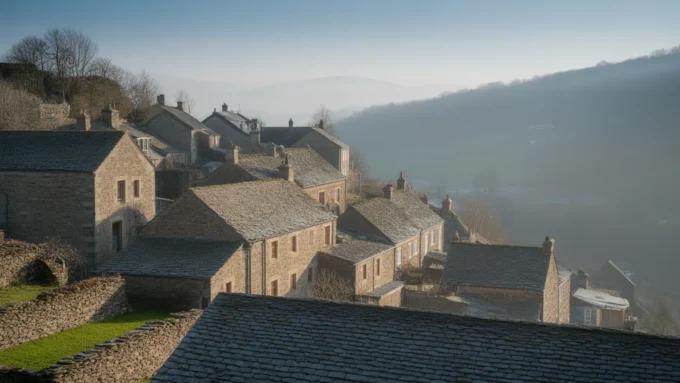
What Is Vernacular Architecture? A Complete Guide to Local Building Traditions
Vernacular architecture is what gets built without architects: local materials, local climate, local custom. Why those buildings still outperform many modern ones on...
 illustrarch Editorial Team9 Mins read
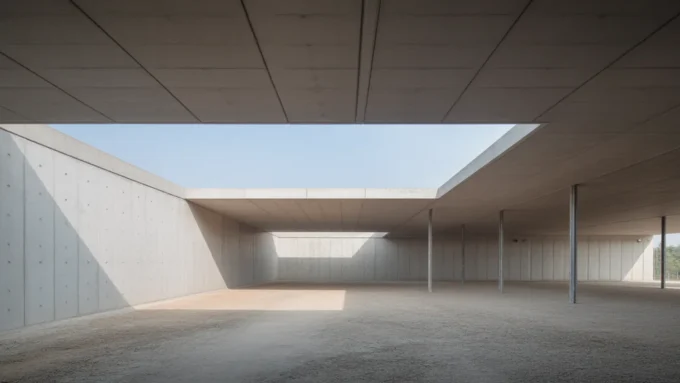
Architectural Concepts: A Guide for Every Designer
Architectural concepts are the organizing ideas that give a building direction and coherence. How to find one, test it, and keep it intact...
illustrarch Editorial Team8 Mins read
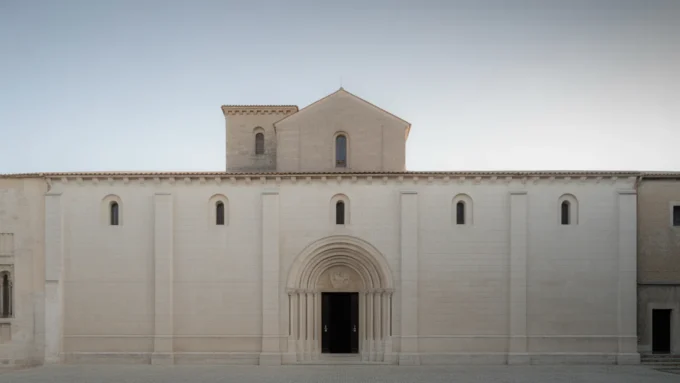
What Is Romanesque Architecture? Features, History, and Examples
Romanesque architecture is the medieval European style of roughly 1000 to 1200, defined by rounded arches, heavy barrel vaults and thick walls. Its...
illustrarch Editorial Team9 Mins read

What Is Spatial Analysis in Architecture? A Complete Guide
Spatial analysis studies how location, configuration and the relationships between spaces shape how people move and behave. The methods architects use and what...
illustrarch Editorial Team8 Mins read

What Is Bauhaus Architecture: Origins, Principles, and Legacy
Bauhaus architecture began in 1919 at Walter Gropius's school in Weimar. Its origins, principles, key figures and the buildings that carried the ideas...
illustrarch Editorial Team10 Mins read
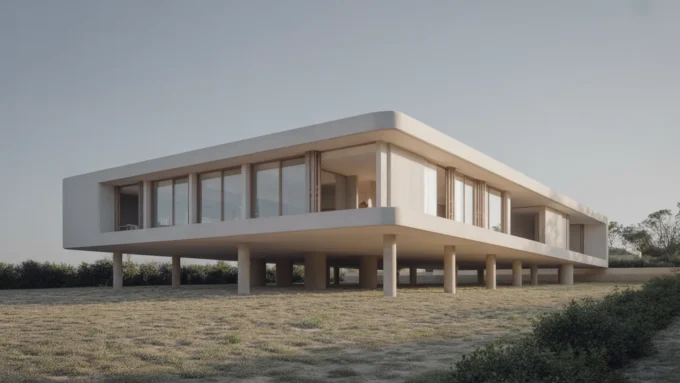
The Five Points of Architecture by Le Corbusier Explained
Le Corbusier published the five points of architecture in 1927: pilotis, free plan, free facade, ribbon windows and roof garden. What each meant...
illustrarch Editorial Team8 Mins read
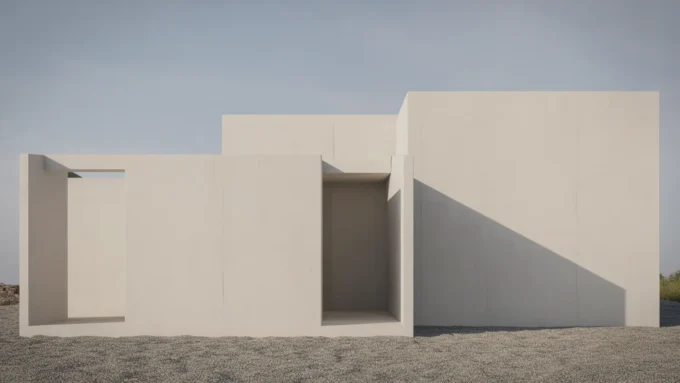
What Is Minimalist Architecture? Principles, Origins, and Iconic Buildings
Minimalist architecture strips a building to its essentials so space, light and proportion carry the work. Its principles, origins and the architects who...
illustrarch Editorial Team9 Mins read
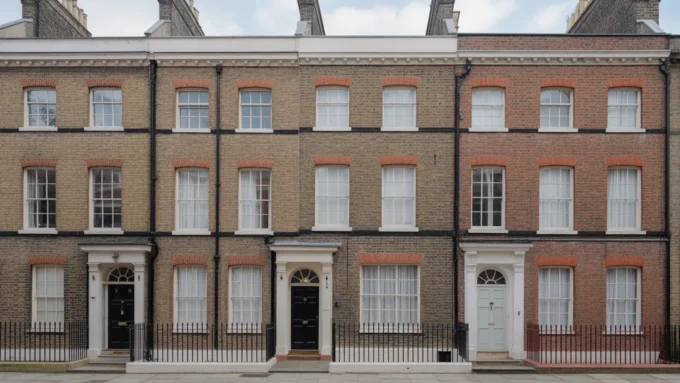
Georgian Architecture: Features, History & Examples
Georgian architecture (1714-1830) is defined by strict symmetry, classical proportion, sash windows and brick. Named after four British monarchs, it shaped cities from...
illustrarch Editorial Team9 Mins read