

Copenhagen Named the Happiest City in the World in 2025
Copenhagen has been named the happiest city in the world in 2025 by the Happy City Index. The city stands out for its people-focused urban planning, sustainable design, strong public systems, and influential architects who shaped a better quality of life.
 Elif Ayse Sen16 December 20252 Mins read234
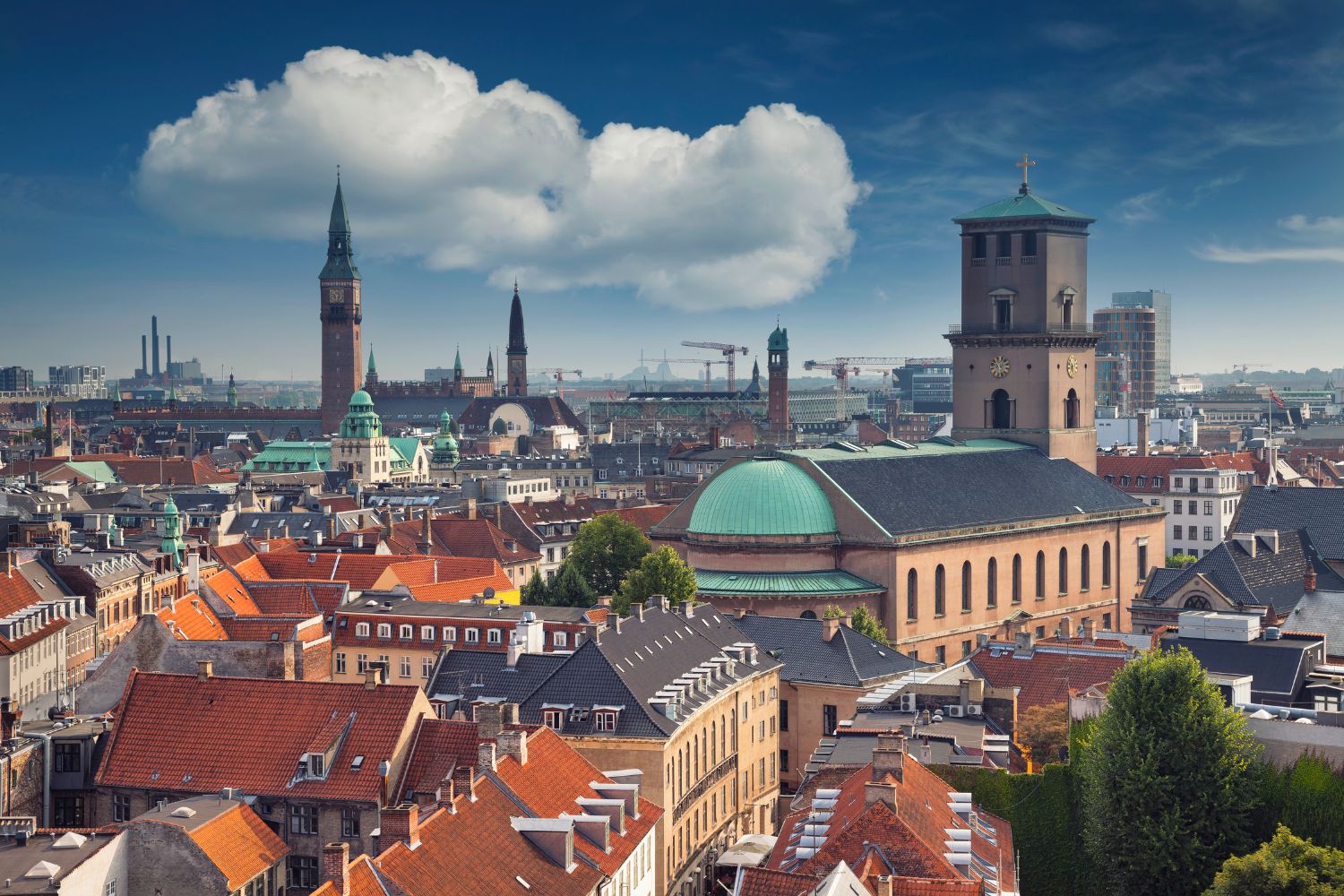
Table of Contents Show
Copenhagen, the capital city of Denmark, has been named the happiest city in the world in 2025 by the Institute for Quality of Life’s Happy City Index. This result is not a surprise for many people, as Copenhagen is well known for its high quality of life, strong social systems, and people-centered urban planning.
The city reached the top of the list thanks to its excellent education system, innovative economy, transparent government, sustainable policies, and high-quality healthcare. Residents benefit from universal healthcare, long life expectancy, and a healthy work-life balance. These factors help people feel safe, supported, and satisfied with their daily lives.
Urban Planning That Puts People First
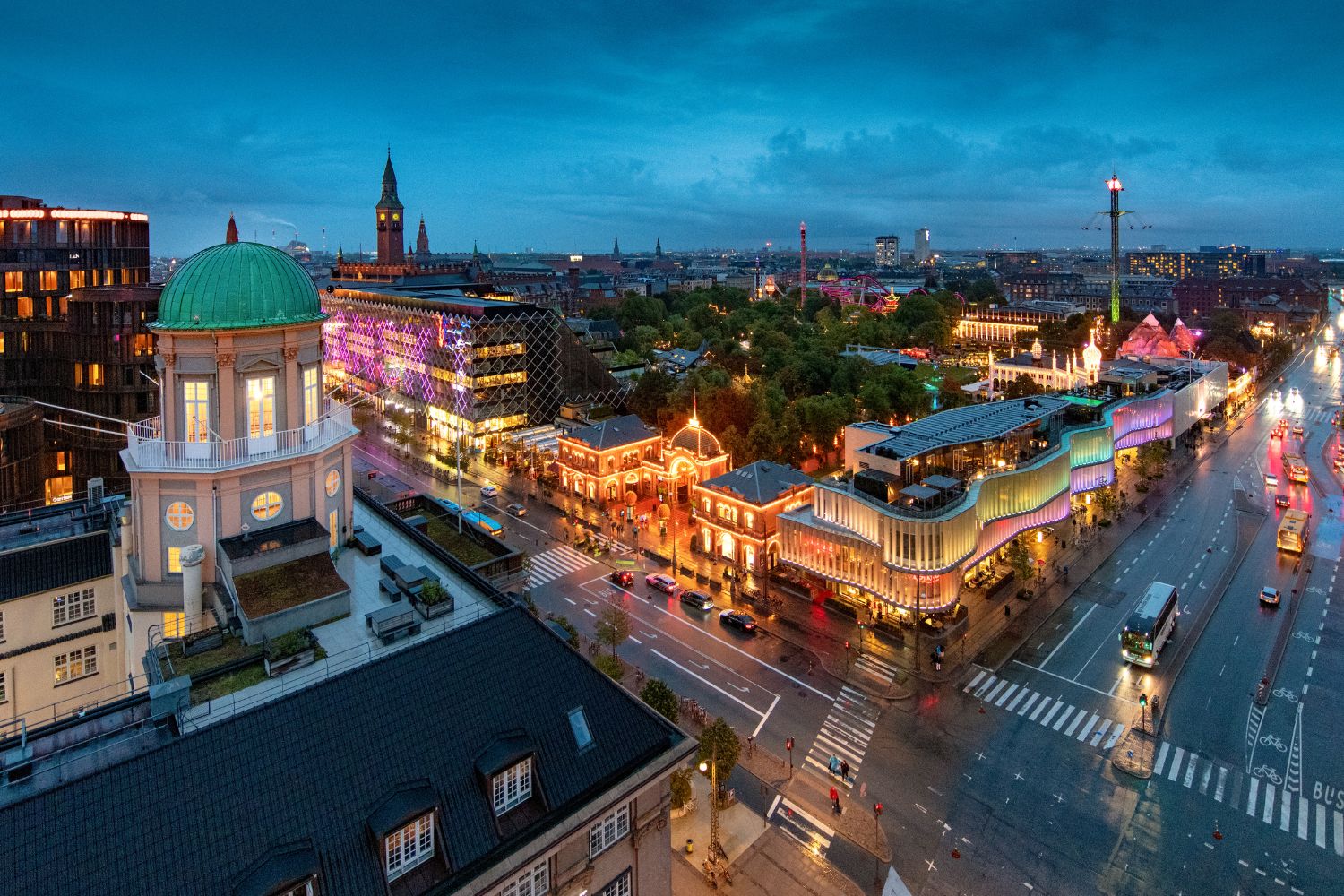
One of the main reasons behind Copenhagen’s happiness is its human-focused city planning. The city is designed to be easy to live in, walkable, and bike-friendly. Cars are not the priority; people are. Wide sidewalks, safe cycling lanes, green parks, and public spaces are part of everyday life.
A key figure in this approach is Jan Gehl, a famous Danish architect and urban designer. Jan Gehl has spent decades studying how people use cities. His ideas focus on creating public spaces where people want to walk, sit, meet, and enjoy city life. Copenhagen became a global model for his “life between buildings” philosophy, and many cities around the world now follow his principles.
Sustainability and Green Living
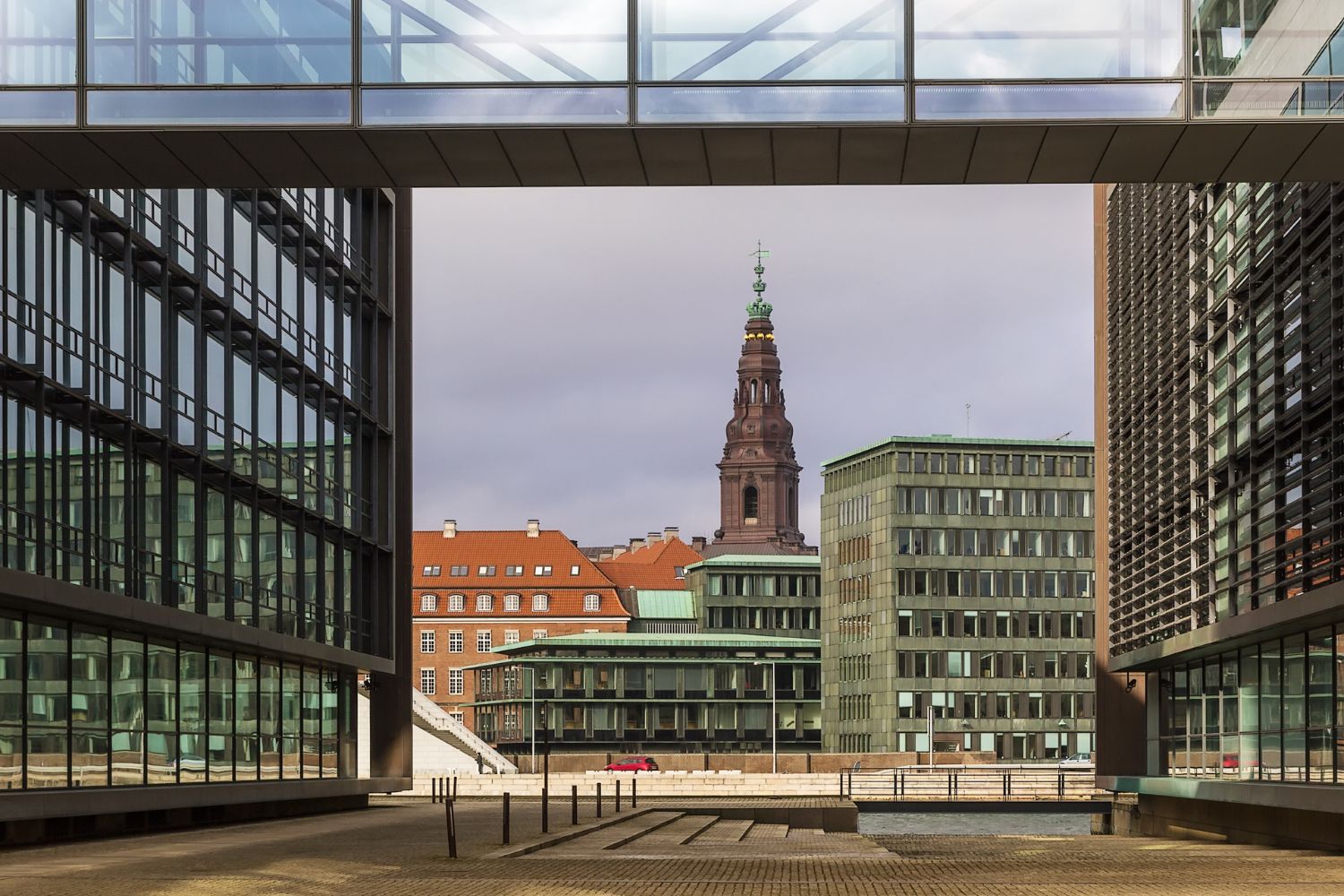
Copenhagen is also one of the world’s most sustainable cities. The city aims to become carbon-neutral and invests heavily in renewable energy, public transport, and green infrastructure. Clean harbors allow people to swim in the city center, and green roofs, parks, and waterfront areas improve both environmental quality and mental well-being.
This strong connection between nature and urban life plays an important role in making residents feel happier and healthier.
Famous Buildings and Architecture
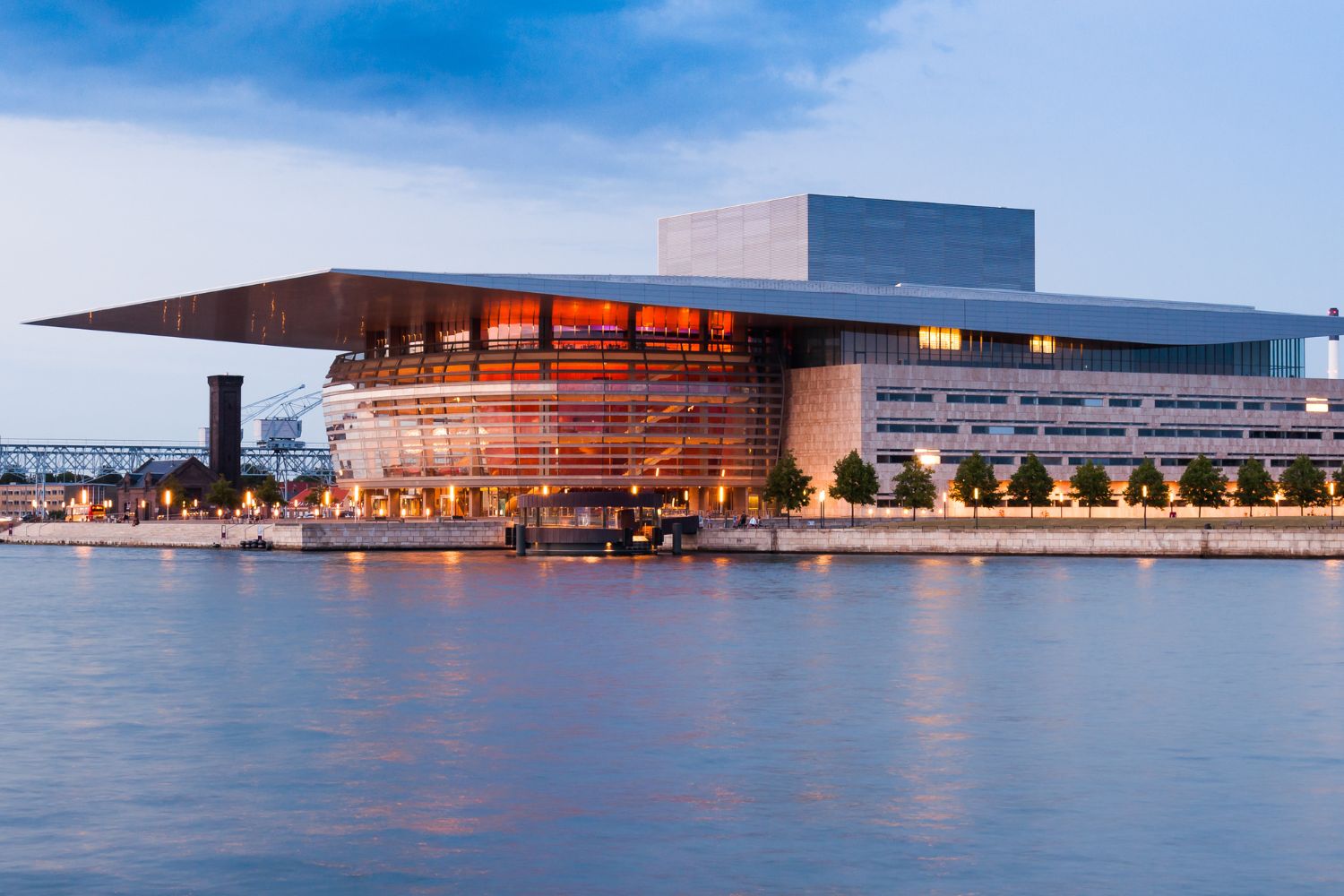
Copenhagen’s architecture also shapes its identity and quality of life. One of the most iconic buildings is the Sydney Opera House–inspired Copenhagen Opera House, a modern cultural landmark located on the waterfront. Another well-known project is 8 House (8 Tallet) by Bjarke Ingels Group (BIG), which combines housing, offices, and public paths in one continuous form.
Bjarke Ingels, one of Denmark’s most influential contemporary architects, is known for designing playful, sustainable, and people-oriented buildings. His work reflects Copenhagen’s mindset: architecture should improve everyday life, not just look impressive.
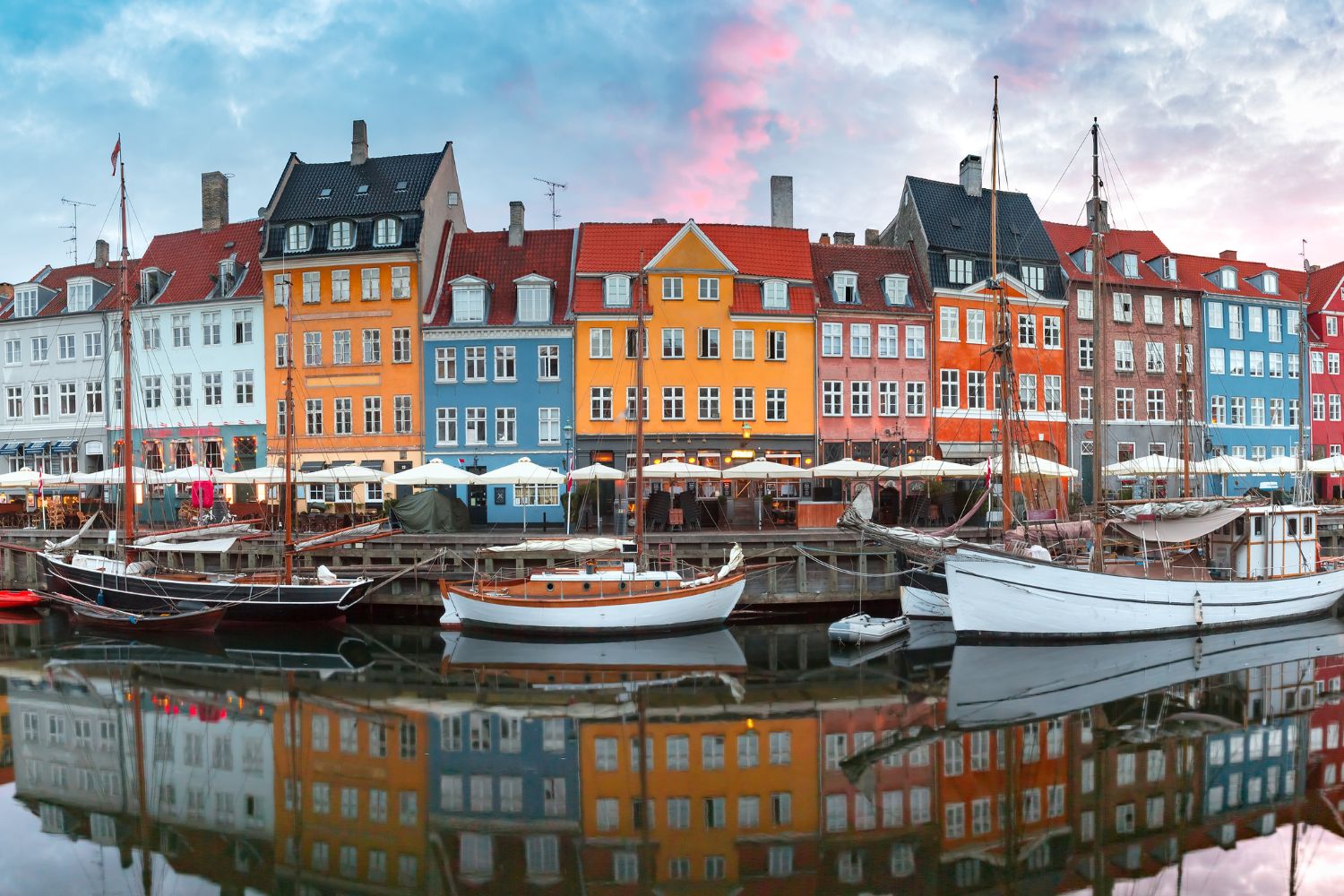
Historic landmarks such as Amalienborg Palace, Rosenborg Castle, and the colorful houses of Nyhavn add cultural depth to the city while blending naturally with modern urban life.

A City That Inspires the World
Copenhagen’s success shows that happiness in cities does not come from luxury alone, but from good planning, social equality, trust, and care for people and the environment. Its combination of thoughtful architecture, strong public systems, and sustainable urban design makes it a global example for future cities.
As the happiest city in the world in 2025, Copenhagen continues to inspire architects, urban planners, and city leaders who want to create better places to live.






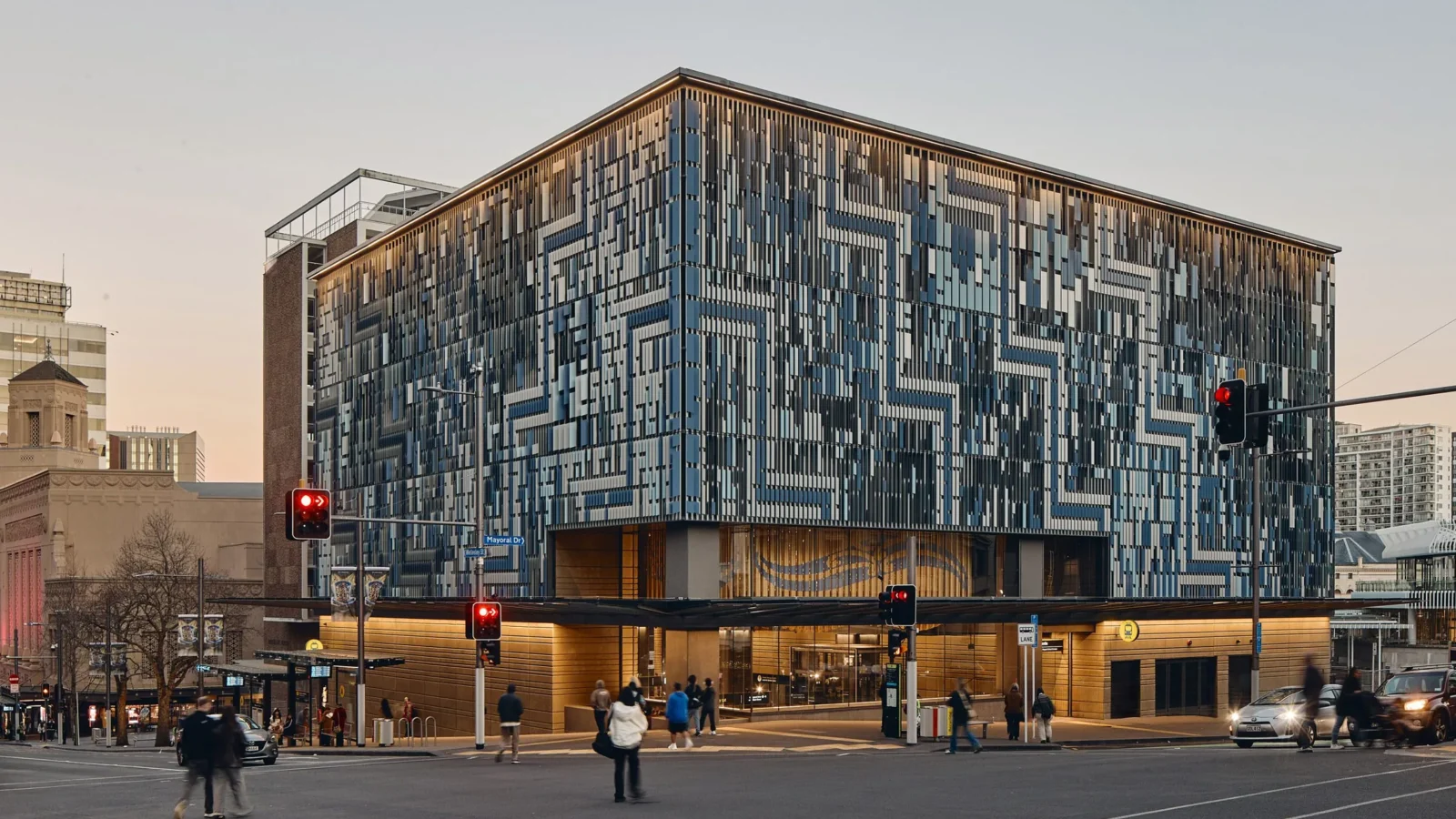
Grimshaw’s Auckland City Rail Link Stations Open Weaving in Māori Design Language
Grimshaw's three City Rail Link stations open in Auckland, built with Mana...
 illustrarch Editoral Team3 Mins read
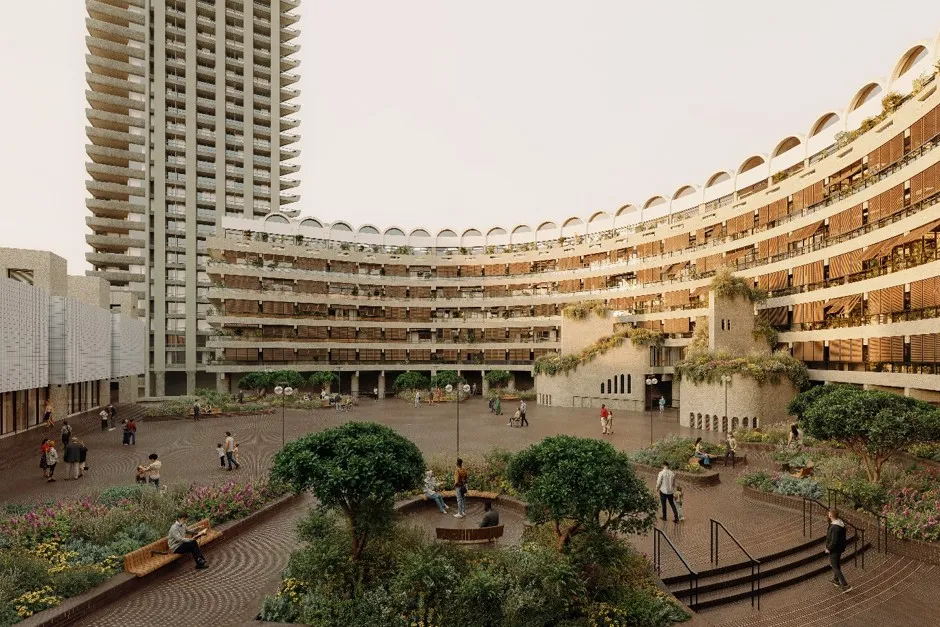
Allies and Morrison Win Approval to Restore Barbican Sculpture Court
City of London Corporation approves Allies and Morrison's plan to restore the...
illustrarch Editoral Team2 Mins read
Will Forma Replace Revit? Autodesk Finally Answers
Autodesk's own FAQ says Forma will replace Revit over time, as it...
illustrarch Editoral Team3 Mins read

How HKS Made Astra Tower, Utah’s Tallest Building, Feel Local
Astra Tower, Utah's tallest building since it opened in May 2025, takes...
illustrarch Editoral Team4 Mins read


Leave a comment