

3D Wiring Models: Brisbane Smart Homes
3D wiring models enhance the design and planning of electrical systems in Brisbane smart homes by providing a clear spatial representation of complex wiring layouts.
 Elif Ayse Sen16 December 20254 Mins read183

Table of Contents Show
Smart homes are no longer just about voice assistants and app-controlled lights. In Brisbane, smart housing is becoming more architectural, more planned, and far more visual. One of the biggest shifts happening quietly behind the scenes is how electrical systems are designed before a single wire is installed. That shift is happening through 3D wiring models.
For years, electrical planning relied on flat diagrams, written notes, and site experience. It worked, but it left room for guesswork. In smart homes, where systems are layered and interconnected, that guesswork becomes expensive. Three-dimensional wiring models change that by turning invisible systems into something designers, builders, and homeowners can actually see.
Why wiring design matters more in smart homes
A smart home has more electrical demand than a traditional house. Lighting systems talk to sensors. Security connects to networks. Appliances share power loads. Energy systems respond to time of day.
All of this depends on wiring that is planned properly from the start.
Without careful design:
- circuits become overloaded
- upgrades require opening walls
- systems interfere with each other
- maintenance becomes difficult

Smart homes don’t forgive poor planning. Once walls are closed, mistakes become permanent.
What a 3D wiring model actually shows
A 3D wiring model is not just a drawing. It is a spatial representation of how electrical systems move through a building. It shows where cables run, how they intersect with structure, and how systems connect across rooms and floors.
These models typically display:
- cable routes inside walls and ceilings
- connection points for outlets and switches
- load distribution across circuits
- separation between data and power lines
- integration with lighting, HVAC, and automation systems
Instead of guessing where something might be, everyone can see it clearly.
Why Brisbane homes benefit from this approach
Brisbane homes often combine older construction styles with modern upgrades. Renovations, extensions, and mixed materials create complex electrical paths.
3D models help manage this complexity by:
- identifying conflicts before construction
- avoiding structural clashes
- planning around existing systems
- supporting staged upgrades
In a climate where smart cooling, solar integration, and automation are common, visual clarity saves time and reduces risk.
Better collaboration between design and trades
One of the biggest advantages of 3D wiring models is collaboration. Architects, designers, electricians, and builders work from the same visual reference.
This prevents common issues such as:
- outlets placed behind cabinetry
- switch locations that don’t align with layouts
- lighting circuits crossing incompatible zones
- data cables running too close to power

When the electrical plan exists in three dimensions, fewer assumptions are made.
Reducing on-site changes and delays
On-site changes are costly. They slow projects and create tension between teams. Many changes happen because something wasn’t visible early enough.
3D models reduce this by showing:
- exact cable lengths and paths
junction box locations - future access points
- system expansion options
When installers know what to expect, work moves faster and cleaner.
Making complex systems easier to understand
Smart homes can overwhelm homeowners. Control panels, apps, and automation systems often feel abstract.
3D wiring models help translate complexity into something understandable. Homeowners can see how their systems connect, where controls originate, and how energy flows through the house.
This understanding builds trust and confidence in the design.
Supporting safety and compliance
Electrical safety depends on spacing, separation, and correct load management. In flat drawings, these details can be missed.
Three-dimensional models support safety by:
- clearly separating high-load circuits
- showing compliance zones
- preventing overcrowded conduits
- planning for ventilation and heat dissipation
This makes inspections smoother and reduces rework.
Planning for future upgrades
Smart homes evolve. New devices, new systems, and higher loads are almost guaranteed over time.
3D wiring models allow planners to:
- leave spare capacity where needed
- plan expansion routes
- avoid future demolition
- design flexible systems
Instead of reacting later, homes are built ready for change.
Why visual planning leads to better decisions
People make better decisions when they can see consequences. A 3D model shows what happens if a circuit changes or a system expands.
Designers can test options visually. Electricians can flag issues early. Builders can coordinate more accurately.
This shared understanding reduces mistakes that don’t show up on paper.
When professional expertise becomes essential
As electrical systems grow more complex, experience matters more. Visual tools support decision-making, but they don’t replace skill.
At some point in the process, it becomes necessary to contact professional electrician services that understand both digital models and real-world installation. The combination of planning and hands-on knowledge is what makes smart homes function safely and reliably.
The architectural value of invisible systems

Good architecture considers what is hidden as much as what is visible. Electrical systems shape how spaces function, even when unseen.
3D wiring models bring those hidden systems into the design conversation. They allow architecture to respond to technology instead of fighting it.
In smart homes, this alignment is essential.
A shift that is quietly becoming standard
What feels advanced today will soon feel expected. As smart homes become common, visual electrical planning will become part of standard practice.
Brisbane is already moving in that direction, especially in high-end residential and custom builds.
The result is homes that are easier to maintain, safer to operate, and more adaptable over time.
Final thoughts
3D wiring models change how electrical systems are planned, built, and understood. They reduce guesswork, support collaboration, and make smart homes truly intelligent from the inside out.
In Brisbane’s growing smart home market, this approach is not just a technical upgrade. It is a design mindset shift—one that treats electrical infrastructure as a core architectural element rather than an afterthought.




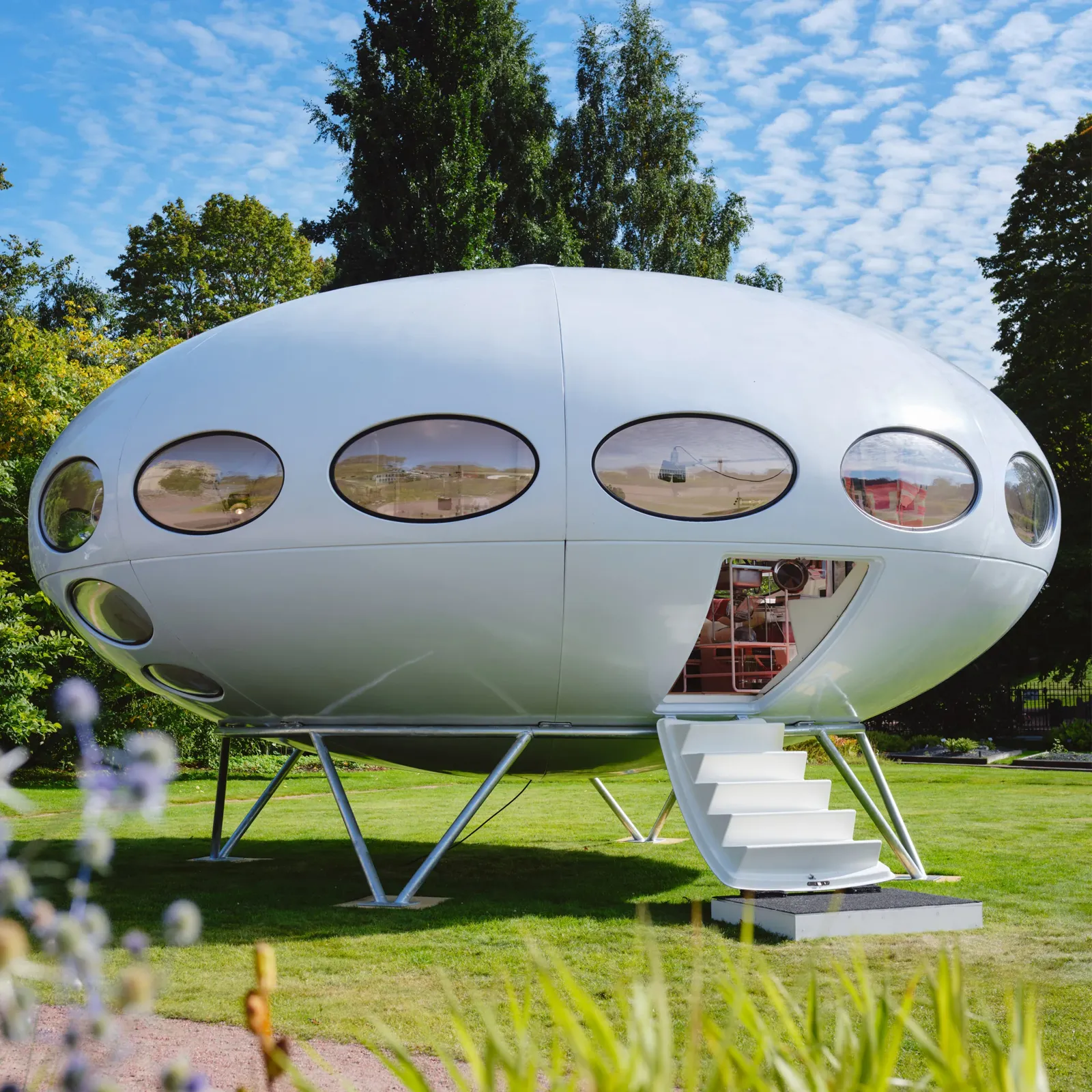
Futuro House Production Revived in Finland After Decades-Long Hiatus
A Facebook listing for abandoned moulds led to the first new Futuro...
 illustrarch Editoral Team3 Mins read

Building Your Dream Home in NSW: What You Should Know About Montgomery Homes
Montgomery Homes has been building across Sydney, Newcastle, the Hunter, Wollongong and...
illustrarch Editoral Team4 Mins read

Designing a Home Theater: Where Drapery Fits Into the Plan
In a media room the curtains are a performance layer, not decoration....
illustrarch Editoral Team3 Mins read

Oscar Niemeyer’s Cathedral of Brasília: The Hyperboloid Concrete Hymn
The Cathedral of Brasília reads as a single gesture, yet it stood...
 Furkan Sen7 Mins read


Leave a comment