

2025 Architecture MasterPrize Winners: Design of the Year Projects
The 2025 Architecture MasterPrize celebrates outstanding achievements across architecture, interior design, and landscape architecture, with winning projects selected from submissions spanning 72 countries. This year’s honorees include globally recognized studios and emerging practices, highlighting architecture’s evolving role in shaping culture, community, and environmental responsibility.
 Elif Ayse Sen26 December 20253 Mins read321
Table of Contents Show
The 2025 Architecture MasterPrize (AMP) has officially revealed this year’s award recipients, celebrating excellence across architecture, interior design, landscape architecture, product design, and architectural photography. With entries submitted from 72 countries, the 2025 edition highlights the truly international scope of contemporary design and the diverse voices shaping today’s built environment.
This year’s winners represent a balanced mix of globally renowned studios, established multidisciplinary practices, and emerging designers. The selection reflects architecture’s expanding role, not only as a formal discipline, but as a cultural, environmental, and social force responding to real-world challenges.

Global Excellence Across Disciplines
Among the 2025 honorees are projects by internationally respected figures and studios, including Pritzker Prize laureates such as Álvaro Siza Vieira, Kengo Kuma, Zaha Hadid Architects, and Shigeru Ban. Their awarded works sit alongside contributions from leading practices like Safdie Architects, Snøhetta, Dominique Coulon & Associés, Perkins&Will, Ennead Architects, Aedas, Alison Brooks Architects, ATELIER BRÜCKNER, and LAN.
Across all categories, the awarded projects demonstrate how architecture continues to influence everyday life, shaping public spaces, work environments, landscapes, and community experiences through thoughtful design.
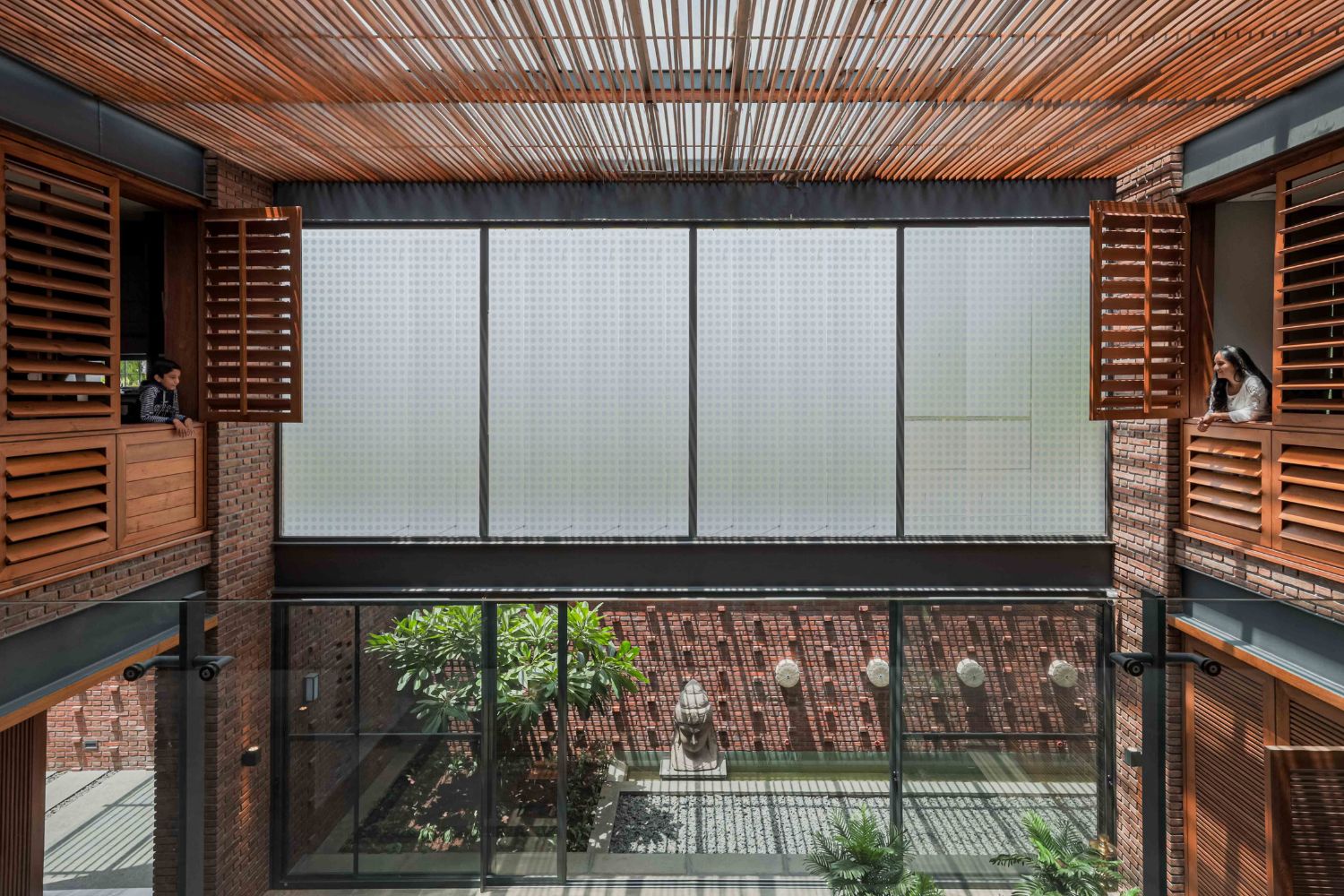
Design of the Year Winners 2025
The Design of the Year awards recognize the highest level of achievement across architecture, interiors, and landscape architecture. This year’s winners stand out for their clarity of concept, environmental sensitivity, and strong relationship to place.
Architectural Design of the Year
Sports and Cultural Center Marie-José Perec and Joséphine Baker by Onze04 Architectes
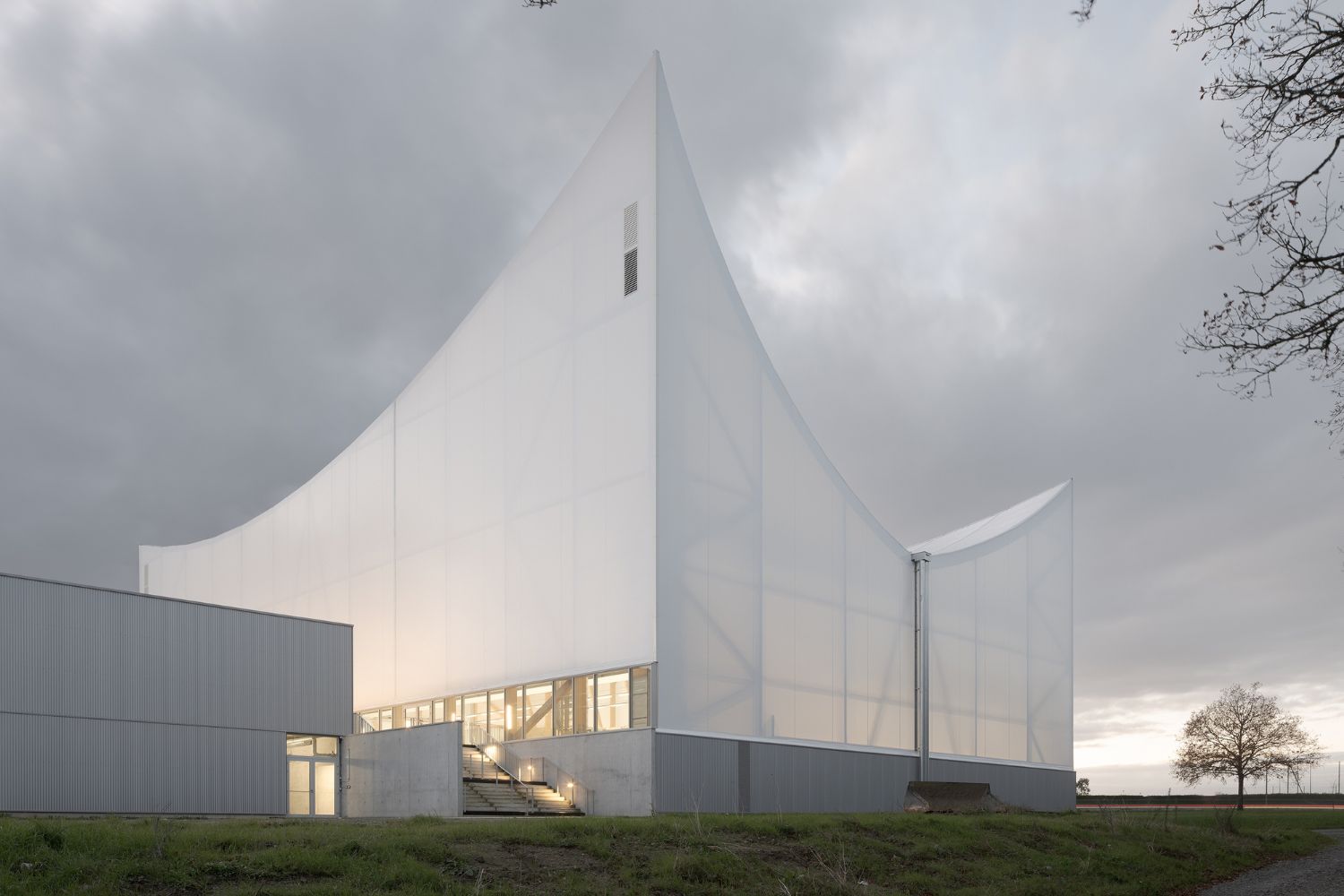
Located in La Bouëxière, France, designed as a civic connector rather than a closed object, this sports and cultural complex is organized into two distinct volumes, a multi-sports hall and a dance hall, allowing a public promenade to pass directly through the building. This gesture physically links existing facilities with the surrounding neighborhoods while reinforcing the project’s role as a shared community space.

The main sports hall adopts a clear rectangular form and is covered by a dramatic textile roof with four rising peaks, reaching heights between 13 and 28 meters. The lightweight fabric structure diffuses daylight evenly throughout the interior, reducing glare and enhancing spatial comfort. After dark, the building glows softly from within, turning the white envelope into a lantern-like landmark that symbolizes renewal and openness for the wider district.
Interior Design of the Year
Symbolplus Office by SYMBOLPLUS INC.
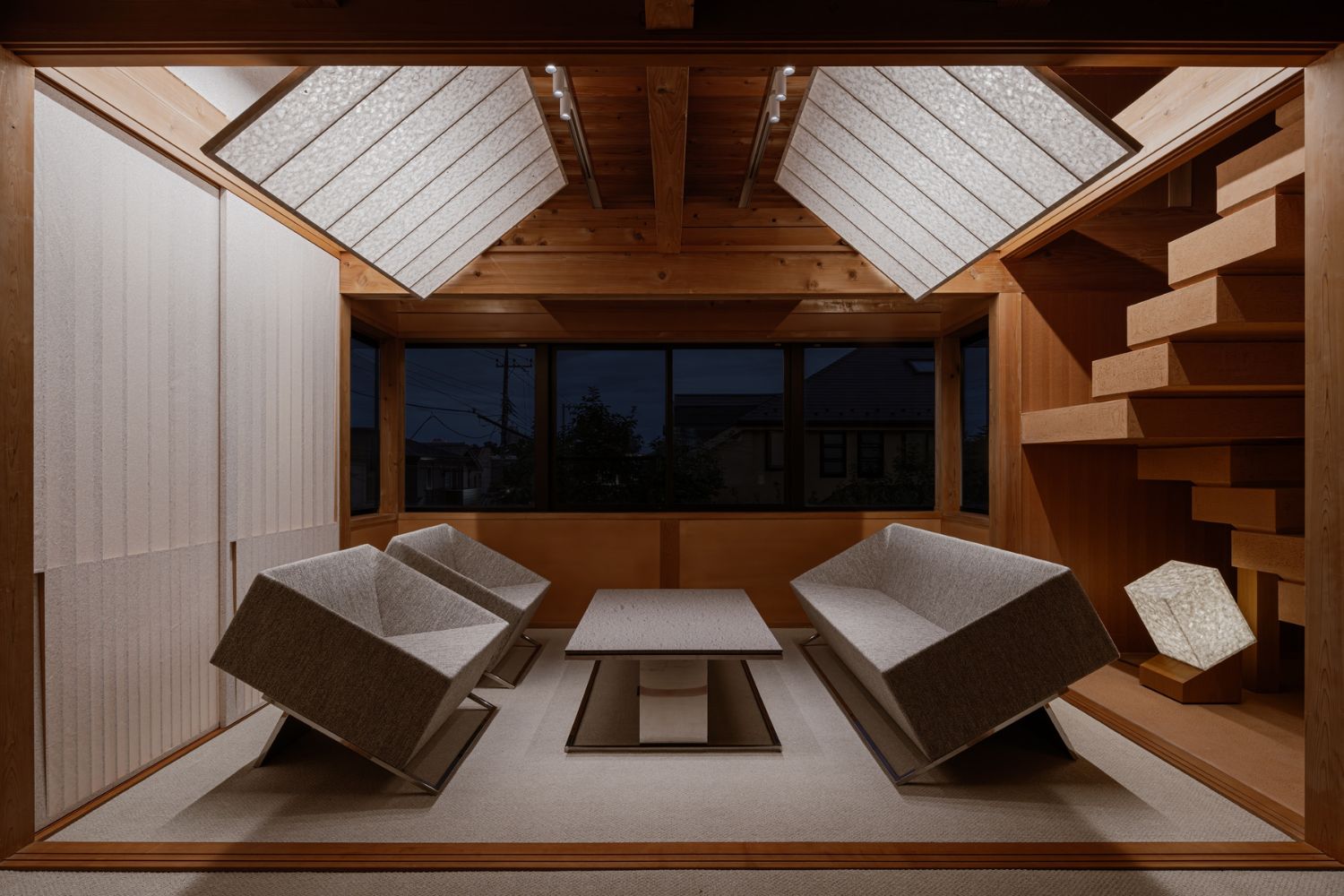
Nestled in Tokyo, this interior project reimagines a 23-year-old timber structure in Tokyo as a contemporary workplace adapted to hybrid working culture. Rather than replacing the existing building, the design embraces continuity, retaining structure, memory, and material character while introducing flexibility and openness.

Natural finishes such as red earth plaster and reclaimed Tosa washi paper are layered for durability and warmth, while traditional Japanese carpentry techniques eliminate the need for metal fittings. Movable shoji screens and rotating ceiling panels allow spaces to shift throughout the day, supporting different work modes without disrupting the building’s quiet rhythm. The result is an office that feels less like a corporate environment and more like a living system grounded in craft, time, and place.
Landscape Architecture of the Year
Bamboo Villa by WEIMAR GROUP
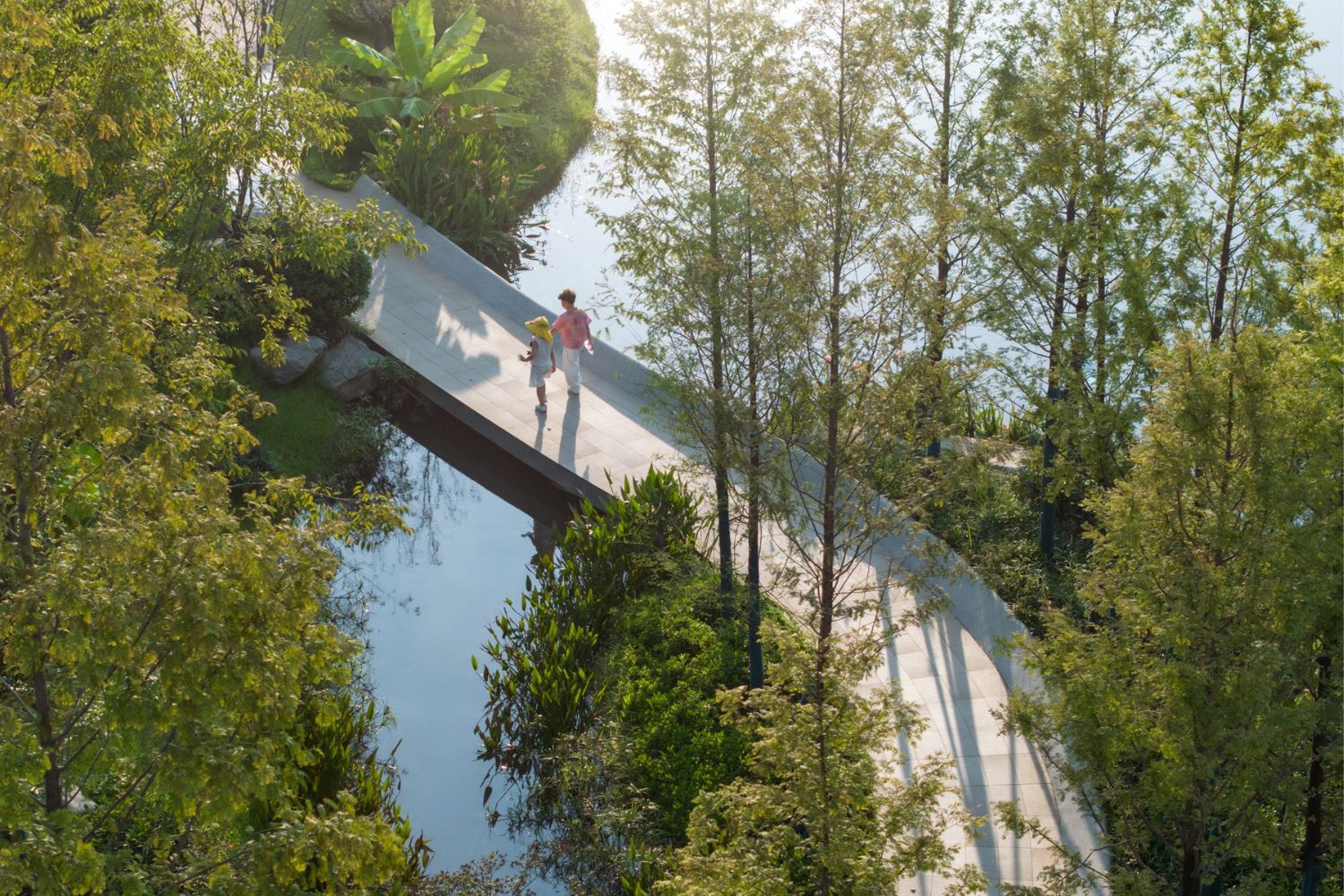
Bamboo Villa in Shanghai, China presents a landscape-driven approach to community living, shaped through minimal intervention and strong collaboration between architects and landscape designers. Instead of a single focal space, the project is organized as a network of interconnected landscape nodes that encourage exploration and everyday use.
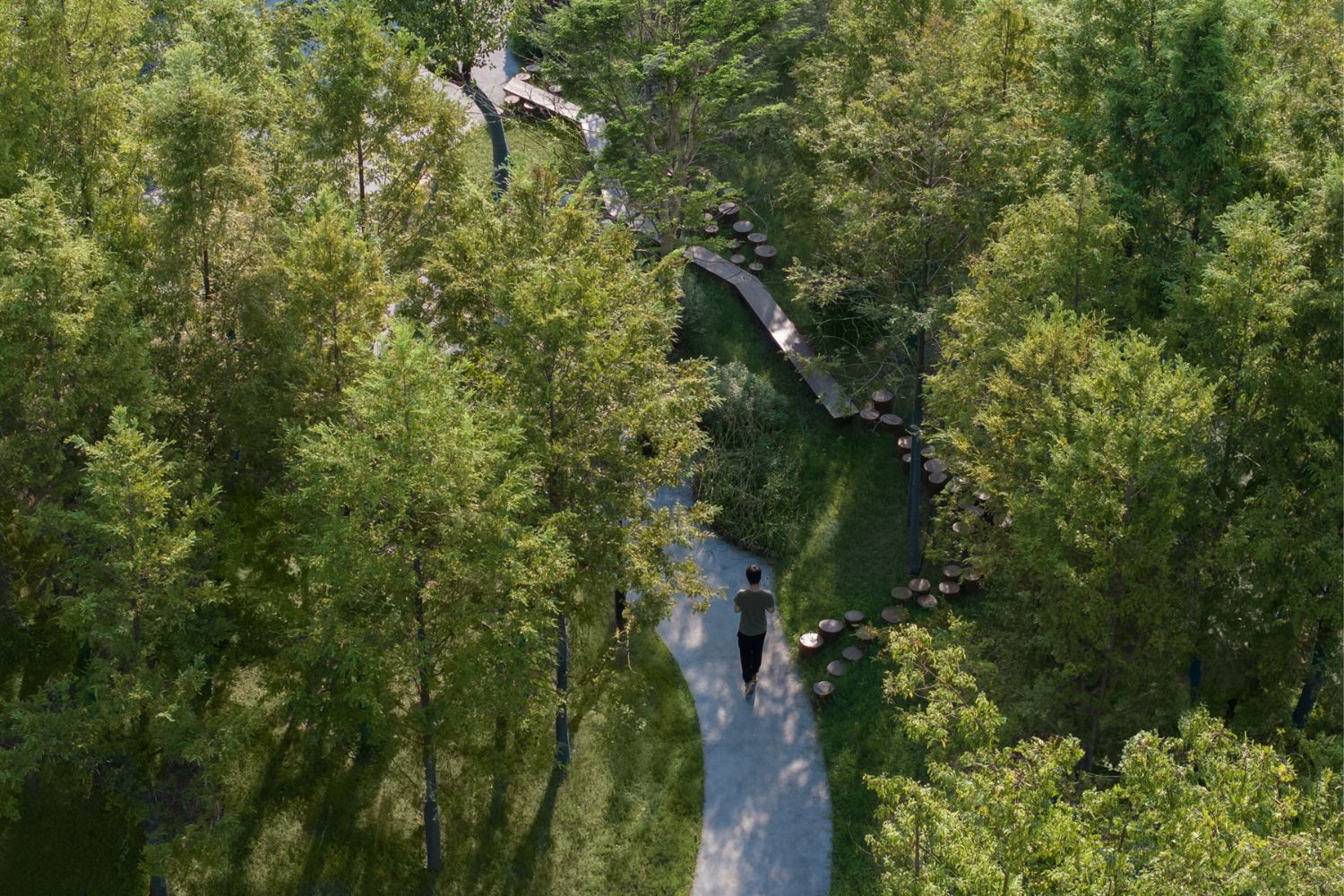
The master plan integrates a playground, mountain lake, central lawn, and outdoor activity zones for fishing, hiking, cycling, and camping. These elements form a continuous green system that supports social interaction while promoting a sustainable lifestyle closely tied to nature. By prioritizing experience over form, the project creates a resilient, people-centered landscape that redefines how shared outdoor spaces can shape community life in dense urban contexts.

The 2025 Architecture MasterPrize winners collectively demonstrate how design today extends beyond aesthetics. From adaptive reuse and material honesty to community-centered planning and landscape integration, the awarded projects reflect architecture’s growing responsibility toward cultural continuity, environmental awareness, and social connection.
As the discipline continues to evolve, the 2025 AMP selection offers a clear snapshot of where architecture is heading, toward spaces that are meaningful, flexible, and deeply rooted in their context.




Brussels’s €230m Kanal Museum Nears Opening as Questions Grow over Its Future Funding
Housed in a converted Citroën garage, Brussels's Kanal museum opens on 28...
 illustrarch Editoral Team1 Mins read

MoMA’s Full Disclosure Exhibition Traces Information Design from Hand-Drawn Data to AI Memories
Full Disclosure: The Edge of Information Design, curated by Paola Antonelli, is...
illustrarch Editoral Team2 Mins read
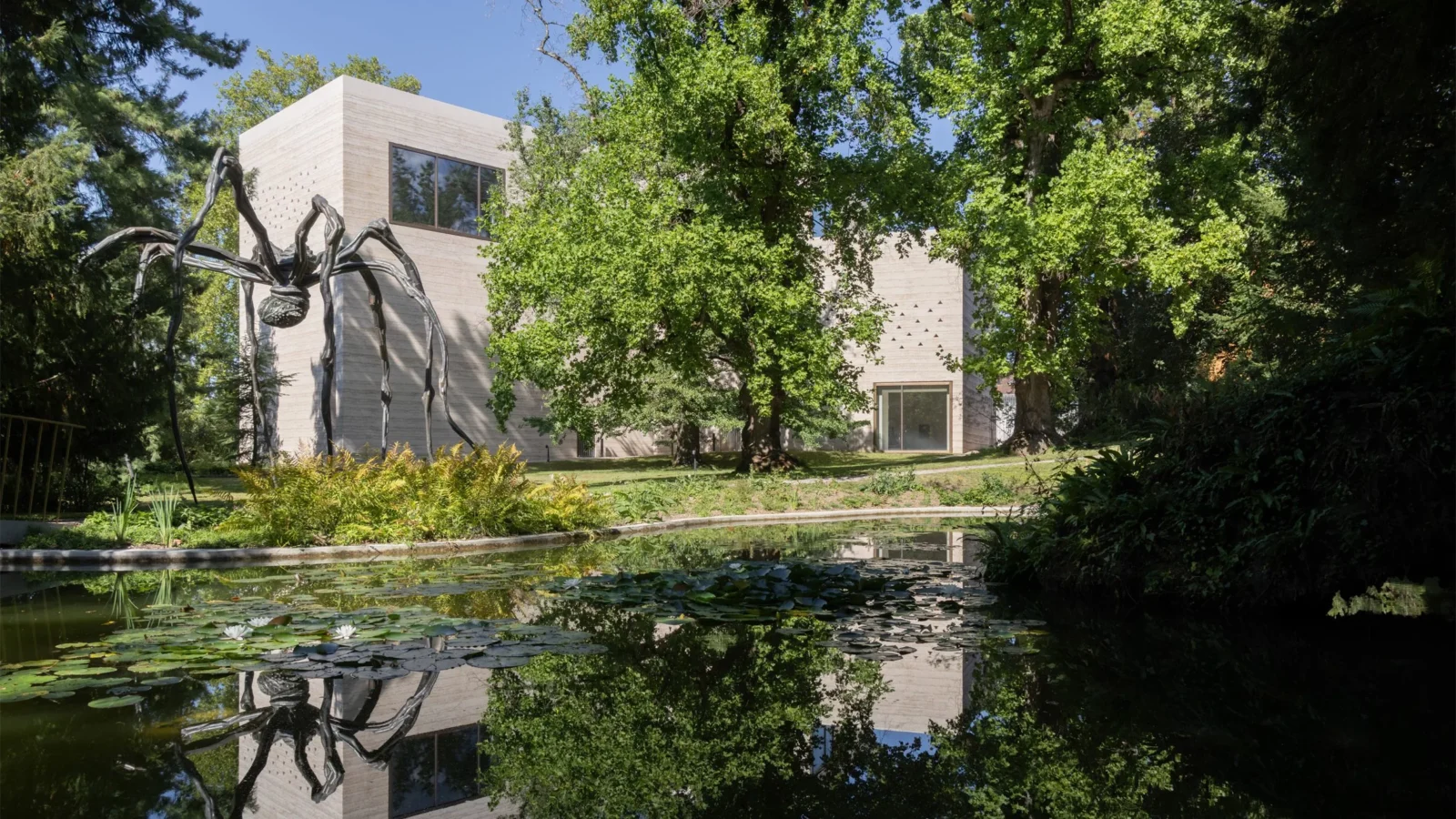
Zumthor’s Three New Buildings Open at Fondation Beyeler in Riehen
Peter Zumthor's Wyss Museum, Ammann Pavilion and Erlen Torhaus open at Fondation...
illustrarch Editoral Team4 Mins read

Benthem Crouwel Completes the Afsluitdijk Revamp with a Fish Passage and Domed Pumping Stations
The 32 km Afsluitdijk in the Netherlands has been raised, armoured and...
illustrarch Editoral Team2 Mins read


Leave a comment