

Fallingwater Structural Stabilization: Preserving a Modernist Icon
Structural stabilization work at Fallingwater reveals how time, gravity, and environment challenge modernist architecture. The project highlights new approaches to preserving iconic concrete structures while respecting their original design intent.
 Elif Ayse Sen30 December 20253 Mins read237
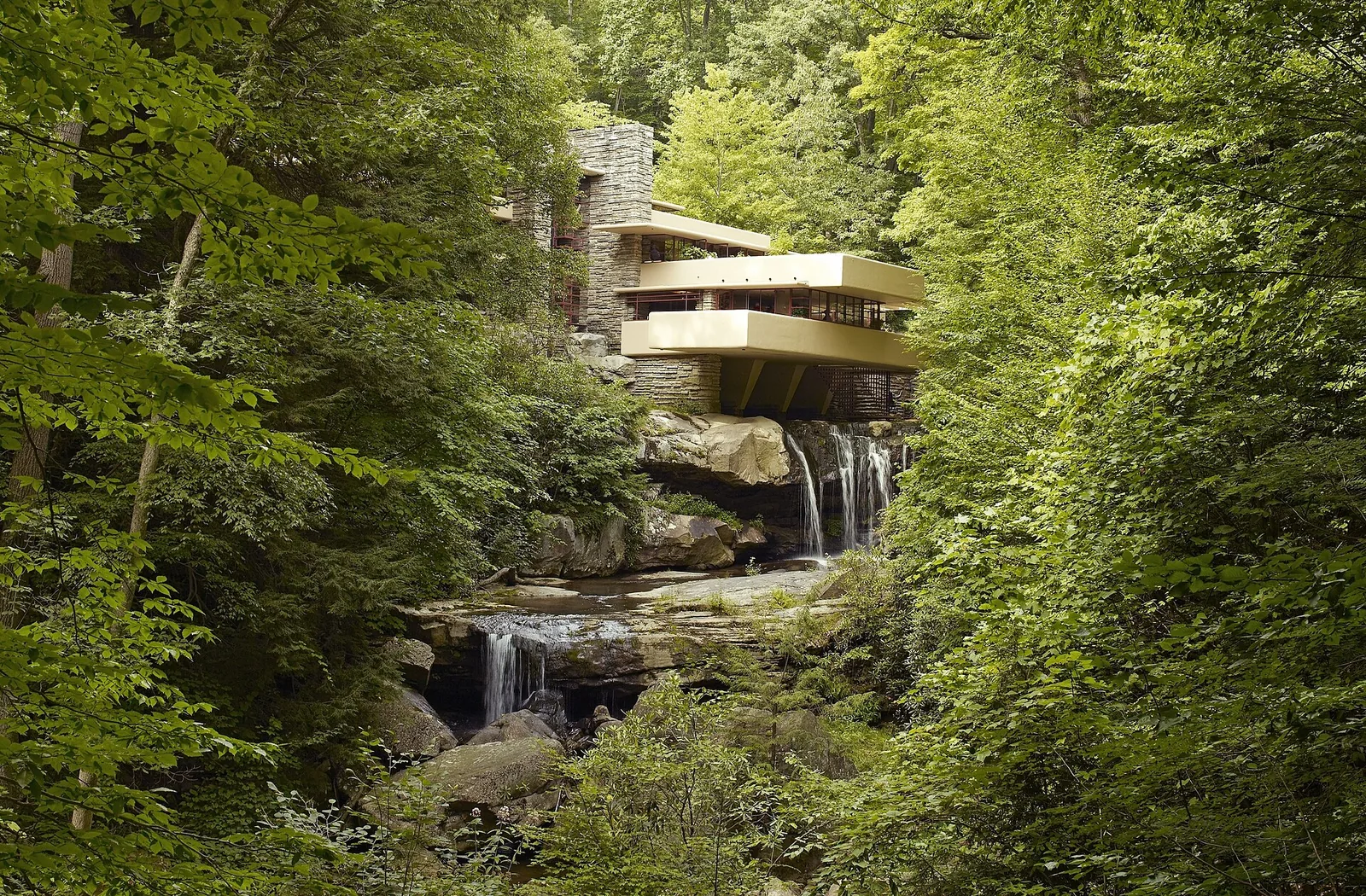
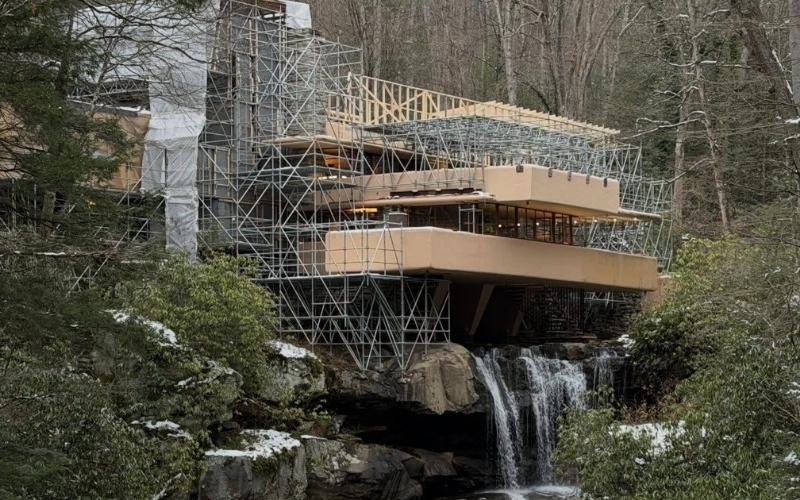


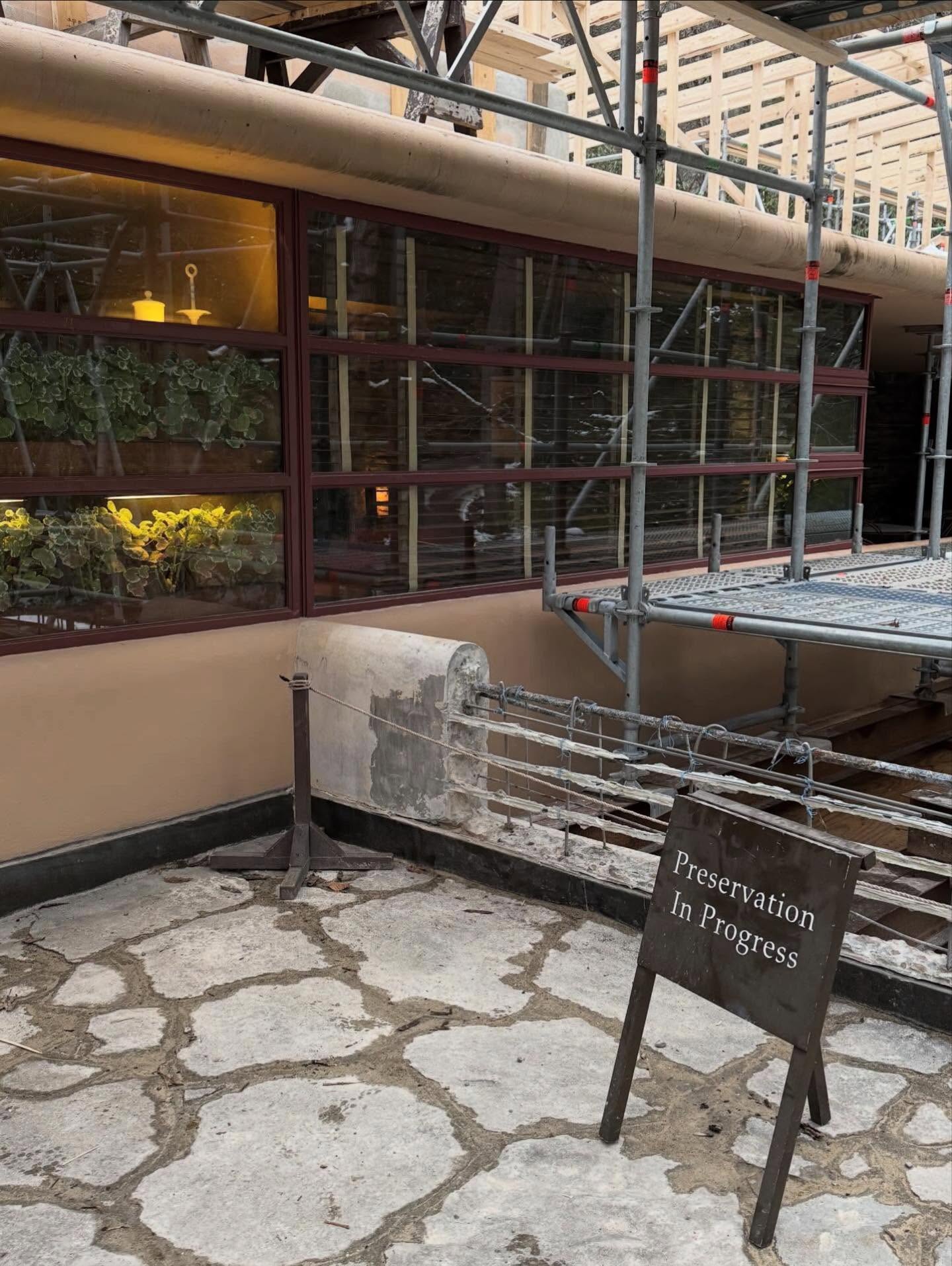
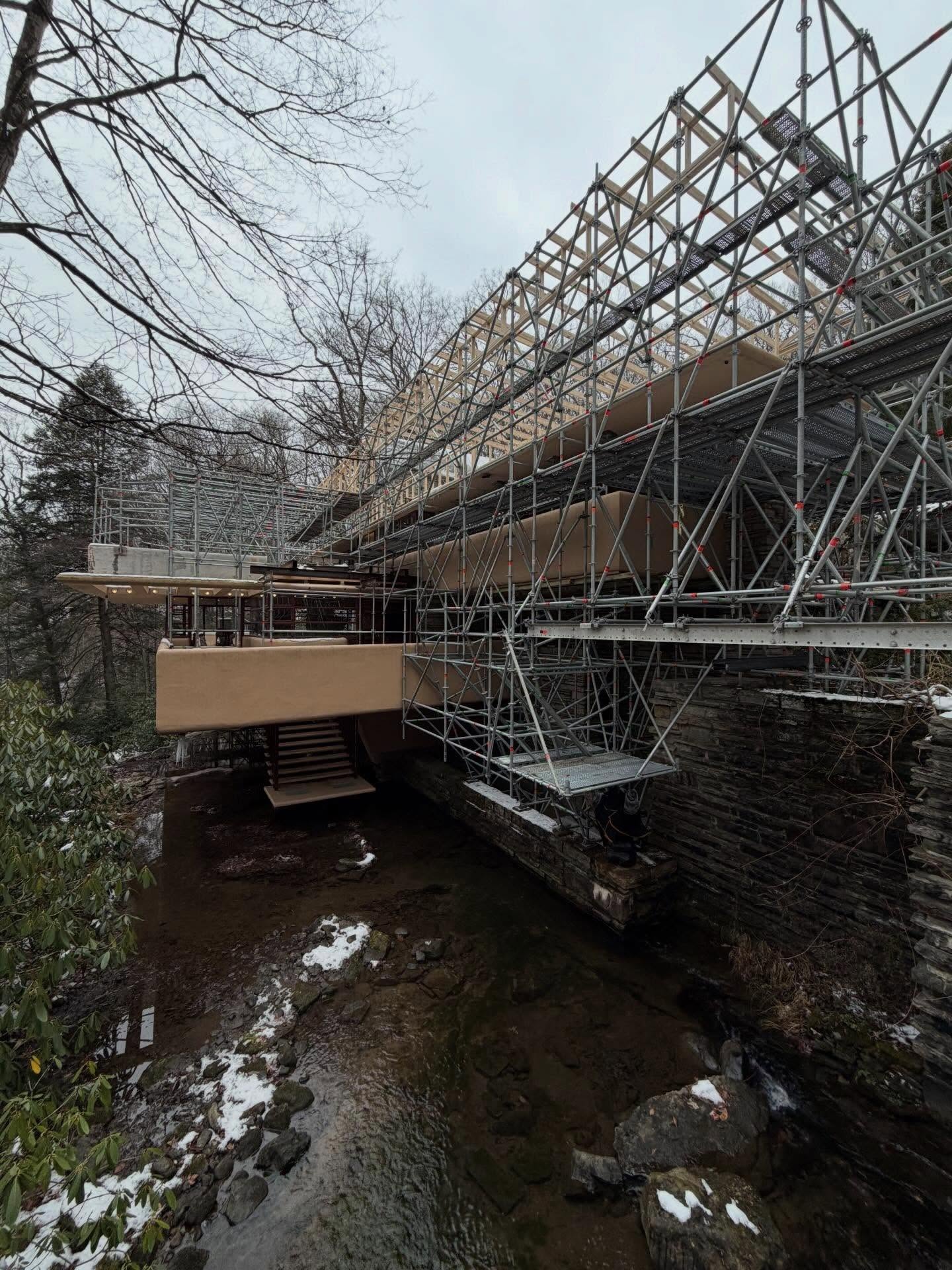
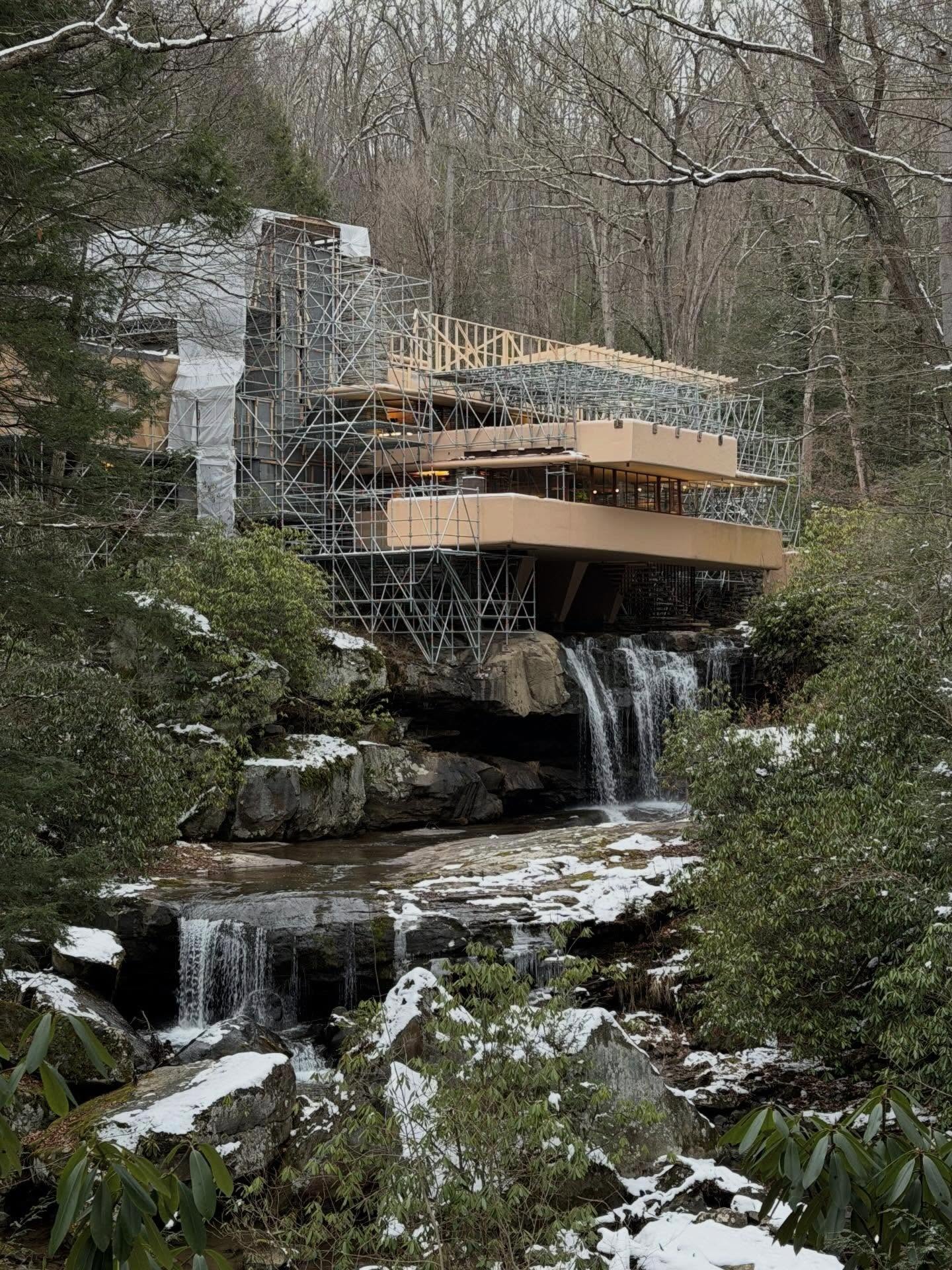
Table of Contents Show
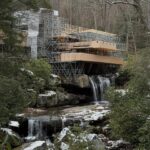
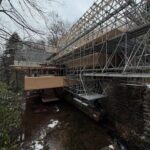
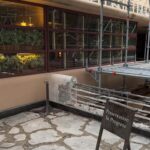
Work is now underway to address long-term structural movement at Fallingwater, as engineers begin a multi-million-dollar stabilization campaign focused on its iconic cantilevers. Decades of gravity, moisture, and material fatigue have caused gradual sagging in the concrete slabs that define the house’s dramatic profile. Temporary scaffolding now surrounds the building, exposing layers of structural logic that have remained hidden for generations. The intervention does not aim to alter the house’s appearance, but to slow and control the physical realities acting upon it. In doing so, the project challenges the long-held assumption that landmark architecture can remain unchanged forever.
Architecture Caught Between Landscape and Load
From its conception, the house was an experiment in balance, hovering above the Bear Run stream while dissolving boundaries between interior space and nature. That ambition, however, demanded structural risks uncommon at the time. Today’s reinforcement strategy respects this original vision while acknowledging the limits of early 20th-century engineering. Rather than redesigning the building, conservators are strengthening it discreetly, working within strict preservation guidelines. The scaffolding itself has become an educational tool, offering rare insight into how daring form was made possible through concealed structural systems.
Inside the Concrete: Managing Long-Term Stress
The stabilization relies on advanced engineering techniques layered into the existing structure. New post-tensioning systems are being introduced to counteract deflection, using modern, corrosion-resistant materials that can coexist with the original reinforced concrete. Embedded sensors monitor movement and stress in real time, allowing engineers to fine-tune each adjustment with precision. Every intervention is documented, creating a detailed technical record that will inform future conservation work, not only here, but across the broader field of modernist preservation.
Preservation Beyond the Building Envelope
Protecting the house also means protecting its setting. Construction activity is being carefully managed to avoid damaging the stream and surrounding ecosystem that are central to the site’s identity. Temporary access routes, erosion controls, and water-management systems were developed with environmental specialists to limit disturbance. This approach reflects a broader shift in conservation thinking, where safeguarding cultural heritage includes responsibility for ecological systems. Preservation is no longer limited to walls and slabs; it now extends to landscapes and habitats.
A Remote House with Worldwide Influence
Although located in a rural setting, the lessons emerging from this project resonate globally. The methods being tested here are already informing discussions about how cities and institutions care for aging concrete buildings. Transparency in the process, through public updates and shared research has become part of modern stewardship expectations. As architects and engineers confront material failure in postwar structures around the world, this case stands as a reference point. More than a repair effort, it is a reminder that even the most celebrated works of architecture are living structures, shaped continuously by time, environment, and human responsibility.


The Engineering Behind the Cantilevers
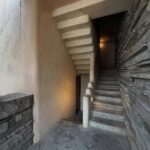
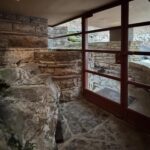
Fallingwater’s famous terraces project outward from the central stone core with little visible support, an effect achieved through reinforced concrete cantilevers. A cantilever carries its load by anchoring one end firmly while the other extends freely into space, placing enormous bending stress on the structure. When the house was built in the late 1930s, the understanding of how concrete behaves over decades was still developing, and the original reinforcement proved lighter than the spans demanded. Over time this led to measurable downward deflection in the slabs, the gradual sagging that the current campaign is designed to arrest.
Post-Tensioning as a Conservation Tool
Post-tensioning works by running high-strength steel cables through the existing concrete and tightening them after the concrete has cured, which compresses the slab and counteracts the forces causing it to droop. The technique is favored in preservation because it strengthens a structure from within, leaving the visible form untouched. Crucially, the approach is calibrated to halt further movement rather than to force the building back into a perfectly new condition, since aggressive correction could crack original material. Corrosion-resistant components are used so the intervention itself does not become a future maintenance problem.
Monitoring and the Value of Data
Embedded sensors give conservators something the original builders never had: continuous, precise readings of how the structure responds to seasons, loads, and the work itself. By tracking movement and stress in real time, engineers can adjust each step incrementally and confirm that an intervention is having the intended effect before proceeding. The resulting record does more than guide this project. It builds a body of evidence about how early reinforced concrete ages, which informs the care of countless other twentieth-century buildings facing similar issues.
Lessons for Modernist Preservation
Fallingwater highlights a broader challenge in conserving modern architecture. Many landmark buildings of the twentieth century used experimental materials and daring forms whose long-term behavior was untested at the time of construction. Unlike masonry monuments, these structures can require active engineering intervention to survive. The project also reframes a common assumption: that a famous building, once complete, should never change. In practice, keeping such architecture standing often means quietly reinforcing it so that its appearance, and the original design intent, can endure.
- architectural conservation
- cantilever concrete repair
- Fallingwater engineering
- Fallingwater Frank Lloyd Wrigh
- Fallingwater Pennsylvania
- Fallingwater restoration
- Fallingwater structural stabilization
- Heritage preservation architecture
- modernist architecture preservation
- structural reinforcement historic buildings






New Digging Season at the Mieza Gymnasium Uncovers Alexander’s School Complex
New digs at Mieza uncover teaching halls and mosaic banquet rooms at...
 illustrarch Editoral Team2 Mins read
Herzog & de Meuron Builds Amherst College Student Center Atop Old Foundations
Herzog & de Meuron built a mass-timber student center at Amherst College...
illustrarch Editoral Team2 Mins read

Brussels’s €230m Kanal Museum Nears Opening as Questions Grow over Its Future Funding
Housed in a converted Citroën garage, Brussels's Kanal museum opens on 28...
illustrarch Editoral Team1 Mins read

MoMA’s Full Disclosure Exhibition Traces Information Design from Hand-Drawn Data to AI Memories
Full Disclosure: The Edge of Information Design, curated by Paola Antonelli, is...
illustrarch Editoral Team2 Mins read


Leave a comment