

Sphere Washington D.C.: New Immersive Venue at National Harbor
Sphere Entertainment announces plans to bring a smaller-scale Sphere venue to National Harbor, Maryland, just 15 minutes from Washington D.C.
 Elif Ayse Sen8 February 20266 Mins read219

Table of Contents Show
The Washington D.C. metropolitan area is set to welcome one of the most technologically advanced entertainment venues in the world. Sphere Entertainment Co. has announced plans to develop a new Sphere venue at National Harbor, Maryland, marking the second Sphere location in the United States and the first to utilize a smaller-scale design model. This groundbreaking stadium and venue project represents a new chapter in immersive entertainment architecture.
Located just 15 minutes from the nation’s capital, the Sphere Washington D.C. project is poised to transform the DMV region’s entertainment landscape. The development brings together Sphere Entertainment, the State of Maryland, Prince George’s County, and Peterson Companies in a partnership that promises significant economic, cultural, and community benefits for the entire region.

MSG Sphere Project: From Las Vegas to Washington D.C.
The original MSG Sphere Las Vegas opened in September 2023 and quickly established itself as an architectural and technological marvel. Designed by Populous, the Las Vegas venue cost $2.3 billion to construct and has since been ranked number one on both Billboard’s and Pollstar’s 2025 lists of top-grossing venues worldwide. Understanding the success of this revolutionary concert venue helps contextualize why the expansion to Washington D.C. represents such a significant opportunity.
The MSG Sphere project began as an ambitious vision by James L. Dolan, Executive Chairman and CEO of Sphere Entertainment. The concept was to create a new experiential medium that pushes the boundaries of live entertainment through advanced technologies and immersive experiences. Following the tremendous success in Las Vegas, the company has designed plans for various sized Spheres that can deliver fully immersive experiences in different markets around the world.
“Our focus has always been on creating a global network of Spheres across forward-looking cities,” said James L. Dolan. “Sphere is a new experiential medium.” The National Harbor location represents the company’s first smaller-scale venue, designed to bring the Sphere experience to markets that may not support the full-scale Las Vegas model.

Sphere Washington D.C. Project Specifications
The Sphere Washington D.C. venue will feature a seating capacity of approximately 6,000 guests, making it significantly smaller than its Las Vegas counterpart, which accommodates up to 20,000 people including standing room. Despite its more compact size, the venue will incorporate all of Sphere’s signature advanced technologies.
16K LED Interior Display
The interior will feature a 16K x 16K resolution display plane, which Sphere Entertainment describes as the world’s highest-resolution LED screen. This wraparound display technology creates a fully immersive visual environment that envelops the audience. Understanding the role of lighting in modern architecture helps appreciate how this technology transforms the entertainment experience.
LED Exosphere Exterior
Like its Las Vegas predecessor, the Sphere Washington D.C. will feature an LED Exosphere exterior display capable of showcasing both artistic and branded content. This distinctive external display has become synonymous with the Sphere brand, transforming the venue into a dynamic visual landmark that can be seen throughout the surrounding area.
Immersive Audio Technology
The venue will incorporate Sphere Immersive Sound, a revolutionary audio system that uses beamforming and wave field synthesis technologies. This system delivers concert-quality audio to every seat with unprecedented control, consistency, and clarity, ensuring that the immersive experience remains consistent regardless of seating location.
4D Environmental Effects
Haptic seating technology will be integrated throughout the venue, along with 4D environmental effects including scent, wind, mist, and temperature changes. These sensory elements work in concert with the visual and audio systems to create truly immersive experiences that engage multiple senses simultaneously.

MSG Sphere Las Vegas Interior: Setting the Standard
To understand what visitors can expect from the Sphere Washington D.C., examining the MSG Sphere Las Vegas interior provides valuable insight. The Las Vegas venue features a 160,000-square-foot interior LED display plane that soars to a height of 240 feet and wraps up, over, and around the entire audience. This creates a visual environment unlike any traditional entertainment venue.
The interior design, developed by Populous and ICRAVE, prioritizes the concert and immersive experience over traditional multi-purpose venue configurations. The seating bowl has been specifically designed with immersive experiences in mind, with each seat enveloped in spatialized audio. This approach to light in architectural design demonstrates how technology can transform spatial experiences.
The Las Vegas venue includes nine levels, with a VIP club located in the basement and 23 luxury suites across the third and fifth floors. The arrival experience is equally impressive, featuring an 80-foot-tall atrium with columns double the height of those at the Pantheon in Rome. This architectural approach creates a sense of anticipation and wonder before guests even reach their seats.

MSG Sphere Las Vegas Construction: Lessons for Washington D.C.
The MSG Sphere Las Vegas construction journey offers important context for the Washington D.C. project. Construction began in 2019 following the project’s 2018 announcement, with an original 2021 completion date pushed to September 2023 due to the COVID-19 pandemic.
The project’s cost escalated from $1.2 billion in 2019 to $1.66 billion by February 2020, eventually reaching $2.3 billion, making it the most expensive entertainment venue in Las Vegas Valley history. Notable construction achievements included using the world’s fourth-largest crane and completing a 340,000-pound steel ring for the domed roof. These engineering feats demonstrate complexity similar to other iconic monument projects.
The smaller scale of Sphere Washington D.C. should help manage costs and timelines. While specific construction costs haven’t been disclosed, the total project is valued at approximately $1.4 billion, with $200 million in state, local, and private incentives.
National Harbor: The Ideal Location
National Harbor represents an ideal location for the second U.S. Sphere venue. Situated along the Potomac River in Prince George’s County, Maryland, National Harbor is already a top entertainment and tourism destination in the DMV region. The development attracts more than 15 million visitors annually with its mix of world-class entertainment, dining, retail, gaming, convention, and leisure activities.
The location offers several strategic advantages for the Sphere project. Its proximity to Washington D.C., just 15 minutes from the nation’s capital, provides access to both the region’s large resident population and the millions of domestic and international visitors who travel to the area each year. The existing infrastructure at National Harbor, developed by Peterson Companies, provides a strong foundation for integrating the Sphere into the destination’s entertainment ecosystem.
“This innovative project will further reinforce National Harbor as the national capital region’s premier destination for conventions, entertainment, retail and dining, and hospitality,” said Jon Peterson, CEO of Peterson Companies. “It will deliver more economic activity and jobs, and elevate National Harbor, and Maryland, as one of the country’s preeminent tourism and entertainment hubs.”

Economic Impact and Job Creation
The Sphere Washington D.C. project promises substantial economic benefits for Prince George’s County, Maryland, and the broader region. According to officials, the economic impact of Sphere National Harbor is expected to exceed $1 billion annually once the venue opens.
Job creation represents another significant benefit. The project is expected to support approximately 2,500 jobs during the construction phase and 4,750 jobs once the venue becomes operational. Prince George’s County Executive Aisha N. Braveboy has called this “one of the largest economic development projects in Prince George’s County history.”
The project financing includes approximately $200 million in state, local, and private incentives. Prince George’s County is offering $200 million in a tax increment financing (TIF) agreement, essentially borrowing against taxes that the facility is expected to generate. This public-private partnership model reflects the significant investment required to attract world-class entertainment infrastructure while ensuring that the community benefits from the development. Understanding how such large architectural firms approach major projects provides context for these complex developments.

What to Expect at Sphere Washington D.C.
Based on programming at Sphere Las Vegas, visitors can anticipate diverse entertainment offerings including original Sphere Experiences, immersive content designed for the venue’s advanced technologies, as well as concert residencies and brand experiences. The Las Vegas venue has hosted residencies by U2, Phish, Dead & Company, the Eagles, and the Backstreet Boys, along with immersive film experiences.
The Sphere’s unique capabilities enable experiences that cannot be replicated in traditional venues. The combination of massive wraparound LED display, spatial audio, and 4D environmental effects creates what the company describes as “a virtual reality experience without VR glasses” a fundamentally new entertainment form bridging traditional performance and immersive digital experiences, similar to how technology is being integrated across various design disciplines.
The Sphere Washington D.C. represents a significant addition to the entertainment and architectural landscape of the nation’s capital region. By bringing revolutionary technology to National Harbor, the project promises to create a new Maryland landmark attracting visitors from across the country and around the world.
Like other landmark buildings that defined architectural eras, the Sphere concept represents a new paradigm in entertainment spaces. As the project moves forward, it will be fascinating to watch how this smaller-scale implementation evolves for the Washington D.C. market, and eventually, to experience it firsthand.
For more coverage of innovative architectural projects, explore our articles on top cities to enjoy architecture while traveling and unmissable architectural discoveries around the world.





A 2,500-Year-Old Solar Observatory in Puebla Is the First Group E Complex Found Outside the Maya Area
Archaeologists working for Mexico's INAH have confirmed that two platforms at Teteles...
 illustrarch Editoral Team2 Mins read

India Art, Architecture & Design Biennale 2026: Ministry of Culture Opens Delhi Monuments
Delhi's monuments, including Purana Quila and the Red Fort, will host the...
illustrarch Editoral Team2 Mins read
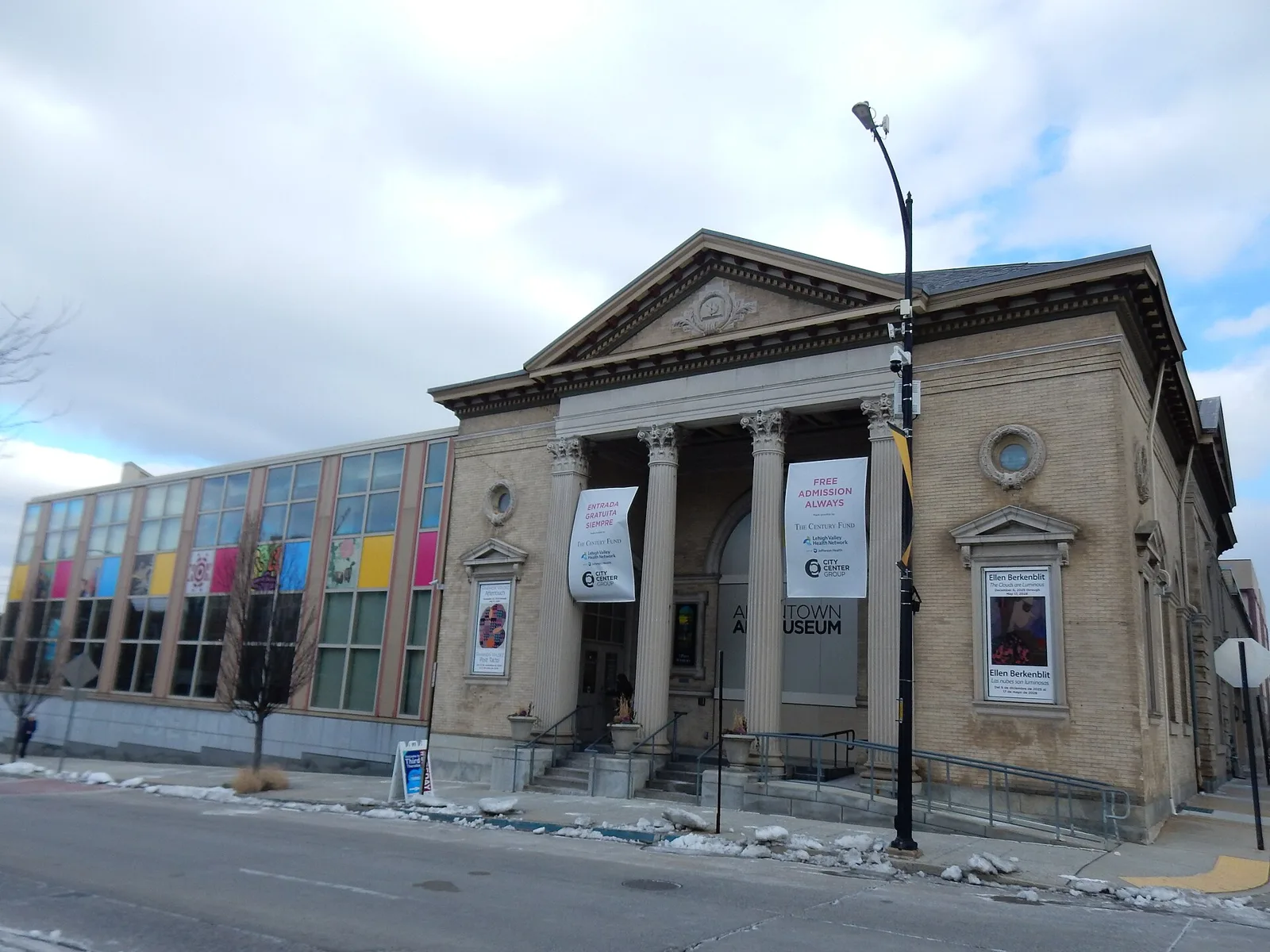
Allentown Art Museum Leaves Its Venturi, Scott Brown Addition for a New Studios Architecture Building
The Allentown Art Museum is moving to a new Studios Architecture building...
illustrarch Editoral Team2 Mins read

Donald Insall, the Conservation Architect Who Led Windsor Castle’s Restoration, Dies at 100
Donald Insall, the British architect who turned conservation into a planning discipline...
illustrarch Editoral Team2 Mins read


Leave a comment