

Milan Design Week 2026: Weekly Review of Top Installations, Wasl Tower, and Global Architecture News
A detailed review of Milan Design Week 2026 covering the Salone del Mobile's 64th edition, Fuorisalone's "Be the Project" theme, standout installations by Snøhetta, Kengo Kuma, and Zaha Hadid Architects, plus global stories including UNStudio's Wasl Tower in Dubai and adaptive reuse developments from Rome to Minneapolis.
 Elif Ayse Sen10 May 202612 Mins read229
Table of Contents Show
Milan Design Week 2026, held from April 20 to 26, brought over 316,000 visitors and 1,900 exhibitors to the city for its 64th edition. Alongside standout installations and the Fuorisalone theme “Be the Project,” the week’s global architecture news included the completion of UNStudio’s Wasl Tower in Dubai, adaptive reuse projects in Rome and Minneapolis, and the UIA 2026 Barcelona congress program announcement.
The last week of April 2026 carried a density of architecture and design news that is hard to match at any other point in the year. Milan Design Week 2026 closed its doors on April 26, wrapping up six days of exhibitions, product launches, and spatial experiments spread across Rho Fiera Milano and every corner of the city. At the same time, completed buildings, institutional expansions, and heritage interventions around the world signaled where the profession is heading. This article covers the key moments from the week, starting with what happened in Milan and then moving to global stories that shaped the conversation.
Milan Design Week 2026 Dates, Theme, and Key Numbers
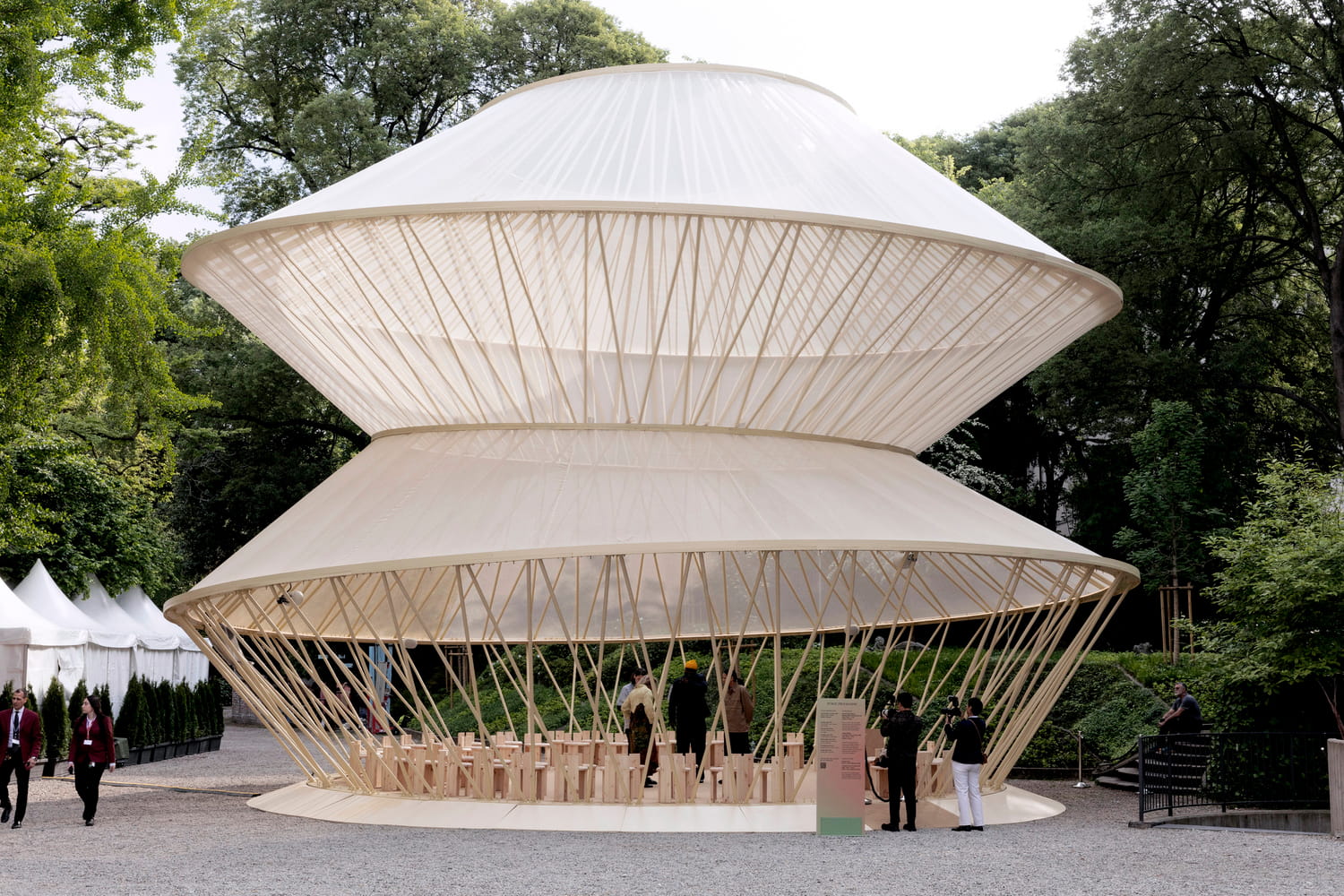
The Milan Design Week 2026 dates ran from April 20 through April 26, with the Salone del Mobile trade fair occupying the Rho Fiera Milano fairgrounds from April 21 to 26. The 64th edition of the Salone brought together over 1,900 exhibitors from 32 countries and attracted 316,342 visitors from 167 nations, a 4.5 percent increase compared to 302,000 visitors in 2025. Over 1,300 events activated the city beyond the fairgrounds, with more than 500,000 people engaging with the wider Fuorisalone program.
The official Fuorisalone theme for design week Milan 2026 was “Be the Project” (Essere Progetto), a framework that asked participants and visitors to think about design as an ongoing process rather than a finished product. The theme invited a shift away from polished objects and toward research, prototypes, and experimental processes. Many exhibitions responded by showing works in progress, documentation of material testing, and open-ended spatial investigations rather than commercial-ready pieces.
🔢 Quick Numbers
- 316,342 visitors from 167 countries attended Salone del Mobile 2026, up 4.5% from 2025 (Salone del Mobile official report, 2026)
- Over 1,300 Fuorisalone events took place across the city during design week in Milan 2026 (Fuorisalone.it, 2026)
- The Fuorisalone.it platform recorded 820,000 unique users since January 2026 (Fuorisalone digital report, 2026)
- Italy’s wood supply chain, which includes most Italian furniture firms, reached 52.3 billion euros in 2025 (FederlegnoArredo, 2026)
Standout Installations from Milan Design Week 2026
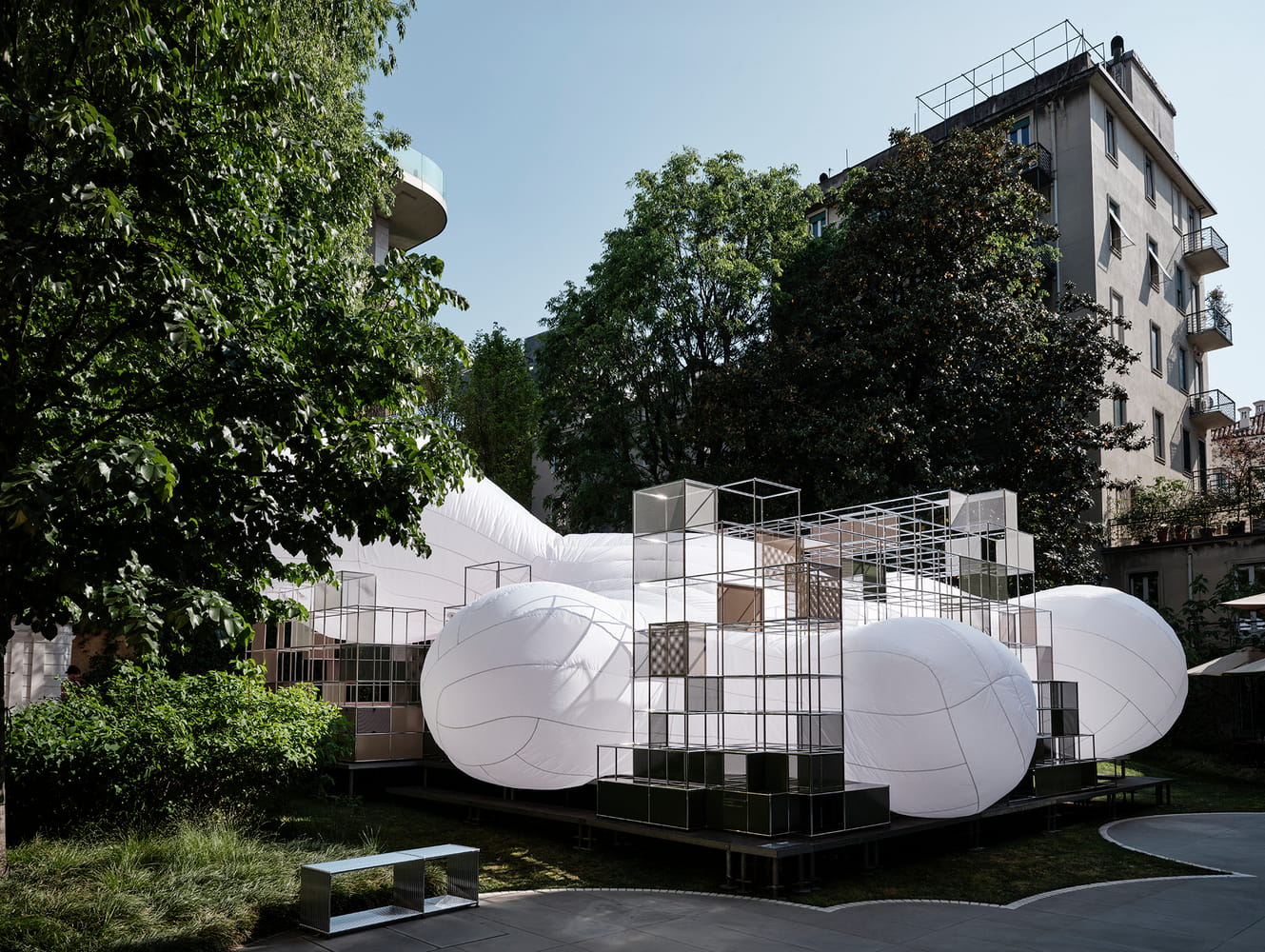
The 2026 milan design week packed its districts with installations that ranged from large-scale pavilions to intimate showroom presentations. Several stood out for their spatial ambition and their connection to architecture and material research.
At Triennale Milano, the Eames Houses exhibition opened as the first large-scale presentation focused on the residential architecture of Charles and Ray Eames. Organized by the Eames Office in collaboration with Kettal and the Charles & Ray Eames Foundation, the exhibition filled 800 square meters with life-size walk-through reconstructions of the Eames Pavilion System, archival drawings, photographs, and newly built models of residential projects. The show positioned the Eameses’ domestic experiments as part of a broader system of modular, efficient design thinking, and it ran from April 21 to May 10.
In the courtyard of Palazzo del Senato, Ricardo Orts Ulises created “Ooooh, that’s EpiQ!” for Škoda Auto, transforming the former State Archives into a fluid environment of soft, malleable volumes. The installation used sculptural forms inspired by modeling dough to create a contrast with the courtyard’s rigid historical geometry. An interactive digital dome at its center layered real-time visualizations over the physical experience, merging physical and virtual elements into a single responsive system. It won the Fuorisalone Award 2026 for Best Event.
💡 Pro Tip
If you are planning to attend Milan Design Week, focus your first day on the Brera Design District and Fuorisalone events in Tortona before heading to Rho Fiera. The city-center installations often close earlier or shift access hours mid-week, and some of the most talked-about presentations (like Alcova venues) are only open for four or five days rather than the full week.
Snøhetta and designer Annabelle Schneider presented “Renaissance of the Real” for USM, an installation that questioned the relationship between physical materials and their digital representations. Meanwhile, Kengo Kuma debuted “Faces,” a 16-piece rug collection with Jaipur Rugs, translating the facades of his buildings into handwoven wool and viscose textiles shown at the Crespi Bonsai Museum, the Jaipur Rugs showroom, and the Salone del Mobile fair itself.
Zaha Hadid Architects created “The Origin” for Audi at Portrait Milano, a titanium-colored fiberglass portal set atop a reflecting pool. The installation used spatial compression and expansion to slow visitors, creating a physical threshold between the hotel’s historic architecture and a vision of a technology-driven future. It became one of the most photographed moments of the entire week.
New Curatorial Directions: Salone Contract and Salone Raritas
Two new platforms marked this year’s Salone del Mobile as more than a conventional trade fair. Salone Contract, developed through a master plan by Rem Koolhaas and David Gianotten of OMA, introduced a long-term initiative that moves beyond object-based production toward integrated design systems and collaborative frameworks. During design week 2026 milan, OMA’s David Gianotten described the project as a response to broader shifts in how design practices operate, where individual products matter less than the systems and relationships that produce them.
Salone Raritas, curated by Formafantasma, debuted as a platform for presenting exceptional craft and limited-edition design objects. This new layer within the fair positioned itself as a cultural counterpoint to the commercial floor, reinforcing the idea that the Salone is evolving from a pure trade show into a broader cultural infrastructure.
🎓 Expert Insight
“Finally the design woke up after being dead. Milan Design Week has become the most important design event of the world.” — Adrian Duenas, CEO, BeDesign
This observation from a leading industry figure at the 2026 fair reflects the energy shift that many attendees reported. After several years of cautious post-pandemic rebuilding, the 2026 edition felt like the week had regained its full momentum, both commercially and culturally.
Milan Interior Design Week 2026: Kitchen and Bathroom Trends
The 2026 edition included the biennial EuroCucina kitchen showcase and the International Bathroom Exhibition, two events that anchor milan interior design week 2026 as a reference point for residential specification. Kitchen design this year leaned toward soft edges and rounded forms, as seen in Antonio Citterio’s Kora design for Arclinea and Vincent Van Duysen’s Physis for the same brand. The overall direction pushed kitchens further into the living space, treating them as extensions of the home’s social environment rather than isolated utility rooms.
In the bathroom sector, Villeroy & Boch and Ideal Standard collaborated for the first time on “Design Continuum,” an immersive exhibition created with Studio Elastique. The installation used light, projection, texture, and scent to move beyond traditional product display, positioning the bathroom as a space of sensory experience rather than pure function. This cross-brand approach is unusual and signals a shift toward experience-led specification in commercial bathroom design.
Brera Design District and Fuorisalone Highlights
Brera Design District ran its 17th edition under the theme “Be the Project,” aligning with the broader Fuorisalone message. It remained the largest off-site hub, hosting 320 events across 217 permanent showrooms and special locations. The district’s programming balanced commercial presentations with cultural and educational initiatives, including the Architecture & Design Commission of Saudi Arabia’s Jusoor Design Collections, curated by Samer Yamani, which connected emerging Saudi designers with international design brands from India, Nepal, and Spain.
Alcova expanded to two venues for its 2026 program: the former Baggio Military Hospital and Villa Pestarini, a 1939 Rationalist residence designed by Franco Albini that opened to the public for the first time. New areas of the hospital, including a church and an archive, were opened to visitors, reinforcing Alcova’s approach of turning forgotten architecture into one of the week’s most compelling exhibition stages. BIG’s Bjarke Ingels Group launched its monograph “BIG Atlas” with Phaidon in an industrial hangar at the site, blending book launch with spatial installation.
The Isola Design Festival celebrated its 10th edition, returning to its roots in the Isola neighborhood with Fabbrica Sassetti, a 1930s wool yarn factory, as its main hub. Under creative director Elif Resitoglou, ten main showcases ran across venues including Fondazione Catella and Stecca3, highlighting independent designers and emerging voices.
📌 Did You Know?
B&B Italia returned to the Salone del Mobile in 2026 after a 25-year absence, marking its 60th anniversary with reissues of Richard Sapper’s Nena foldable armchair and Luigi Caccia Dominioni’s limited-edition Catilina chairs, alongside new contributions from Ronan Bouroullec, Jasper Morrison, and Michael Anastassiades.
Wasl Tower Completed in Dubai: UNStudio’s 302-Meter Ceramic Landmark
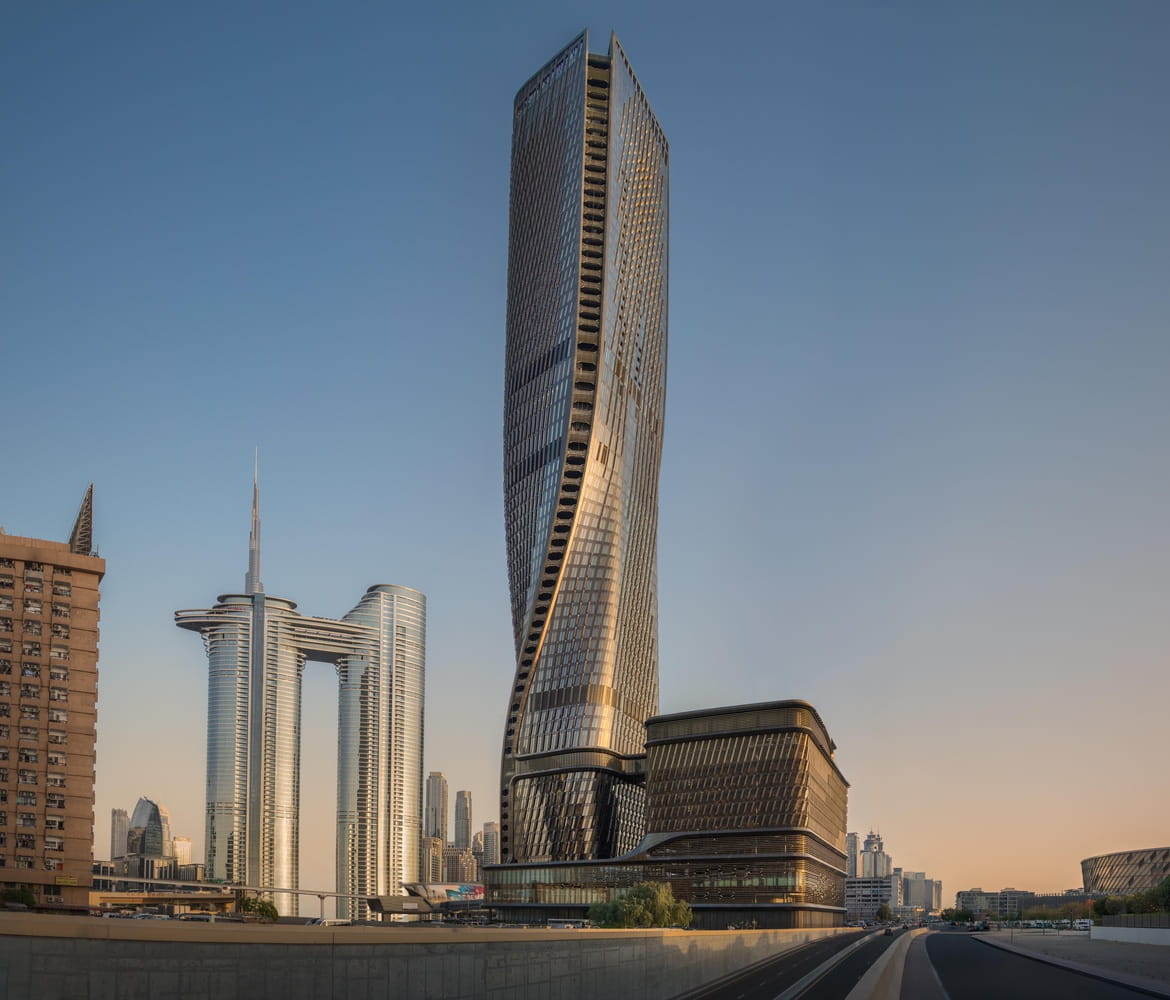
Away from Milan, one of the week’s biggest global architecture stories was the official completion of Wasl Tower in Dubai. Designed by UNStudio with structural engineering by Werner Sobek, the 302-meter-tall mixed-use skyscraper stands along Sheikh Zayed Road, directly opposite the Burj Khalifa. The project has been in development since 2013, with construction starting in 2016.
The tower’s design draws from the classical contrapposto stance in sculpture, rotating along its vertical axis to create a shifting, dynamic silhouette that reads differently from every approach. Its 64 floors contain 224 residential units, 259 hotel rooms (operated by Mandarin Oriental), 10 floors of Grade A office space, and public dining, wellness, and social spaces spread across 167,733 square meters of built area.
What sets the tower apart technically is its ceramic facade. Described as one of the tallest ceramic facades in the world, the building is wrapped in a lace-like grid of glazed clay fins, each angled at 12.8 degrees. This angle was determined through parametric modeling to optimize shading and daylight diffusion in Dubai’s extreme desert climate. The ceramic fins function as a passive cooling system: they reduce heat gain, reflect daylight deep into the interior, and lower surface temperatures to help counter the Urban Heat Island Effect. The metallic glaze on each fin shifts in appearance throughout the day, giving the tower a constantly changing visual presence.
📐 Technical Note
Wasl Tower’s structure uses three 300-meter shear walls connected by four strategic outriggers. Post-tensioned slabs and hybrid concrete columns reduce material use by 3,000 cubic meters of concrete compared to conventional systems. The building’s twisted geometry reduces wind loads by approximately 20%, further minimizing structural component sizes (Werner Sobek, 2026).
A vertical seam runs the full height of the building, creating what UNStudio calls a “vertical boulevard,” a stacked sequence of outdoor balconies and green terraces that gives residents and visitors access to open-air space at multiple levels. At night, a responsive lighting system designed by Arup animates the facade with patterns that respond to the tempo of the city. Ben van Berkel, founder of UNStudio, described the intent as making a visit to the tower “as attractive and contemporary as possible,” with a dedicated focus on health, comfort, and well-being throughout the building.
🏗️ Real-World Example
Wasl Tower (Dubai, 2026): The building’s 17 elevators use a layered vertical transport strategy: express lifts connect the ground floor, spa, sky lobby, and rooftop, while separate lift groups serve office workers, hotel guests, and residents. A pedestrian bridge connects the tower’s podium to the Burj Khalifa metro station, reinforcing its role as a connector within Dubai’s broader urban infrastructure rather than a standalone object.
Adaptive Reuse Projects: Rome, Minneapolis, and Beyond
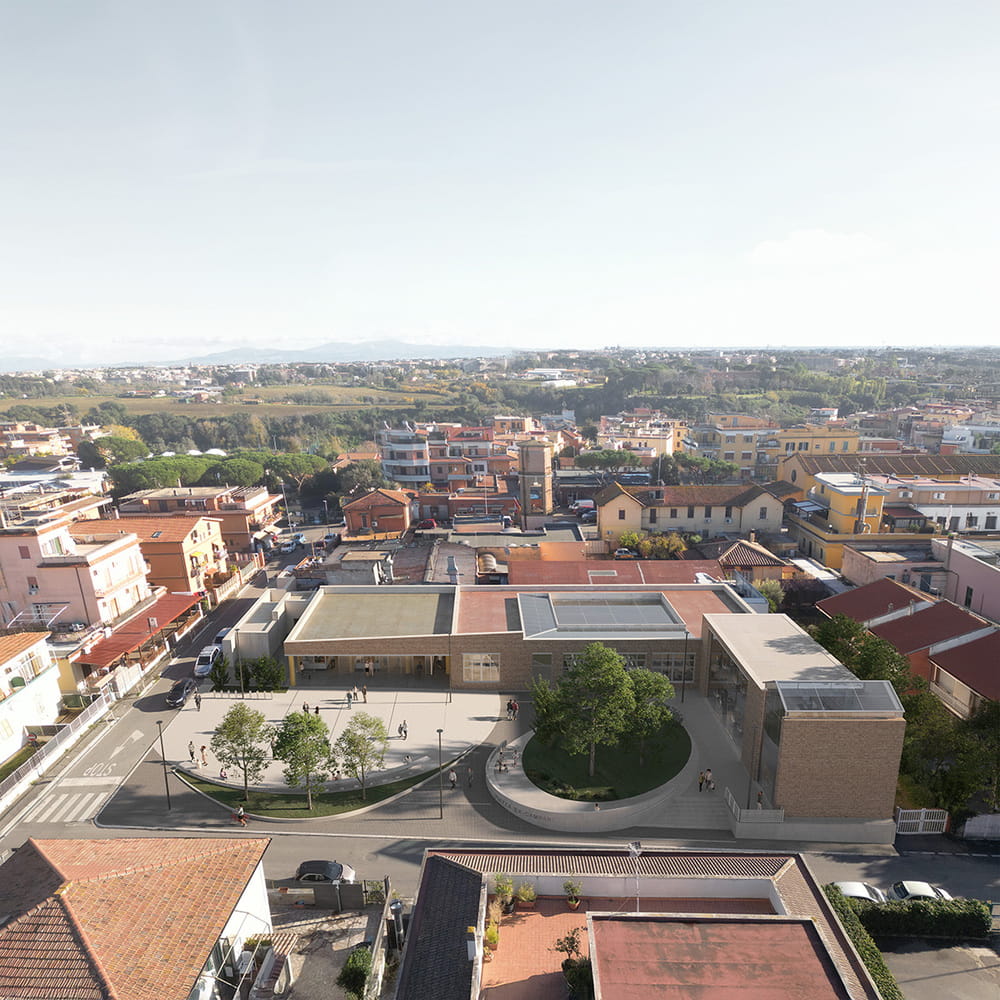
The same week brought significant news about adaptive reuse, one of the most active areas in contemporary architecture practice. In Rome, STARTT’s “Pantheon: Micro Architectures for Archaeology” project introduced a new visitor route through previously inaccessible areas behind the Rotunda. Rather than restoring the monument itself, the project reframes its urban and historical context by creating carefully designed contemporary interventions that maintain a clear distinction from the ancient material. The approach treats the monument’s surroundings as part of the story rather than treating the Pantheon as an isolated artifact.
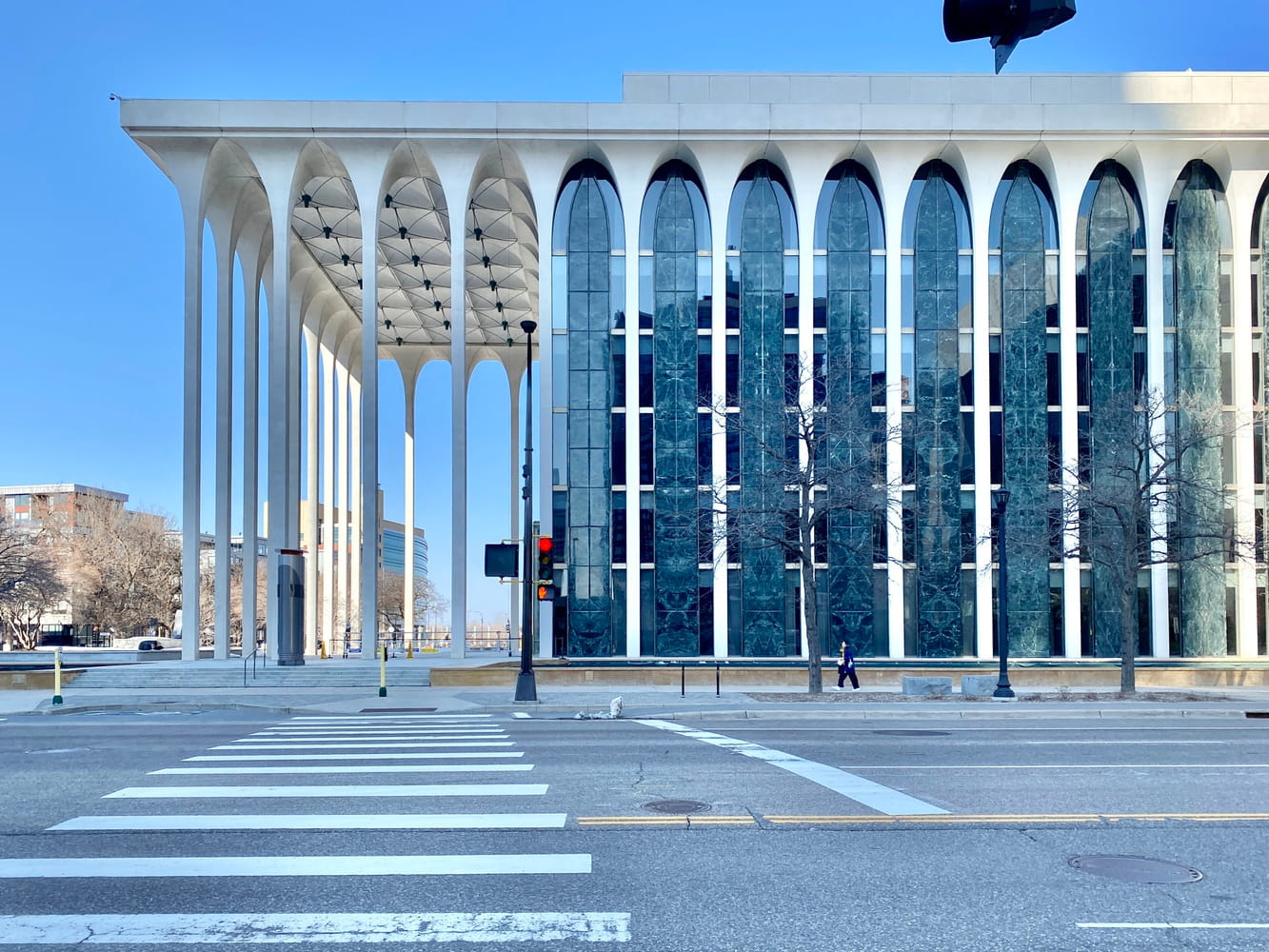
In Minneapolis, Minoru Yamasaki’s former Northwestern National Life Insurance Company headquarters is set to be converted into a hotel. The project retains the building’s defining mid-century formal elements while adding hospitality and public-facing functions. This reflects a broader trend in the adaptive reuse of corporate office buildings from the 1950s and 1960s, where the structural and spatial qualities of these buildings are well suited to conversion but their original use has become obsolete.
💡 Pro Tip
When evaluating a mid-century building for adaptive reuse, pay close attention to floor-to-ceiling heights and column spacing. Office buildings from the 1950s and 1960s often have generous floor plates and regular structural grids that convert well to hospitality and residential uses. The biggest challenge is typically upgrading mechanical systems without compromising the building’s original facade rhythm.
These projects sit alongside the Bass Museum of Art expansion in Miami Beach, where Johnston Marklee has been commissioned to develop a new campus addition that builds on Arata Isozaki’s earlier framework. The proposal adds a new exhibition pavilion and outdoor civic spaces, reinforcing the museum’s role as an open cultural interface within both landscape and urban context. This kind of layered institutional growth, where new architecture responds to and extends an existing design, represents a mature approach to cultural building that avoids the tabula rasa impulse.
How Does Milan Design Week 2026 Reflect Broader Architecture Trends?
Several threads run through this week’s stories and connect them. The first is the increasing importance of process over product. The Fuorisalone’s “Be the Project” theme and Salone Raritas both pushed back against the idea of design as a finished commodity. Installations that showed research documentation, open-ended prototypes, and experimental materials received more critical attention than polished product launches. For architects and designers, this shift validates an approach where the thinking behind a project carries as much weight as the final result.
The second thread is adaptive reuse and institutional transformation. From the Pantheon in Rome to the Yamasaki building in Minneapolis to the Bass Museum in Miami Beach, these projects demonstrate that architecture’s most important work is increasingly about working within and around existing structures. The COBE-designed transformation of a former IKEA warehouse in Älmhult, Sweden, into a new home for the Museum of Furniture Studies is another example from the same week. The building is scheduled to open in early 2027.
The third is sustainability as engineering rather than branding. Wasl Tower’s ceramic facade is a strong example: its environmental performance is the result of precise parametric modeling and material science, not a green label attached after the fact. The fins reduce solar gain, improve daylighting, and lower surface temperatures through material properties and geometry, not through mechanical systems. This kind of performance-driven sustainability, where the building’s skin does real work, is where the profession is moving.
UIA 2026 Barcelona: The Next Major Architecture Event
Looking ahead, the UIA World Congress of Architects 2026 in Barcelona runs from June 28 to July 2, making it the next major gathering on the global architecture calendar. Under the theme “Becoming. Architectures for a Planet in Transition,” the congress expects 10,000 participants and 250 speakers from over 130 countries. Barcelona has been designated by UNESCO as the World Capital of Architecture 2026 and will be the first city to host the UIA congress twice, following its 1996 edition.
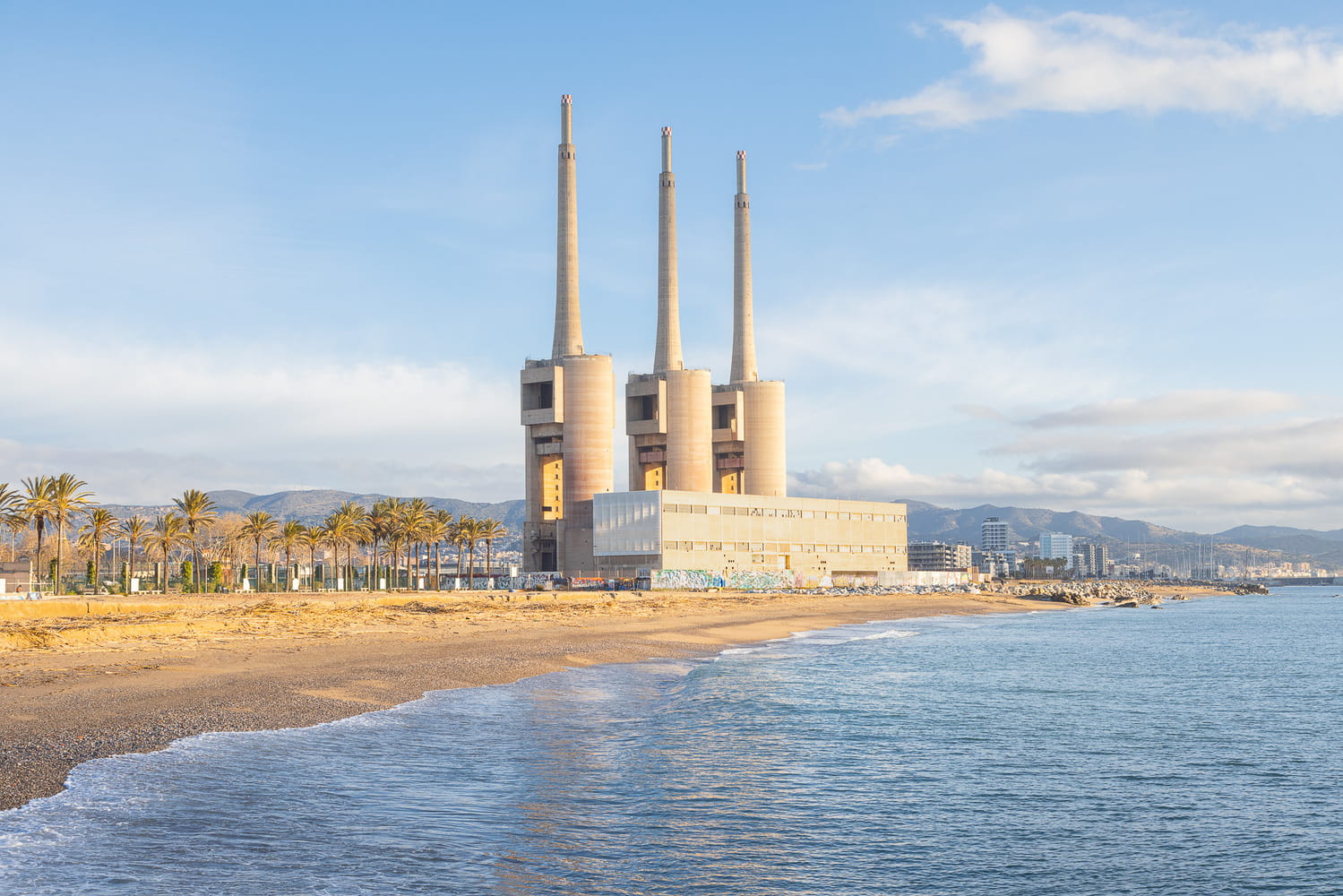
The congress program is organized around six thematic lines, covering ecological frameworks, circularity, material culture, interdependence, technology, and experiential design. Confirmed speakers include Junya Ishigami, Kate Orff, Anne Lacaton and Jean-Philippe Vassal, Tatiana Bilbao, and Forensic Architecture. Sessions will take place across the Barcelona International Convention Centre, the Disseny Hub Barcelona, and the Three Chimneys complex in Sant Adrià de Besòs, with over 70 architectural itineraries across the city and region.
What Was the Milan Design Week 2026 Theme?
The 2026 milan design week theme was “Be the Project” (Essere Progetto), developed by the Fuorisalone organization to frame the city-wide events outside the trade fair. The theme asked designers, brands, and institutions to foreground the act of making rather than the finished object. This was reflected in exhibitions that showed prototypes, material experiments, and collaborative processes. Inside the fair, the Salone del Mobile complemented this with its own curatorial direction, including the debut of Salone Raritas and the OMA-led Salone Contract initiative, both of which pushed the fair beyond its traditional commercial format.
⚠️ Common Mistake to Avoid
Many first-time visitors to Milan Design Week assume the Salone del Mobile at Rho Fiera and Fuorisalone are the same event. They are not. The Salone is the official trade fair held at the Rho Fiera Milano fairgrounds, focused on commercial product launches. Fuorisalone is the independent, city-wide program of events, installations, and exhibitions that run in parallel across Milan’s design districts. Both are essential, but they require different planning and ticketing.
Video: Milan Design Week 2026 Salone del Mobile Walkthrough
This 4K walkthrough of the Salone del Mobile 2026 at Rho Fiera Milano captures the scale and atmosphere of the 64th edition, including exhibition halls designed by Massimiliano Fuksas.
Final Thoughts
✅ Key Takeaways
- Milan Design Week 2026 drew 316,342 fair visitors and over 500,000 city-wide participants, with the Fuorisalone theme “Be the Project” shifting emphasis from finished products to design processes.
- New Salone platforms, Salone Contract (OMA) and Salone Raritas (Formafantasma), signal the fair’s evolution from trade show to cultural infrastructure.
- UNStudio’s Wasl Tower in Dubai, completed in 2026, demonstrates how parametric ceramic facades can deliver real environmental performance in extreme climates.
- Adaptive reuse projects in Rome, Minneapolis, Miami Beach, and Sweden confirm that working within existing buildings is a defining practice direction.
- The UIA 2026 Barcelona congress (June 28 to July 2) is the next major event, with 10,000 expected participants and a focus on architecture’s role during ecological and social transitions.
The last week of April 2026 offered a concentrated view of where architecture and design are right now. Milan Design Week 2026 showed a profession that is increasingly comfortable with uncertainty, process, and collaboration. The completion of projects like Wasl Tower demonstrates that technical ambition and environmental responsibility can coexist in a single building. And the adaptive reuse projects from Rome to Minneapolis remind us that the most forward-looking architecture often starts with what already exists. As Barcelona prepares to host the UIA congress this summer, the questions raised during Milan Design Week will carry forward into a broader global conversation about what architecture can and should become.


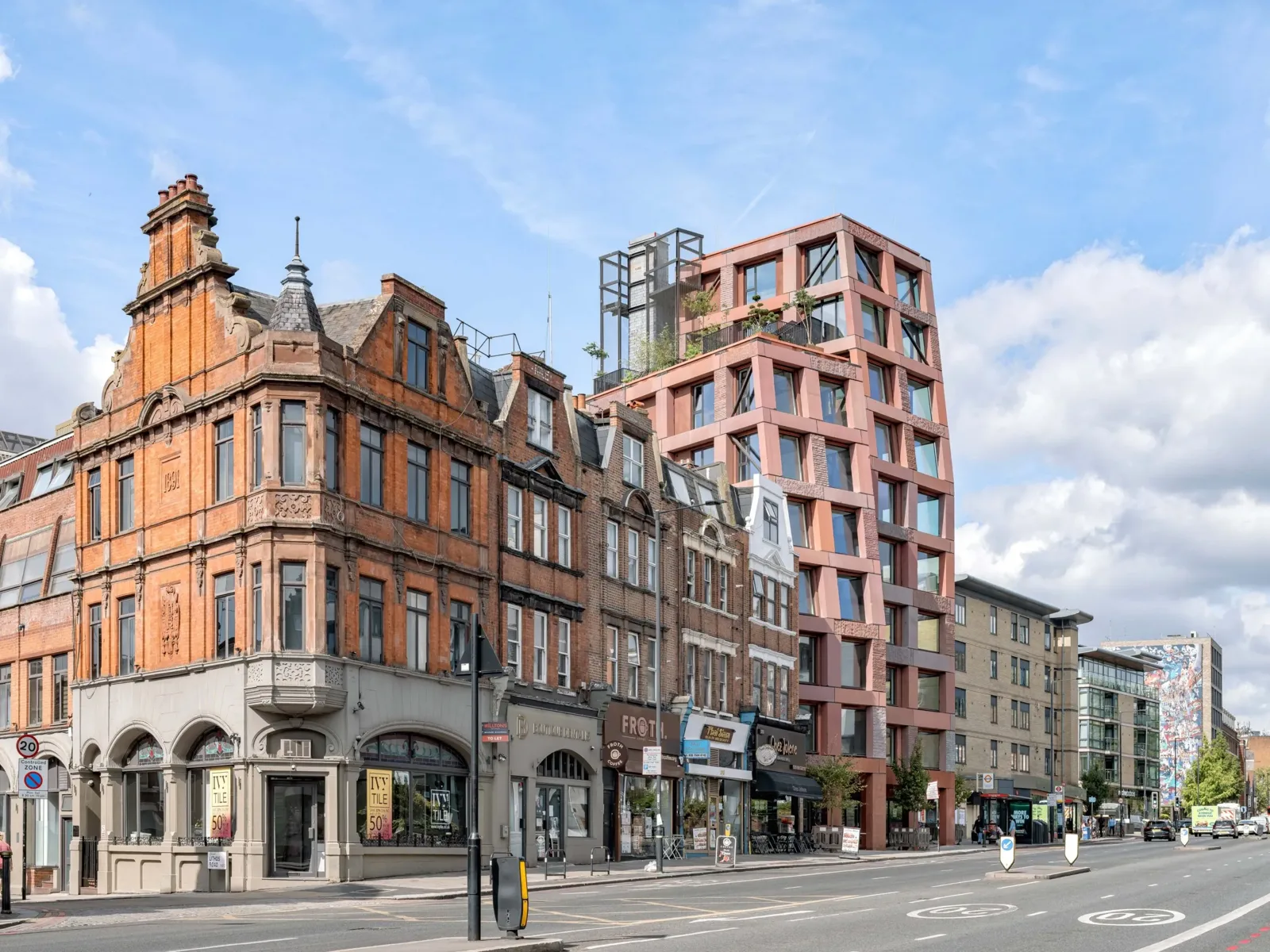
Groupwork Completes 10-Storey Loadbearing Granite Flats in London
Groupwork's Petra Heights on Finchley Road is a 10-storey block of 22...
 illustrarch Editoral Team2 Mins read
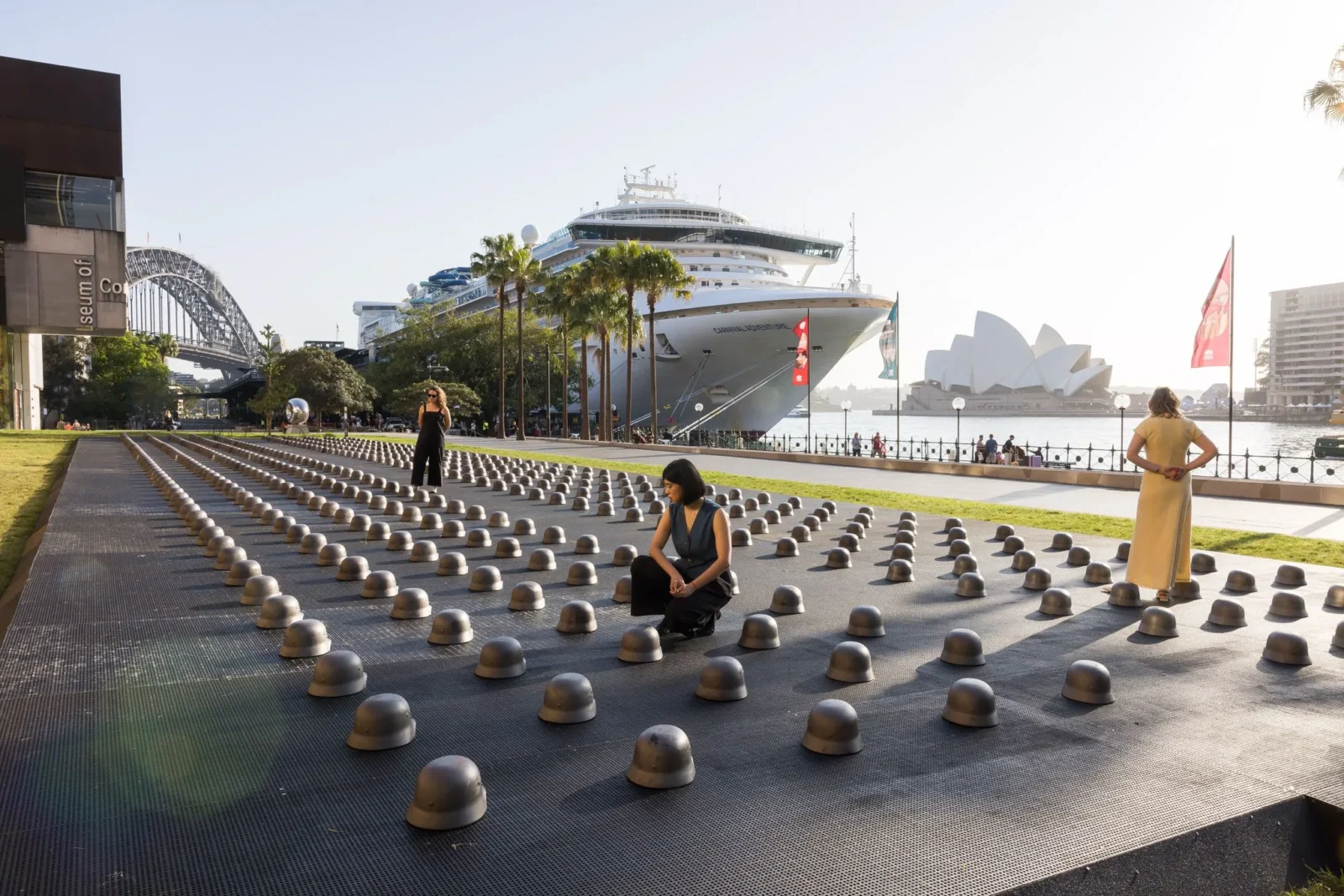
Ai Weiwei Installs 500 Cast-Iron Helmets Outside Sydney Museum
Ai Weiwei's 500 cast-iron helmets opened outside Sydney's MCA on 25 September,...
illustrarch Editoral Team2 Mins read
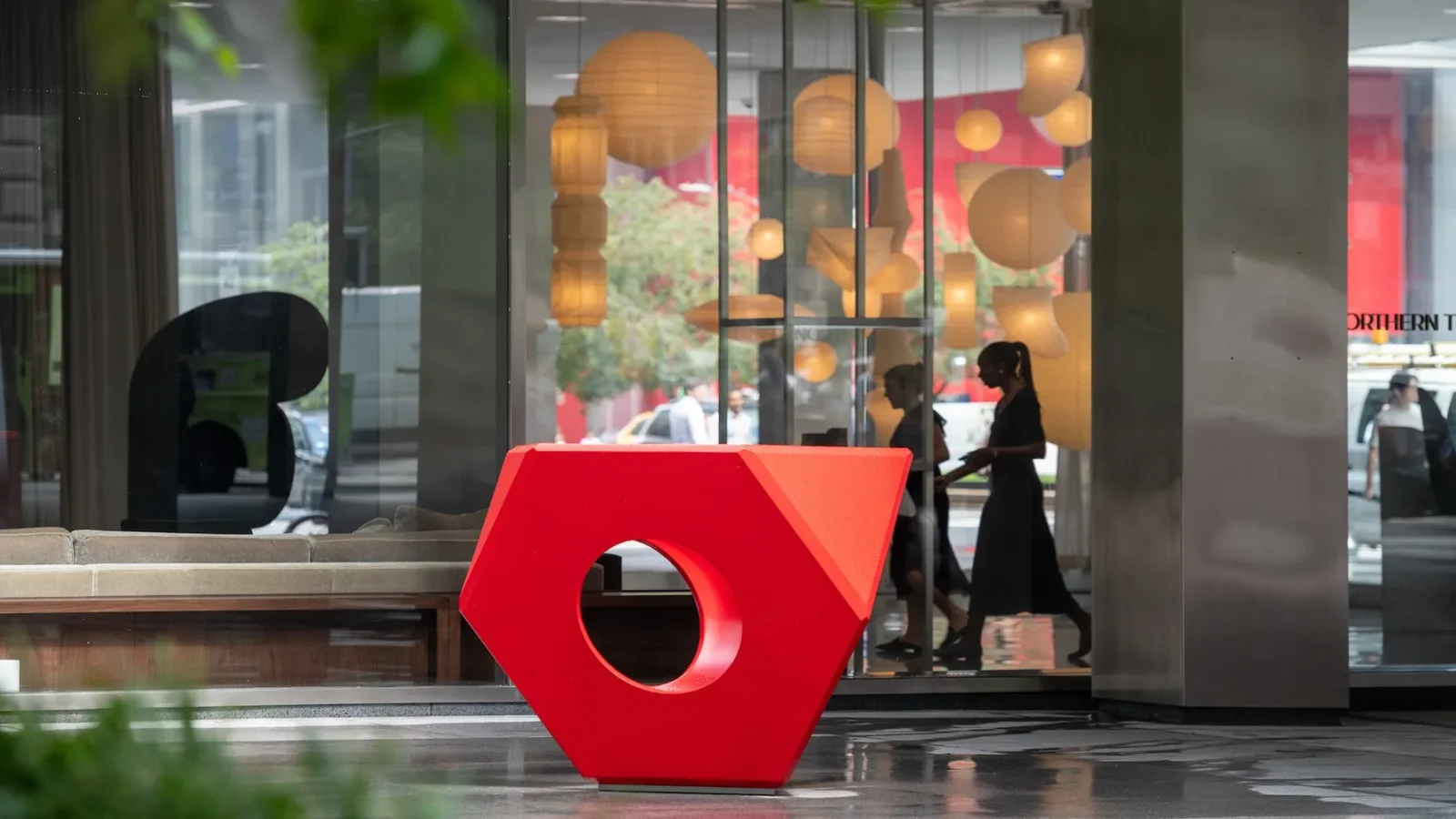
Isamu Noguchi at Lever House Traces Sculptor’s Decades-Long Collaboration with Bunshaft
Lever House's new exhibition pairs Noguchi sculptures with unbuilt garden designs made...
illustrarch Editoral Team2 Mins read
Relocated Maya Structures at Mexico’s Balam Tun Memory Park Face Legal Challenge
INAH archaeologists have filed a complaint against 26 officials over Balam Tun...
illustrarch Editoral Team2 Mins read


Leave a comment