

Turning Vacation Snapshots Into Cinematic Travel Blog Headers With Nano Banana
 illustrarch Editoral Team21 May 20267 Mins read104

I have been running a small travel blog for about six years now. Not a famous one, not one that pays my rent, but a steady project I keep updating because writing about places I love is one of the few things I still find genuinely fun. Over those six years the single most frustrating part of every post has been the same thing: the hero image.
You get back from a trip with eight hundred photos. You sit down to write about the morning you spent walking through a small village in northern Portugal, and you realize that the photo you took of that village square — the one that should be the visual centerpiece of the whole post — has a tour bus parked in the middle of it, three strangers in matching neon windbreakers staring at the camera, and a sky that came out flat gray because the clouds rolled in five minutes before you arrived.
The trip was beautiful. The photo is not.
The Cinematic Header Problem
Travel blogs in 2026 live or die on visuals. Pinterest, Instagram, Substack, even Google Discover — every place a travel post can land rewards images that look like they belong in a magazine. The text matters less than people pretend. A polished hero image is what makes someone click through.
The trouble is that magazine-quality travel photography requires patience most travelers do not have. It requires arriving at sites at dawn before the crowds, returning at sunset when the light is right, carrying expensive lenses, and ideally hiring local fixers who can clear out a square for thirty seconds while you shoot. Hobby travelers, which most travel bloggers are, do not get to operate this way. We get one shot at most places, often in the wrong light, often surrounded by other tourists doing exactly the same thing.

So the gap between the place I actually visited and the photo I came back with has always been wide. For years I tried to close it with hours in Lightroom, color grading and cropping and cloning out distractions, and I got reasonably good at it. But it was slow, and it was limited. You can color-grade a flat sky, but you cannot really bring drama into a photo that had none to begin with. You can clone out one tourist, but not a busload.
Where Nano Banana Changed the Workflow
The first time I used Nano Banana on a travel photo was almost accidental. I was scrolling through a Reddit thread about AI image editing and someone had posted a before-and-after of a beach photo where the original was an ordinary midday snapshot and the edited version looked like a movie still. The edit had not invented a new beach. It had just taken the actual beach and given it the lighting, the mood, and the cleanup it deserved.
I tried Nano Banana on the Portuguese village square photo. I uploaded the original — tour bus, neon windbreakers, gray sky — and asked for the same square, same buildings, same cobblestones, with the bus and the people gone, the sky shifted to a soft golden hour, and warm light spilling onto the stone facades. What came back was the village I remembered being in. Not a different village. Not a fake one. The same one, just photographed at the moment I wished I had been there.
That is the trick of using AI well for travel photography. You are not inventing places. You are recovering them. The version of the place that exists in your memory is almost always more beautiful than the photo you took, because your memory does the cinematography automatically. AI tools can help close that gap.
What Travel Bloggers Actually Use It For
Across the small community of travel bloggers I stay in touch with — people who run mid-sized blogs, mostly solo, mostly self-funded — there are a handful of consistent use cases.
The first is tourist removal. Almost every famous location in the world is now crowded almost all of the time. The Trevi Fountain, the Taj Mahal, the cliffs of Moher, the temples of Kyoto, the Eiffel Tower at any hour — you are not going to get a clean shot. Bloggers used to either schedule shoots at four in the morning or accept that their hero images would always have anonymous backpacks in the frame. Now the third option is to take the photo whenever you happen to be there and clean it up afterward.
The second is sky and light replacement. So much of travel photography depends on the sky cooperating, and the sky does not always cooperate. A coastal post about Cornwall is much more compelling with golden light and dramatic clouds than with the actual overcast gray you photographed on the only morning you had. Nano Banana lets you keep everything else exactly as it was — the rocks, the water, the lighthouse, the gulls — and just trade in the sky for the sky the place deserved.
The third is composition and crop expansion. Hero images on most blogs need a wide aspect ratio, often something like 21:9 or even wider. Vacation photos shot on a phone are usually 4:3 or 3:2. Expanding the canvas — generating natural-looking extensions of the photo on the left and right so it fits a hero slot without awkward cropping — used to require either reshoots or extremely careful Photoshop work. Now it is a single instruction.
Building Visual Consistency Across an Entire Blog
This is the part nobody talks about, but it might be the most important. Travel blogs that look professional almost always have visual consistency across their hero images. The same warm tones, the same softness, the same sense of light direction. When you scroll the homepage, every header looks like it came from the same hand even though the destinations are wildly different.
That kind of consistency used to require either a single dedicated photographer or hundreds of hours of unified color grading. With Nano Banana, I write out my style preferences once — warm golden hour palette, slightly painterly, soft natural light, low contrast, gentle film grain — and apply that style to every hero image I generate, regardless of where the underlying photo was taken. Portugal, Vietnam, Iceland, Mexico — the destinations stay distinct, but the visual treatment stays unified. The blog suddenly looks like a publication instead of a scrapbook.
Readers respond to this without knowing why. They tell me the blog feels “professional now” or “cinematic” or “magazine-y,” and they cannot pin down what changed. What changed is that every hero image now lives in the same visual world.
A Realistic Look at What You Cannot Do
I want to be honest about the limits of this approach, because every travel blogger I know has bumped into them.
Nano Banana works beautifully on photos where your subject is recognizable but the surrounding conditions were imperfect. It does not invent a place you never visited. If you ask it to give you a hero image of a town you have not photographed, you might get something that looks plausible but bears no resemblance to the actual location, and your readers, who are using your blog to plan their own trips, will notice. The honest move is to only enhance photos of places you genuinely went.
It also struggles with very specific architectural details. If the building in your photo has a particular carved relief or unusual rooflines, generative editing sometimes simplifies or alters those details in ways that look slightly off to anyone who knows the place. I have learned to leave landmark buildings mostly alone and apply Nano Banana edits more aggressively to the sky, the light, the foreground, and the crowd cleanup.
And then there is the ethical question, which I think travel bloggers should be more honest about. If you publish an enhanced hero image, the place is going to look more beautiful in your post than it does in person. Readers who plan their trips around your blog may show up at the location and feel mildly disappointed. My personal rule is that I keep the rest of the photo gallery in the post unedited — phone photos, real conditions, real weather — and only treat the hero image as a stylized version. That way the post promises beauty up front but delivers honesty in the body.

My Current Workflow Start to Finish
The way I work on a travel post now is roughly this. I come home from the trip, dump all the photos into a folder, and pick three to five candidates for the hero. They do not need to be great photos. They need to have the right composition and the right subject — the village square, the coastal cliff, the morning market — even if the conditions were wrong.
Then I run each candidate through Nano Banana with my consistent style description and the specific edits I want. Tourists removed, sky shifted to golden hour, foreground warmed, canvas expanded to 21:9. Most candidates land in two or three rounds. I pick the strongest one and that becomes the post hero.
The rest of the photos in the post — the food shots, the street scenes, the small detail photos — I leave alone or do only light color correction. The hero carries the visual weight. The body photos carry the honesty. That balance is what keeps the post from feeling like an over-edited fantasy while still pulling readers in from the homepage.
Why This Quietly Matters
A travel blog without strong hero images, in 2026, is mostly invisible. Pinterest will not surface it. Google Discover will not feature it. Social previews will look flat. The writing might be excellent, but no one will find it.
For solo travel bloggers, this used to mean either spending thousands on professional camera gear and waking up before sunrise every day of every trip, or accepting permanent obscurity. Neither of those was a real option for most people writing about places they love in their spare time.
Nano Banana is not a magic solution and it does not replace genuine photography skill, but it has narrowed the gap considerably. The blogger with a phone camera and a careful eye can now produce hero images that hold their own next to professional travel publications. That feels like a meaningful shift, and the people I know who quietly adopted Nano Banana early are the ones whose blogs grew over the last year while everyone else’s stayed flat.






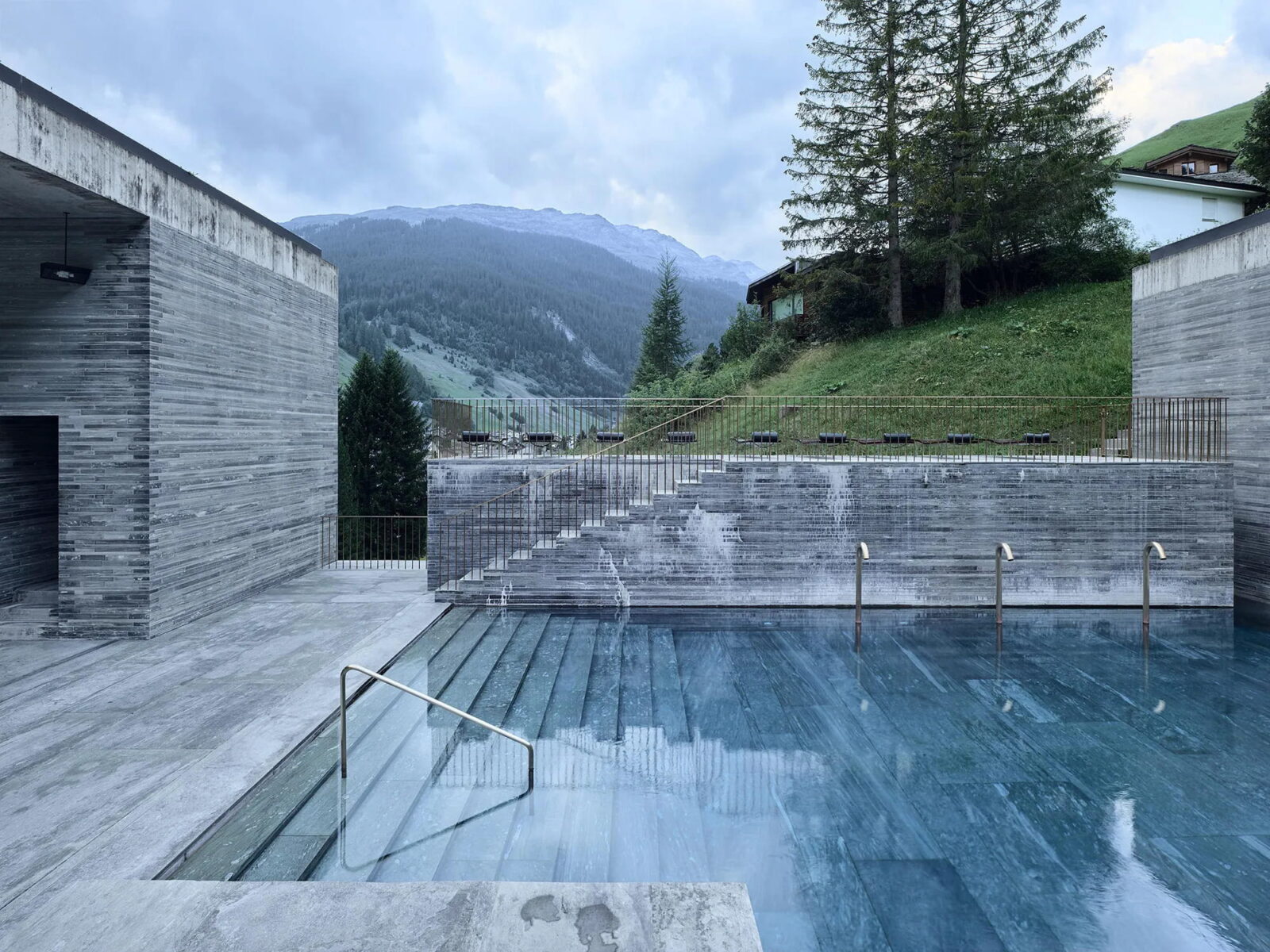
Peter Zumthor Therme Vals: Inside the Stone and Water Sanctuary
Peter Zumthor's thermal baths in Vals are usually described through atmosphere alone....
 Furkan Sen8 Mins read

Flooring Rentals Los Angeles vs Permanent Event Flooring When a Flooring Rental in Los Angeles Makes More Sense
Creating a memorable event starts from the ground up—literally. Whether you're planning...
illustrarch Editoral Team3 Mins read
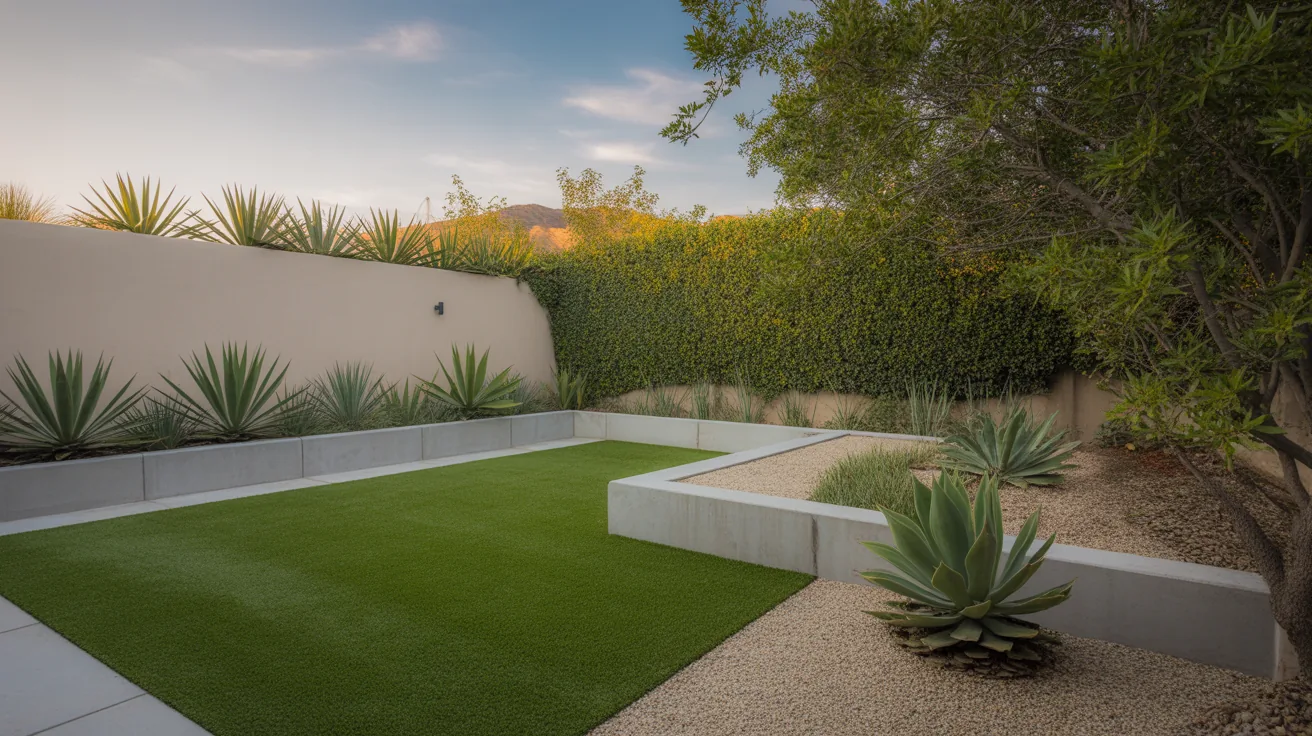
Sustainable Landscape Design Balancing Artificial Turf Cost, Artificial Grass in Los Angeles, and Turf Installation for Modern Outdoor Spaces
Artificial grass in Los Angeles has become a practical part of sustainable...
illustrarch Editoral Team6 Mins read
Marble Feature Walls: The Interior Design Trend That Turns Any Room Into a Gallery
There is a moment in every renovation where a room stops being...
illustrarch Editoral Team3 Mins read




Leave a comment