

5 Influential Ancient Architectures and Their Impact on Modern Design
From ancient Chinese architecture and its dougong bracket systems to Greek temple columns, Roman domes, Japanese timber joinery, Indian stepwells, and Mayan urban planning — discover how seven influential ancient architectural traditions continue to shape modern design, sustainable construction, and urban planning today.
 Begum Gumusel8 January 20266 Mins read257

Table of Contents Show
Ancient civilizations laid the foundation for many of the architectural principles, materials, and structural innovations that shape the modern built environment. Their temples, monuments, engineering feats, and urban layouts continue to inspire contemporary architects who reinterpret historical ideas through new technologies and cultural contexts. From ancient Chinese architecture and its modular timber systems to the geometric harmony of ancient Greek temple architecture, these early building traditions offer lessons that remain relevant today. The following seven influential examples — spanning Egyptian, Greek, Roman, Chinese, Japanese, Indian, and Mayan civilizations — demonstrate how ancient architecture still guides modern architectural thinking, sustainable design, and urban planning practice.

How Ancient Architecture Continues to Shape Modern Design
The relationship between ancient and modern architecture is not merely historical — it is actively structural, conceptual, and aesthetic. Ancient civilizations across the world developed building systems, proportioning methods, and urban strategies that contemporary architects still reference and reinterpret. Whether examining the architecture of ancient Mesopotamia, ancient Greek buildings and architecture, or ancient Chinese architecture, these traditions provide a shared vocabulary of form, function, and cultural meaning. Understanding what advancements ancient civilizations made in architecture helps today’s designers create buildings and cities that are functional, enduring, and culturally resonant. Below are seven of the most influential ancient architectural traditions and their lasting impact on the modern built environment.
1. Ancient Egyptian Architecture and Monumental Form
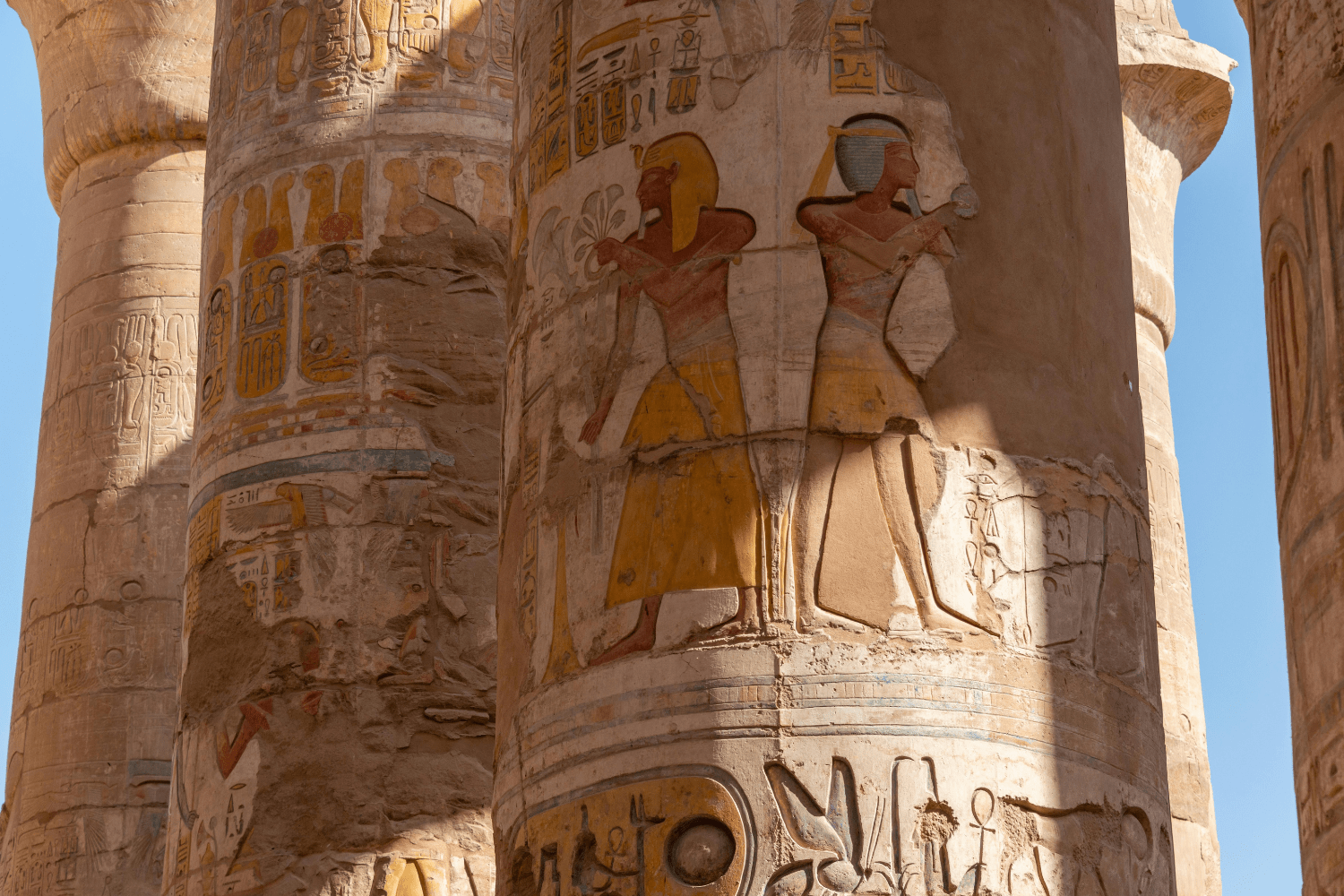
Ancient Egyptian architecture is best known for its monumental structures such as the pyramids, temples, and funerary complexes. These buildings were constructed with precise geometry, axial alignment, and massive stone blocks that emphasized stability and permanence. The Egyptians’ mastery of proportion and symmetry continues to influence contemporary architects who seek powerful, iconic forms. Modern designs often draw inspiration from Egyptian principles by using clean lines, monumental entrances, and spatial sequences that evoke ceremony and importance. Their legacy can be seen in governmental buildings, memorials, and museums that aim to convey grandeur and timelessness. Egyptian architecture also shares foundational principles with the architecture of ancient Mesopotamia, where ziggurats and temple complexes established some of the earliest examples of axial planning and monumental civic construction.
2. Ancient Greek Architecture and the Pursuit of Harmony
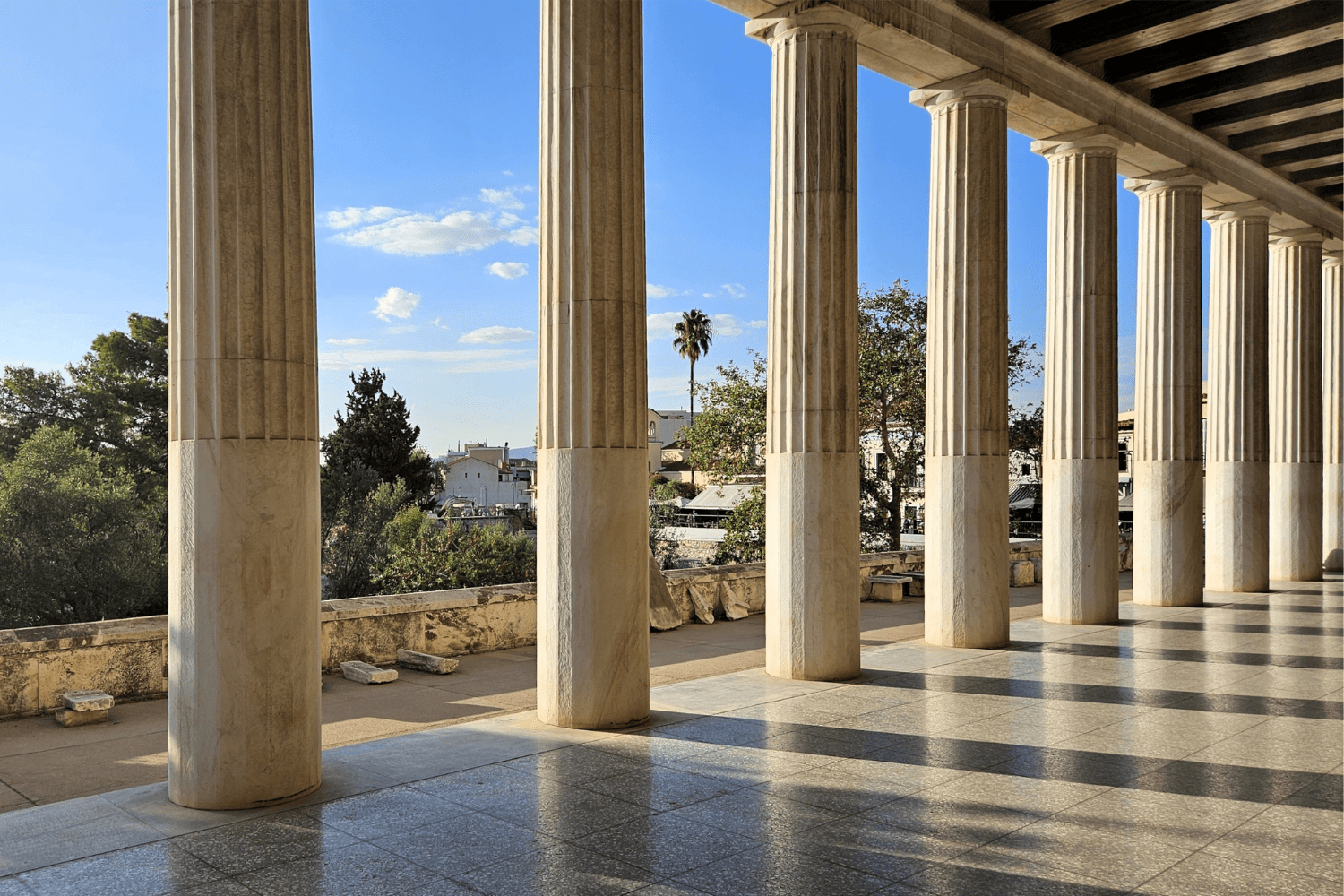
Ancient Greek art and architecture introduced a sophisticated design vocabulary grounded in harmony, balance, and mathematical proportion. Structures such as the Parthenon demonstrated how refined geometries and carefully calibrated details could elevate architecture into an art form. Ancient Greek architecture columns — organized into the Doric, Ionic, and Corinthian orders — remain among the most recognizable and widely studied elements in architectural history. The use of entasis and optical corrections showcased an advanced understanding of human perception, representing one of the most significant ancient Greek achievements in architecture.
These classical principles continue to shape modern civic buildings, courthouses, and cultural institutions, where clarity, order, and dignity are essential. Neoclassical architecture, which dominated Western design for centuries, directly echoes Greek ideals. Ancient Greek buildings and architecture also pioneered the concept of the theatre as an acoustically tuned public gathering space, influencing the design of modern auditoriums and performance venues. Contemporary architects reinterpret classical proportioning systems in minimalist and modernist projects, proving that ancient Greece’s art and architecture remains a living influence rather than a historical curiosity.
3. Ancient Roman Architecture and Engineering Innovation
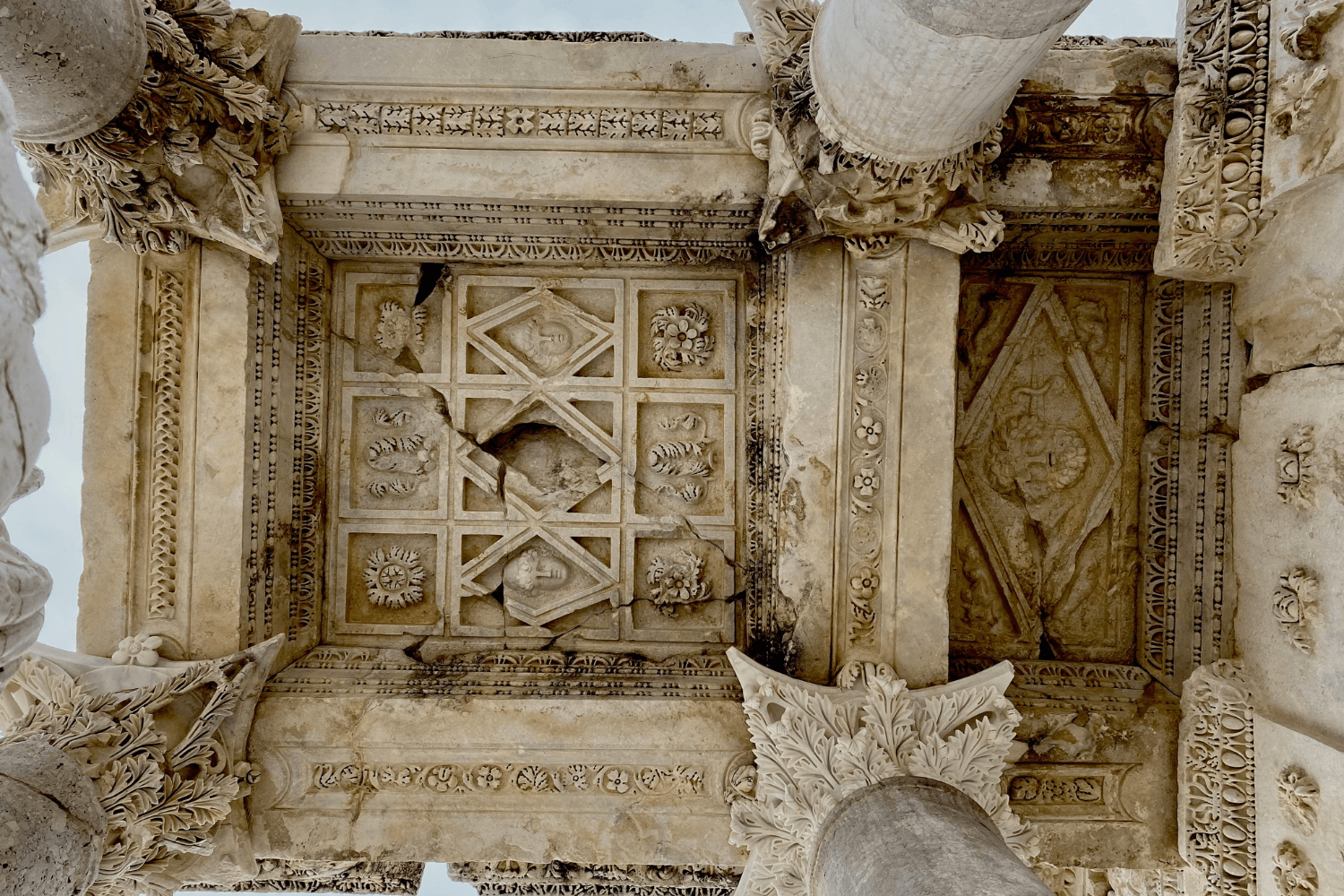
Roman architecture transformed the built world through engineering breakthroughs such as arches, vaults, and concrete construction. These innovations allowed Romans to build larger spans, higher ceilings, and more versatile interior spaces than ever before. Structures like the Colosseum and the Pantheon — the most celebrated example of ancient Roman architecture dome construction — demonstrated how engineering could enhance both functionality and awe. Famous ancient Roman architecture buildings like the Baths of Caracalla and the Basilica of Maxentius also showcased the Roman mastery of vaulted interiors at monumental scale.
Modern stadiums, transportation hubs, and civic spaces rely heavily on principles first pioneered by the Romans. Reinforced concrete, modular planning, and infrastructural networks such as aqueducts and roads trace their conceptual roots to Roman ingenuity. The relationship between ancient Roman and Greek architecture is especially important: while ancient Greece art and architecture established aesthetic and proportional ideals, Rome extended those principles through engineering innovation and large-scale urban infrastructure. Their legacy proves that architectural progress is inseparable from advances in structural technology.
4. Ancient Chinese Architecture and Modular Timber Systems
Ancient Chinese architecture developed a sophisticated wooden building system based on modularity, craftsmanship, and structural flexibility. Chinese ancient architecture is perhaps best characterized by the traditional dougong bracket system, which allowed wooden components to interlock without nails, creating structures that could withstand earthquakes and be repaired with ease. This interlocking joinery approach — refined over thousands of years — is one of the most distinctive contributions of ancient Chinese architecture to global building knowledge.
This modular approach has inspired modern architects who value sustainable construction, prefabrication, and adaptable design. Concepts seen in contemporary timber buildings — such as post-and-beam structures, modular units, and expressive joinery — reflect the ingenuity of ancient Chinese methods. The use of standardized timber modules in Chinese ancient architecture also anticipated modern mass-timber construction techniques such as cross-laminated timber (CLT) and glue-laminated timber (glulam), which are now central to sustainable solutions in contemporary architecture. Their emphasis on harmony with nature also continues to influence landscape architecture and biophilic design today.

5. Architecture in Ancient Japan: Timber Craft and Spatial Sensitivity
Closely related to ancient Chinese architecture yet distinct in its aesthetic philosophy, ancient Japanese architecture refined timber construction into an art form defined by spatial sensitivity, natural material expression, and deep respect for the surrounding landscape. Architecture in ancient Japan — from Shinto shrines such as Ise Grand Shrine to Zen Buddhist temples like Kinkaku-ji — demonstrated how buildings could achieve spiritual resonance through simplicity, precise carpentry, and the careful manipulation of light and space.
Ancient Japanese architecture introduced concepts such as the engawa (transitional veranda), shoji (translucent sliding screens), and modular tatami-based planning, all of which continue to shape modern Japanese architecture and global residential design. The Japanese tradition of rebuilding sacred structures at regular intervals — as practiced at Ise Shrine every 20 years — also embodies an early understanding of sustainable renewal and material cycles. Contemporary architects worldwide draw on ancient Japanese architecture when designing minimalist interiors, contemplative spaces, and buildings that prioritize harmony between structure and nature.
6. Ancient Indian Architecture: Sacred Geometry and Urban Infrastructure
Ancient Indian architecture produced some of the most diverse and technically accomplished building traditions in the world, spanning rock-cut cave temples, towering shikhara temple spires, and meticulously planned urban centers. India ancient architecture — from the grid-planned streets of the Indus Valley Civilization at Mohenjo-daro and Harappa to the ornately carved temples at Khajuraho, Konark, and Hampi — reveals a culture deeply invested in sacred geometry, cosmic symbolism, and civic infrastructure.
Ancient Indian architecture advanced principles of water management, urban drainage, and public sanitation that predated comparable European systems by millennia. The stepwells (vav) of western India, such as the Rani ki Vav in Gujarat, combined architectural beauty with sophisticated hydraulic engineering. Temple architecture in ancient India also influenced building traditions across Southeast Asia, from the temples of Angkor Wat in Cambodia to Borobudur in Indonesia. Today, architects studying ancient architectural styles draw on India’s legacy when exploring passive cooling strategies, courtyard-based spatial planning, and the integration of ornament with structural logic.
7. Ancient Mayan Architecture and Integrated Urban Planning
Mayan architecture combined monumental stone buildings with thoughtful urban organization, creating cities that responded to topography, astronomy, and ceremonial life. Pyramids, observatories, ball courts, and plazas were arranged to support both community functions and cosmological beliefs. Ancient Mayan art and architecture reveals a civilization that treated building design as inseparable from the natural landscape, celestial cycles, and communal ritual — an approach that resonates strongly with contemporary placemaking theory.
The integration of architecture with landscape and celestial alignment demonstrated a holistic understanding of place. Contemporary architects and planners draw inspiration from Mayan city planning when designing walkable public spaces, integrating natural features, and connecting architecture with cultural narratives. The Mayan approach to stepped platforms and terraced public spaces has also influenced modern landscape architecture, outdoor amphitheatres, and biophilic urban design strategies. Their strategies remind modern designers of the importance of orientation, environmental awareness, and communal gathering spaces.

What Advancements Did Ancient Civilizations Make in Architecture?
Each of the civilizations discussed above contributed distinct advancements that collectively form the foundation of modern architecture. The Egyptians perfected monumental stone construction and axial planning. The Greeks established proportional systems and the classical orders — including the iconic ancient Greek architecture columns still referenced in civic architecture worldwide. The Romans revolutionized structural engineering with the arch, vault, and dome, while also pioneering concrete as a versatile building material. Ancient Chinese architecture and Chinese ancient architecture introduced modular timber framing and the dougong bracket system, enabling earthquake-resistant and easily repairable buildings. Architecture in ancient Japan refined these timber traditions into a philosophy of spatial minimalism and natural material expression. Ancient Indian architecture contributed sacred geometry, urban water infrastructure, and temple forms that spread across Asia. And the Maya demonstrated that architecture, astronomy, and landscape could function as an integrated design system.
Together, these ancient architectural techniques continue to be revitalized and reinterpreted by contemporary designers seeking sustainable, culturally meaningful, and structurally innovative solutions.
Conclusion: Lessons from Ancient Architecture for Today’s Designers
Ancient architecture continues to shape modern design in meaningful and enduring ways. The Egyptians taught us the power of monumentality, the Greeks refined proportion and aesthetic harmony, the Romans revolutionized structural engineering, the Chinese perfected modular craftsmanship, the Japanese elevated spatial sensitivity and material honesty, the Indians mastered sacred geometry and urban infrastructure, and the Maya demonstrated the value of spatial integration with nature and culture. These architectural traditions form a collective foundation that architects reinterpret and adapt to contemporary needs. By studying the innovations of ancient civilizations, today’s designers gain insight into creating buildings and cities that are not only functional but also lasting expressions of human creativity and identity — connecting the future of architecture with its deepest roots.



1 Comment




Ai Weiwei Installs 500 Cast-Iron Helmets Outside Sydney Museum
Ai Weiwei's 500 cast-iron helmets opened outside Sydney's MCA on 25 September,...
 illustrarch Editoral Team2 Mins read

Isamu Noguchi at Lever House Traces Sculptor’s Decades-Long Collaboration with Bunshaft
Lever House's new exhibition pairs Noguchi sculptures with unbuilt garden designs made...
illustrarch Editoral Team2 Mins read

The Frida Kahlo Apartment Building in San Francisco Is Listed for $8 Million
The San Francisco apartment building where Frida Kahlo and Diego Rivera lived...
 Elif Ayse Sen9 Mins read
Museum Cafes: 7 of the World’s Most Stunning Places to Sit Down
7 museum cafes where the architecture does the work: Victorian refreshment rooms...
Elif Ayse Sen9 Mins read


This article talks about old buildings and how they still matter today. I guess it is interesting to see how ancient people built things and how it helps modern architects. The examples are nice, but I’m not really into architecture.