

A Beginner’s Guide to Using Heat Pumps
Heat pumps are energy-efficient heating and cooling systems that transfer heat rather than generate it, with air-source and ground-source types suited for various climates.
 illustrarch Editoral Team8 January 20263 Mins read189
Table of Contents Show
Understanding home heating and cooling can be confusing, especially if you’re starting to look into energy-efficient options. Heat pumps have become popular for their energy savings and flexibility. They help keep your home comfortable all year, whether it’s very hot or very cold outside.
Heat pumps work differently from traditional systems. Instead of creating heat from gas or oil, they move heat from one place to another. This process makes them energy-efficient and reliable. Want to learn how they work and how to use them in your home?
Let’s explore the benefits of heat pumps.
Types of Heat Pumps
There are different types of heat pumps to choose from for your home. The two most common are air-source and ground-source heat pumps. The air-source heat pump can extract heat from outdoor air and deliver it indoors. They work well in moderate climates and can also provide cooling during the summer.
Ground-source heat pumps, or geothermal heat pumps, use the earth’s stable temperature. They have underground pipes that circulate a fluid to absorb heat, which is then sent into your home. While installation can be more complicated and costly, the long-term savings on energy bills often make it worth it. Each type has its own benefits suited for different climates and homes.

Installation Process
Installing a heat pump is straightforward. First, talk to a qualified technician who can assess your home’s needs. They will look at the size of your space, the insulation, and your local climate. Afterward, they will help you pick the best heat pump for your budget and comfort.
Once you choose your heat pump, installation usually takes a day or two. For air-source systems, the installer will set up indoor and outdoor units. For ground-source systems, some digging is necessary to lay the underground loops. Professionals typically handle this efficiently, ensuring everything works well.
Operating the Heat Pump
Using a heat pump is simple. Most have easy-to-use thermostats that let you control the temperature throughout your home. You can set it to your desired temperature, and the heat pump will efficiently maintain it.
Switching between heating and cooling modes is usually done with one button. Many models also offer programmable settings, so you can create schedules that fit your daily routine. This adds comfort and can help you save on energy costs.
Maintenance Tips
To keep your heat pump working well for a long time, regular maintenance is important, but not hard. Clean or replace the air filters regularly. This helps maintain strong airflow and lets the unit operate at its best. It’s a good idea to check the filters monthly, especially during busy seasons, and replace them if needed.
Schedule professional maintenance checks twice a year. During these visits, a technician will check refrigerant levels, inspect for wear and tear, and ensure the outdoor unit is clear of obstacles. Keeping up with these small tasks can help prevent bigger problems later, benefiting both your home and comfort.
Environmental Impact
Installing a heat pump can lower your carbon footprint and help the environment. Heat pumps use renewable energy sources, which reduces reliance on fossil fuels. They also lower energy use, helping to decrease greenhouse gas emissions. By choosing a heat pump, you create a comfortable living space while supporting a healthier planet.
As sustainability becomes more important, selecting a heat pump fits well with eco-friendly living. Whether you’re a new homeowner or thinking about an upgrade, this choice can make a positive difference for you and the environment.
Cost Considerations
When considering a heat pump, it’s essential to weigh both the initial costs and the long-term savings. The upfront price may be higher than traditional HVAC systems, but you can save a lot on energy bills over time. Heat pumps typically have lower operating costs, which adds up to savings.
In some areas, you may find rebates and incentives for installing energy-efficient systems, such as heat pumps. Checking these options can help reduce installation costs, making heat pumps even more appealing to homeowners.
Remember that heat pumps provide a great mix of comfort and efficiency. With the right approach, you can enjoy a cozy home while making sustainable choices.








Interior Design for Commercial Spaces: Enhancing Functionality and Brand Identity
Commercial interior design has to serve brand, function and regulation at once....
 Begum Gumusel4 Mins read

Capping a Chimney: When It Makes Sense and What It Involves
An unused chimney lets rain in and heat out. Here is when...
illustrarch Editoral Team5 Mins read

Standby or Portable Generator? A Practical Framework Based on Loads, Outages, and Logistics
Choosing between a standby and a portable generator gets easier once you...
illustrarch Editoral Team5 Mins read
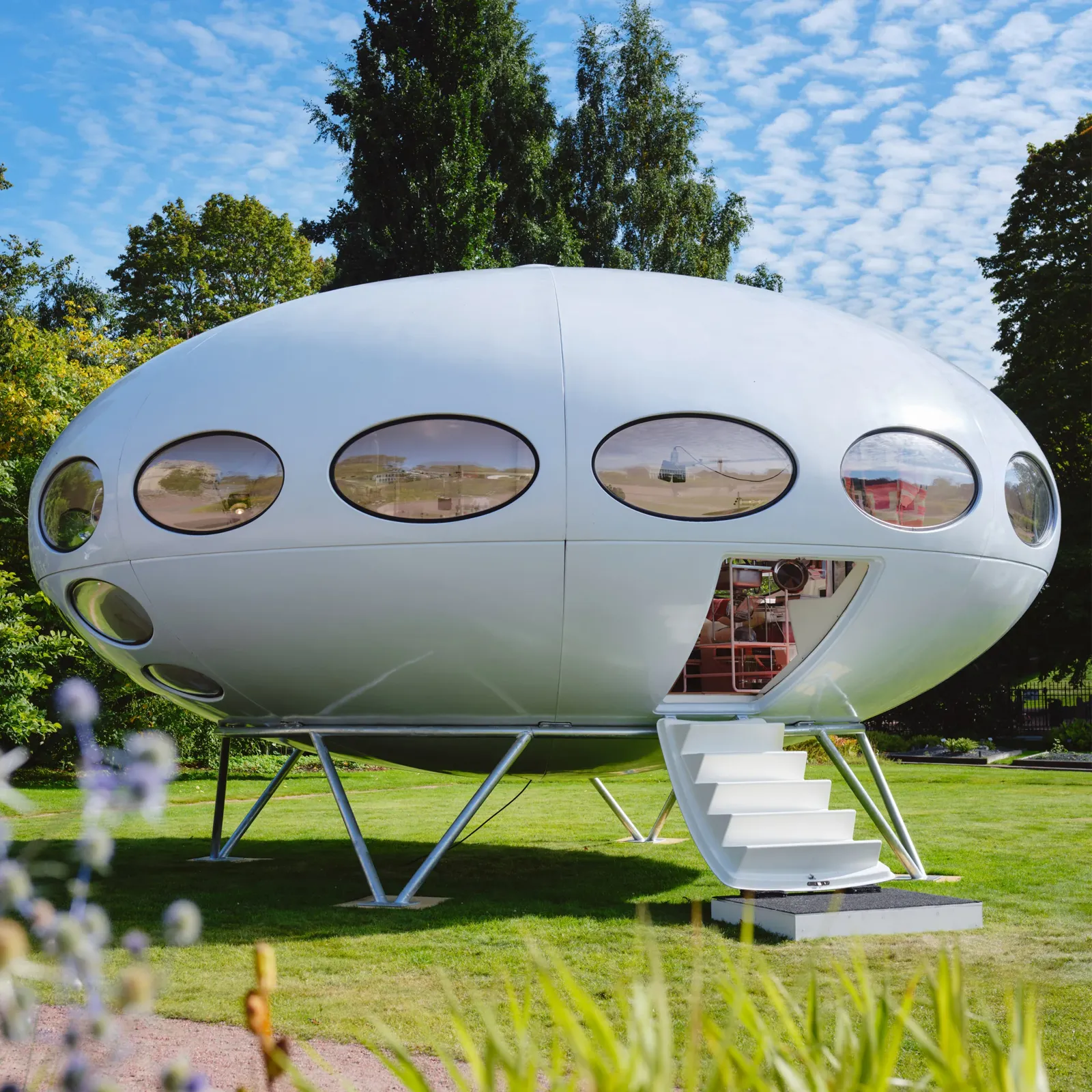
Futuro House Production Revived in Finland After Decades-Long Hiatus
A Facebook listing for abandoned moulds led to the first new Futuro...
illustrarch Editoral Team3 Mins read


Leave a comment