

What Is Architecture? Discover Its Meaning, Importance, and Impact on Our World
Discover the essence of architecture: an artful blend of design, functionality, and innovation shaping our built environment. Explore its evolution, from historical landmarks to sustainable modern solutions, and uncover its impact on society, culture, and daily life.
 Sinan Ozen14 March 20258 Mins read851
Table of Contents Show
Architecture surrounds us, shaping the spaces where we live, work, and connect. It’s more than just buildings; it’s an art and science that blends creativity with functionality. From ancient wonders to modern skyscrapers, architecture reflects our history, culture, and aspirations.
When we think about architecture, it’s easy to focus on aesthetics, but it’s also about problem-solving and designing environments that enhance our lives. It’s a discipline where form meets purpose, balancing beauty with practicality. Whether it’s a cozy home or a sprawling urban landscape, architecture influences how we experience the world around us.
Understanding architecture helps us appreciate the thought and innovation behind the spaces we often take for granted. It’s a field that evolves with society, constantly adapting to new challenges and possibilities. So, what exactly defines architecture, and why does it matter so much in our daily lives? Let’s explore.
A Brief History: From Caves to Skyscrapers
Architecture began the moment humans sought shelter beyond natural caves. The earliest constructed dwellings, mud huts, stone structures, and wooden shelters, date back over 10,000 years. These primitive buildings addressed basic survival needs: protection from weather, predators, and rival groups. Yet even in these early structures, we see the seeds of architectural thinking: orientation toward the sun, use of local materials, and spatial organization.
The ancient civilizations transformed building into a cultural statement. Egyptian pyramids (2630 BCE onwards) demonstrated mathematical precision and spiritual ambition. Greek temples introduced the classical orders, Doric, Ionic, and Corinthian, establishing principles of proportion and harmony that influenced Western architecture for millennia. Roman engineers revolutionized construction with concrete, enabling unprecedented structures like the Pantheon’s unreinforced concrete dome, which remains the world’s largest nearly 2,000 years later.
The Middle Ages brought Gothic architecture’s soaring cathedrals, where flying buttresses and pointed arches allowed walls of stained glass that transformed light into spiritual narrative. The Renaissance returned to classical ideals, with architects like Brunelleschi and Palladio codifying rules of symmetry and proportion. The Industrial Revolution introduced iron and steel, liberating architecture from the constraints of stone and enabling the first skyscrapers in late 19th-century Chicago.

What Is Architecture
Architecture combines art, science, and technology to design and construct the built environment. It encompasses the creation of spaces that serve functional, social, and cultural purposes.

Defining Architecture
Architecture is the process and result of planning, designing, and constructing buildings or other physical structures. It integrates aesthetics, functionality, environmental considerations, and structural integrity. The discipline addresses various scales, from urban planning to interior design. Architectural projects, such as skyscrapers, museums, and homes, reflect creativity while meeting practical needs. The term also extends to digital systems, landscapes, and temporary installations, broadening its application beyond traditional construction.
The Evolution Of Architecture
Architecture has evolved in response to changing societal needs, cultural values, and technological advancements. Ancient structures like the Egyptian pyramids and Greek temples aimed to symbolize power or spirituality, employing thousands of workers over decades to create monuments meant to last eternally. During the Middle Ages, Gothic cathedrals focused on intricate stonework and verticality, with buildings like Chartres Cathedral taking over 60 years to complete.
The Renaissance emphasized symmetry and classical elements, rediscovering Vitruvius’s ancient treatise on architecture and applying mathematical ratios to create harmonious spaces. The Industrial Revolution brought radical change, iron, steel, and glass enabled structures previously impossible in stone. The Crystal Palace (1851) and Eiffel Tower (1889) announced a new architectural era.
Modernism in the 20th century favored minimalism and function over ornament, with pioneers like Le Corbusier, Mies van der Rohe, and Frank Lloyd Wright declaring “form follows function.” Contemporary architecture now incorporates sustainable practices, parametric design, and advanced materials like cross-laminated timber and self-healing concrete to address environmental challenges. Each era reflects human ingenuity shaped by its historical context.
Core Elements Of Architecture
Architecture combines several fundamental aspects to create meaningful and functional built environments. These elements guide how we design spaces that harmonize with purpose, beauty, and cultural narratives.

Functionality And Purpose
Functionality defines how a structure serves its intended use effectively. Every building must address specific needs, from residential homes providing shelter to hospitals ensuring efficient healthcare delivery. For example, educational facilities prioritize layouts that support learning, while transportation hubs emphasize movement and accessibility. Purpose-driven designs often integrate adaptability to meet evolving requirements over time.
The concept of “form follows function,” coined by architect Louis Sullivan in 1896, remains foundational to architectural thinking. This principle suggests that a building’s shape should emerge from its intended purpose rather than predetermined aesthetic choices. A hospital requires different spatial organization than a concert hall; a factory demands different considerations than a meditation center. Understanding these functional requirements drives every architectural decision, from room placement to material selection.
Aesthetics And Design
Aesthetics shape the visual and sensory appeal of architecture. Design choices, including materials, forms, proportions, and colors, contribute to a structure’s overall impact. For instance, the simplicity of modernist buildings contrasts with the intricate detailing of Gothic cathedrals, showing how styles evoke different emotions. We balance aesthetics with functionality to ensure beauty complements usability, creating spaces that inspire and engage.
Architectural aesthetics operate through fundamental principles: proportion, scale, rhythm, balance, and contrast. The Golden Ratio, used since ancient Greece, appears in structures from the Parthenon to modern museums. Light plays an equally crucial role, architects manipulate natural and artificial illumination to create atmosphere, highlight features, and influence human emotion. Tadao Ando’s Church of the Light, where a cross-shaped aperture floods a concrete interior with sunlight, demonstrates how architectural elements transcend mere function to create profound experiences.
Cultural And Contextual Influences
Cultural and contextual factors influence architectural expressions and practices. Local traditions, historical significance, and regional climates shape design choices, as seen in the use of adobe in arid regions or steep roofs in snowy areas. Iconic landmarks like the Taj Mahal or Notre-Dame reflect cultural values and identities, embedding architecture within its societal framework. Considerations of modern sustainability also integrate cultural responsibility in contemporary contexts.
Types Of Architecture
Architecture encompasses diverse types, each tailored to meet specific functional, social, and environmental needs. Below, we explore key categories that shape the built environment.

Residential Architecture
Residential architecture focuses on designing living spaces that balance comfort, functionality, and aesthetics. Homes, apartments, and residential complexes fall under this category, with designs influenced by cultural preferences, climate, and family structures. Space optimization, natural lighting, and sustainable materials often feature prominently in modern residential projects.
Commercial Architecture
Commercial architecture involves creating spaces for business and public use. Offices, retail stores, hotels, and entertainment venues showcase this type of architecture. These designs prioritize efficiency, customer experience, and brand representation while adhering to zoning laws and building codes. Iconic examples include skyscrapers like the Empire State Building, which also highlight technological advancements.
Landscape Architecture
Landscape architecture integrates natural and built environments to create functional outdoor spaces. Public parks, gardens, urban plazas, and university campuses represent this type. Landscape architects focus on environmental sustainability, enhancing biodiversity, and optimizing land use, often incorporating water features, native plants, and green infrastructure for ecological balance.
Sustainable Architecture
Sustainable architecture aims to minimize environmental impacts while maximizing energy efficiency and resource conservation. Green roofs, solar panels, and low-carbon materials characterize this approach. Designs often follow certifications like LEED (Leadership in Energy and Environmental Design) to ensure structures align with global sustainability standards, addressing climate change challenges.
Interior Architecture
Interior architecture focuses on the design and organization of internal spaces within buildings. Unlike interior decoration, which primarily addresses surface aesthetics, interior architecture involves structural considerations, spatial flow, and the relationship between interior environments and building systems. This discipline addresses lighting design, acoustics, ergonomics, and the psychological impact of enclosed spaces on human behavior and well-being.
Industrial Architecture
Industrial architecture encompasses the design of factories, warehouses, power plants, and manufacturing facilities. These structures prioritize operational efficiency, worker safety, and equipment accommodation. Historic industrial buildings, like Albert Kahn’s Ford River Rouge Complex, influenced modernist architecture through their honest expression of structure and function. Today, industrial architecture increasingly incorporates sustainable practices and adaptive reuse, transforming former factories into cultural spaces and residential lofts.
Famous Architectural Movements
Throughout history, architectural movements have emerged in response to cultural shifts, technological innovations, and philosophical ideas. Understanding these movements helps us recognize the diverse approaches that have shaped our built environment.
Classical Architecture
Originating in ancient Greece and Rome, classical architecture established enduring principles of symmetry, proportion, and the column orders. These principles experienced multiple revivals, from Renaissance Italy to 18th-century Neoclassicism, and continue influencing institutional and governmental buildings worldwide.
Modernism
Emerging in the early 20th century, modernism rejected historical ornamentation in favor of clean lines, open floor plans, and honest expression of materials. Pioneers like Le Corbusier, Ludwig Mies van der Rohe, and Walter Gropius championed the idea that buildings should reflect industrial-age technologies and democratic values. The International Style spread modernist principles globally, though critics later challenged its perceived coldness and disregard for local context.
Postmodernism
Reacting against modernism’s austerity, postmodern architecture (1960s-1990s) reintroduced color, ornamentation, and historical references, often with irony and playfulness. Architects like Robert Venturi and Michael Graves challenged modernist orthodoxy, arguing that buildings should communicate meaning and respond to popular culture.
Deconstructivism
Emerging in the late 1980s, deconstructivism fragmented traditional architectural forms, creating buildings that appear unstable, distorted, or in motion. Frank Gehry’s Guggenheim Museum Bilbao and Zaha Hadid’s fluid structures exemplify this approach, which challenges conventional notions of order and harmony in architecture.
The Role Of Architects
Architects bridge the gap between creative vision and practical execution, designing structures that meet functional requirements while enhancing human experiences. Their role involves collaboration, innovation, and a deep understanding of diverse disciplines.

Skills And Responsibilities
Architects combine creativity, technical expertise, and strategic thinking to design spaces that serve specific purposes. They interpret clients’ needs, balancing aesthetic appeal, functionality, and safety. Developing detailed blueprints using tools like CAD software, they ensure designs comply with zoning laws, building codes, and sustainability regulations.
The architectural design process follows distinct phases: pre-design research and programming, schematic design, design development, construction documents, and construction administration. Each phase requires different skills, from conceptual thinking and client communication in early stages to technical precision and quality control during construction. Modern architects must also navigate increasingly complex regulations, from accessibility requirements to energy codes, ensuring buildings serve all users while meeting environmental standards.
Project management forms a significant aspect of their role. Architects oversee construction processes, coordinate with engineers and contractors, and ensure projects meet timelines and budgets. Problem-solving is crucial, addressing design flaws or material constraints to maintain structural integrity and visual coherence.
Communication skills define successful architects. Discussing project proposals, presenting concepts to stakeholders, and relaying technical requirements demand clear, effective interactions. Strong attention to detail and adaptability support their ability to address complex, evolving challenges.
Impact On Society And Environment
Architects shape the physical and cultural landscapes of communities. Their designs influence daily life by creating functional public spaces, iconic landmarks, and adaptable residential areas that enhance livability. By considering social dynamics, architects foster inclusion, accessibility, and community growth.
Environmental sustainability lies at the core of modern architecture. Architects minimize environmental impact by integrating renewable energy sources, using eco-friendly materials, and ensuring efficient resource consumption. Projects like green buildings and urban revitalization efforts contribute to mitigating climate challenges and promoting ecological balance.
Architecture also carries significant psychological impact. Research in environmental psychology demonstrates how spatial design affects mood, productivity, and social interaction. High ceilings encourage abstract thinking; natural light improves well-being; thoughtful acoustics reduce stress. Architects increasingly collaborate with behavioral scientists to create spaces that support mental health, from biophilic office designs that incorporate natural elements to healthcare facilities designed to reduce patient anxiety and accelerate healing.
In preserving heritage and adapting to innovation, architects link cultural identity with progress. Structures evolve to reflect societal values, merging history with forward-thinking solutions that address present and future needs. Their work embodies a lasting connection between humanity and the built environment.
Conclusion
Architecture represents an intricate blend of art, science, and societal needs, shaping the environments in which we live, work, and interact. It serves as a dynamic response to cultural, functional, and environmental influences, continuously evolving to reflect human values and technological progress.
By balancing aesthetics with utility, architecture transforms abstract ideas into tangible spaces that enhance our daily experiences. Its diverse forms, from residential and commercial structures to sustainable designs, demonstrate its adaptability and role in addressing modern challenges. Architects drive this transformation, merging creativity and technical expertise to deliver designs that meet individual and collective needs.
Through sustainable practices, cultural preservation, and innovative solutions, architecture establishes a profound connection between humanity and its surroundings, leaving an enduring impact on both society and the environment. This discipline remains vital in shaping the future of our built world while honoring its rich historical foundations.
As we face unprecedented challenges, climate change, rapid urbanization, housing shortages, and evolving work patterns, architecture’s role becomes ever more critical. The buildings we design today will shape human experience for generations. Understanding architecture empowers us not only to appreciate the spaces we inhabit but to demand built environments that enhance life, respect our planet, and express our highest aspirations. Architecture, at its best, is nothing less than the physical manifestation of human hope.








Interior Design for Commercial Spaces: Enhancing Functionality and Brand Identity
Commercial interior design has to serve brand, function and regulation at once....
 Begum Gumusel4 Mins read

Overlapping Concrete Walls and One Roof Shape a House in Okinawa
IGArchitects built Overlapping Spaces in Okinawa from reinforced concrete walls, columns and...
 illustrarch Editoral Team1 Mins read
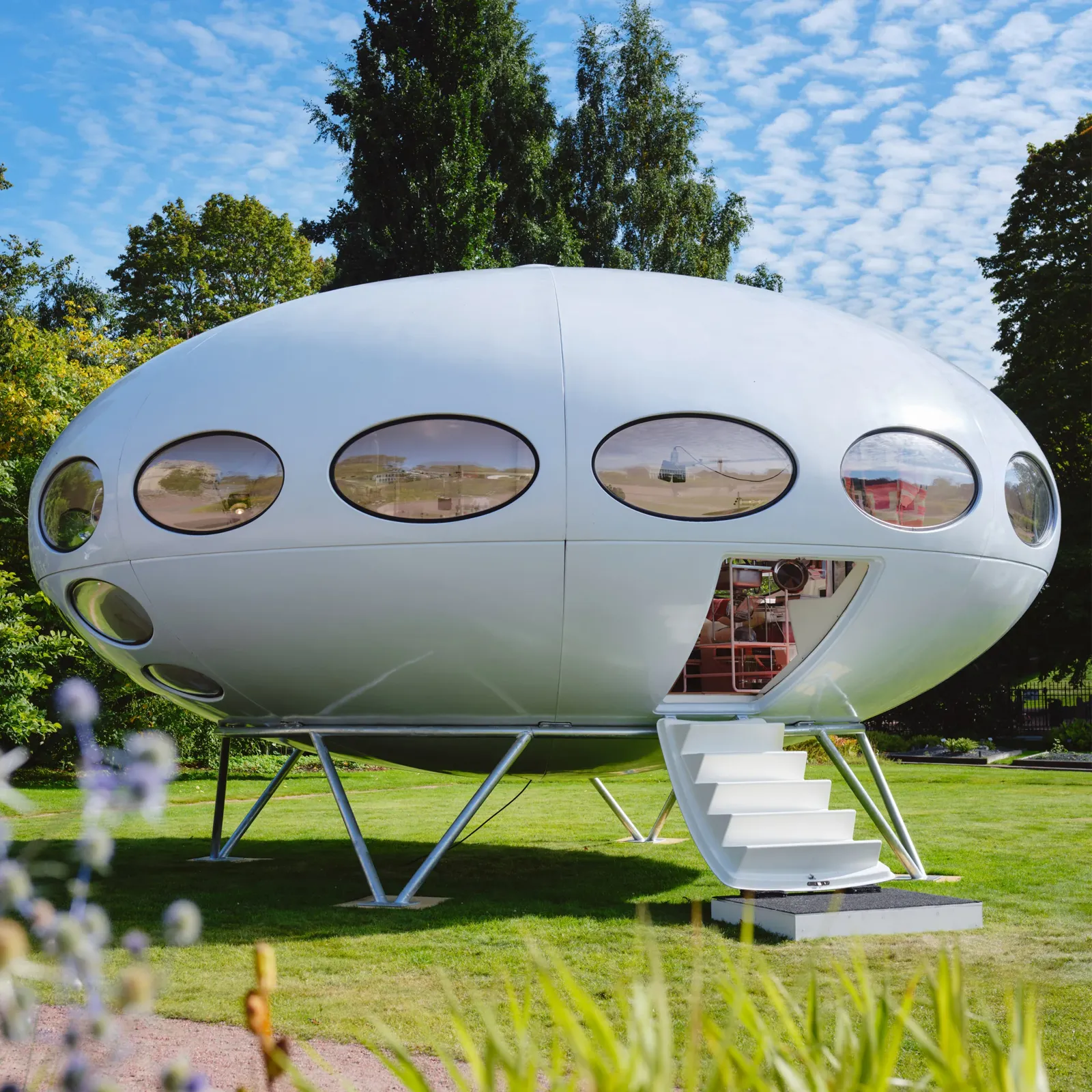
Futuro House Production Revived in Finland After Decades-Long Hiatus
A Facebook listing for abandoned moulds led to the first new Futuro...
illustrarch Editoral Team3 Mins read

Building Your Dream Home in NSW: What You Should Know About Montgomery Homes
Montgomery Homes has been building across Sydney, Newcastle, the Hunter, Wollongong and...
illustrarch Editoral Team4 Mins read


Leave a comment