

Great Mosque of Djenné: Earth Architecture and Collective Craft
The Great Mosque of Djenné in Mali is the largest adobe structure on earth, rebuilt collectively each year during the Crépissage festival. This article examines its Sudano-Sahelian architecture, construction materials, spatial layout, and the community craft traditions that keep it standing.
 Sinan Ozen2 March 20268 Mins read230

Table of Contents Show
The Great Mosque of Djenné rises from the floodplain of the Bani River in central Mali like a sculpture pulled from the earth itself. Standing roughly 16 meters tall atop a raised platform, it holds a singular distinction: it is the largest mud-brick building in the world. Yet its significance reaches far beyond sheer size. The mosque represents the pinnacle of Sudano-Sahelian architecture, a tradition rooted in local materials, climate-responsive design, and centuries of accumulated building knowledge. Completed in its current form in 1907, it carries forward a lineage stretching back to the 13th century, when Djenné’s first Muslim ruler, King Koi Konboro, reportedly converted his palace into a place of worship.
What makes this building truly remarkable for architects and designers is not just its form but its process. Every year, the entire community of Djenné gathers to replaster its walls with fresh mud during a festival called the Crépissage. The mosque is, in that sense, never finished. It is a living structure shaped by each generation that cares for it, offering lessons about material honesty, participatory construction, and environmental adaptation that remain relevant to contemporary practice.

History of the Great Mosque of Djenné Mali
Djenné, one of the oldest cities in sub-Saharan Africa, was founded between 800 and 1250 CE along the inland delta of the Niger River. It grew into a vital node in the trans-Saharan gold trade and, by the 15th and 16th centuries, served as one of West Africa’s most important centers for Islamic scholarship and commerce. Thousands of students traveled there to study the Quran in the city’s many madrassas.
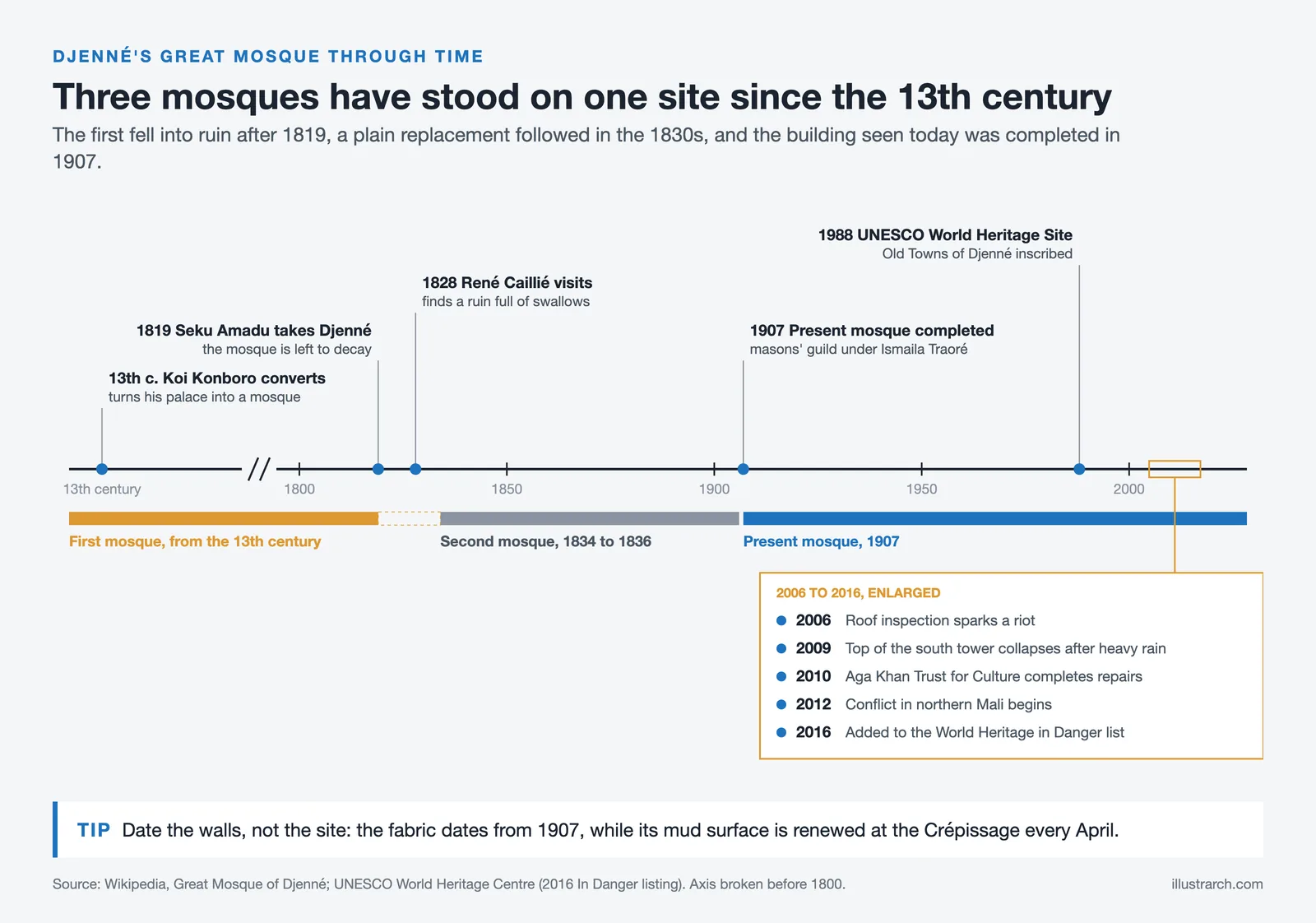
The first great mosque of Djenné was likely built in the 13th century. According to the Tarikh al-Sudan, a 17th-century historical chronicle, Sultan Kunburu (also called Koi Konboro) demolished his own palace and erected a mosque on the site after converting to Islam. His successors expanded the structure with additional towers and a surrounding wall. By the 16th century, accounts suggest half the city’s population could fit within the mosque compound.
That original structure fell into ruin after the Fulani leader Seku Amadu conquered Djenné in 1819. Amadu disapproved of the mosque’s perceived extravagance and allowed it to decay. When French explorer René Caillié visited in 1828, he described a crumbling building overrun by swallows. A replacement mosque was built between 1834 and 1836, but it too deteriorated under changing political conditions.
The mosque visible today is the third iteration, completed in 1907 under the direction of Ismaila Traoré, head of Djenné’s guild of masons. While there has been historical debate about the degree of French colonial involvement in the reconstruction, recent scholarship, including analysis by historian Jean-Louis Bourgeois, supports the view that the design is fundamentally African in character. Traoré and the mason’s guild employed traditional techniques and local labor, preserving the Sudano-Sahelian vocabulary while introducing refinements such as the symmetrical arrangement of the three qibla towers. In 1988, UNESCO designated the Old Towns of Djenné, including the Great Mosque, as a World Heritage Site.

Great Mosque of Djenné Architecture and Spatial Layout
The great mosque of Djenné architecture follows a rectilinear plan, sitting on a raised earthen platform measuring approximately 75 by 75 meters. This platform, about 3 meters above marketplace level, is a practical response to the seasonal flooding of the Bani River. Six sets of stairs provide access, each topped with conical pinnacles.

The east-facing qibla wall is the building’s most visually striking element. Roughly one meter thick, it features three box-like minarets, the tallest reaching about 16 meters. Eighteen pilasters with conical caps punctuate the wall, creating a rhythmic vertical pattern. Ostrich eggs crown each minaret, a regional symbol of fertility and purity. The entire facade is studded with toron, bundles of Rodier palm sticks that protrude from the walls. These serve a dual purpose: they are decorative, contributing to the building’s distinctive silhouette, and they function as permanent scaffolding for the annual replastering.
Inside, the prayer hall occupies roughly the eastern half of the mosque, measuring 26 by 50 meters. Nine interior walls running north to south support the mud-covered roof, creating a dense grid of 90 massive rectangular pillars. Natural light enters through small, irregularly positioned windows on the north and south walls, producing a dim, contemplative atmosphere. Removable ceramic caps on the roof allow hot air to escape, ventilating the interior during Djenné’s extreme heat, which regularly exceeds 45°C during the dry season.
The western half of the mosque contains an open courtyard measuring about 20 by 46 meters, surrounded on three sides by galleries with pointed arches. The western gallery is reserved for women. This courtyard-prayer hall arrangement echoes mosque typologies found across the Islamic world, but the material execution is entirely specific to the West African vernacular tradition.
Key Architectural Features of the Great Mosque of Djenné
The following table summarizes the primary architectural elements and their functions within the mosque:
| Feature | Description | Function |
|---|---|---|
| Raised Platform | 75 x 75 m earthen plinth, 3 m high | Flood protection from Bani River |
| Qibla Wall Towers | Three minarets, central one ~16 m tall | Directional marker toward Mecca, vertical emphasis |
| Toron (Palm Beams) | Rodier palm bundles protruding from walls | Decorative element and permanent scaffolding |
| Ostrich Egg Finials | Eggs crowning each minaret | Symbol of fertility and purity |
| Ceramic Roof Caps | Removable terracotta lids on roof openings | Passive ventilation system |
| 90 Interior Pillars | Massive rectangular columns in prayer hall | Structural support for earthen roof |
Sudano-Sahelian Architectural Style and Materials
The great mosque of Djenné architectural style belongs to the Sudano-Sahelian tradition, a building language that developed across the West African Sahel over roughly a thousand years. This tradition favors massive, sculpted forms built entirely from local earth, with engaged columns, crenellated parapets, and protruding timber elements creating a visual texture unlike anything in the global canon of religious architecture.
The primary building material is banco, a mixture of mud, water, rice husks, and sometimes shea butter. Local clay is collected from the riverbed and mixed in large pits. Rice husks act as a binding agent, preventing cracks as the material dries. Sun-dried bricks called ferey form the structural walls, bonded with mud mortar and finished with a smooth mud plaster. The roof structure uses bundles of Rodier palm, which span between the interior walls and are covered with a thick mud layer.
This material system is remarkably well adapted to the Sahel’s climate. The thick adobe walls absorb heat slowly during the day and release it at night, maintaining relatively stable interior temperatures. According to the Google Arts & Culture Crépissage exhibition, the mosque interior remains cool even when dry-season temperatures outside reach 45°C. The ceramic roof vents function as a passive cooling system: during the hottest hours, caps are removed to let rising hot air escape, drawing cooler air through lower openings.
For architects interested in sustainable material systems, the Great Mosque offers a compelling case study. The building’s entire structure comes from within a few kilometers of the site, the embodied energy is negligible compared to concrete or steel construction, and the material can be fully recycled back into the landscape at the end of its life. The trade-off is maintenance intensity, which the community has solved through cultural ritual rather than industrial technology.

The Crépissage: Annual Replastering Festival
Every April, before the onset of the rainy season, the residents of Djenné gather for the Crépissage de la Grand Mosquée. This is simultaneously a structural maintenance event and the most important cultural festival of the year. Locals have described it as more significant than Eid al-Fitr or Tabaski.

Preparation begins weeks in advance. Mud is collected from the riverbed and transported to pits near the mosque by trucks and donkey carts. Younger masons break the dried blocks into smaller pieces, mix them with water, and add rice husks to create a sticky, resilient paste. The mud is left to ferment for approximately 20 days, during which boys play in the pits, their movements effectively stirring the mixture.
The night before the replastering, the entire city celebrates La Nuit de Veille (The Waking Night) with singing, dancing, and music that lasts until dawn. When the master mason, the head of Djenné’s guild of roughly 80 senior masons (the Barey-Ton), smears the first blob of mud onto the wall at daybreak, the event officially begins. Young men race to deliver baskets of banco to the mosque, climbing the toron like ladder rungs. Women carry water to keep the plaster workable. Elders sit on the terrace walls, observing and advising. Musicians provide energy and rhythm throughout.
The guild system governing this process, the Barey-Ton, is an ancient institution that transmits not only the practical mechanics of mud-brick building and plastering but also specialized knowledge passed from generation to generation. Senior masons check the finished work for smoothness and evenness, maintaining quality standards that have endured for over a century.
Conservation Challenges and Cultural Heritage
The Great Mosque’s earthen construction makes it vulnerable to environmental threats, particularly flooding and irregular rainfall patterns linked to climate change. In 2009, unusually heavy rains caused the upper portion of the south tower to collapse. The Aga Khan Trust for Culture funded repairs completed in 2010, restoring the tower to its original profile.
That intervention was not without controversy. The Aga Khan restoration project paused the Crépissage for three years while structural work was underway, depriving the community of its most important annual tradition and the tourism income it generates. A 2006 roof inspection by the same organization triggered a riot when locals saw workers, whom they perceived as outsiders, cutting into the roof. The community ripped out ventilation fans donated by the U.S. Embassy. These incidents underline a tension familiar to heritage conservation professionals: the gap between institutional preservation goals and the lived experience of communities who inhabit these structures.
Since 2012, civil conflict in northern Mali has further complicated conservation efforts. While Djenné itself has been spared the direct violence that damaged mausoleums and mosques in Timbuktu, the threat from militant groups operating in the region has at times put the Crépissage itself at risk. In recent years, the town council has debated whether to cancel the festival for safety reasons but chose to proceed as an act of collective resistance.
UNESCO has noted a lack of international funding for Djenné compared to Timbuktu, despite the site being placed on the World Heritage in Danger list in 2016. The organization has also flagged the disappearance of decorative features on traditional Djenné house facades and the impact of urbanization on archaeological sites within the Djenné Circle, which includes Djenné-Djeno, one of sub-Saharan Africa’s oldest known urban settlements.

Lessons for Contemporary Architecture
The great mosque of Djenné offers several concrete takeaways for architects and designers working today, particularly those engaged with vernacular and sustainable design.
First, it demonstrates that local materials, when properly understood and maintained, can produce structures of extraordinary durability and beauty. The mosque has stood in its current form for over a century, using nothing but mud, palm wood, and community labor. This challenges the assumption that permanence requires industrial materials.
Second, the Crépissage model reframes maintenance from a cost burden into a cultural asset. In an era when lifecycle thinking is central to sustainable design, the idea that a building’s upkeep can strengthen social bonds and cultural identity is worth examining seriously. Architects like Diébédo Francis Kéré, whose Gando Primary School in Burkina Faso uses compressed earth blocks and community construction methods, have drawn directly on this tradition.
Third, the mosque’s passive environmental strategies, thick thermal mass walls, removable roof vents, shaded courtyards, represent low-tech solutions to cooling challenges that remain effective in hot-arid climates. These strategies predate mechanical air conditioning by centuries and consume zero operational energy.
Finally, the ongoing tension between external conservation bodies and local communities at Djenné serves as a cautionary example for heritage professionals. Buildings like the Great Mosque are not static artifacts. They are processes, maintained through cultural practices that are themselves part of the heritage worth protecting.
Building codes and conservation guidelines vary by jurisdiction and cultural context. Specific structural details mentioned in this article reflect the unique conditions of earthen construction in the Sahel and should not be directly applied to other projects without professional assessment.



A Record El Niño Threatens More Than 10,000 Adobe Heritage Sites on Peru’s Coast
With a possibly record-breaking El Niño under way, Peru's coastal adobe heritage...
 illustrarch Editoral Team2 Mins read
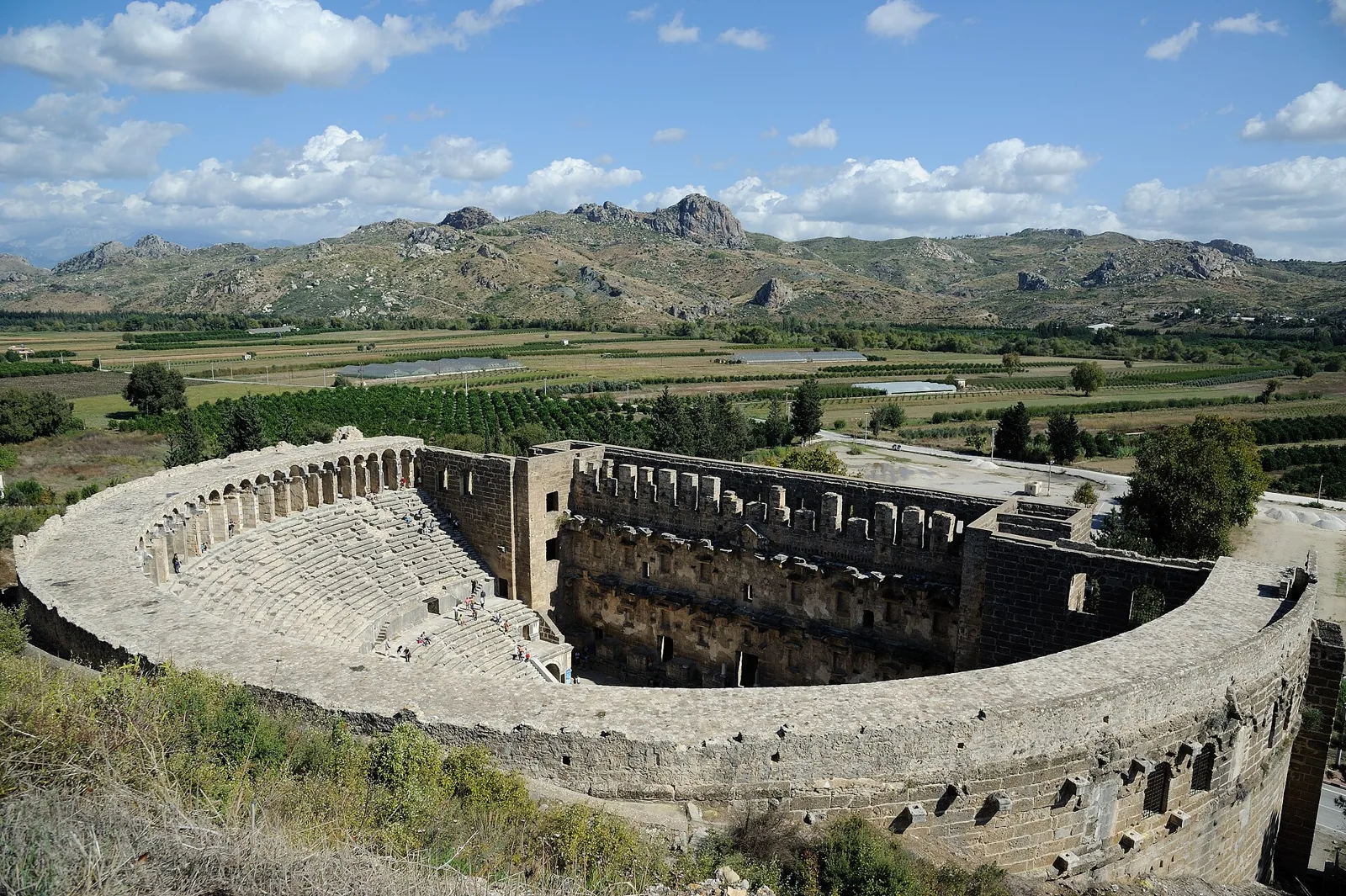
Aspendos Excavation Uncovers 6,000-Year-Old Settlement Traces Near Antalya
Digs beneath Aspendos shop floors turned up Chalcolithic pottery and tools, pushing...
illustrarch Editoral Team2 Mins read
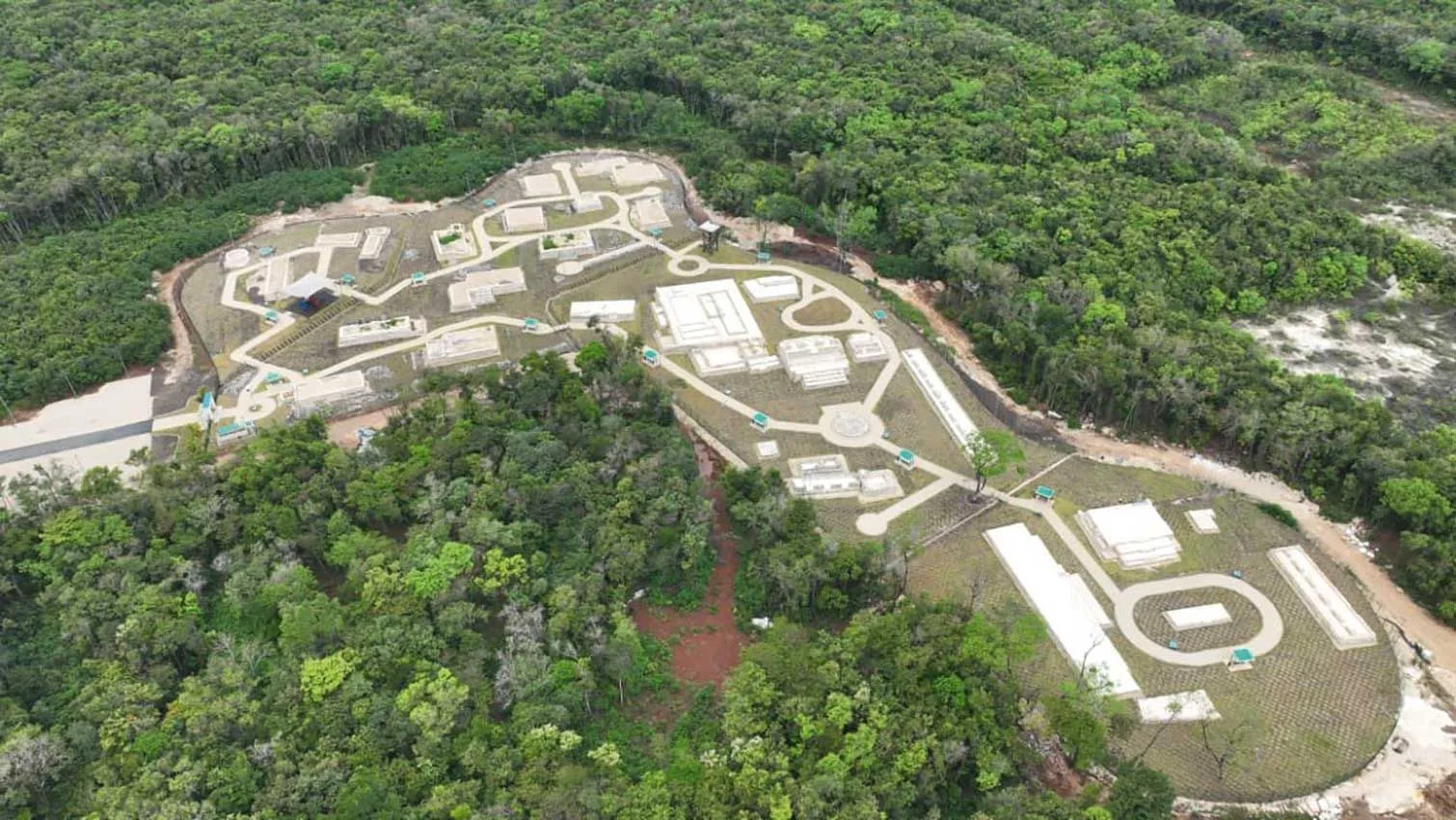
Relocated Maya Structures at Mexico’s Balam Tun Memory Park Face Legal Challenge
INAH archaeologists have filed a complaint against 26 officials over Balam Tun...
illustrarch Editoral Team2 Mins read
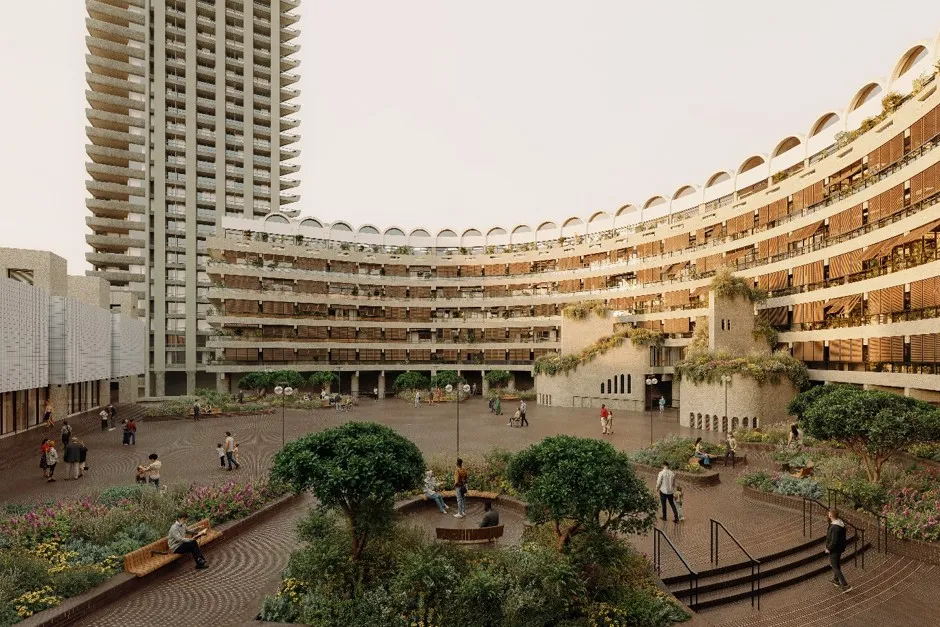
Allies and Morrison Win Approval to Restore Barbican Sculpture Court
City of London Corporation approves Allies and Morrison's plan to restore the...
illustrarch Editoral Team2 Mins read


Leave a comment