

7 Landmark Buildings That Defined Architectural Eras
Discover seven landmark buildings that shaped architectural history—from ancient ziggurats to modern icons—exploring how each era’s innovations, cultures, and technologies transformed design and influenced generations.
 Begum Gumusel4 December 20256 Mins read266
Table of Contents Show
Architecture has always been more than the construction of buildings—it is a mirror of human ambition, cultural identity, and technological progress. Throughout history, certain structures have emerged as defining landmarks, reshaping how societies understand space, spirituality, and innovation. These buildings not only influenced their own eras but also laid the groundwork for future generations of architectural thinkers.
From the ancient civilizations of Mesopotamia to the visionary creations of the 20th century, the following seven works serve as key milestones in the global narrative of design. Each one reflects a turning point in engineering, aesthetics, or cultural values, offering rich opportunities to explore architectural history, learn more about iconic designers, and discover the evolution of building technology.
At a Glance: 7 Landmark Buildings That Defined Architectural Eras
| Building | Location | Date | Architect / Builder | Architectural Style | UNESCO |
|---|---|---|---|---|---|
| Ziggurat of Ur | Dhi Qar, Iraq | c. 2100 BCE | King Ur-Nammu | Mesopotamian / Sumerian | Tentative List |
| Hagia Sophia | Istanbul, Türkiye | 537 CE | Anthemius of Tralles & Isidore of Miletus | Byzantine | ✅ 1985 |
| Chartres Cathedral | Chartres, France | 1194–1220 | Unknown Master Builder(s) | High Gothic | ✅ 1979 |
| Florence Cathedral Dome | Florence, Italy | 1420–1436 | Filippo Brunelleschi | Early Renaissance | ✅ 1982 |
| Casa Milà (La Pedrera) | Barcelona, Spain | 1906–1912 | Antoni Gaudí | Modernisme / Art Nouveau | ✅ 1984 |
| Villa Savoye | Poissy, France | 1928–1931 | Le Corbusier & Pierre Jeanneret | International Style / Modernism | ✅ 2016 |
| Sydney Opera House | Sydney, Australia | 1959–1973 | Jørn Utzon & Peter Hall | Expressionist / Modern | ✅ 2007 |
1. Ziggurat of Ur, Mesopotamia (c. 2100 BCE)
The Ziggurat of Ur stands as one of the earliest and most influential expressions of monumental architecture, marking a shift from nomadic life to structured urban civilization. Built as a stepped platform dedicated to the moon god Nanna, it symbolized both religious authority and political control at the heart of Mesopotamian culture. Its massive mud-brick structure, geometric precision, and elevated terraces reveal surprisingly advanced engineering for the era. As one of the world’s best-preserved ziggurats, it remains a crucial site for anyone wanting to discover early urban planning, explore ancient religious architecture, or learn more about the birth of organized society.
2. Hagia Sophia, Istanbul (537 CE)
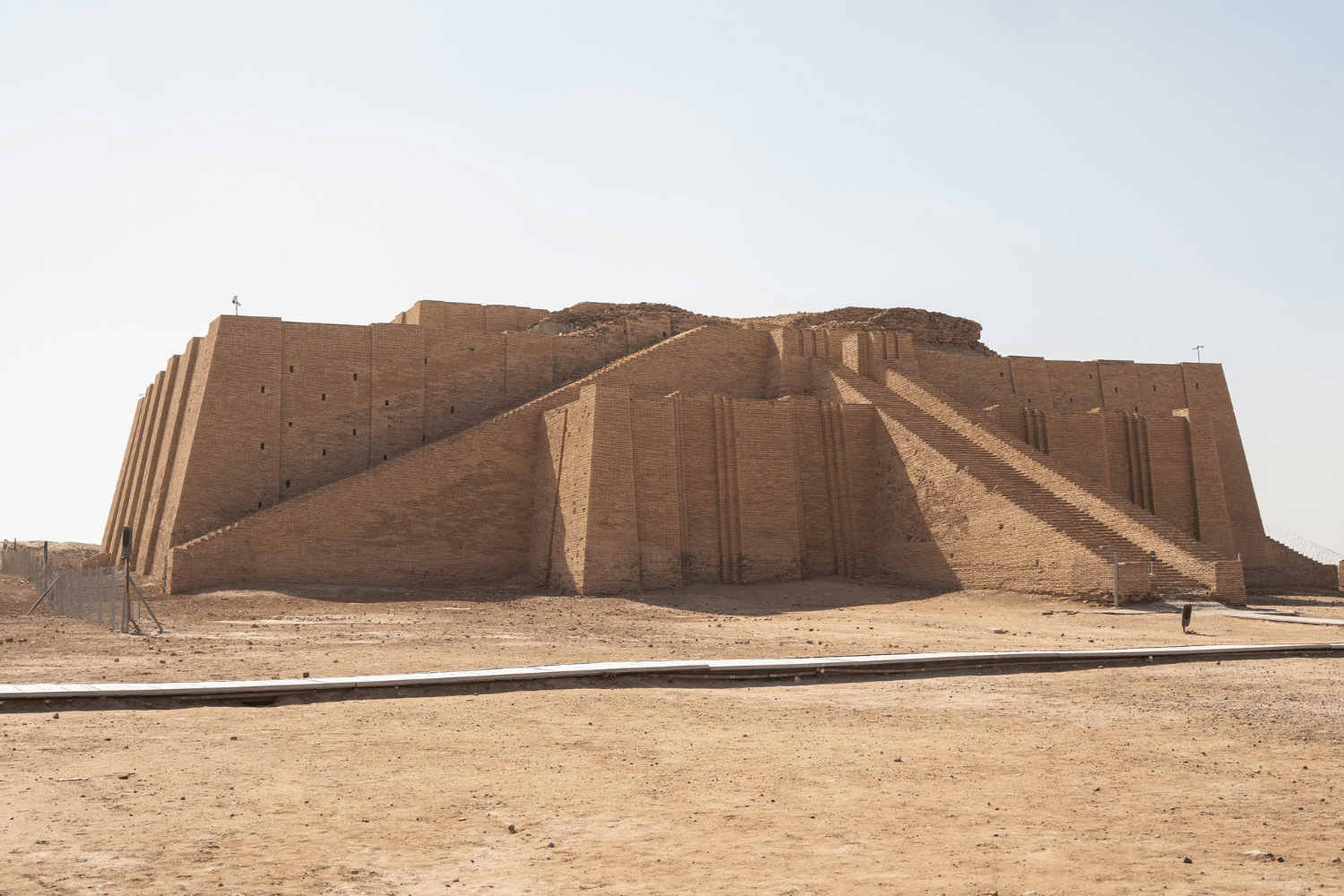
Hagia Sophia is one of the most groundbreaking achievements in architectural history, representing the peak of Byzantine engineering and design. Commissioned by Emperor Justinian I and completed in just five years, its soaring central dome—appearing to float effortlessly above the space—completely redefined sacred architecture. Light streaming through its base creates an ethereal glow often described as divine. The innovative fusion of a basilica layout with a domed structure set new standards for sacred buildings and became a template for centuries of churches and mosques. Today, Hagia Sophia remains an essential site for those who wish to explore Byzantine architecture, learn about sacred spaces, or understand Istanbul‘s layered history.
3. Chartres Cathedral, France (1194–1220)
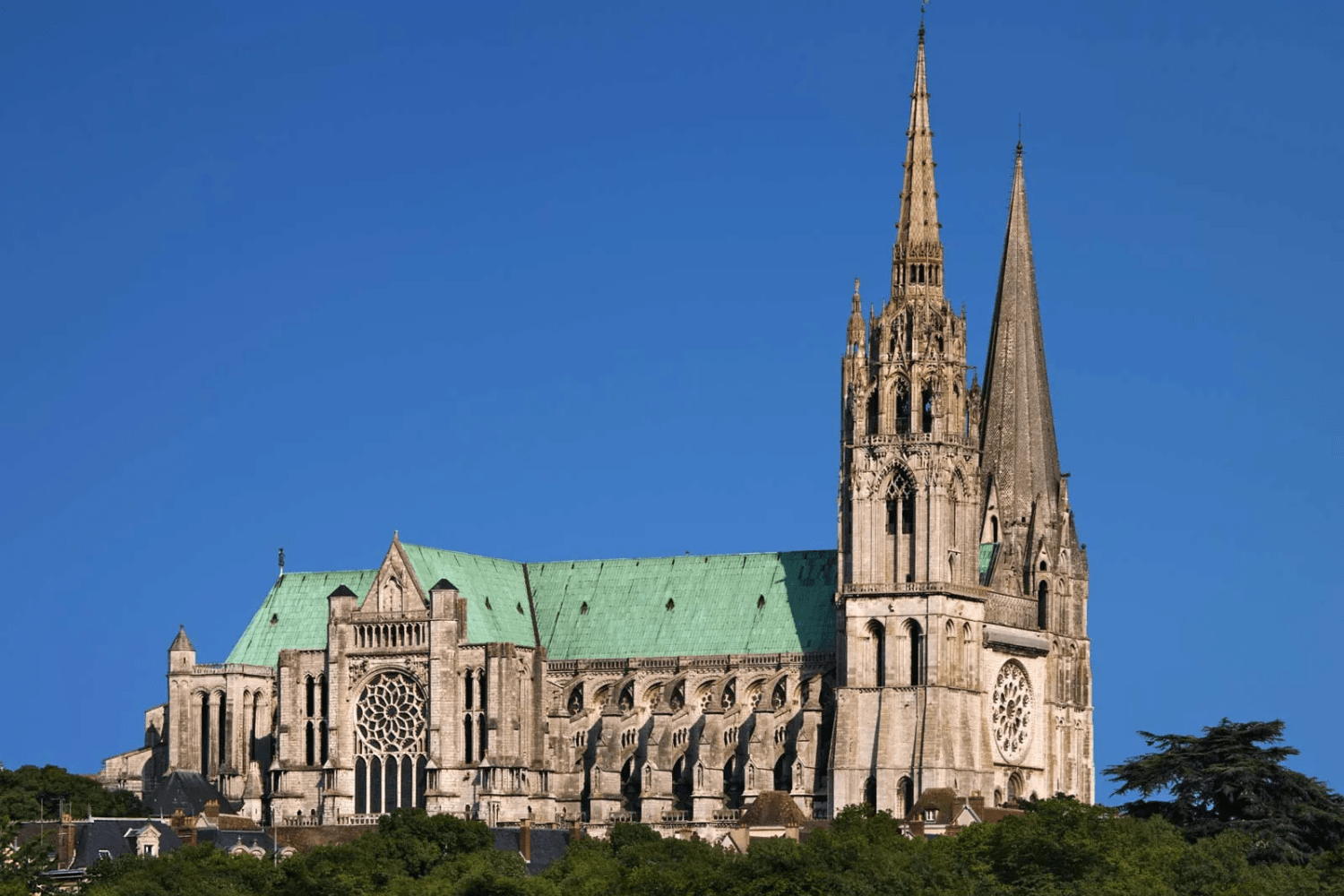
Chartres Cathedral represents the height of Gothic innovation, where engineering, craftsmanship, and spiritual symbolism merge into an inspiring whole. After a devastating fire, the cathedral’s reconstruction made bold, systematic use of flying buttresses, allowing the walls to rise higher and accommodate vast expanses of stained glass. These windows function as visual storytelling, illustrating religious narratives and medieval life. Known for its balanced proportions, sculptural façades, and strong vertical emphasis, Chartres remains an essential example for anyone wishing to explore Gothic architecture, discover medieval craftsmanship, or learn more about cathedral symbolism.
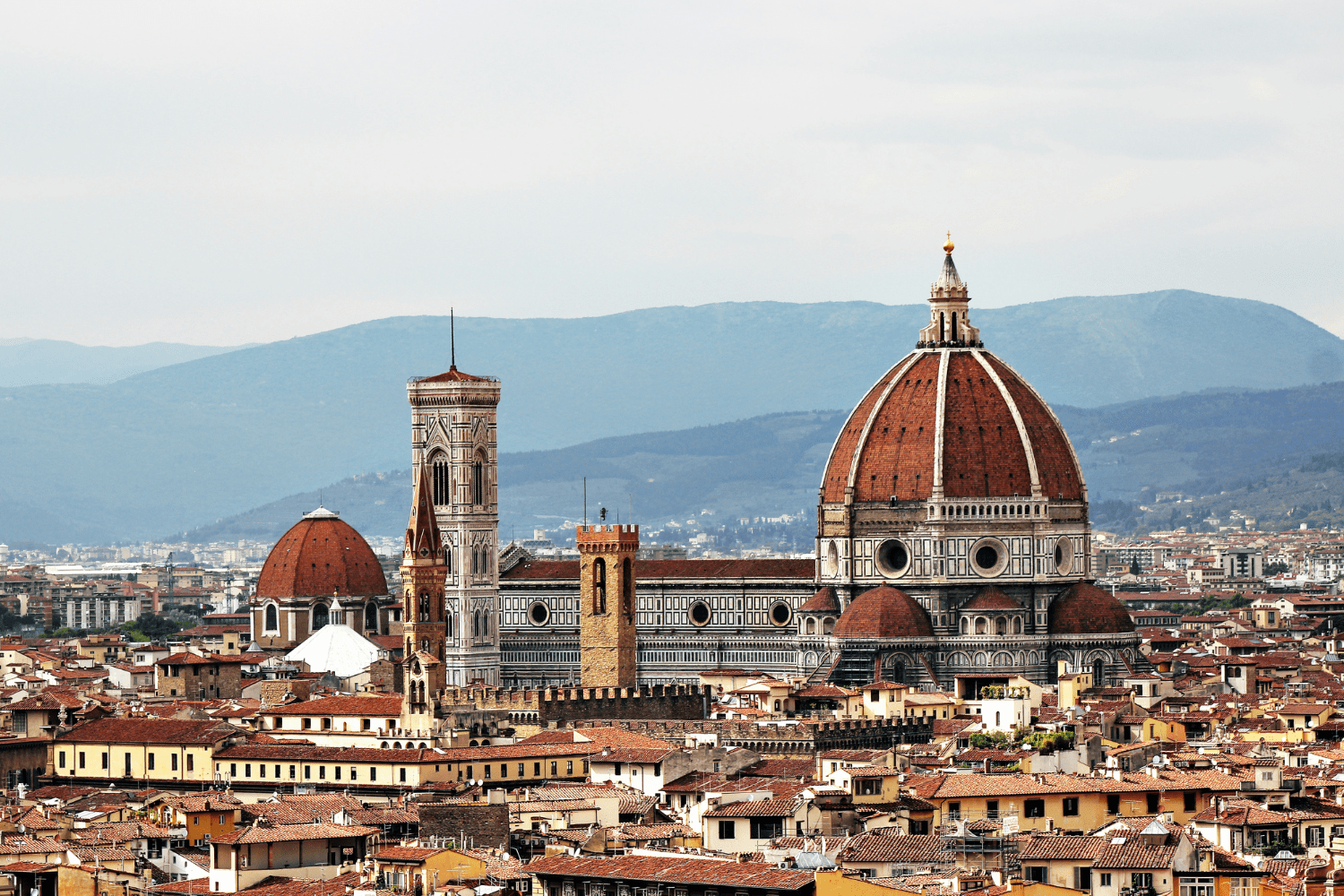
4. Florence Cathedral Dome (Il Duomo), Italy (1420–1436)
Brunelleschi’s dome for the Florence Cathedral marks a transformative moment in the Early Renaissance, blending innovative engineering with revived classical principles. His ingenious double-shell structure, supported by herringbone brickwork and internal ribs, solved a construction challenge thought to be impossible. The dome stands as a testament to mathematical harmony, geometric clarity, and humanist design philosophy, all central to Renaissance thinking. It remains one of Europe’s most studied structures, ideal for readers looking to learn more about Renaissance architecture, explore engineering breakthroughs, or discover Florence’s architectural legacy.
5. Casa Milà (La Pedrera), Barcelona (1906–1912)
Casa Milà, one of Gaudí’s most iconic works, reimagines architecture as a dynamic, organic form inspired by nature. Its undulating stone façade, sculptural ironwork, and flowing curves challenge the rigid norms of traditional architecture. Inside, Gaudí introduced fluid floor plans, structural innovations, and a self-supporting exterior—a visionary approach that anticipated many ideas of modern architecture. The expressive rooftop, with its sculptural chimneys, remains one of the most photographed in Barcelona. This building is ideal for those wanting to explore Gaudí’s design philosophy, discover Modernisme, or learn more about Art Nouveau architecture.

6. Villa Savoye, Poissy (1928–1931)
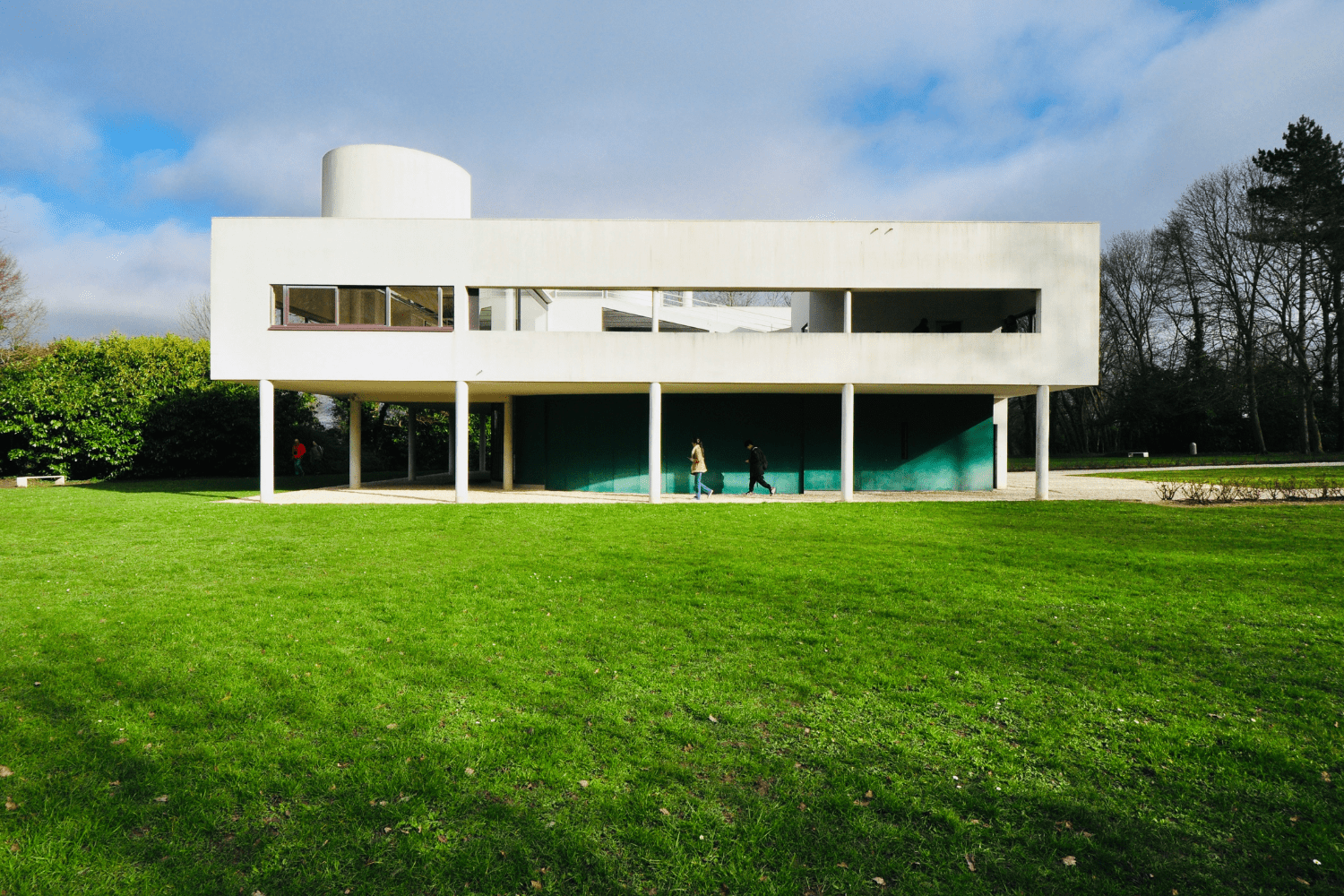
Villa Savoye is the purest expression of Le Corbusier’s “Five Points of Architecture”, representing the essence of early Modernist ideology. Elevated on pilotis, wrapped in ribbon windows, and designed with a free plan, it reflects the aesthetics of efficiency, mass production, and rationality. The smooth white surfaces and seamless circulation create a unique spatial experience that continues to influence architects worldwide. Villa Savoye is essential for readers looking to learn more about Modernism, explore Le Corbusier‘s principles, or understand the foundations of the International Style.
7. Sydney Opera House, Australia (1959–1973)
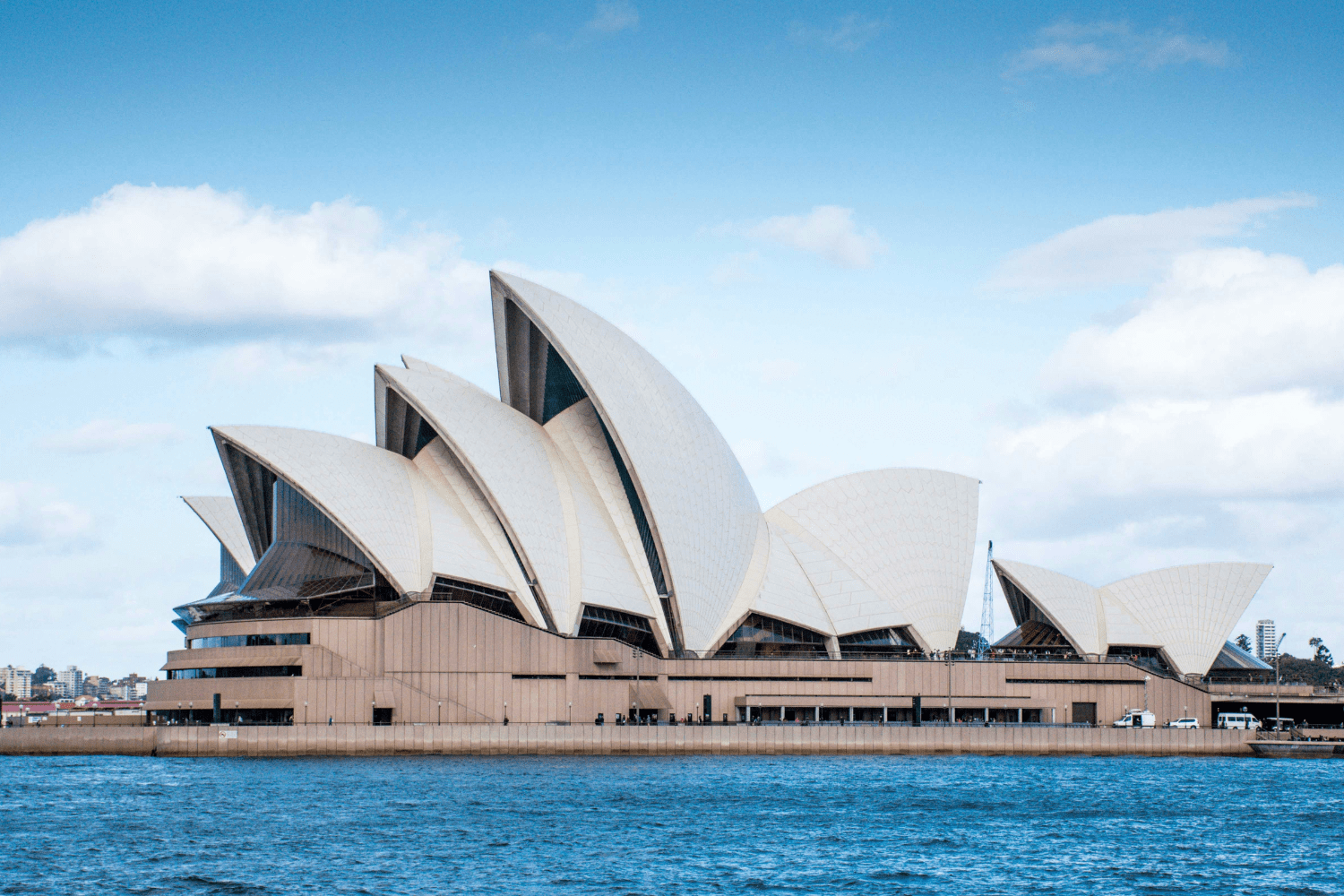
The Sydney Opera House stands as a symbol of 20th-century architectural innovation, known for its expressive shell-like roofs and bold engineering. Inspired by spherical geometry and organic forms, Jørn Utzon’s design pushed the boundaries of construction technology. The building functions both as a world-class performance venue and as a global cultural icon, instantly recognizable along the Sydney waterfront. It’s a must-know project for anyone wishing to explore Expressionist architecture, discover modern engineering achievements, or learn more about Australia’s architectural identity.
Dimensions & Structural Engineering Comparison
| Building | Length | Width | Height | Primary Material | Key Structural Innovation |
|---|---|---|---|---|---|
| Ziggurat of Ur | 64 m | 46 m | ~30 m | Mud brick & baked brick with bitumen | Stepped terraces with triple monumental staircase; drainage holes through baked-brick facing |
| Hagia Sophia | 82 m | 73 m | 55.6 m | Brick and mortar | Pendentive dome (31–33 m diameter) on a square base; 40 windows at dome base creating floating illusion |
| Chartres Cathedral | 130 m | 64 m (transept) | 37 m (nave) / 113 m (NW tower) | Limestone | Flying buttresses enabling thinner walls; quadripartite rib vaults; 167 stained-glass windows (2,600 m²) |
| Florence Cathedral Dome | 160 m (cathedral) | 43 m (cathedral) | 116 m (dome + lantern) | Stone & brick (herringbone pattern) | Self-supporting double-shell dome (45.5 m diameter) built without centering; 4 million bricks; ~25,000 tons |
| Casa Milà | ~60 m (façade) | ~30 m | 30 m (8 floors) | Stone, steel & concrete | Self-supporting stone curtain-wall façade; free-plan floors without load-bearing walls; 270 catenary brick arches in attic |
| Villa Savoye | ~21.5 m | ~19 m | ~9.4 m (3 levels) | Reinforced concrete & plastered masonry | Le Corbusier’s Five Points: pilotis, free plan, free façade, ribbon windows, roof garden; modular column grid |
| Sydney Opera House | 183 m | 120 m | 65 m | Precast concrete, granite & ceramic tiles | Spherical geometry-based shell roofs; 2,400 precast ribs & 4,000 roof panels; 588 concrete piers up to 25 m deep |
Historical Significance & Cultural Impact
| Building | Era It Defined | Original Function | Current Use | Key Legacy & Influence |
|---|---|---|---|---|
| Ziggurat of Ur | Birth of Urban Civilization | Temple to the moon god Nanna & administrative center | Archaeological site & monument | Established the ziggurat form that spread across Mesopotamia; blueprint for monumental urban religious architecture |
| Hagia Sophia | Byzantine Golden Age | Eastern Orthodox cathedral (360–1453) | Grand Mosque (since 2020) | Pioneered the pendentive dome; directly inspired Ottoman mosque architecture and Renaissance church design across Europe |
| Chartres Cathedral | High Gothic Period | Catholic cathedral & Marian pilgrimage site | Active cathedral & UNESCO site | Set the template for Reims, Amiens, Cologne, and Westminster cathedrals; defined Gothic structural and decorative standards |
| Florence Cathedral Dome | Early Renaissance | Cathedral dome (Santa Maria del Fiore) | Active cathedral & museum complex | Still the largest masonry dome ever built; influenced St. Peter’s Basilica (Michelangelo) and domed structures worldwide |
| Casa Milà | Art Nouveau / Modernisme | Luxury residential apartment building | Cultural center & museum (Fundació Catalunya La Pedrera) | First 20th-century building on UNESCO list (1984); preceded organic/biomorphic works by Mendelsohn, Wright, and Gehry |
| Villa Savoye | International Style / Early Modernism | Private country residence | Historic monument open to public | Became the manifesto of the International Style; featured in Hitchcock & Johnson’s seminal 1932 publication; still a pilgrimage site for architects |
| Sydney Opera House | Expressionist Modernism | Multi-venue performing arts center | Performing arts center & cultural icon | Opened the way for complex-geometry architecture; one of the first projects using computer-aided design; ~11 million visitors/year |
Together, these seven buildings reveal the sweeping evolution of architecture—from the monumental structures of ancient civilizations to the visionary expressions of the modern era. Each project introduced new ideas, new technologies, or new design languages that shifted architectural history. For readers interested in diving deeper, each building offers opportunities to explore architectural periods, discover influential designers, or learn more about the cultural forces that shaped their creation. By understanding these transformative works, we gain insight not only into architectural innovation but also into the broader story of human creativity. These structures continue to inspire, reminding us of architecture’s unique power to define eras, cultures, and collective memory.
- architectural engineering breakthroughs
- architectural eras explained
- famous historical buildings analysis
- global architectural heritage
- Hagia Sophia architectural history
- history of architectural innovation
- iconic buildings that shaped architecture
- influential architects and buildings
- landmark buildings in architectural history
- modern architectural masterpieces





Relocated Maya Structures at Mexico’s Balam Tun Memory Park Face Legal Challenge
INAH archaeologists have filed a complaint against 26 officials over Balam Tun...
 illustrarch Editoral Team2 Mins read
Allies and Morrison Win Approval to Restore Barbican Sculpture Court
City of London Corporation approves Allies and Morrison's plan to restore the...
illustrarch Editoral Team2 Mins read
The Great Wall of China: History, Architecture, and Enduring Legacy
A detailed architectural exploration of the Great Wall of China covering its...
 Furkan Sen7 Mins read
Prague Architecture: How Charles Bridge and Prague Castle Built Bohemian Gothic
Charles Bridge and Prague Castle explained as architecture: the 1357 bridge under...
Furkan Sen6 Mins read


Leave a comment