

Frank Gehry Architecture: Style, Innovation and Iconic Works
Frank Gehry is one of the most influential architects of our time, known for his bold shapes, fluid forms, and innovative use of materials. His work challenges traditional design and turns buildings into memorable works of art. From the Guggenheim Bilbao and Walt Disney Concert Hall to the Fondation Louis Vuitton, 8 Spruce Street, and the Dancing House, Gehry’s projects show how architecture can reshape cities and inspire people around the world.
 Elif Ayse Sen9 December 20254 Mins read264
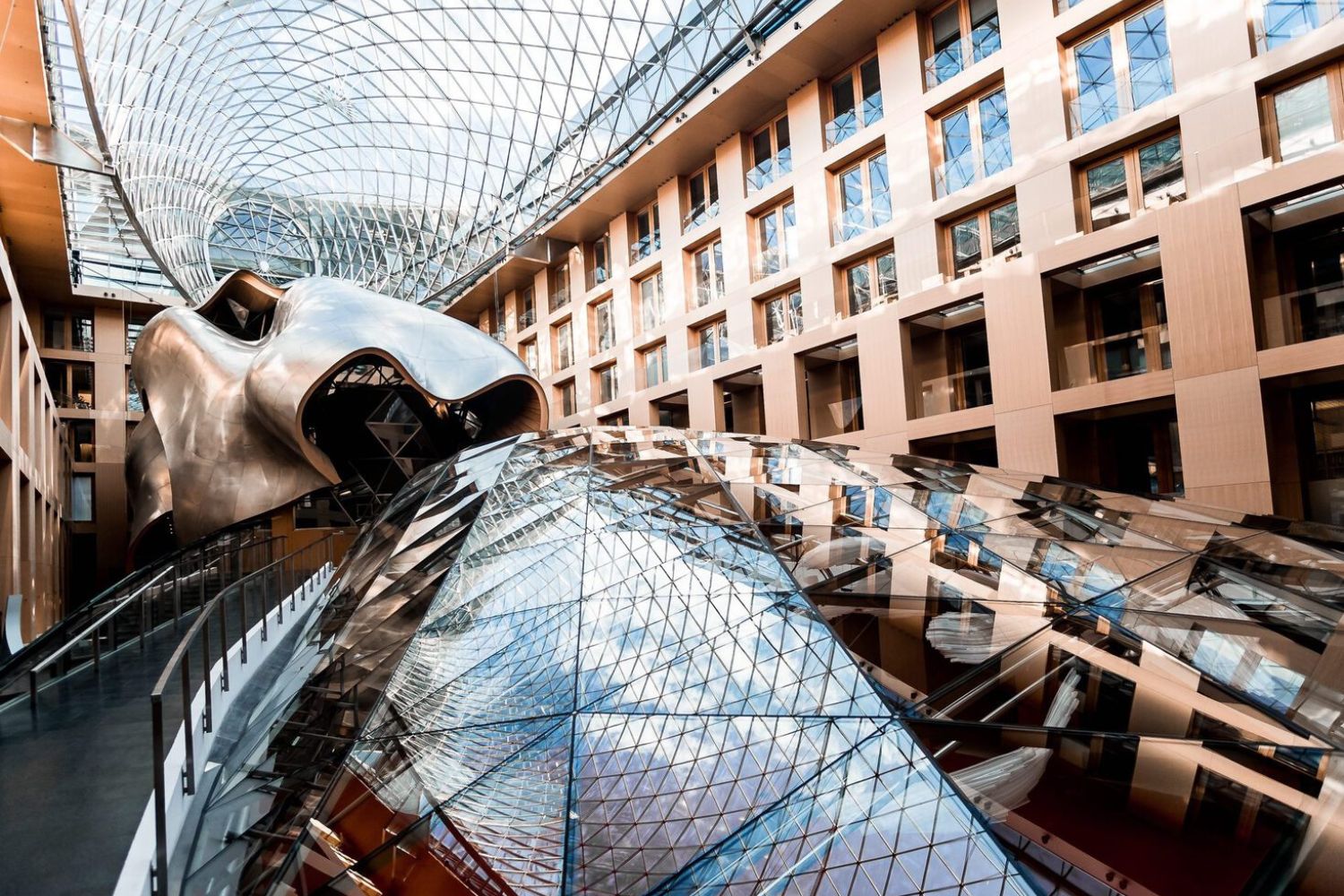
Table of Contents Show
Frank Gehry is a Canadian-American architect born in 1929 and widely regarded as one of the most influential figures in contemporary design. Originally named Frank Owen Goldberg, he later changed his surname due to social discrimination. He studied architecture at the University of Southern California and completed further studies at Harvard Graduate School of Design. Gehry began his practice with modest modernist projects, but by the 1970s, he started experimenting with unconventional forms, sculptural compositions, and new materials that set him apart from his contemporaries. He is considered a leading figure in deconstructivist architecture. His buildings are defined by fluid, twisting, and sculptural forms that push the boundaries of traditional architectural geometry. Gehry received the Pritzker Architecture Prize in 1989, establishing his global reputation.

Gehry challenged conventional architectural composition by rejecting rigid geometries and embracing expressive, free-flowing forms. He treated buildings as artistic objects, not merely functional structures, introducing a new emotional and experiential dimension to architecture. He introduced new ways of using titanium, stainless steel, wood, and glass to create fluid, reflective facades. His experimental material strategies influenced contemporary approaches to expressive envelope design.

The Bilbao Effect
The opening of the Guggenheim Museum Bilbao demonstrated how a single groundbreaking building can transform an entire city. The project attracted global tourism, revitalized the regional economy, and reshaped Bilbao’s cultural identity. This phenomenon proved that architecture can act as a powerful catalyst for urban regeneration. Gehry’s buildings offer immersive spatial experiences and often become cultural symbols for the cities they inhabit. They broaden the definition of what architecture can achieve both artistically and socially.

Walt Disney Concert Hall in Los Angeles
Designed by Frank Gehry and opened in 2003, the Walt Disney Concert Hall is considered one of the most important works of contemporary architecture. The Walt Disney Concert Hall in Los Angeles is iconic for its bold sculptural form, advanced acoustics, and powerful influence on the city’s cultural identity. The building features sweeping stainless-steel curves that reflect light and create a sense of motion, making it one of the most recognizable works of contemporary architecture. Inside, the vineyard-style auditorium, crafted with warm Douglas fir and oak, was developed with acoustician Yasuhisa Toyota to deliver world-class sound quality, often considered among the best in the world. The hall not only represents a perfect fusion of art, engineering, and music but also played a key role in revitalizing downtown Los Angeles, establishing itself as both an architectural masterpiece and a vibrant public landmark.

Fondation Louis Vuitton, Paris
The Fondation Louis Vuitton in Paris, completed in 2014, is one of Gehry’s most celebrated contemporary works, known for its striking glass “sails” and innovative engineering. Designed as a cultural institution for art exhibitions and performances, the building is located in the Bois de Boulogne and appears like a lightweight, moving vessel floating above the park. Gehry used 12 immense glass sails, supported by a complex steel and timber structure, to create a dynamic exterior that captures and diffuses natural light throughout the day. Beneath these sails sits a series of white, iceberg-like volumes clad in Ductal concrete panels, forming the core exhibition spaces. The building required advanced digital modeling and construction techniques, adapted from aerospace software, to realize its curved geometries, making it one of the most technically ambitious projects in Europe. The Fondation Louis Vuitton stands out not only for its sculptural beauty but also for its innovative use of materials, seamless integration with nature, and its role in redefining how contemporary architecture engages with art and public space.

8 Spruce Street, New York
8 Spruce Street in New York, completed in 2011, is a landmark residential tower designed by Frank Gehry and known for its dramatic rippling stainless-steel facade. The building’s undulating surface creates shifting reflections that give it a dynamic presence in the Manhattan skyline. Standing 870 feet tall, it was one of the first skyscrapers in New York to use such expressive, sculptural geometry. The tower includes over 900 apartments with expansive city and river views, along with amenities such as a fitness center, pool, library, outdoor spaces, and a public school at its base. It is celebrated for bringing Gehry’s signature sculptural style into high-rise urban living.

Dancing House, Prague
The Dancing House in Prague, completed in 1996, is one of Frank Gehry’s most recognizable early works and a standout example of deconstructivist architecture. Designed in collaboration with Czech architect Vlado Milunić, the building features two main forms nicknamed “Fred and Ginger,” inspired by the famous dancers Fred Astaire and Ginger Rogers. Its dynamic, curving shapes, one glass tower seeming to lean into a solid stone tower, create a sense of movement rarely seen in traditional European cityscapes. Located along the Vltava River, the structure contrasts sharply with the surrounding historic architecture, making it a bold symbol of modern creativity in Prague. Today, the Dancing House houses offices, a gallery, a restaurant, and a rooftop terrace with panoramic city views, and it remains an iconic landmark for its playful form and innovative engineering.

Frank Gehry’s work shows that architecture can be more than buildings, it can be art that changes how people see a city. His designs use bold shapes, new materials, and advanced technology to create forms that feel alive and unique. From the Guggenheim Bilbao to the Walt Disney Concert Hall and other famous projects around the world, Gehry’s buildings stand out for their creativity and strong visual impact. He has inspired many architects and helped push modern design forward. In simple terms, Gehry’s legacy is about thinking differently, taking risks, and proving that architecture can be imaginative, emotional, and memorable for everyone.





Futuro House Production Revived in Finland After Decades-Long Hiatus
A Facebook listing for abandoned moulds led to the first new Futuro...
 illustrarch Editoral Team3 Mins read

Building Your Dream Home in NSW: What You Should Know About Montgomery Homes
Montgomery Homes has been building across Sydney, Newcastle, the Hunter, Wollongong and...
illustrarch Editoral Team4 Mins read
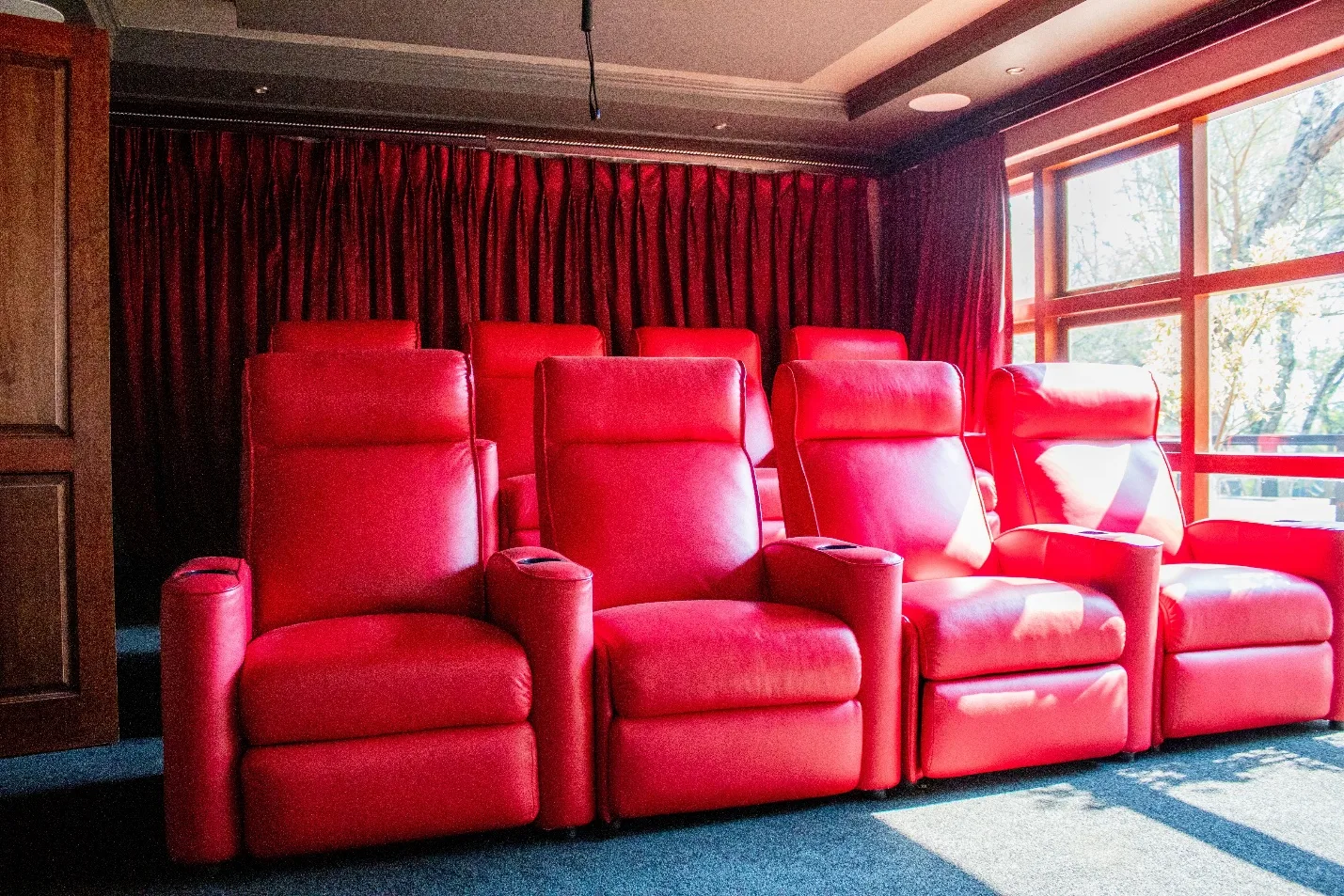
Designing a Home Theater: Where Drapery Fits Into the Plan
In a media room the curtains are a performance layer, not decoration....
illustrarch Editoral Team3 Mins read
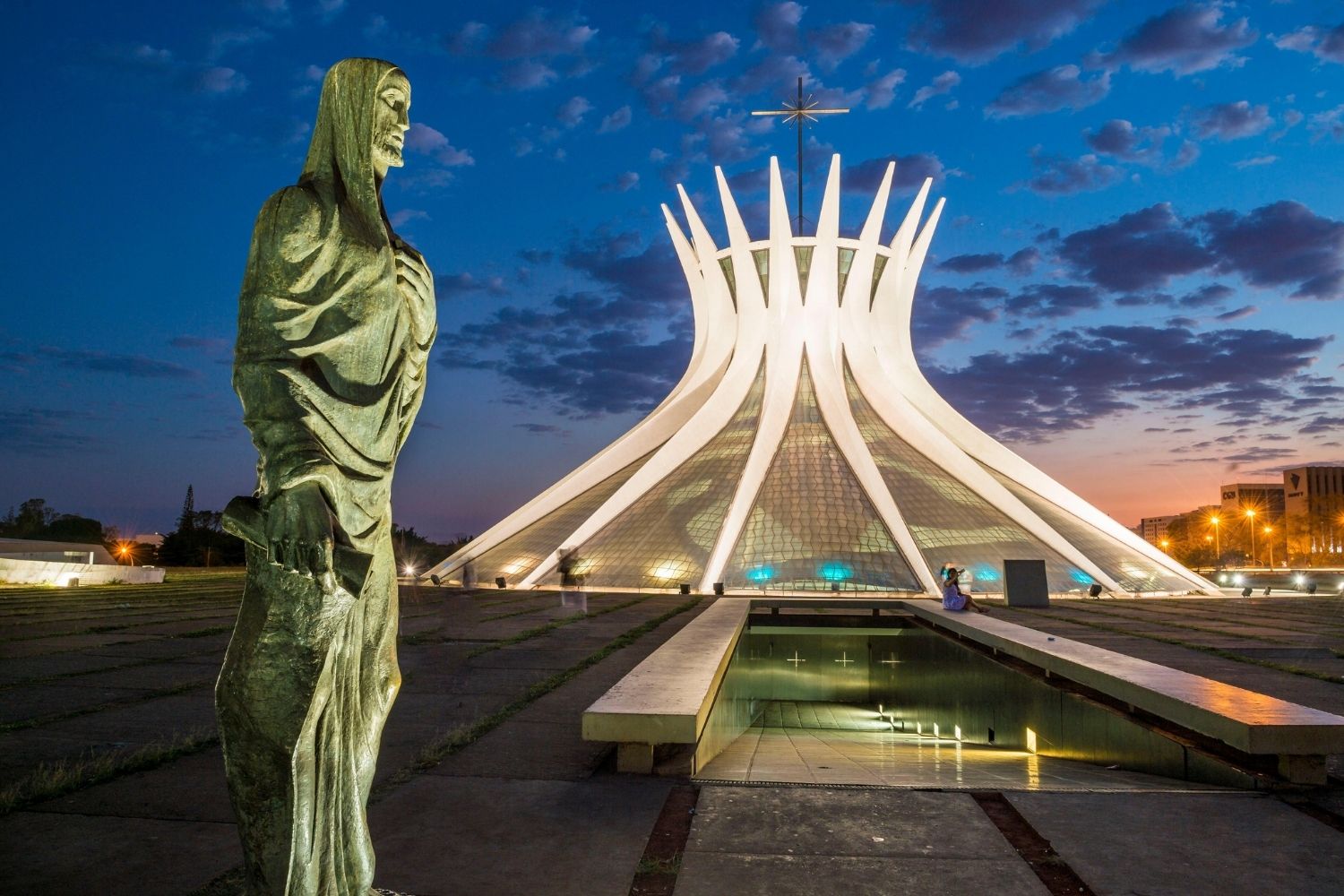
Oscar Niemeyer’s Cathedral of Brasília: The Hyperboloid Concrete Hymn
The Cathedral of Brasília reads as a single gesture, yet it stood...
 Furkan Sen7 Mins read


Leave a comment