

The Collaboration Between Architects and Steel Suppliers: Why It Matters
 illustrarch Editoral Team10 December 20256 Mins read90

Table of Contents Show
Architecture transforms vision into reality through countless partnerships, but one relationship often remains behind the scenes despite its critical importance. Collaboration between architects and steel suppliers shapes project success from initial concept through final construction, influencing everything from design feasibility to structural performance.
Understanding this partnership reveals how material expertise integrates with creative vision, enabling buildings that push boundaries while maintaining integrity. When architects and suppliers work together effectively, projects benefit from enhanced efficiency, reduced costs, and innovative solutions that might otherwise remain unexplored.
Beyond Material Transactions
Traditional views often reduce suppliers to mere vendors providing commodities. This perspective misses the collaborative potential that modern construction demands. Steel suppliers bring specialized knowledge about material properties, fabrication capabilities, and construction logistics that directly impacts design decisions.
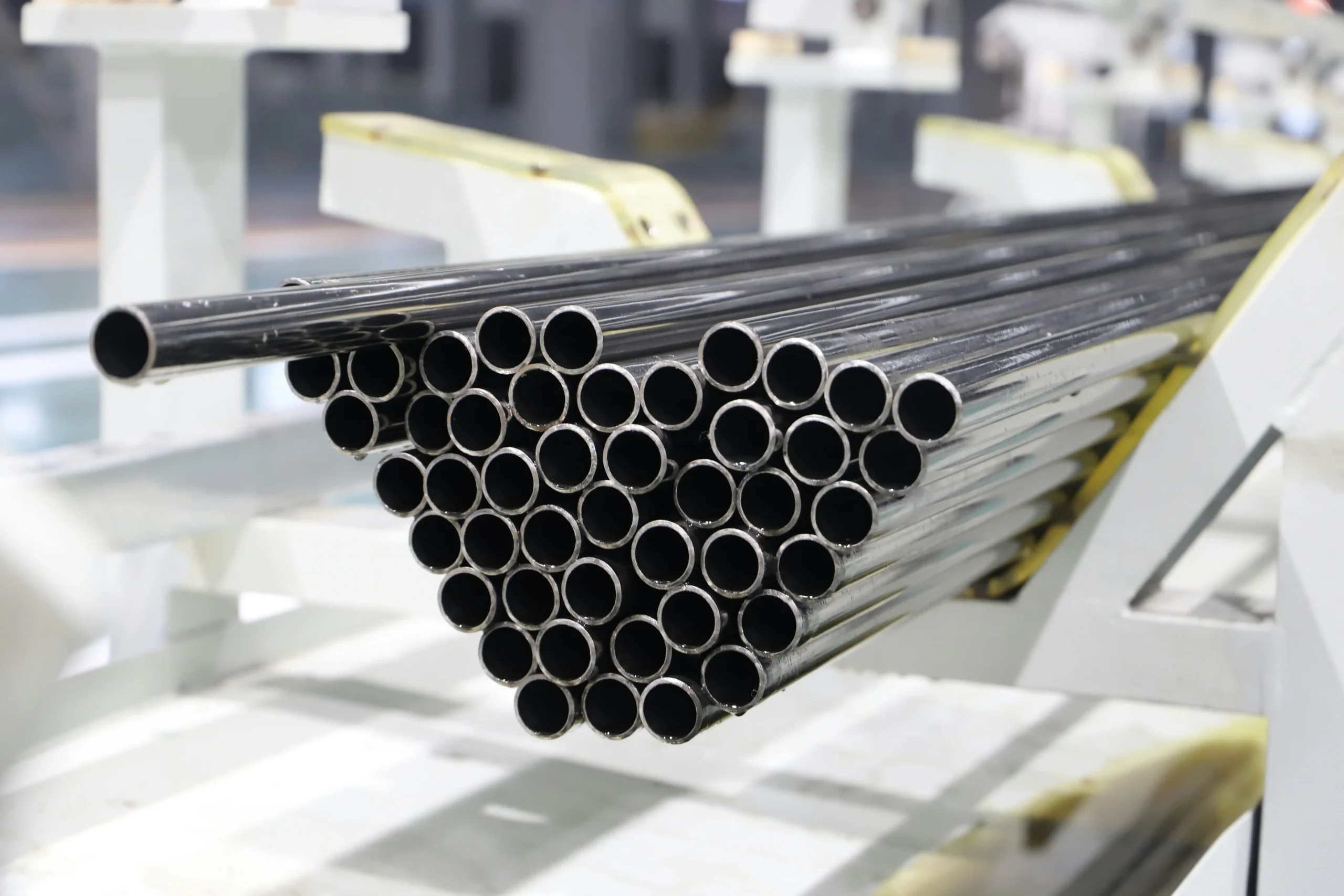
Reinforcement bars from Sydney Reo exemplify how suppliers offer more than products, providing technical support, custom fabrication, and expertise that helps architects specify appropriate solutions. This relationship extends beyond simple procurement into genuine technical partnership.
Architects focusing solely on aesthetic and spatial concerns without engaging material suppliers early risk discovering limitations late in the process. Conversely, involving suppliers during conceptual phases opens opportunities for creative problem-solving and optimization that benefits all stakeholders.
Material Knowledge Informing Design
Steel specifications significantly affect structural capabilities and architectural possibilities. Suppliers possess detailed understanding of grades, profiles, and performance characteristics that architects may not encounter regularly. This knowledge proves invaluable when pushing design boundaries or seeking optimal solutions for specific conditions.
Different steel types offer distinct advantages for various applications. High-strength reinforcement allows thinner sections and longer spans. Corrosion-resistant options protect structures in harsh environments. Specialized profiles accommodate unique connection details. Suppliers guide architects through these choices, matching material properties to project requirements.
Fabrication capabilities also influence design decisions. Understanding bending radii, welding constraints, and connection methods during design prevents costly redesigns during construction. Suppliers familiar with local fabrication facilities provide realistic assessments of what can be achieved within budget and schedule constraints.
Early Engagement Preventing Problems
Bringing steel suppliers into projects during schematic design phases prevents numerous downstream issues. Early consultation identifies potential fabrication challenges, material availability concerns, and cost implications before designs solidify. This proactive approach saves significant time and expense compared to addressing problems during construction documentation.
Complex geometries may appear feasible on paper but present fabrication difficulties that affect costs and schedules. Suppliers reviewing preliminary designs catch these issues early, proposing alternative approaches that maintain design intent while improving buildability. This feedback loop enhances both design quality and project efficiency.
Lead times for specialized steel products sometimes extend months. Architects unaware of these constraints may specify materials unavailable within project timelines. Supplier engagement during design ensures material selections align with schedule requirements, preventing delays that cascade through construction phases.
Technical Support Enhancing Solutions
Modern steel suppliers offer technical services extending far beyond material sales. Structural calculations, connection design support, fabrication drawings, and scheduling assistance all contribute to project success. Architects leveraging these resources enhance their designs while managing workload efficiently.
Custom fabrication capabilities enable architectural features that standard products cannot achieve. Suppliers working from architect-provided dimensions produce precisely specified components, from reinforcement cages to specialty anchors. This service transforms complex details from theoretical concepts into constructed realities.
Value engineering opportunities emerge through supplier collaboration. Alternative materials or fabrication methods suggested by suppliers sometimes achieve identical performance at reduced costs. These proposals require technical understanding that suppliers possess through daily interaction with materials and manufacturing processes.
Communication Establishing Understanding
Effective collaboration requires clear communication channels and mutual respect between disciplines. Architects must articulate design intent and performance requirements without necessarily specifying exact solutions. Suppliers need latitude to propose alternatives leveraging their expertise while respecting architectural vision.
Documentation clarity prevents misunderstandings that lead to errors and delays. Detailed specifications, connection diagrams, and material callouts reduce ambiguity during procurement and fabrication. Suppliers contribute to this process, identifying areas needing clarification and confirming interpretations align with design intent.
Regular coordination meetings throughout project phases maintain alignment as designs evolve. Changes affecting steel requirements must be communicated promptly, allowing suppliers to adjust procurement and fabrication accordingly. This ongoing dialogue prevents surprises that disrupt construction schedules.
Quality Assurance Through Partnership
Material quality directly impacts structural performance and longevity. Reputable suppliers maintain rigorous quality control processes, testing materials for compliance with specifications and standards. Architects relying on established supplier relationships gain confidence that specified materials meet required performance criteria.
Traceability documentation proving material compliance becomes increasingly important for certification and legal requirements. Suppliers provide mill certificates, test reports, and other documentation confirming materials meet Australian standards. This paperwork, though administrative, protects all parties and ensures regulatory compliance.

Site delivery coordination affects construction efficiency and material condition. Suppliers scheduling deliveries to match construction sequences prevent congestion and storage issues. Proper handling and storage guidance from suppliers protects materials until installation, maintaining quality throughout construction.
Innovation Emerging From Dialogue
New materials and techniques constantly emerge in construction industries. Suppliers at the forefront of these developments introduce architects to innovations that enhance projects. Whether advanced coatings, hybrid systems, or novel connection methods, supplier knowledge expands architectural possibilities.
Sustainable construction increasingly demands material solutions minimizing environmental impact. Suppliers offering recycled content products, efficient fabrication processes, or carbon-reduced alternatives help architects meet sustainability goals. This partnership advances green building objectives beyond what isolated efforts achieve.
Digital fabrication technologies transform how steel components are produced. Building Information Modeling integration between architects and fabricators streamlines workflows, reduces errors, and enables complex geometries previously impractical. Suppliers embracing these technologies become valuable partners in realizing ambitious designs.
Economic Benefits Supporting Projects
Budget constraints affect every project, making cost efficiency essential. Architects and suppliers working collaboratively identify opportunities to optimize material usage without compromising design quality. Strategic specifications balancing performance against cost achieve better outcomes than arbitrary material selections.
Quantity estimation accuracy improves through supplier involvement. Experienced suppliers reviewing drawings often catch quantity discrepancies before purchasing, preventing shortages or excess waste. This precision helps projects stay within budget while maintaining construction continuity.
Procurement timing affects pricing significantly. Suppliers advising architects about market conditions and price fluctuations enable strategic purchasing decisions. Bulk ordering, advance procurement of long-lead items, and market timing strategies all contribute to cost control through informed collaboration.
Building Lasting Relationships
Successful projects often feature teams that work together repeatedly. Architects developing relationships with reliable suppliers gain partners who understand their design approaches, preferences, and standards. This familiarity improves efficiency and reduces friction in subsequent collaborations.
Trust built through successful projects enables more ambitious undertakings. Suppliers confident in architect’s design capabilities and architects trusting supplier’s execution ability take calculated risks that push boundaries. This mutual confidence drives innovation and industry advancement.
Knowledge transfer enriches both professions. Architects learn about material capabilities and construction realities. Suppliers gain insight into design thinking and project complexities. This cross-pollination elevates professional competence and improves industry practices broadly.
Structural Integrity Through Expertise
Reinforcement steel forms the skeleton giving concrete structures their strength and resilience. Proper specification, placement, and connection of reinforcement directly affects structural performance. The essential role of structure in architecture depends on these fundamental materials being correctly selected and installed.
Suppliers specializing in reinforcement products understand the nuances of different bar grades, sizes, and configurations. This expertise helps architects specify appropriate reinforcement for diverse applications, from delicate residential features to robust infrastructure elements. Technical guidance ensures designs meet structural requirements while optimizing material usage.
Connection details between steel elements critically affect structural behavior. Suppliers familiar with various connection methods advise on practical approaches that maintain structural integrity while accommodating construction constraints. This knowledge prevents common detailing errors that compromise performance or complicate installation.
Future-Forward Collaboration
Construction industry evolution demands stronger partnerships between design and supply chain participants. Integrated project delivery methods emphasize collaboration from project inception, recognizing that material expertise should inform design just as design drives material innovation.
Technology facilitates deeper integration between architects and suppliers. Digital platforms enable real-time material specification, automated quantity takeoffs, and direct communication channels. These tools reduce friction and improve coordination efficiency, benefiting project outcomes.
Hybrid construction combining multiple materials requires even greater collaboration across supply chains. Architects coordinating between steel, timber, concrete, and glass suppliers must orchestrate complex interactions. Strong relationships with individual suppliers create the foundation for managing these sophisticated material combinations.
Practical Steps Forward
Architects should establish supplier relationships before project needs arise. Visiting fabrication facilities, understanding manufacturing processes, and building rapport with technical teams creates partnerships ready to activate when projects begin. These proactive relationships pay dividends throughout careers.

Including suppliers in design charrettes and technical reviews brings material expertise into creative processes. Rather than designing in isolation then seeking materials to execute visions, collaborative design incorporates material realities from the start, producing more buildable and economical solutions.
Feedback loops after project completion improve future collaboration. Discussing what worked well and identifying improvement opportunities helps both architects and suppliers refine their processes. This continuous improvement mindset elevates industry practice and individual project quality.
Conclusion
Collaboration between architects and steel suppliers represents far more than transactional material procurement. This partnership integrates technical expertise with creative vision, enabling buildings that achieve aesthetic aspirations while maintaining structural integrity and economic viability.
Early engagement, clear communication, and mutual respect form the foundation of successful partnerships. Architects who recognize suppliers as technical collaborators rather than mere vendors unlock significant project benefits, from innovative solutions to cost savings and schedule improvements.
As construction grows increasingly complex and performance demands rise, these partnerships become even more critical. Projects pushing boundaries need teams that integrate material knowledge into design thinking from initial concepts through final construction. Success depends on recognizing that great architecture emerges not from isolation but from collaboration across disciplines and expertise domains.
Building strong relationships with steel suppliers enriches architectural practice, expands creative possibilities, and delivers better projects for clients and communities. This collaborative approach represents best practice for contemporary architectural work, serving everyone involved in creating our built environment.








Museum of Tomorrow: Santiago Calatrava’s Sustainable Vision in Rio de Janeiro
The Museum of Tomorrow in Rio de Janeiro, designed by Santiago Calatrava,...
 Sinan Ozen8 Mins read

Parametric Architecture Design with Grasshopper for Rhino: 2026 Review
A focused 2026 review of Grasshopper for Rhino for parametric architecture design,...
 Furkan Sen7 Mins read

Le Corbusier: Design Philosophy of His Famous Buildings
A focused guide to Le Corbusier's design philosophy, the Five Points of...
Furkan Sen11 Mins read

Strong Personal Brand Online: 9 Steps Every Architect Should Take
A focused guide for architects who want to build a strong personal...
Sinan Ozen6 Mins read


Leave a comment