

Understanding the Scandinavian Perspective & Home Decor
Scandinavian home decor explained: core principles, palettes, lighting, storage, and room-by-room tips with sustainable, budget-friendly, practical advice.
 Sinan Ozen10 December 20254 Mins read222

Table of Contents Show
When we talk about “Understanding the Scandinavian Perspective & Home Decor,” we’re really talking about a worldview translated into rooms. This design language didn’t appear out of nowhere, it’s rooted in climate, community, and craft. If we want spaces that feel calm, thoughtful, and lived-in (not staged), embracing this perspective helps us make smarter choices that look good and work hard, season after season.
The Scandinavian Perspective: How Culture Shapes Design
Human-Centered Simplicity And Everyday Ease
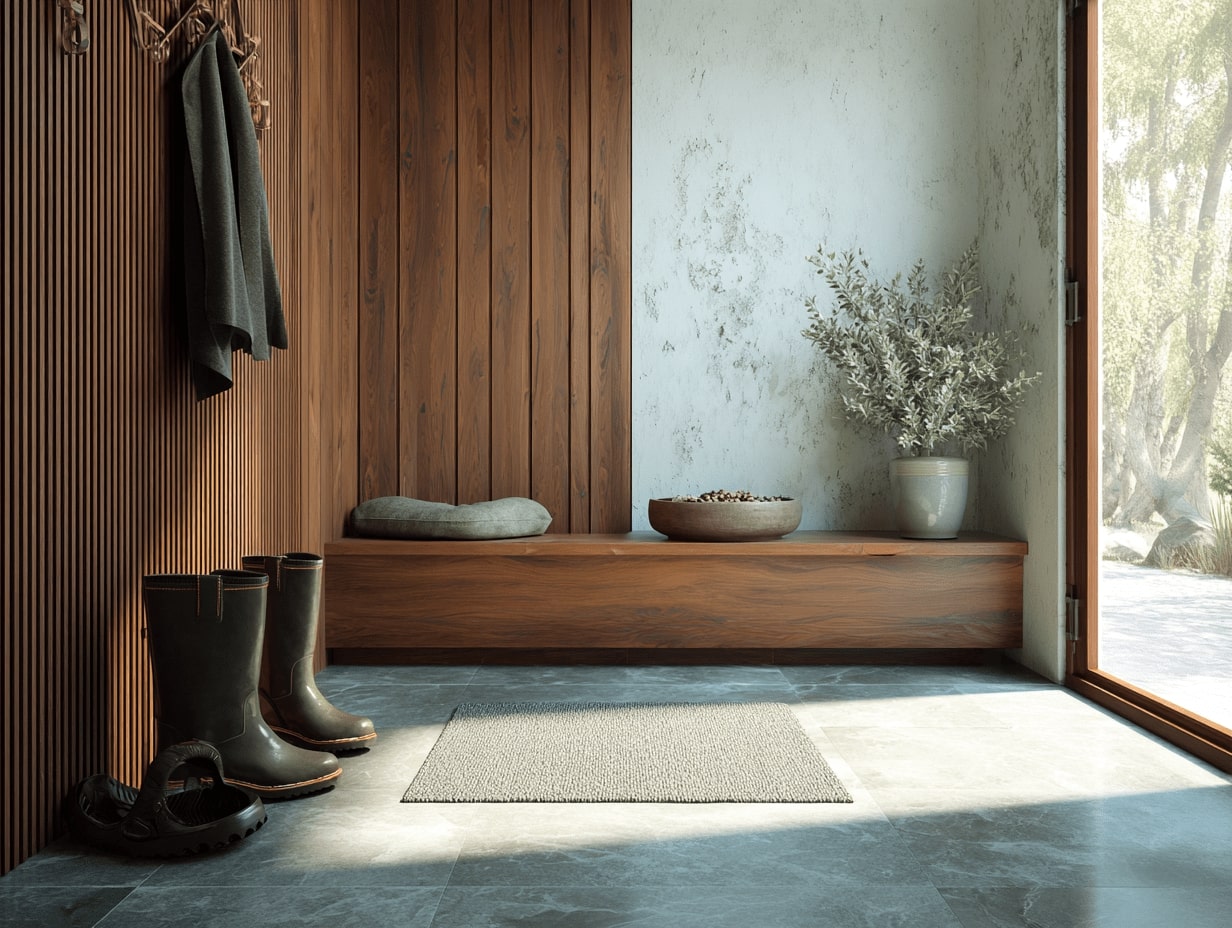
We prioritize what we use daily, then strip away the rest. Scandinavian homes are organized around routine: a bench near the door for boots, a tray for keys, a lamp right where we read. Simplicity isn’t a style flourish, it’s a promise that our home will help us live easier, not ask for constant fussing.
Connection To Nature, Light, And Seasonality
Long winters shaped a love for daylight and the outdoors. We invite nature in with pale woods, plants, and views kept clear of clutter. Sheer curtains, reflective surfaces, and light wall colors stretch precious winter light: in summer, windows open wide and furniture shifts to catch breezes. The home flexes with the seasons, and so do we.
Comfort, Community, And Balance: Hygge And Lagom
Hygge gives us coziness in the moment, candles, warm throws, shared meals, while lagom steers the bigger picture: just enough, not too much. Together they guide choices from sofa depth to how many pillows we truly need. Comfort is communal, not solitary: the best rooms make it easy to gather and linger.
Core Principles Of Scandinavian Home Decor
Function First, Beauty In Restraint
We start with function maps: how we cook, where we drop bags, what we reach for. Once needs are clear, forms get crisp and quiet so rooms feel open and mentally restful. Beauty shows up in clean edges, balanced proportions, and negative space, not in extra ornament.
Honest Materials And Craft
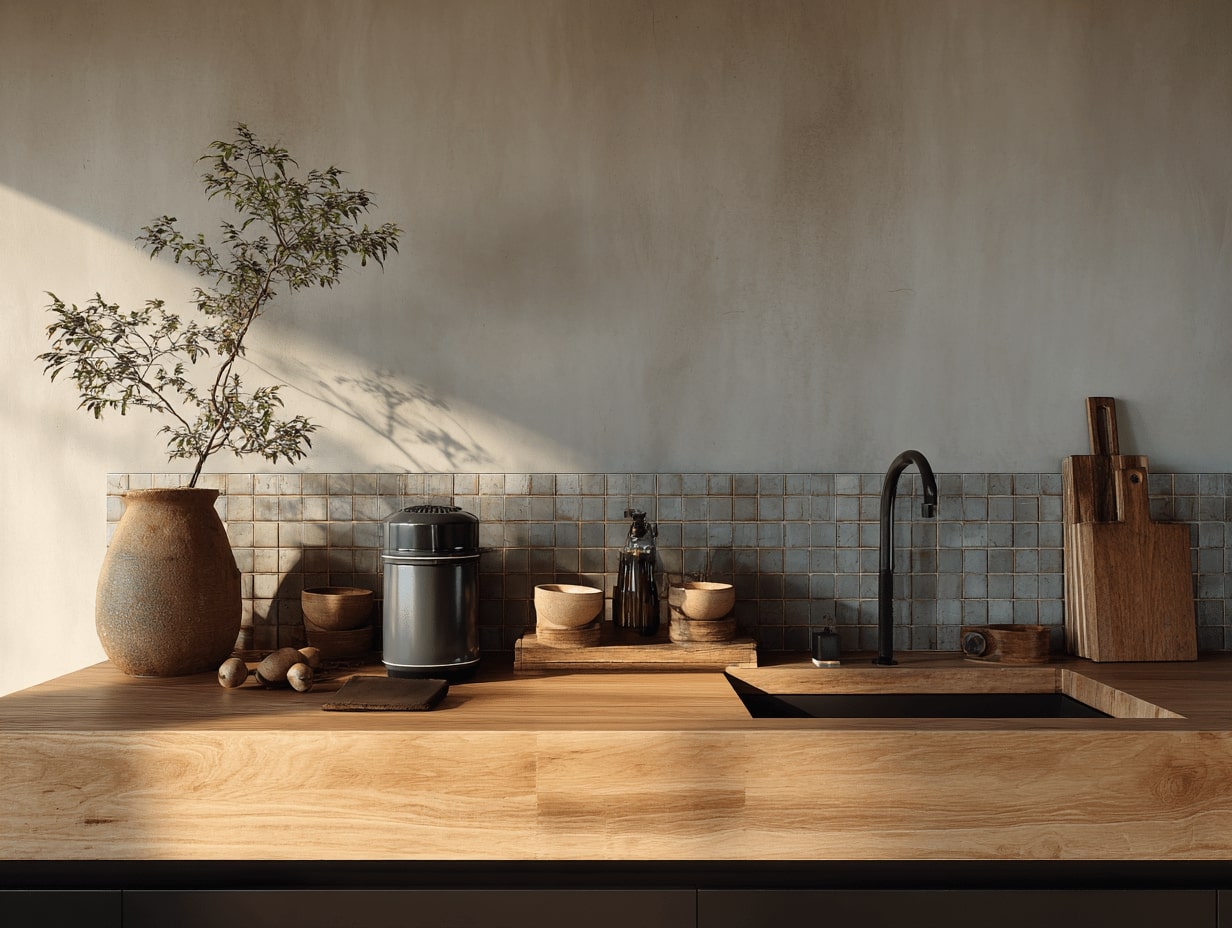
If it looks like oak, it’s oak. If it feels like wool, it’s wool. We choose materials that age well and show their story: knots in wood, linen’s slub, ceramic glazes with slight variation. Good joinery, sturdy seams, and repairable components matter more than trend-driven detailing.
Cohesion Through Repetition And Rhythm
Repeating finishes and shapes ties spaces together. We echo a black metal accent from a floor lamp in cabinet pulls, or carry a pale wood tone from dining chairs to frames. Rhythm, recurring lines, consistent heights, measured spacing, keeps rooms calm even when life gets busy.
Palette, Materials, And Texture That Work
Soft Neutrals With Nature-Inspired Accents
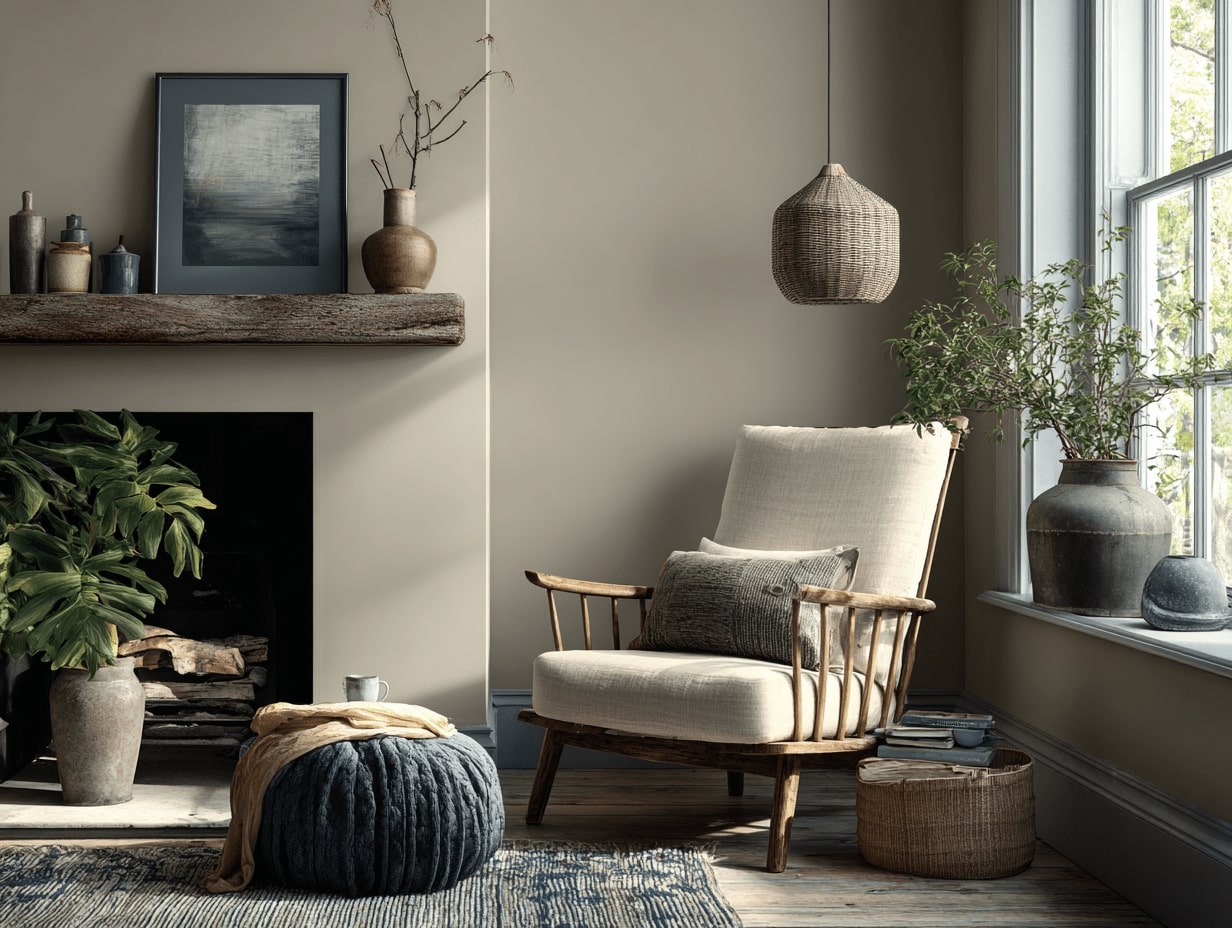
We lean on whites, warm grays, and putty beiges, then layer in forest greens, inky blues, or muted clay tones. The palette stays quiet so light bounces and objects breathe. Accents arrive in art, cushions, or a single statement chair, not in loud walls.
Light Woods, Matte Finishes, And Natural Fibers
Ash, birch, and oak keep spaces bright. Matte finishes reduce glare and feel more tactile. We mix in linen, wool, jute, and cotton for breathability and subtle depth. A small dose of black or charcoal adds crisp contrast and keeps the sweetness in check.
Layered Textiles For Warmth And Tactility
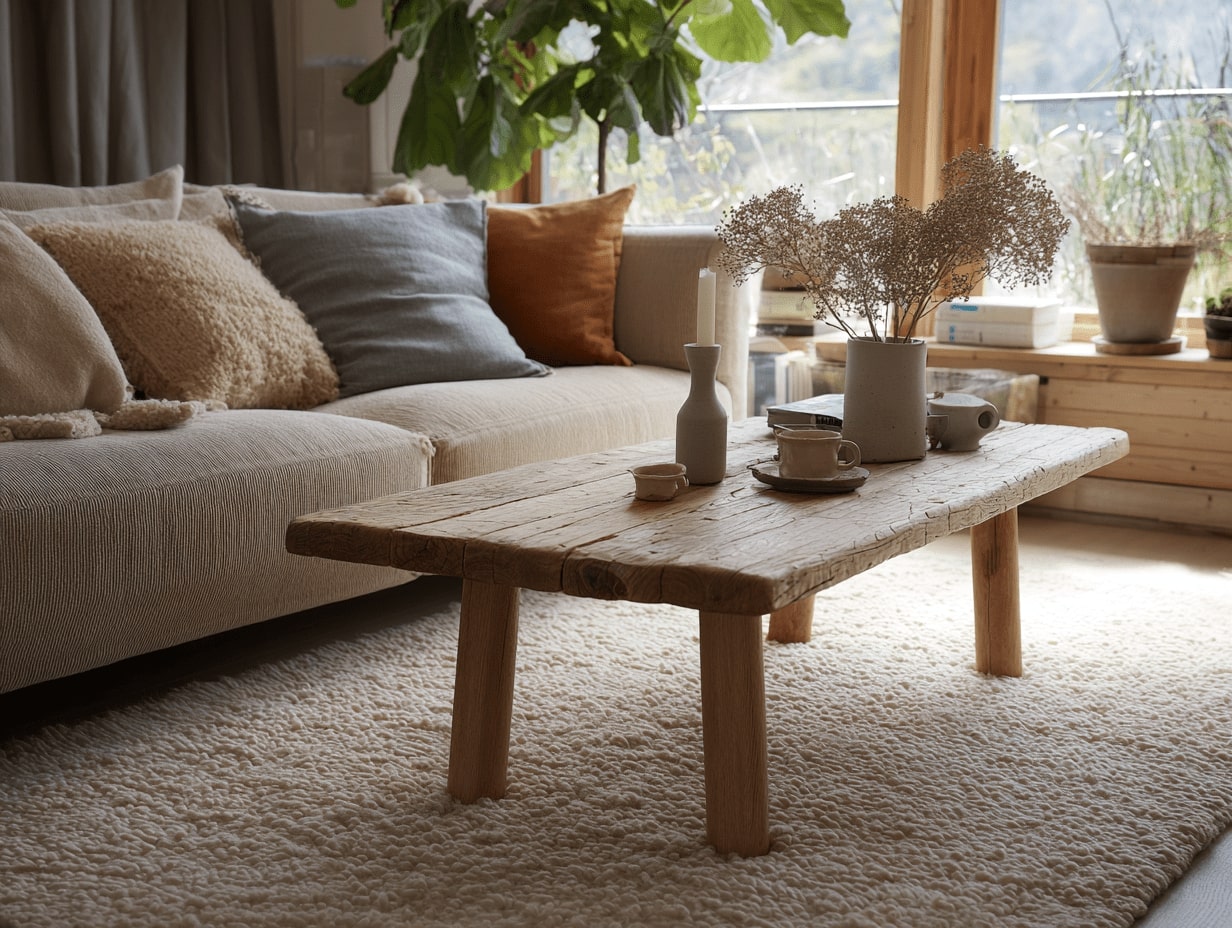
A handwoven rug underfoot, a nubby throw on the sofa, linen shades on lights, these micro-layers create softness without clutter. We balance textures: smooth leather with wool, flat-weave rugs with plush cushions, cool ceramics with warm wood.
Layout, Lighting, And Storage
Open Flow And Purposeful Negative Space
We arrange for easy movement and sightlines. Sofas sit low to preserve window light: pathways stay clear: furniture pulls off walls to breathe. Empty space is intentional, it makes the few pieces we keep feel important and the room feel calmer.

Layered Lighting For Short Days And Long Nights
One ceiling light won’t cut it. We combine indirect ceiling or track lighting, task lamps for reading and prep, and warm accent lights, candles included, to shift mood from day to evening. Bulb temperatures around 2700-3000K keep things cozy without going orange.
Built-In, Flexible, And Hidden Storage Solutions
We hide visual noise with wall-hung cabinets, bench storage, and closets that go to the ceiling. Modular shelves adapt as life changes. Hooks, trays, and lidded baskets make daily tidying quick, because clutter is visual stress.
Room-By-Room Ideas
Living Room: Low Profiles, Textures, And Gathering Zones
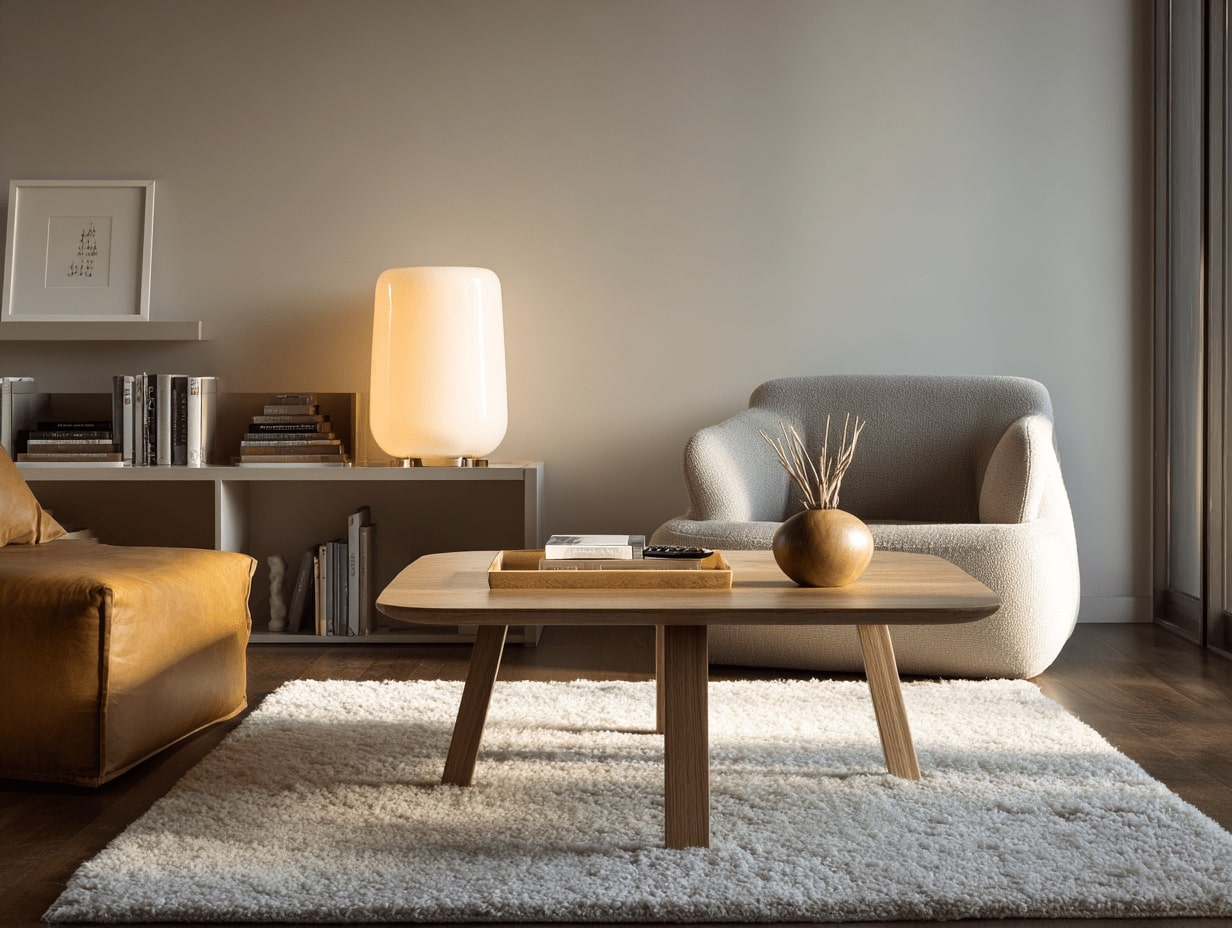
Choose a low sofa and slim-legged tables to maximize light and flow. Create two or three small conversation zones rather than one big cluster. Add a wool rug, a reading lamp at shoulder height, and a tray for remotes so surfaces stay clean.
Kitchen And Dining: Clean Lines, Durable Surfaces, Social Focus
Flat-front cabinets, integrated pulls, and durable counters (solid wood, composite stone) keep maintenance down. We center the table, round if space is tight, and use dimmable pendants at 28-34 inches above it. Open shelves hold everyday pieces, not knickknacks.
Bedroom: Soft Palettes, Blackout, And Breathable Bedding
Keep colors hushed. We use blackout liners for deep sleep and linen or percale sheets for airflow. Bedside sconces free up tiny tables. A closed dresser and a single chair (not a clothes pile magnet) keep things serene.
Entry And Small Spaces: Light, Hooks, And Vertical Storage
A mirror and a bright bulb lift dark entries. We add sturdy hooks, a slim shoe rack, and a bench with a bin beneath. In tight spots, go vertical: high shelves, tall cabinets, and pocket doors where possible.
Sustainable And Budget-Friendly Ways To Get The Look
Buy Less, Buy Better, And Secondhand
We’d rather have one solid oak table than three flimsy ones. Secondhand Scandinavian and mid-century pieces offer great bones: a light sand and oil can revive them. Prioritize items we touch daily: the sofa, dining chairs, lighting.
Care, Repair, And Longevity Over Trends
Oil wood, rotate cushions, mend textiles, and re-wax leather. Swap pillow covers seasonally instead of buying new furniture. Trends are fun, but maintenance is what keeps a room feeling fresh years later.
Smart Upgrades And Common Pitfalls To Avoid
Upgrade bulbs, hardware, and window treatments before tackling big renovations. Avoid over-patterning, shiny finishes that glare, and too many small decor items. If a piece doesn’t serve daily life, we question why it’s there.
Conclusion
Understanding the Scandinavian perspective & home decor helps us design with empathy: for our routines, our seasons, and our budgets. When we choose honest materials, keep a calm palette, and plan lighting and storage with intention, our homes pay us back with ease. Less noise, more living, that’s the point.







The Role of Shades and Blinds in Clean Architectural Interiors
Shades and blinds are essential in clean architectural interiors as they influence...
 Muhammad Abdullatef - Tifa Studio4 Mins read

The Power of Wall Art in Interior Design and Personal Expression
Wall art significantly influences the emotional tone and aesthetic of interior spaces,...
Sinan Ozen7 Mins read

How Can Abstract Art Transform Your Home: Design Guide
Abstract art can transform your home into a dynamic, engaging space. Learn...
 Bahattin Duran9 Mins read

New Year, New Space: How DIY Interiors Reflect Contemporary Architectural Culture
The new year invites a renewed relationship with domestic space, where small,...
Sinan Ozen4 Mins read


Leave a comment