

How to Turn Off Water in Your Home in San Jose: House Valve vs. Water Supplier Shutoff
 illustrarch Editoral Team12 December 20255 Mins read84
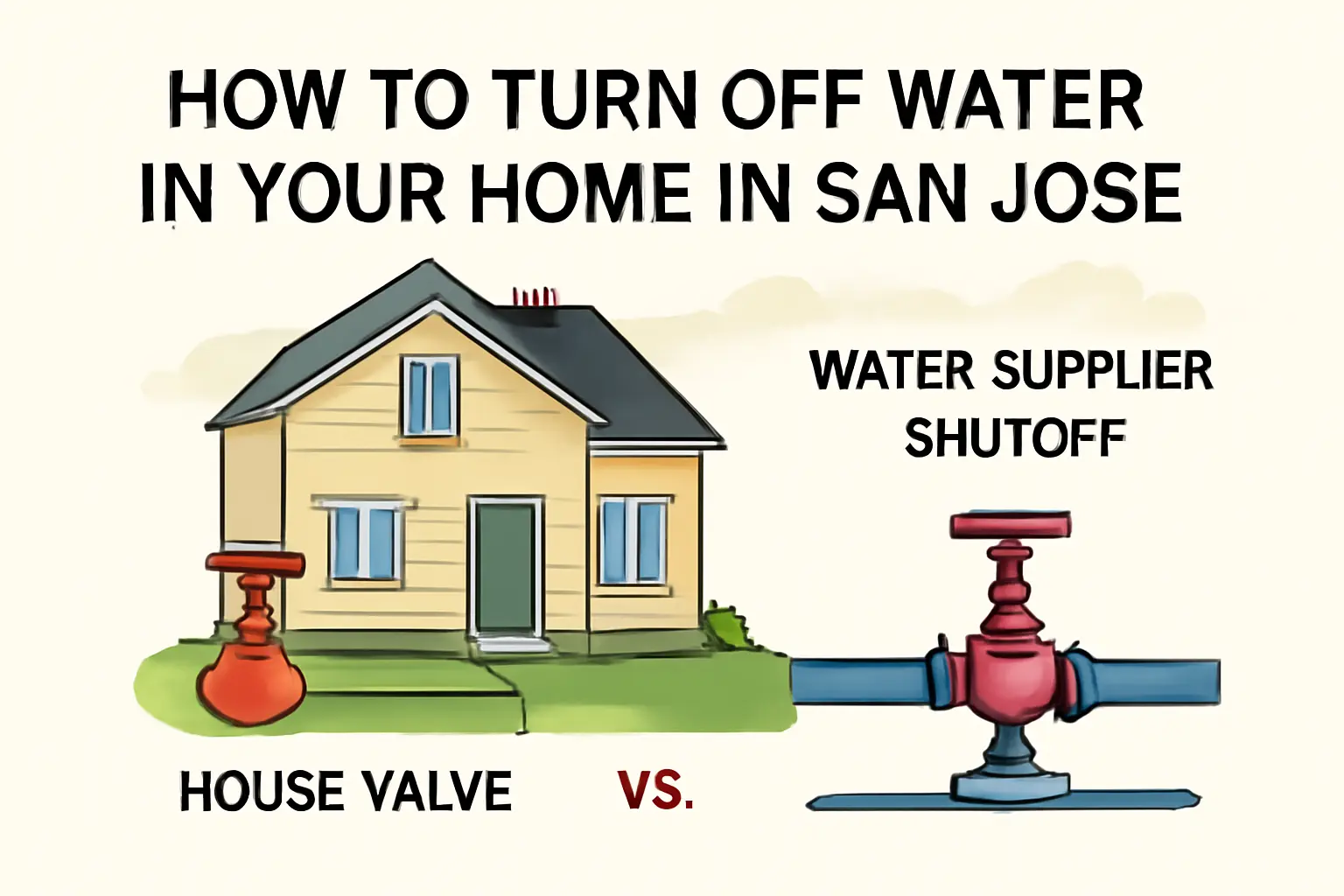
Table of Contents Show
How to Turn Off Water in Your Home in San Jose: House Valve vs. Water Supplier Shutoff
When a water leak happens in your home, the first thing you need to do is stop the flow of water. In San Jose, you have two main options for shutting off the water: using the house valve or contacting your water supplier. Knowing how and where to access these shutoff points can minimize the damage and give you more control until professional help arrives.
Understanding Your Water Shutoff Options in San Jose
Whether you’re dealing with a burst pipe, a leaking appliance, or an unexpected flood, understanding how to stop the water is key to minimizing the damage. Here’s a breakdown of the two main ways to cut off the water flow in your home:
1. The House Valve: Your First Line of Defense
Most homes in San Jose have a shutoff valve located inside the house, typically near where the water supply enters. This is the valve you should use in most cases, as it cuts off water from the main supply line before it reaches your pipes and appliances. The house valve is typically installed in the basement or a utility room and can be turned off manually, providing a quick way to stop the flow.
2. The Water Supplier Shutoff Valve
If you’re unable to locate the house valve or if it’s not working, the second option is to contact your water supplier. San Jose’s water utility, San Jose Water, can remotely shut off the water at the supply point. This should be your last resort, as it can take time for the utility to respond. The water supplier shutoff valve is typically located near the street or the main water entry point for the entire neighborhood. While this option is effective, it’s generally slower and used for more serious situations, such as when the house valve is inaccessible or malfunctioning.
Where to Find the Shutoff Valve in Your Home
Knowing where the shutoff valve is located can save you precious time when facing an emergency. Here’s where to check:
1. Inside the Home: Common Locations
The house valve is often located in easily accessible areas, such as:
- Basements
- Basements
- Crawlspaces
- Utility rooms
- Under the kitchen sink
If you don’t know where your shutoff valve is, check around the area where your water main enters your home. It’s usually near the floor, possibly near the water meter or main pipe. In some newer homes, it might even be in the garage or a closet that is close to the main water entry point.
2. At the Water Meter: Outside the House
If the inside valve isn’t working, you might have a valve near your water meter outside the house. This is common in older homes. Check the area around your meter or contact your water supplier for more guidance on accessing it. In some cases, you may need special tools to access the shutoff valve outside. If you can’t access it or if you’re unsure how to operate it, contacting a professional plumber or the water supplier is the safest option.
How to Check If You’ve Successfully Turned Off the Water
Once you’ve located and turned off the shutoff valve, it’s important to verify that water flow has been completely stopped. Here’s how you can check:
1. Test a Faucet
Turn on a faucet at a low point in your home, like in the basement or on the first floor, to check if water is still flowing. If no water comes out, you’ve successfully shut it off. If water is still running, it might mean the valve hasn’t been fully closed, or there might be a second valve you missed.
2. Check for Leaks
Look for any water still coming from the pipes or appliances that are connected to the water supply. If you find any leaks, there might still be water left in the system, and you need to turn off the valve again and verify. Sometimes, small leaks can persist even after turning off the main supply due to residual pressure in the pipes.
What to Do If You Can’t Find the Valve or It Doesn’t Work
If you can’t find the shutoff valve or it isn’t working, don’t panic. There are still options available:
1. Contact San Jose Water
In San Jose, if the house valve is inaccessible or malfunctioning, you can contact your water supplier. San Jose Water can remotely shut off the water supply. You’ll need to call them at their emergency number or submit a service request online. However, keep in mind that this option may take longer than turning off the house valve yourself. It’s best to have the contact number for emergency situations saved on your phone.
2. Seek Professional Help
If you’re unsure how to turn off the valve or it’s not working as expected, consider calling a plumber or a water damage restoration company right away. For immediate 24/7 help in San Jose, reach out here. A professional can quickly locate the valve, fix any issues, and ensure that the water is shut off properly while preventing further damage.
How to Minimize Damage Until Help Arrives
While waiting for a professional or the water supplier to respond, you can take a few steps to minimize damage:
1. Remove Water as Quickly as Possible
If you have standing water, use a wet/dry vacuum or mops to remove it as soon as possible. The quicker you can clear the water, the less damage will be done to your floors and furniture. Use towels or rags to absorb any remaining moisture. The faster the water is removed, the less likely you are to experience damage to the flooring or the structure of your home.
2. Protect Your Belongings
Move any valuable or irreplaceable items out of the affected area to prevent further damage. If possible, elevate furniture off the floor to avoid water damage to the legs and baseboards. Wooden furniture, electronics, and paper-based items should be prioritized for relocation. Don’t forget to move rugs, pillows, and curtains out of the water’s reach.
3. Dry the Area
Use fans and dehumidifiers to dry out the area as much as possible. This will help prevent mold growth, which can begin within 24-48 hours after a flood. Open windows and doors if it’s safe to do so. This will allow air to circulate through the affected space and speed up the drying process. If you don’t have a dehumidifier, it’s a good idea to rent one as soon as possible to help remove moisture from the air.
Conclusion: Be Prepared for Water Emergencies in San Jose
Dealing with water damage can be stressful, but knowing where to find the shutoff valve and how to use it effectively can help minimize damage to your home. In San Jose, you have access to local utilities that can assist you in shutting off the water if you’re unable to do so yourself. Remember to act quickly and stay calm — reducing the water flow as soon as possible can save you time and money.







Rammed Earth vs Adobe Construction: Ancient Techniques Compared
Rammed earth and adobe are the two oldest earthen construction techniques still...
 Furkan Sen11 Mins read

Choosing Tiles for Wet Areas: What Architects Must Consider
Table of Contents Show What Defines a Wet Area in Architectural Practice?How...
 Sinan Ozen6 Mins read

How Underground Conditions Influence Architectural Decisions
Table of Contents Show How Do Subsurface Conditions Shape Early Design Decisions?What...
illustrarch Editoral Team7 Mins read

How Independent Fashion Designers Are Using Veo 4 to Produce Runway-Quality Lookbook Videos
Fashion has always been about the image, and the image has always...
illustrarch Editoral Team6 Mins read


Leave a comment