

How Facades Tell Cultural Stories
How facades tell cultural stories: decode symbols, materials, and climate cues with regional case studies and on-walk questions for smarter city reading.
 Sinan Ozen12 December 20254 Mins read255

Table of Contents Show
We learn a city’s history fastest by looking up. How facades tell cultural stories isn’t abstract theory, it’s right there in brick, wood, glass, color, and shadow. When we read a street’s frontispieces closely, we see who held power, what people believed, how they worked, and how they adapted to sun, rain, and trade. In this guide, we decode the cues so we can walk any block, old or new, and understand the culture writing itself on the walls.
The Facade As A Cultural Text
Symbols, Rituals, And Social Signals
We can treat the facade like a public script. Door height, threshold steps, and window rhythm tell us who’s invited in and how. Lantern niches, house marks, and protective motifs reveal everyday rituals, where elders greeted neighbors, where offerings sat, where the day began. Even shop signs and balcony plants broadcast identity: they’re signals about profession, status, and pride.
Power, Faith, And Commerce At The Street Edge
Kings and merchants have long negotiated at the facade. Portals grow monumental when authority wants to impress. Steeples and minarets pull eyes upward, anchoring collective belief. Markets push outward with awnings and arcades, showing how trade shapes the street. Read cornices, columns, and security grilles together and we see the balance between openness and control, generosity and guarding.
Materials, Craft, And Climate As Identity
Local Resources And Techniques Shaping Aesthetic
We build with what we have, and that choice becomes style. Fired clay towns love brick patterns: forest regions show joinery and timber frames: volcanic zones wear basalt. Stone size, mortar color, and tool marks aren’t cosmetic, they index geology, trade routes, and the craftspeople’s hands.
Climate-Responsive Elements And Daily Life
Climate writes constraints that culture turns into beauty. Deep eaves, lattices, shutters, verandas, and brise-soleil cool interiors while inviting social life to the edge. In rainy cities, gutters become ornament: in hot, dusty places, screened openings choreograph airflow and privacy. When we see laundry lines, herb boxes, and stools tucked beneath shade, we’re glimpsing a daily choreography the facade enables.
Labor, Skill, And Community Memory
Craft traditions live in facade details. Brick bonds, lime plaster finishes, carved lintels, each is a memory device, passed from mentor to apprentice. When a neighborhood preserves a stucco recipe or a mosaic technique, it keeps a shared story intact. And when shortcuts replace skill, the street forgets a little of who it is.
Motifs, Color, And Symbolic Languages
Ornament, Script, And Iconography
Ornament speaks in local alphabets. Calligraphy friezes, saints in niches, guardian beasts over gates, these aren’t mere decoration. They teach histories and values to anyone passing by. We can trace migrations by the scripts and emblems that travel and blend at the facade.
Pattern Logics: Geometry, Nature, And Myth
Patterns carry logic. Some cultures privilege precise geometry, grids, stars, interlace, while others echo vines, waves, and animal forms. Mythic creatures may perch on cornices, while repetitive tiles encode infinite continuity. Once we spot the rule, we can read the message.
Color Palettes And Regional Meaning
Color is a fast story. Limewash whites signal light and heat: ultramarine once meant wealth: ochres tie buildings to earth. In coastal zones, bright palettes can help wayfinding and lift mood: elsewhere, color maps to festivals or guilds. Fading and repainting over decades become a time-lapse of taste and prosperity.
Case Studies Across Regions
Mashrabiya And Privacy In Islamic Architecture
Projecting wooden screens, mashrabiya, let households see the street without being seen, cooling air through evaporative flow while protecting modesty. They’re climate tech, social instrument, and crafted art in one.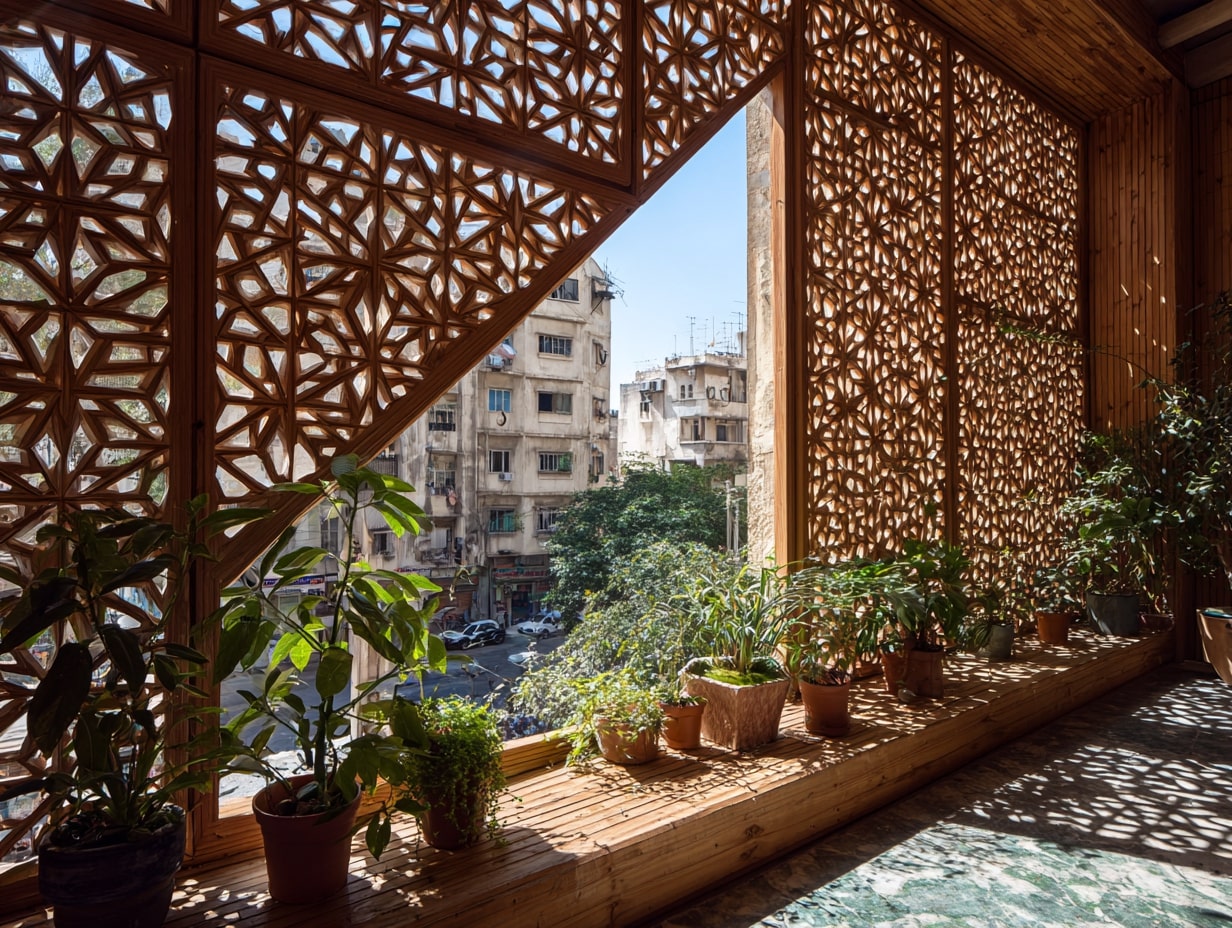
Southeast Asian Shophouses And Street Culture
Shophouses blend work and home, stacking commerce below with family life above. Five-foot ways knit blocks into shaded sidewalks, turning the facade into a social corridor of stools, snacks, and gossip. Tiles and shutters broadcast lineage and trade.
Latin American Art Deco And Modernity Narratives
Between the wars, Latin American cities adopted Art Deco to announce progress. Zigzags, sunbursts, and stepped forms wrapped cinemas and apartment blocks, linking local motifs with global optimism. The facades promised modern life while keeping regional cadence.
Indigenous Revivals In Contemporary Facades
From woven metal screens inspired by baskets to rammed-earth walls echoing ancestral soils, architects are honoring Indigenous knowledge. These projects aren’t nostalgic: they use local stewardship, material cycles, shading strategies, communal symbols, to shape contemporary identity.
Globalization, Identity, And Authenticity
The Glass Box And The Generic City
Global capital loves a clean glass curtain wall. It’s fast, scalable, and brand-neutral. But when every corner looks like an airport, we lose the legible story of place. The risk isn’t modernity, it’s monotony.
Hybrid Facades And Cultural Remix
We’re also seeing smart hybrids: timber sun-screens on high-rises, ceramic breeze blocks in offices, localized shading tuned by software. When remixing follows climate logic and community input, it reads as evolution, not costume.
Tourism, Branding, And The Risk Of Pastiche
Cities sometimes dress up for visitors. Faux-historic trims and themed signage can flatten living culture into a backdrop. We can ask: was this detail born of use and climate, or of marketing? Authenticity shows in function as much as in look.
How To Read Facades On Your Next Walk
Questions To Ask And Clues To Notice
- What materials are present, and why here?
- How do openings manage light, heat, and privacy?
- Which symbols repeat, and who do they serve?
- Where is the public invited, or excluded?
Photographing, Sketching, And Comparing Details
We slow down by sketching joints, shadow lines, and patterns. Photos from morning and late afternoon reveal how sun activates the facade. Side-by-side comparisons on one block expose eras, codes, and social change.
Respectful Observation And Cultural Context
We’re reading people’s homes and livelihoods. Let’s be polite, ask permission when needed, and avoid intrusive shots. A quick check of local history, migrations, industries, faiths, helps us interpret without projecting.
Conclusion
Facades aren’t just pretty faces: they’re cultural documents under daylight. When we learn how facades tell cultural stories, we see not only style but systems: climate wisdom, labor, belief, and exchange. If we read them with curiosity and care, our walks become archives, each block a chapter, and our cities start speaking in full sentences again.




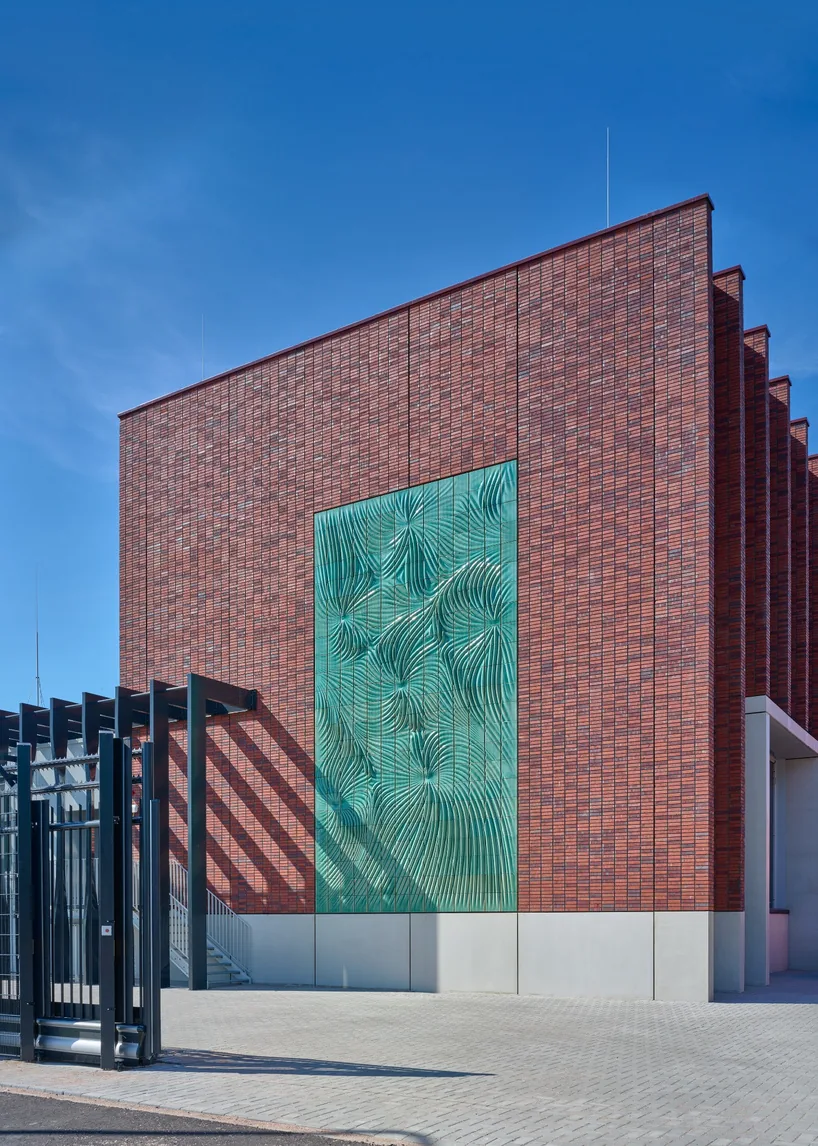
Studio RAP Clads Beverwijk Substation with 3D Printed Ceramic Facade
Studio RAP and Powerhouse Company clad a Dutch 150 kV switchstation with...
 illustrarch Editoral Team2 Mins read

Facade Design: 10 Ways to Design an Impressive Building Facade
Building facade design is a critical aspect of architecture that goes beyond...
 Elif Ayse Sen9 Mins read

Step-by-Step Process for Crafting Dynamic Facade Designs
This practical guide breaks down the full process of crafting dynamic facade...
Elif Ayse Sen16 Mins read

Top 10 Examples of Dynamic Facade Designs Around the World
Dynamic facades are transforming contemporary architecture with systems that move, react, and...
Elif Ayse Sen8 Mins read


Leave a comment