

Understanding Site Safety Footwear in Architectural Practice
Site safety footwear is essential for architects on construction sites, providing protection and support while navigating hazardous environments and ensuring mobility.
 Bahattin Duran24 December 20255 Mins read178
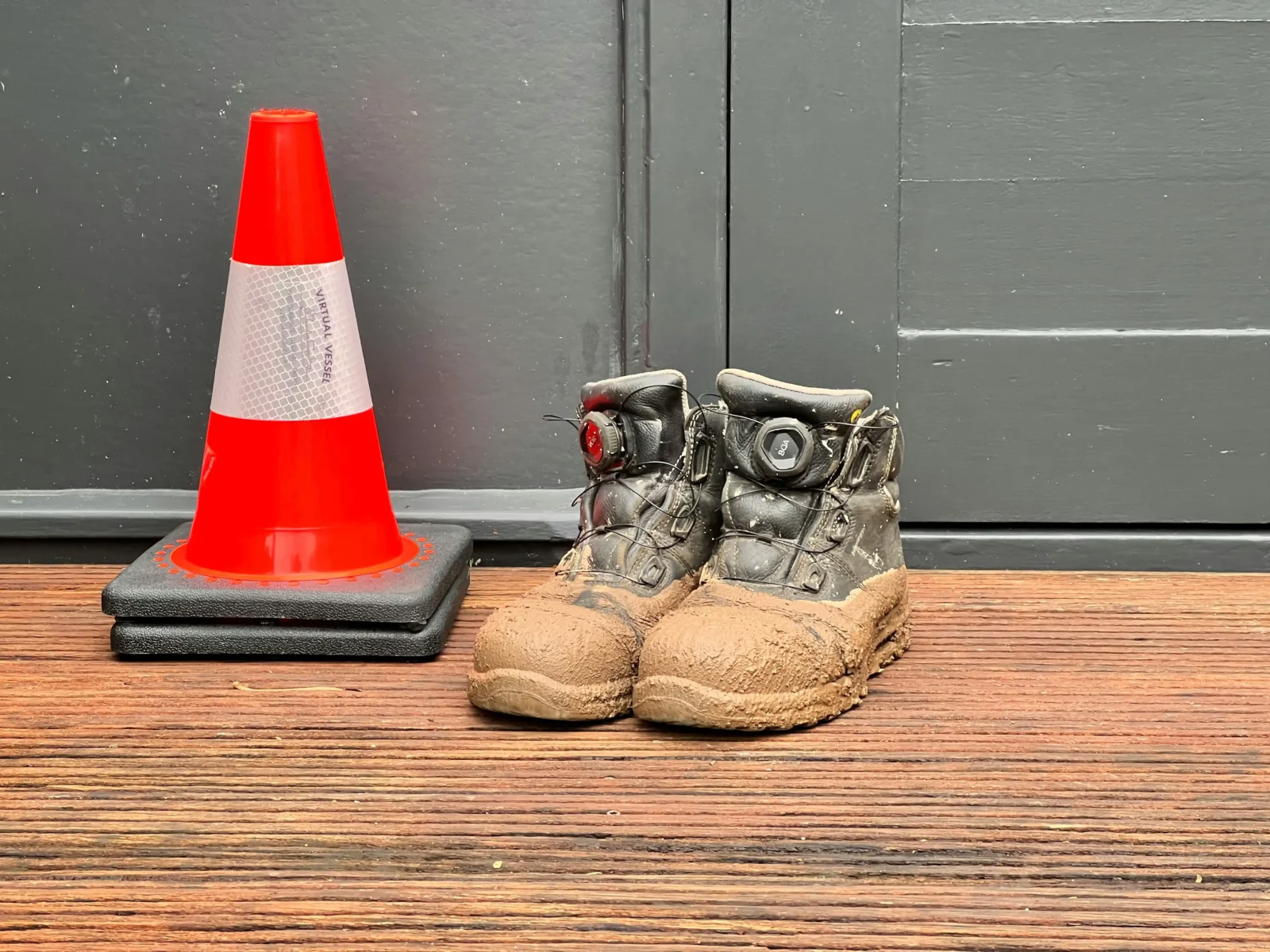
Table of Contents Show
Architecture is often discussed through drawings, models, and finished buildings, yet a large portion of the profession unfolds far from the studio.
Construction sites shape decisions, confirm assumptions, and sometimes dismantle them entirely. On those sites, footwear becomes more than a dress code detail. It is a daily interface between the architect’s body and an environment filled with weight, movement, and unpredictability.
Understanding site safety footwear is therefore not a matter of compliance alone; it reflects how architects engage with the physical reality of building.
The Site as a Working Environment
Here’s what a construction site represents for an architect. It is not a controlled space, and it never stands still:
A site visit may involve stepping over rebar, walking across uneven excavation edges, climbing temporary stairs, or standing for long periods on compacted gravel. Footwear absorbs much of that experience. It influences balance, endurance, and the confidence to move closer to the work rather than observe it from a distance.
Why Architects Are Exposed to Risk
Architects are not performing the same tasks as tradespeople, yet exposure to hazards remains real. Falling debris, protruding nails, wet concrete, and improvised walkways do not distinguish between roles. An architect leaning in to inspect a connection detail stands under the same conditions as everyone else on site.
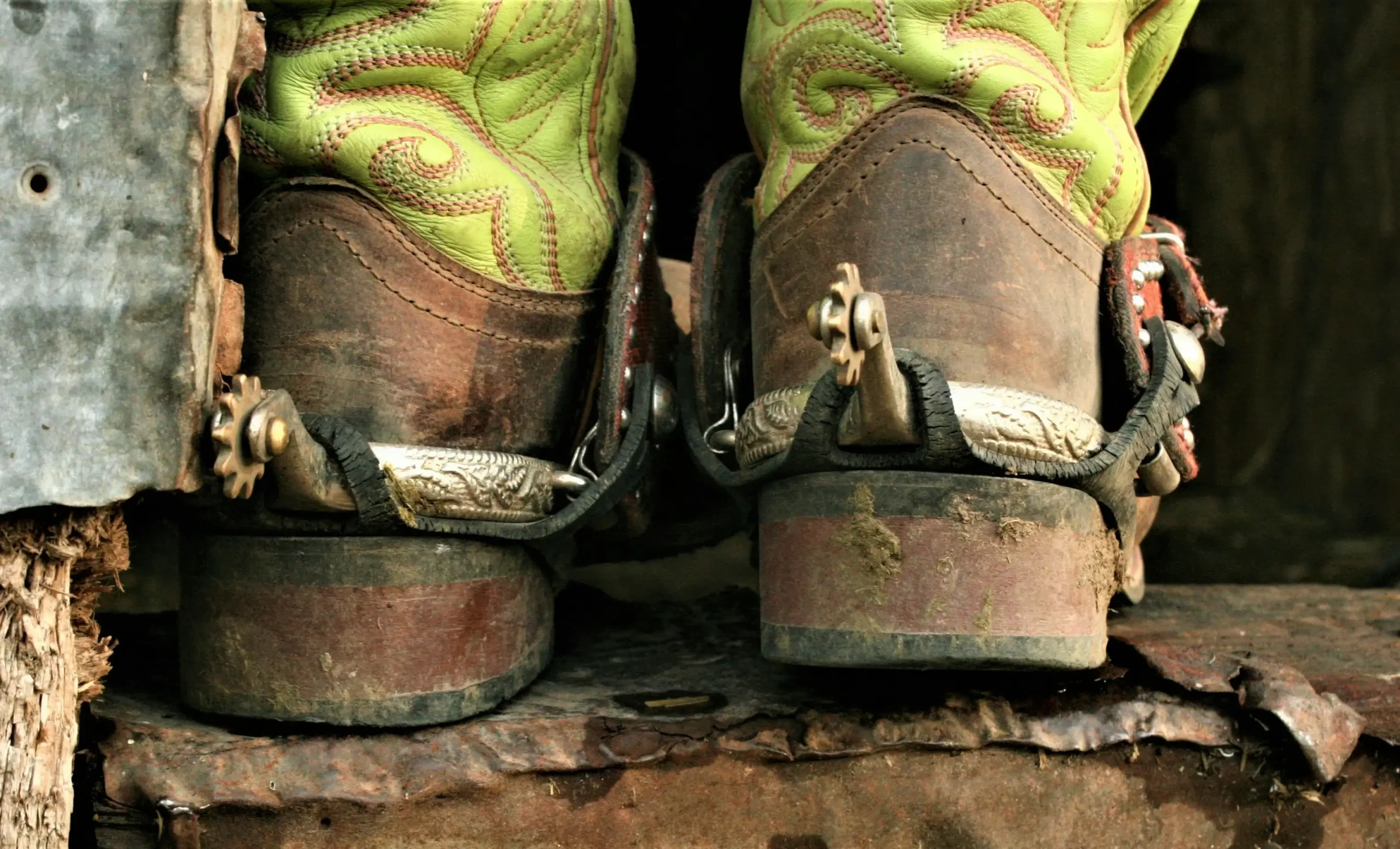
In practice, many incidents occur during short visits. Familiarity with the site can create a false sense of ease, and unsuitable footwear magnifies small mistakes. A slip on loose aggregate or a misstep on uneven formwork can end a day’s work abruptly.
The Gap Between Office Culture and Site Reality
Office culture often favors clean lines, minimalism, and visual coherence. Site culture prioritizes protection and durability. Safety footwear sits at the intersection of these worlds. Architects sometimes resist heavy boots, associating them with reduced mobility or an aesthetic mismatch.
This tension explains why understanding footwear options matters. The right choice does not force a trade-off between professionalism and protection.
Types of Safety Footwear Commonly Used on Sites
Safety footwear is not a single category. It covers a spectrum of designs, each responding to different site conditions and working patterns, including a range of safety shoes suited to varying levels of formality and exposure. Knowing this range allows architects to select footwear that aligns with how they actually move and work.
Safety shoes appear early in this spectrum. They resemble standard shoes but incorporate protective elements such as reinforced toe caps and slip-resistant soles. For architects who move between office meetings and site visits in the same day, safety shoes often feel like a practical compromise.
They fit under trousers easily and do not dominate the silhouette, yet they still provide meaningful protection.
Safety trainers push comfort further. Designed with lighter materials and athletic construction, they support long walks across large sites or urban developments spread over multiple blocks. Breathability and reduced weight matter here, especially during warmer months or extended inspections.
Safety boots remain the most robust option. High-ankle designs stabilize the foot on uneven terrain and protect against lateral twists. On infrastructure projects, early-stage construction, or sites with significant mud and debris, boots offer reassurance that lighter footwear cannot match.
Some architects initially find them restrictive, yet many adapt quickly and begin to appreciate the sense of security they provide.
Materials and Construction Choices
The materials used in safety footwear shape how it performs throughout the day. Leather uppers remain common due to their durability and resistance to abrasion. Modern treatments improve water resistance without making the shoe stiff or heavy.
Composite toe caps deserve attention. Unlike steel, they do not conduct cold and add less weight. For architects who spend time both indoors and outdoors, this difference becomes noticeable. Soles vary widely as well. Polyurethane offers cushioning for standing and walking, while rubber soles provide better heat resistance and grip on smooth concrete or metal surfaces.
Matching Footwear to Site Conditions
No single shoe fits every project. Urban renovation sites differ greatly from open civil works. A refurbishment inside an existing building may involve sharp edges, dust, and temporary floor coverings. Here, low-profile safety shoes with puncture-resistant soles can be ideal.
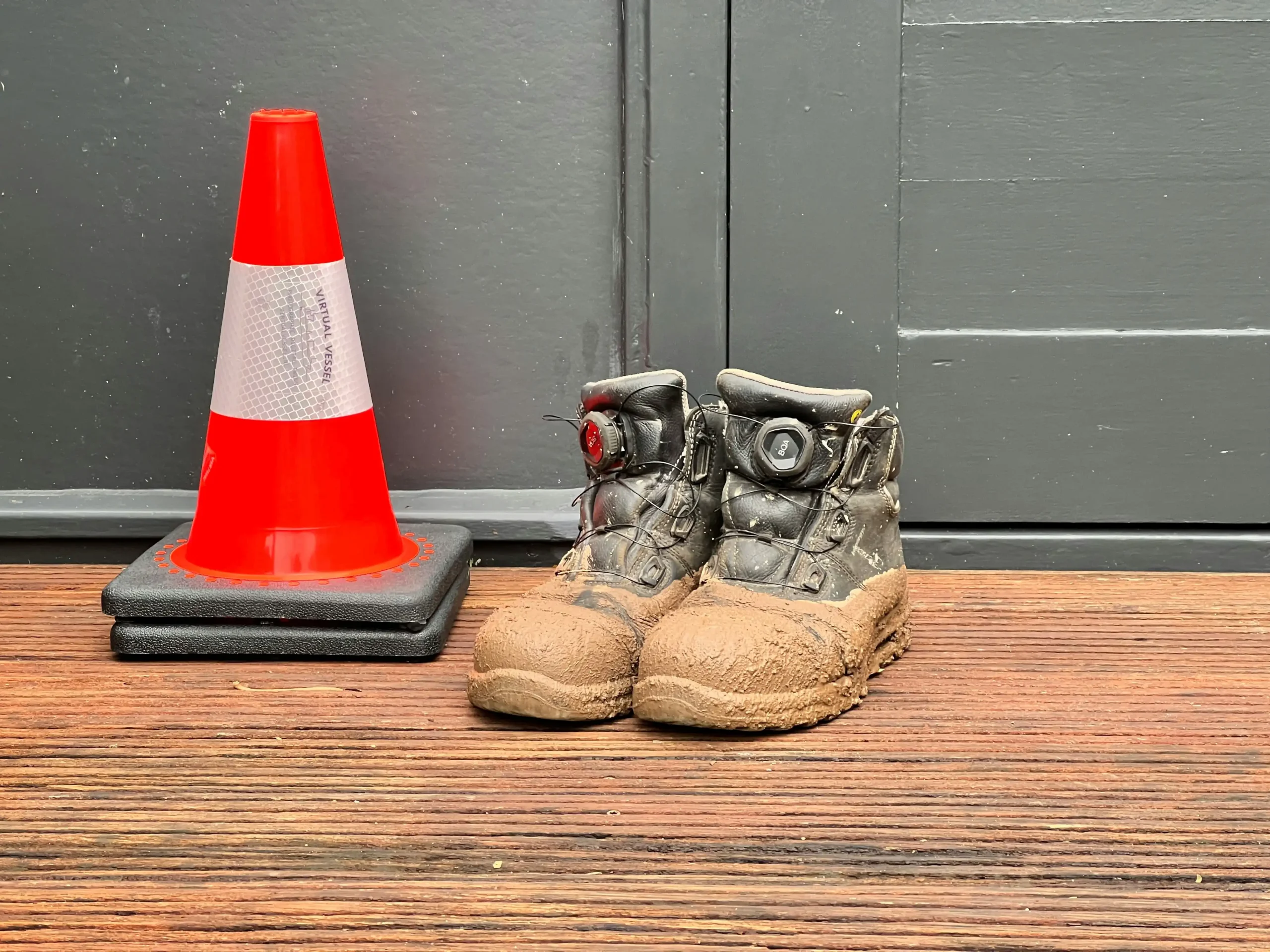
In contrast, greenfield developments or infrastructure projects expose feet to mud, water, and uneven ground. Higher-cut boots with aggressive tread patterns handle these conditions better. Understanding the nature of the site allows architects to choose footwear that supports rather than hinders their work.
Standards, Regulations, and Professional Responsibility
Safety footwear operates within a framework of standards, yet these rules should be seen as a baseline rather than a limitation. For architects, understanding standards connects personal safety with professional accountability.
Standards classify safety footwear based on protective features such as toe protection, water resistance, and anti-static properties. These classifications exist to create clarity on what a shoe can handle.
Wearing compliant footwear demonstrates respect for site rules and sets an example for consultants and clients.
Reading Beyond the Label
A standard mark alone does not guarantee suitability. Two shoes may share the same classification yet feel entirely different on foot. Architects benefit from paying attention to fit, flexibility, and sole response. A poorly fitting compliant shoe still increases fatigue and distraction.
Comfort becomes a safety factor in itself. When feet hurt, attention drifts. On a site, distraction leads to mistakes. Selecting footwear that supports long periods of walking and standing helps maintain focus during inspections and discussions.
Setting the Tone on Site
Architects often underestimate their symbolic role on site. Arriving in appropriate safety footwear communicates seriousness and respect for the working environment. It avoids the impression of an outsider dropping in briefly without engaging fully.
This behavior also influences younger team members and students. Seeing senior architects take site safety seriously normalizes good habits and integrates safety into professional identity rather than treating it as an obligation imposed by others.
Integrating Safety Footwear into Daily Practice
The challenge is not only choosing the right footwear but integrating it into daily routines without friction. Architects rarely spend entire days on site, and this irregularity shapes purchasing decisions.
Many professionals keep a dedicated pair of safety shoes or boots in the car or office. This approach avoids compromises and ensures readiness for unplanned visits. Others prefer versatile footwear that transitions smoothly between environments. Both strategies can work if chosen consciously.
Maintenance and Longevity
Safety footwear endures harsh conditions, and neglect shortens its life. Drying shoes properly after wet visits prevents material breakdown and odor. Inspecting soles and toe caps regularly ensures protective features remain intact.
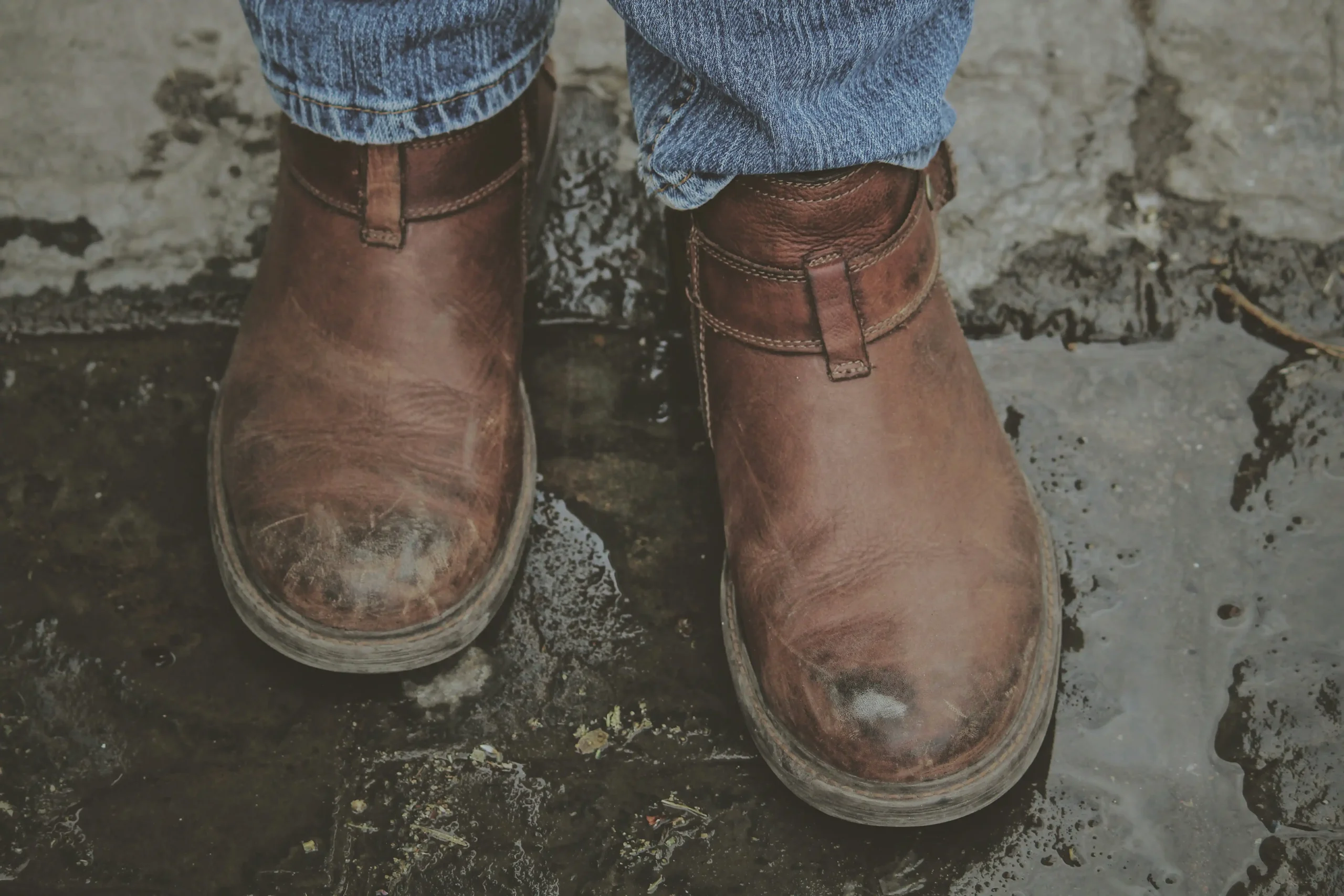
Replacing footwear at the right time matters. Worn tread reduces grip, and compressed cushioning increases fatigue. Treating safety footwear as a professional tool rather than an accessory encourages timely replacement and better performance.
Comfort, Identity, and Design Culture
Design culture values expression, yet safety footwear can align with this mindset more than many assume. Contemporary designs incorporate clean lines and restrained color palettes without sacrificing protection. Architects who explore these options often discover footwear that feels consistent with their identity.
More importantly, comfort supports better engagement with the site. When footwear fades into the background, attention shifts to details, conversations, and observations that inform better design decisions. The shoe does its job quietly, allowing the architect to do theirs.
A Quiet but Lasting Influence on Architectural Work
Safety footwear rarely appears in architectural narratives, yet its influence is subtle and persistent. It shapes how confidently architects move through sites, how long they can stay engaged, and how closely they observe construction realities.
By recognizing the role of materials and standards, and integrating footwear thoughtfully into daily practice, architects strengthen their connection to the built process. This connection feeds back into design, grounding ideas in experience rather than abstraction.
In the end, site safety footwear is not about checking a box. It is about respecting the physical dimension of architecture. Buildings are constructed through weight, force, and material resistance. Standing on site in appropriate footwear is a small but meaningful acknowledgment of that truth, one step at a time.







Futuro House Production Revived in Finland After Decades-Long Hiatus
A Facebook listing for abandoned moulds led to the first new Futuro...
 illustrarch Editoral Team3 Mins read
Building Your Dream Home in NSW: What You Should Know About Montgomery Homes
Montgomery Homes has been building across Sydney, Newcastle, the Hunter, Wollongong and...
illustrarch Editoral Team4 Mins read

Designing a Home Theater: Where Drapery Fits Into the Plan
In a media room the curtains are a performance layer, not decoration....
illustrarch Editoral Team3 Mins read

Oscar Niemeyer’s Cathedral of Brasília: The Hyperboloid Concrete Hymn
The Cathedral of Brasília reads as a single gesture, yet it stood...
 Furkan Sen7 Mins read


Leave a comment