

Tips for Using Runners to Transform Hallways and Spaces
Runners can enhance hallways by providing sound absorption, safety, and aesthetic appeal through careful measurement, material selection, and pattern styling.
 Bahattin Duran31 December 20253 Mins read170
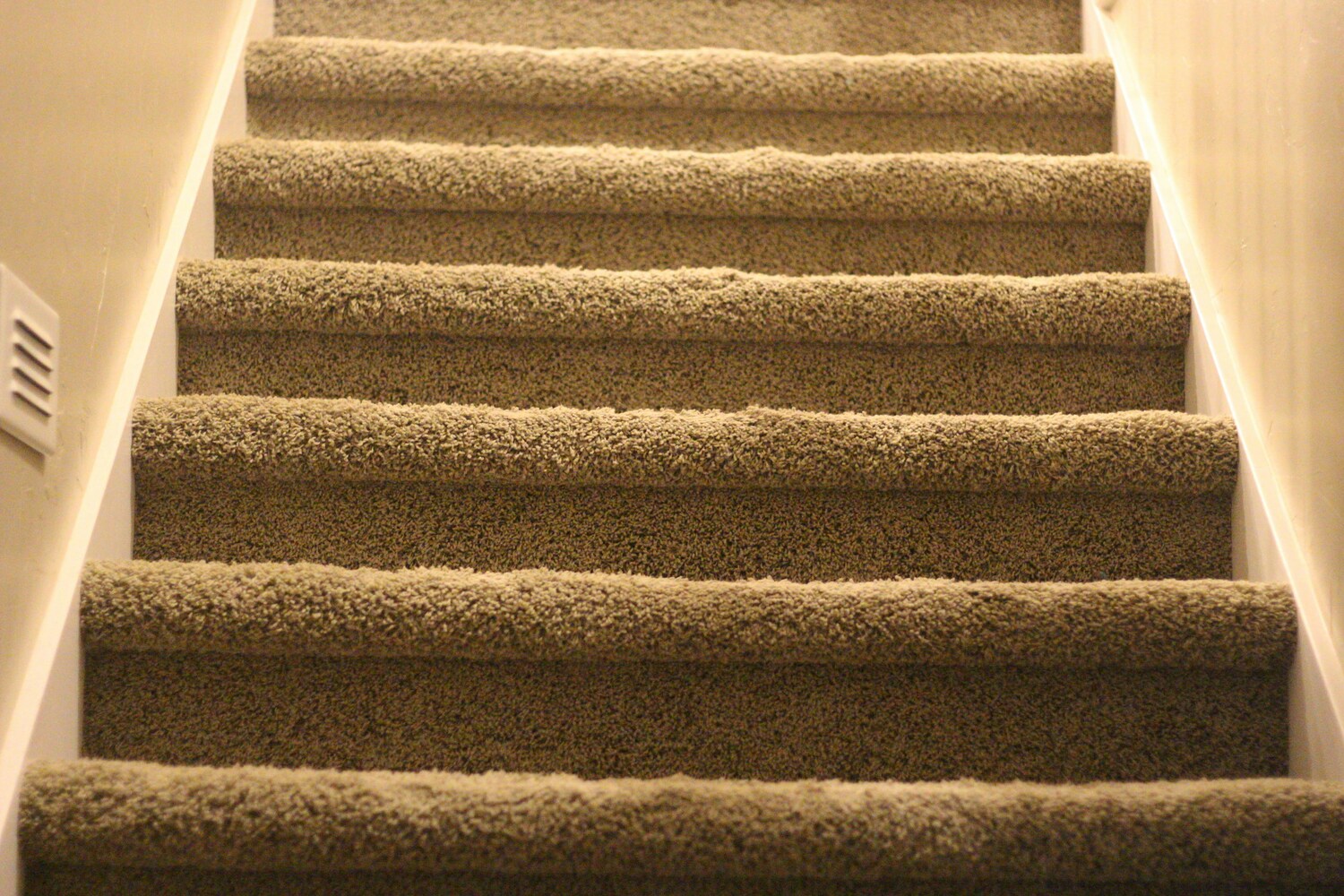
Table of Contents Show
Hallways work hard. They handle daily foot traffic, muddy shoes, and the first impression for guests. With the right runners, you can soften sound, add color, and protect floors without a full remodel. This guide shares practical tips on measuring, choosing materials, and styling patterns so your corridors look polished and feel safer underfoot.
Measure for a Tidy Fit
Before you shop, grab a tape measure. Measure the full length of the hallway, then subtract space for doors that swing open. A helpful rule from a rug size guide is to keep a slim border of visible floor on each side so the runner feels centered and safe, usually around the width of your hand. Length matters too, but avoid stretching a runner wall-to-wall. A little breathing room looks intentional.
Map Traffic and Safety
Think about how people actually move. If family members cut corners near a console or shoe bench, leave a few extra inches so the runner doesn’t bunch. Use a non-slip pad to keep everything flat on smooth wood or tile. Place the pad just shy of the runner edge so it stays hidden. This is also the ideal moment to pick a retailer with clear sizing and material options like DirectCarpet as a smart mid-search bookmark and note pile heights so doors glide over the surface. Test a corner first and trim any pad that peeks out.
Sound and Comfort Gains
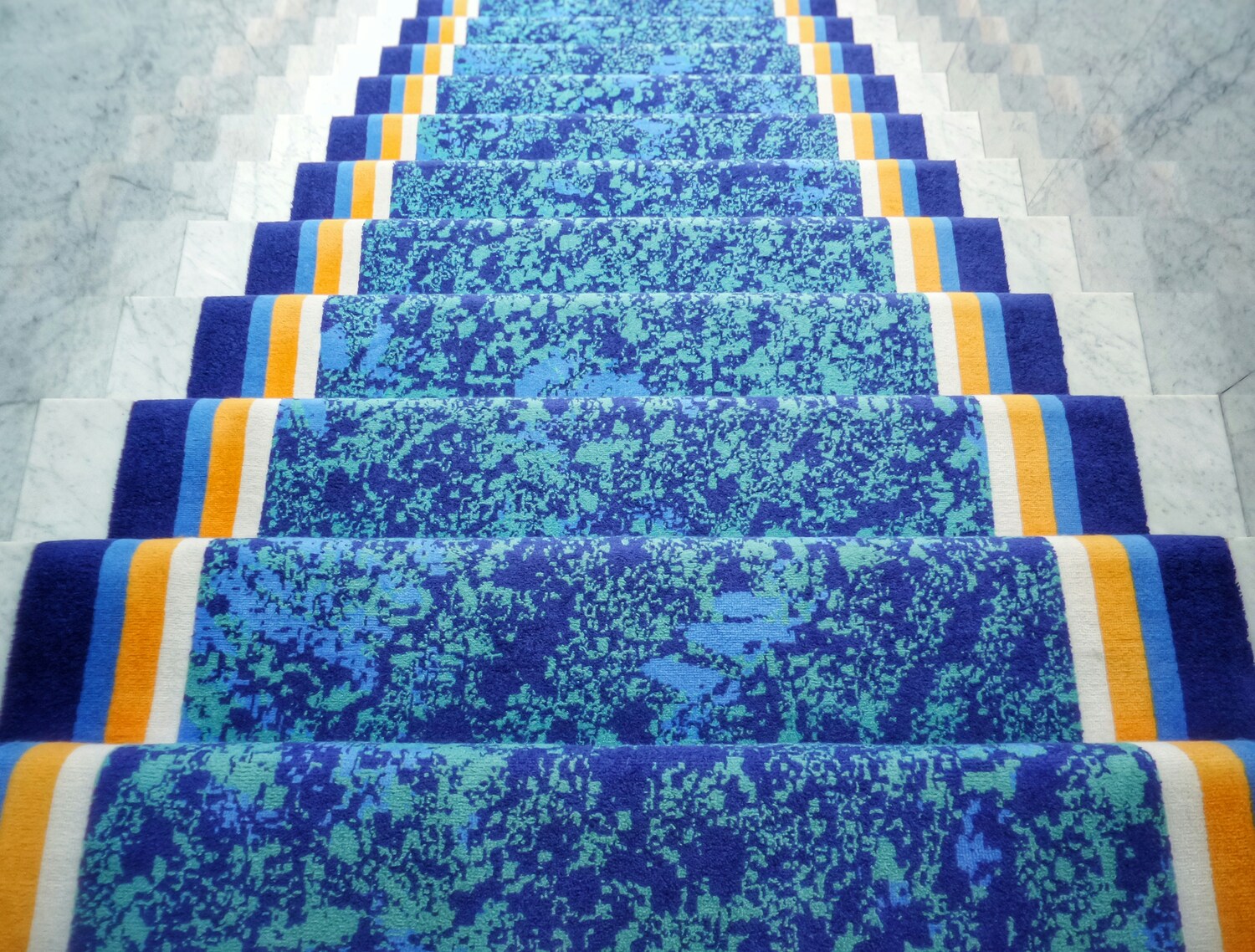
A long, narrow corridor can echo. Runners absorb footfall, reducing clatter from sneakers, pet nails, and heels. Pairing a cushioned pad with a dense weave improves comfort underfoot, which is helpful in homes where hallways connect bedrooms. If noise travels up a stairwell, extend the soft surfaces with a stair runner for a consistent look. Keep the pile height moderate for easier vacuuming. Flatweave or low-cut pile resists dents from heavy use.
Style and Pattern Choices
Use patterns to guide the eye. Stripes can elongate a short corridor, while a medallion or geometric repeat adds rhythm without feeling busy. If your hallway is narrow, scale down motifs so they don’t overwhelm. Color does double duty: darker tones hide scuffs, while lighter palettes brighten spaces with limited daylight. Tie the runner to nearby rooms by echoing a tone in artwork or a throw on a nearby bench. When in doubt, sample swatches at different times of day to see how the colors read.
Stairs, Landings, and Transitions
If your hallway connects to steps, plan the whole path. Aim for visual continuity between the hall runner and the stair runner without forcing an exact match. Keep edges crisp and protected at the nosing. On landings, allow a clean reveal of the floor. For complex layouts, sketch the run and mark door swings. A single mis-measured hinge can cause a snag later.
- Measure the width at 3 points to catch wall irregularities
- Add 1 extra runner tile or repeat for pattern matching
- Use low-profile thresholds at room transitions
- Confirm pile clearance under every door
- Secure edges with quality binding for durability
Get The Proportions Right
Proportion is the secret to a custom look. Many hallways feel best with a runner that leaves a consistent border of floor on each side so the design sits square. One practical guide suggests keeping several inches of exposed floor at the edges and ends, which helps the runner feel intentional instead of cramped. If you have a very long hall, try two runners separated by a small gap rather than one endless strip. This breaks up the space and makes cleaning easier.
Add Trend-smart Details
Little architectural touches can elevate a corridor. Wall treatments like skinny battens, picture ledges, or chair rails can frame a runner and make the space look designed. A recent interiors report noted a sharp spike in interest for dado rails, with search volume rising dramatically in recent months. If you add trim, keep the runner’s pattern calm so the elements don’t compete. Finish with low-profile lighting like wall washers to show texture without glare.
Materials that Go The Distance
Think about maintenance before the first spill. Wool blends offer springy resilience and a naturally stain-resistant surface. Indoor-outdoor fibers handle pets and weather near exterior doors, and many clean up with mild soap and water. Look for serged or bound edges to prevent fraying. If shoes are worn indoors, place a small coir mat at entries and keep the runner a few inches back from rain-prone thresholds. Rotate seasonally so wear evens out.
A hallway runner should feel like it belongs. When you measure carefully, plan for traffic, and choose patterns that flatter the space, the result is a quieter, safer corridor that also looks pulled together. Take your time with fit and finishes, and your hall will work better every single day.








Futuro House Production Revived in Finland After Decades-Long Hiatus
A Facebook listing for abandoned moulds led to the first new Futuro...
 illustrarch Editoral Team3 Mins read

Building Your Dream Home in NSW: What You Should Know About Montgomery Homes
Montgomery Homes has been building across Sydney, Newcastle, the Hunter, Wollongong and...
illustrarch Editoral Team4 Mins read
Designing a Home Theater: Where Drapery Fits Into the Plan
In a media room the curtains are a performance layer, not decoration....
illustrarch Editoral Team3 Mins read

Oscar Niemeyer’s Cathedral of Brasília: The Hyperboloid Concrete Hymn
The Cathedral of Brasília reads as a single gesture, yet it stood...
 Furkan Sen7 Mins read


Leave a comment