

Roelevard Complex by B2Ai & Snøhetta
Roelevard by B2Ai and Snøhetta transforms Roeselare’s former railway zone into a vibrant mixed-use district that reconnects the city through architecture, public space, and sustainability.
 Begum Gumusel1 January 20263 Mins read235
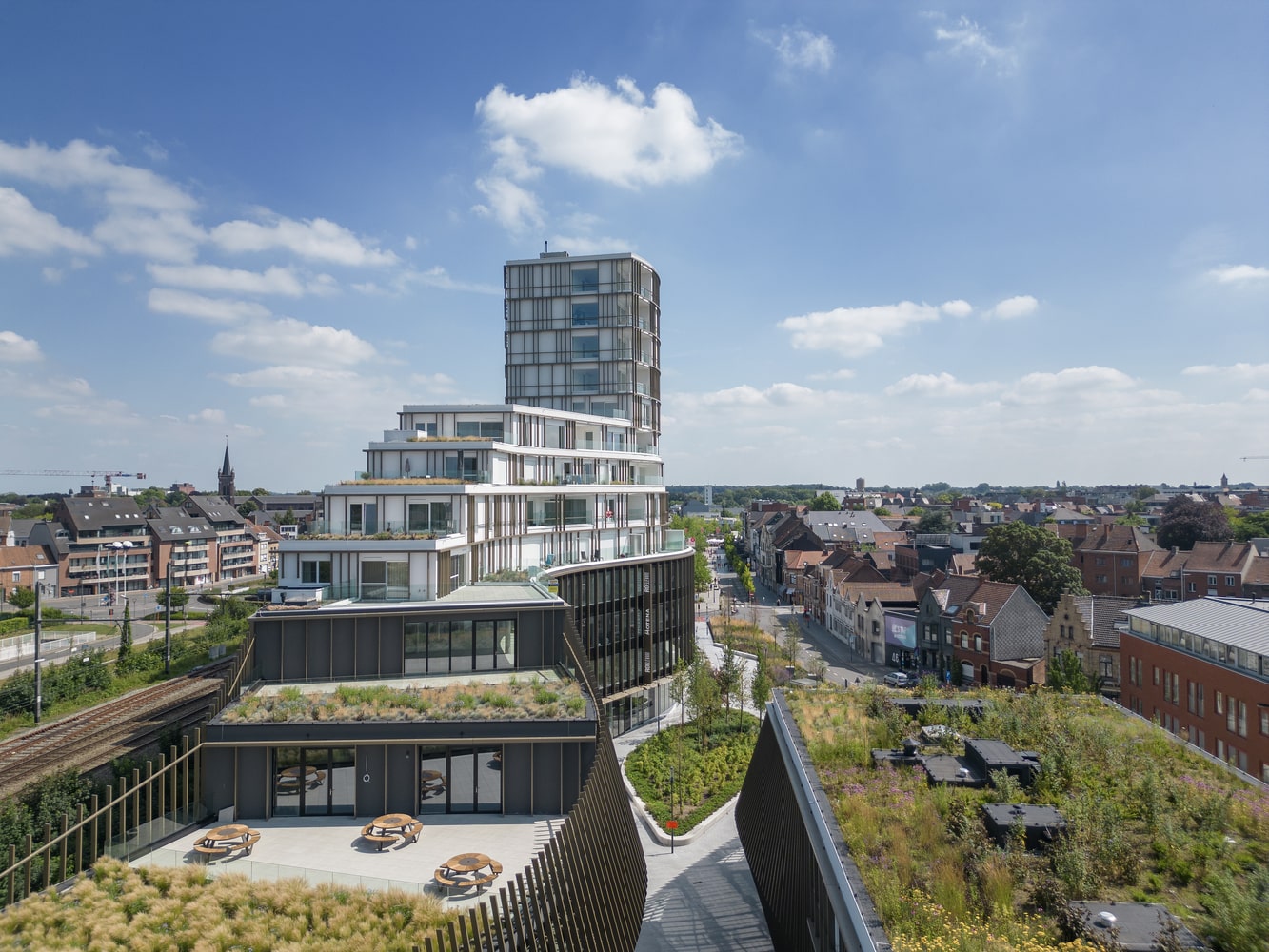

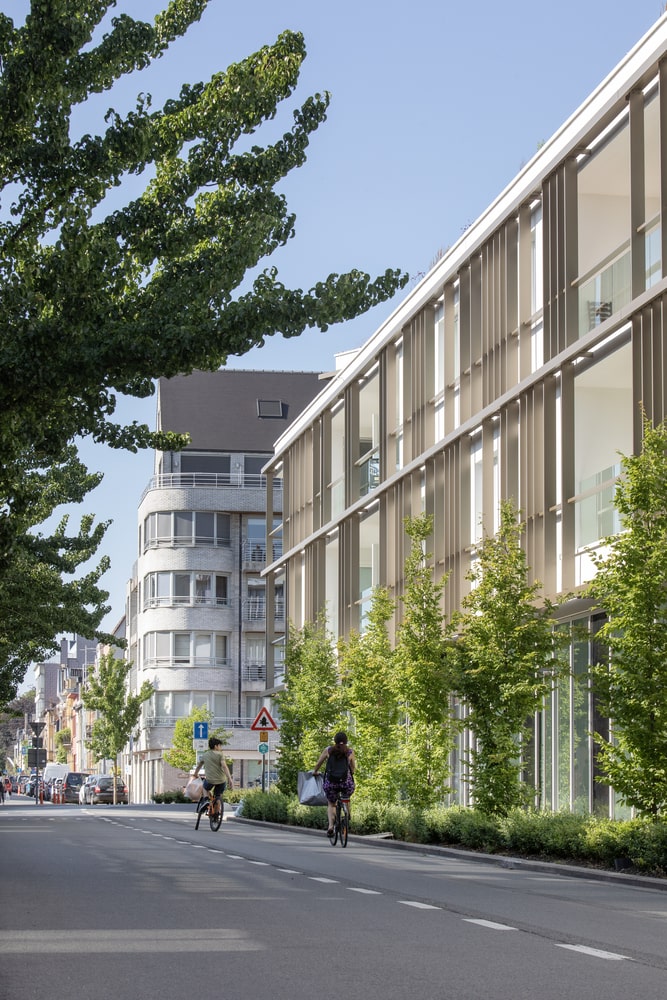
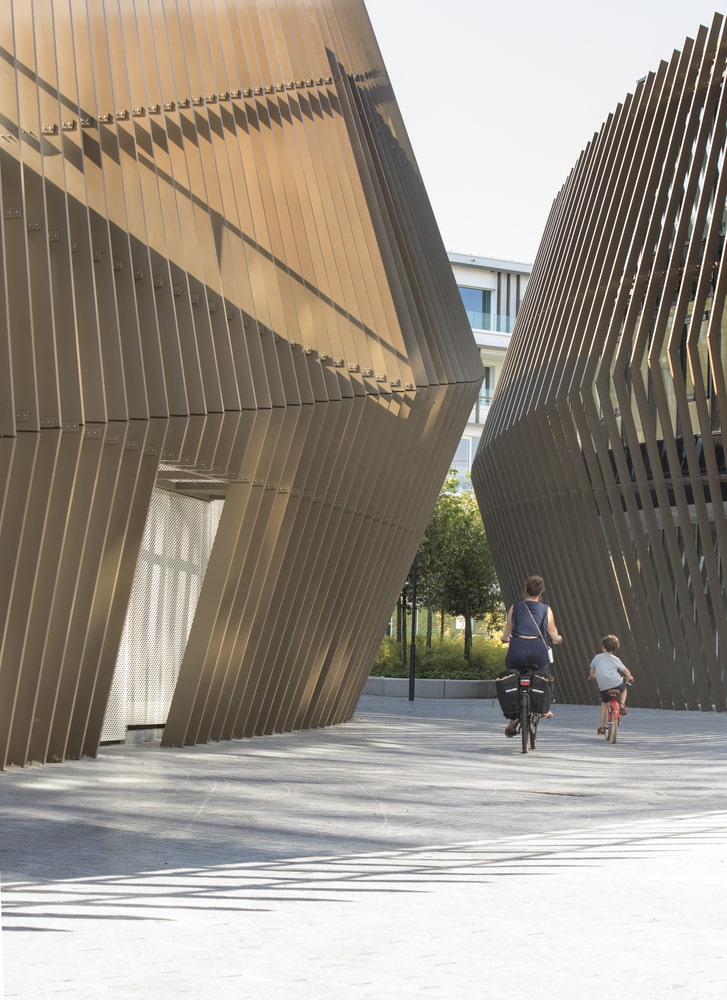
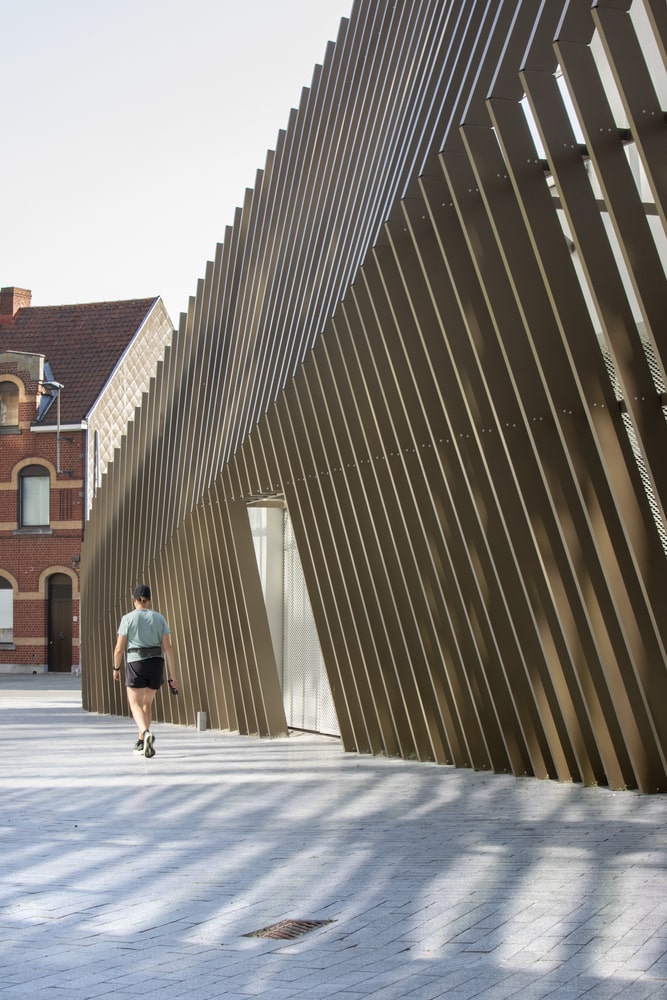
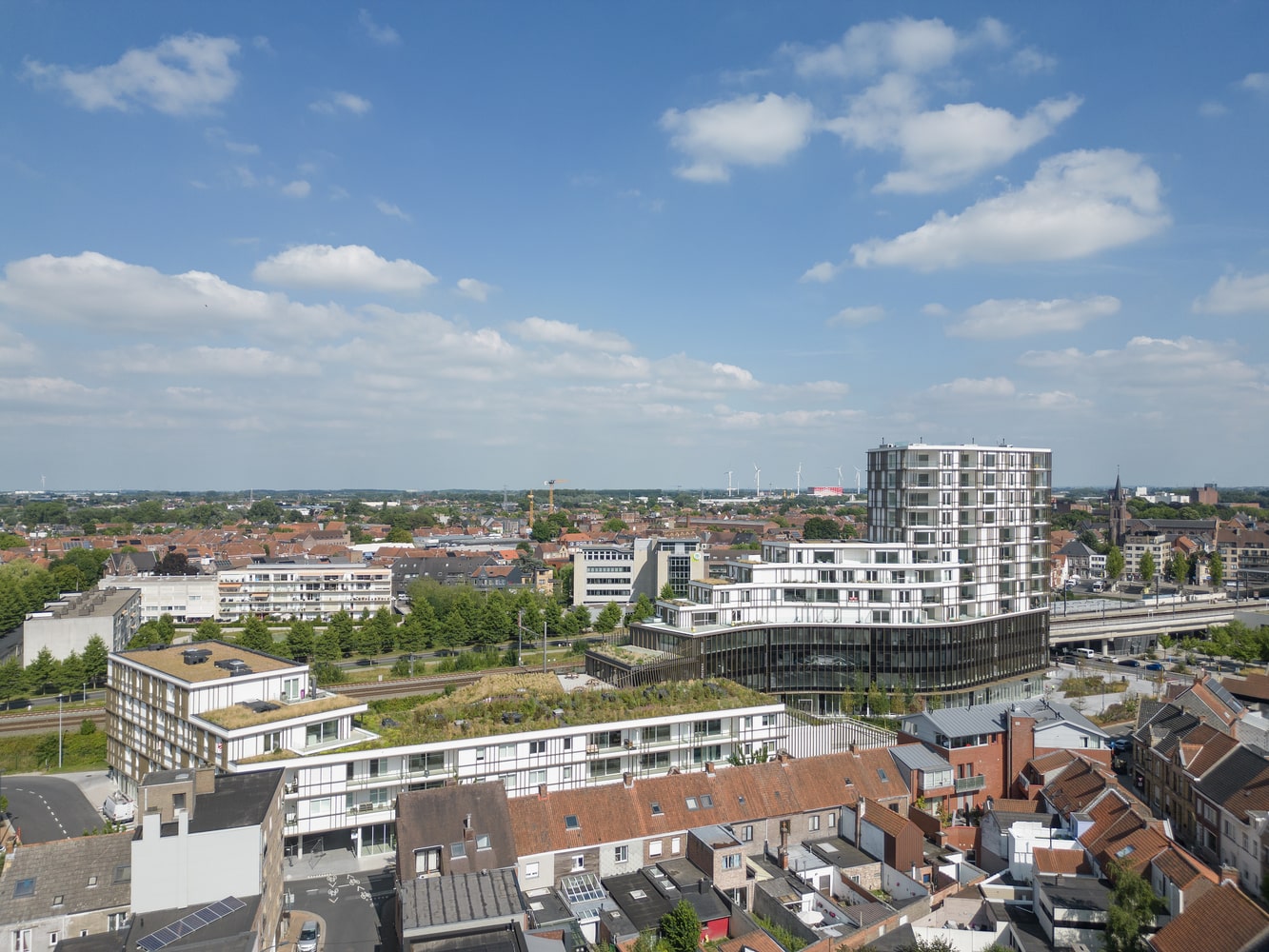
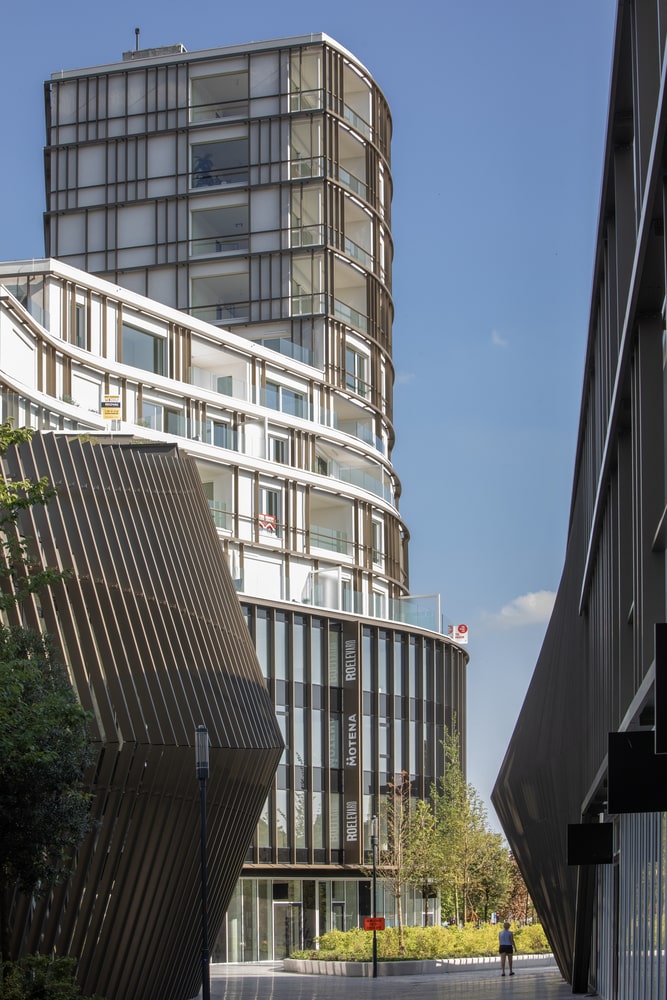

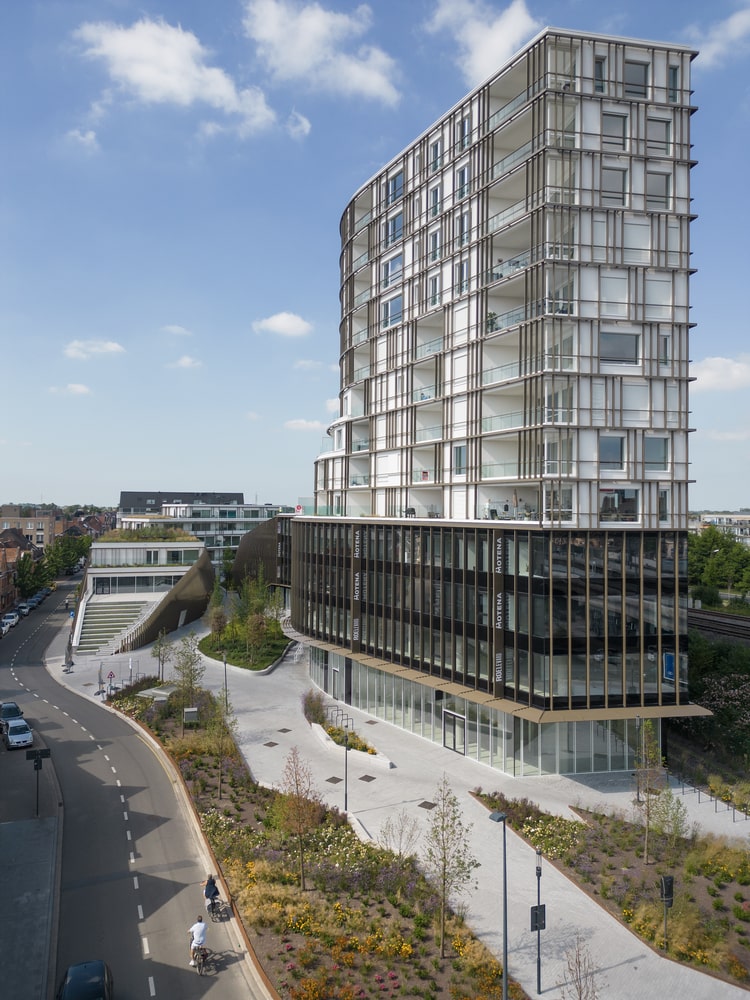
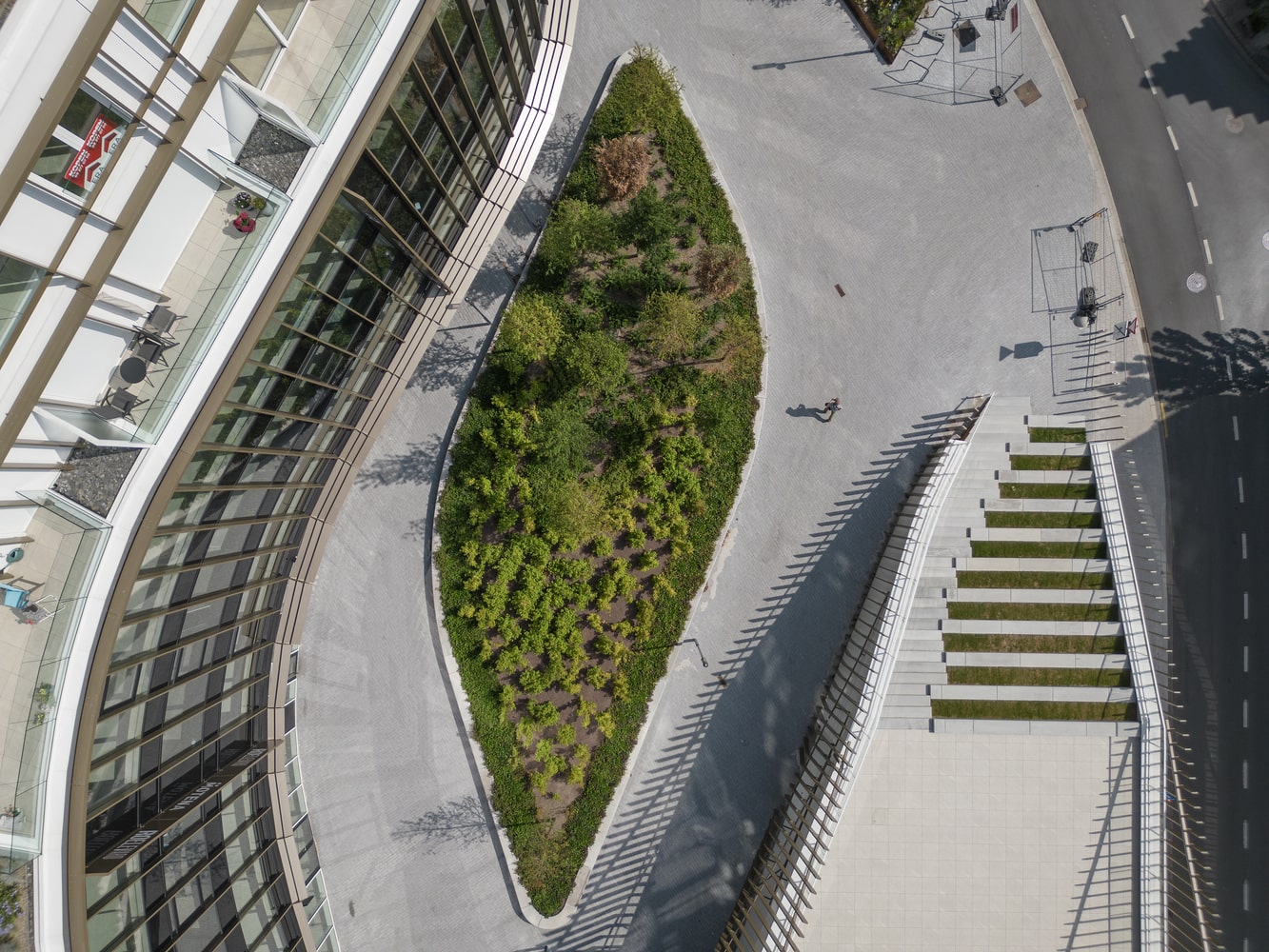
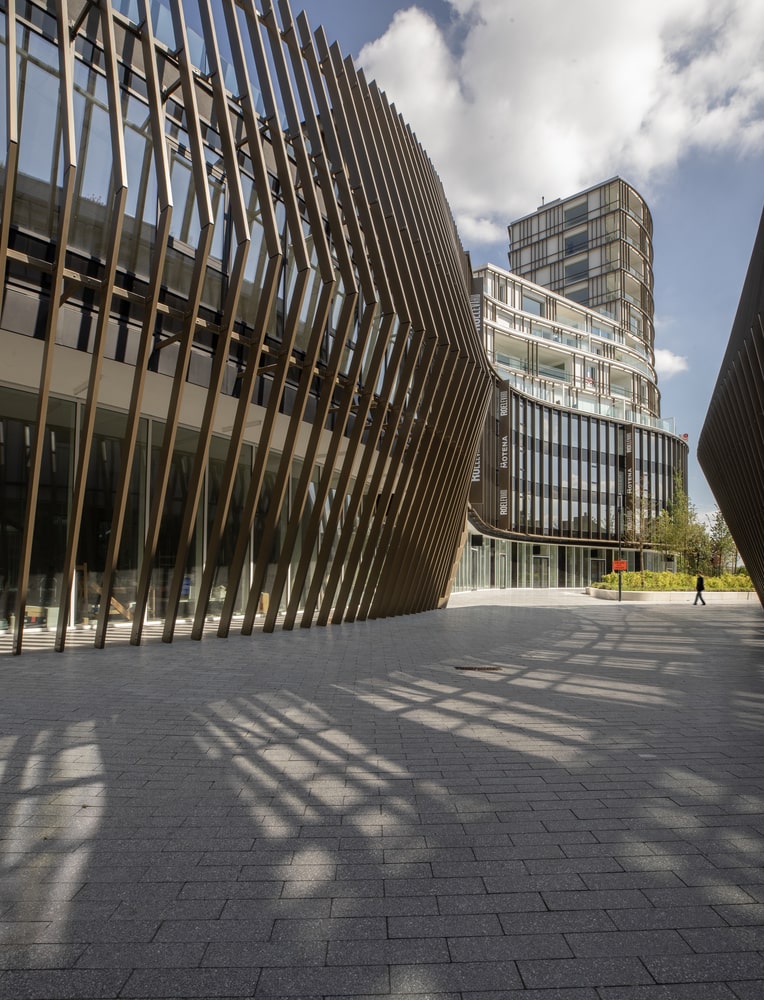
Table of Contents Show
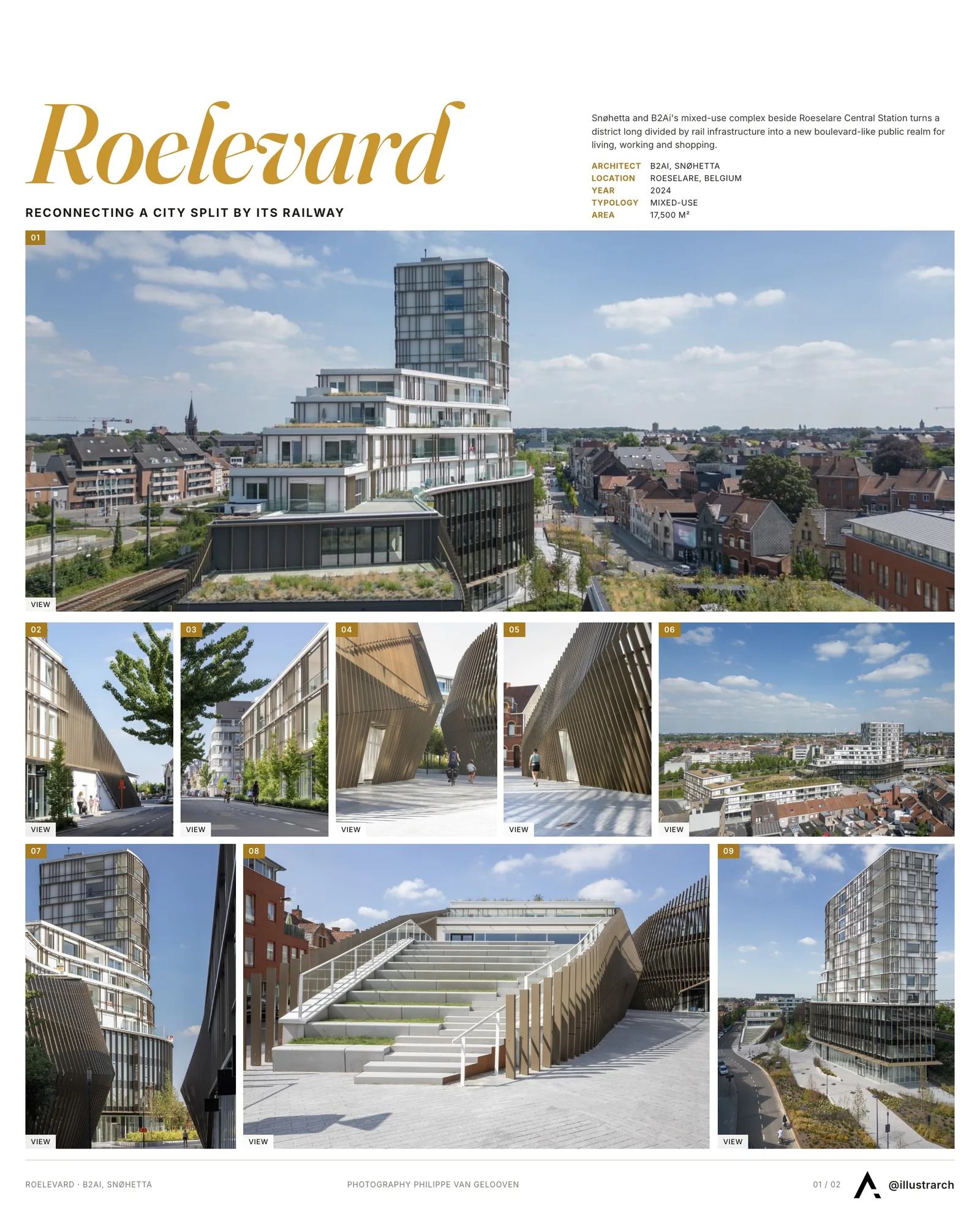
At the heart of Roeselare, Belgium, the Roelevard Complex marks a decisive transformation of the city’s historic railway district into a contemporary, connected urban destination. Designed by Snøhetta in collaboration with local studio B2Ai, the mixed-use development reclaims a site long divided by rail infrastructure and reimagines it as a vibrant place for living, working, shopping, and gathering. Positioned adjacent to Roeselare Central Station, Roelevard acts as both an urban hinge and a social catalyst, stitching together the front and back sides of the city while introducing a new boulevard-like public realm.
From Divided Infrastructure to Urban Continuity
For decades, the railway corridor acted as a physical and psychological barrier within Roeselare, fragmenting the city’s urban fabric. Roelevard addresses this condition by redefining the former station area as a permeable and inclusive urban zone, reconnecting previously isolated neighborhoods through new circulation routes, public spaces, and visual connections. The project’s name, combining Roeselare and boulevard, reflects its ambition to function as an extension of the city’s existing streets and social life rather than as a standalone development.
By strengthening links between the station forecourt and the underdeveloped areas behind the tracks, Roelevard supports a more balanced urban growth strategy, encouraging movement, encounter, and everyday use across the site.
A Mixed-Use Program for a Lively City Center
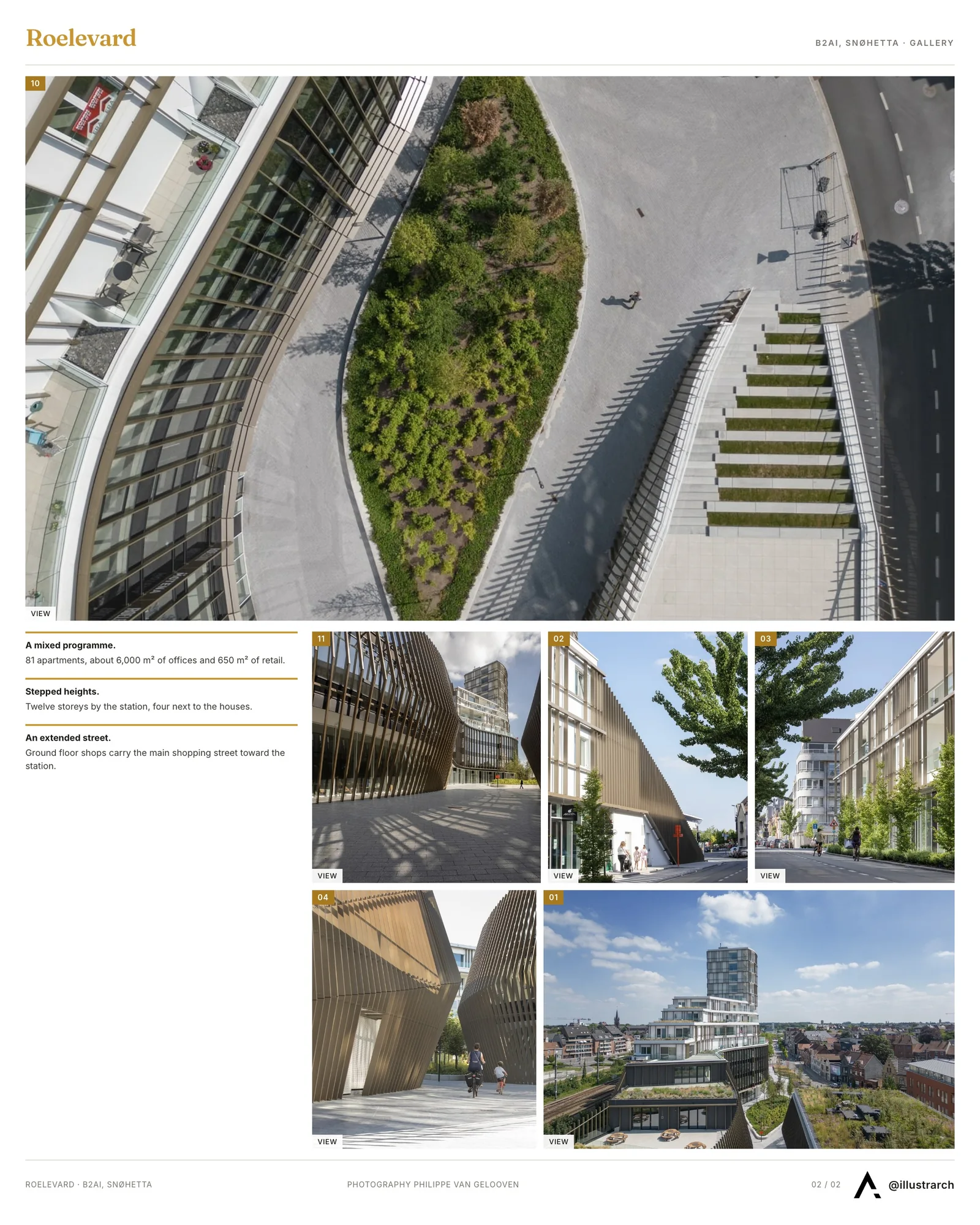
Roelevard brings together a diverse program within a compact urban footprint. The complex accommodates 81 apartments, approximately 6,000 square meters of office space, and 650 square meters of retail, supported by extensive underground infrastructure including parking, storage, and bicycle facilities. This carefully calibrated mix ensures activity throughout the day, from morning commuters and office workers to residents and evening visitors.
More than half of the ground floor is dedicated to retail and services, effectively extending Roeselare’s main shopping street from the historic market square toward the station. This strategy activates the street edge, reinforces pedestrian movement, and embeds Roelevard within the daily rhythms of the city.
Context-Responsive Massing and Architectural Expression
The architectural composition responds sensitively to its surroundings through graduated building heights and differentiated façades. The southern volume, closest to the station, rises to twelve stories and establishes a strong urban marker, while the northern building steps down to four stories to align with the scale of the adjacent residential neighborhood. This modulation softens the project’s impact and ensures a smooth transition between urban conditions.
Façade treatments vary according to use: transparent and open at street level to support retail visibility, more restrained and inward-looking for office spaces, and textured, porous residential façades above. Generous terraces on the housing levels encourage outdoor living and social interaction, reinforcing a sense of community within the dense urban setting.
Public Space, Landscape, and Social Life
A defining feature of Roelevard is its emphasis on shared outdoor spaces. The project introduces an amphitheater-like public zone that cascades upward toward a potential café or restaurant on the second level, offering elevated views over the city center. Tree clusters with integrated seating create informal places to pause and meet, transforming circulation areas into social environments.
Green roofs and planted terraces, covering more than 2,100 square meters, shape the project’s stepped silhouette while contributing to urban biodiversity, stormwater management, and thermal comfort. The 46-meter tower has quickly become a recognizable landmark, signaling the district’s renewal while remaining grounded in its local context.
Sustainability and Fossil-Free Urban Infrastructure
Sustainability is embedded at the core of Roelevard’s design and operation. The complex is connected to the MIROM district heating network, which utilizes renewable energy sources such as biomass and recovered waste heat. As a result, Roelevard operates entirely without fossil fuels, relying on gas-powered systems only during maintenance periods.
This integrated energy strategy, combined with compact density, mixed-use programming, and green infrastructure, demonstrates how architectural design can actively support environmental responsibility while enhancing urban quality of life.
Conclusion
Roelevard Complex represents a new chapter in Roeselare’s urban evolution. By transforming a once-divided railway zone into a connected, active, and sustainable mixed-use district, B2Ai and Snøhetta have created architecture that goes beyond form and function to repair the city’s social and spatial fabric. Roelevard is not simply a development, but a living piece of city, one that reconnects neighborhoods, invites public life, and reflects Roeselare’s ambitions for a more cohesive and resilient urban future.
Photography: Philippe van Gelooven



UNStudio’s RIVUS: How a Former Factory Becomes a Cluj-Napoca Riverfront District
UNStudio has revealed RIVUS, a river-oriented master plan that reconnects Cluj-Napoca to...
 Elif Ayse Sen7 Mins read

Seara Sports System Showroom and Office: Concrete Showroom by Architectkidd
Seara Sports System Showroom and Office in Bangkok by Architectkidd features cast-in-place...
Elif Ayse Sen2 Mins read

SOM Designs 272-Meter Tower Complex for Alatau, Kazakhstan
SOM's Iconic Complex in Alatau, Kazakhstan features a 272-meter primary tower and...
Elif Ayse Sen8 Mins read

Forest House by Studio Onu
Forest House (Dom Las) by Studio Onu is a contemporary retreat in...
Begum Gumusel4 Mins read


Leave a comment