

The Language of Materials: How Texture Shapes Design Thinking
Texture in architecture influences emotional responses and communicates values, transcending mere visual aesthetics to encompass tactile experiences and storytelling.
 Bahattin Duran17 January 20265 Mins read191
Table of Contents Show
Every material speaks. Stone whispers of permanence and weight. Glass suggests transparency and light. Timber carries warmth and organic rhythm. The designer’s task is learning to listen to these voices and understanding what each material wants to become.
I find myself increasingly drawn to this conversation between maker and material. In an age of digital rendering and parametric design, the tactile dimension of architecture risks becoming an afterthought. Yet the most compelling spaces I have encountered share a common quality. They reward touch as generously as they reward sight.
This is not sentimentality or nostalgia for pre-industrial craft. It is recognition that human beings remain fundamentally physical creatures moving through physical environments. How surfaces feel beneath our hands and feet shapes our emotional response to space in ways that visual analysis alone cannot capture.
Texture as Information
Architects speak of texture primarily in visual terms. Rough versus smooth. Matte versus reflective. These distinctions matter for how light interacts with surfaces and how spaces photograph. But texture carries information beyond the visual.
A weathered wooden handrail tells the story of countless hands that gripped it before yours. Polished concrete floor announces institutional efficiency. Handwoven textile on a wall suggests human presence and care. These material choices communicate values and intentions as clearly as any written statement.
The Japanese concept of wabi-sabi offers a useful framework here. The appreciation of imperfection and transience embedded in this aesthetic philosophy elevates wear, age and irregularity from flaws to features. Materials that show their history become more beautiful rather than less.

Contemporary architecture sometimes resists this understanding. The pursuit of pristine surfaces that photograph well for publications produces spaces that feel sterile in person. The gap between represented architecture and experienced architecture often comes down to texture that cameras flatten and screens cannot convey.
Cross-Disciplinary Material Thinking
The most interesting material explorations often happen at boundaries between disciplines. Architects learning from ceramicists. Product designers studying traditional weaving. Furniture makers borrowing techniques from boat builders. These cross-pollinations generate innovation that single-discipline thinking cannot produce.
Textile arts offer particularly rich territory for architectural inspiration. The structural logic of weaving parallels spatial organisation. The interplay of warp and weft creates systems that balance tension and compression, not unlike the forces architects must reconcile. Scale differs but principles transfer.
I have watched architects develop material intuition through hands-on engagement with craft traditions. Working with fibers teaches lessons about flexibility, drape and structural integrity that no textbook conveys as effectively. When designers shop premier yarns and other quality materials for experimental models and tactile studies, they build knowledge that eventually informs full-scale architectural decisions. The small-scale exploration becomes a laboratory for large-scale thinking.
This is not about architects becoming craftspeople. It is about architects developing sensitivity to material behaviour through direct engagement. The hand learns what the eye cannot teach. That embodied knowledge then shapes design intuition in ways that inform everything from facade treatment to interior specification.
The Return to Handmade
Contemporary design shows growing interest in handmade elements within otherwise industrialised production. Custom tiles with intentional variation. Hand-finished metalwork. Textiles produced through traditional methods. This integration of craft acknowledges something important about human response to the environment.
Perfect repetition reads as mechanical. The slight irregularities of handwork read as human. Spaces that incorporate these variations feel different to occupy, even when visitors cannot consciously identify what creates the distinction.
The economics of handmade constrain its application. Not every surface can receive artisanal attention within realistic budgets. But strategic deployment of handcrafted elements within otherwise standardised construction creates hierarchy that guides attention and emotional response.
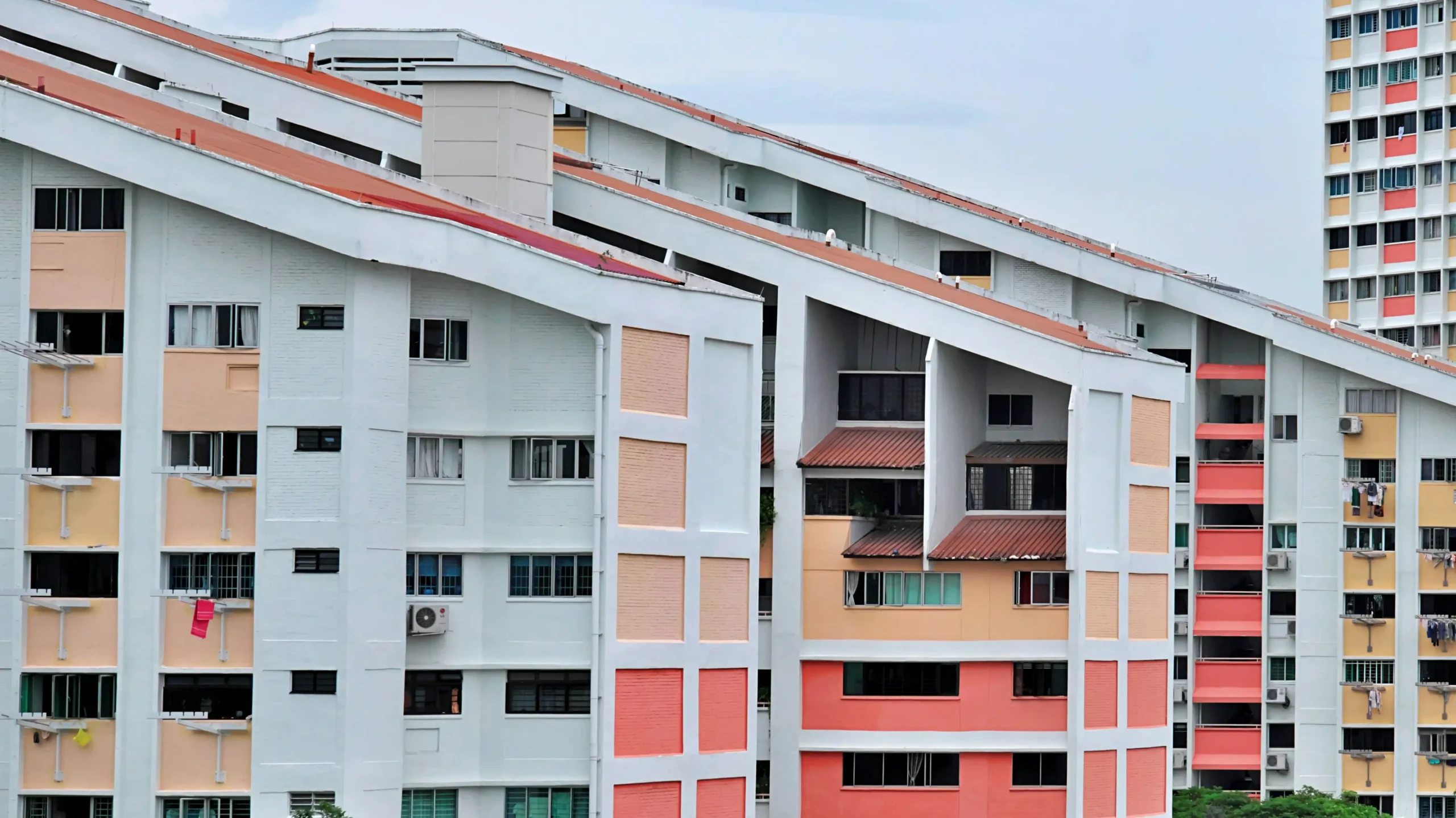
Consider how a single wall of hand-laid tile transforms a room. The surrounding machine-made surfaces provide a neutral background. The crafted element becomes the focal point. The contrast amplifies the impact of both. This is composition through material selection, not formal manipulation.
Material Honesty Reconsidered
Modernist doctrine emphasised material honesty. Concrete should look like concrete. Steel should read as steel. Surfaces should not pretend to be what they are not. This principle produced powerful architecture but also limited certain expressive possibilities.
Contemporary practice takes a more nuanced position. Material honesty matters, but honesty admits complexity. A surface can be simultaneously authentic and transformed. Treatment that reveals rather than conceals material nature remains honest even when it alters appearance.
Textile applications in architecture illustrate this evolution. Fabric stretched over structure creates form through tension. The material is obviously textile, not pretending to be something else. But its architectural application transforms its meaning. Domestic material becomes a spatial element. The honesty lies in clarity about what the material is and what it does, not in restricting materials to conventional applications.
Observing Material Behaviour
Designers develop material sensitivity through sustained observation. Watching how surfaces age. Noticing how different materials respond to weather and use. Cataloguing the ways light interacts with various textures throughout the day.
This observation extends beyond building materials to encompass the full material world. How fabric drapes. How paper folds. How clay responds to pressure. These observations from domains seemingly unrelated to architecture inform spatial thinking in subtle but significant ways.
I keep a collection of material samples that serves no practical purpose. Fragments of weathered wood. Pieces of corroded metal. Scraps of textile in various weaves. Handling these objects exercises a kind of material imagination that complements the abstract thinking design work requires.
The digital tools that dominate contemporary practice excel at many things. Material imagination is not among them. The haptic understanding that comes from physical engagement with actual materials requires actual physical engagement. No simulation substitutes for the information hands provide.
Materiality and Memory
Materials carry cultural memory. Stone connects to ancient building traditions. Certain woods evoke specific regional architectures. Textiles trigger associations with domestic comfort. Designers work with these associations whether consciously or not.
Thoughtful material selection leverages this associative power. A healthcare facility that incorporates residential materials may reduce patient anxiety through subliminal suggestion of home. An institutional building that employs craft elements may communicate respect for individual dignity within bureaucratic function.
These effects operate below conscious awareness. Visitors do not analyse why a space feels welcoming or alienating. They simply respond. The designer’s material choices shape those responses invisibly but powerfully.
Understanding material associations requires cultural literacy that extends beyond design education. How different communities relate to different materials varies significantly. Wood that suggests warmth in one context may suggest poverty in another. Stone that conveys permanence in one culture may suggest coldness in another. Effective material selection requires understanding the specific associations operating within specific contexts.
The Continuing Conversation
My engagement with materials has deepened over years of practice and observation. Early in my career, I selected materials primarily for visual and functional properties. Gradually, I came to appreciate the fuller conversation materials enabled.
Every project now begins with material questions. What do we want people to feel in this space? What materials support those feelings? What stories do we want the building to tell about its making and its makers? These questions precede formal development rather than following it.
The answers emerge through research, sampling and direct engagement. Visiting fabricators. Handling options. Building mock-ups. Testing how materials behave together. This process takes time that schedules often resist. But the investment pays returns in spaces that resonate beyond visual appeal.
Architecture that rewards only the eye misses most of what makes spatial experience meaningful. The materials we choose and how we employ them determine whether buildings merely shelter or actively enrich the lives they contain. That determination deserves the attention we give it.
The conversation with materials continues. Each project teaches something new. Each material reveals possibilities I had not previously considered. The learning never completes because the subject is inexhaustible. That inexhaustibility is part of what makes design practice endlessly engaging despite its frustrations.
Materials speak. The designer’s task remains learning to listen.




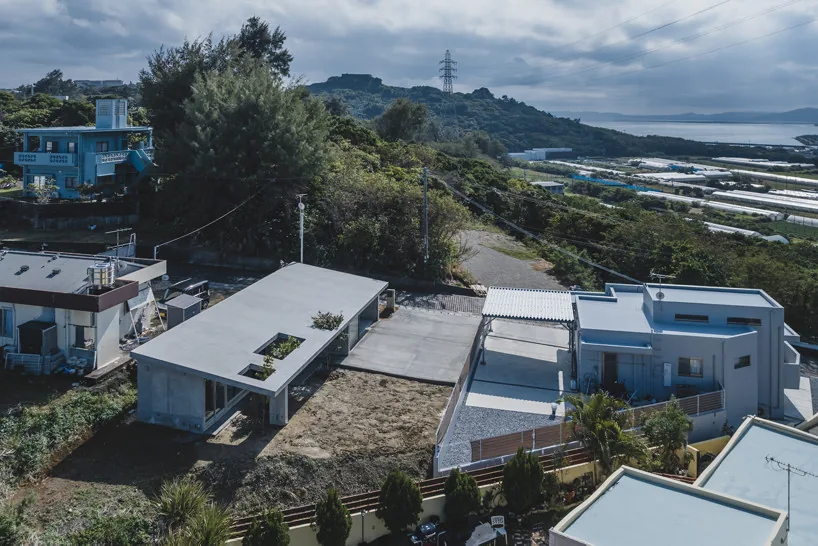
Overlapping Concrete Walls and One Roof Shape a House in Okinawa
IGArchitects built Overlapping Spaces in Okinawa from reinforced concrete walls, columns and...
 illustrarch Editoral Team1 Mins read
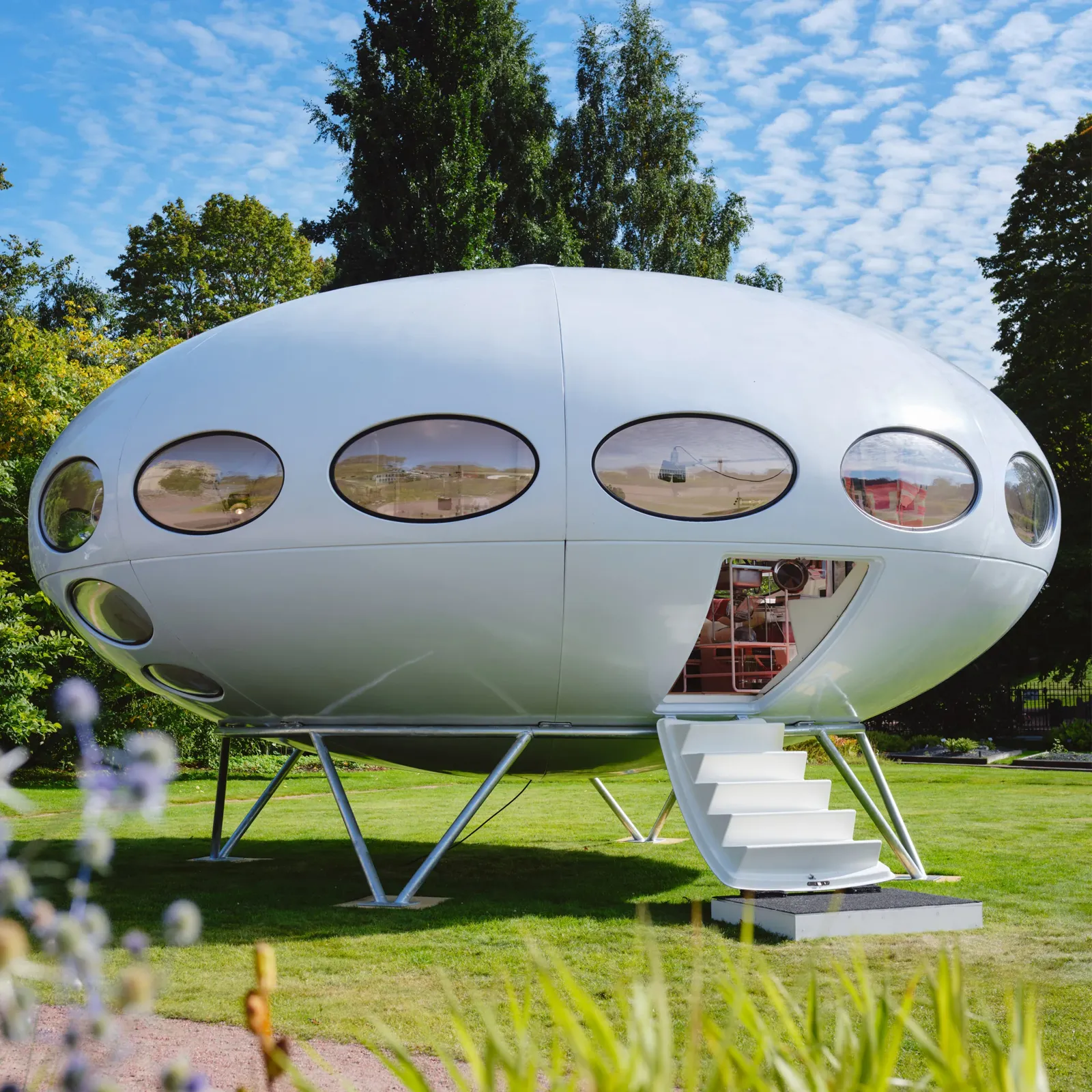
Futuro House Production Revived in Finland After Decades-Long Hiatus
A Facebook listing for abandoned moulds led to the first new Futuro...
illustrarch Editoral Team3 Mins read
Building Your Dream Home in NSW: What You Should Know About Montgomery Homes
Montgomery Homes has been building across Sydney, Newcastle, the Hunter, Wollongong and...
illustrarch Editoral Team4 Mins read
Designing a Home Theater: Where Drapery Fits Into the Plan
In a media room the curtains are a performance layer, not decoration....
illustrarch Editoral Team3 Mins read


Leave a comment