

Must-Read Architecture Books for Students in 2026
Explore 15+ essential architectural history books and recommended architecture books for students in 2026. This curated guide covers theory, history, brutalist architecture books, gothic architecture books, Frank Lloyd Wright, Zaha Hadid monographs, and practical design references every future architect needs.
 Elif Ayse Sen17 January 202610 Mins read411

Table of Contents Show
Architecture education in 2026 exists at the intersection of tradition, technology, and cultural responsibility. While digital tools, AI-driven workflows, and rapid visualization methods continue to reshape how architects design, the intellectual foundation of the discipline still depends on reading, reflection, and critical thinking. The best architectural history books and books on architecture remain essential companions in architectural education, not only as sources of technical knowledge, but as frameworks for understanding space, society, history, and human experience. Whether you are searching for good books about architecture or building a curated reading list, these recommended architecture books will sharpen your design thinking and deepen your critical awareness.

The following selection of ten essential books about architecture brings together theory, history, philosophy, urbanism, and practical guidance, offering architecture students a well-rounded intellectual toolkit. These works do not prescribe a single way to design; instead, they teach how to think like an architect in an increasingly complex world. If you are looking for a solid book on architecture to start with, or need to expand an existing collection, this list covers the essential ground from manifestos to technical references, from beginner-friendly introductions to advanced critical histories.
| Book Title | Author | Category | First Published | Best For | Difficulty Level |
|---|---|---|---|---|---|
| Towards a New Architecture | Le Corbusier | Manifesto / Theory | 1923 | Understanding modernist ideology | Intermediate |
| Modern Architecture: A Critical History | Kenneth Frampton | History / Criticism | 1980 | Graduate-level historical grounding | Advanced |
| The Poetics of Space | Gaston Bachelard | Philosophy / Phenomenology | 1958 | Sensory and emotional design thinking | Advanced |
| 101 Things I Learned in Architecture School | Matthew Frederick | Practical Guide | 2007 | First-year students and beginners | Beginner |
| Architecture: Form, Space, and Order | Francis D.K. Ching | Design Fundamentals | 1979 | Core design principles and visual learning | Beginner: Intermediate |
| Neufert Architects’ Data | Ernst Neufert | Technical Reference | 1936 | Dimensional standards and planning | Intermediate |
| A Pattern Language | Christopher Alexander | Urbanism / Design Theory | 1977 | Human-centered and participatory design | Intermediate |
| The Death and Life of Great American Cities | Jane Jacobs | Urbanism / Criticism | 1961 | Urban planning and community design | Intermediate |
| The Eyes of the Skin | Juhani Pallasmaa | Phenomenology / Criticism | 1996 | Multisensory and material-focused design | Advanced |
| Architecture Without Architects | Bernard Rudofsky | Vernacular / Cultural | 1964 | Vernacular traditions and cultural context | Beginner: Intermediate |
Towards a New Architecture Book: Le Corbusier’s Modernist Manifesto
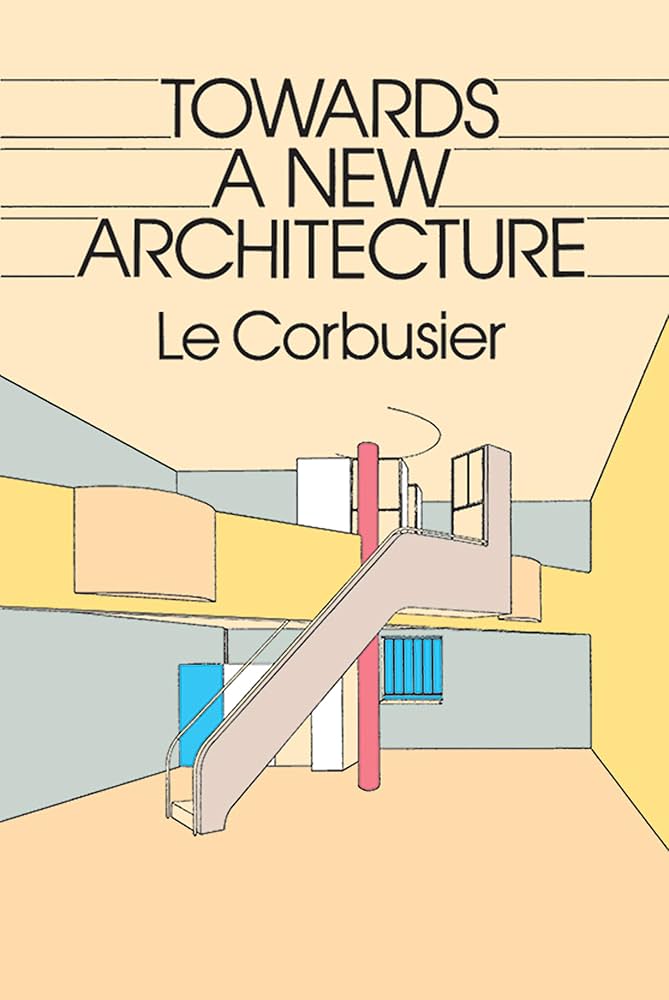
First published in the 1920s, the Towards a New Architecture book remains one of the most provocative texts in architectural history. Le Corbusier challenges traditional notions of beauty, proportion, and ornament, arguing for an architecture rooted in logic, engineering, and the realities of modern life. Through comparisons between classical buildings, industrial structures, ships, airplanes, and automobiles, he frames architecture as a discipline that must evolve alongside technology. For architecture students, the book is less a manual than a mindset shift, it teaches how radical thinking can redefine architectural language. Even today, its ideas continue to provoke debate, making it essential reading for understanding modernism’s ideological foundations. As one of the most influential architectural books ever written, it belongs on every student’s shelf alongside other foundational texts in the history of architecture book canon.
Modern Architecture: A Critical History: Kenneth Frampton’s Essential History of Architecture Book
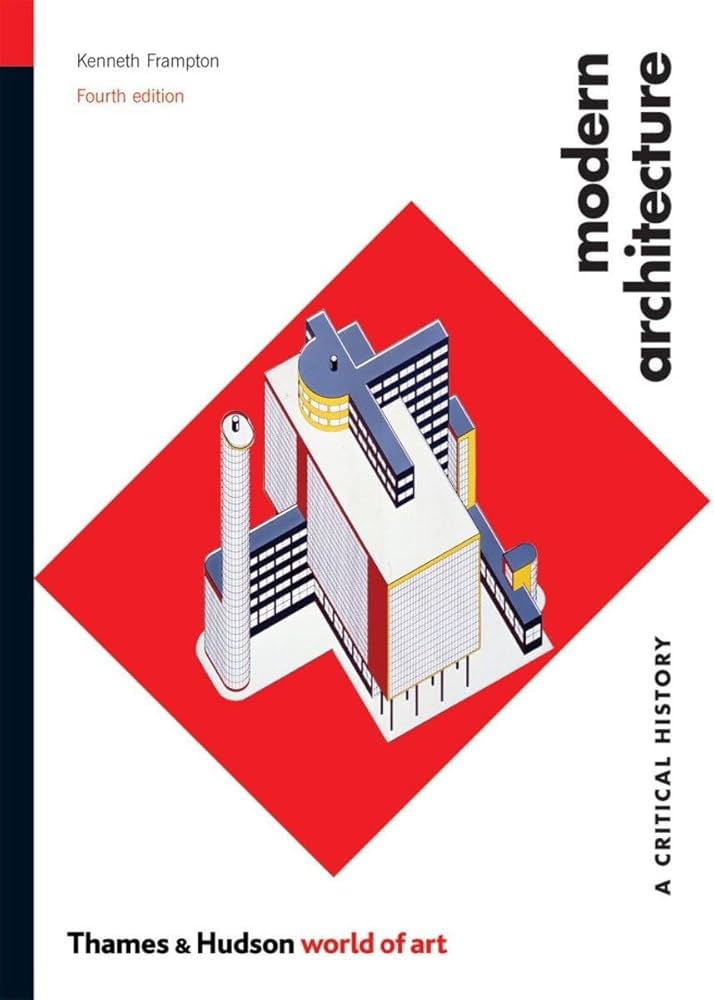
Kenneth Frampton’s Modern Architecture: A Critical History offers a rigorous and balanced overview of modern architecture from the late nineteenth century to the contemporary era. Rather than presenting modernism as a single narrative, Frampton examines regional responses, political contexts, and cultural conditions that shaped architectural production worldwide. His concept of “critical regionalism” is especially influential, encouraging architects to resist placeless global styles in favor of context-responsive design. For students, this history of architecture book provides essential historical grounding while sharpening critical thinking skills. It helps readers understand architecture not just as form, but as a cultural and ideological practice embedded in society. Among all architectural history books, Frampton’s work stands out for its depth and analytical clarity, it is often the first text assigned in graduate-level architecture programs worldwide.
The Poetics of Space: Gaston Bachelard
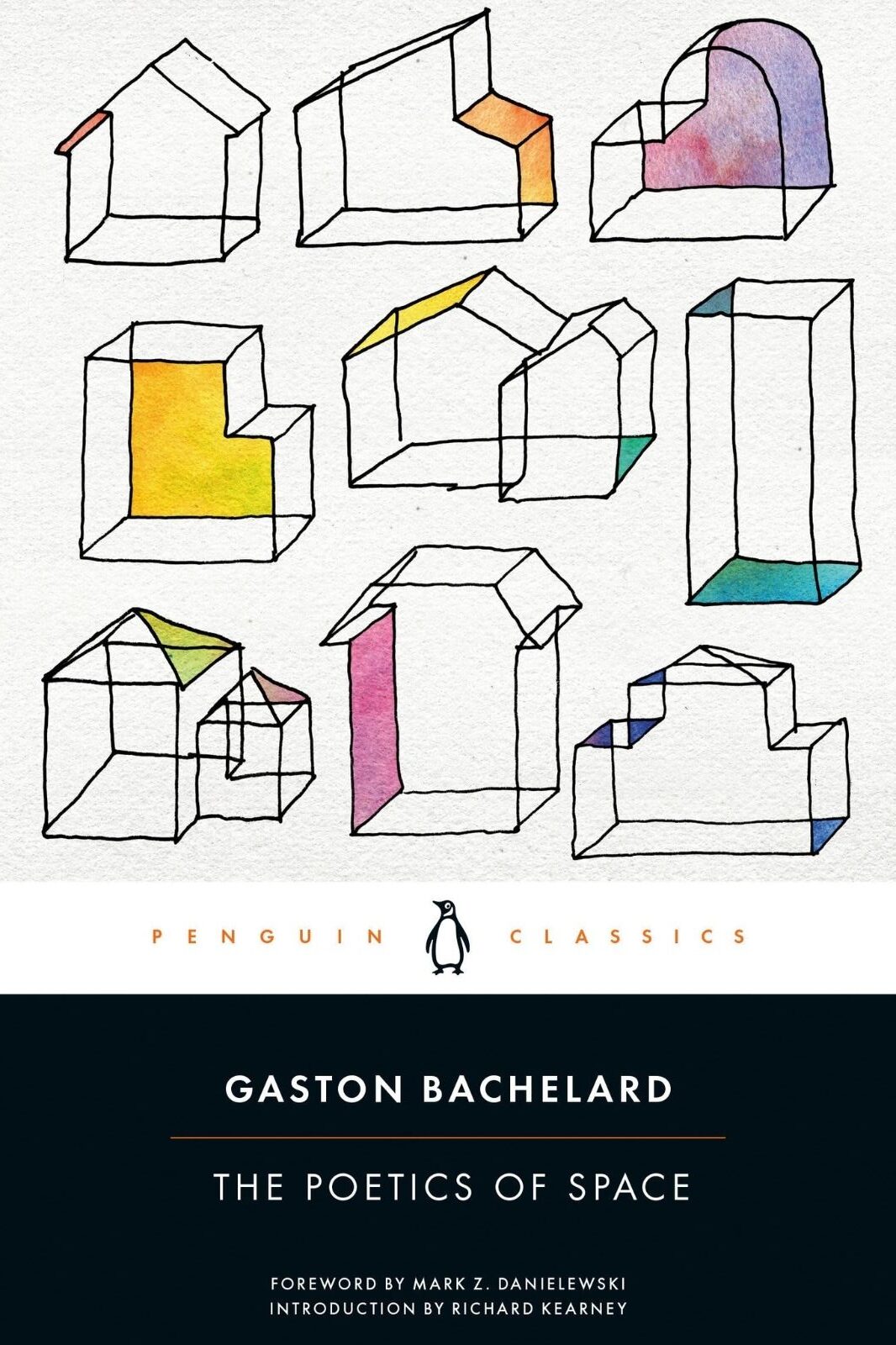
The Poetics of Space is a philosophical exploration of how humans emotionally and imaginatively experience architectural space. Gaston Bachelard shifts attention away from buildings as objects and toward intimate spaces such as houses, rooms, corners, attics, and stairs. Through poetic language and literary references, he reveals how memory, imagination, and emotion shape our perception of space. For architecture students, this book expands design thinking beyond function and form, emphasizing atmosphere and lived experience. It encourages designers to consider how spaces feel rather than how they merely look, making it a profound influence on phenomenological approaches in architecture. Students interested in how sensory experience shapes design will find this among the most rewarding books about architecture they ever read.
101 Things I Learned in Architecture School: Matthew Frederick
Matthew Frederick’s 101 Things I Learned in Architecture School distills complex architectural ideas into concise, accessible lessons. Presented as short, illustrated statements, the book covers design principles, drawing techniques, presentation strategies, and professional insights. Its strength lies in clarity, each idea is easy to grasp yet deep enough to revisit throughout one’s education. For students navigating studio culture, this book acts as both a practical guide and a confidence booster. It does not replace theory or history, but complements them by translating abstract concepts into actionable design thinking that can be immediately applied in academic and professional contexts. Among recommended architecture books for first-year students, this title consistently ranks as one of the most accessible and practical architectural books available.
Architecture Form Space and Order Book: Francis D.K. Ching’s Visual Masterwork
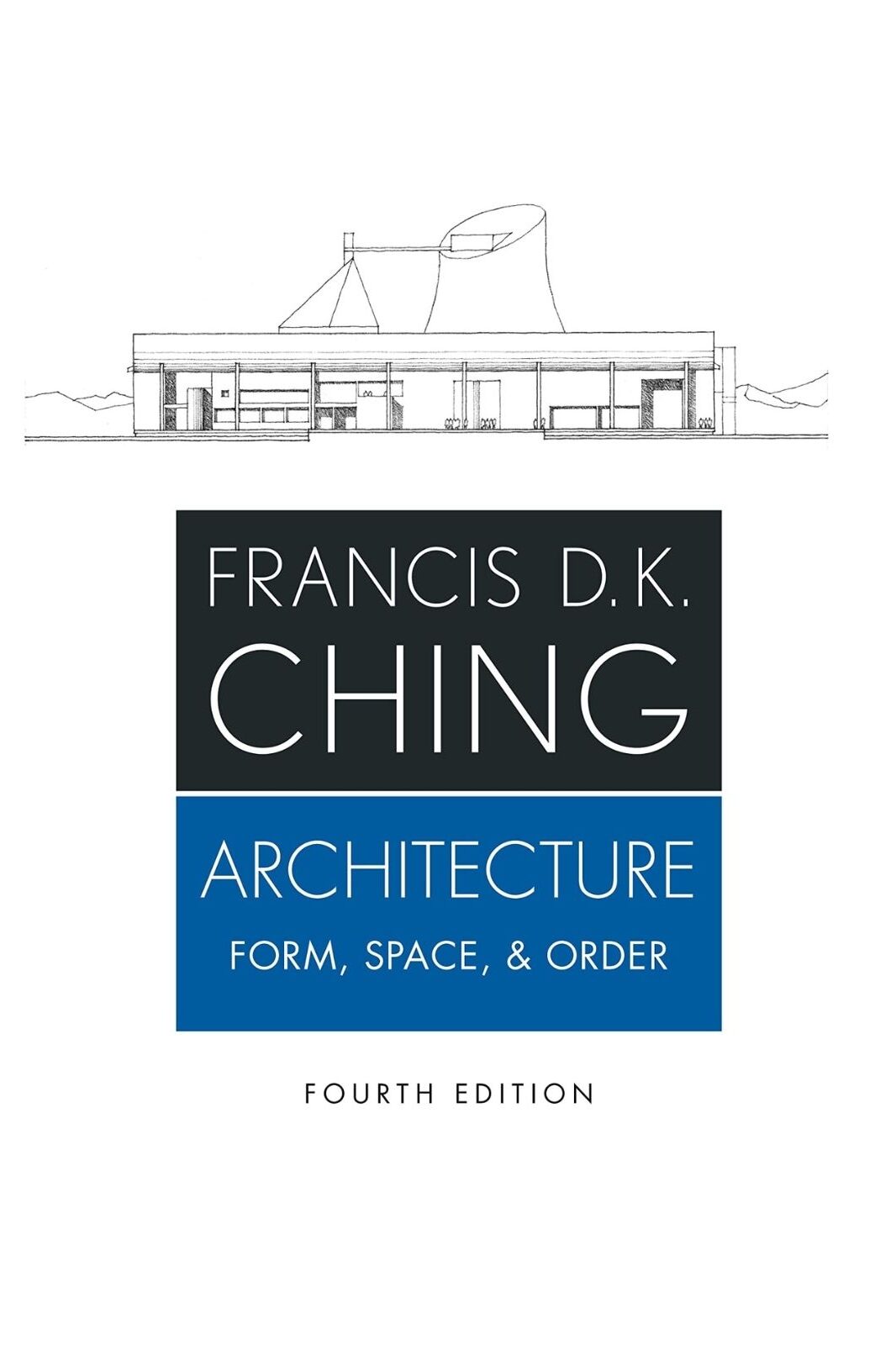
Francis D.K. Ching’s Architecture: Form, Space, and Order is one of the most fundamental textbooks in architectural education. Through clear diagrams and precise explanations, Ching introduces the core elements of architectural design, form, proportion, scale, circulation, and spatial organization. The architecture form space and order book teaches students how buildings are composed and how space is structured, making it especially valuable in early design studios. Its visual clarity helps bridge the gap between abstract theory and practical design application. For many architecture students, this book becomes a long-term reference, revisited throughout education and professional practice. Ching is also widely known for his architectural graphics book, which similarly serves as an indispensable visual resource for learning architectural drawing and representation. Together, these works form the visual backbone of architecture student education.
Neufert Architects’ Data: Ernst Neufert
Neufert Architects’ Data is an indispensable technical reference that translates architectural design into measurable reality. Packed with dimensional standards, planning guidelines, and ergonomic data, the book supports functional decision-making across a wide range of building types. While it may appear purely technical, Neufert plays a critical role in helping architects align creativity with usability, safety, and efficiency. For students, it introduces the discipline of precision and responsibility in design. Rather than limiting creativity, the book provides a framework within which architectural ideas can be realistically built and inhabited. Among professional architectural books, Neufert remains the most universally referenced technical companion for practicing architects and students alike.
A Pattern Language: Christopher Alexander
Christopher Alexander’s A Pattern Language proposes a radically human-centered approach to architecture and urban design. The book presents 253 “patterns” recurring spatial solutions that address everyday human needs, from city planning to window placement. Each pattern is written in accessible language, emphasizing participation, adaptability, and social life. For architecture students, the book challenges top-down design thinking and encourages sensitivity to how people actually use space. Its influence extends beyond architecture into urbanism, software design, and social systems, making it one of the most interdisciplinary and enduring works in architectural theory. Readers who enjoy this book on architecture often find it reshapes their understanding of how design decisions affect everyday life.
The Death and Life of Great American Cities: Jane Jacobs
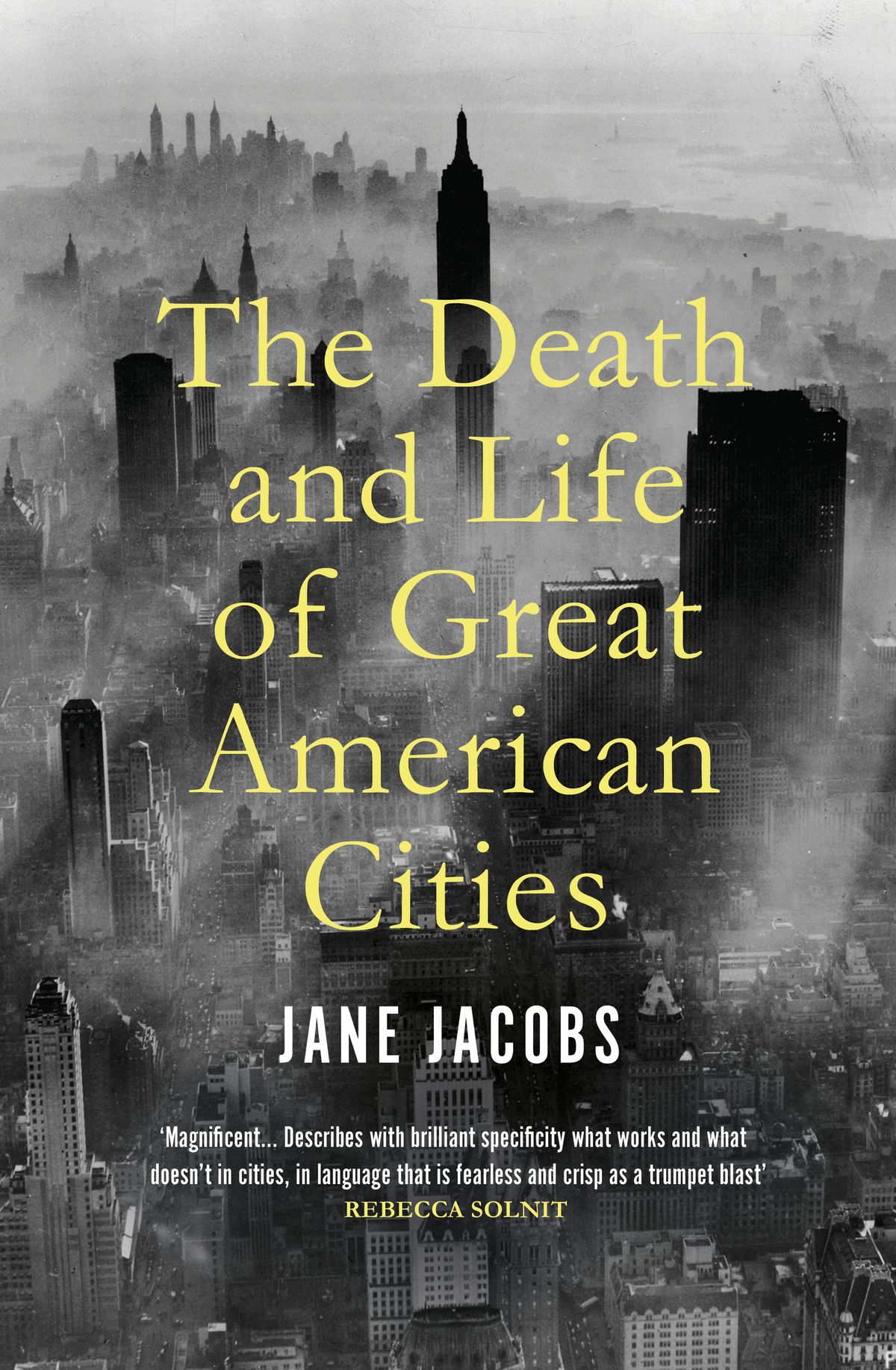
Jane Jacobs’ The Death and Life of Great American Cities is a powerful critique of modern urban planning and its failure to understand real city life. Drawing from close observation rather than abstract theory, Jacobs defends dense, mixed-use neighborhoods, street activity, and community diversity. Her ideas challenged dominant planning ideologies and reshaped urban discourse worldwide. For architecture students, the book is a lesson in humility, it shows how cities succeed through complexity rather than rigid order. Jacobs’ writing remains deeply relevant in discussions about urban resilience, walkability, and social sustainability. As one of the most important books on architecture and urbanism ever written, it continues to influence how architects and planners approach the relationship between buildings and communities.
The Eyes of the Skin: Architecture and the Senses: Juhani Pallasmaa
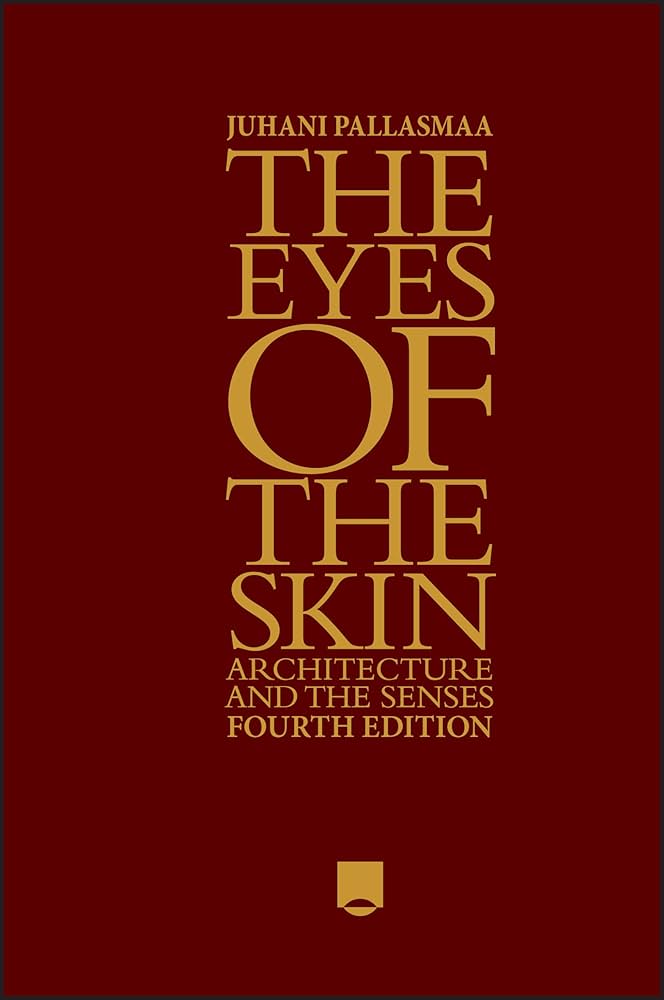
In The Eyes of the Skin, Juhani Pallasmaa argues against the dominance of vision in architectural design, advocating instead for a multisensory understanding of space. He explores how touch, sound, smell, and bodily movement contribute to architectural experience. The book critiques image-driven architecture and emphasizes materiality, atmosphere, and human presence. For students, it offers a critical counterbalance to digital rendering culture, reminding designers that buildings are experienced physically and emotionally. This text is especially influential for those interested in phenomenology, material experimentation, and emotionally resonant architecture. It ranks among the most thought-provoking good books about architecture for anyone questioning how sensory engagement shapes spatial design.
Architecture Without Architects: Bernard Rudofsky
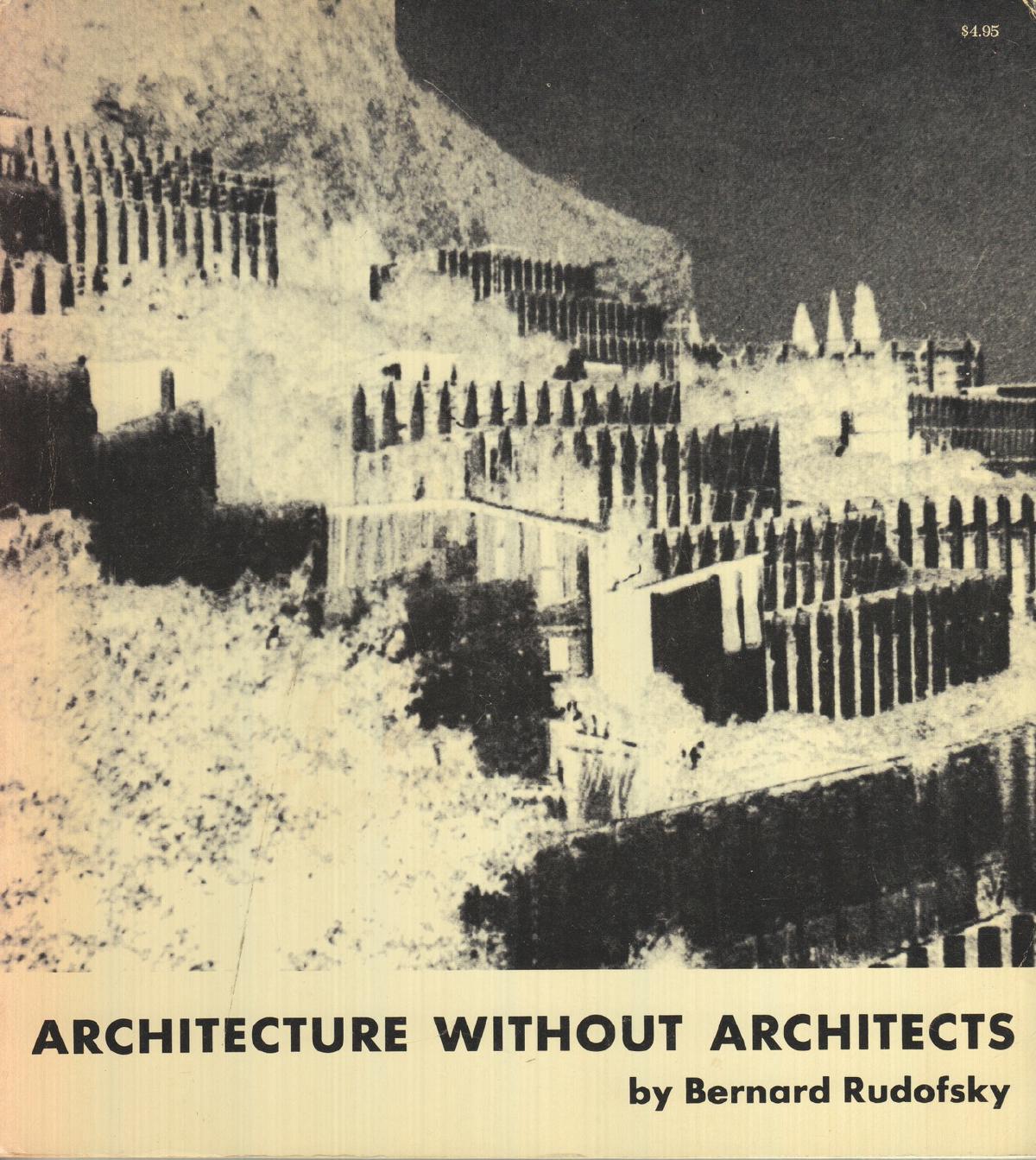
Bernard Rudofsky’s Architecture Without Architects celebrates vernacular architecture created without formal architectural training. Through photographs and commentary, the book documents indigenous and traditional buildings shaped by climate, culture, and necessity. Rudofsky challenges the idea that architectural value depends on professional authorship, highlighting collective knowledge and local wisdom. For architecture students, this book broadens design perspective and questions conventional hierarchies in architectural history. It encourages respect for non-monumental, everyday architecture and reinforces the idea that sustainable and meaningful design often emerges from deep cultural understanding rather than stylistic ambition.
| Student Level | Start With | Then Read | Why This Order |
|---|---|---|---|
| First-Year / Beginner | 101 Things I Learned in Architecture School | Architecture: Form, Space, and Order | Builds confidence with concise lessons, then deepens understanding of spatial composition |
| Mid-Level / Studio-Focused | A Pattern Language | The Death and Life of Great American Cities | Develops human-centered thinking, then expands to urban-scale design awareness |
| Graduate / Theory-Oriented | Modern Architecture: A Critical History | Towards a New Architecture | Establishes critical historical framework, then engages with modernist ideology directly |
| Design Thesis / Phenomenology | The Poetics of Space | The Eyes of the Skin | Opens philosophical inquiry into spatial experience, then deepens multisensory awareness |
| Professional Practice | Neufert Architects’ Data | Architecture Without Architects | Grounds practice in technical standards, then broadens perspective with vernacular wisdom |
Beyond the Core Ten: More Recommended Architecture Books by Style and Subject
While the ten titles above form a strong foundation, architecture students in 2026 should also consider expanding their reading into specific architectural movements and specialized topics. The following recommended architecture books address styles and subjects that increasingly appear in studio discussions, design critiques, and thesis research.
Brutalist Architecture Books
For those drawn to raw concrete, bold massing, and post-war social idealism, a good brutalist architecture book can provide both visual inspiration and critical context. Reyner Banham’s The New Brutalism: Ethic or Aesthetic? remains the definitive scholarly text on the movement, tracing its origins and ethical ambitions. For a more visual approach, SOS Brutalism: A Global Survey published by the Chicago Architecture Center documents hundreds of threatened brutalist landmarks worldwide. Students interested in the cultural resurgence of brutalism architecture book topics will also benefit from exploring how brutalism compares with neo-futurism and minimalism in contemporary practice.
Gothic Architecture Books
A well-chosen gothic architecture book reveals the engineering ingenuity and spiritual ambition behind medieval cathedrals. John Fitchen’s The Construction of Gothic Cathedrals offers a technical deep dive into structural systems, while David Macaulay’s illustrated Cathedral remains a beloved introduction for visual learners. The gothic tradition continues to influence contemporary design, students can explore this lineage through gothic modernism and its uncanny descendants. Understanding gothic principles of verticality, light, and structural expression enriches any student’s approach to spatial drama.
Frank Lloyd Wright Architecture Books
No reading list of architectural history books is complete without engaging with Frank Lloyd Wright’s legacy. A comprehensive frank lloyd wright architecture book such as the Taschen monograph Frank Lloyd Wright: Complete Works offers an exhaustive visual survey of his career, from Prairie houses to the Guggenheim Museum. For a more focused study, In the Cause of Architecture collects Wright’s own essays on organic design philosophy. His integration of building and landscape remains a benchmark for context-sensitive architecture and continues to inspire students studying sustainability and site-responsive design.
Zaha Hadid Architecture Books
Students fascinated by parametric design and fluid geometries should seek out a zaha hadid architecture book to study how computational tools translate into built form. Zaha Hadid: Complete Works 1979: Today from Taschen provides the most thorough documentation of her projects and unbuilt visions. Hadid’s approach to blending radical form with structural innovation makes her work essential reading for anyone exploring digital fabrication and contemporary design culture. Her legacy as the first woman to win the Pritzker Prize also provides valuable lessons in persistence and vision.
Art Deco Architecture Books
An art deco architecture book offers a window into the glamorous intersection of craftsmanship, geometry, and modernity that defined the 1920s and 1930s. Art Deco Architecture: Design, Decoration, and Detail from the Twenties and Thirties by Patricia Bayer provides an accessible global survey, while Anthony W. Robins’ work on New York’s Art Deco landmarks offers detailed walking tours through the style’s greatest urban expressions. For students studying decorative traditions alongside modernism, art deco represents a crucial bridge between historical ornamentation and the machine-age aesthetics that followed.
Architecture Coloring Books and Visual Learning Tools
While not traditional academic texts, an architecture coloring book can serve as a surprisingly effective learning tool. Titles like The Architecture Coloring Book by Steve McDonald or coloring editions based on famous historical buildings encourage students to slow down and study proportion, detail, and ornament through the act of drawing. For architecture students overwhelmed by digital workflows, hands-on visual engagement with building forms reinforces spatial awareness and attention to detail in ways that screen-based study cannot.
| Style / Subject | Recommended Book | Author | Focus | Type |
|---|---|---|---|---|
| Brutalist Architecture | The New Brutalism: Ethic or Aesthetic? | Reyner Banham | Origins and ethical foundations of the movement | Scholarly Text |
| SOS Brutalism: A Global Survey | Various (DAM) | Global documentation of threatened brutalist landmarks | Visual Survey | |
| Gothic Architecture | The Construction of Gothic Cathedrals | John Fitchen | Structural engineering of medieval cathedrals | Technical Study |
| Cathedral | David Macaulay | Illustrated introduction to gothic construction | Illustrated Guide | |
| Frank Lloyd Wright | Frank Lloyd Wright: Complete Works | Taschen (Various Editors) | Full career visual survey from Prairie to Guggenheim | Monograph |
| In the Cause of Architecture | Frank Lloyd Wright | Wright’s own essays on organic design philosophy | Essay Collection | |
| Zaha Hadid | Zaha Hadid: Complete Works 1979: Today | Taschen (Philip Jodidio) | Parametric design, fluid geometries, built and unbuilt works | Monograph |
| Art Deco | Art Deco Architecture: Design, Decoration, and Detail | Patricia Bayer | Global survey of Art Deco craftsmanship and geometry | Visual Survey |
| Visual Learning | The Architecture Coloring Book | Steve McDonald | Hands-on engagement with proportion, detail, and ornament | Activity Book |
Building Your Architecture Reading List in 2026
Together, these books on architecture form a balanced reading map for architecture students navigating the challenges of 2026 and beyond. They move between visionary manifestos and grounded realities, between poetic reflections on space and precise technical standards. Some challenge dominant architectural narratives, while others quietly support the everyday discipline of designing well. What unites them is their enduring relevance: each book sharpens perception, deepens critical awareness, and reinforces architecture’s responsibility to people, cities, and environments.
For students seeking even more depth, exploring essential books every architect should read and top architecture reference books will further expand your library. The best approach to reading architectural books is not about memorization or agreement, but about developing an informed, reflective, and resilient architectural voice, one capable of responding thoughtfully to both present demands and future uncertainties. Whether your interest lies in architectural history books, technical references, or style-specific monographs, the act of sustained reading remains one of the most powerful tools for architectural growth.


1 Comment





What Architecture Students Should Know About Structural Glass and Guardrail Code
Glass guards look minimal, but structural behavior, safety glazing, connections and guardrail...
 illustrarch Editoral Team6 Mins read

Futuro House Production Revived in Finland After Decades-Long Hiatus
A Facebook listing for abandoned moulds led to the first new Futuro...
illustrarch Editoral Team3 Mins read

Building Your Dream Home in NSW: What You Should Know About Montgomery Homes
Montgomery Homes has been building across Sydney, Newcastle, the Hunter, Wollongong and...
illustrarch Editoral Team4 Mins read

Designing a Home Theater: Where Drapery Fits Into the Plan
In a media room the curtains are a performance layer, not decoration....
illustrarch Editoral Team3 Mins read


This article talks about important books for architecture students. It seems like a good list, but I don’t know much about architecture. I think it’s nice that the post mentions how these books help with thinking and understanding design better.